

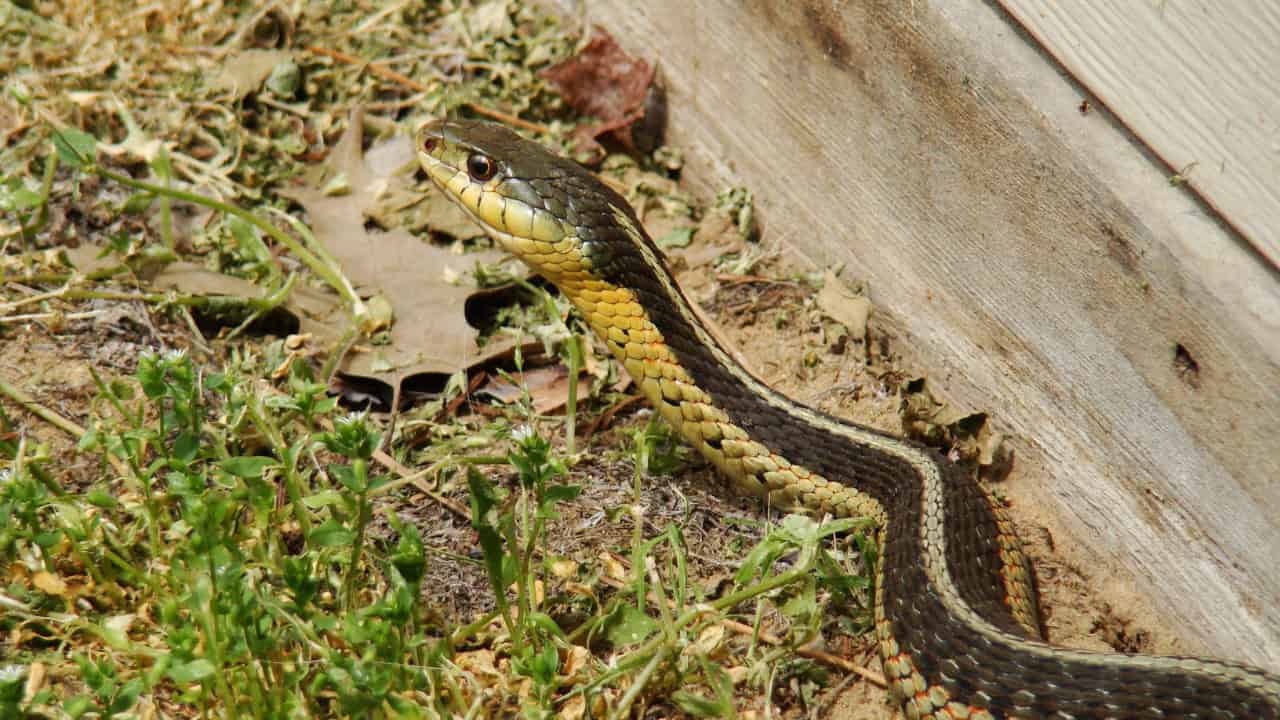
When I moved into my dream home with its sprawling backyard, I never imagined I’d become an accidental expert on snake behavior.
But one sunny afternoon, while admiring my overgrown English garden, I came face-to-face with a resident serpent that would change my entire approach to yard maintenance.
Advertisement
Overgrown Grass

The day I discovered a snake sunbathing in my yard changed my entire approach to lawn maintenance. Like many homeowners pursuing that natural, meadow-inspired look, I’d let my grass grow longer than usual, thinking it would create a more eco-friendly environment. The reality check came during a barefoot walk across my lawn when I spotted a snake slithering through the tall grass mere feet away.
Through extensive research and consultations with herpetologists, I learned that grass height is actually one of the most crucial factors in snake habitat selection. Snakes rely heavily on tall grass for both hunting and protection – it allows them to move undetected while stalking prey and provides instant cover from aerial predators. The solution isn’t just regular mowing; it’s strategic lawn maintenance.
I now keep my grass at a consistent 2-3 inches, which I’ve found is the sweet spot between aesthetically pleasing and snake-deterrent. I’ve also invested in a good quality trimmer for edge areas, as these transitional zones are particularly attractive to snakes when overgrown.
Messy Wood Piles
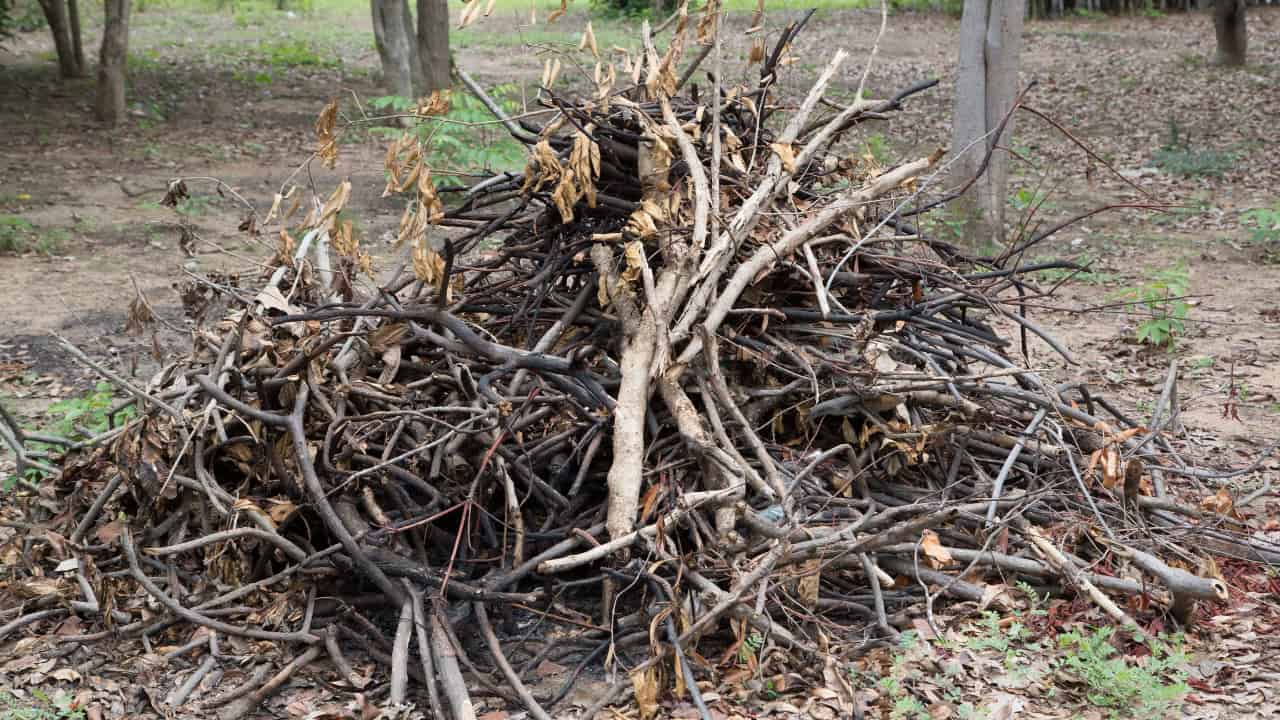
My rustic woodpile saga began with purely aesthetic intentions – I thought the stacked logs along my fence created a charming, cabin-in-the-woods vibe. That romantic notion evaporated the moment I discovered a snake had established residence between the logs while reaching for firewood one chilly evening.
The problem wasn’t just the woodpile itself, but its entire setup. I had created an unintentional snake paradise: logs stacked directly on the ground, positioned against a sunny fence, with minimal disturbance. Through trial and error (and several startling encounters), I developed a snake-resistant wood storage system. Now, all firewood sits on elevated metal racks at least 12 inches off the ground. The racks themselves stand on a bed of crushed gravel for better drainage and fewer hiding spots.
Dense Ground Cover
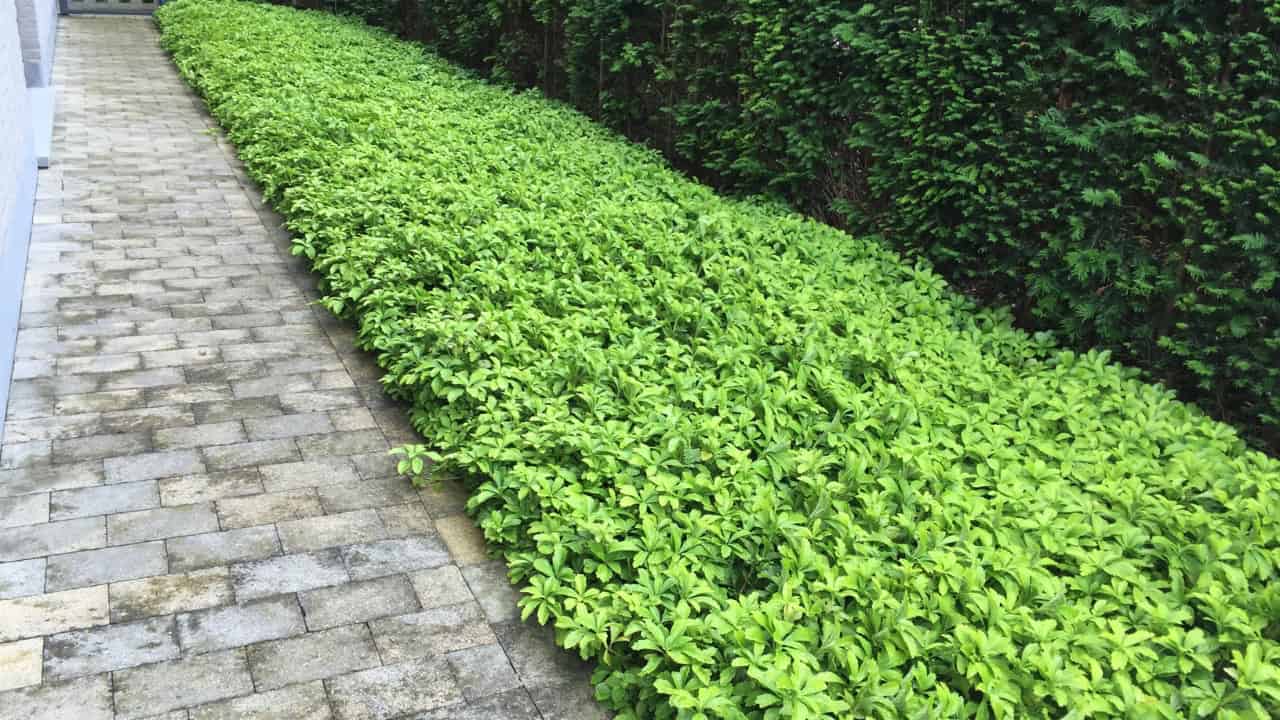
My love affair with pachysandra ended the day I spotted a snake using it as its personal expressway. Dense ground covers create the perfect environment for snakes: moisture-rich, protected, and full of prey.
I’ve since learned to maintain clear borders around these plants, thin them regularly, and create breaks in the coverage. A 2-foot gravel border around dense plantings has proven especially effective, giving snakes less incentive to use these areas as travel routes.
Water Features Without Boundaries
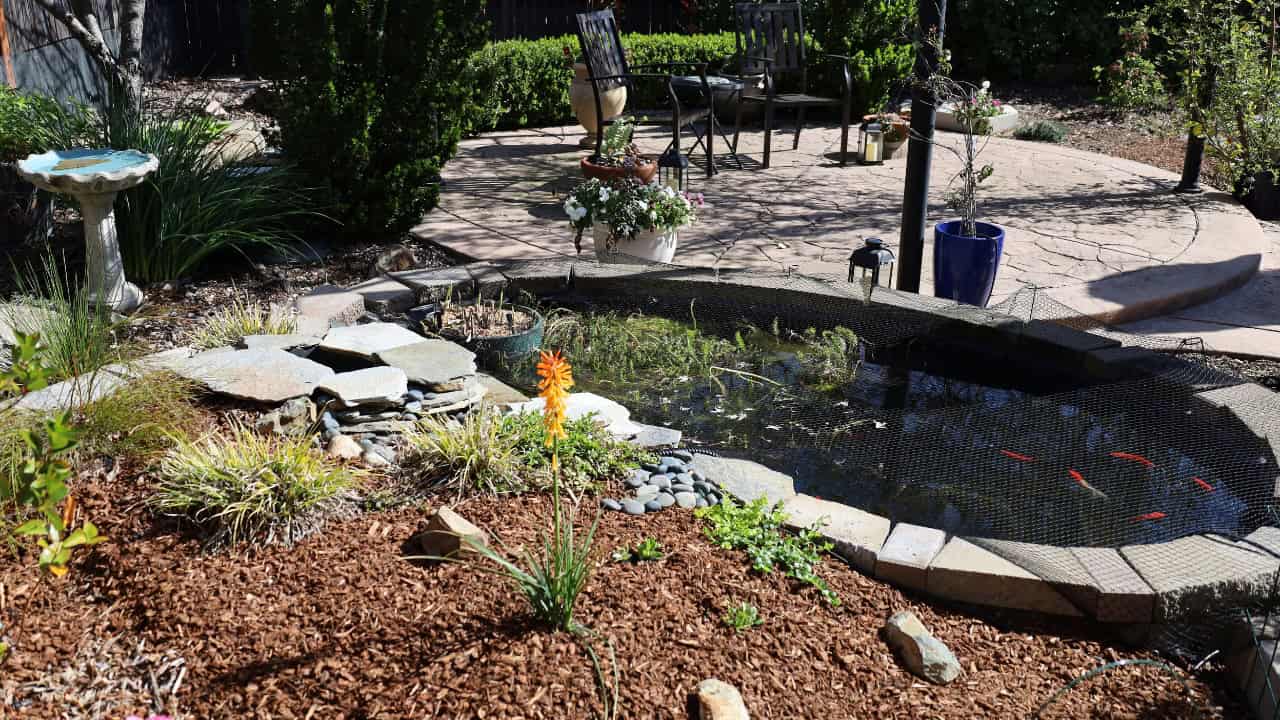
The natural pond I’d created was accidentally doubling as a snake resort. It wasn’t just the water – it was the combination of moisture, amphibian prey, and dense plants around the edges.
My solution? I redesigned the borders with a 2-foot band of river rock, removed plants from immediate edges, and installed subtle lighting. Snakes prefer avoiding exposed areas, so this open perimeter drastically reduced their presence while maintaining the pond’s beauty.
Unkempt Compost Areas
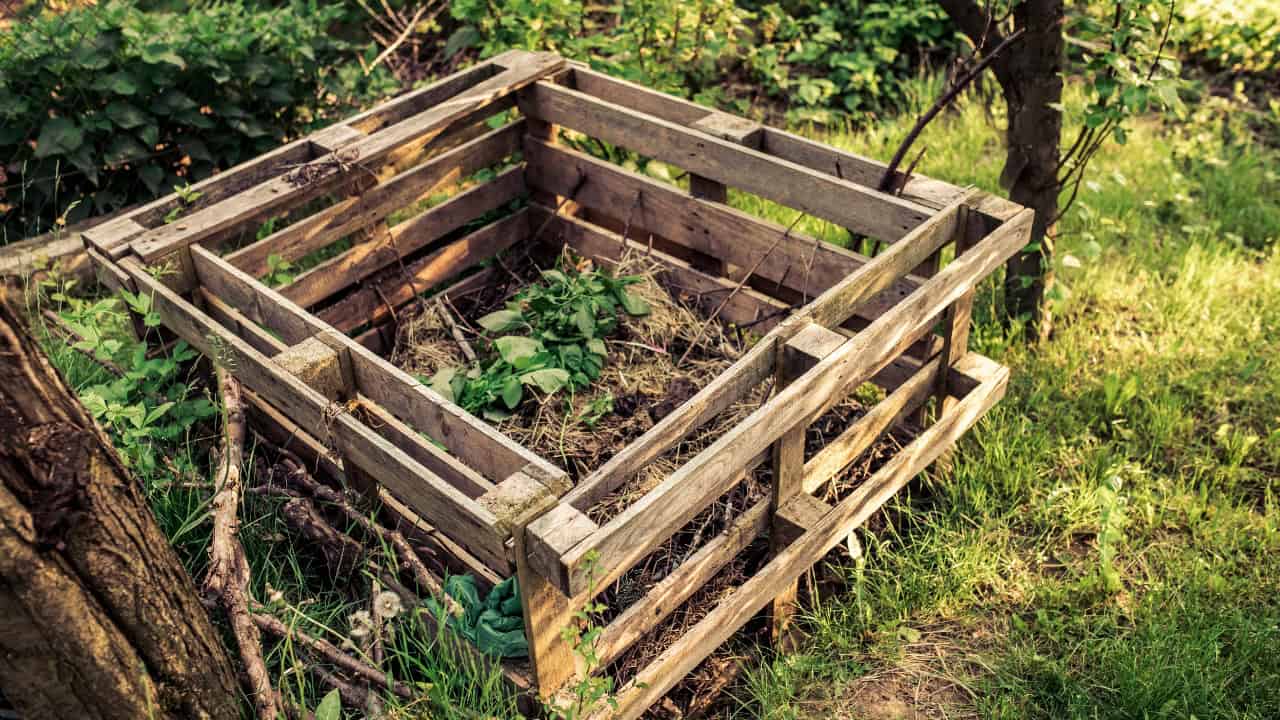
My open compost pile was essentially running a snake bed and breakfast. The warm, decomposing material attracted rodents, while the moisture and cover made it an ideal snake habitat.
Switching to a closed tumbler system elevated on blocks made a huge difference. I also maintain a clear, gravel perimeter around the composting area and turn the contents regularly to discourage any long-term residents.
Dense Perimeter Plantings
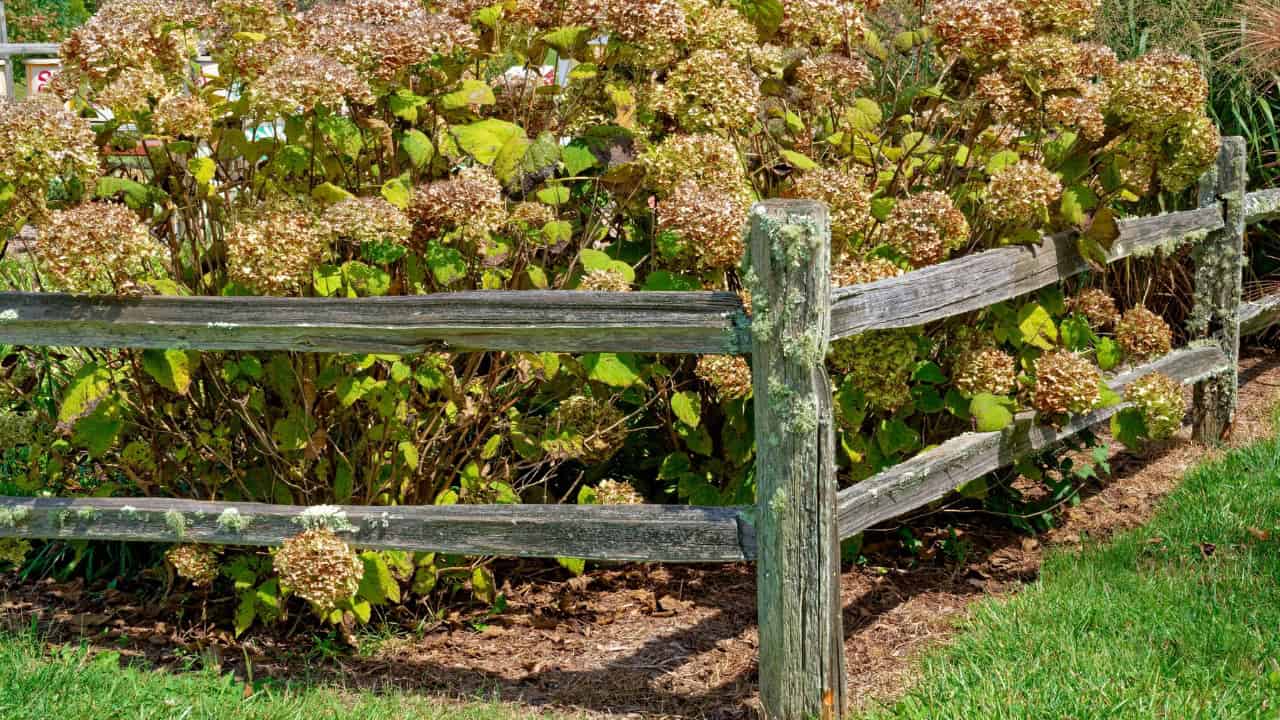
Those perfectly dense arborvitae along my fence line? They were serving as snake corridors. While privacy plantings are great, their dense lower branches created protected passages for snakes.
The solution was simple but effective: trimming lower branches to create 6-8 inches of clearance and maintaining a clear, mulched path between the fence and plants.
Cluttered Storage Areas
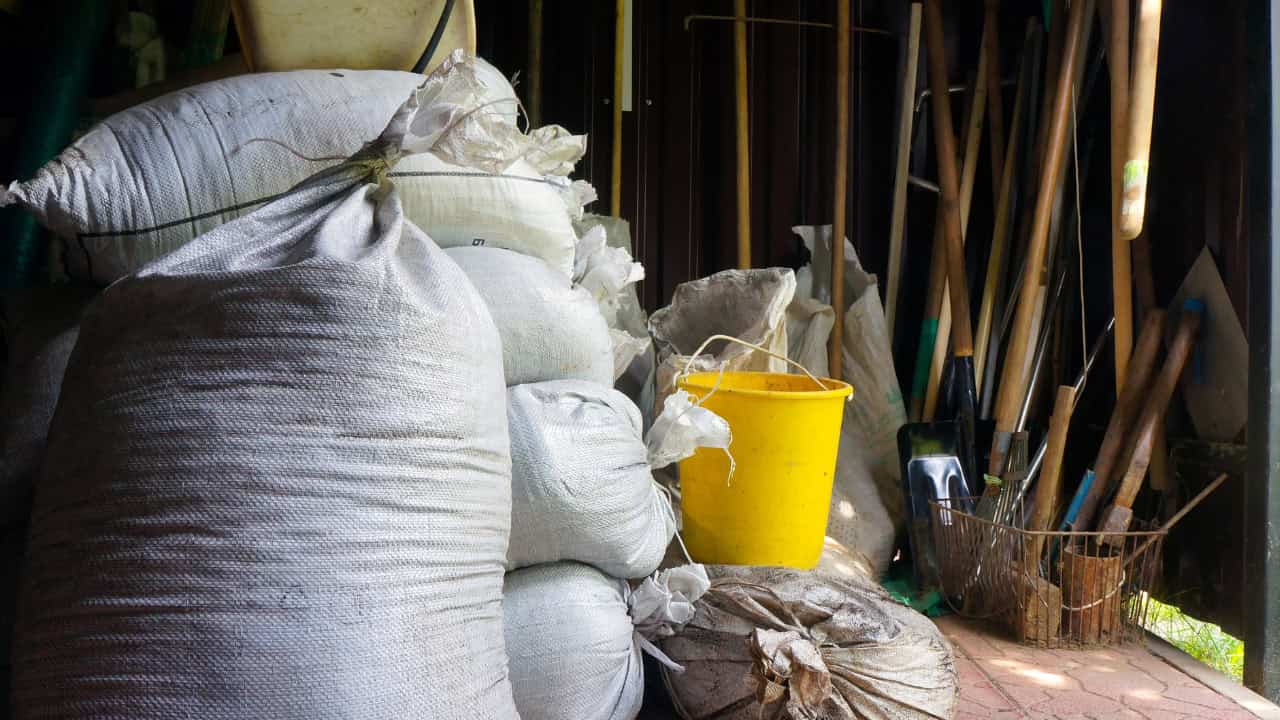
Garden equipment scattered along my garage wall was creating an unintended snake shelter. The solution involved installing wall-mounted storage systems, keeping items off the ground, and maintaining a clear, gravel border around the building’s foundation. Regular cleaning and reorganizing prevent debris accumulation that might attract snakes.
Unfenced Garden Areas
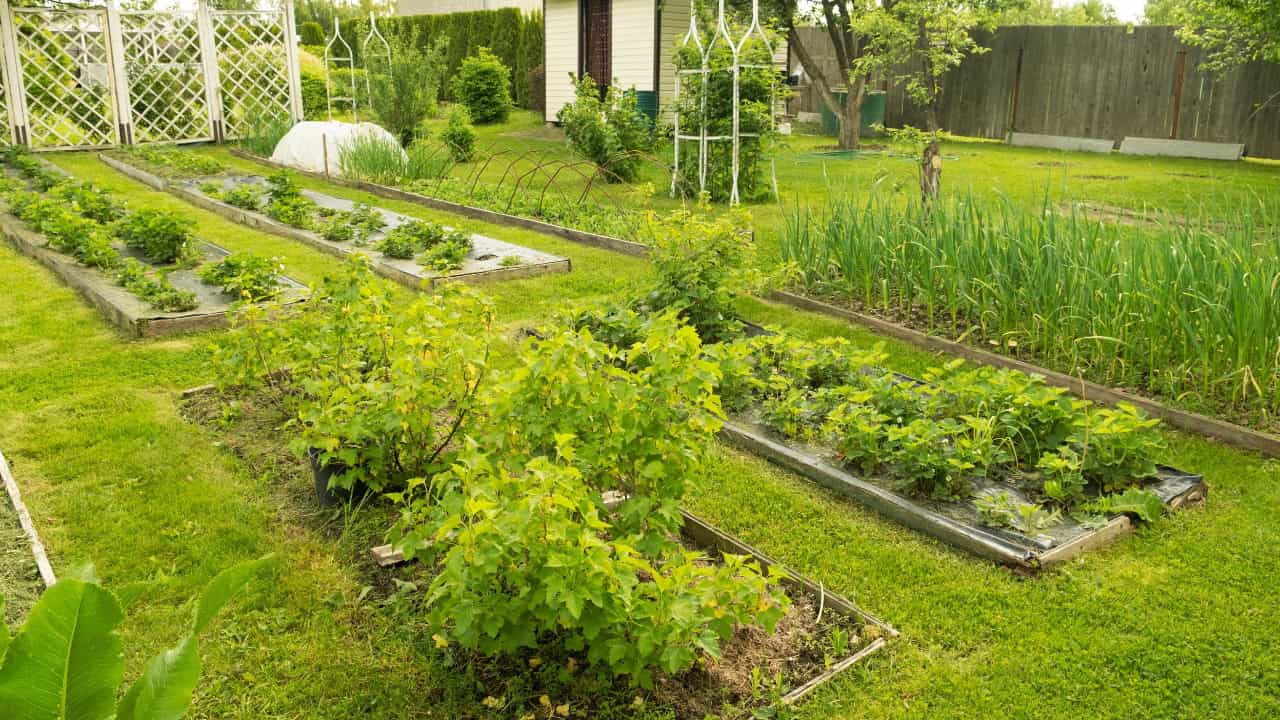
My vegetable garden was a snake magnet until I made some strategic changes. Installing hardware cloth fencing that extends 6 inches into the ground, maintaining wide, gravel paths between beds, and keeping plants trimmed made a huge difference. Regular harvesting and removal of fallen produce also reduces prey attraction.
Poor Drainage Areas
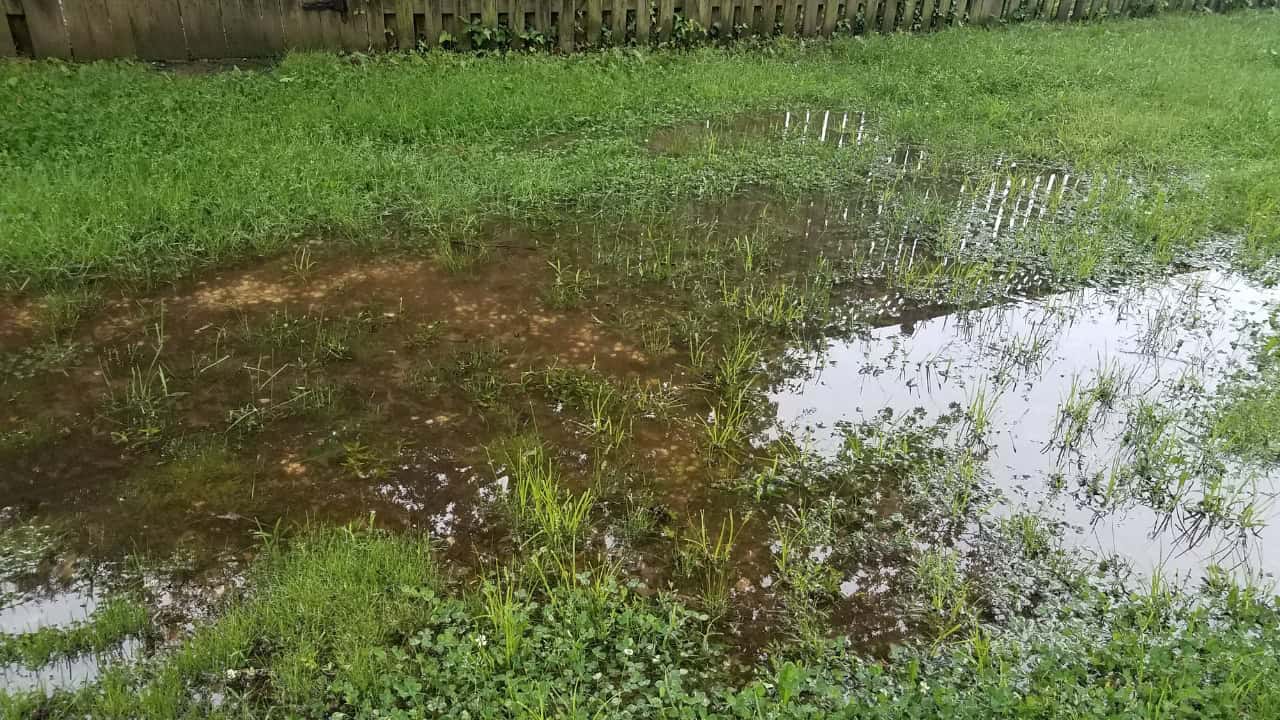
Those soggy spots in the yard weren’t just eyesores – they were snake attractions. Fixing drainage through grading, installing French drains, and adding strategic ground cover plants helped eliminate these moist habitats. Regular maintenance ensures water doesn’t pool after rain, making these areas less appealing to snakes and their prey.
Bird Bath Placement

My artistic decision to place a decorative bird bath in a shady corner surrounded by ferns created an unexpected snake oasis. Birds weren’t the only visitors attracted to this water source – it became a prime hunting spot for snakes seeking both water and prey. The solution was simple but effective: moving the bird bath to an open, sunlit area with a 3-foot gravel perimeter around it.
Now birds still visit regularly, but snakes are much less likely to use it as a hunting ground since they have no immediate cover.
Landscape Fabric Neglect
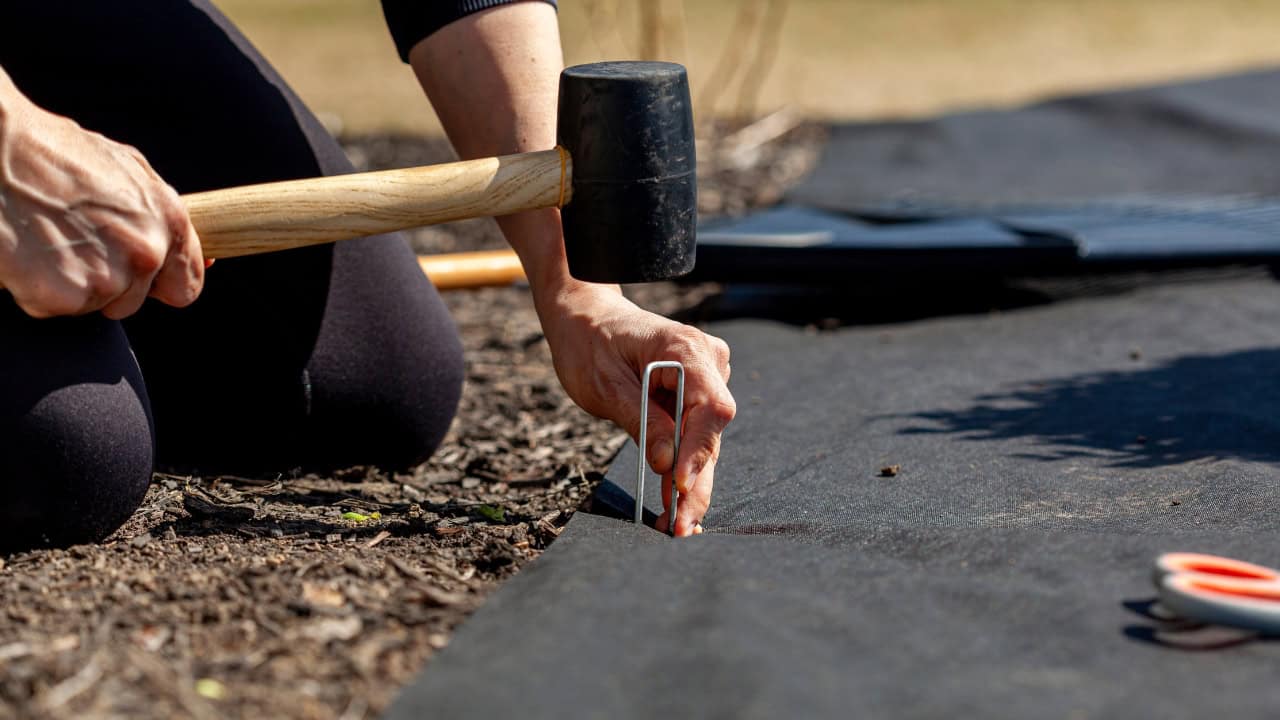
The landscape fabric I’d installed years ago had begun lifting at the edges, creating perfect snake-sized tunnels along my garden beds. What was meant to prevent weeds had become an unintended snake shelter system. These gaps offered protected spaces for snakes to travel and rest, especially when combined with the mulch on top.
I’ve since replaced damaged fabric, securing edges properly with landscaping staples and maintaining a clean border where fabric meets hardscaping. Regular inspection of these areas has become part of my monthly garden maintenance routine.
Hollow Decorative Features
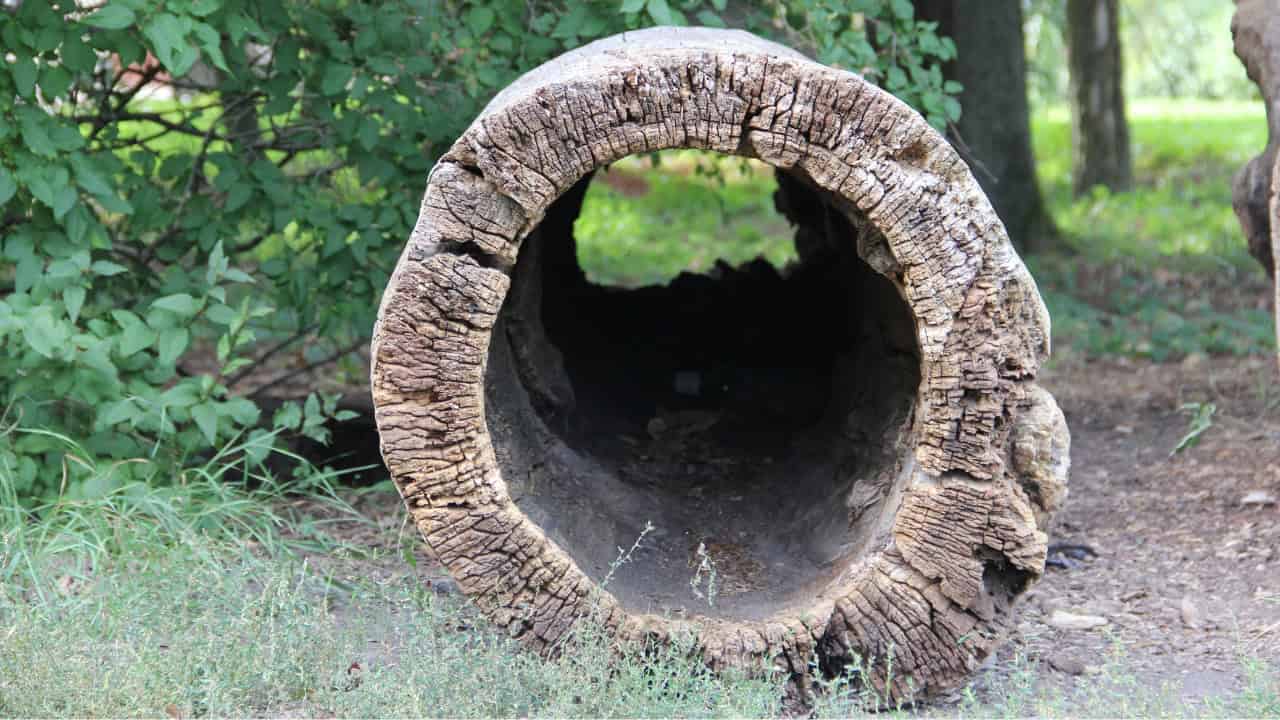
My collection of decorative garden items – hollow logs, ceramic pots, and artificial rocks – was unknowingly providing perfect snake hideouts. These features, especially when placed in shady areas or near water sources, became prime snake real estate.
The fix involved filling hollow features with expanding foam, elevating decorative pots on gravel bases, and strategically placing items in open, regularly maintained areas rather than tucked away in quiet corners. Now my garden art enhances the landscape without creating unintended snake habitats.
*This article was created with the help of AI.