As winter approaches, the risk of frozen pipes becomes a concern for homeowners. While you may think your home is ready for the colder months, there are common mistakes that can lead to frozen pipes, causing significant damage and costly repairs. Understanding these pitfalls is essential to protecting your plumbing and ensuring a stress-free winter.
Preventing frozen pipes doesn’t have to be complicated. With a few proactive measures and awareness of what can go wrong, you can keep your water flowing smoothly all season long. By recognizing the habits and oversights that contribute to this issue, you can safeguard your home and maintain a comfortable living environment.
Advertisement
1. Failing to Insulate Pipes Before Winter
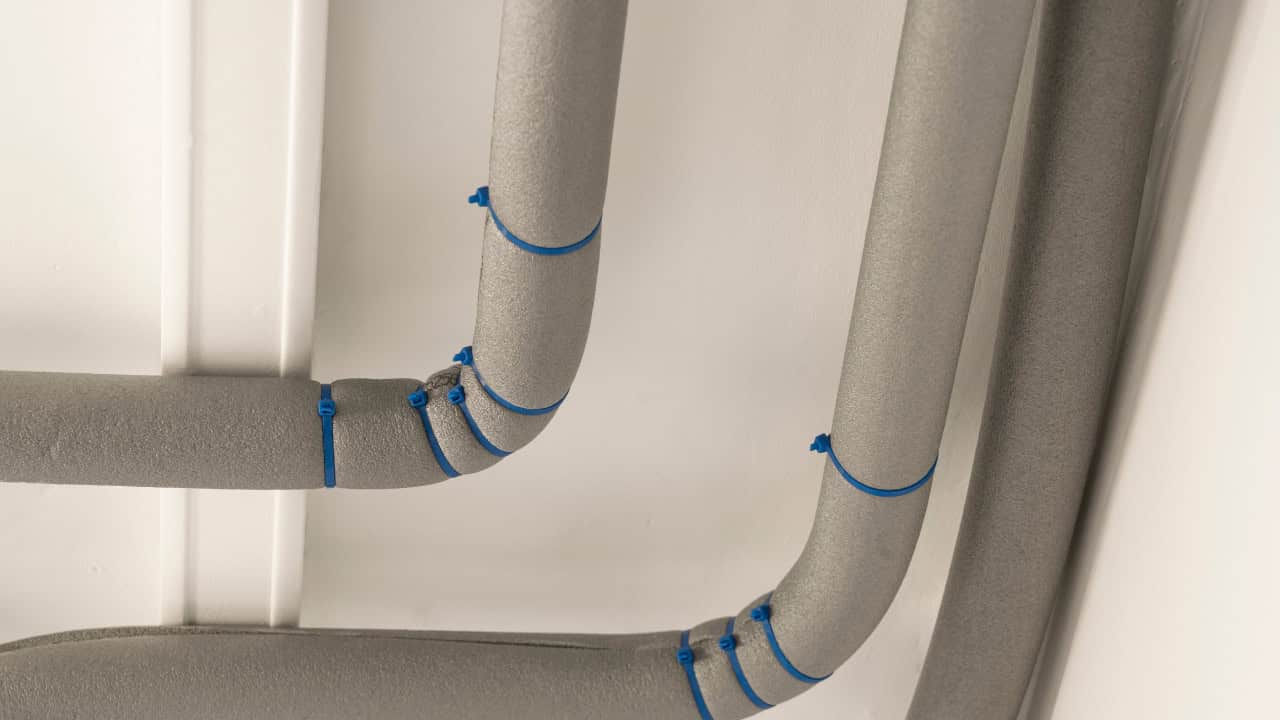
Insulating your pipes is essential as winter approaches. Many homeowners neglect this critical step, leaving their pipes vulnerable to freezing temperatures.
Exposed pipes, especially those in unheated areas like basements or crawl spaces, need protection. You can use foam pipe insulation or heat tape to keep them warm.
Taking the time to insulate your pipes not only prevents freezing but also saves you from potential costly repairs. Make this easy fix part of your winter preparations.
2. Ignoring Small Leaks and Drips

You may think small leaks and drips are insignificant, but they can lead to bigger problems. Over time, even a minor leak can waste gallons of water and increase your bill.
Ignoring these small issues allows them to worsen. A tiny pinhole leak can erode surrounding materials, potentially causing pipe bursts.
It’s essential to address any leaks you notice as soon as possible. Taking action not only prevents extensive damage but also saves you time and money in the long run.
3. Using Direct Heat Sources on Pipes

When dealing with frozen pipes, avoid using direct heat sources like blowtorches or heat guns. These tools might seem effective, but they can cause more harm than good.
Applying high heat can weaken pipe materials, leading to cracks or ruptures. Instead, opt for gentle methods, such as warm towels or a hair dryer set to low. This approach ensures you safely thaw your pipes without risking damage.
4. Not Letting Faucets Drip During Freezes
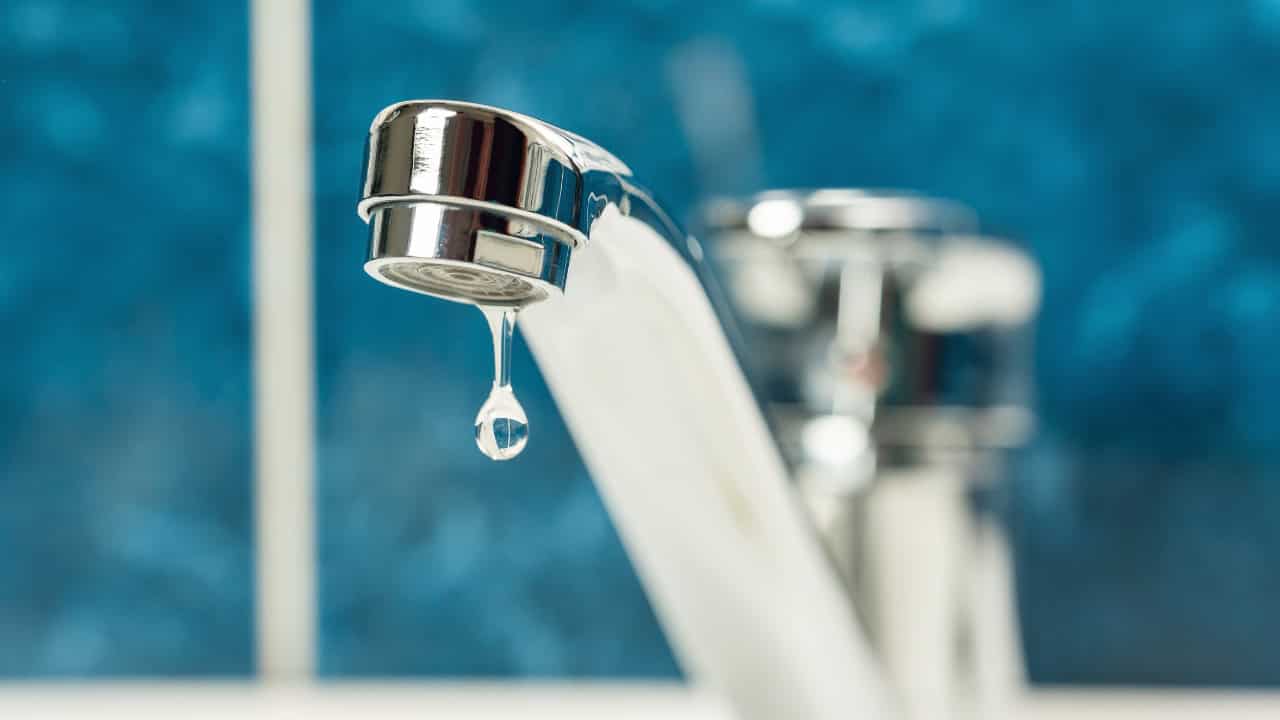
When temperatures drop, it’s important to prevent your pipes from freezing. A simple way to reduce this risk is to let your faucets drip.
Allowing a slow drip from your faucets keeps water moving in the pipes. This helps to relieve pressure and can prevent ice from forming.
Be mindful of which faucets to keep running. Focus on those connected to exposed pipes. Even a faint drip can make a difference during extreme cold.
5. Skipping Routine Pipe Inspections
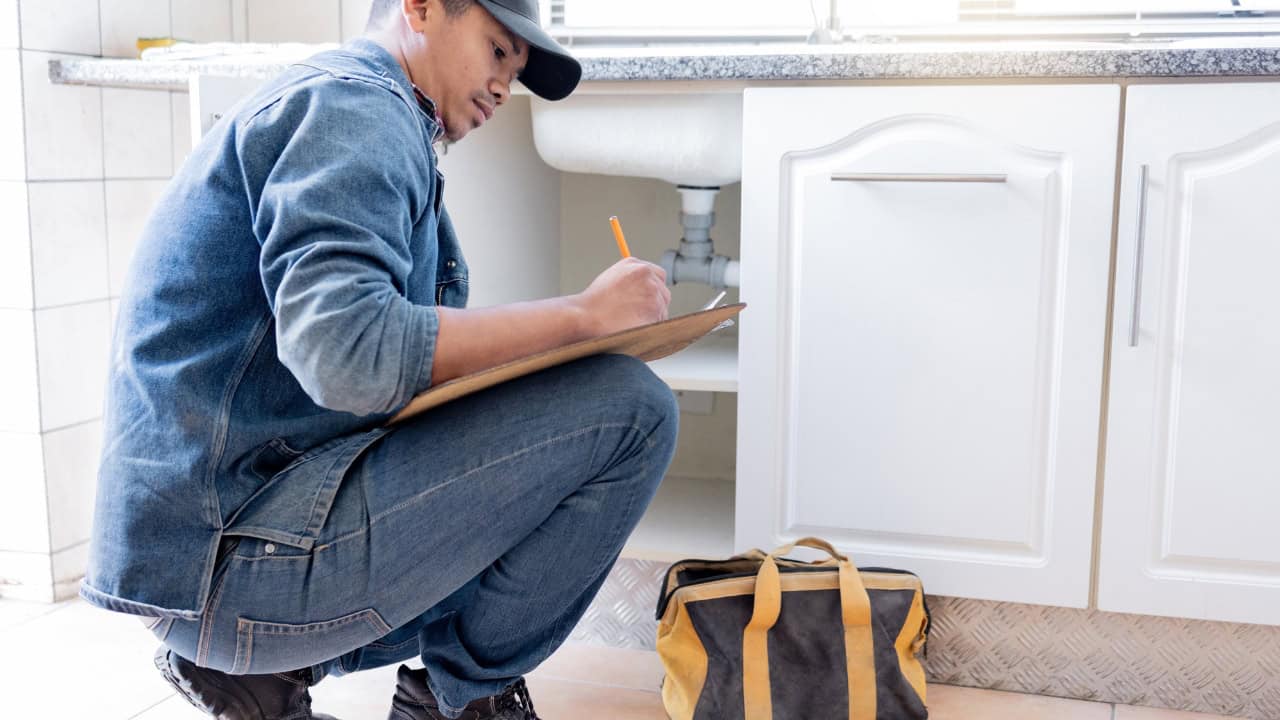
Routine pipe inspections are essential for preventing frozen pipes. You might think this step is unnecessary, but it can save you from major headaches later.
By checking your pipes regularly, you can spot potential issues like corrosion or leaks early on. For instance, visible frost on exposed pipes could be a warning sign that they are at risk of freezing.
Neglecting these inspections means you might miss critical signs. Taking the time to look at your plumbing system can make a big difference in avoiding costly damage.
6. Neglecting Outdoor Spigots and Hoses

Leaving your outdoor spigots and hoses connected during winter is a common mistake. When water inside the hoses freezes, it can expand and cause pipes to burst.
To prevent this, always disconnect hoses from spigots as temperatures drop. Make sure to drain any remaining water from both the hoses and the spigots.
Taking these simple steps can save you from costly repairs and water damage. Stay proactive to keep your plumbing safe this winter!
7. Setting Thermostat Too Low at Night

When you lower your thermostat excessively at night, you risk freezing your pipes. Many people think this saves energy, but it can backfire.
If temperatures drop too low, your heating system has to work harder in the morning to raise the temperature.
A good rule of thumb is to keep your thermostat at a minimum of 55°F during colder nights. This helps prevent pipe issues while still offering some energy savings.
8. Overlooking Exposed Pipes in Attics

Exposed pipes in your attic can be a major risk during winter. These pipes are often uninsulated and susceptible to freezing temperatures.
When the temperature drops, the water inside can freeze and expand, leading to potential bursts.
Take the time to check your attic for any exposed pipes. Insulating them can save you from costly repairs later.
Using foam insulation or fiberglass sleeves is an easy and effective way to protect your pipes from the cold.
9. Not Draining Swimming Pool Pipes
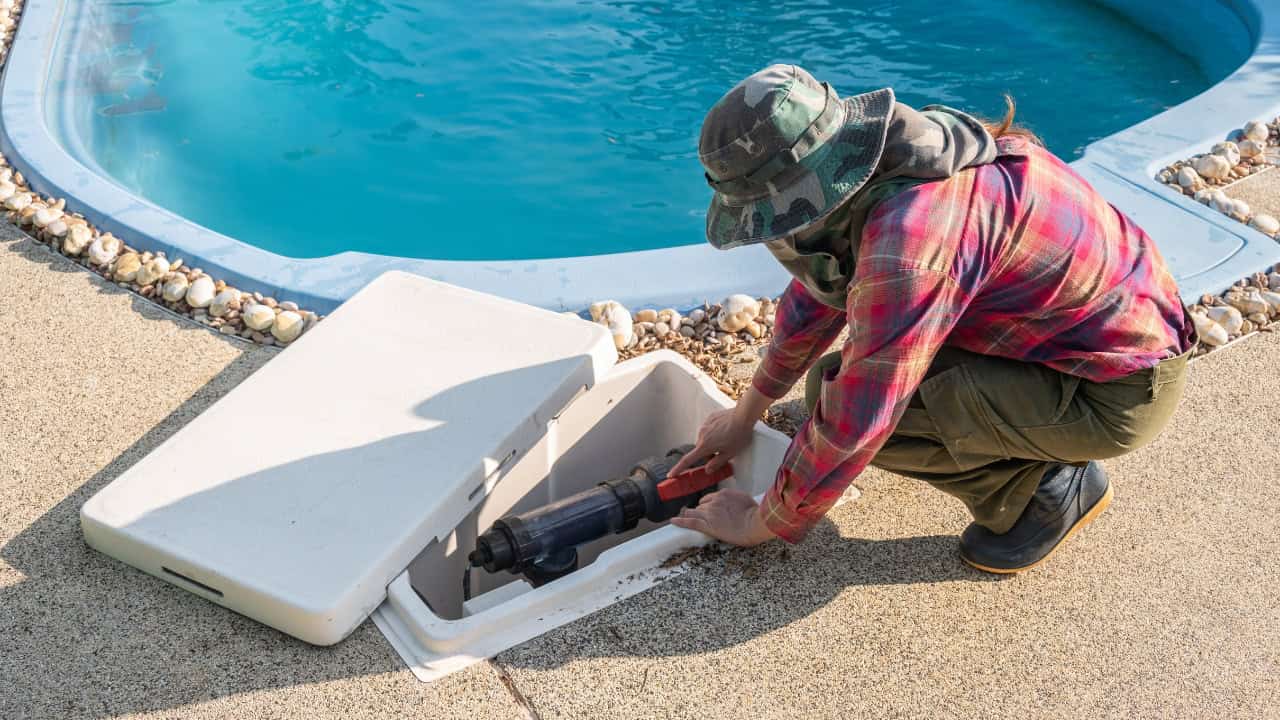
Failing to drain your swimming pool pipes can lead to freezing issues during colder months. When water remains in the pipes, it can freeze as temperatures drop. This may cause pipes to burst, resulting in costly repairs.
To prevent this, ensure you properly drain all pool plumbing. Use a shop vacuum or air compressor to remove water from the lines.
Taking these steps helps protect your investment. Proper winterization can save you time and money in the long run.
10. Using Unapproved Pipe Insulation Materials

Choosing the right insulation material for your pipes is crucial. Using unapproved or low-quality insulation can lead to frozen pipes, especially during extreme temperature drops.
Unapproved materials may not provide adequate protection against the cold. They might also break down over time, leading to moisture issues and potential damage.
It’s important to invest in insulation that meets industry standards. This can save you from headaches and costly repairs down the line. Do your research and select products that are recommended for your specific needs.
11. Ignoring Basement and Crawl Space Pipes

Ignoring pipes in your basement and crawl space can lead to unexpected problems. These areas often experience temperature fluctuations that can freeze your pipes.
Without proper insulation, pipes are at risk during cold weather. Make sure to insulate any exposed pipes to help prevent freezing.
Regularly check these spaces for signs of dampness or leaks. Keeping an eye on these factors can save you from costly repairs later on.
12. Allowing Pipes in Garages to Remain Uninsulated

Leaving your garage pipes uninsulated can lead to significant issues during cold weather. Insulation helps maintain a consistent temperature around the pipes, reducing the risk of freezing.
When temperatures drop, uninsulated pipes are vulnerable to freezing. This can result in bursts and costly repairs.
Consider adding insulation or pipe sleeves to protect those pipes. Simple measures like ensuring the garage door remains closed can also help keep the space warmer.
Taking these steps can keep your plumbing safe and functional, especially in winter months.
*This article was created with the help of AI.