Spring is upon us, and with it comes the resurgence of garden pests that can threaten the plants I’ve been nurturing. These pesky intruders can range from the small and hard-to-spot to the ones that blatantly chew through leaves almost overnight. In this article, I aim to explore some common pests that tend to emerge during the spring season and share effective strategies for keeping them at bay.
I’ve often found that understanding the habits and life cycles of these pests is crucial to controlling them without resorting to harsh chemicals. It’s all about taking a proactive approach to ensure my garden thrives and remains healthy throughout the growing season. Getting ahead of these troublemakers can make all the difference in my gardening success.
Advertisement
1. Aphids: Use neem oil or insecticidal soap

I’ve been dealing with aphids in my garden, and let me tell you, these little bugs can be a real nuisance. Neem oil is one of my go-to options for keeping them in check. It’s a natural pesticide that not only kills aphids but also helps keep beneficial insects intact.
When neem oil alone doesn’t do the trick, I sometimes turn to insecticidal soap. It’s great because it targets just the aphids without harming plants. This solution is all about making sure they can’t reproduce, which is key to managing their population.
I try to apply these treatments regularly, especially during the early morning or late afternoon. That way, it keeps the garden in good shape while minimizing disturbance to the plant life around. If you want more details on these methods, check out this Aphids Management Guidelines.
2. Carpenter Ants: Baits and Barrier Treatments

I’ve been battling carpenter ants in my garden, and let me tell you, baits and barrier treatments are my best friends. Using ant baits with ingredients like boric acid can lure these pests out. As the ants take the bait back to their nest, it gradually affects the entire colony.
Barrier treatments are another trick up my sleeve. Liquid insecticides create a protective perimeter around my garden. Products like Termidor slowly spread throughout the colony and are non-repellent, so the ants don’t avoid it. If you’re curious, Joshua’s Pest Control suggests keeping bushes and trees trimmed to deter these invaders.
Taking these steps has helped keep my garden carpenter ant-free. It’s all about cutting their access and using effective treatments.
3. Mosquitoes: Install bat houses to deter
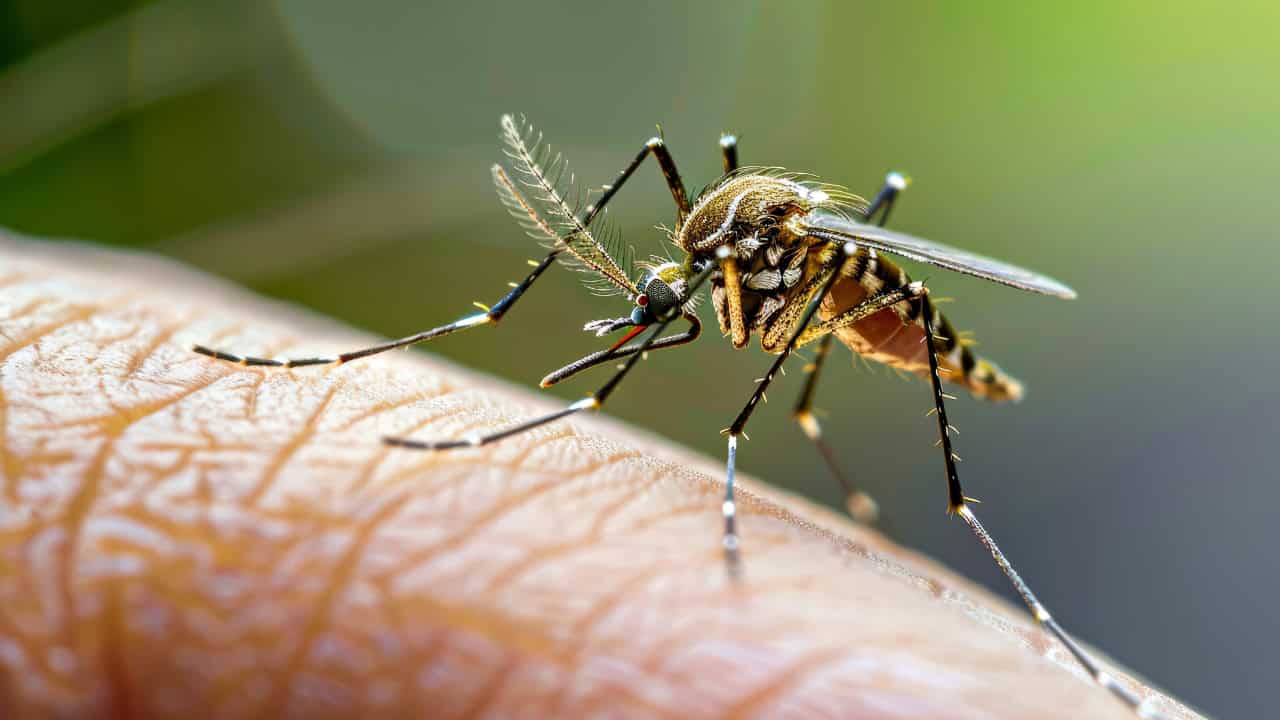
I love spending time outside, but mosquitoes can really put a damper on that. One method I’ve found effective for reducing mosquito numbers is installing bat houses. Bats are natural predators of mosquitoes and can help keep their populations in check.
Bat houses offer a cozy home for these helpful creatures. While bats might not focus solely on mosquitoes, they eat a variety of insects as they forage for food. This can lead to an overall reduction in pest numbers.
If you position the bat house correctly, you might notice a positive impact on your yard. It’s important to note that some sources suggest bats prefer larger insects when hunting. Despite this, having them around can still be beneficial in keeping mosquitoes away.
4. Spiders: Keep garden clutter-free

I often find that keeping the garden tidy helps manage spider populations effectively. Spiders love to hide in clutter and debris, so clearing out old leaves, sticks, and unused pots can make a big difference.
By trimming bushes and shrubs, I reduce the hiding spots for spiders. This simple act also helps keep them from finding ways into my home.
Using aromatic materials to repel insects can help control spider populations, as these materials prevent spiders’ prey from settling in the garden. This strategy keeps the spiders from lingering in places where they might not be welcome.
5. Cockroaches: Diatomaceous earth application
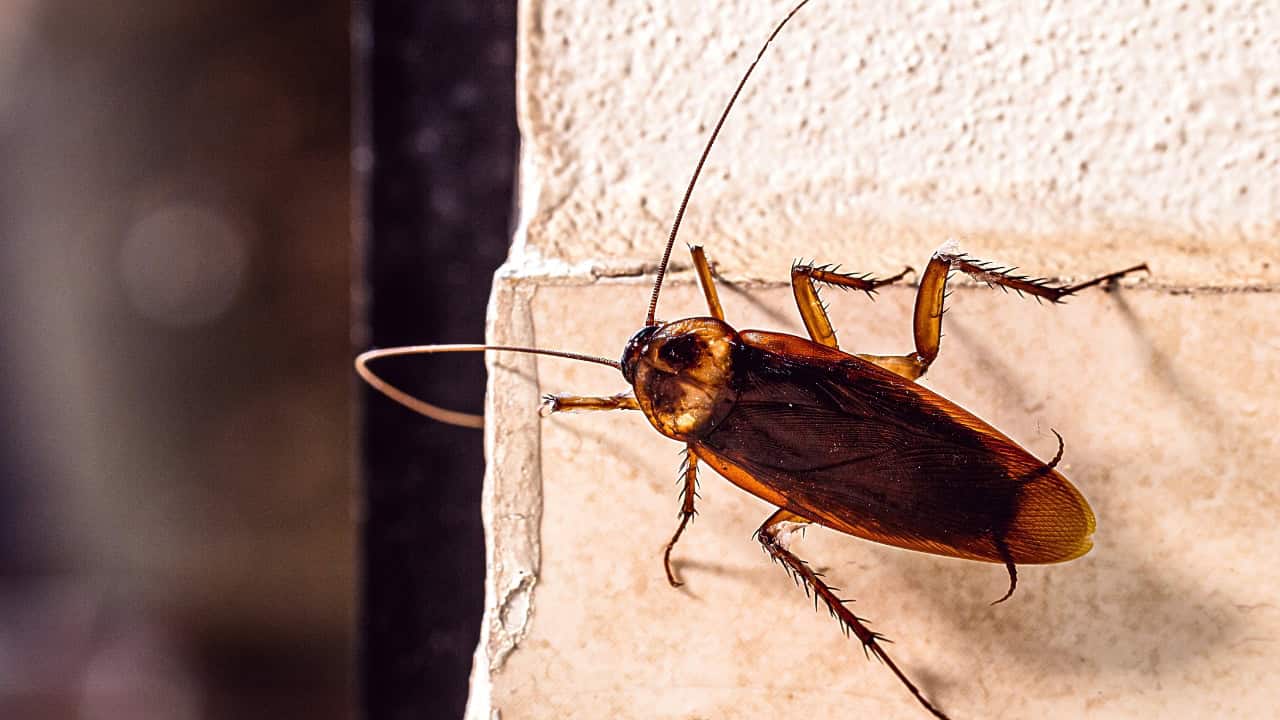
I’ve had my fair share of run-ins with cockroaches in the garden. One of the most effective ways I’ve found to combat them is by using diatomaceous earth. This natural powder is safe and doesn’t rely on harsh chemicals.
All I do is sprinkle it in areas where I’ve seen cockroach activity. It works because it’s abrasive and dehydrates them without posing a risk to the kids or pets. The trick is to apply it in thin layers to improve its effectiveness.
For those interested in more hands-on guidance, you might find the how-to video on applying diatomaceous earth helpful. Keeping this trick up my sleeve helps keep cockroaches at bay, so I can focus on enjoying my garden.
6. Fleas: Maintain a tidy yard with mowing

Keeping my yard neat is one of the best ways to reduce fleas. Regular mowing ensures the grass doesn’t get too long, which makes the environment less appealing for these pests. They thrive in tall grass, so short grass keeps them at bay.
Along with mowing, keeping other parts of the yard tidy is essential. I make sure to clear away any debris or leaf litter where fleas might hide. This creates a less hospitable environment for them.
Cutting back overgrown areas around the yard also helps. Places with overhanging branches or dense plant growth can become flea havens. By trimming these spots, I can minimize their hiding places and reduce the likelihood of infestations.
7. Wasps: Deploy fake nests to keep them away

I’ve found wasps to be quite the unwelcome guests in my garden. One trick to keep them at bay is using fake wasp nests. Wasps are territorial, and the presence of a “nest” might encourage them to steer clear of the area.
Some products promise that these fake nests prevent wasps from settling nearby. Luigi’s Wasp Away is an example, where wasps might mistake the decoy for a real one, potentially staying away as a result. Though it’s not foolproof, it offers a non-lethal, passive way to reduce the chances of nesting.
8. Cutworms: Use collars around young plants

I remember the first time I battled cutworms in my garden. These pests can cause real havoc by chopping down seedlings at the soil line. To keep these little munchers at bay, I’ve found that plant collars work wonders.
I usually repurpose old wax paper coffee cups or cut-up toilet paper rolls. I place them around the base of young plants. They act as a barrier, preventing cutworms from reaching the stems. Senior Gardening suggests using this method for an easy yet effective solution.
Using plant collars lets me rest a bit easier knowing my seedlings have some protection. Setting them up is simple, and it gives me one less thing to worry about in my garden.
9. Wireworms: Rotate crops to reduce infestation

Dealing with wireworms is a real pain, but I’ve found that rotating crops can help manage these pesky critters. Wireworms love to munch on beans, corn, and potatoes. By switching up what I plant in those areas each season, I can cut down on their numbers and save my veggies.
When I rotate crops, I try to mix in plants that wireworms aren’t as crazy about. This reduces their chances of thriving and gives me a better yield in the long run. Practices like crop rotation can also contribute to better soil health, which is a win-win for my garden.
Using natural predators can be effective too. Encouraging birds by putting up feeders near the garden helps keep these pests in check. These strategies can help turn the tide against the wireworm invasion.
10. Mole Crickets: Trap with Soapy Water

Mole crickets can really mess up my garden, and I found that soapy water is a quick way to trap them. I mix a couple of tablespoons of dish soap into a gallon of water. Then, I pour it over the areas where I notice activity.
The soapy mix annoys the crickets and brings them to the surface. Once they’re out, I can manage them more easily. Regular checks and treating my lawn this way help keep them from ruining my garden during spring.
For more detailed strategies, the biology and control of mole crickets offer insights on other methods and timing. This way, I can keep my yard healthy without too much hassle.
11. Grubs: Introduce Beneficial Nematodes

I’ve got a handy solution for dealing with grubs in the garden. These pesky beetle larvae can really mess with your plants, but introducing beneficial nematodes is a game-changer. These tiny organisms naturally target and eliminate grubs by seeking them out and entering their bodies.
Applying beneficial nematodes is pretty straightforward. They come in a mix that you can spread over the affected area of your garden. Moisture is key, so I always make sure to water the area before and after applying them.
If you’re interested in going this route, you might want to check out some best practices to get you started with nematodes. It’s a natural and effective way to keep those grubs in check, giving your garden a healthier start this spring.
12. Lesser Cornstalk Borer: Use row covers early

I’ve learned that the lesser cornstalk borer is a sneaky pest that can cause headaches in the garden. These larvae hide beneath the soil and have a knack for damaging young plants by feeding on their stems.
To protect my plants from these borers, I use row covers early in the growing season. Row covers are fantastic because they create a physical barrier, keeping these pests out while still allowing sunlight and rain to reach the plants.
Fortunately, this approach not only reduces the need for pesticide use but also keeps my garden’s ecosystem healthier and my veggies safer throughout the season. For more about how using row covers can be part of a smart, pesticide-less gardening strategy, here’s a great resource on how to cover up the rows.
*This article was created with the help of AI.