The cost of living seems to be steadily creeping up year after year. When it comes to grocery shopping, most of us have a keen eye on the price tag, and we tend to opt for the most affordable items to maintain our budget.
However, have you ever considered how certain cheap groceries could end up costing you more in the long run? Today, we’ll take a look at 12 commonly purchased inexpensive items that could potentially put a dent in your wallet down the line.
Advertisement
1. Instant Ramen Noodles
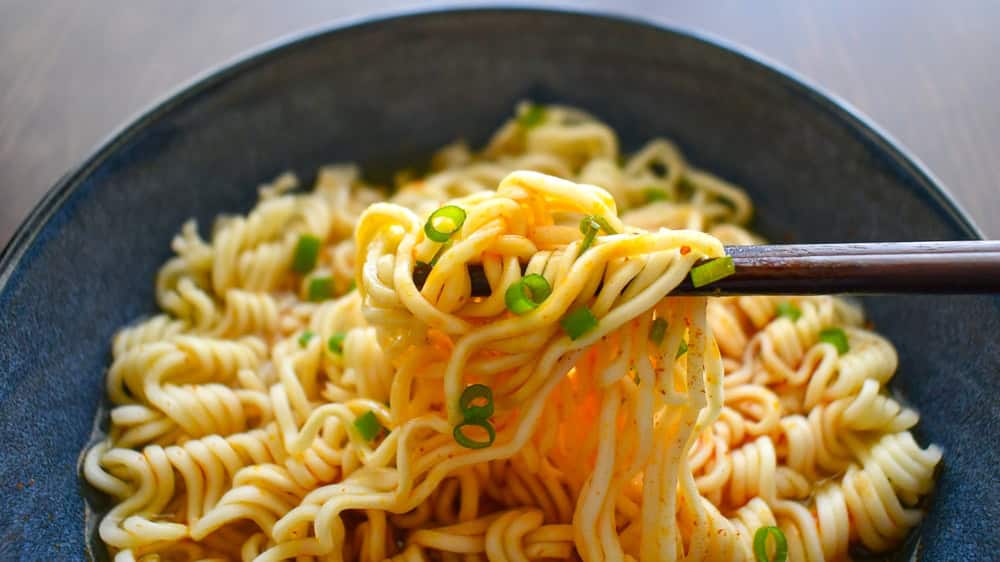
Instant ramen noodles are a staple in many households thanks to their low cost and easy preparation. However, they could cost you significantly more in the long run. These noodles are typically high in sodium and unhealthy fats, and often contain MSG and other preservatives. This could potentially lead to health problems like high blood pressure, heart disease, and obesity if consumed regularly, leading to expensive medical bills.
Moreover, while they’re quick and easy to prepare, they’re not a particularly nutritious meal option. They lack the essential vitamins, fiber, and protein your body needs to function properly. Instead, consider investing in whole grain pasta or rice and pairing them with fresh vegetables and lean proteins. The initial cost may be slightly higher, but the long-term benefits to your health and wallet are well worth it.
2. Canned Vegetables

Canned vegetables seem like a budget-friendly way to keep your diet balanced, but they often contain added sodium, sugar, and preservatives. These additives can contribute to health issues like diabetes, heart disease, and high blood pressure over time, leading to higher medical expenses.
Instead, consider buying fresh or frozen vegetables. Not only are they typically more nutritious, but they can also be more cost-effective in the long run. When fresh vegetables are in season, they’re usually quite affordable, and you can freeze any extras for later use. Frozen vegetables are typically flash-frozen at their peak ripeness, so they retain their nutrients better than canned varieties.
3. Sugary Cereals

While sugary cereals might be cheap and loved by kids, they’re often low in nutritional value and high in sugar. Consuming too much sugar can lead to a host of health problems, including obesity, diabetes, and heart disease. These conditions can result in hefty medical bills down the line.
Consider swapping sugary cereals for healthier, whole grain options. They might be slightly more expensive, but they’re also more filling, which means you’ll likely eat less and save money in the long run. Plus, they’re packed with fiber and other essential nutrients your body needs to stay healthy.
4. Soda

Soda is often a cheap and refreshing beverage option, but it’s also filled with sugar and empty calories. Regular consumption of soda can lead to weight gain, tooth decay, and an increased risk of developing chronic diseases like diabetes and heart disease. These health problems can result in significant medical bills over time.
Instead of soda, try drinking more water. Not only is it free if you’re drinking tap water, but it’s also the best way to stay hydrated. If you need a bit of flavor, try adding a slice of lemon or cucumber, or consider investing in a water filter to improve the taste of tap water.
5. Processed Meats

Processed meats like hot dogs, bacon, and lunch meats are often cheap, but they’re also high in sodium and preservatives. Consuming these meats regularly can increase your risk of developing heart disease, high blood pressure, and certain types of cancer. Treating these conditions can be expensive, making processed meats a costly grocery item in the long run.
Instead, try buying fresh, lean meats like chicken, turkey, and fish. They might be slightly more expensive upfront, but they’re healthier and can save you money on medical bills in the future. If you’re on a tight budget, consider incorporating more plant-based proteins like beans and lentils into your diet. They’re cheap, nutritious, and a great way to stretch your grocery budget.
6. White Bread

White bread is often cheaper than whole grain bread, but it’s also less nutritious. It’s made from refined grains, which have had most of their fiber and nutrients removed. This can lead to blood sugar spikes and crashes, which can increase your risk of developing type 2 diabetes and heart disease.
Instead, opt for whole grain bread. It might be slightly more expensive, but it’s also more filling and nutritious. Plus, the slower digestion of whole grains can help control your blood sugar levels, reducing your risk of developing chronic diseases and saving you money on medical bills in the long run.
7. Boxed Macaroni and Cheese

Boxed macaroni and cheese is a cheap and easy meal option, but it’s also high in sodium and unhealthy fats. Regular consumption can lead to weight gain and an increased risk of developing chronic diseases like heart disease and high blood pressure.
Instead of reaching for a box of mac and cheese, try making your own at home. It might take a bit more time and effort, but it’s healthier and can actually be quite cost-effective. You can use whole grain pasta, low-fat cheese, and add in some veggies for extra nutrients.
8. Instant Coffee

Instant coffee is often cheaper than ground coffee, but it’s also lower quality. It’s made from lower-grade beans and often contains additives to improve its taste. Plus, because you’re getting less caffeine per serving, you might find yourself drinking more to get the same effect, which can add up over time.
Instead, consider investing in a coffee maker and buying ground coffee or whole beans. It might be more expensive upfront, but you’ll get a better tasting cup of coffee and it will likely last you longer.
9. Iceberg Lettuce

Iceberg lettuce is often cheaper than other types of lettuce, but it’s also less nutritious. It’s mostly water and provides very few vitamins and minerals. This means you’ll need to eat more to get the same nutritional benefits, which can add up over time.
Instead, opt for darker, leafy greens like spinach or romaine lettuce. They might be slightly more expensive, but they’re also more nutritious and filling, so you’ll likely eat less and save money in the long run.
10. Frozen Dinners

Frozen dinners might seem like a cheap and convenient meal option, but they’re often high in sodium and unhealthy fats. Regular consumption can lead to weight gain and an increased risk of developing chronic diseases like heart disease and high blood pressure.
Instead, try meal prepping at home. It might take a bit more time and effort, but it’s healthier and can actually be quite cost-effective. You can control the ingredients and portion sizes, and you can make enough meals for several days at a time.
11. Packaged Cookies

Packaged cookies are a cheap and convenient snack option, but they’re also high in sugar, unhealthy fats, and preservatives. Regular consumption can lead to weight gain and an increased risk of developing chronic diseases like heart disease and diabetes.
Instead, try making your own cookies at home. Homemade cookies are healthier, tastier, and can actually be quite cost-effective. Plus, you can control the ingredients and portion sizes, and you can make enough to last you for a while.
12. Bottled Water

Bottled water might seem like a cheap and convenient drink option, but it can actually add up over time. Plus, it’s not environmentally friendly. The plastic bottles contribute to pollution and can take hundreds of years to decompose.
Instead, consider investing in a reusable water bottle and a water filter. It might be more expensive upfront, but you’ll save money in the long run and help reduce plastic waste. Plus, tap water is usually just as safe to drink as bottled water, and a water filter can improve its taste.