Every gardener knows that healthy soil is the foundation of a thriving garden.
Over the years, I’ve discovered several simple yet effective ways to boost my garden’s soil quality, ensuring my plants get the nutrients they need to flourish.
Advertisement
With the right techniques, anyone can improve their soil, leading to richer harvests and vibrant plant life.
In this article, I’ll share eleven of my go-to strategies that have transformed my garden. These methods have not only enhanced the soil health but also made gardening more enjoyable and productive for me.
Whether you’re an experienced gardener or just starting out, there’s something here for everyone looking to elevate their gardening game.
1. Add compost regularly
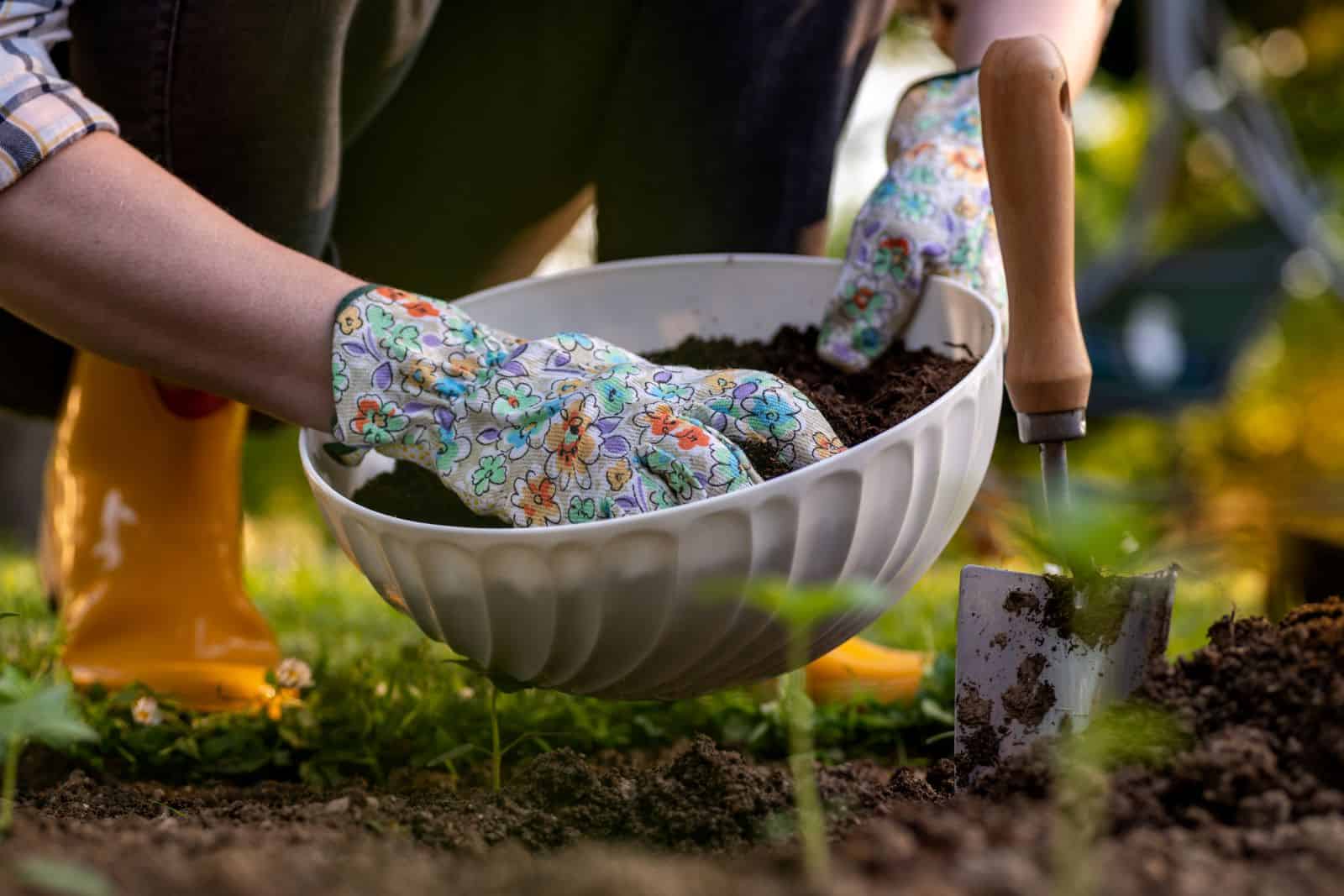
I make it a point to add compost to my garden beds throughout the year. This helps enrich the soil and provides essential nutrients for my plants.
For heavy feeders like tomatoes and peppers, I find that composting every 4 to 6 weeks works wonders. It keeps the soil nutrient-dense and supports robust growth.
During the summer, I add compost every 4 to 8 weeks, especially when my plants are blooming. This practice not only boosts nutrient levels but also helps retain soil moisture.
Keeping an eye out for signs of nutrient deficiency in my plants reminds me to refresh the compost as needed. It’s a simple yet effective way to ensure my garden thrives.
2. Practice vermicomposting

I love practicing vermicomposting because it turns food scraps into rich soil. It’s like having my own little recycling system in the backyard.
I keep a worm bin and add kitchen scraps like vegetable peels and coffee grounds. In no time, those worms turn the waste into nutrient-packed vermicompost.
When I use vermicompost in my garden, I notice a boost in plant health. It improves soil structure and adds beneficial microorganisms.
Plus, it’s an eco-friendly way to manage waste while enhancing my garden’s soil quality.
3. Utilize sheet mulching

I love using sheet mulching in my garden. It’s a simple method that makes a big difference.
I layer cardboard or newspapers on the soil, followed by organic materials like leaves and straw. This helps suppress weeds while adding nutrients to the soil over time.
The layering creates a barrier that keeps moisture in as well. My plants seem happier, and I spend less time weeding.
Plus, it’s an eco-friendly way to recycle materials. I appreciate how it enhances the soil quality without much effort on my part.
4. Rotate diverse plant species
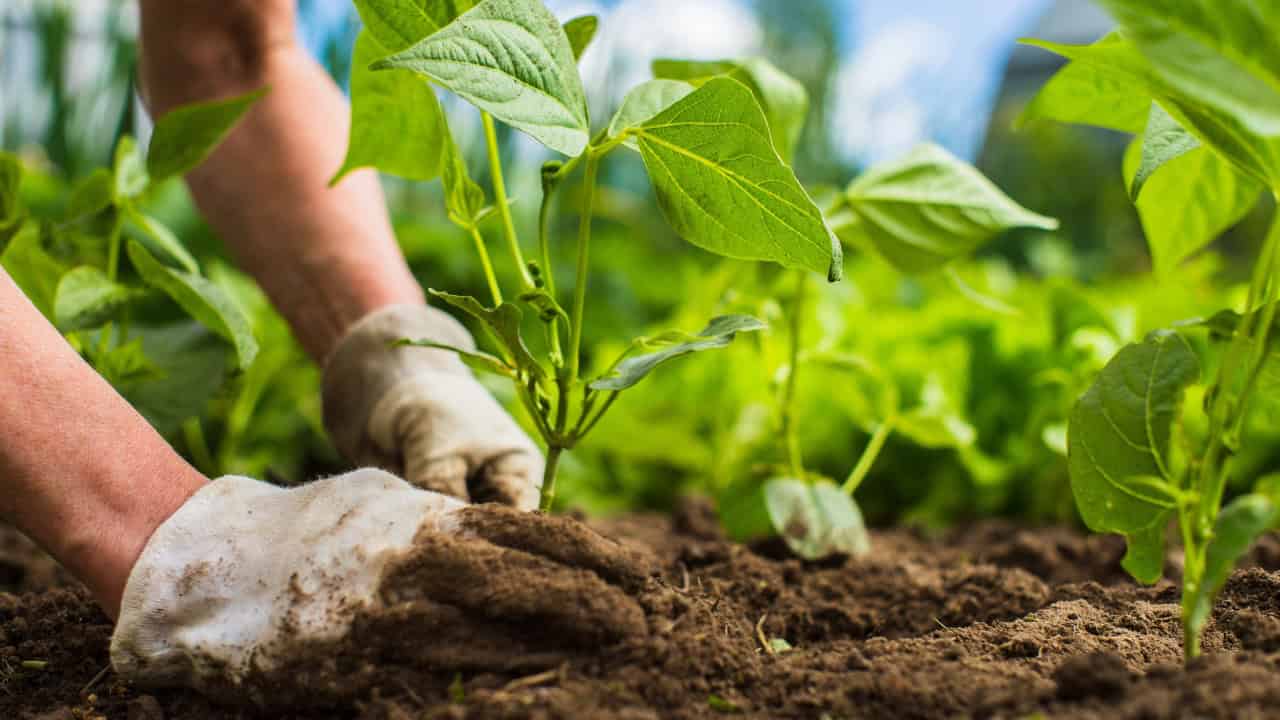
I always make it a point to rotate the plant species in my garden. This simple practice helps maintain healthy soil and reduces pest problems.
By planting different plants each year, I break the cycles of pests and diseases that thrive on specific crops. For instance, I wouldn’t plant tomatoes in the same spot as the previous year.
Instead, I switch them out with beans or leafy greens. This diversity encourages a balanced ecosystem and improves soil health. It’s amazing how much a little change can benefit my garden!
5. Interplant aromatic herbs
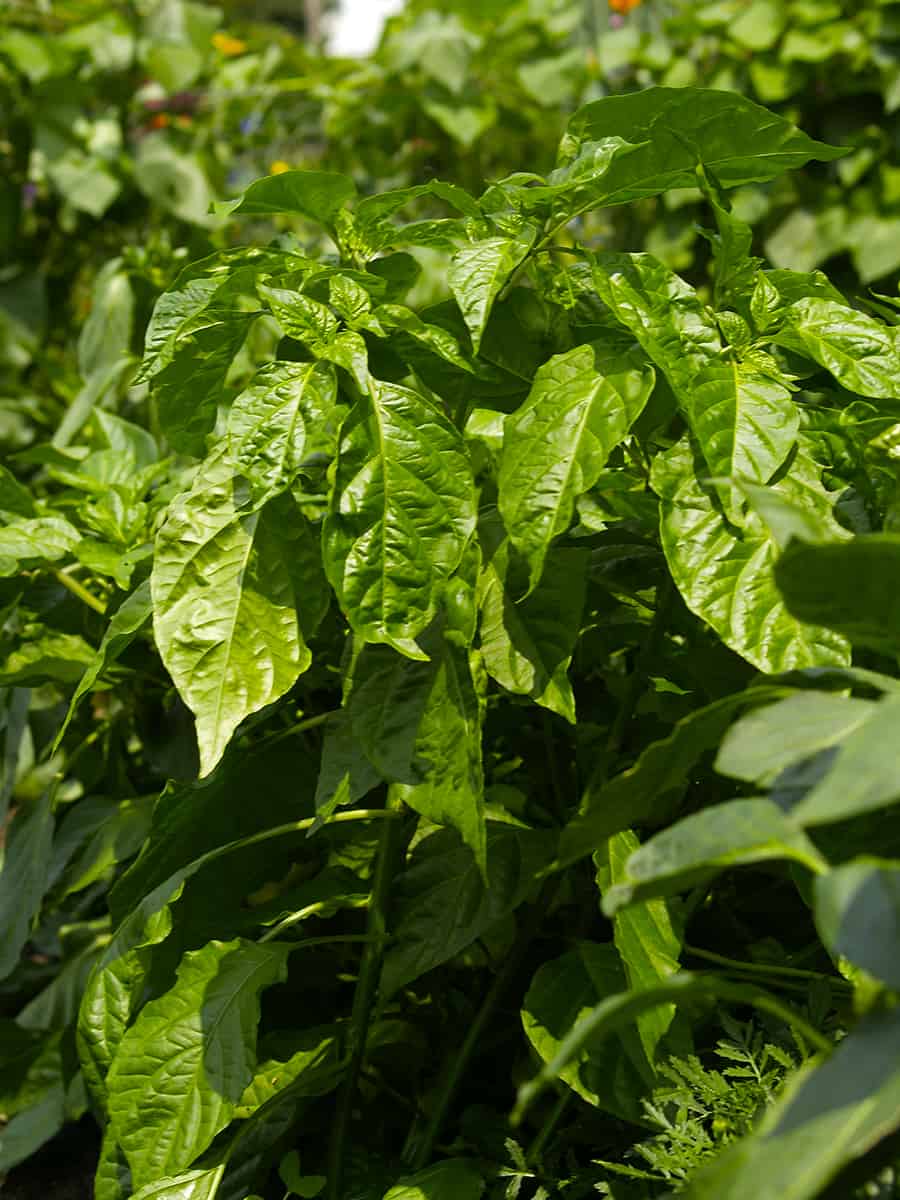
I love interplanting aromatic herbs in my garden. It adds flavor and enhances the overall health of my plants.
Herbs like basil, cilantro, and dill not only taste great, but they also help repel pests. This natural pest control is a game changer for keeping my veggies safe.
I usually mix these herbs throughout my garden beds. This diversity creates a vibrant environment that boosts soil quality without any extra chemicals.
Seeing my herbs thrive alongside my vegetables feels rewarding. It’s a simple strategy that makes a noticeable difference in my garden’s health.
6. Use organic fertilizers
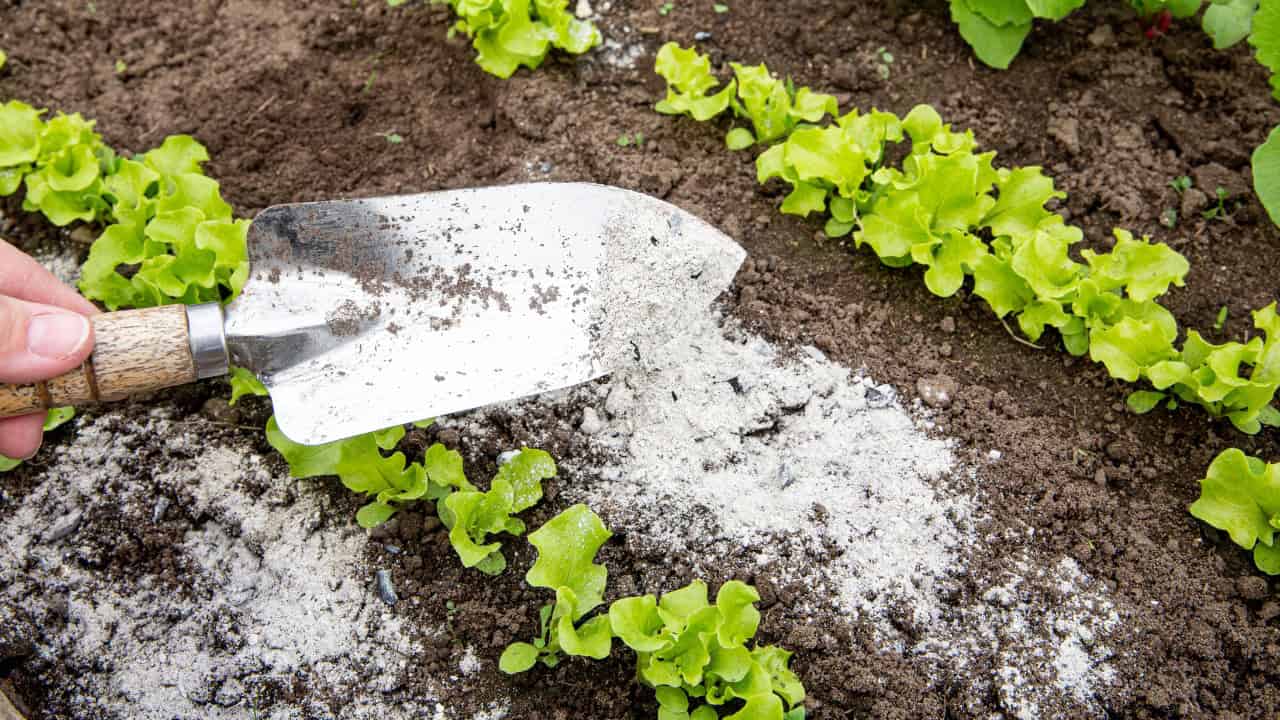
I’ve found that using organic fertilizers makes a big difference in my garden’s health. They’re made from natural materials, so they improve soil quality without harmful chemicals.
Worm castings are one of my favorites. They provide a balanced nutrient supply and help with moisture retention.
I also like to use compost, which enriches the soil and encourages microbial life.
Whenever I can, I add well-rotted manure. It’s a great way to boost nutrient levels. Peat moss is another good addition that helps with soil structure and aeration.
By switching to organic fertilizers, I’ve noticed my plants thriving, with better growth and resilience.
7. Create compost tea

One of my favorite ways to boost soil quality is by creating compost tea. It’s super simple and a great way to make use of my finished compost.
To make it, I fill a 5-gallon bucket about half full with compost. Then, I add water until it’s nearly full. I let it steep for a few days.
Once it’s brewed, I strain the liquid and use it as a soil drench around my plants. This directly nourishes their roots and enhances soil microbes.
I also mist the leaves with a diluted solution, which helps with plant health. Plus, it’s an easy way to give my garden an extra boost!
8. Add aged manure

Adding aged manure to my garden has been a game changer. It enriches the soil with nutrients while improving its structure.
I prefer using well-aged manure, as fresh manure can be too strong and might harm my plants.
I usually apply a layer of about one to two inches on the soil surface. This way, as it breaks down, it slowly releases nutrients. Sometimes, I mix it into the top few inches of soil for an extra boost.
It’s important to let the manure age for several months before using it. This not only helps in preventing any harmful pathogens but also makes it safe for my vegetables.
9. Apply mulch
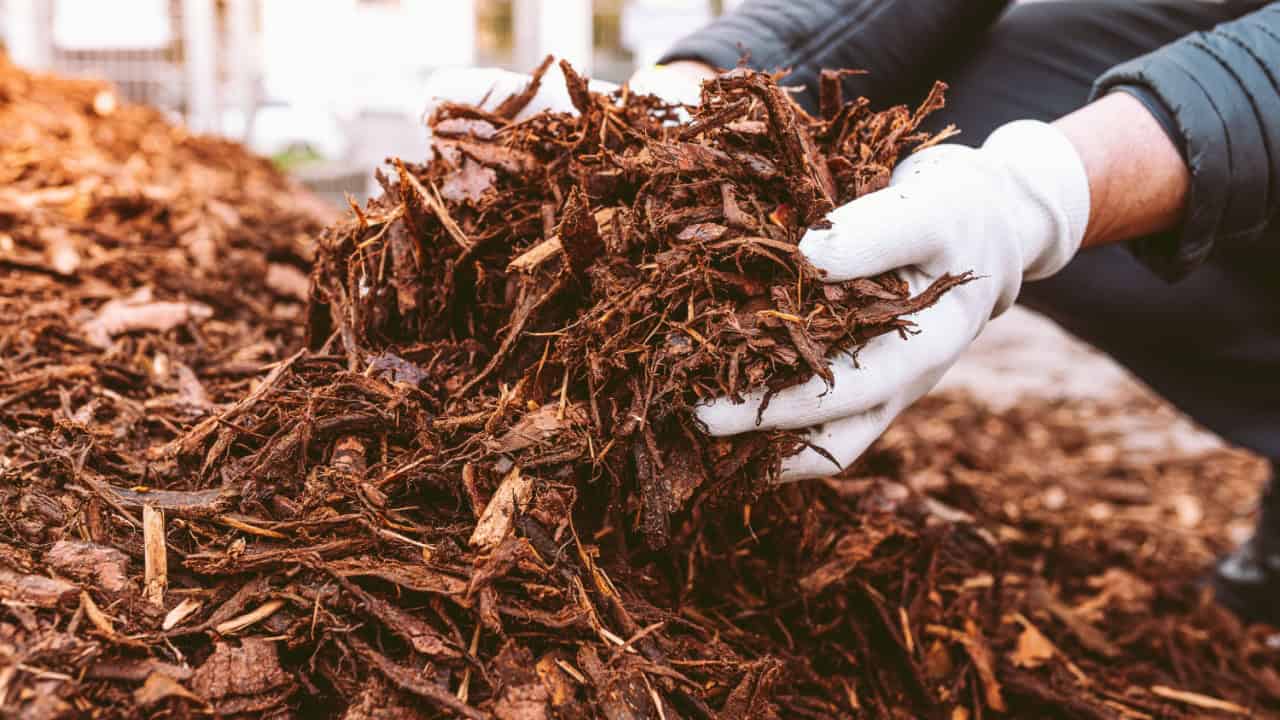
Applying mulch is one of my favorite ways to enhance my garden. It helps maintain soil moisture, which is crucial during dry spells.
I use organic options like wood chips or straw because they break down over time and add nutrients back into the soil.
I usually apply a layer that’s about 2-4 inches thick. This keeps weeds at bay and regulates soil temperature, protecting my plants’ roots. Plus, it gives my garden a neat appearance.
Timing is key, so I wait until the soil has thawed in spring. This way, I can ensure the best conditions for my plants. It’s a simple step that makes a big difference in my garden’s health.
10. Avoid tilling the soil

I find that avoiding tilling has really improved my garden’s health. Tilling can disturb soil structure and harm beneficial microorganisms. It often leads to compaction, making it harder for roots to grow.
Instead, I use methods like no-till gardening. This approach allows the soil to maintain its natural layers, which helps retain moisture and nutrients.
I simply add organic matter like compost on top. Over time, it gets worked into the soil naturally. This method also reduces weed growth, which is a bonus.
By skipping the tilling, I keep my soil thriving and my plants healthier.
11. Perform soil tests

I make it a habit to perform soil tests every year.
Testing my soil helps me understand its nutrient levels and pH. This way, I know exactly what my plants need for optimal growth.
I usually send samples to a local lab, but there are also easy home testing kits available.
These tests reveal key details about the soil composition, helping me adjust my amendments accordingly.
After getting results, I can enhance my soil quality with specific nutrients or organic matter.
This proactive approach ensures my garden stays healthy and productive all year round.