Your garden shed can be a handy space, but it often ends up holding more unused items than you realize. Over time, things pile up, making it hard to find what you really need or even assess what should stay.
Knowing which items in your shed are rarely used can help you organize better and free up valuable space. This article will guide you through common items that tend to sit idle in garden sheds, so you can decide what to keep and what to clear out.
Advertisement
Old cans of paint

You might have old cans of paint sitting in your garden shed. Paint can go bad if stored in extreme temperatures or for too long.
If the paint looks separated or smells off, it’s best not to use it. Instead, take it to a local hazardous waste site or a paint recycling program.
Many stores now offer free paint recycling, so you can safely get rid of leftovers without harming the environment.
Dried-out seed packets
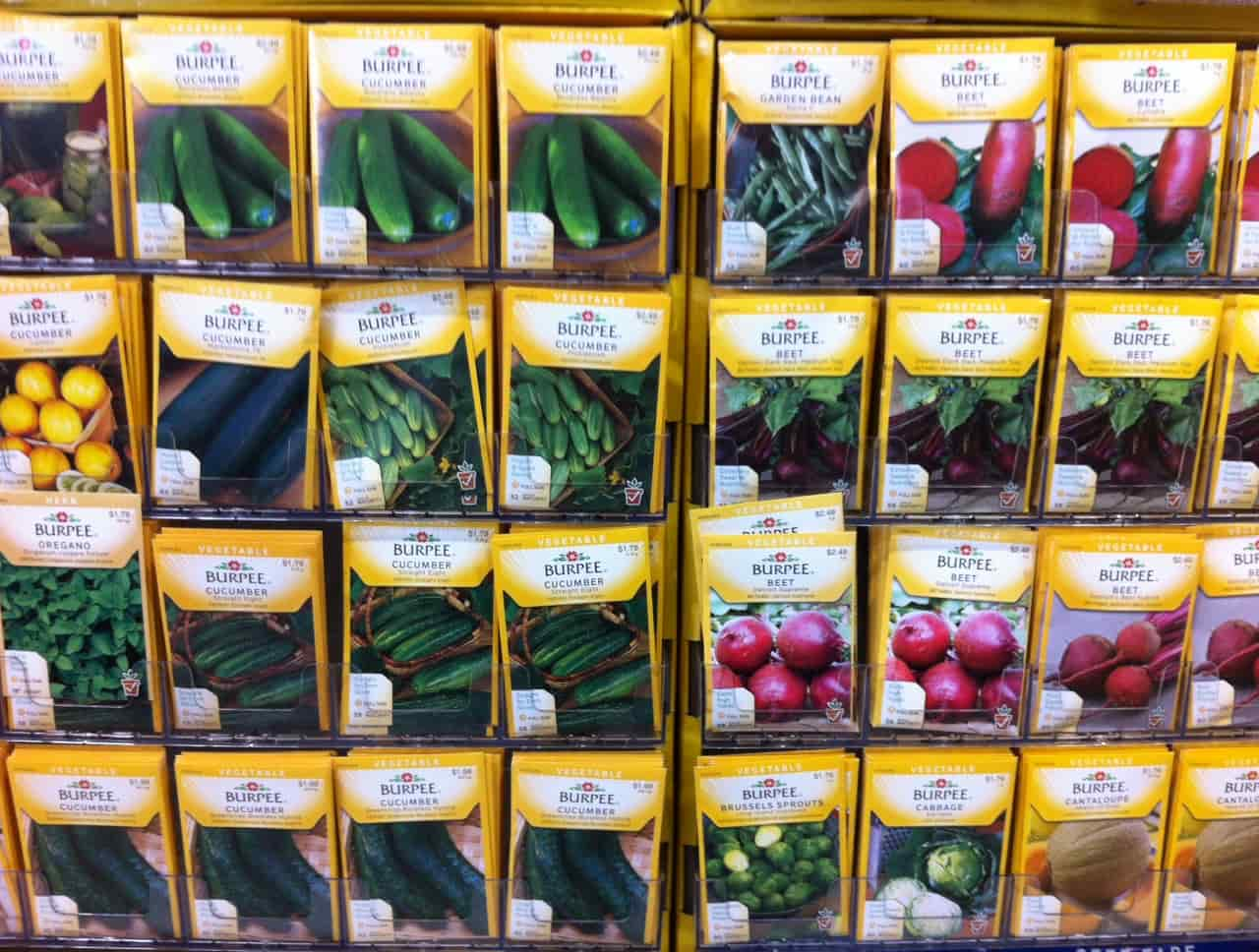
You might find dried-out seed packets tucked away in your garden shed. If seeds are stored improperly, like in humid or hot places, their viability drops quickly.
To keep seeds usable, store them in a cool, dry spot away from sunlight. A dark closet or a sealed bag in a cool room works well.
Even if seeds get damp, spreading them on a paper towel to dry before storing can sometimes save them. Keep seeds sealed and dry to avoid this problem.
Broken garden tools
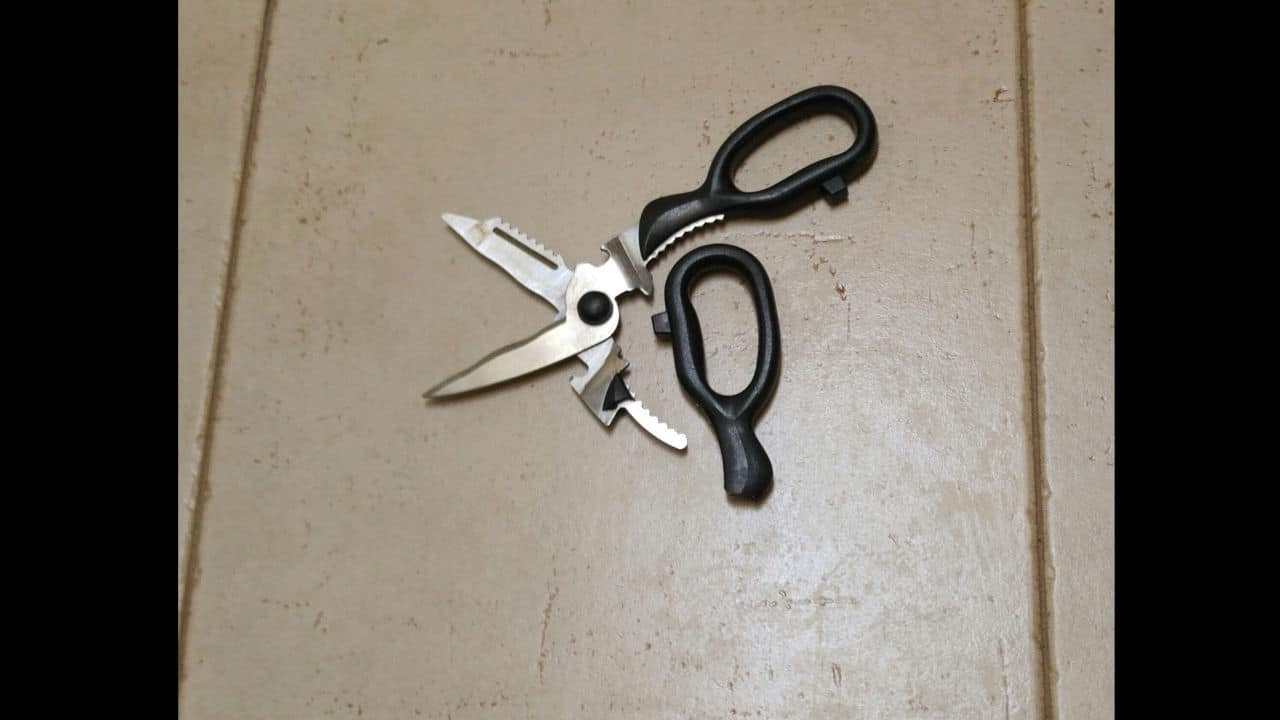
If you have broken garden tools cluttering your shed, consider giving them a new life. You can repurpose items like rakes into stands for other tools.
Old tools also work well as garden art or useful household items. This way, you keep your shed tidy and add character to your outdoor space.
Rusty nails and screws
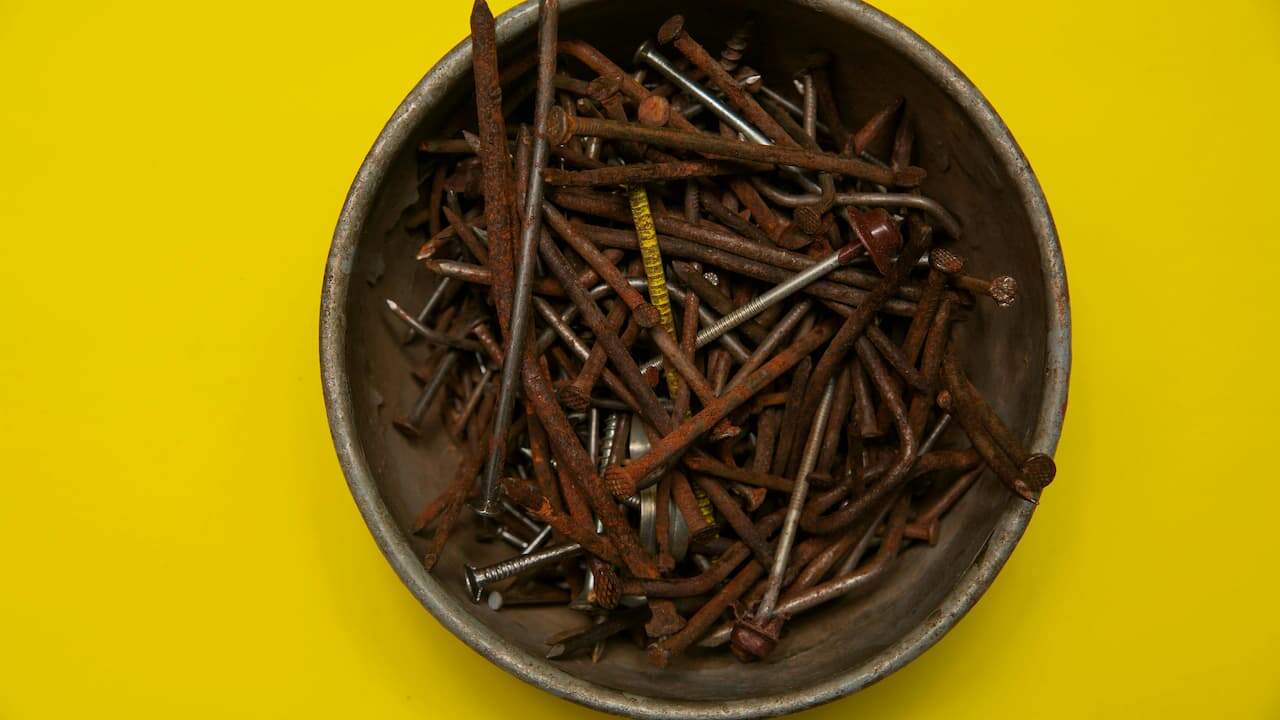
You probably have a jar of rusty nails and screws tucked away in your shed. While they might seem useless, some people still find ways to use them in rustic craft projects.
However, most rusty nails and screws aren’t safe for construction or gardening. If they are severely corroded, it’s usually best to recycle them. You can also try removing rust if you want to keep some for small repairs.
Empty fertilizer bags

You might have empty fertilizer bags scattered around your shed. Instead of tossing them, try rolling each bag tightly to save space.
Next, store these rolled bags inside one of the used bags to keep them organized.
Keep your stack in a dry spot, like on top of your fertilizer heap or a shelf, so they stay clean and ready for recycling or reuse.
Outdated pesticides
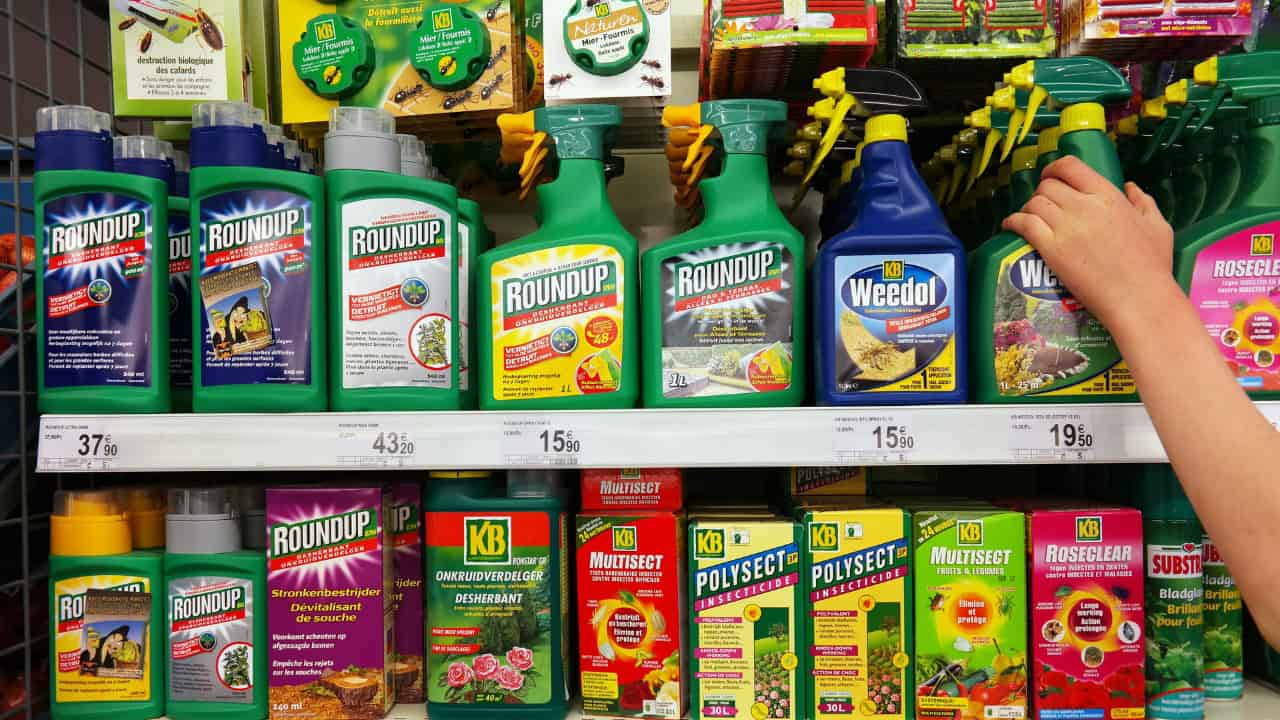
You should check your garden shed for old pesticides that have passed their expiration date. Using expired products can be ineffective and even harmful.
Store pesticides in a cool, dry place away from direct heat or sunlight. Always keep them out of children’s and pets’ reach.
When you find outdated pesticides, don’t just leave them in the shed. Dispose of them properly to avoid spills and contamination.
Unused electric trimmers
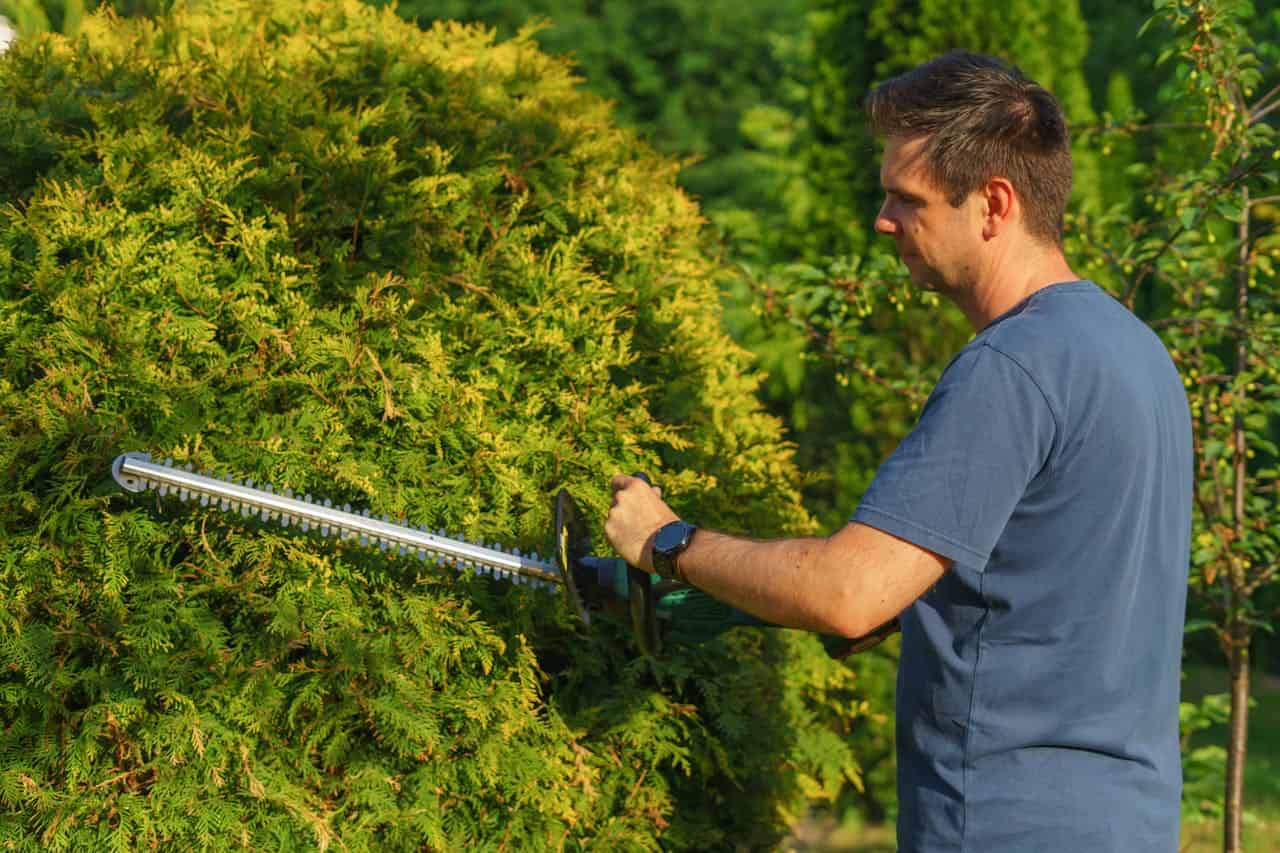
If you have electric trimmers sitting unused in your shed, it might be time to consider letting them go. These tools can take up space and may become damaged if left without proper care.
Electric trimmers can suffer from rust or gear problems, especially in uninsulated sheds. Keeping rarely used tools in good condition takes effort.
If you don’t plan to use your electric trimmer soon, freeing up space in your shed can help you stay organized.
Worn-out gardening gloves
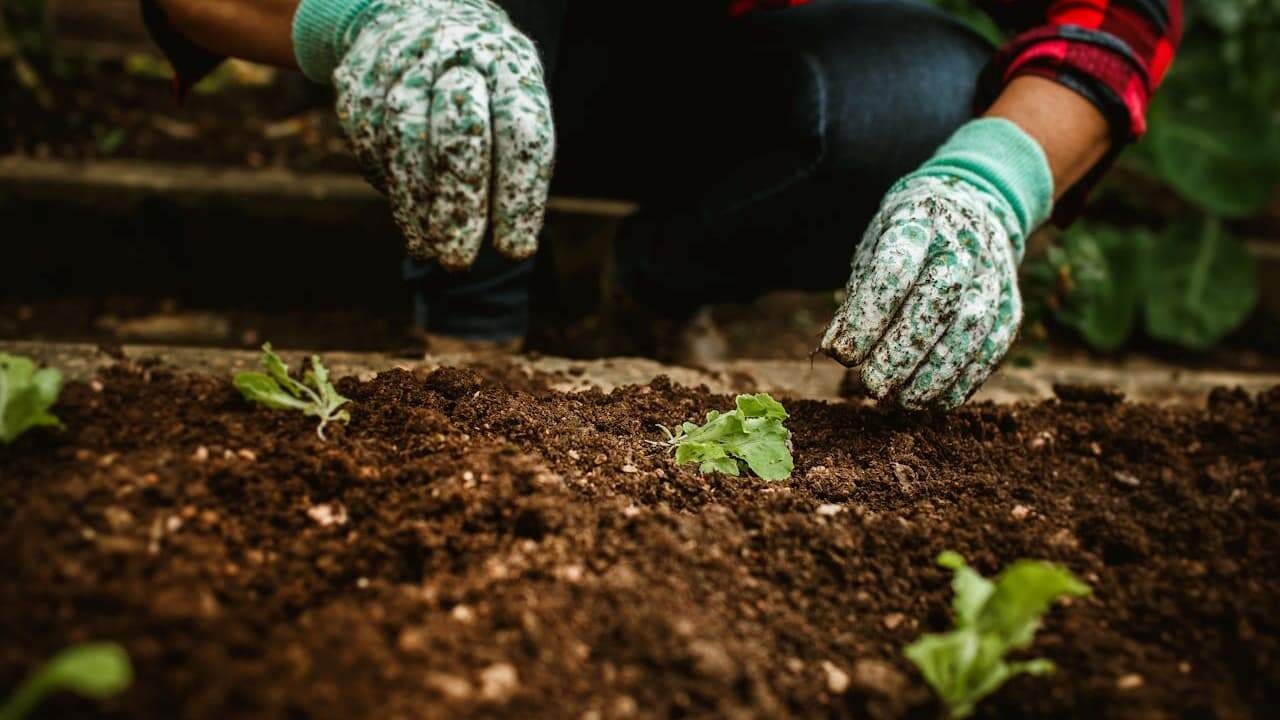
You might have old gloves that no longer fit or protect well. It’s easy to forget about them in your shed.
If they are dirty or damp, bacteria and mold can grow on them, so letting them dry properly is important.
Instead of tossing them in the trash, you can recycle worn-out gloves. Wash and dry them, then donate with other textiles if possible.
Empty touch-up paint pots
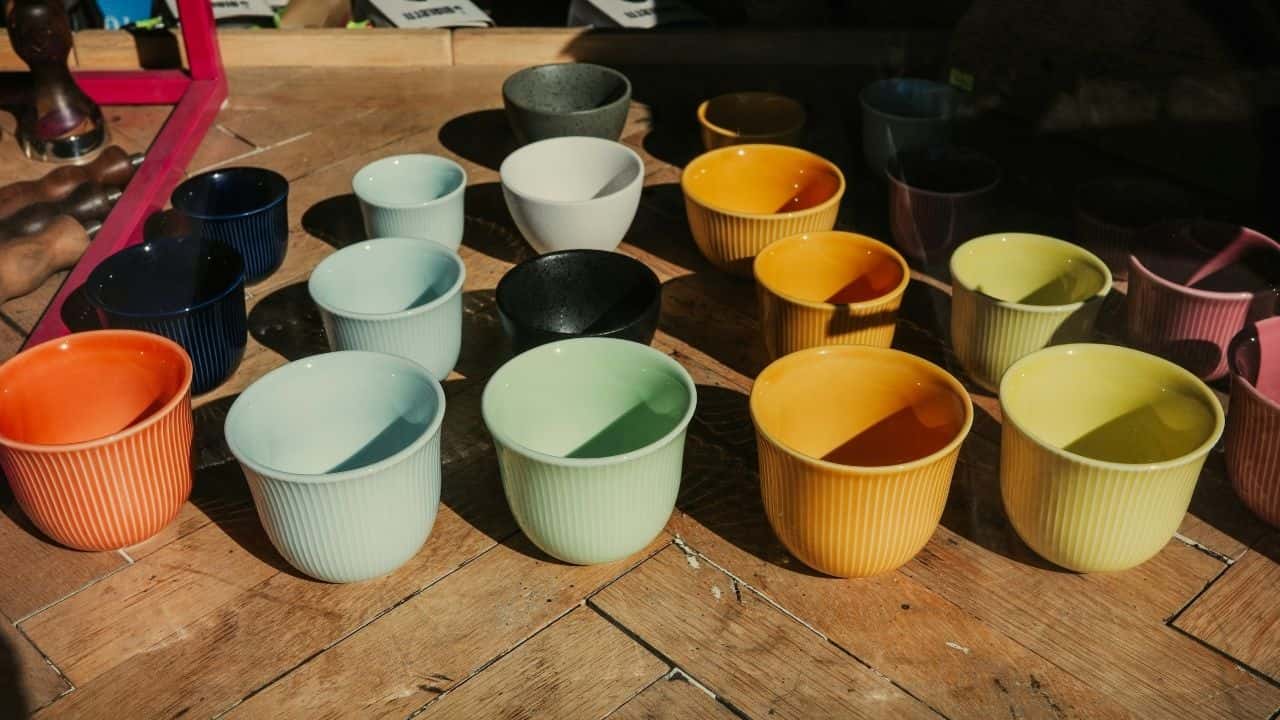
You might find empty touch-up paint pots tucked away in your garden shed. These small containers are great for storing leftover paint for quick fixes.
Because they seal tightly, your paint stays fresh and easy to use next time. Keeping a few on hand saves you from digging through full cans for small jobs.
They’re compact, helping you keep your shed neat while still ready for any little touch-ups around the garden or home.
Cracked plant pots
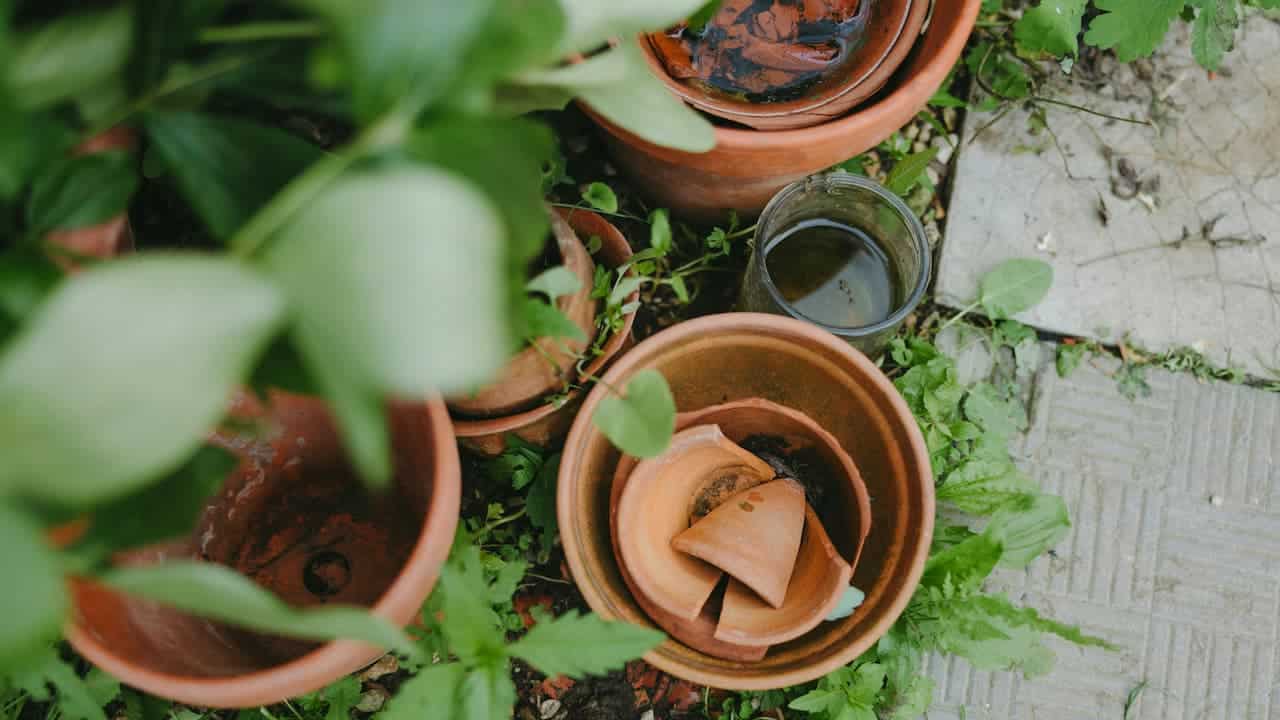
If you have cracked plant pots, don’t rush to throw them away. You can use broken pieces at the bottom of other pots to improve drainage.
You can also get creative by turning shards into garden markers or small mosaics.
Just be careful handling sharp edges to avoid cuts. These pots still have plenty of uses in your garden!
Expired weed killers
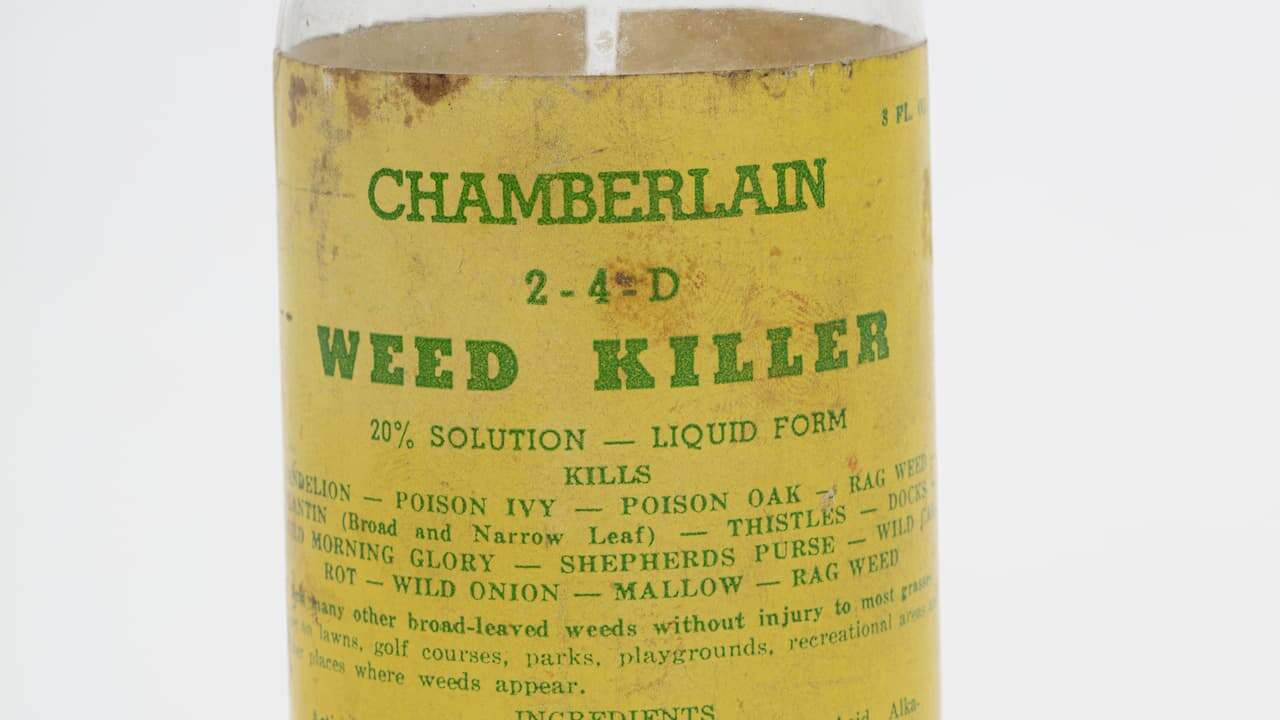
You might find old weed killers in your shed that have lost their effectiveness. Most products don’t list an expiration date, but they generally start to break down after about two years.
Using expired weed killers may not control weeds as well, wasting your time and effort. It’s best to check the age of your products and replace any that are too old. Always dispose of them safely following local guidelines to protect the environment.