Taking care of indoor plants can be very rewarding, but it’s easy to accidentally harm them without realizing it. Many common habits and mistakes can cause your plants to struggle or die quickly, even if you have good intentions.
Understanding what might be harming your indoor plants is key to keeping them healthy and thriving. This article will help you identify those hidden pitfalls so you can avoid them and give your plants the care they need.
Advertisement
Overwatering your plants too frequently
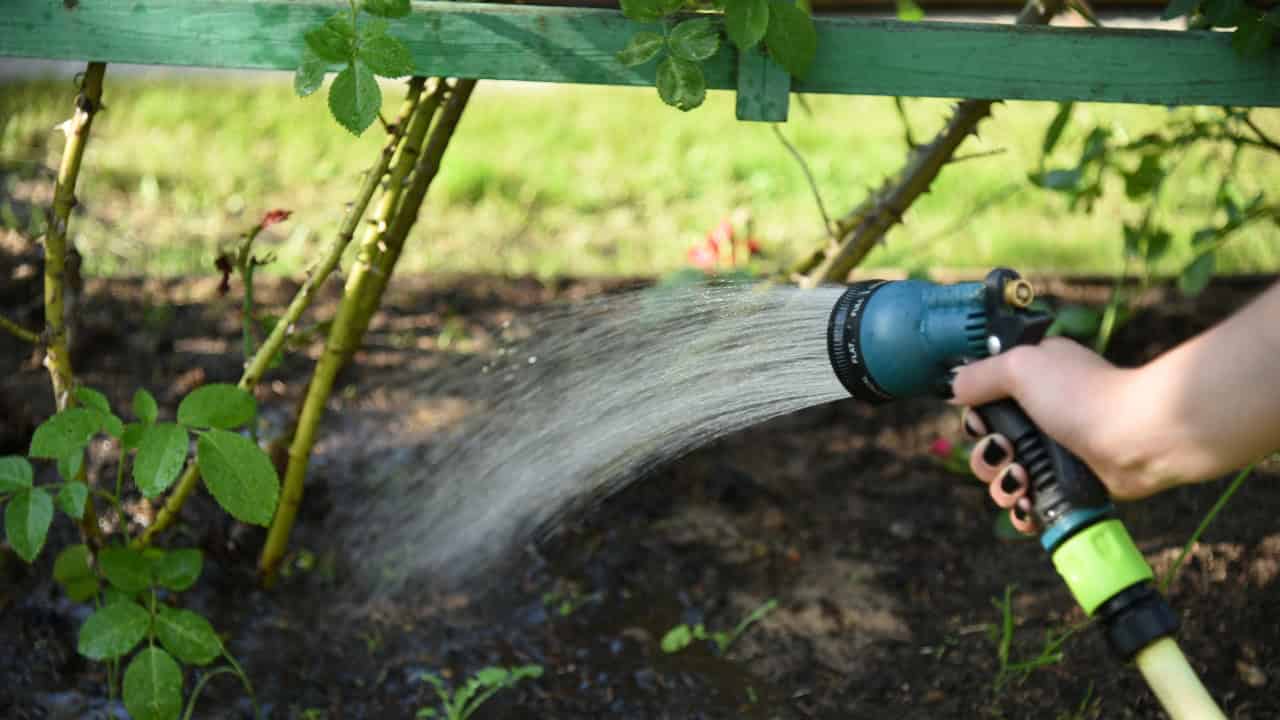
You might think your plant needs water every day, but too much can drown its roots. Overwatering reduces oxygen in the soil, causing root rot and wilting.
If your plant looks droopy, resist the urge to water immediately. Let the soil dry out first to prevent damage. Stopping watering when unsure is often the best move.
Using pots without drainage holes
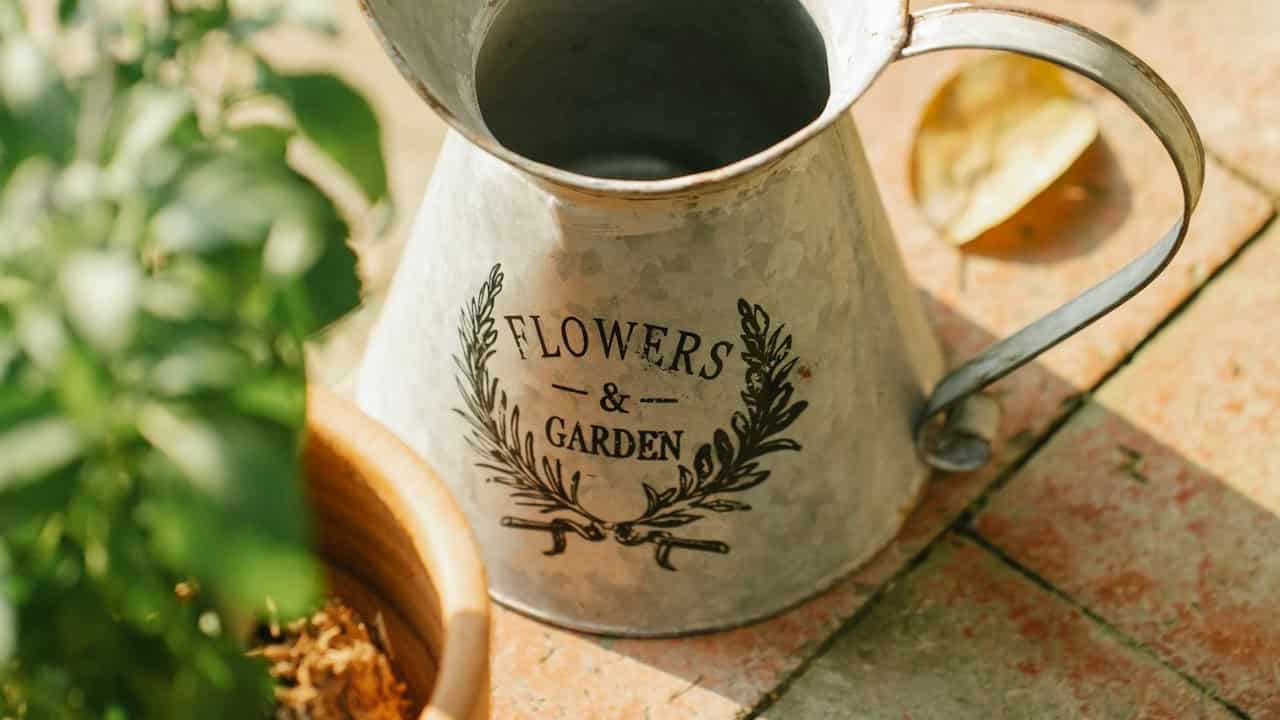
Using pots without drainage holes can be tricky, but it’s not impossible to keep your plants healthy. You need to be careful not to let water sit at the bottom, as this can cause root rot.
Create a drainage layer with gravel or pebbles to help excess water stay away from roots. Always check soil moisture before watering to avoid overwatering your plants.
Ignoring the need to repot when roots outgrow the pot

When your plant’s roots start growing out of the drainage holes, it’s a clear sign it needs more space. If you don’t repot, the roots can become cramped and unable to absorb nutrients properly.
Leaving your plant root-bound can stunt its growth and cause stress. Moving it to a bigger pot with fresh soil helps it thrive and stay healthy.
Keeping plants in low light environments

If your space has low light, choose plants that tolerate these conditions, like snake plants or pothos. Avoid placing plants in complete darkness; even low light means some indirect or filtered light.
Remember, plants in low light need less water. Overwatering is a common mistake and can quickly harm them. Adjust watering to fit the light your plant receives.
Placing plants near heat vents or radiators
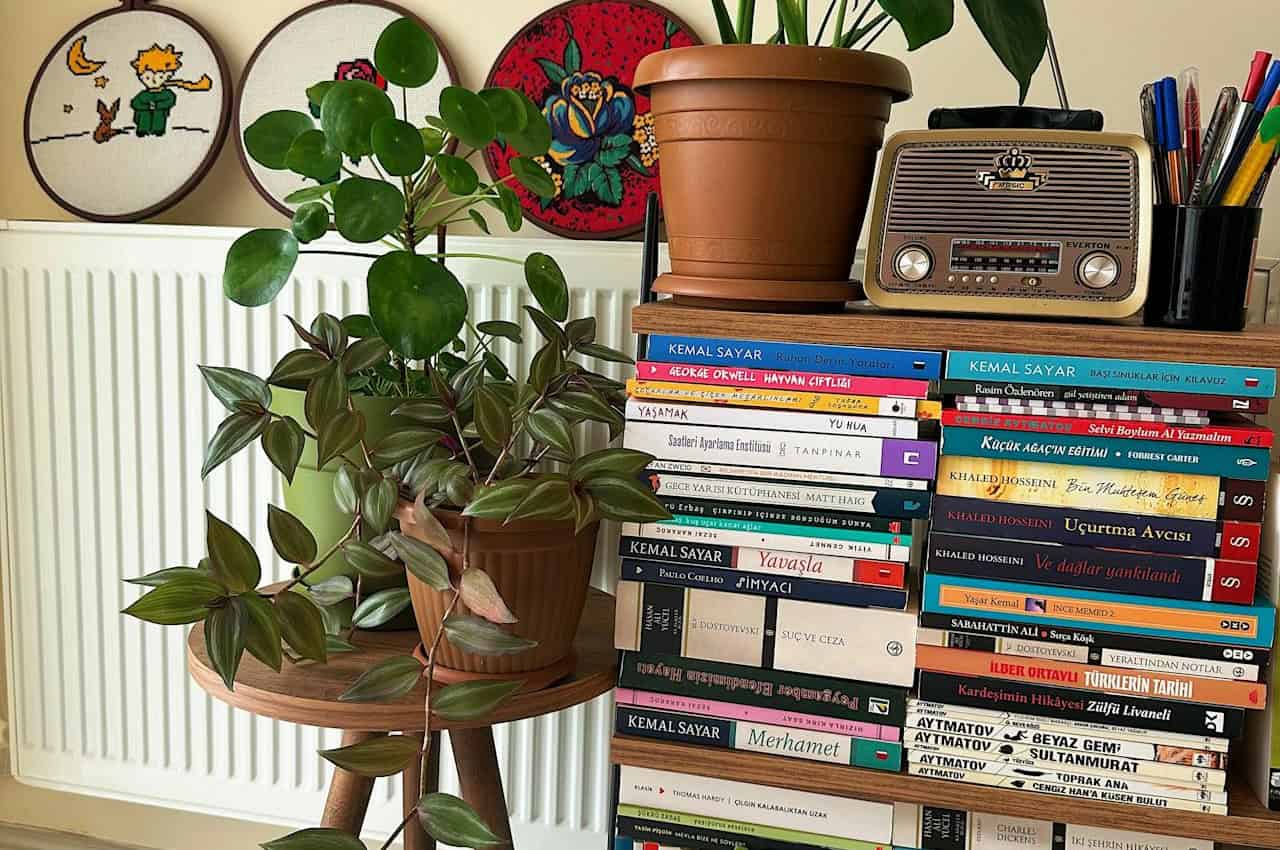
You might think keeping plants near heat sources helps them stay warm, but it often dries them out too quickly. Heat vents and radiators can cause soil and leaves to lose moisture, stressing your plants.
If you must place plants nearby, try to increase humidity by placing water trays or misting them regularly. Giving your plants some distance from direct heat will help keep them healthier.
Using water that is too cold or chemically treated

Using water that is too cold can shock your plants’ roots, slowing their growth. It’s best to use room temperature water to keep your plants comfortable.
Chemically treated tap water, especially softened water, may contain salts or chlorine that can harm roots over time. If possible, use rainwater or let tap water sit out so chemicals can dissipate before watering.
Neglecting to remove dead or yellow leaves
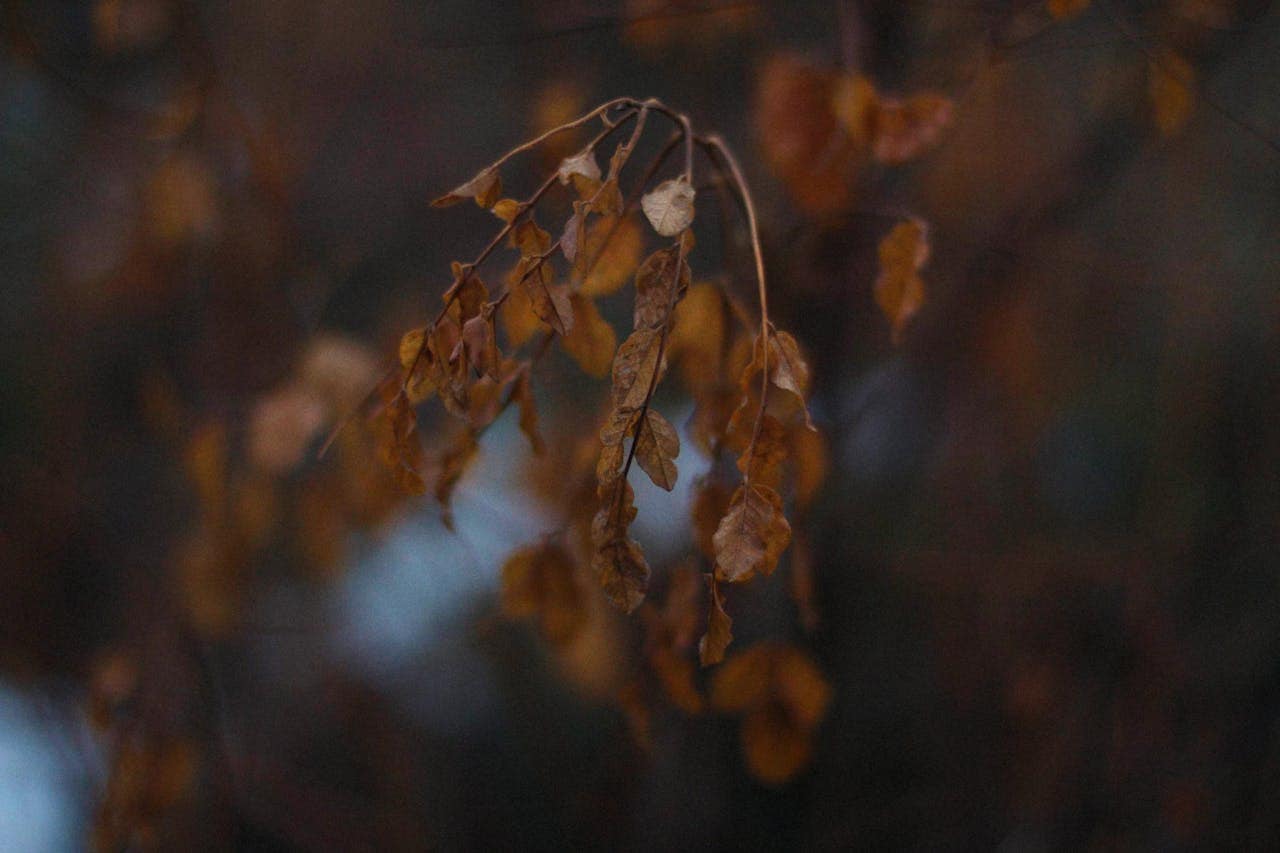
If you don’t remove dead or yellow leaves, your plant uses energy trying to keep them alive. This can slow down its overall growth and health.
Plucking these leaves helps your plant focus on new, healthy growth instead. It also keeps your plant looking tidy and reduces the risk of disease.
Wait until leaves are fully yellow or brown before removing them gently by hand or cutting them off.
Over-fertilizing with synthetic fertilizers
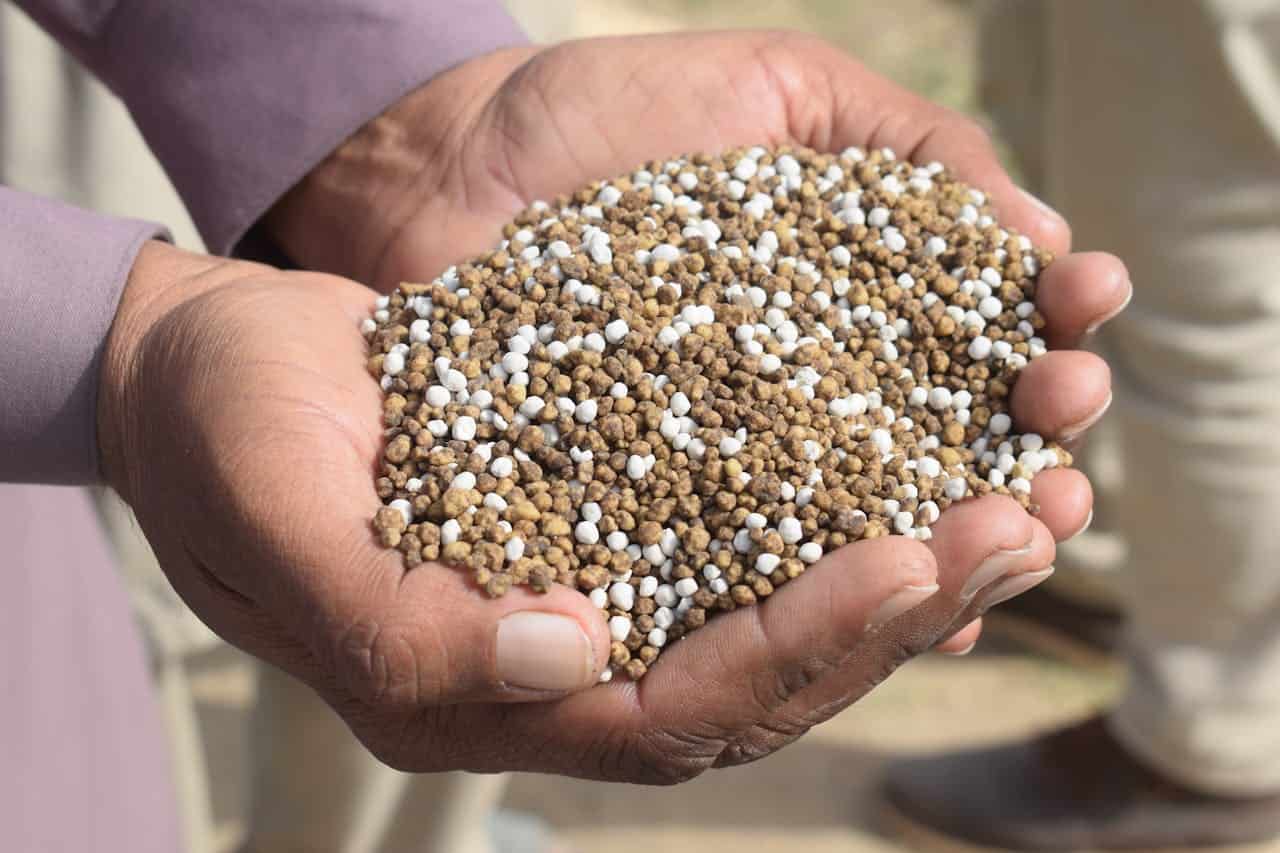
You might think more fertilizer helps your plant grow faster, but using too much synthetic fertilizer can harm it instead. These fertilizers release nutrients quickly, which can burn your plant’s roots and leaves.
If you fertilize too often or use high doses, you risk drying out roots by drawing moisture away. To avoid this, use fertilizers sparingly and flush the soil with water if you suspect a buildup.
Allowing soil to stay soggy for long periods
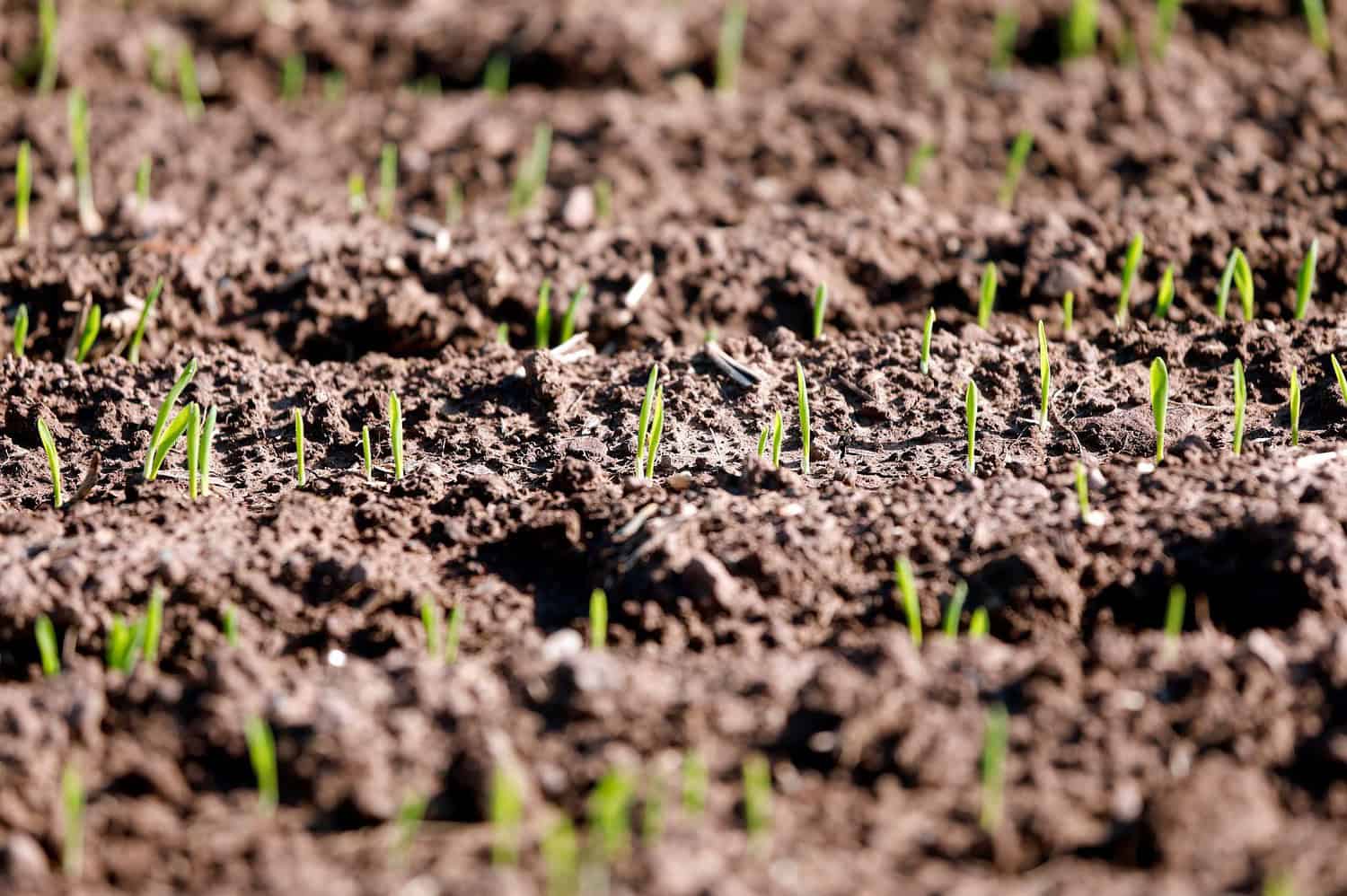
You might think plants love constant moisture, but soggy soil can harm roots by reducing oxygen. This often happens when you water too much or don’t use pots with drainage holes.
Try to let the top inch of soil dry out before watering again. Checking soil moisture with your finger can help you avoid keeping it too wet.
Under-watering and letting soil dry out completely

When you let your plant’s soil dry out completely, it can stress the plant and cause wilting. Your plant needs consistent moisture, but not soggy soil.
Check the soil by touching it; if it feels bone dry deep down, it’s time to water. Remember, neglecting to water enough can lead to droopy leaves and unhealthy growth.
Using contaminated or poor-quality soil

You might be unknowingly harming your plants by using soil that’s contaminated or low quality. Such soil can harbor mold, pests, or harmful chemicals that stress your plants.
Choosing fresh, well-draining soil helps give your plants the nutrients they need. Avoid soil from unknown sources or that smells musty to keep your plants healthy and happy.