Plumbers spend their days fixing leaks, unclogging drains, and repairing pipes, so when it comes to their own homes, they know exactly what not to do. Many of the habits we think are harmless can actually lead to costly repairs, water damage, and major plumbing headaches.
If you want to avoid expensive plumbing problems, take some advice from the pros! Here are XX things professional plumbers would never do in their own homes— and neither should you.
Advertisement
1. Pour Grease or Oil Down the Drain
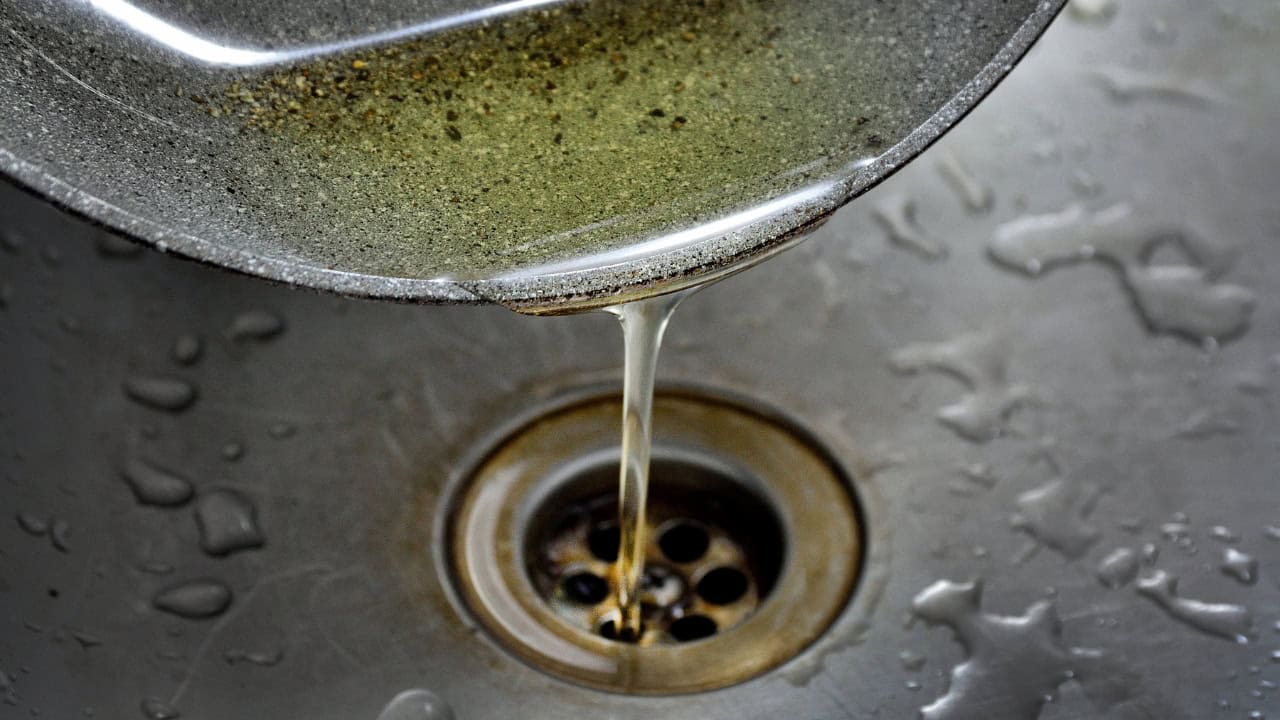
It might seem harmless when hot, but grease and oil solidify as they cool, creating thick blockages that trap food particles and lead to clogged pipes. Even if you rinse it with hot water, it will eventually stick to the inside of your plumbing.
What to do instead:
- Let grease cool in a container, then toss it in the trash.
- Use a paper towel to wipe greasy pans before washing them.
- If you accidentally pour grease down the drain, flush it with boiling water and dish soap immediately to break it up.
2. Use Chemical Drain Cleaners
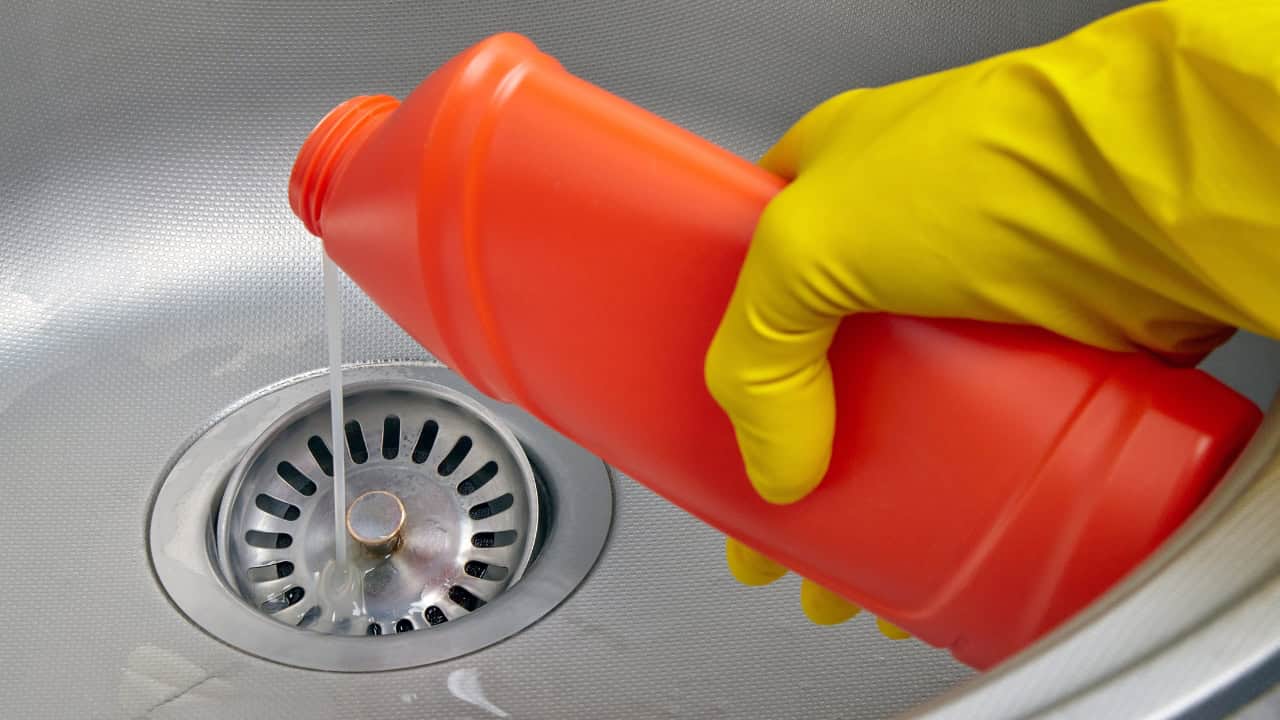
Plumbers avoid store-bought drain cleaners like the plague because they contain harsh chemicals that can eat away at pipes over time. They may provide a quick fix, but they’re terrible for your plumbing system.
What to do instead:
- Use a plunger or drain snake for minor clogs.
- Pour a mix of baking soda and vinegar down the drain, followed by hot water.
- If the clog persists, call a plumber before damaging your pipes with chemicals.
3. Flush “Flushable” Wipes
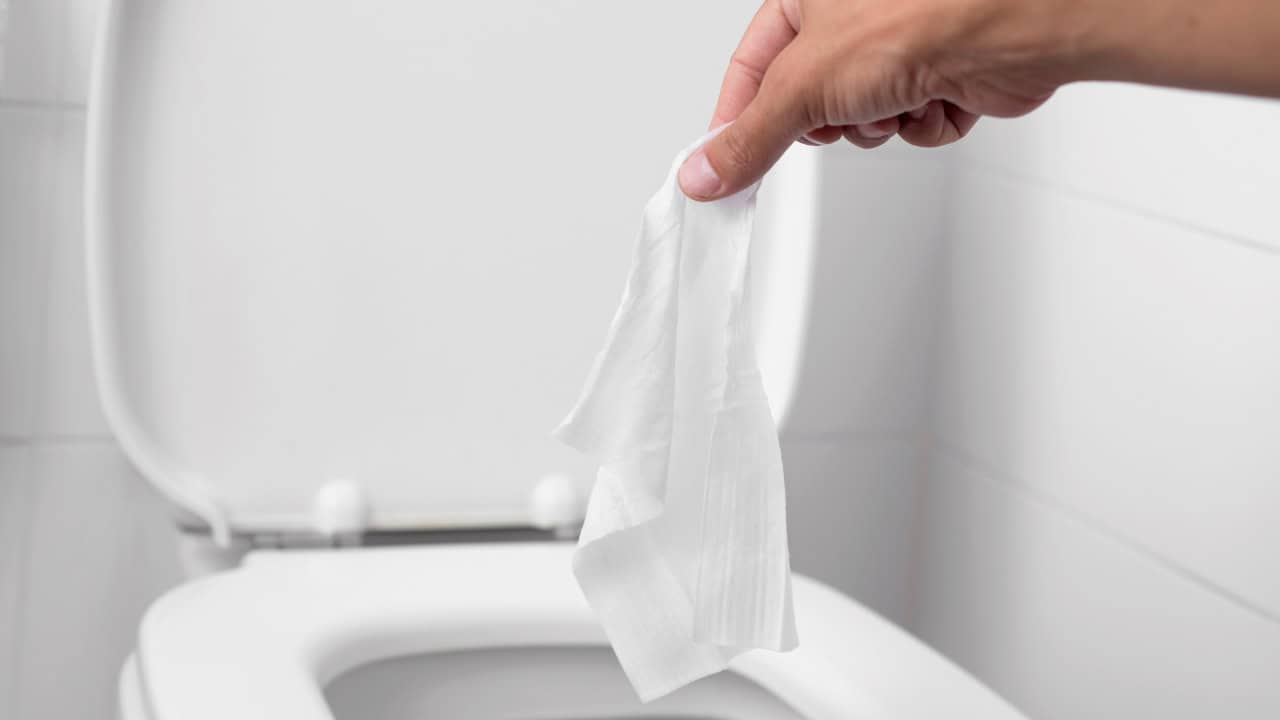
Despite their name, flushable wipes are not actually safe to flush. They don’t break down like toilet paper and can build up in pipes, causing major blockages in your plumbing or even municipal sewer systems.
What to do instead:
- Stick to toilet paper only in the toilet.
- If you use wipes, throw them in the trash instead of flushing them.
Even plumbers who install and repair sewer lines refuse to flush these at home—they’ve seen firsthand the damage they cause.
4. Ignore Small Leaks
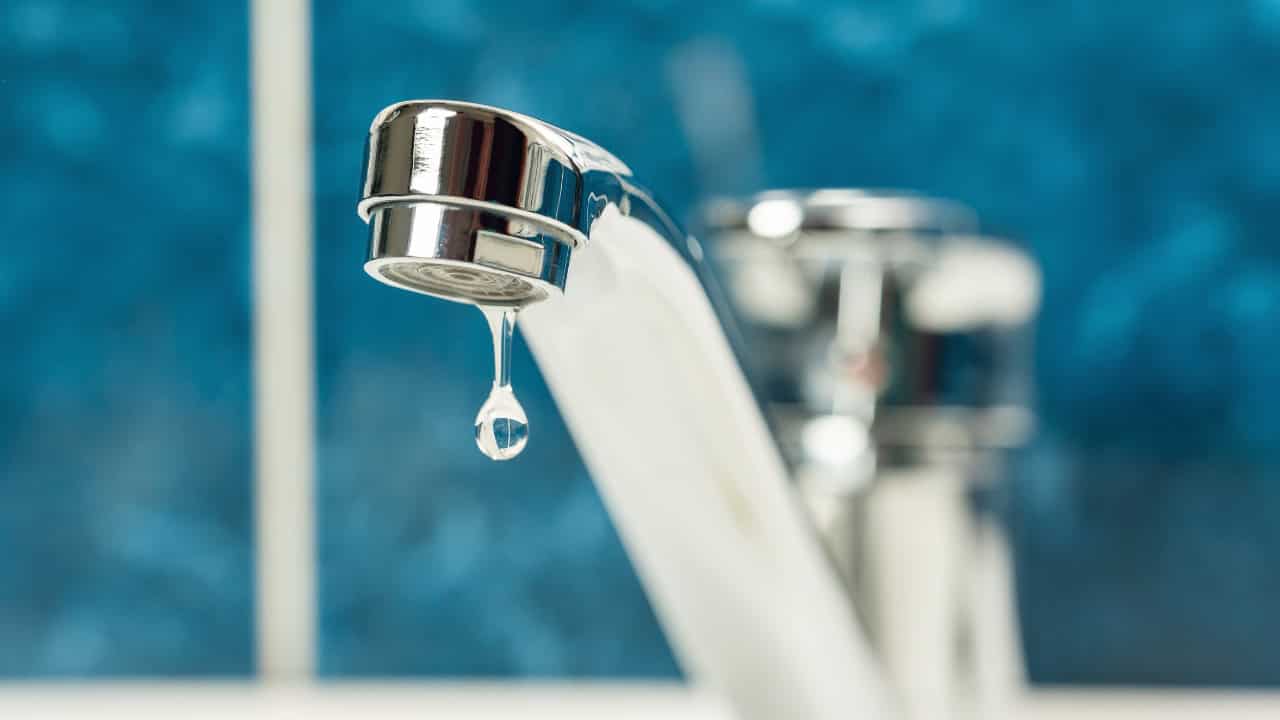
A slow-dripping faucet or a minor leak under the sink might not seem like a big deal, but plumbers know that even a tiny leak can waste gallons of water and lead to hidden water damage. What starts as a drip can erode pipes, cause mold, and increase your water bill significantly.
What to do instead:
- Fix leaks as soon as you notice them. Most small drips are easy to repair with a washer or seal replacement.
- If you notice water stains on walls or ceilings, investigate immediately—there could be a hidden leak behind them.
5. Leave the Water On When Making Repairs

One of the most basic plumbing rules? Always turn off the water supply before working on a fixture. Even pros make sure to shut off the water before replacing a faucet, fixing a leak, or working on a toilet.
What to do instead:
- Locate your home’s main water shutoff valve and know how to turn it off in case of emergencies.
- Shut off water at the fixture before doing any plumbing work to avoid unwanted flooding.
Many DIY disasters could have been avoided if only the water had been turned off first!
6. Hang Heavy Items on Showerheads or Faucets
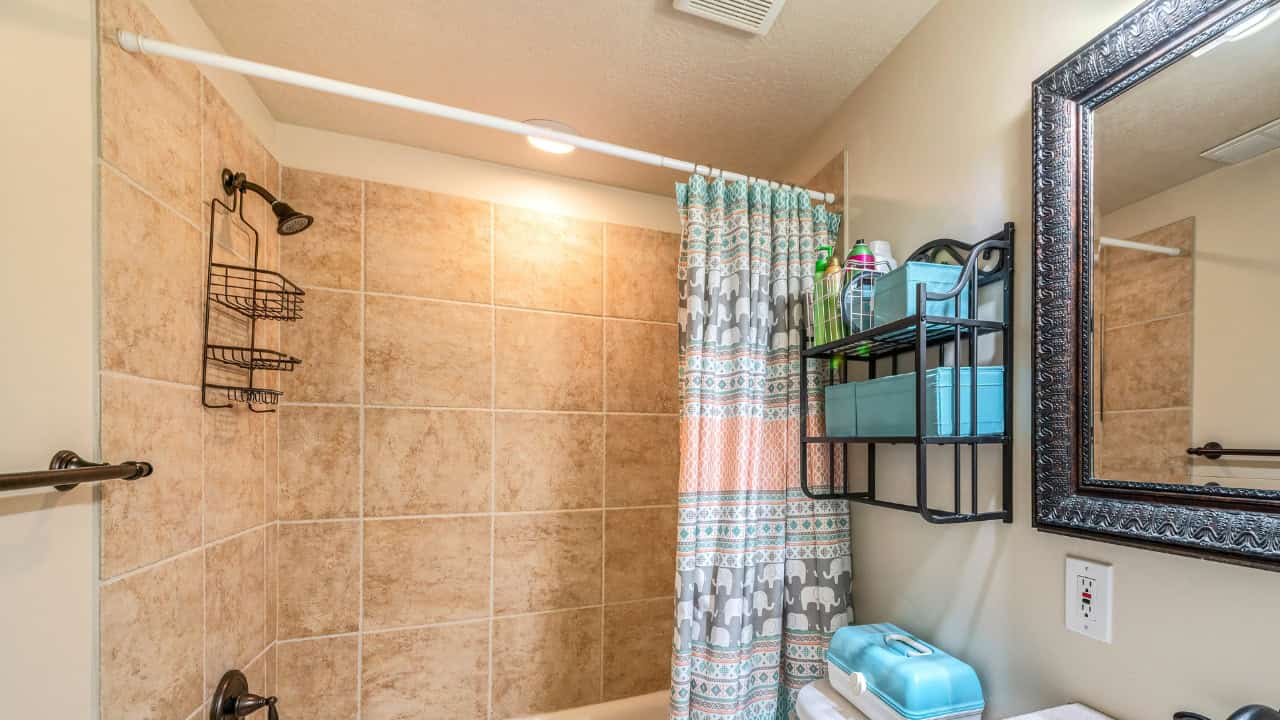
Plumbers know that shower caddies and hanging storage can put too much strain on pipes. Over time, the weight from heavy bottles and baskets can loosen connections and cause leaks.
What to do instead:
- Use a tension rod shower shelf or wall-mounted storage instead of hanging heavy items on the showerhead.
- Keep only the essentials in the shower to reduce strain on the plumbing.
7. Neglect the Water Heater
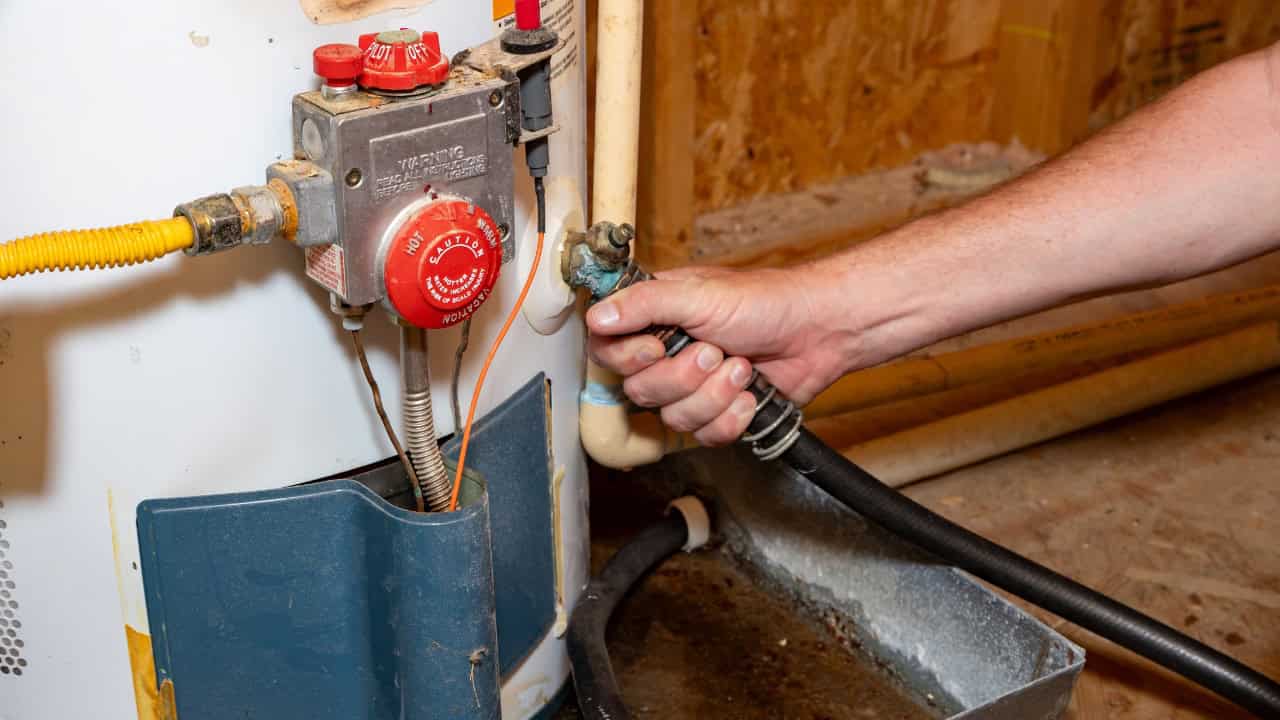
A water heater may seem like a “set it and forget it” appliance, but plumbers know that regular maintenance is crucial to prevent costly breakdowns and extend its lifespan.
What to do instead:
- Flush your water heater annually to remove sediment buildup that can cause inefficiency and overheating.
- Check the anode rod (a sacrificial piece of metal that prevents rust inside the tank) and replace it if it’s worn out.
- Keep the temperature at 120°F (49°C) to prevent scalding and reduce energy waste.
Ignoring your water heater can lead to expensive replacements and higher energy bills.
8. Use the Garbage Disposal as a Trash Can
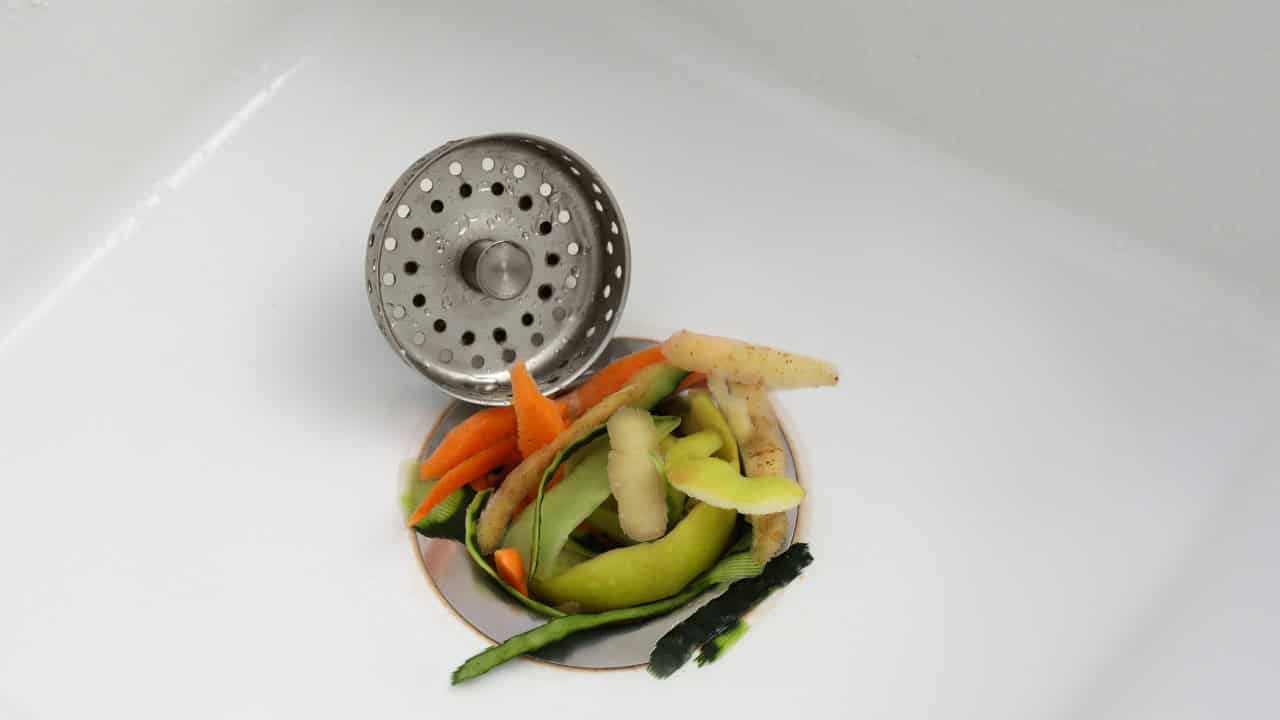
Plumbers know that garbage disposals are not designed to handle everything—yet people still try to grind up fibrous vegetables, eggshells, pasta, and even coffee grounds. These items can clog the blades, gum up pipes, and lead to expensive repairs.
What to do instead:
- Never put bones, coffee grounds, grease, fibrous veggies, or pasta down the disposal.
- Run cold water while using the disposal to help flush food particles through the system.
- Clean it regularly by grinding up ice cubes and citrus peels to keep blades sharp and fresh.
9. Skip Checking the Water Pressure
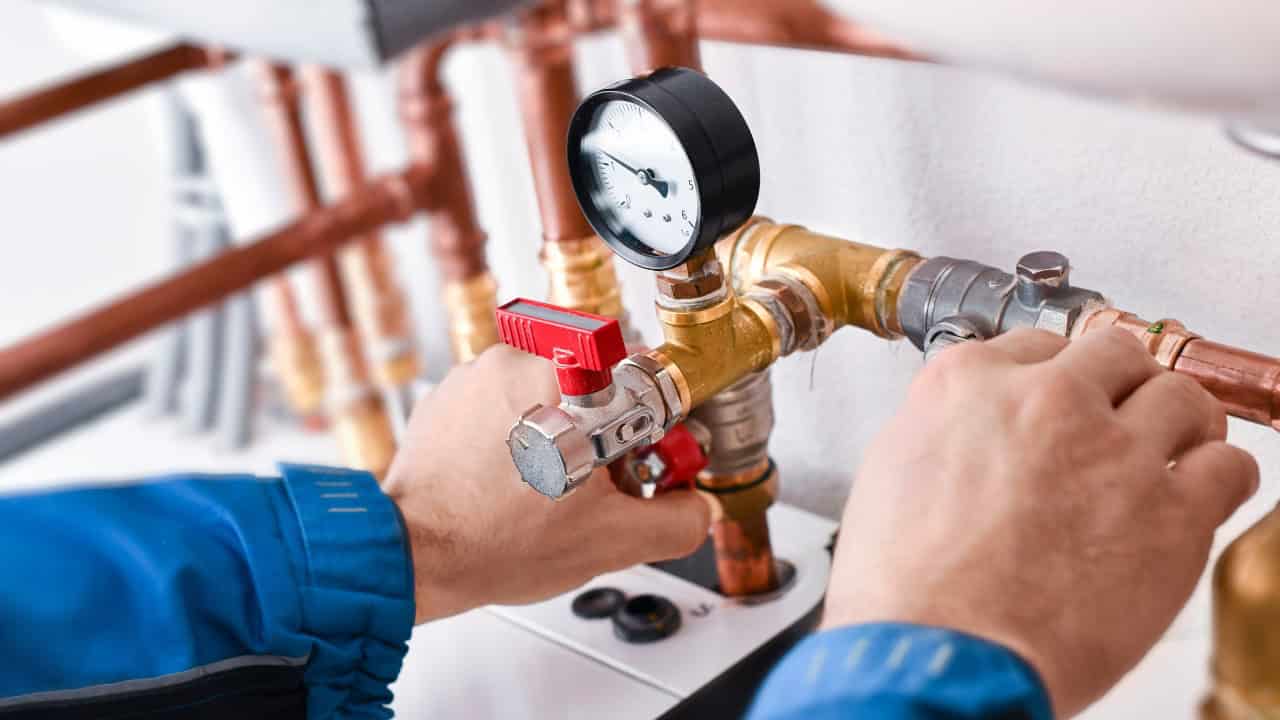
High water pressure might feel great in the shower, but it’s actually one of the biggest culprits behind pipe damage.Excessive pressure stresses your pipes, causing leaks and reducing their lifespan.
What to do instead:
- Use a water pressure gauge (available at hardware stores) to test your home’s pressure. The ideal range is 40–60 psi.
- If your pressure is too high, install a pressure regulator to prevent pipe damage.
Ignoring high water pressure can lead to costly plumbing failures down the road.
10. Ignore Strange Noises in Pipes
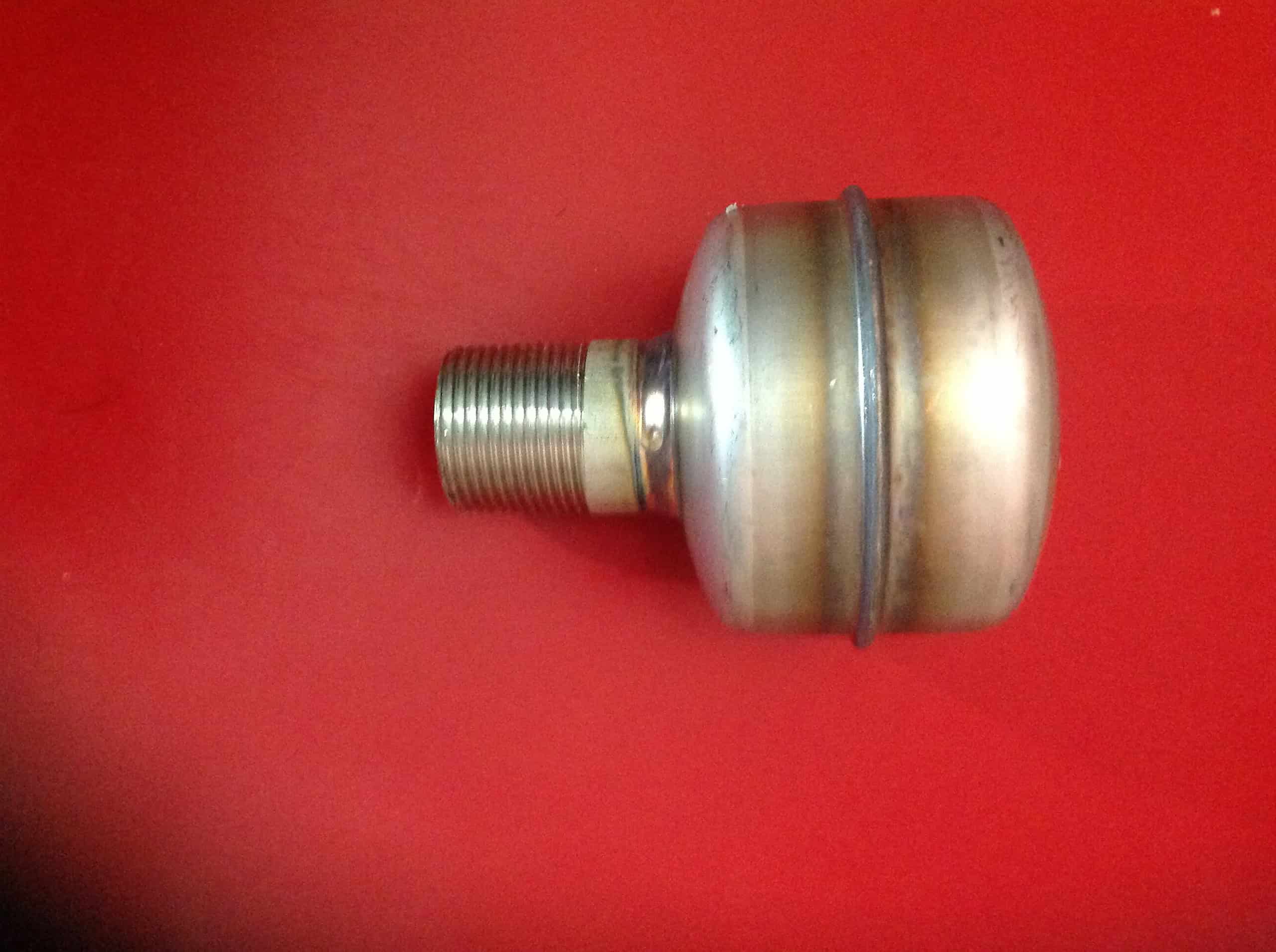
If your pipes make banging, whistling, or gurgling noises, it’s not something to brush off. Strange sounds can indicate air pockets, water hammer (sudden pressure surges), or even a clogged vent.
What to do instead:
- If you hear banging, install water hammer arrestors to prevent damage.
- Gurgling drains may indicate a clogged vent pipe—this can cause slow drainage and foul smells.
- Any loud or unusual sounds should be checked by a plumber before they turn into bigger issues.
11. Assume Everything is Covered by Insurance

One mistake homeowners make is assuming their insurance will cover water damage caused by plumbing failures. Many policies do not cover damage caused by neglect, poor maintenance, or improper DIY work.
What to do instead:
- Read your home insurance policy carefully to know what’s covered.
- Perform regular maintenance to prevent problems before they happen.
- Keep records of any professional plumbing work to prove your system is well-maintained.
Plumbers know that preventative maintenance is always cheaper than emergency repairs.
*This article was created with the help of AI.