Home is supposed to be the one place where you can breathe easy—literally. But if you’ve been dealing with allergies, constant sniffles, or just not feeling great, something inside your house could be the problem. Dust, bacteria, and hidden chemicals are hanging out in places you’d never think to check, and they can mess with your health more than you’d expect.
It’s not just the obvious stuff like a dirty sponge or an overdue deep clean. Even things you use every day—your shower head, your fridge, your favorite hand towel—could be making you sick without you realizing it. The good news? Once you know what to look for, fixing the problem is easy.
Advertisement
Toxic Cleaning Products
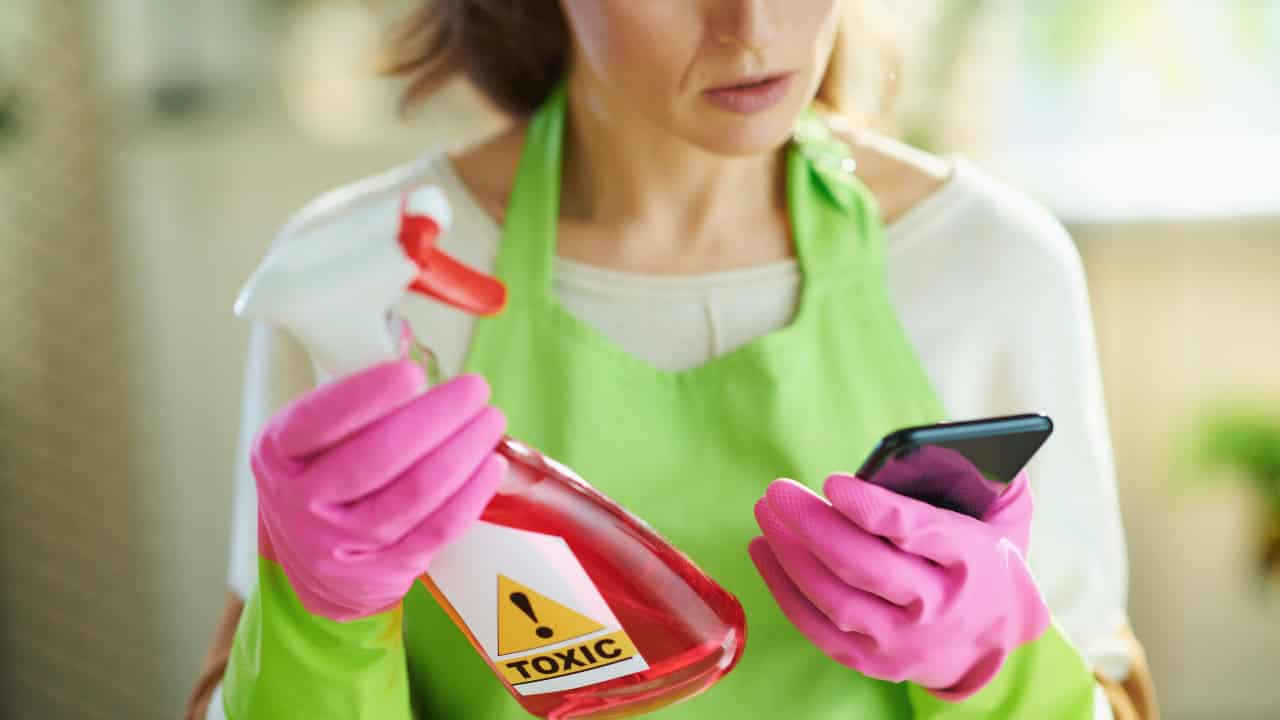
Some cleaning products do more harm than good. If your go-to sprays leave you coughing or give you a headache, there’s a good chance they’re packed with chemicals that aren’t great to breathe in. Aerosols release VOCs (volatile organic compounds) that can mess with your lungs, and strong cleaners like ammonia and bleach can be downright harsh if you’re not careful.
The good news? You don’t need all those heavy-duty chemicals to keep your house clean. Look for products with fewer VOCs and no artificial fragrances, and always crack a window when cleaning. If you want to go even safer, vinegar, baking soda, and castile soap can handle most messes just fine.
The Fridge
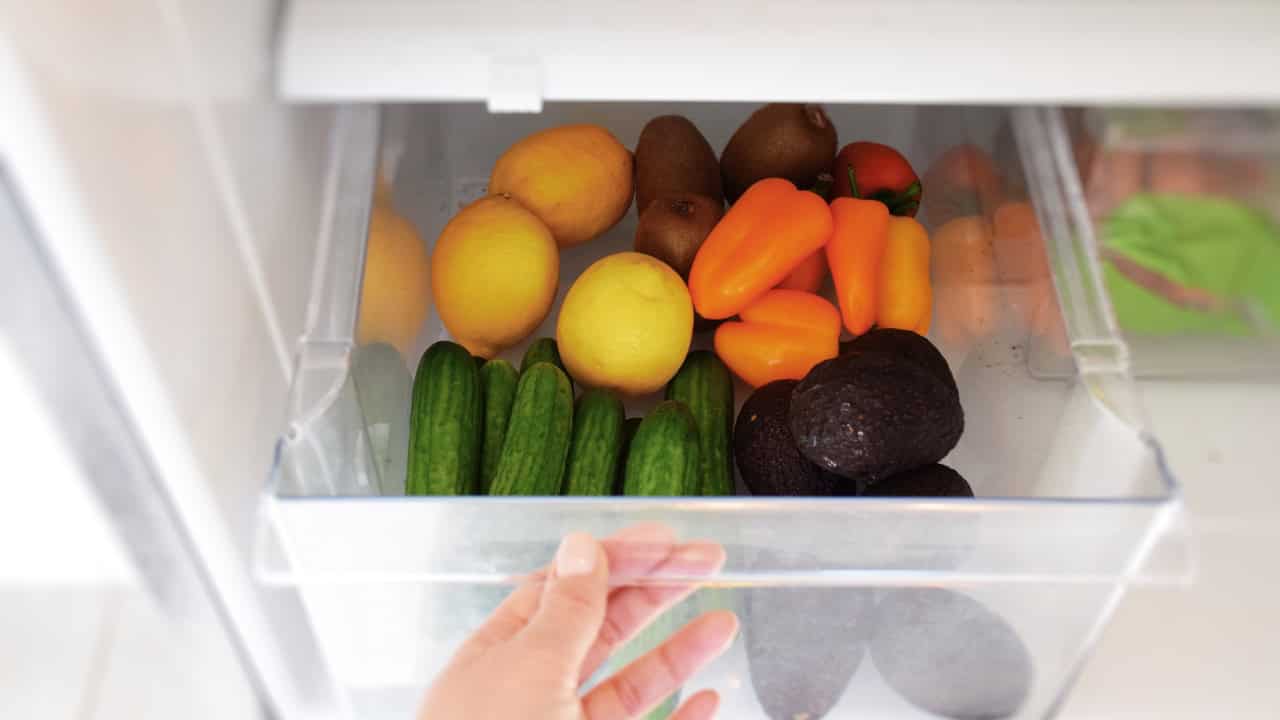
Your fridge might look spotless, but bacteria love to hang out in those tiny crevices, especially when spills get ignored. The worst spot? The produce drawers. These can be loaded with germs, and if you’re not cleaning them regularly, your fresh food could be picking up some not-so-fresh bacteria.
To keep things safe, wipe up spills as soon as they happen, and clean fridge shelves with hot, soapy water every week or two. The USDA says leftovers should be tossed after four days and raw poultry or ground meat after just one or two. No one likes wasting food, but no one likes food poisoning either.
Hand Towels
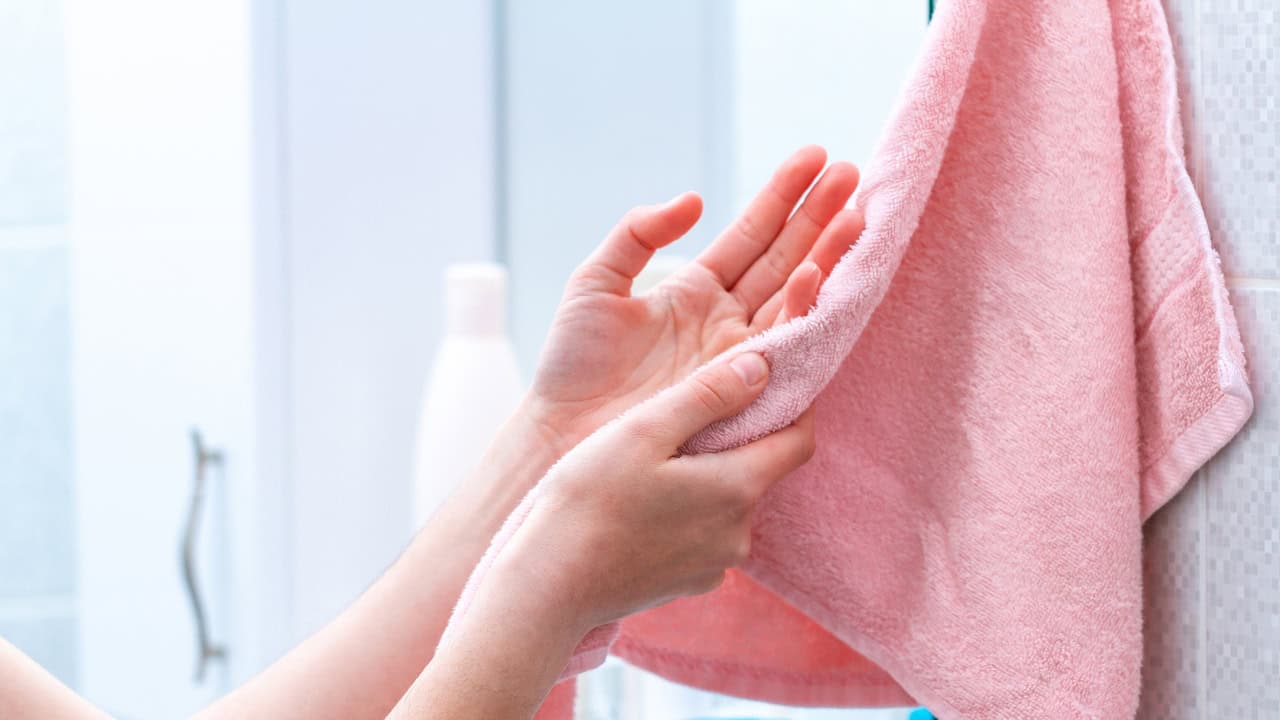
Just because your hands are clean when you dry them doesn’t mean your towel is. Damp fabric is the perfect place for bacteria to grow, and if multiple people are using the same towel, germs spread fast. Even if it looks fine, it’s probably not.
To keep things cleaner, swap hand towels every couple of days, and don’t let them sit around damp. If you’ve got a full house or guests over, consider setting out paper towels instead. And when you wash your towels, use hot water to kill any lingering bacteria.
Carpet
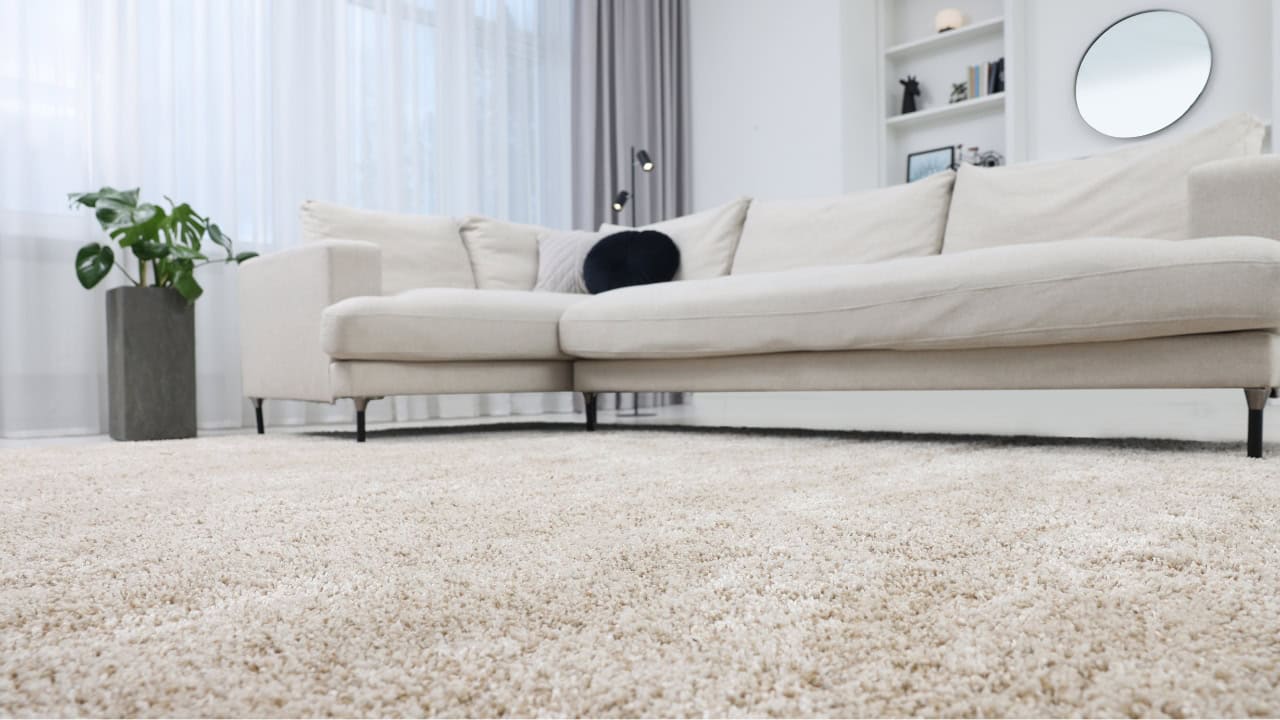
Carpet might feel cozy, but it’s also great at trapping dust, mold, pet dander, and other allergens. Every step stirs up tiny particles that float into the air and can mess with your allergies or asthma. Plus, some carpets release chemicals from adhesives and synthetic materials, which isn’t doing your lungs any favors.
If tearing out carpet isn’t an option, a few habits can help. Use a vacuum with a HEPA filter at least three times a week to trap fine dust and allergens. Steam cleaning once a year can also make a big difference in keeping your air—and floors—cleaner.
Cockroaches
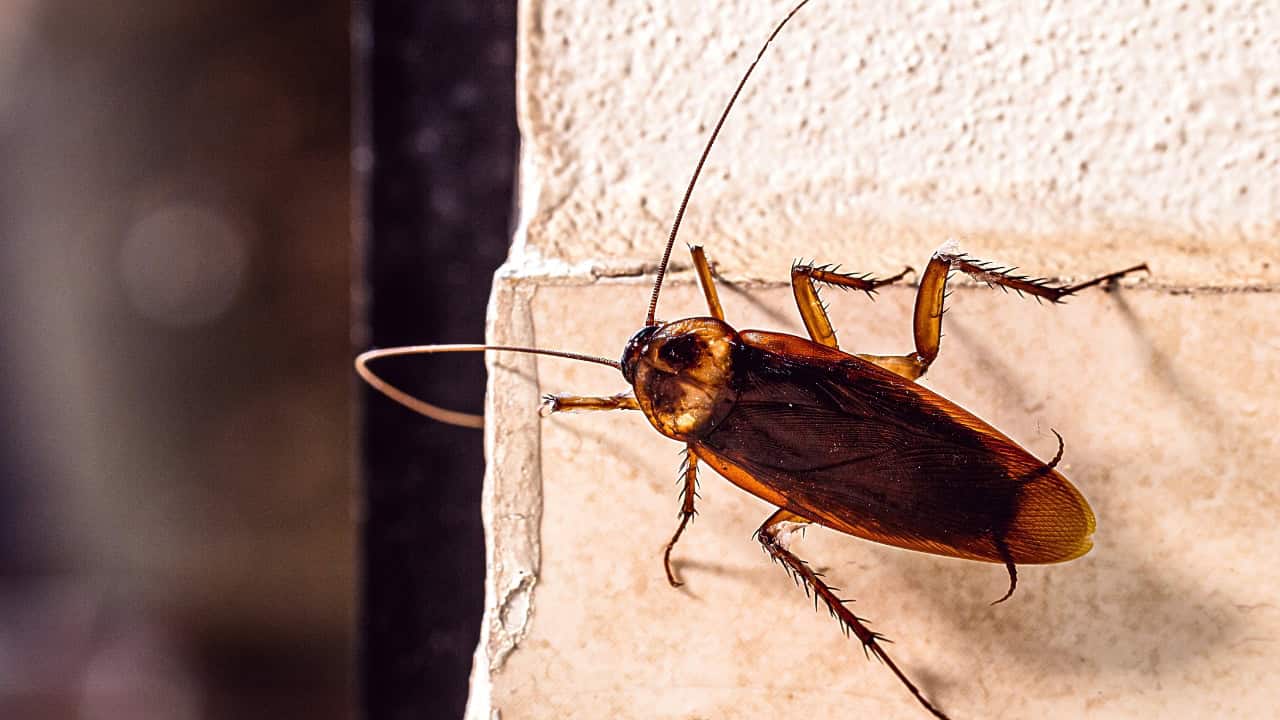
Cockroaches aren’t just gross; they can actually make you sick. Their droppings and body parts break down into dust and settle on floors, bedding, and furniture. If you breathe that in, it can trigger allergies and make asthma worse. Even if you don’t see roaches, their leftovers could still be in your home.
Keeping things clean and dry is the best way to avoid problems. Fix any leaks, store food in sealed containers, and vacuum regularly. If you spot roaches, deal with them quickly—whether that’s setting traps, sealing entry points, or calling an exterminator.
Humidifiers
Adding moisture to dry
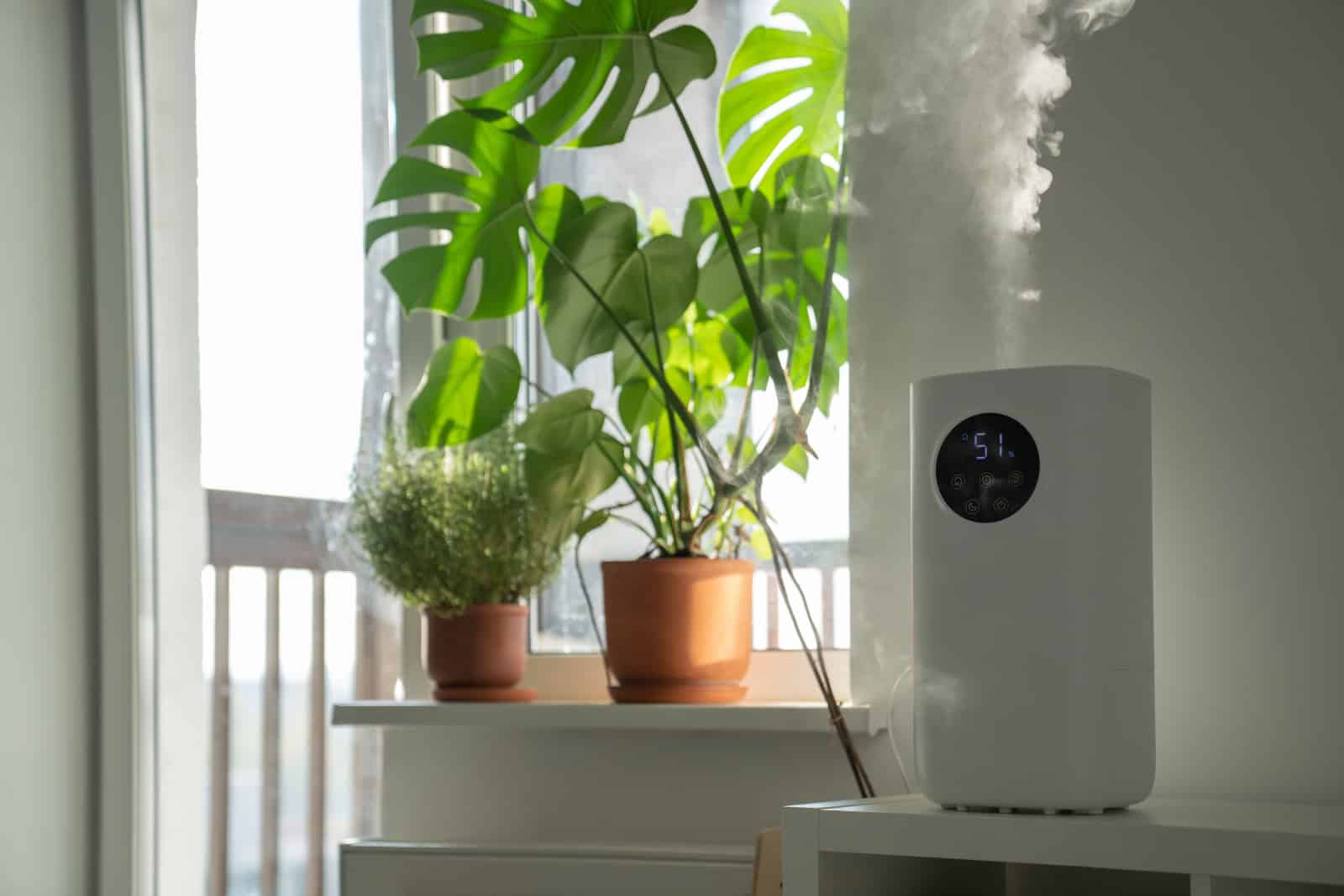
air sounds like a good idea, but too much humidity can lead to mold and bacteria growth. If your home’s humidity climbs over 50%, you might start noticing condensation on windows, musty smells, or even mold on walls. And if your humidifier isn’t cleaned often, it could be blowing bacteria straight into the air.
A simple fix is using a hygrometer to keep an eye on humidity levels. Keep it between 30-50%, and clean the humidifier daily to prevent buildup. If you see condensation forming inside, it’s a sign to dial it back.
Dusty Curtains

Curtains might look harmless, but they can trap a ton of dust, pet dander, and mold spores—especially if they don’t get cleaned often. Every time they move, whether from a breeze or someone brushing past, those allergens get kicked up into the air.
If you want an easier-to-clean option, consider swapping curtains for blinds and dusting them weekly. If you’re sticking with curtains, choose machine-washable ones and wash them in hot water (at least 130°F) every few months to keep allergens at bay.
Dirty Sheets
Your bed should be a place to relax, not a hidden allergy trigger. But if you’re not washing your sheets regularly, you’re probably sharing your bed with millions of dust mites. These tiny pests don’t bite, but their waste and body fragments can trigger allergies, asthma, and congestion. If you wake up sneezing or with itchy eyes, your sheets might be the problem.
To keep dust mites under control, wash your sheets in hot water once a week. Keeping the humidity in your home below 50% also helps since mites thrive in damp environments. Swapping out pillows every couple of years can also make a difference.
Shower Head
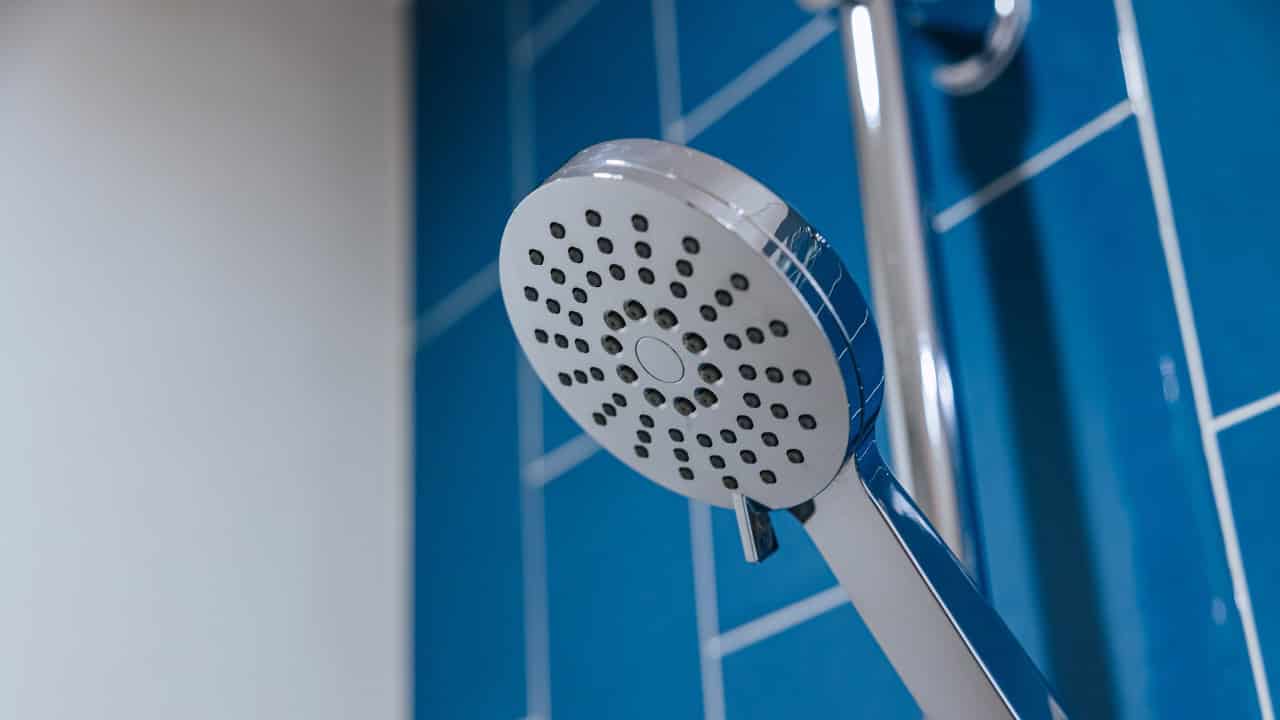
If you think your shower is the cleanest spot in the house, think again. Shower heads can harbor bacteria, including some that cause serious lung infections in people with weakened immune systems. If you’ve ever noticed a slimy buildup or funky smell, that’s a sign your shower head needs attention.
To cut down on bacteria, soak the shower head in vinegar overnight to break down buildup (just check that vinegar won’t damage the finish first). If you want a deeper clean, scrub the nozzles with an old toothbrush or replace the shower head every few years.
Sponges

Your kitchen sponge might be doing more harm than good. A 2017 study found that sponges can contain billions of bacteria per square centimeter, making them one of the dirtiest things in your home. Even if it looks clean, chances are it’s loaded with germs.
To keep your sponge from turning into a bacteria bomb, microwave it for 2-3 minutes every couple of days, or run it through the hottest dishwasher cycle with a drying setting. And don’t try to stretch its lifespan—replace it every two weeks, or sooner if it smells bad.
Toothbrush

Your toothbrush spends a lot of time in your mouth, so it’s no surprise that it picks up bacteria along the way. Studies have found everything from staph bacteria to E. coli on toothbrushes, and if you store yours too close to the toilet, it’s getting hit with airborne germs every time you flush.
To keep your toothbrush as clean as possible, rinse it with hot water after every use and let it air dry. Store it upright and away from the toilet, and replace it every three months. If you want to be extra cautious, make sure each person in your home has their own tube of toothpaste to prevent cross-contamination.
*This article was created with the help of AI.