Owning a home means there’s always something that needs attention, but not everything has to be a big project. A few quick monthly checks can save you from expensive repairs and keep things running the way they should. Ignoring little maintenance tasks might not seem like a big deal—until your AC struggles in the middle of summer or a hidden leak turns into water damage.
A few minutes here and there can keep your home in good shape, save you money, and help you avoid those “why didn’t I catch this sooner?” moments.
Advertisement
Test Your GFCI Outlets
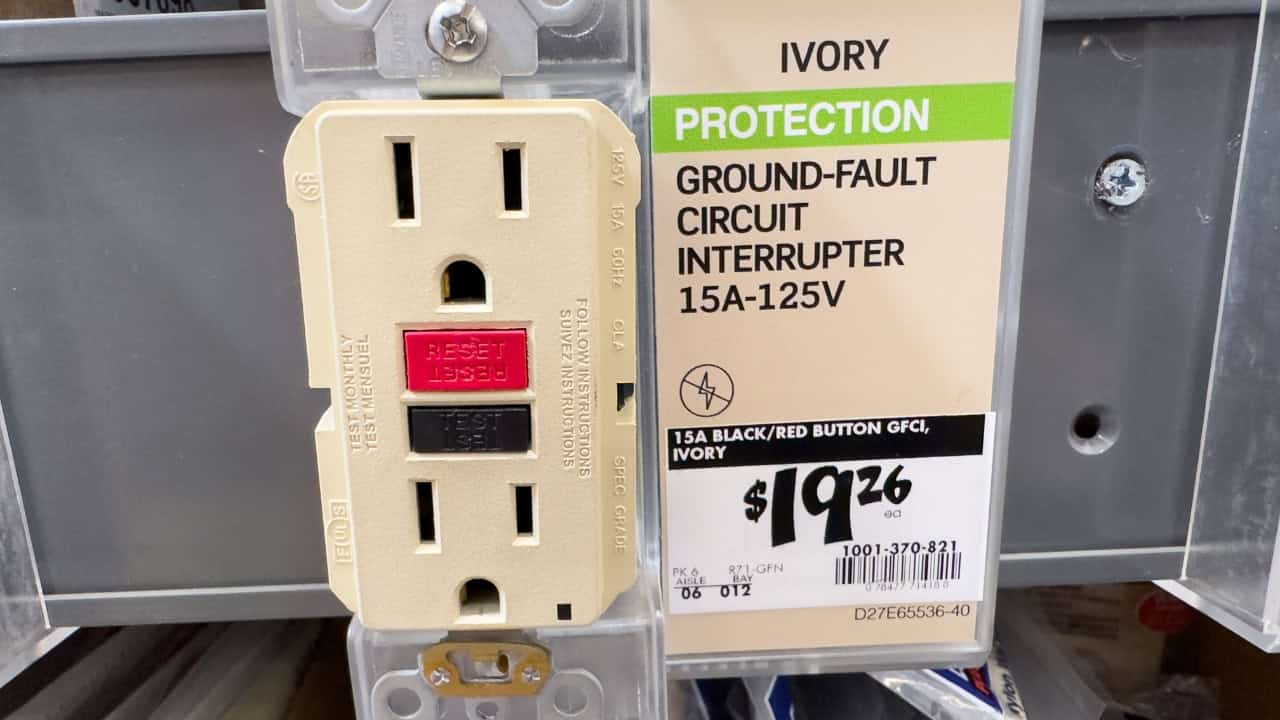
If these outlets stop working, they’re basically useless when it comes to keeping you safe. GFCI outlets are meant to shut off power when there’s a risk of electrical shock, especially in places like the bathroom or kitchen. If they aren’t working right, that’s a problem.
Plug in a lamp or nightlight, then press the “test” button. The light should go out. Hit “reset,” and it should turn back on. If nothing happens, that outlet needs to be replaced.
Trim Shrubs Around Your AC Unit
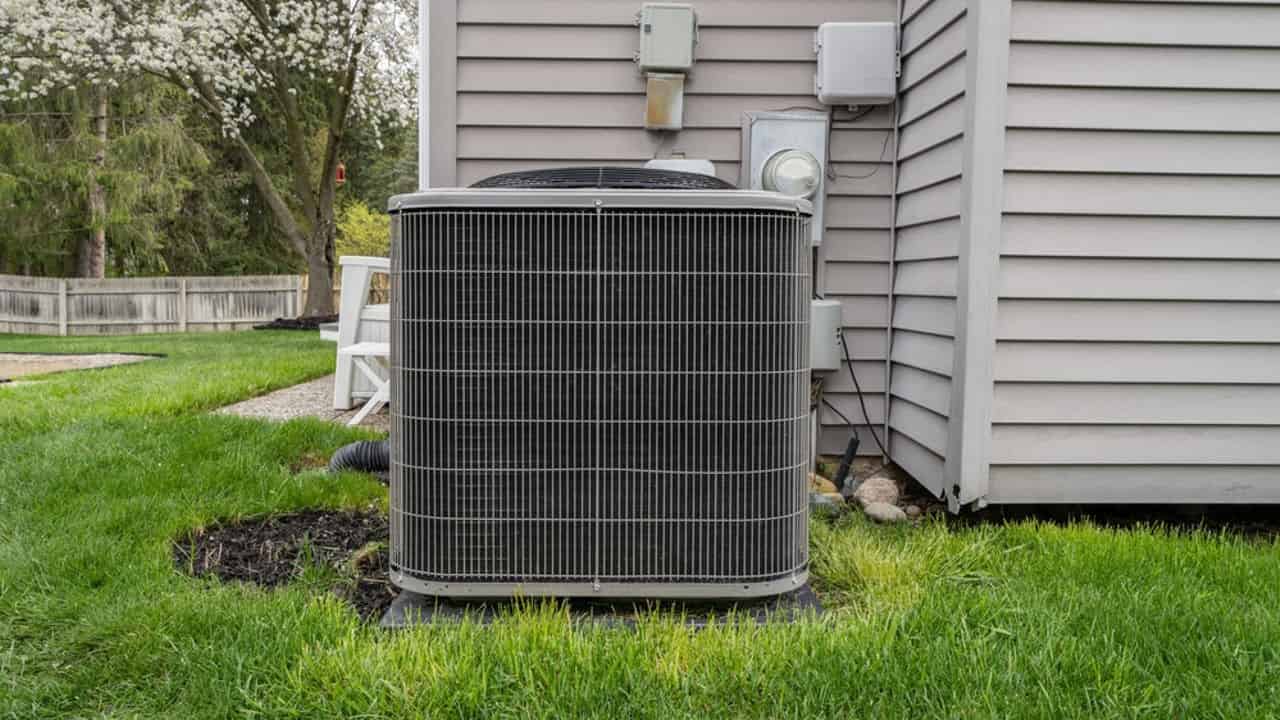
Your AC unit needs space to breathe. If shrubs, leaves, or grass clippings are too close, they can block airflow and make the system work harder than it should. That means higher energy bills and a unit that won’t last as long.
Keep at least two feet of clearance around the unit. Trim back shrubs, clear out any debris, and make sure nothing is blocking the vents. It’s a small job that makes a big difference in how well your AC runs, especially when the summer heat kicks in.
Clean Your Refrigerator Grille

Your fridge runs constantly, but it can’t do its job if dust and grime are clogging up the vents. The grille at the bottom or back of the fridge collects all kinds of buildup, and if it gets too bad, the compressor has to work overtime to keep things cold.
Pop off the grille and vacuum out the dust. If it’s really bad, use a coil brush to get into the tight spots. Keeping it clean helps your fridge run better, use less energy, and last longer—so you don’t end up dealing with a costly breakdown.
Check Your Attic for Leaks During Rain
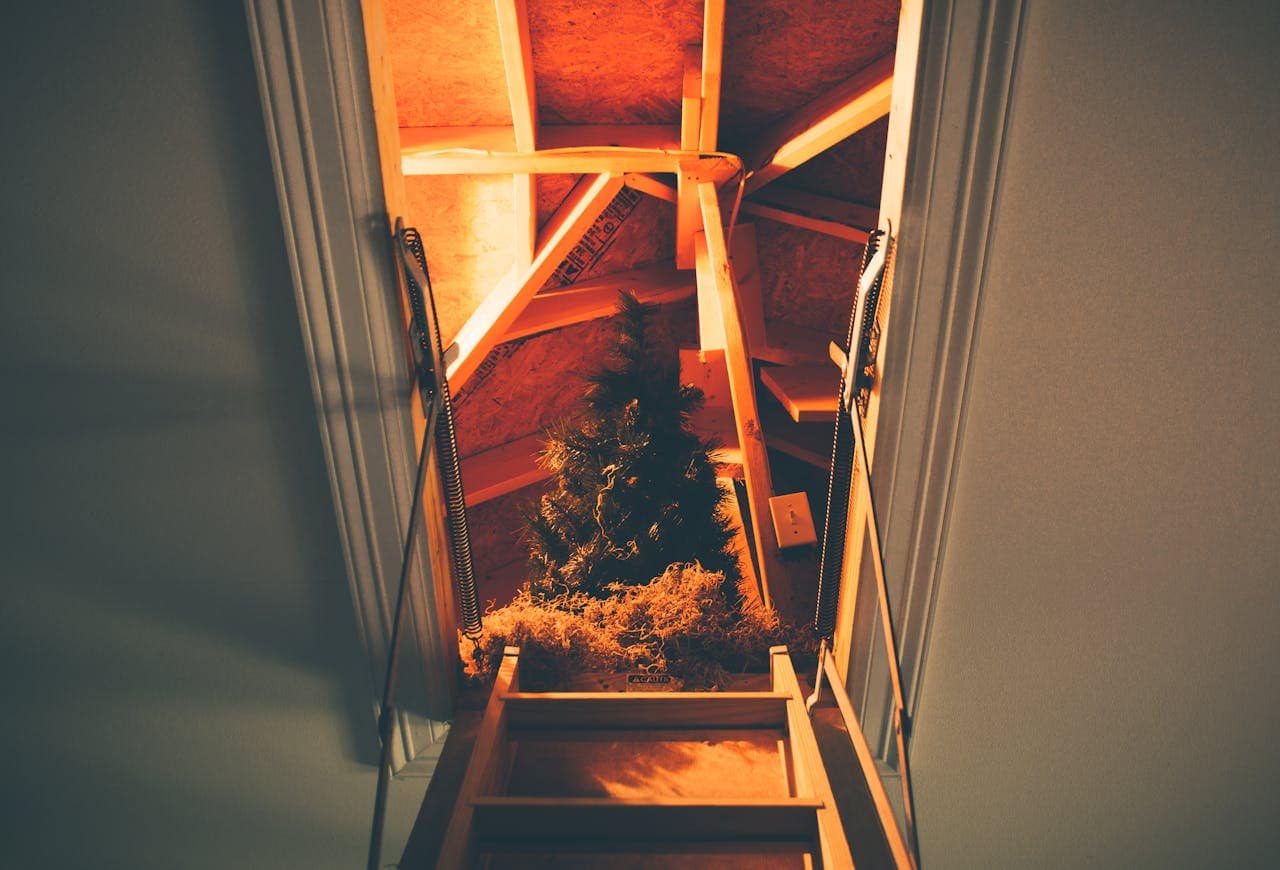
A roof leak can go unnoticed for months until it starts causing real damage. Water sneaks in, soaks insulation, and creates the perfect breeding ground for mold. The best time to check for leaks? When it’s actually raining.
Head up to the attic during a storm and look for drips, water stains, or damp insulation. If you see sunlight peeking through anywhere, that’s another red flag. Catching leaks early can save you from major repairs and keep your home’s air quality from taking a hit.
Test Your Garage Door Safety Features
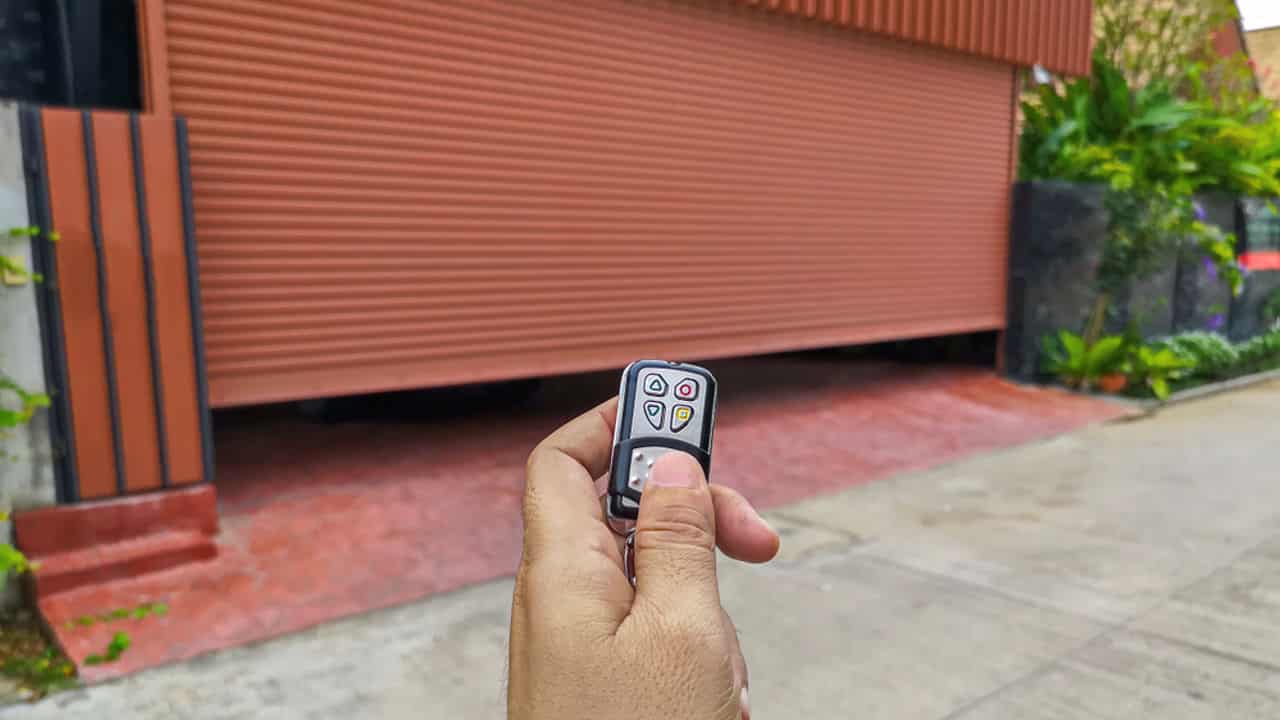
Garage doors are heavy, and if the safety shutoff isn’t working, they can be dangerous. The automatic reverse function is designed to stop the door from closing if something’s in the way, but these sensors can fail over time.
Once a month, place an object like a piece of wood or a roll of paper towels under the door and close it. The door should stop and reverse immediately. Also, check the photo eye sensors near the bottom—if they’re misaligned or dirty, the door might not work correctly.
Clean the Kitchen Vent Filter
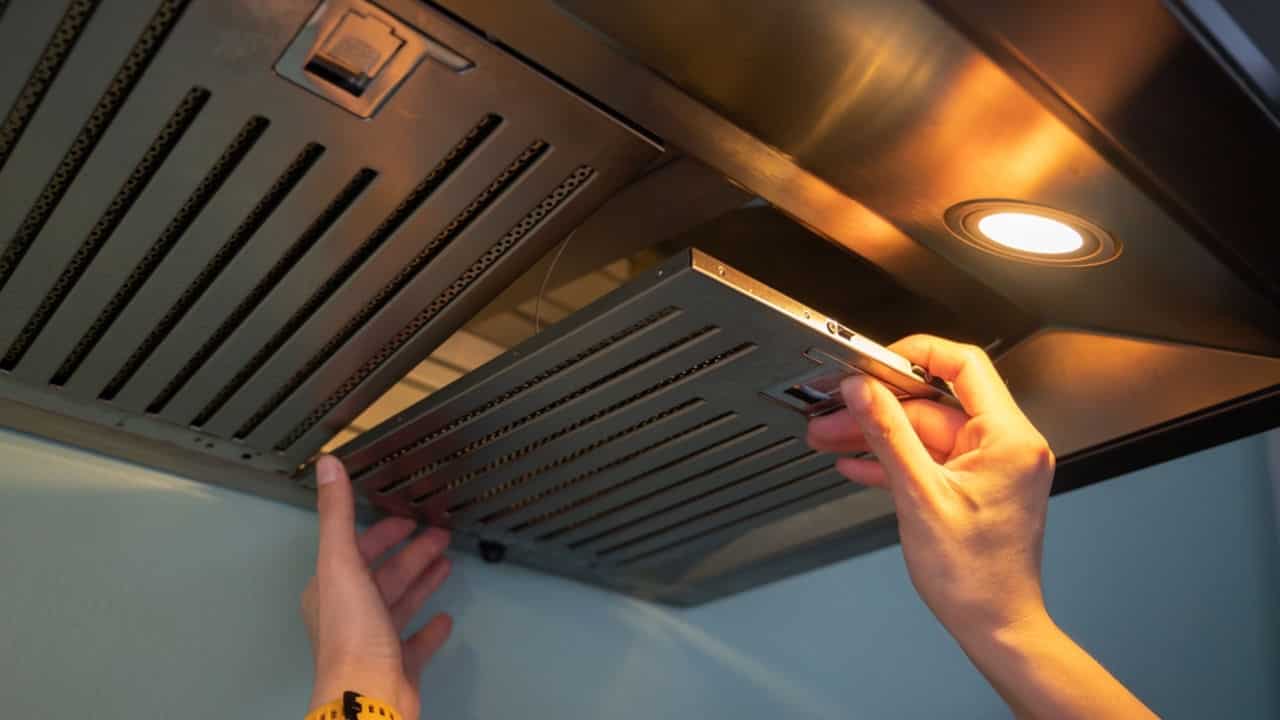
If you cook often, your range hood filter is probably packed with grease and dust. A clogged filter won’t vent smoke and odors properly, and it makes your fan work harder than necessary. If you’ve noticed lingering smells or greasy cabinets, it’s time to check the filter.
Remove the filter and soak it in warm, soapy water with a little baking soda. If it’s really bad, a degreaser might be necessary. Let it dry completely before putting it back. Some filters are disposable, so check yours and replace it if needed.
Test Smoke and Carbon Monoxide Detectors
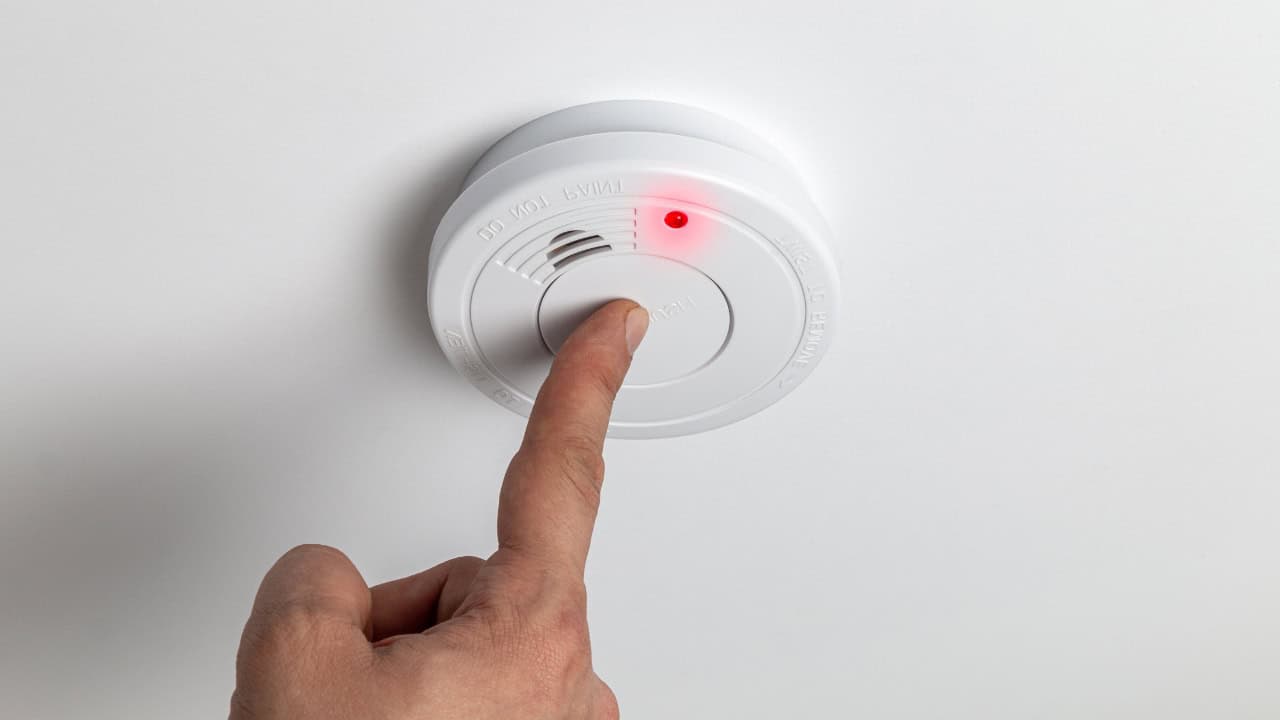
A working smoke and carbon monoxide detector is one of the simplest ways to keep your home safe. If you can’t remember the last time you checked them, now’s the time. Even if they seem fine, batteries should be replaced twice a year.
Press the test button on each detector and listen for the alarm. If there’s no sound or it’s weak, swap out the batteries. Make it a habit to change them when you adjust your clocks for daylight saving time—an easy reminder that could save lives.
Track Your Appliance Energy Use
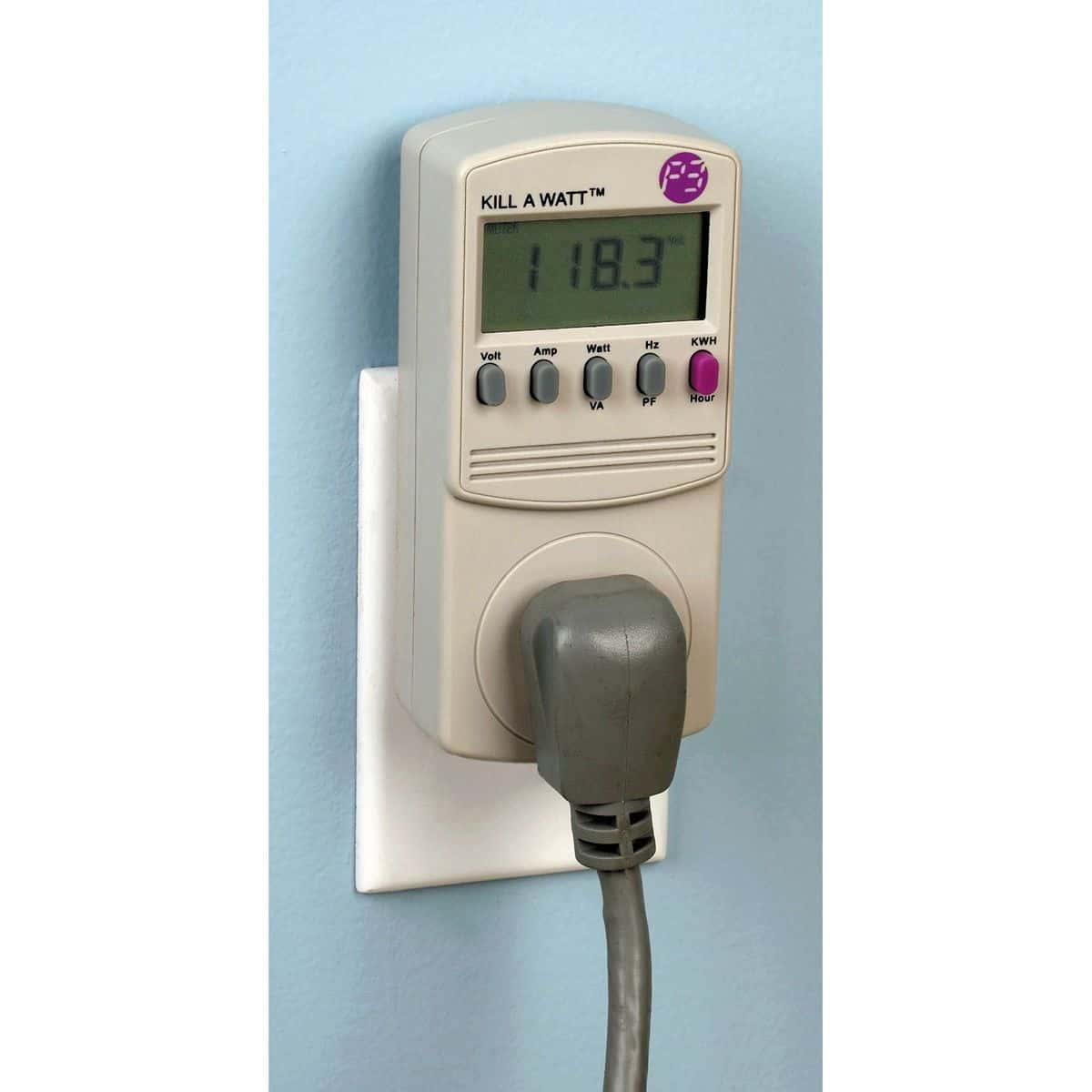
Your appliances could be quietly running up your electric bill. A fridge that’s past its prime, a space heater running all day, or that extra freezer in the garage—it all adds up. A device like a Kill-A-Watt makes it easy to check how much electricity each appliance actually uses.
Test a different appliance each month to get a better idea of what’s costing you. If something’s using more power than expected, unplug it when not in use or replace it with a more efficient option. Small changes like adjusting your fridge temperature or using smart plugs can make a big difference.
Change or Clean HVAC Filters
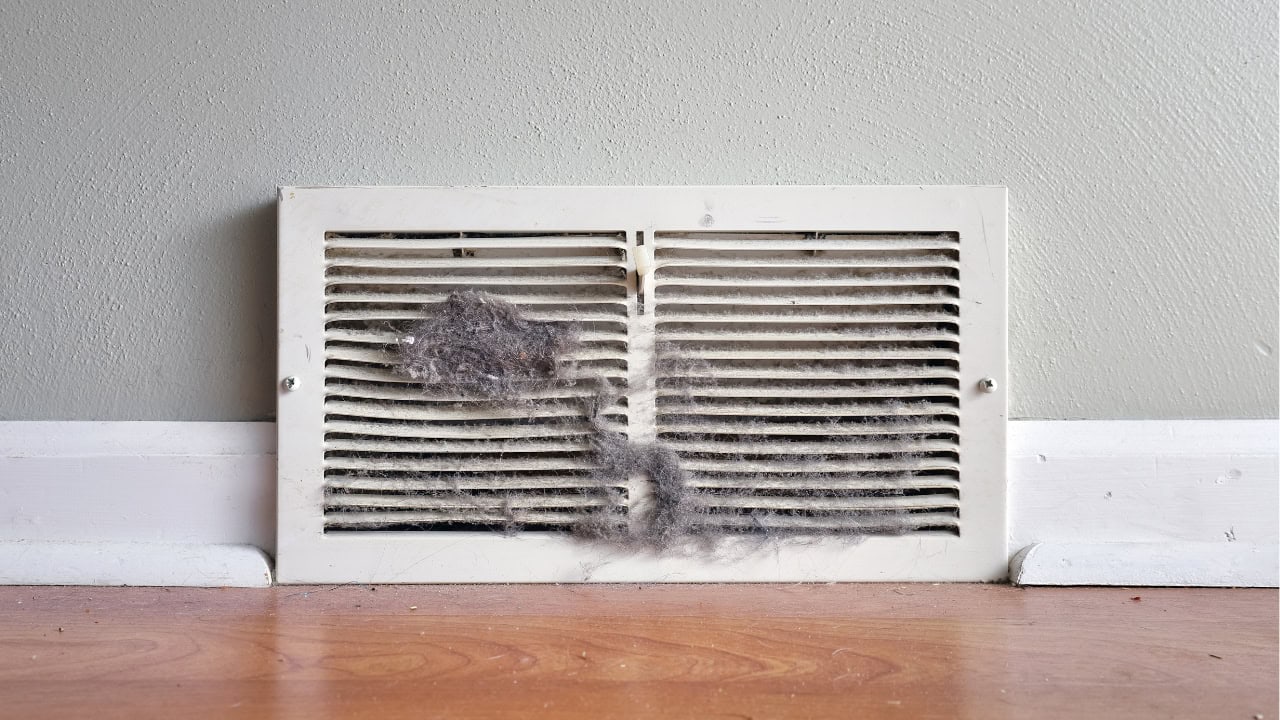
A clogged HVAC filter makes your system work harder than it should, driving up energy costs and reducing air quality. If allergies are acting up or the air feels stale, your filter is probably overdue for a change.
Check your filters monthly, even if they don’t need replacing yet. Some need swapping every 30 days, while others last longer. If yours is reusable, rinse it and let it dry completely before reinstalling. Keeping up with this simple habit helps your HVAC system run efficiently and keeps your home more comfortable.
Check for Leaks Around Toilets and Sinks
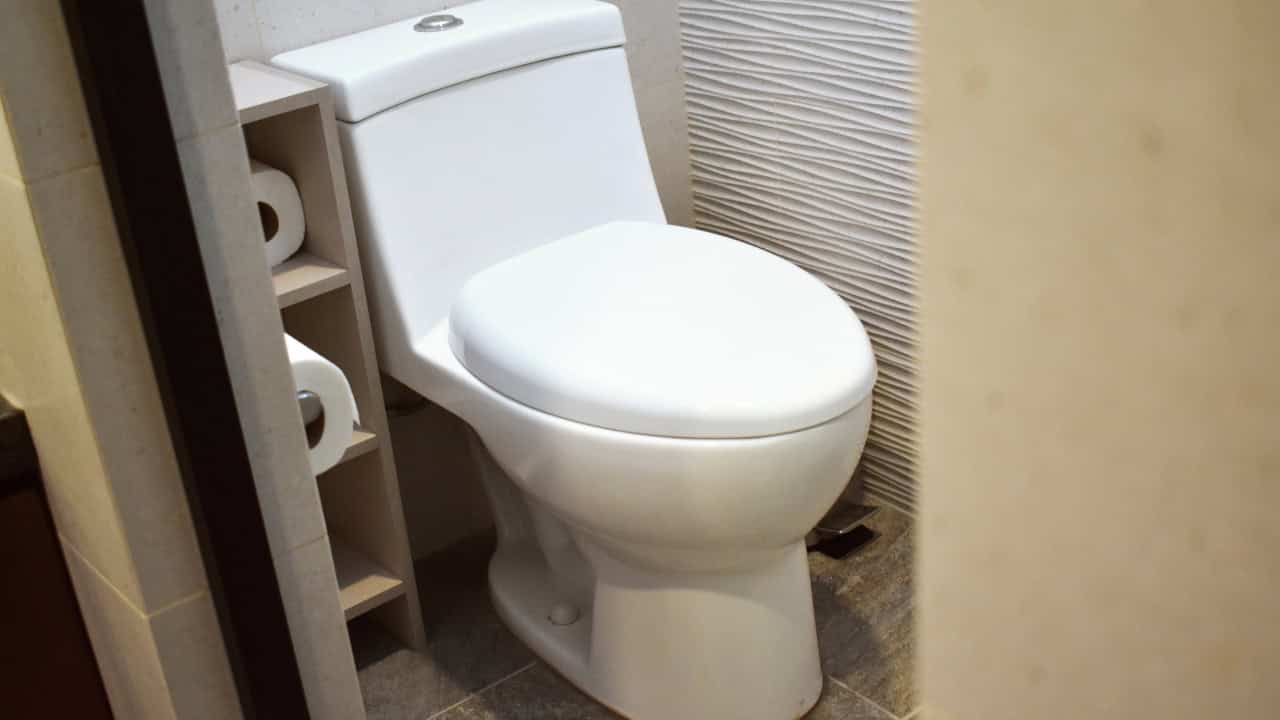
A slow leak might not seem like a big deal, but those drips add up fast. A small toilet leak can waste thousands of gallons a year, and a sink that drips nonstop is basically money going down the drain. Even if you don’t see pooling water, look for damp cabinets, musty smells, or water stains around pipes.
Run your hand around pipes under sinks and behind toilets to feel for moisture. Drop a little food coloring in the toilet tank—if it seeps into the bowl without flushing, there’s a leak. Fixing it now can save you from a huge water bill or hidden water damage later.
Inspect and Touch Up Grout and Caulk
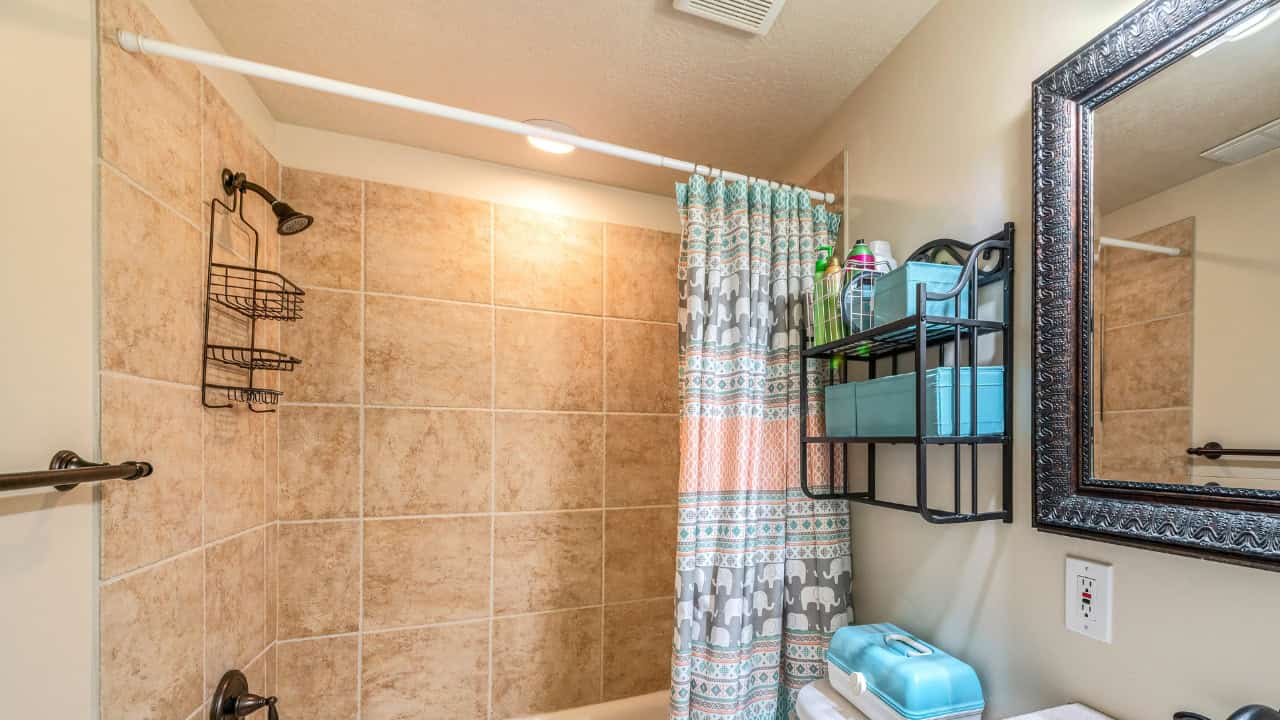
That little crack in the shower caulk might not look like much, but it’s an open invitation for water damage. Over time, moisture seeps in, leading to mold, rot, and costly repairs. Even well-maintained grout wears down in high-moisture areas like bathrooms and kitchens.
Check for cracks or gaps in caulk around tubs, showers, and sinks. If it’s peeling or feels brittle, scrape it out and apply a fresh bead. For grout, look for missing or crumbling spots and patch them up. A few minutes of maintenance now can prevent a much bigger headache later.
*This article was created with the help of AI.