Just because a spot in your yard doesn’t get much sun doesn’t mean it has to be boring. Plenty of flowers love the shade and will keep your garden looking full and colorful without a ton of effort.
Some of these flowers start blooming before spring is in full swing, while others keep going all the way into fall. A few even bring in hummingbirds and butterflies, so you still get that little bit of backyard magic. If you’re tired of staring at empty, shady spots, these easy-growing flowers will fix that in no time.
Advertisement
Astilbe

Astilbe is an easy win if you want something pretty without the headache of constant upkeep. Its soft, feathery plumes bloom in shades of pink, red, white, or purple, adding a little height and texture to shady spots. Butterflies love it, but deer and rodents? Not so much. If you’re tired of replanting things that get nibbled to the ground, astilbe is a solid choice.
It does best in moist, well-drained soil, so don’t let it dry out for too long. Once it’s settled, it comes back year after year, filling in those tricky shady areas without much effort from you.
Flowering Tobacco
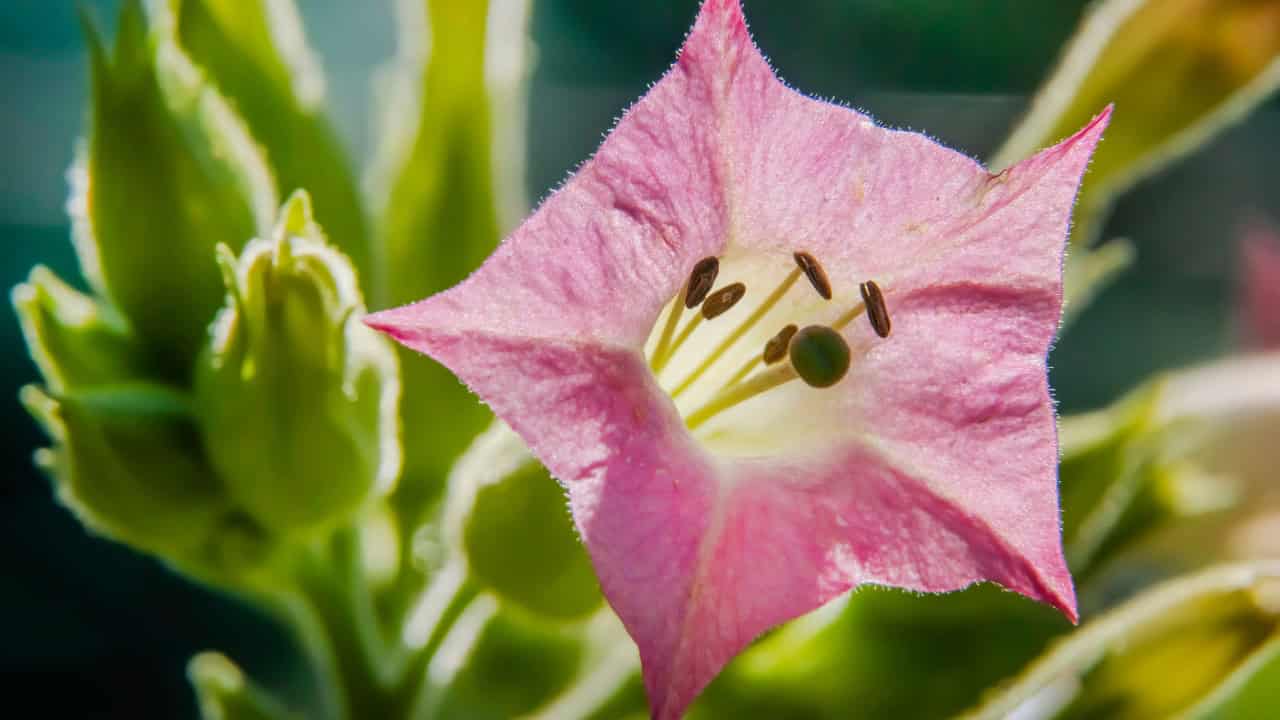
Flowering tobacco is one of those plants that you’ll appreciate just as much for its scent as its looks. The star-shaped flowers come in pink, red, white, and lime green, and they give off a sweet, floral smell—especially in the evening. If you like sitting outside at night, this is a plant you’ll want nearby.
It does well in partial shade, and the leaves actually get bigger and greener when it’s not in full sun. Keep the soil moist but not soggy, and this annual will keep blooming all season long with almost no effort.
Torenia
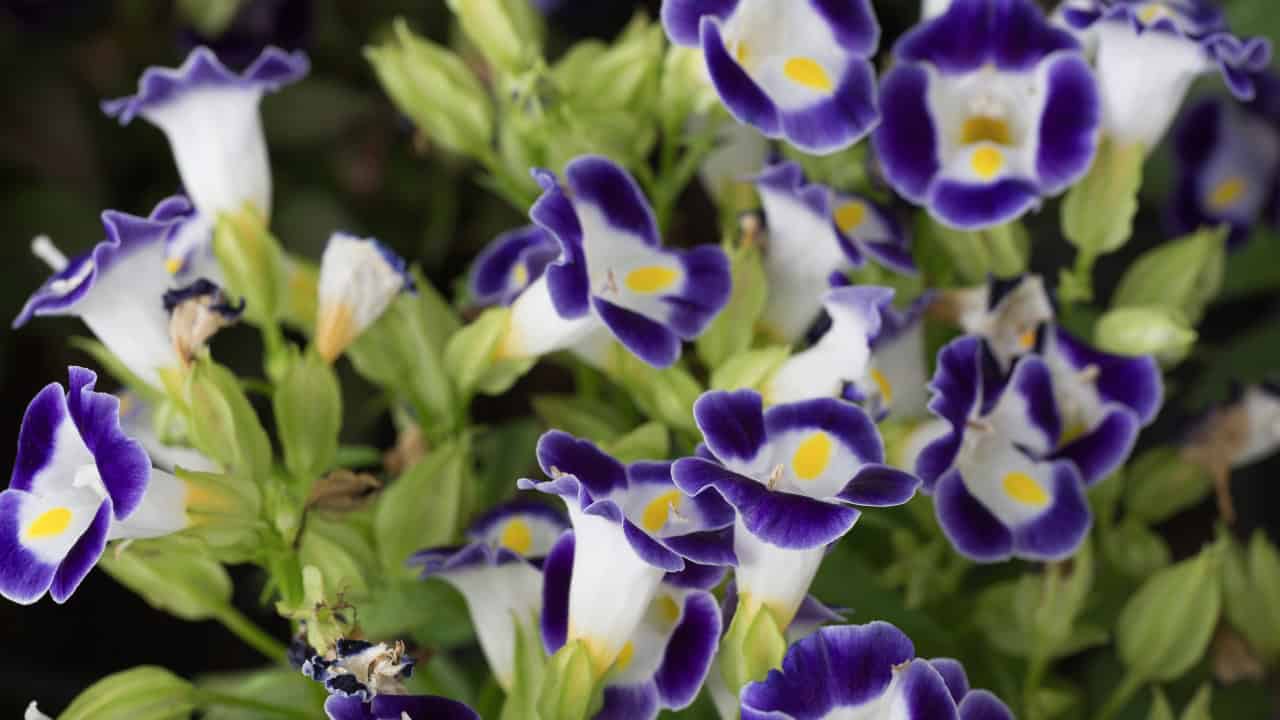
Torenia is an easy way to bring a little color to shady spots without a ton of maintenance. It spills beautifully from hanging baskets and window boxes, with purple, pink, or white blooms that hummingbirds can’t resist. If you love seeing those little guys zoom around your yard, this plant is a good bet.
Unlike some flowers that need deadheading to keep blooming, torenia keeps putting out fresh flowers all on its own. It does best in moist soil with some shade, so don’t let it dry out too much. If it gets a little scraggly in the summer heat, a quick trim will help it bounce back for another round of blooms.
Bleeding Heart

Bleeding heart is the kind of plant that makes a shady garden feel a little more magical. Its heart-shaped flowers hang from arching stems in soft pink, white, or red, bringing color early in the season when everything else is just waking up. It’s a perennial, so once it’s planted, it’ll keep coming back without much effort. Plus, deer tend to leave it alone, which is always a win.
It does well in most soils but struggles in heavy clay. If your soil holds water like a sponge, mix in some compost to help with drainage. Once the summer heat kicks in, bleeding heart might die back, but don’t panic—it’s just taking a break and will return next year.
Sweet Alyssum

Sweet alyssum might be tiny, but it knows how to make an impact. This low-growing plant spreads quickly, spilling over pots, window boxes, and garden edges with little clusters of white, pink, or purple flowers. And the best part? It smells like honey, which means bees and butterflies love it. If you want a pollinator-friendly garden, this is an easy pick.
It can handle light frosts, so you’ll get blooms well into the fall. If it starts looking leggy, give it a quick trim, and it’ll bounce back with fresh flowers. White Knight is one of the hardier varieties, but any kind of sweet alyssum will brighten up a shady spot with almost no effort.
Impatiens

If you need nonstop color in the shade, impatiens are the way to go. These little flowers bloom like crazy in bright shades of pink, red, coral, and white, filling garden beds and containers without much work. They don’t need deadheading, they grow fast, and they keep going from spring to frost.
Older varieties had issues with disease, but newer types like Beacon impatiens are more resistant. Just keep them watered—they hate drying out. If you plant them in a spot with rich soil and a little afternoon shade, they’ll keep your garden looking full for months.
Hellebore
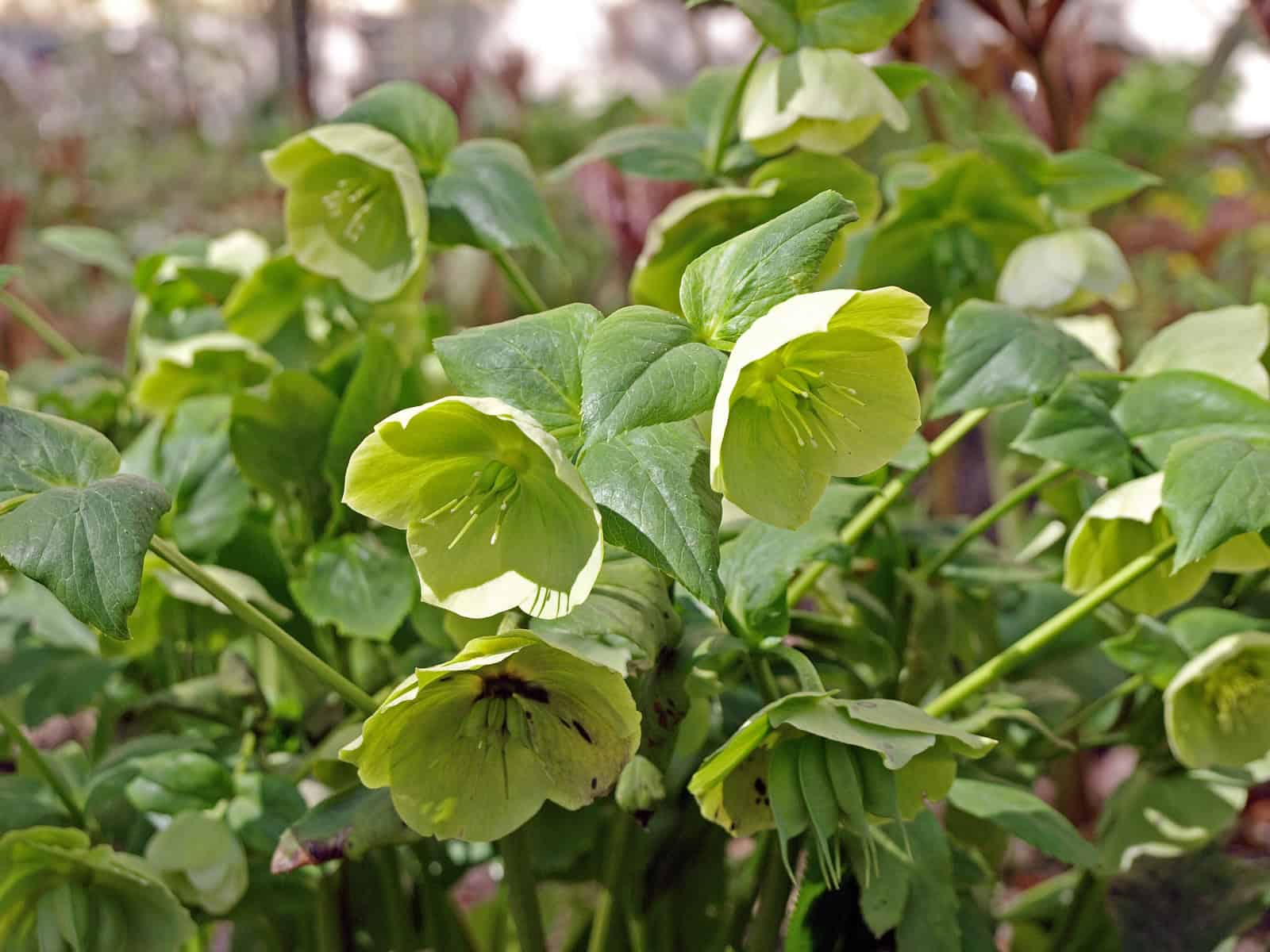
Hellebores, also called Lenten roses, bloom when most plants are still in winter mode. They start showing off in late winter and keep going into early spring, making them one of the first signs that warmer weather is on the way. Their cup-shaped flowers come in soft shades of pink, white, purple, and even deep burgundy.
They might look delicate, but they’re surprisingly tough. Cold weather? No problem. Deer and rabbits? They don’t bother them. Once planted, hellebores don’t need much attention—just give them a shady spot with well-draining soil, and they’ll come back year after year.
Toad Lily
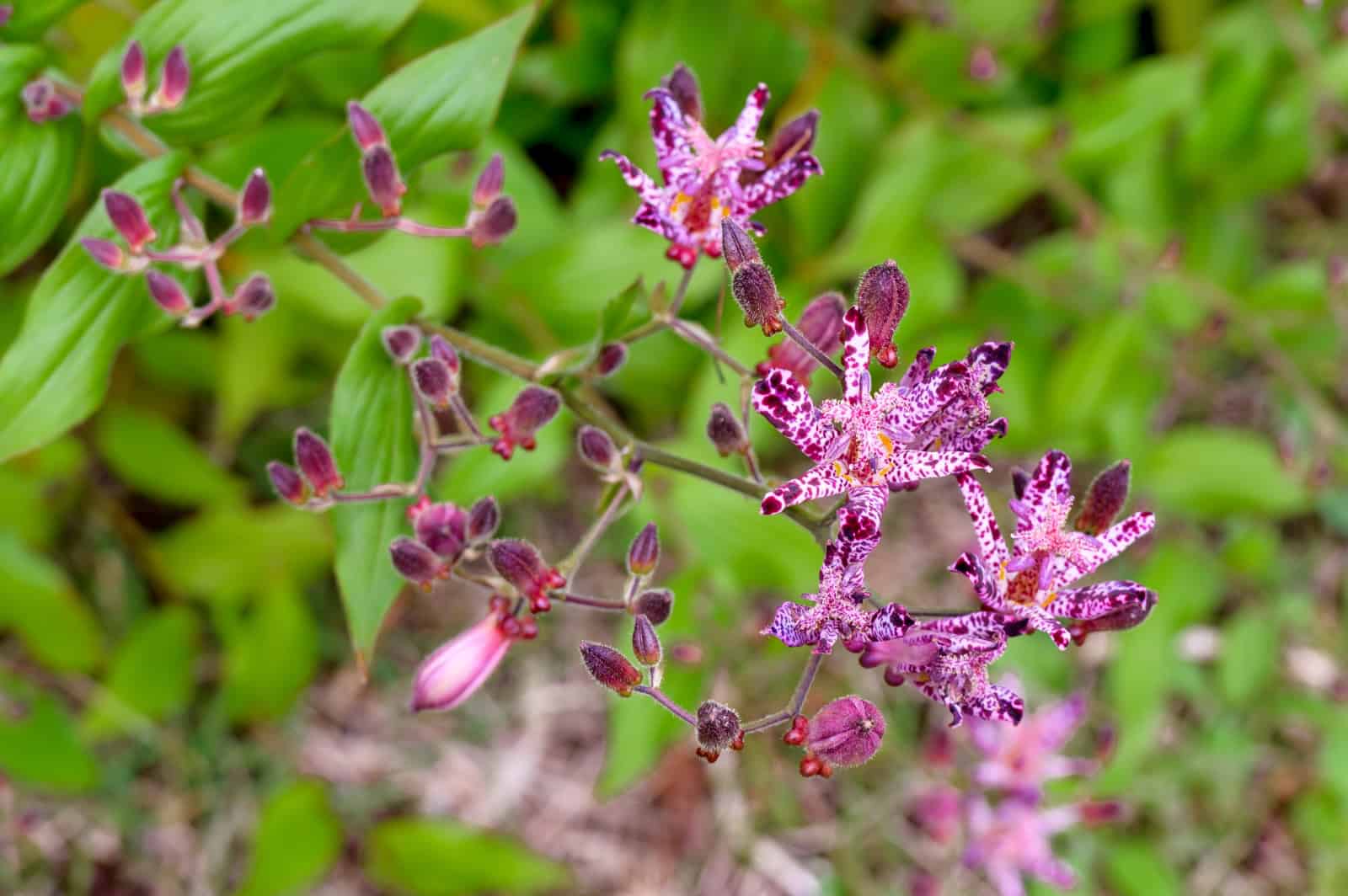
Toad lilies are one of those plants that make you do a double take. Their little speckled flowers look like something straight out of a tropical garden, but they actually thrive in shady spots with rich, moist soil. They bloom in late summer and fall—right when the rest of your garden starts looking tired—so they help keep things interesting when other flowers are calling it quits.
If you’ve got cats, though, you might want to skip this one. Toad lilies are toxic to them, and no one wants an unexpected vet visit. Otherwise, plant them in the spring, give them a shady spot, and enjoy their blooms when everything else is winding down.
Lungwort

Lungwort isn’t just about the flowers—it’s got gorgeous silvery-spotted leaves that stick around long after the blooms are gone. In early spring, it bursts out with pink, blue, or white flowers, giving your shade garden a pop of color before most plants even wake up for the season. Then, when the flowers fade, the foliage keeps things looking lively for months.
The best time to plant lungwort is late summer or early fall, so it has time to settle in before winter. If you missed that window, spring works too, but it might take a little longer to get going.
Fuchsia
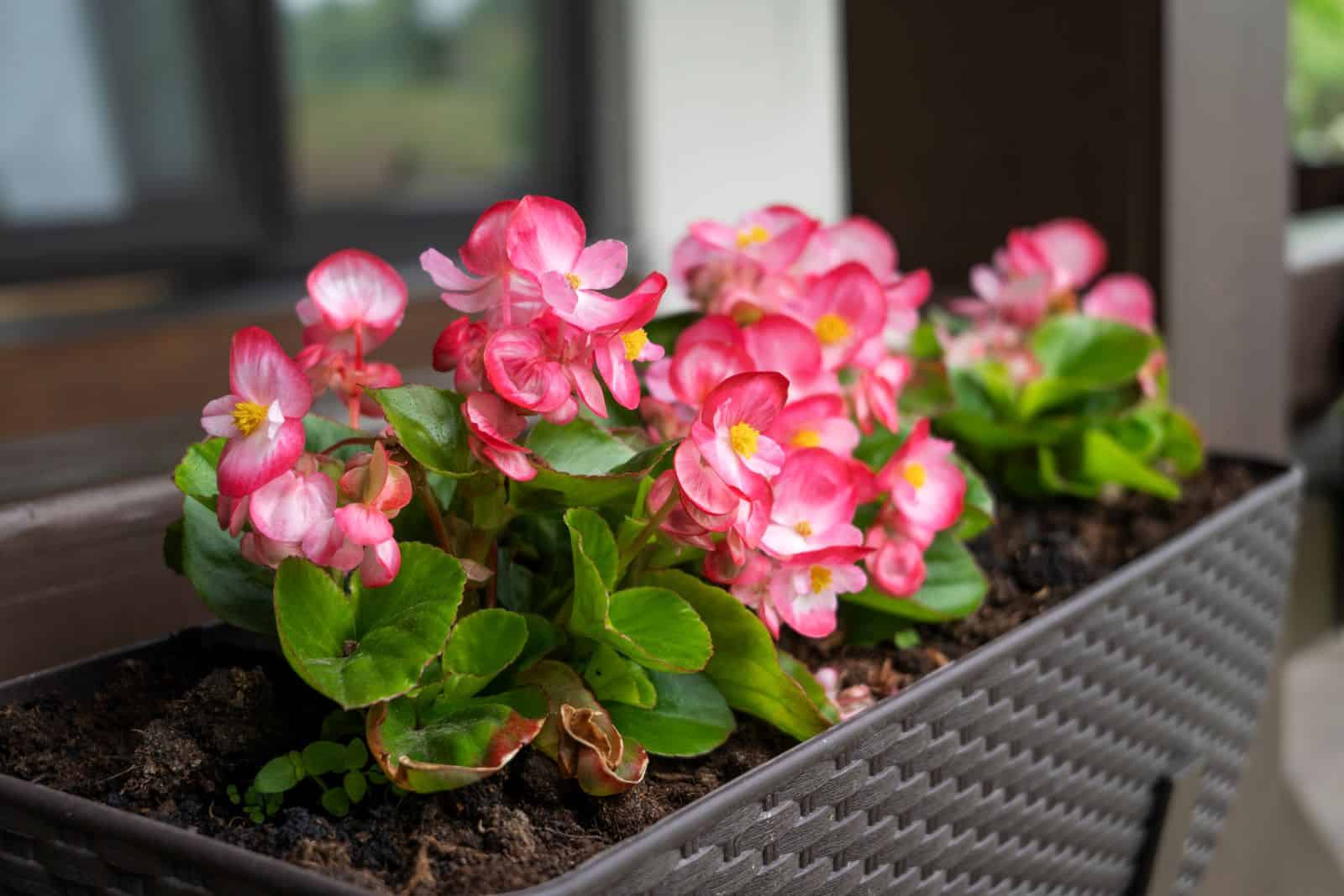
Want to see hummingbirds zipping around your yard? Hang up some fuchsia. These little drooping flowers come in shades of pink, purple, and white, and they’re basically a neon sign for hummingbirds. Plant them in a hanging basket, and you’ll have tiny visitors buzzing by all season long.
Fuchsia likes cool, shady spots and doesn’t love the heat. Keep the soil consistently moist, and if it starts looking a little rough, just give it a trim—it’ll bounce back with more blooms.
Nemesia
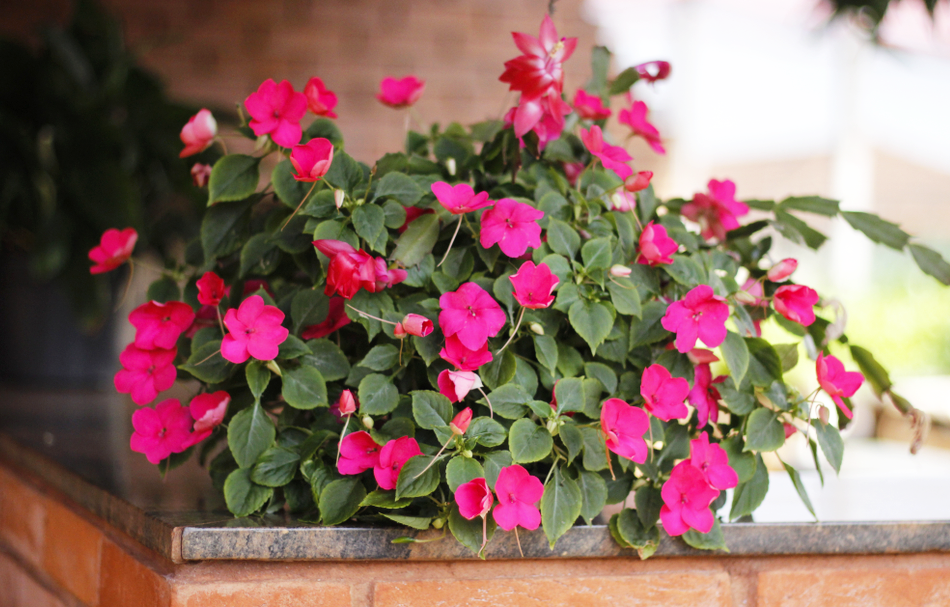
Nemesia might not be the first flower that comes to mind, but once you plant it, you won’t forget it. These tiny blooms look a lot like snapdragons, come in all sorts of bright colors, and—bonus—they smell amazing. If you need something to brighten up a shady spot, this one’s a solid choice.
Since nemesia prefers cooler temperatures, it can start looking a little rough in the hottest part of summer. Don’t stress—just give it a light trim, and it’ll perk back up when fall rolls around. Keep the soil slightly moist, and you’ll have colorful, fragrant flowers for most of the season.
*This article was created with the assistance of AI.