Keeping houseplants alive is one thing—keeping them thriving all year is another. Some plants grow like weeds no matter what, while others seem determined to die the second you bring them home. The good news is that most plant struggles come down to just a few simple fixes.
The trick is knowing what your plants actually need instead of just guessing. Watering schedules, light conditions, humidity levels—it all plays a role. Once you get those basics down, your plants will grow stronger, look healthier, and even bounce back faster if something goes wrong. Whether you’re a beginner or you’ve got a house full of greenery, these tips will help keep your plants happy in every season.
Advertisement
Keep Leaves Dust-Free
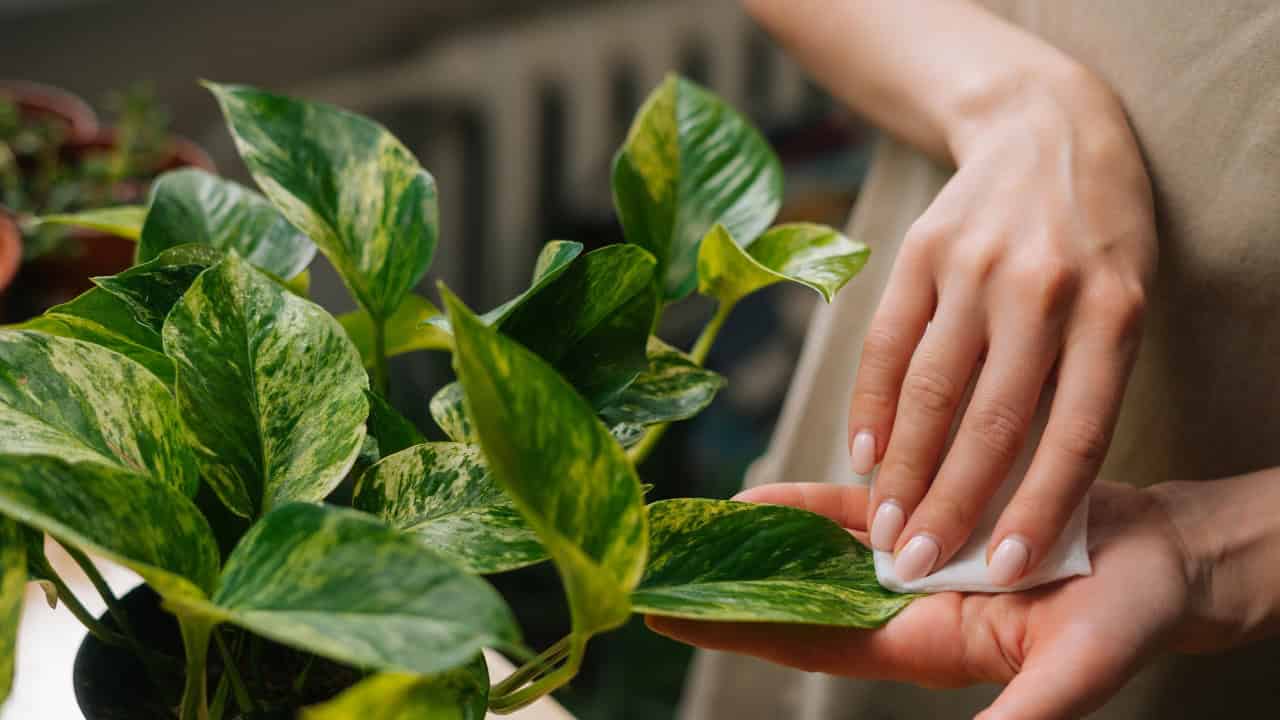
Dusty leaves don’t just make a plant look neglected—they also block light, making it harder for the plant to photosynthesize. For smooth-leaved plants, a quick wipe with a damp cloth keeps them looking fresh and helps them soak up more light. If the leaves are hairy or delicate, a soft brush or gentle rinse with room-temperature water works better.
Giving plants a quick clean every few weeks makes a big difference, especially for large-leafed plants like monstera and fiddle leaf figs. Plus, it’s an easy way to check for pests or any other issues before they get out of control.
Trim and Pinch for Healthy Growth

Pruning helps keep houseplants looking their best and stops them from getting too leggy. Fall is a great time to trim back overgrown plants, but you can prune anytime if something’s looking wild. Cutting a plant down to about 4–6 inches can help encourage fresh growth, especially for trailing plants like pothos and Swedish ivy that start looking bare at the base.
Pinching is another trick to keep plants full and bushy. By removing the tip of a stem, you encourage new growth from the sides instead of letting the plant get too tall and spindly. A quick snip here and there keeps fast-growing plants from turning into a tangled mess.
Stay on Top of Plant Diseases
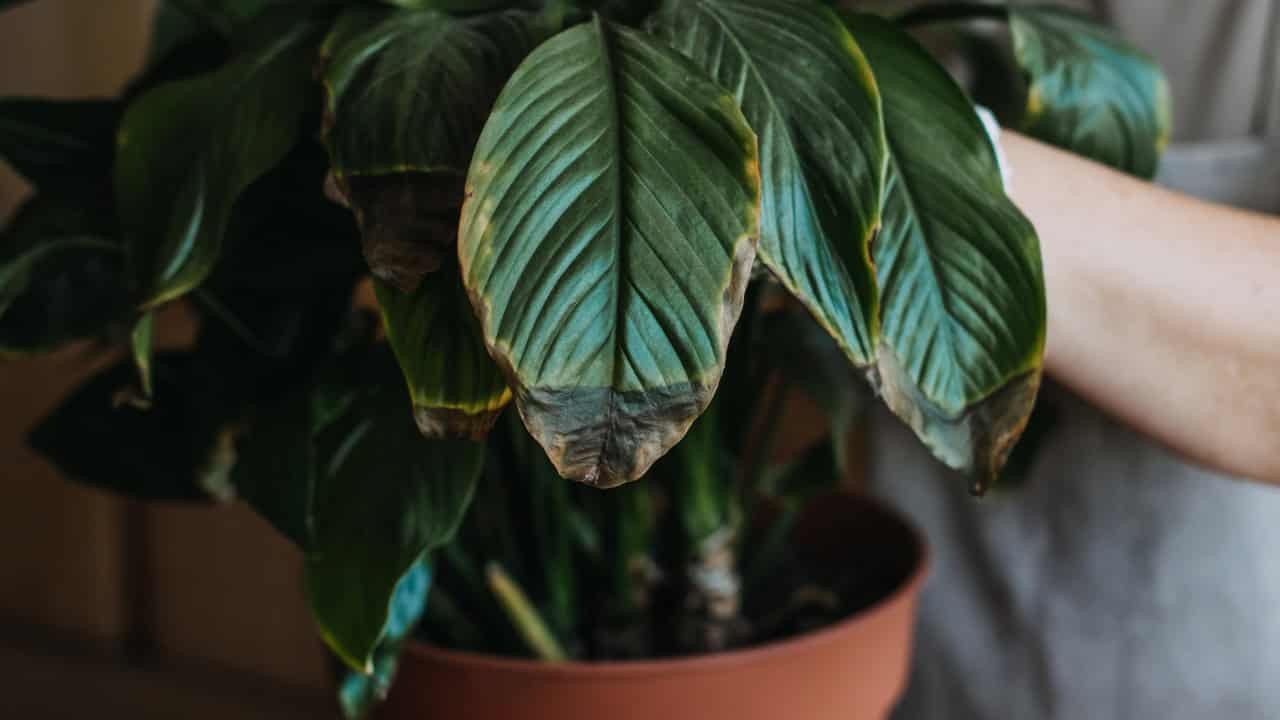
A sick plant can spread problems fast, so catching diseases early is key. If you notice powdery white spots, brown patches, or mushy roots, it’s time to act. Powdery mildew and fungal leaf spots can often be managed by removing affected leaves, while root rot usually means your plant is sitting in too much water.
Insects can also spread disease, so keeping pests under control helps prevent bigger issues. If a plant looks too far gone, sometimes the best move is to toss it before the problem spreads. It’s never fun, but losing one plant is better than losing several.
Use What You Have
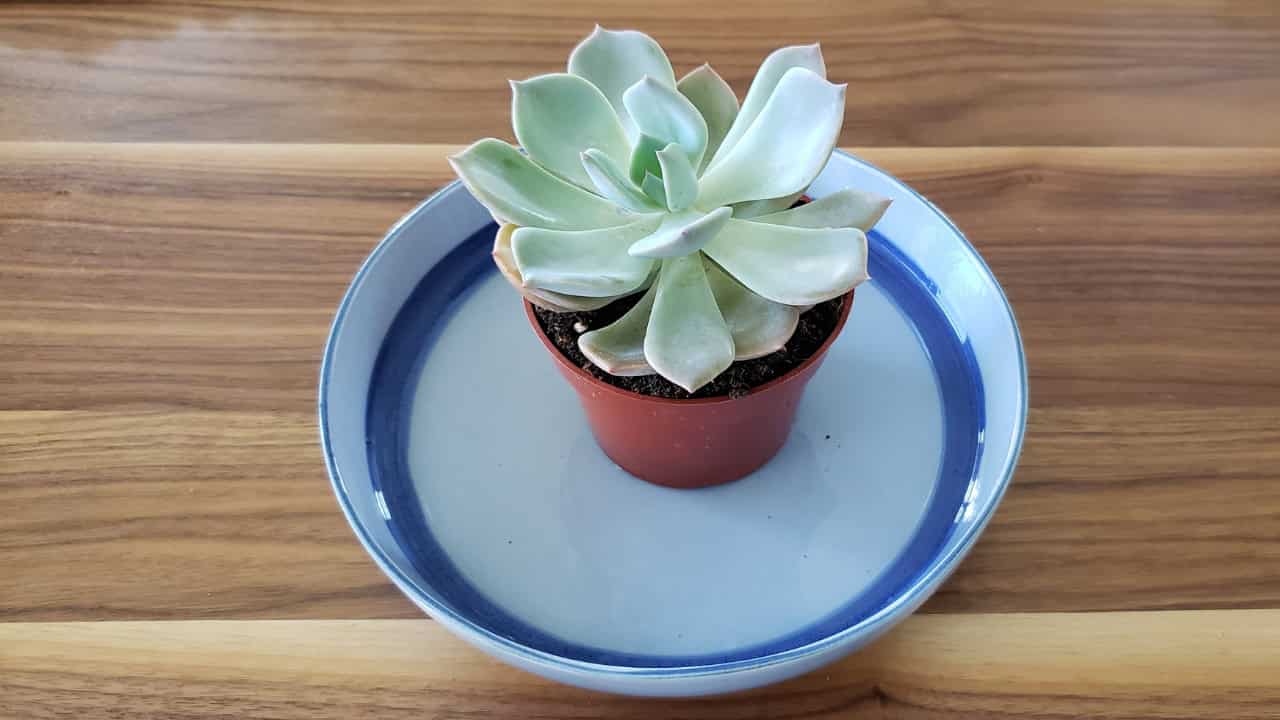
You don’t need fancy gadgets to keep your plants happy. A few simple tools can make a big difference without spending a fortune. Plastic takeout containers work great for bottom watering, old lids can double as saucers, and a basic grow light bulb in a regular lamp can keep plants thriving through winter.
If you’ve got a big plant collection, keeping supplies organized helps. Storage bins for soil, a cheap tarp for messy repotting, and a few watering containers are all you really need. It’s less about having the perfect gear and more about figuring out what works for your space.
Water, Feed, and Repot with a Plan
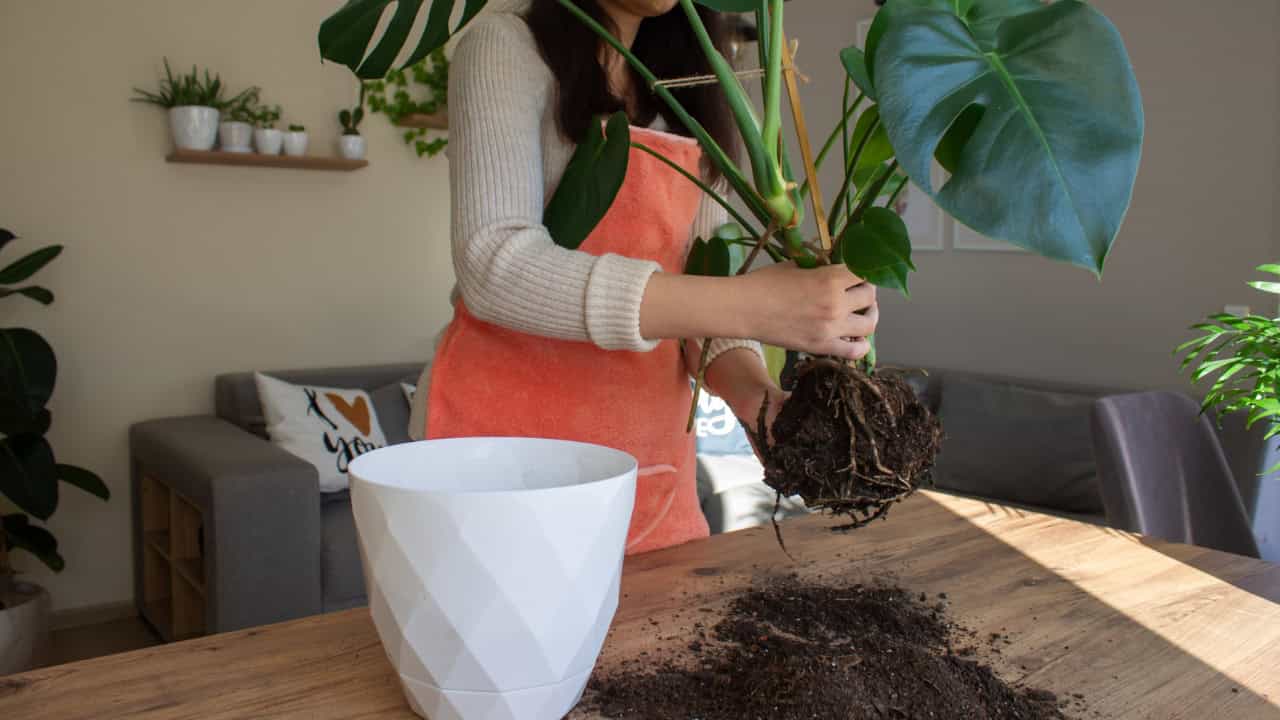
Watering a lot of plants takes effort, but having a system makes it easier. Using a large storage bin to bottom-water plants keeps things efficient and cuts down on spills. Adding diluted fertilizer once a month during the growing season gives plants the nutrients they need without overdoing it.
Repotting is the same—lay down a tarp to keep the mess contained, and use bins to move plants or hold old soil. If the soil is still in good shape, it can be reused for outdoor plants. A little prep work saves time and keeps plant care from turning into a full-day project.
Keep Pests Under Control
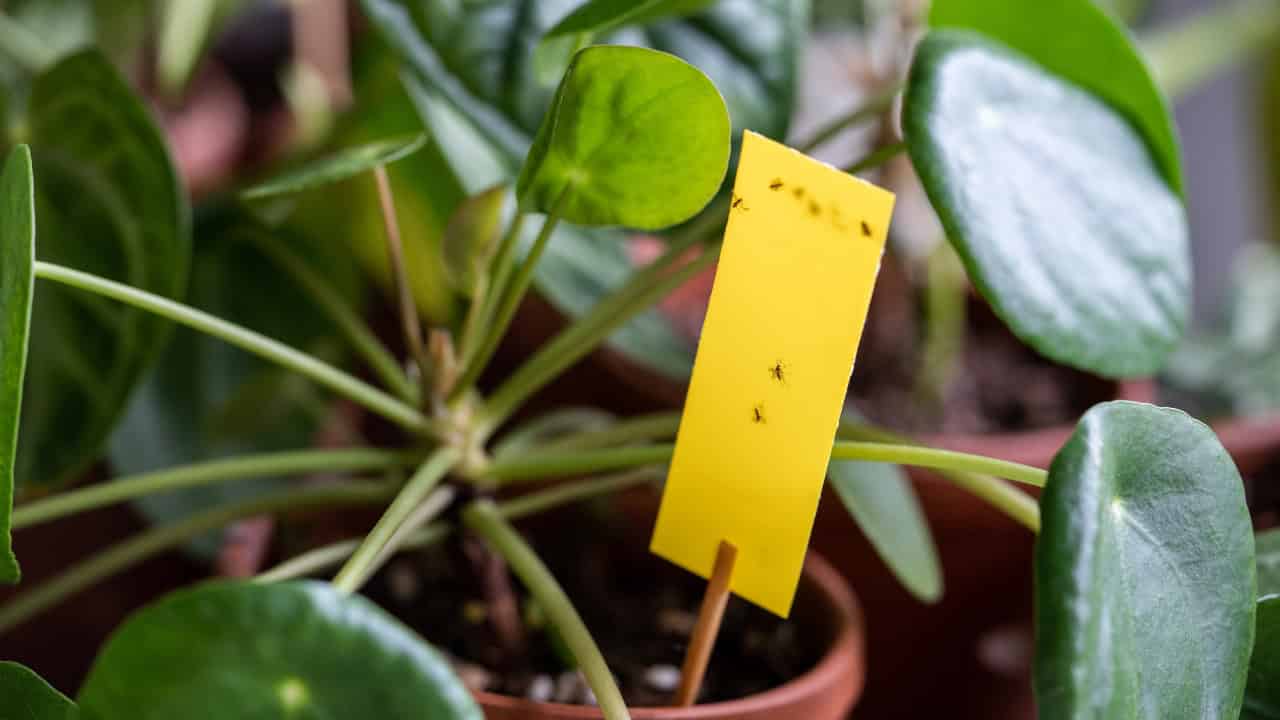
Fungus gnats are the worst, especially when they show up after bringing plants inside for the winter. The best way to stop them is by treating the soil with Bti, a bacteria that kills gnat larvae but won’t harm your plants. Sticky traps help track whether the problem is getting better or worse.
Quarantining new plants is another must. Even if they look healthy, pests can hitch a ride in the soil or hide under leaves. Keeping new plants separate for a couple of weeks gives you time to spot any issues before they spread to the rest of your collection.
Propagate to Keep Plants Healthy
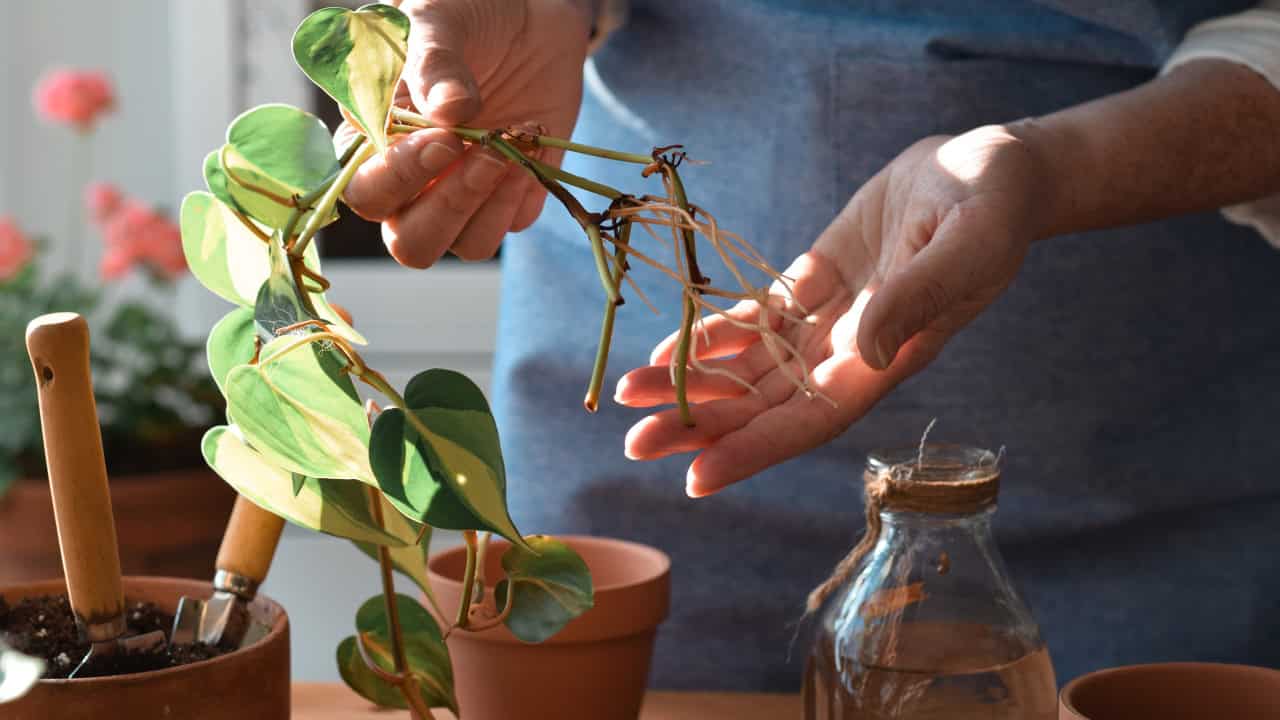
Propagating isn’t just a way to get free plants—it can also help refresh overgrown ones. Some plants, like bromeliads, naturally send out small offsets at their base that can be potted up separately. Others, like pothos and philodendrons, grow roots along their stems, making them easy to multiply with cuttings.
Spider plants and strawberry begonias make it even easier by growing little plantlets on runners. Just snip them off, place them in water until roots develop, and then plant them in soil.
Water Based on Your Plant’s Needs
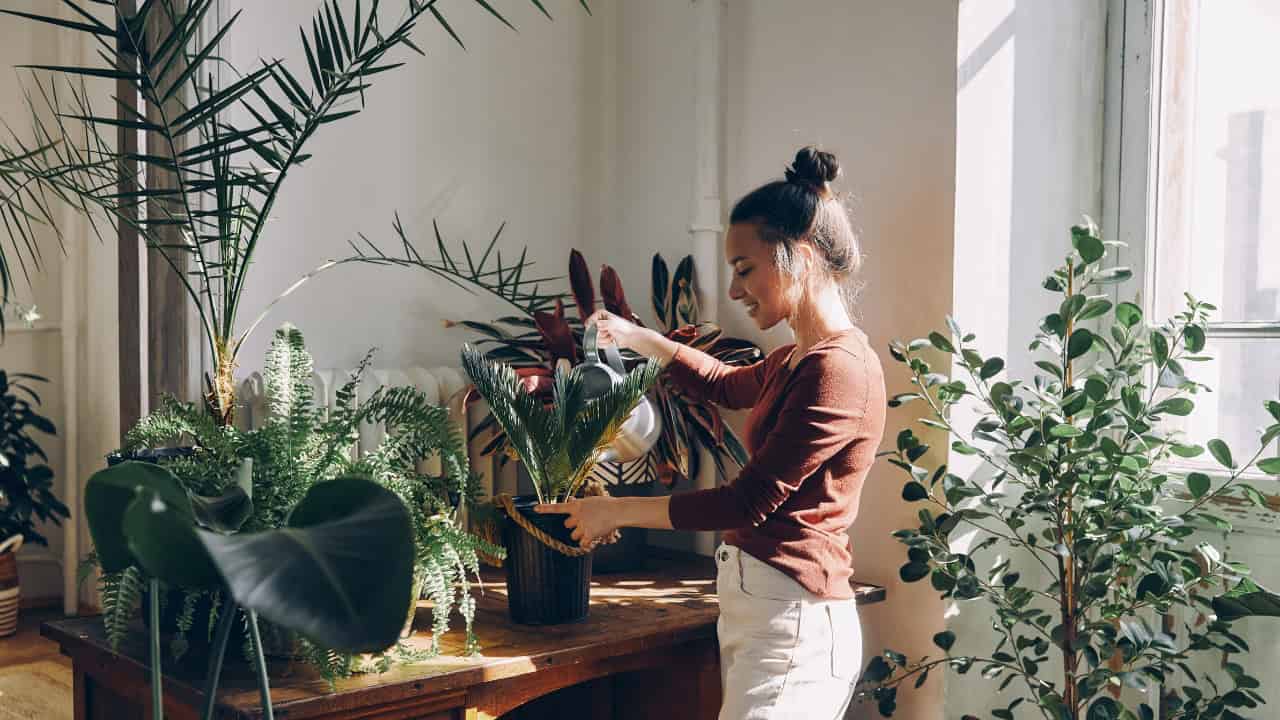
Watering on autopilot is one of the easiest ways to kill a plant. Some need frequent watering, while others thrive on neglect. Instead of sticking to a strict schedule, check the soil first—if the top inch feels dry, it’s time to water. Cacti and succulents need even less, while flowering plants usually need more.
When you do water, go slow and steady. Let the water soak in until it starts draining out of the bottom. Avoid splashing the leaves, especially for plants prone to fungal issues. Overwatering is just as dangerous as underwatering, so when in doubt, wait a day.
Keep Humidity in Check
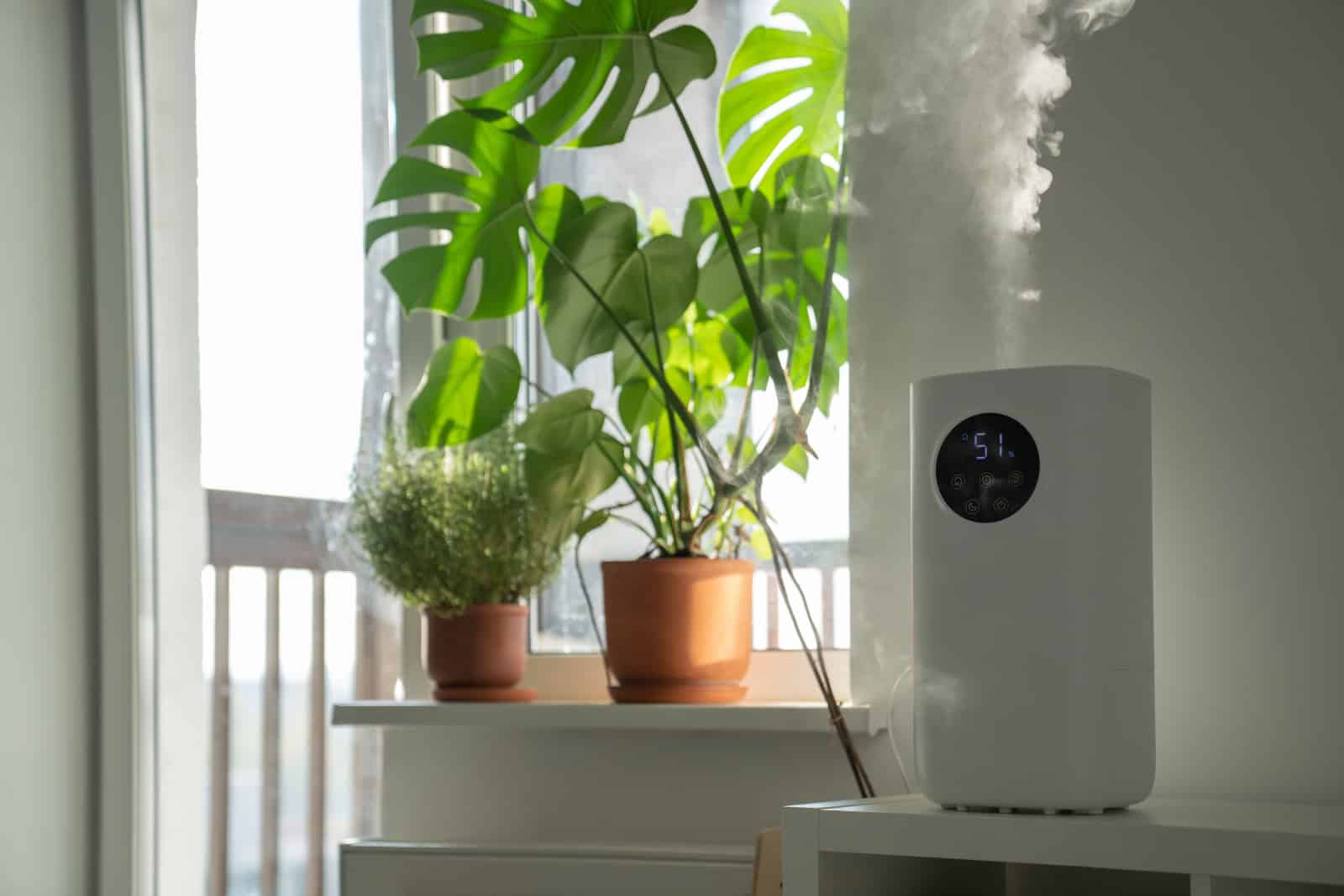
Most houseplants aren’t fans of dry air, especially in winter when the heater is running nonstop. Pothos, calatheas, and ferns do best in a more humid environment, so keeping them away from air vents and adding a humidifier can help. Grouping plants together also helps trap moisture in the air.
If your home is naturally dry, misting can be tempting, but it only raises humidity for a few minutes. A better option is using a pebble tray—just set your plant on a tray filled with water and pebbles so the moisture evaporates around it. Just don’t try this with succulents or cacti—they like dry air and will rot if they stay too damp.
Feed Your Plants When They Need It

Fertilizer isn’t always necessary, but if you want strong, healthy growth, feeding your plants in the right season helps. Most houseplants grow the most in spring and summer, so that’s the best time to fertilize. In fall and winter, they slow down, and too much fertilizer can do more harm than good.
Every plant has different needs, so always check the label on your fertilizer to avoid overdoing it. A little goes a long way, and some plants, like snake plants and ZZ plants, barely need any at all. If your plant is happy without extra food, you might not need to fertilize at all.
Arrange Plants Based on Light
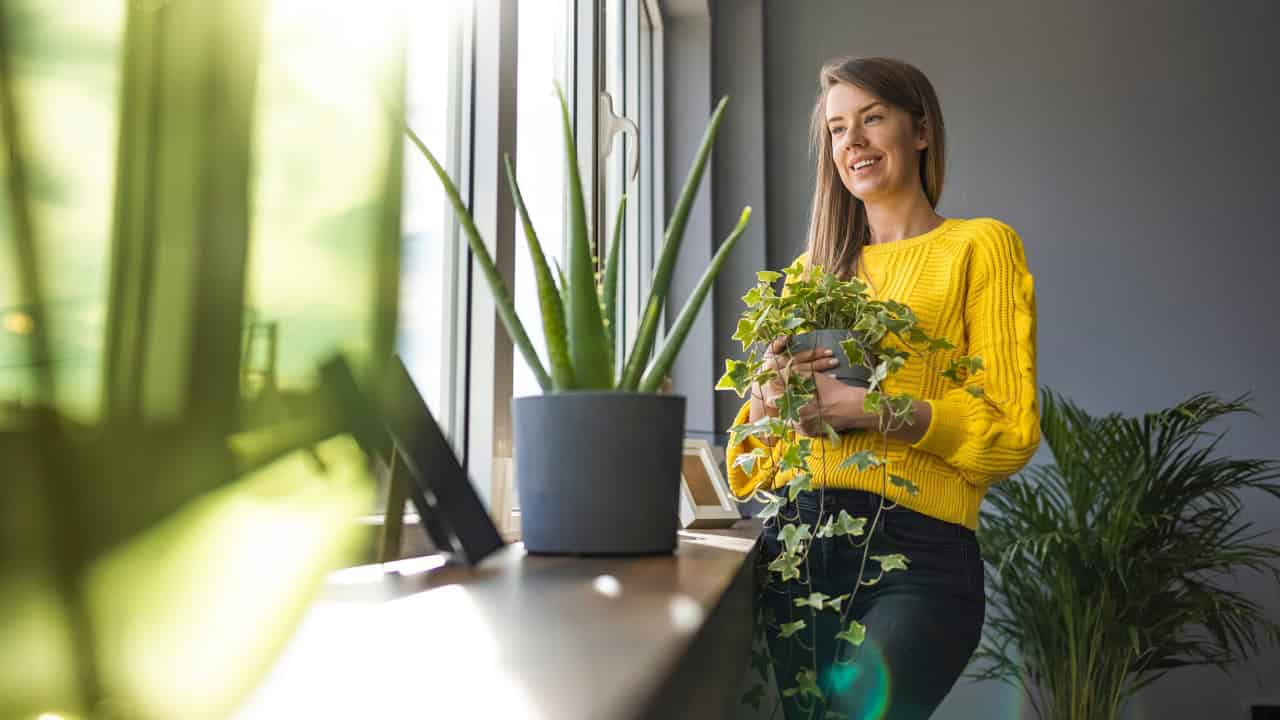
Where you place your plants can make or break how well they grow. Sun-loving plants, like fiddle leaf figs and succulents, do best near bright windows, while medium-light plants like philodendrons and ferns are fine farther inside the room.
If you’re short on space, vertical shelves are a great way to fit more plants without cluttering your surfaces. Hanging plants like pothos and string of pearls do great in sunny windows, while big plants like monstera and rubber trees are perfect for floor pots or plant stands. Just pay attention to their light needs—too much or too little can make them struggle.
*This article was created with the help of AI.