Pollinator plants are essential for supporting bees, butterflies, hummingbirds, and other helpful creatures in your garden. They not only help improve the health of your plants but also bring more life and color to your outdoor space.
You might be surprised by how beautiful many pollinator plants can be while still doing important work. Knowing which plants attract pollinators and look great can make your garden both vibrant and eco-friendly.
Advertisement
Bee Balm with its vibrant red and purple blooms
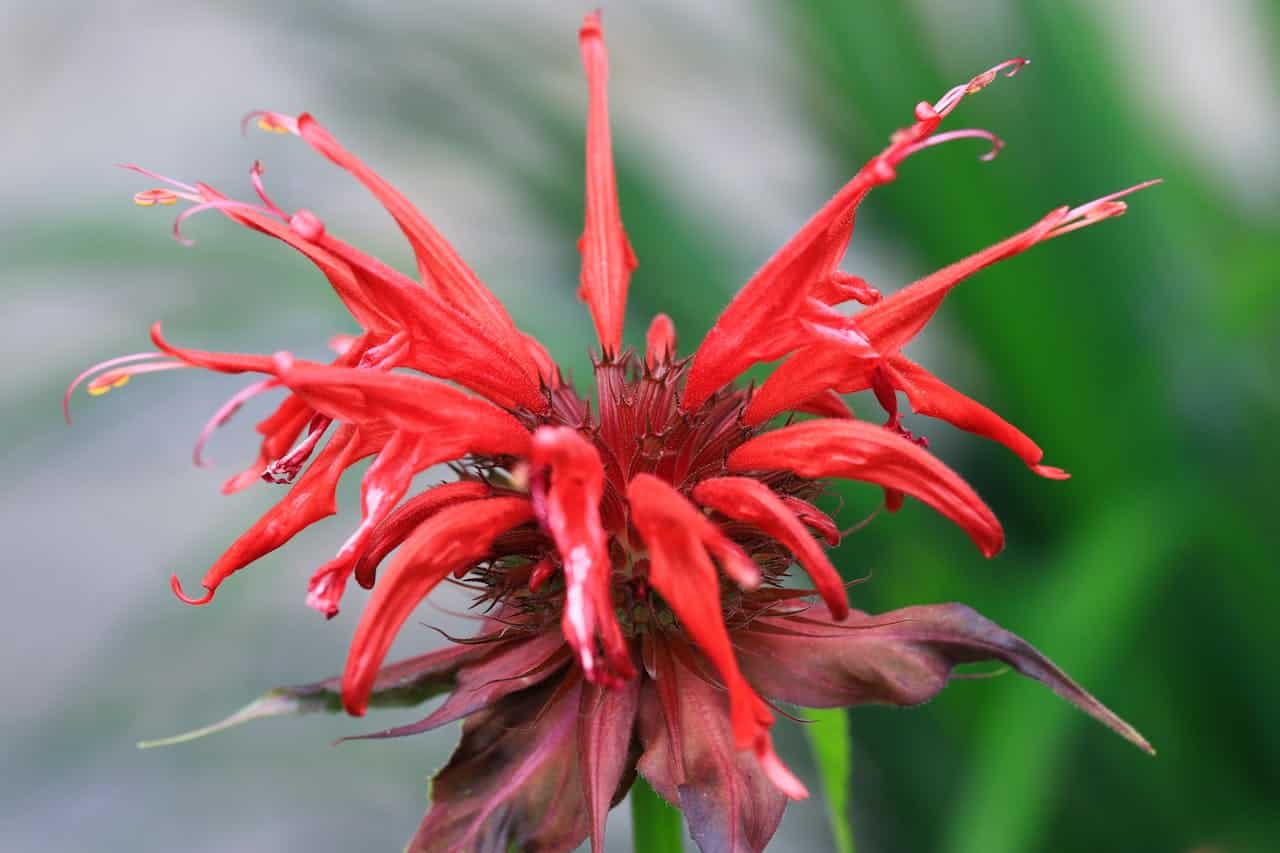
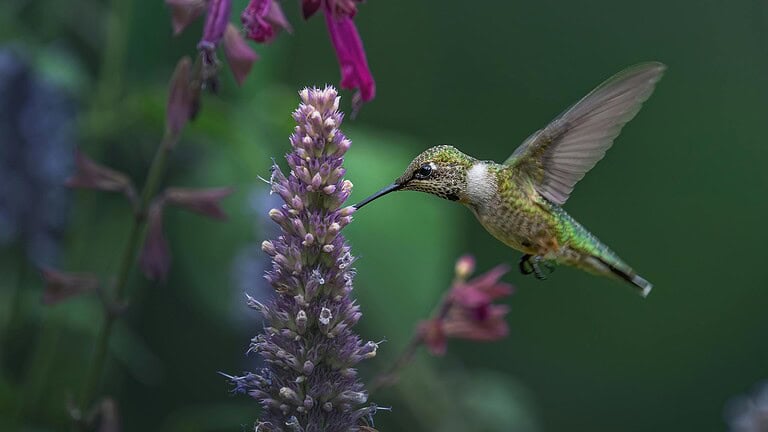
You’ll love bee balm for its bright red and purple flowers that really stand out in any garden. It thrives best in full sun and attracts hummingbirds, bees, and butterflies. Planting bee balm adds a splash of color while supporting your local pollinators.
Black-eyed Susan’s sunny yellow petals
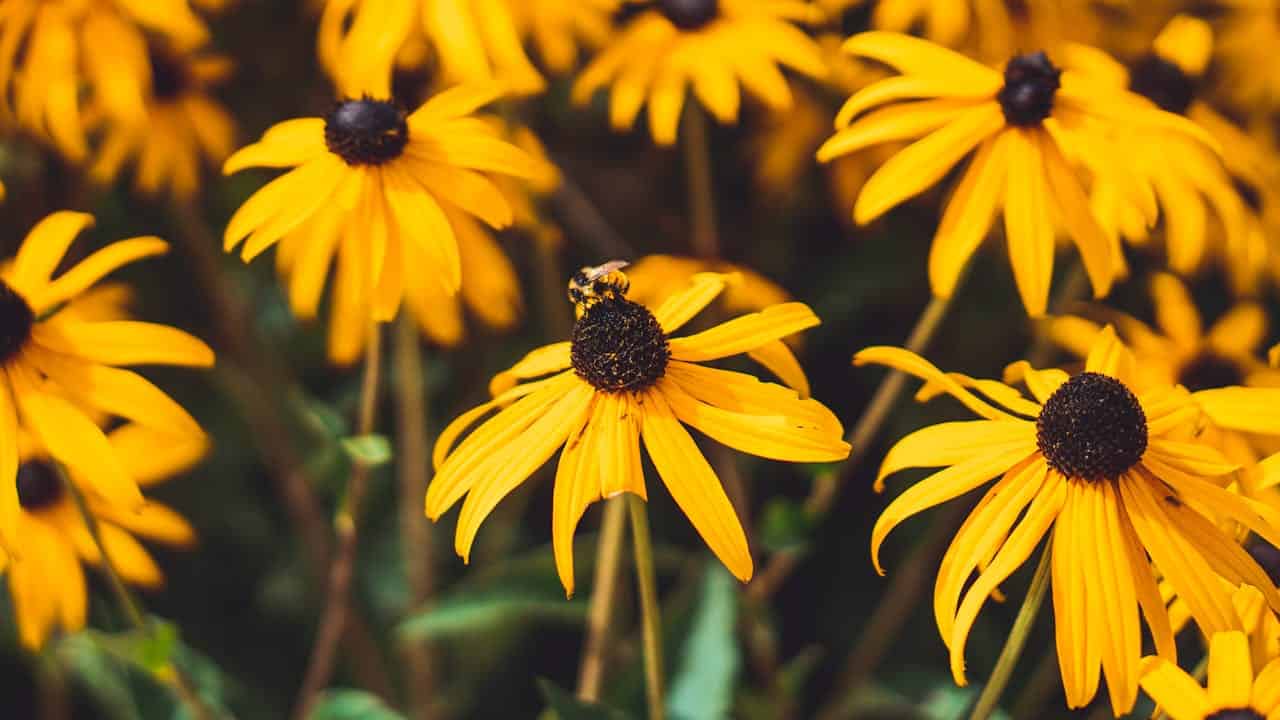
You’ll notice Black-eyed Susans with their bright yellow petals and dark centers standing out in any garden. They love full sun but can handle some shade, making them pretty easy to grow.
These flowers attract bees and butterflies, adding life to your outdoor space. Plus, they’re drought and deer resistant, so they stay looking good without much fuss.
Lavender’s classic purple flowers
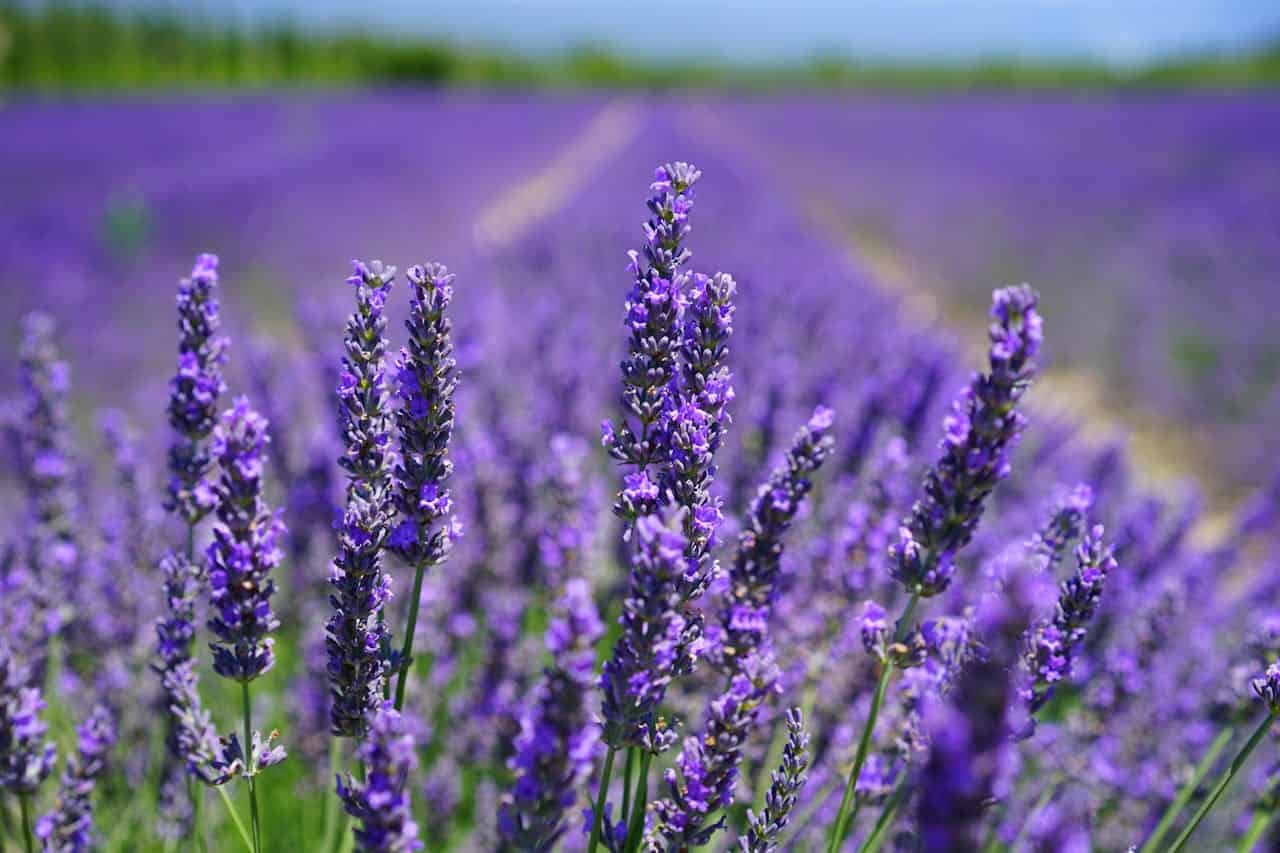
Lavender is a go-to if you want pollinators to visit your garden. Its purple blooms are both charming and fragrant, attracting bees and butterflies.
You’ll find many lavender varieties, from compact types to taller ones with deep plum shades that fade gently. Lavender is low-maintenance and works well in most garden settings, making it a solid choice for beauty and function.
Blanket Flower’s fiery red and orange tones

You’ll love how the blanket flower lights up your garden with its fiery red and orange petals. These colors really grab attention without being too loud.
The trumpet-like shape of some varieties adds a unique touch to the mix. Plus, they attract pollinators like bees and butterflies, so your garden stays lively and buzzing.
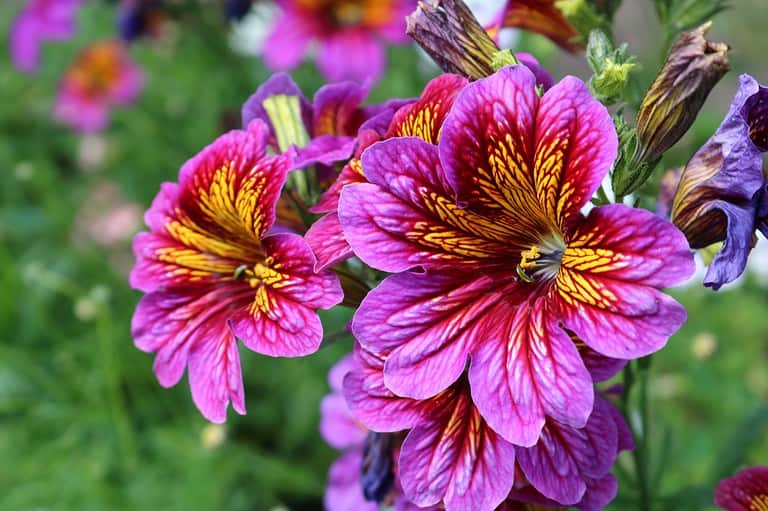
Hot Lips Salvia’s striking red and white mix
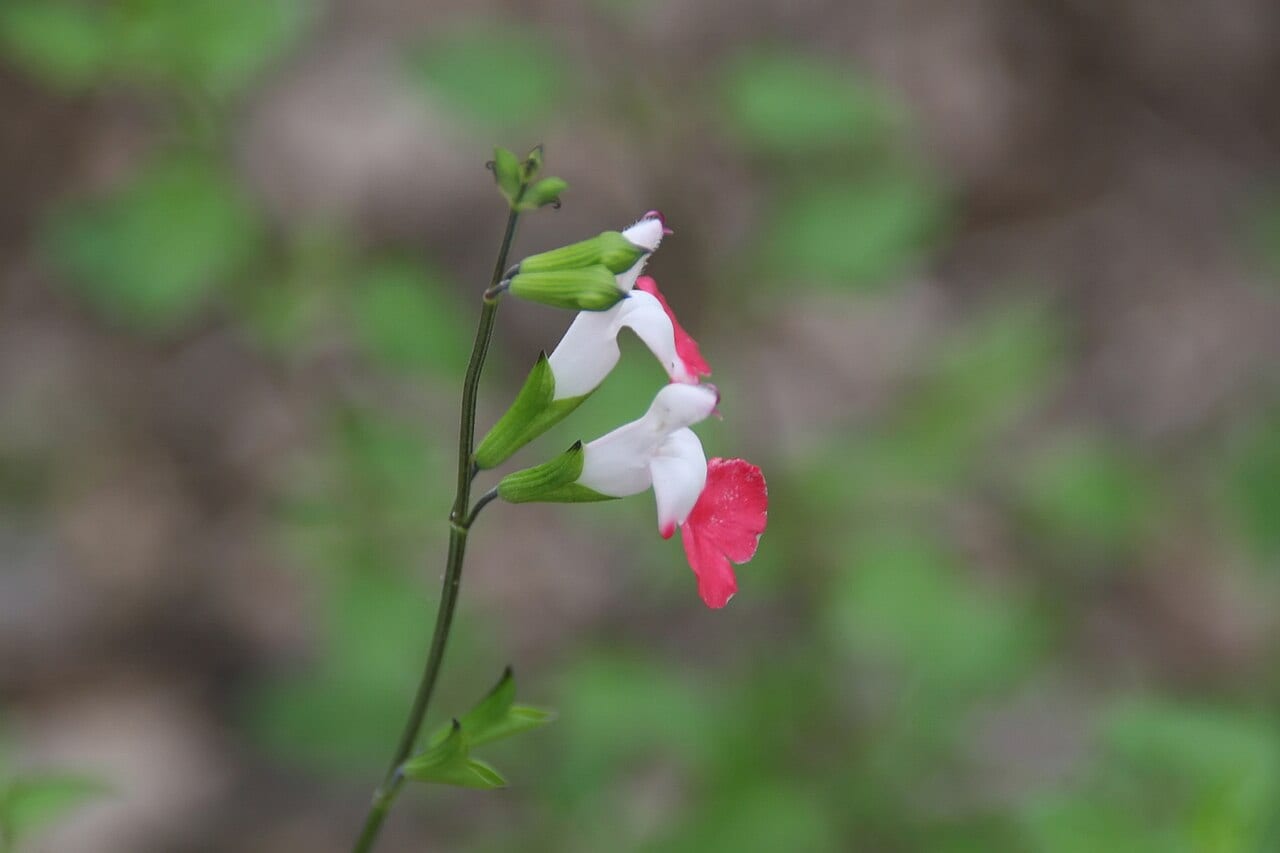
If you want a plant that stands out, Hot Lips Salvia is a great choice. Its flowers have a cool red and white pattern that can change with temperature.
You’ll notice these blooms attract hummingbirds, making your garden lively. Plus, it flowers from spring to fall, so you get color for a long time.
Bluebeard Caryopteris with its cool blue blooms

You’ll love Bluebeard Caryopteris for its striking cool blue flowers that bloom late in the season. Its dark, glossy leaves add interest even when it’s not flowering.
This shrub attracts bees, butterflies, and hummingbirds, making your garden buzz with life. It’s easy to grow and drought tolerant, fitting well into many landscapes.
Catmint’s soft purple flowers
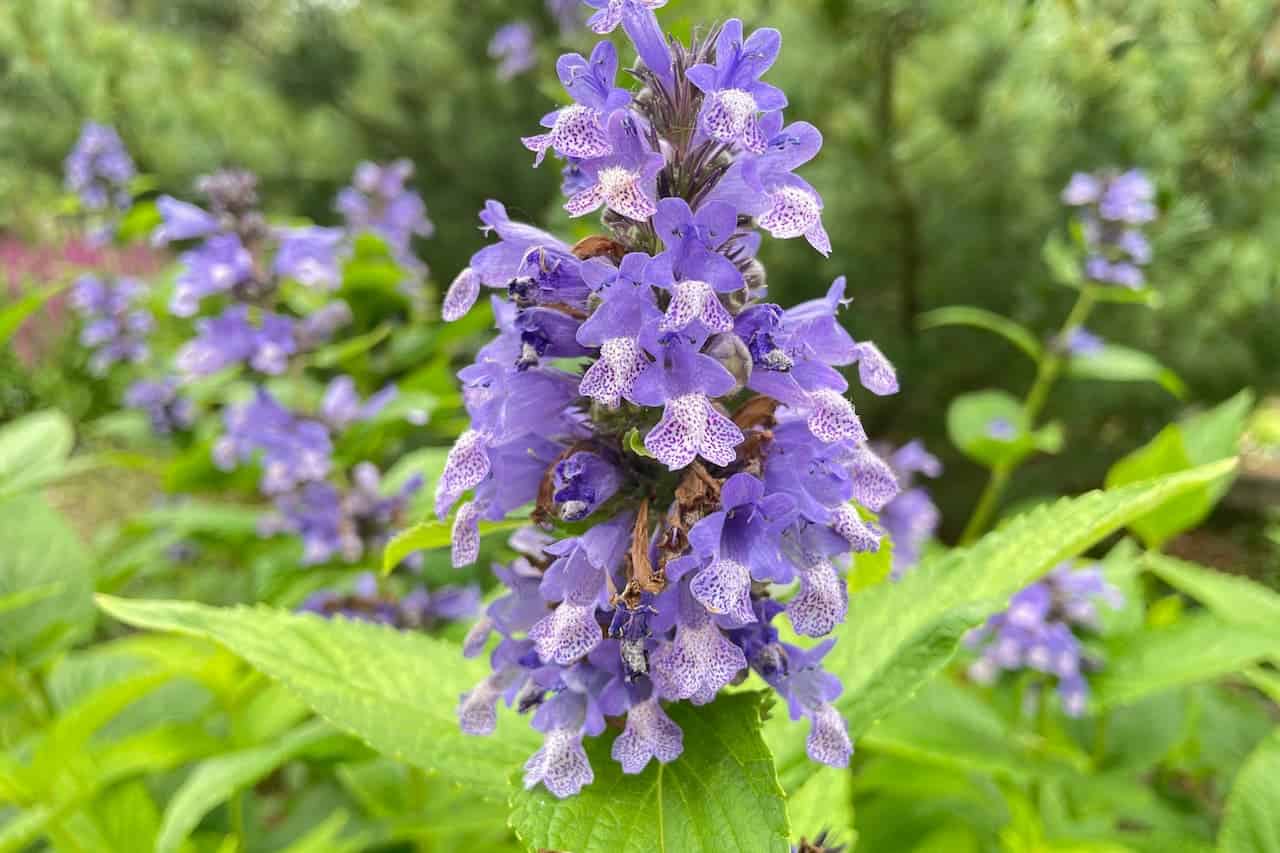
You’ll love how catmint’s soft purple flowers bring color to your garden without being too flashy. They bloom in large, airy clusters from spring well into fall, giving you long-lasting beauty.
The flowers attract bees and hummingbirds, so your garden will be buzzing with life. Plus, catmint’s light purple tones often fade to white, adding subtle variety to your flower bed.
Sunflowers big and bright
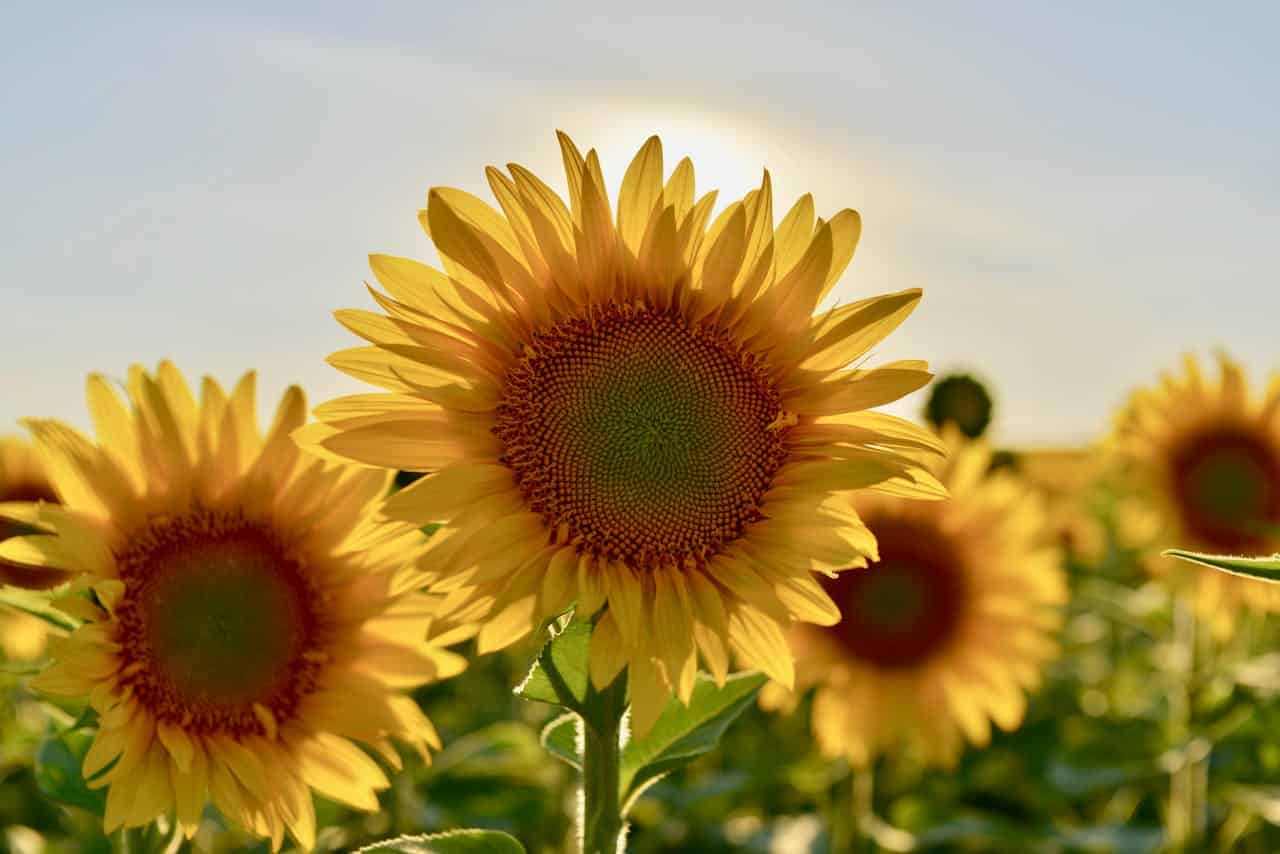
If you want flowers that really stand out, sunflowers are a solid choice. Their large, sunny faces can grow up to 12 feet tall, making them hard to miss.
You’ll also attract plenty of pollinators like bees and butterflies. Plus, varieties like Mammoth or Taiyo work great whether you’re planting for your garden or cutting flowers for your home.
Zinnias with their rainbow of colors
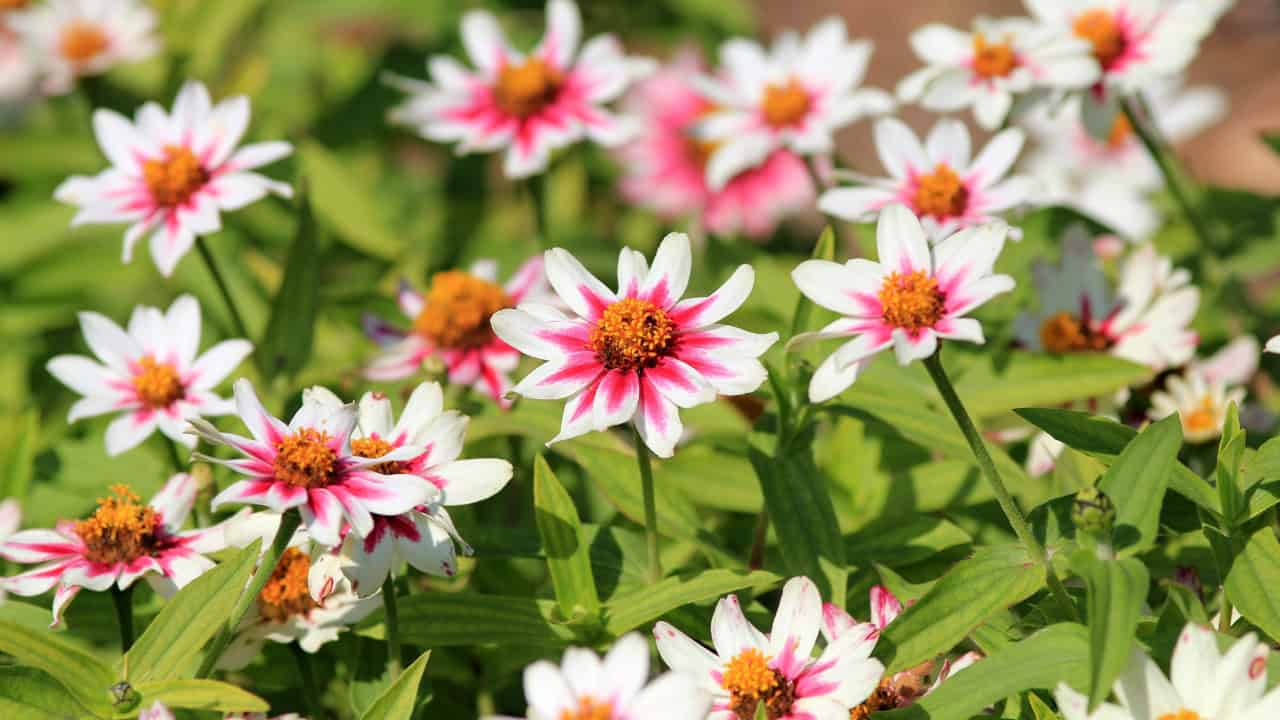
You’ll love how zinnias bring a bright splash of color to your garden. They come in all sorts of shades, from reds to yellows and pinks.
These flowers attract pollinators like bees and butterflies, making your garden lively and busy. Plus, zinnias are pretty low maintenance and thrive in full sun. If you want color and pollinators, zinnias are a smart pick for your space.
Yarrow’s flat-topped clusters
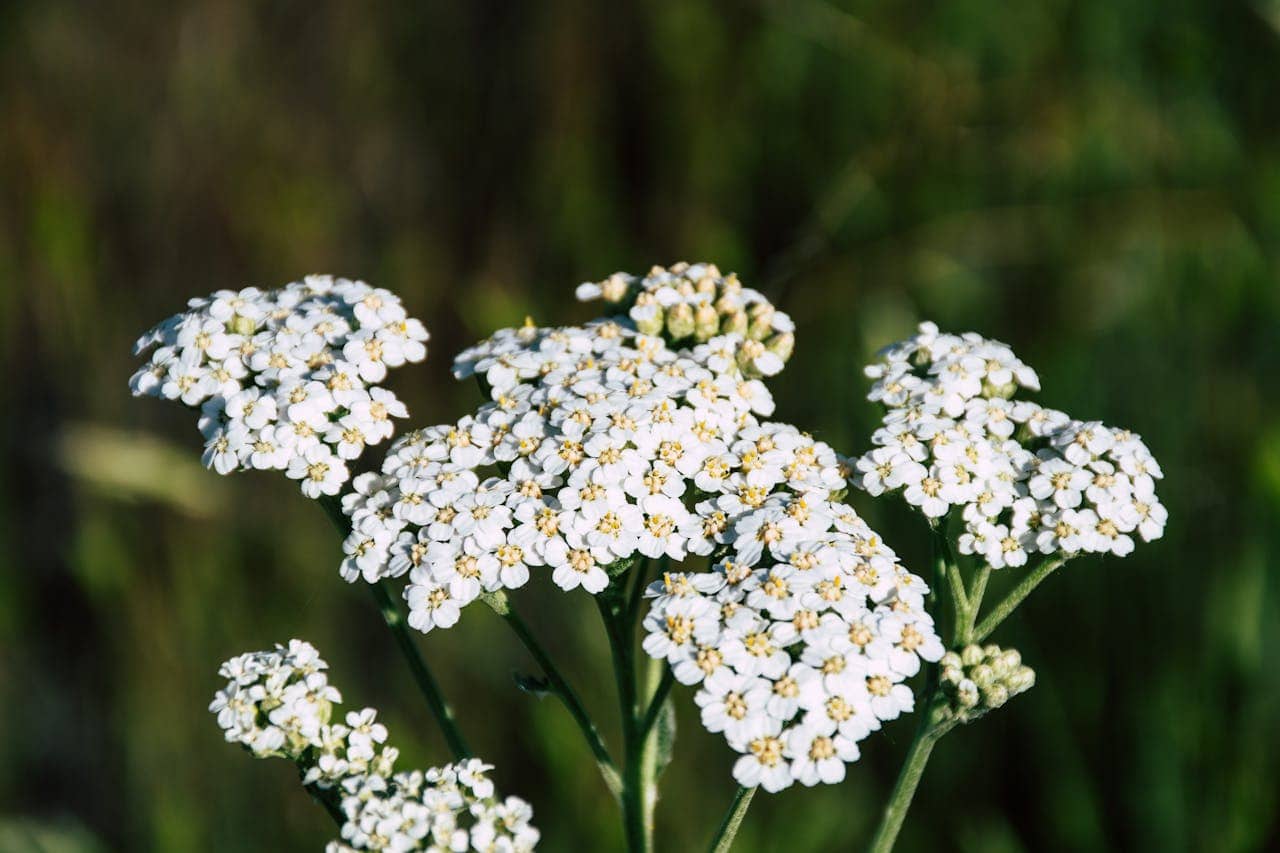
You’ll notice yarrow’s flowers grow in flat-topped clusters, making them easy for pollinators to land on. Bees, butterflies, and even hummingbirds find them pretty inviting.
These clusters produce plenty of nectar and pollen, which means your garden gets a steady buzz of activity. Yarrow is also tough and drought-tolerant, so it fits well in many garden styles.
Asters’ daisy-like charm
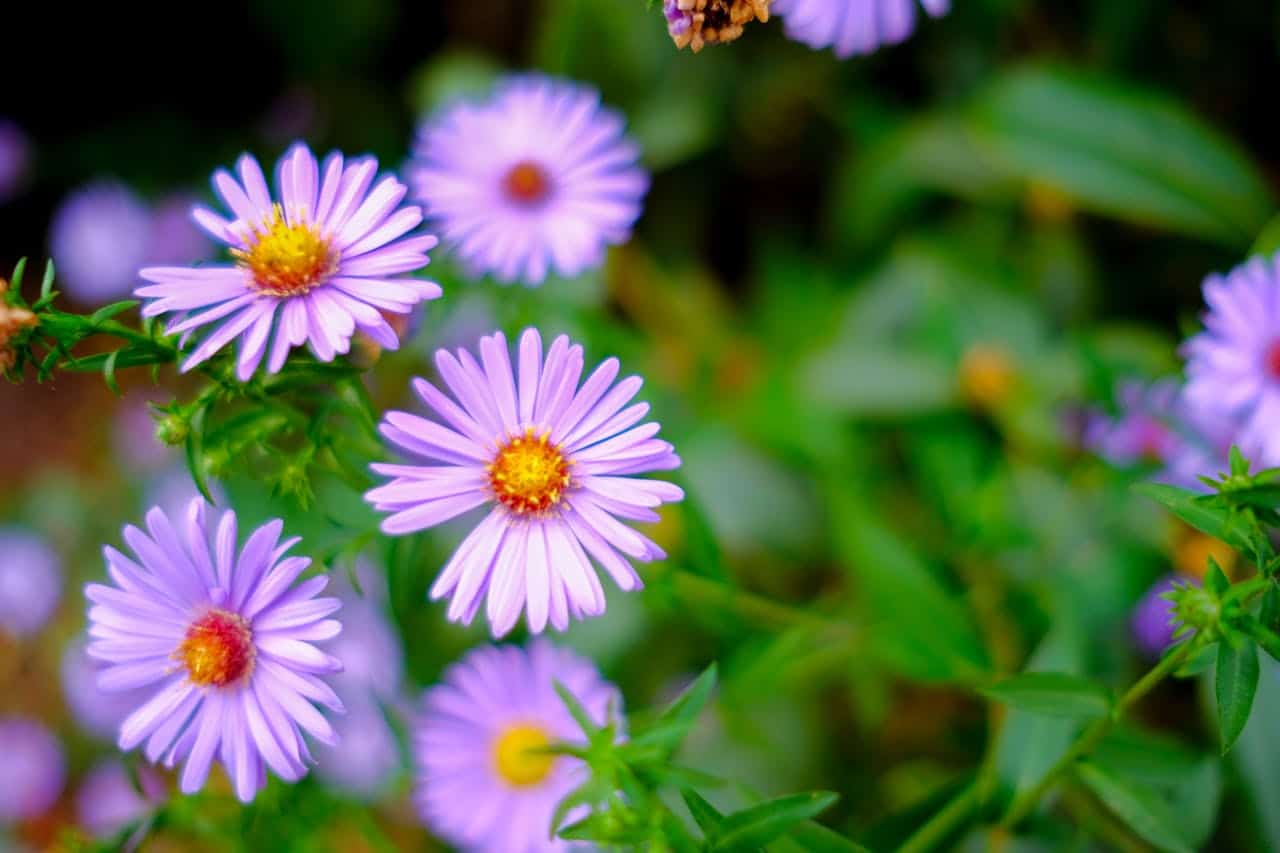
You’ll notice asters with their simple, daisy-like flowers and bright yellow centers. They come in colors like lavender, purple, and blue, which add a nice pop to your garden late in the season.
These flowers bloom from late summer into fall, giving you color when many others start to fade. Asters also attract bees and butterflies, so they’re great if you want to support pollinators in your yard.