Not all plants get along, and figuring out which ones clash can save a whole lot of frustration in the garden.
Some plants compete for nutrients, some attract pests that make things worse, and others just seem to stunt each other’s growth for no good reason. I’ve learned the hard way that a little planning goes a long way when it comes to plant pairings.
Advertisement
Avoiding these bad neighbors means healthier plants, better harvests, and way less hassle. Here are some combinations I steer clear of in my own garden.
1. Peas and Chives
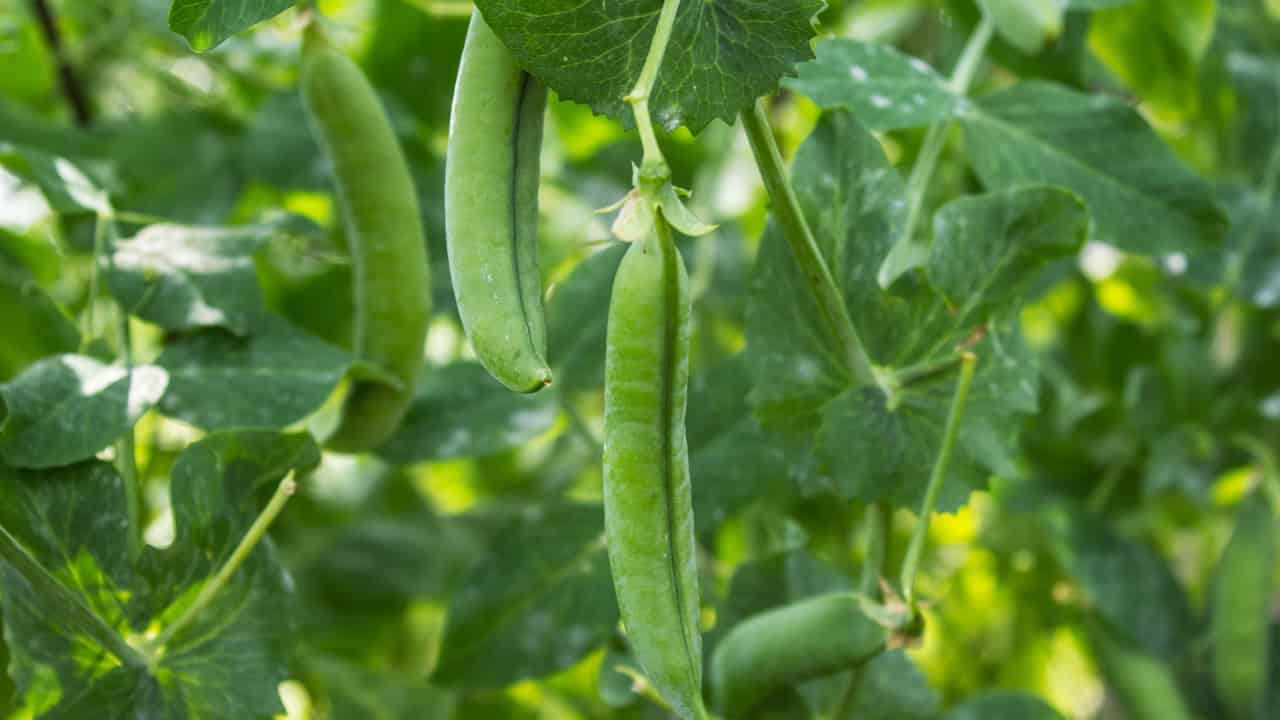
I learned the hard way that planting peas and chives together is a bad idea. Chives can stunt the growth of peas, and if they’re too close, peas can end up tasting off.
Now, I make sure to plant them a few feet apart so they don’t compete for nutrients. Giving each plant its own space makes a big difference in how well they grow.
2. Monarda and Cucumbers
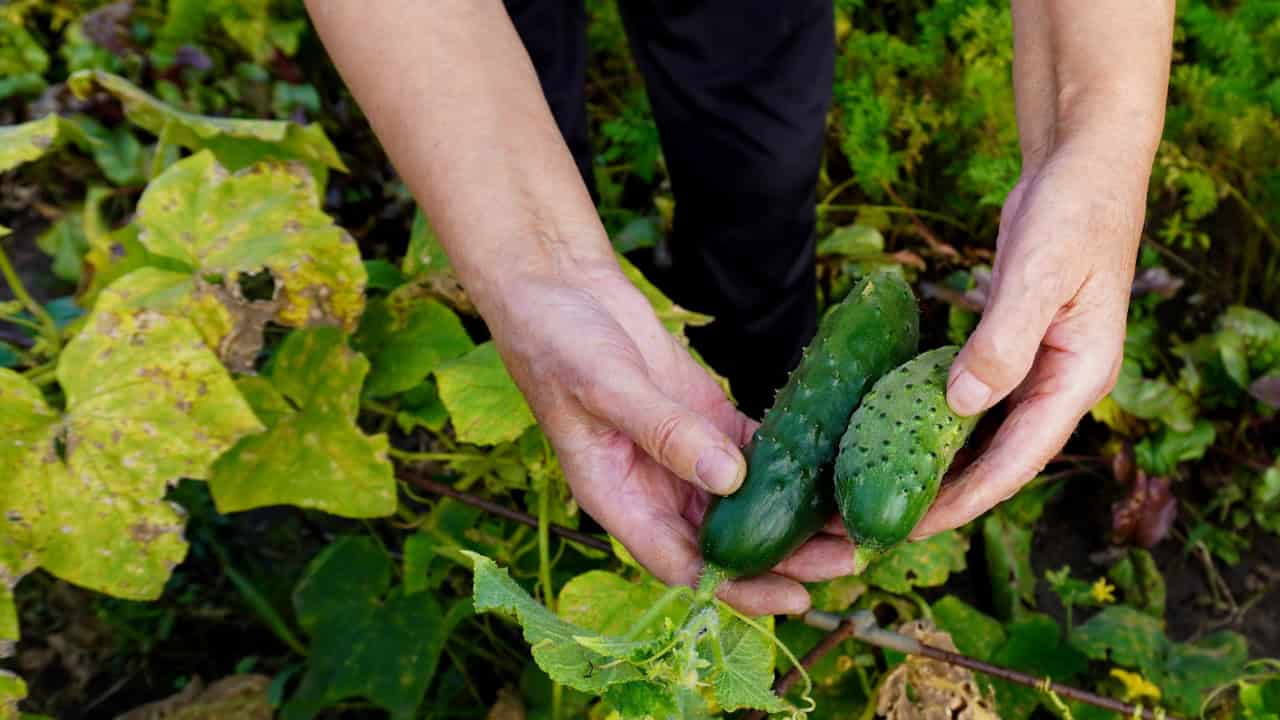
Bee balm (Monarda) is great for attracting pollinators, but when it’s too close to cucumbers, it’s a problem. It’s notorious for bringing in powdery mildew, which cucumbers are already prone to.
I’ve noticed my cucumbers do much better when they’re not crowded by other plants. If I want the benefits of bee balm, I plant it further away to avoid spreading disease.
3. Cabbage and Grapevines
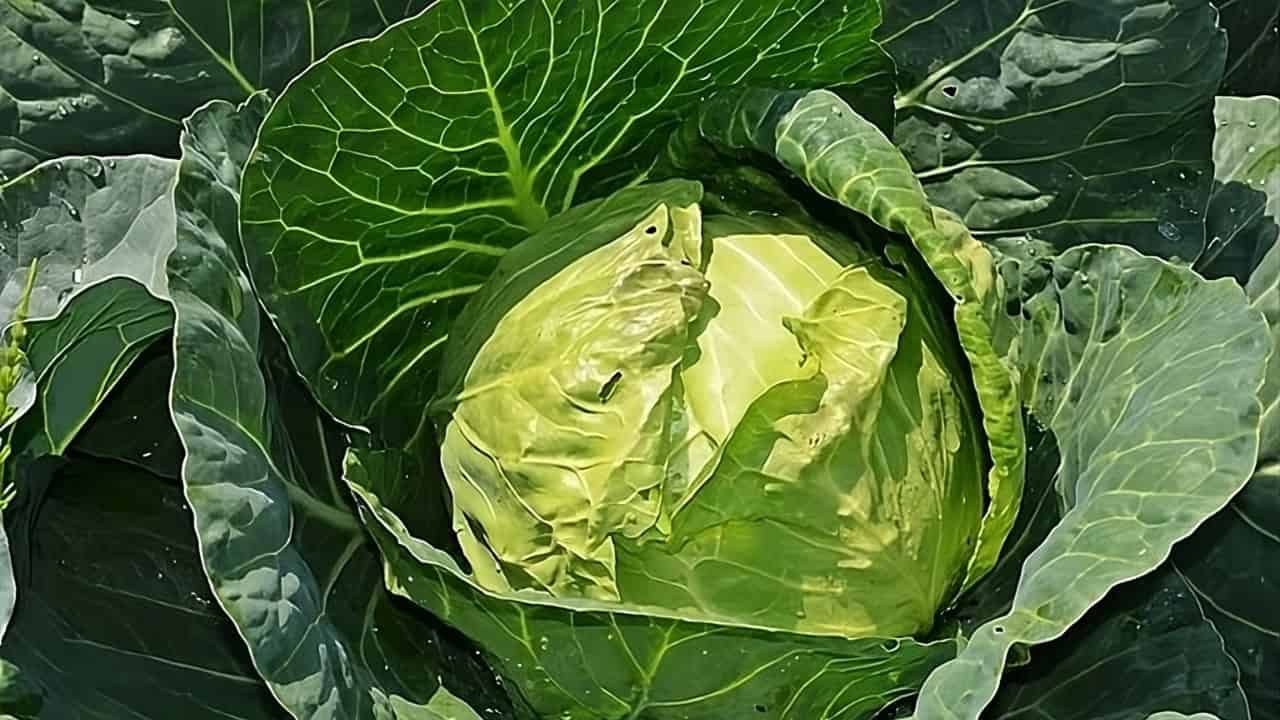
Cabbage and grapevines both need a lot of water, and when they’re too close, they end up competing instead of thriving.
I’ve also noticed that cabbage tends to attract pests that can spread to grapevines. Keeping them separate helps both plants grow without stressing each other out.
4. Cauliflower and Grapevines
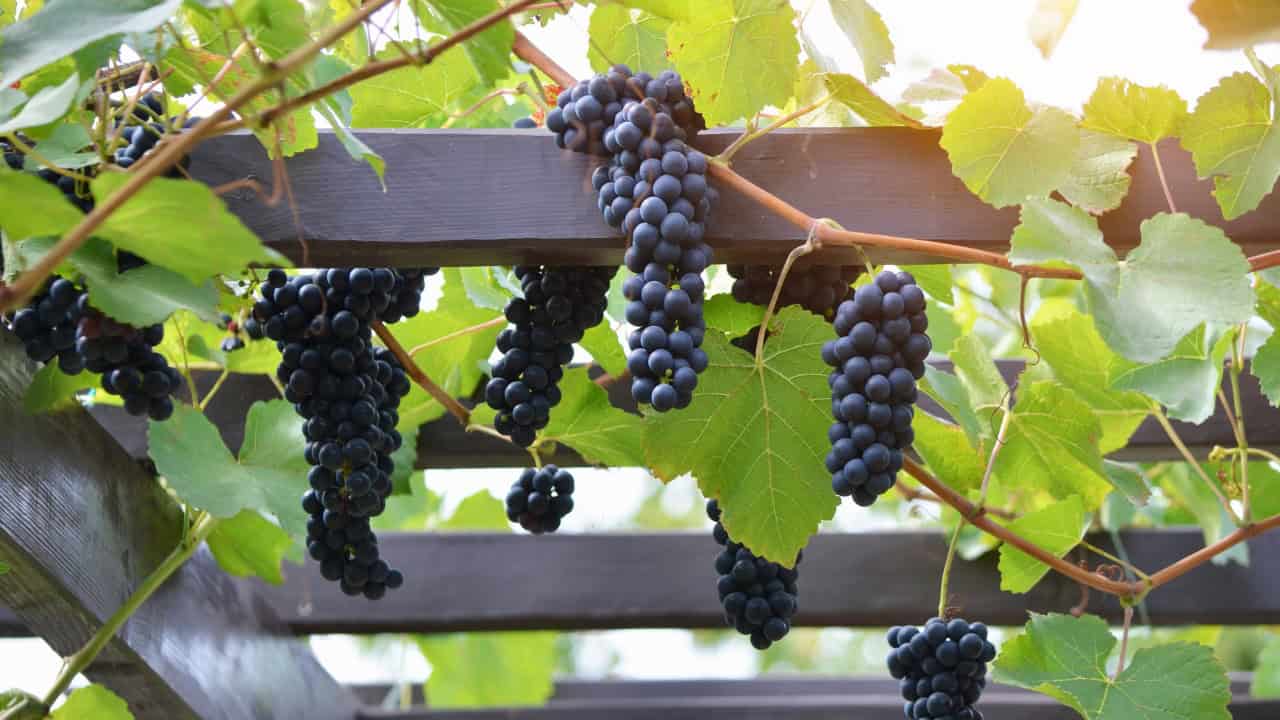
Cauliflower and grapevines just don’t work well together. Cauliflower needs cool temps and steady moisture, while grapes thrive in warm, dry conditions.
Whenever I’ve planted them too close, my cauliflower always struggles. Now, I keep them in different areas so each gets what it needs.
5. Clover Can Overtake a Vegetable Bed

Clover sounds great because it fixes nitrogen in the soil, but it spreads fast and can choke out vegetable plants.
I learned my lesson after planting it near my veggies—it quickly took over, making it hard for my crops to get the nutrients they needed. If I use clover, I keep it contained and away from my main garden beds.
6. Mint and Basil

I love both mint and basil, but they don’t belong in the same space. Mint spreads aggressively, and it’ll take over if given the chance.
When I planted them together, my basil ended up struggling because the mint hogged all the space. Now, I grow mint in its own pot to keep it from causing problems.
7. Onions and Garlic

Onions and garlic are from the same family, and when they’re planted together, they end up fighting for the same nutrients.
I also noticed that when they’re too close, they attract the same pests, which makes things worse. Now, I space them out or pair them with plants that actually help them grow better.
8. Garlic and Shallots
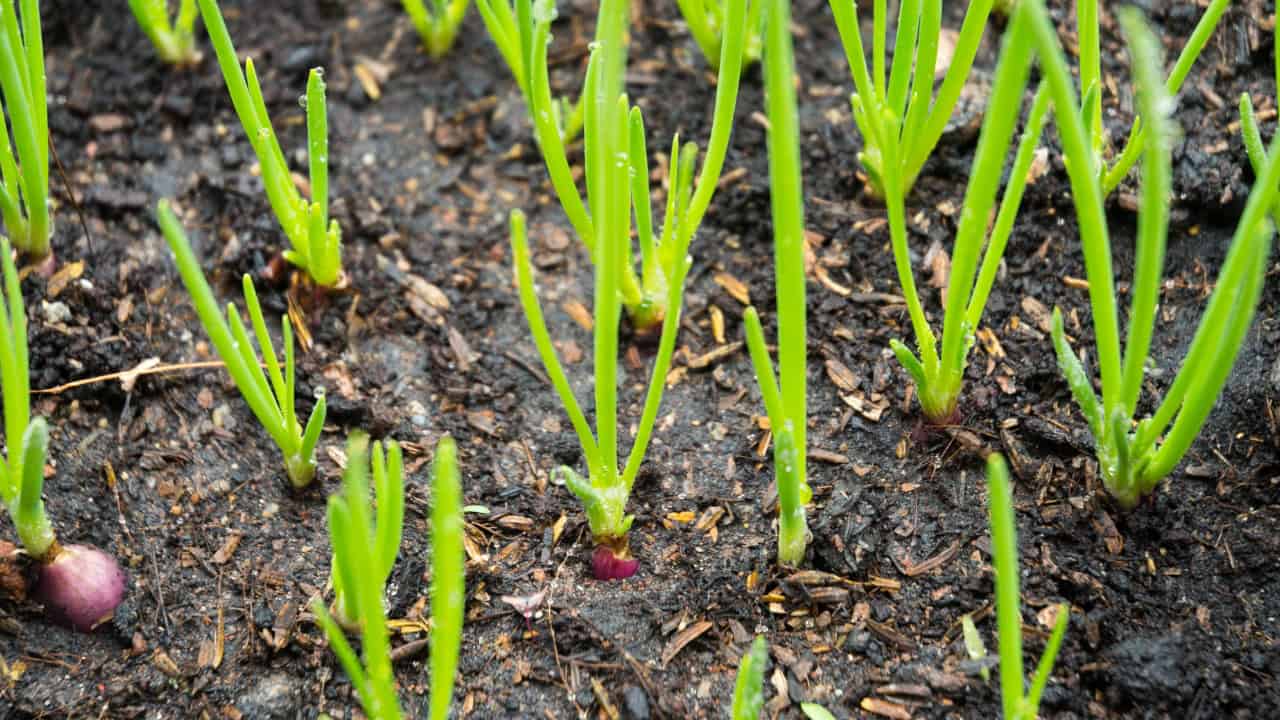
Garlic and shallots might seem like they’d be fine together, but they end up stunting each other’s growth.
Both need similar nutrients, and when they’re competing for the same space, neither does as well. I’ve had better luck giving them their own areas to grow.
9. Tomatoes and Peppers
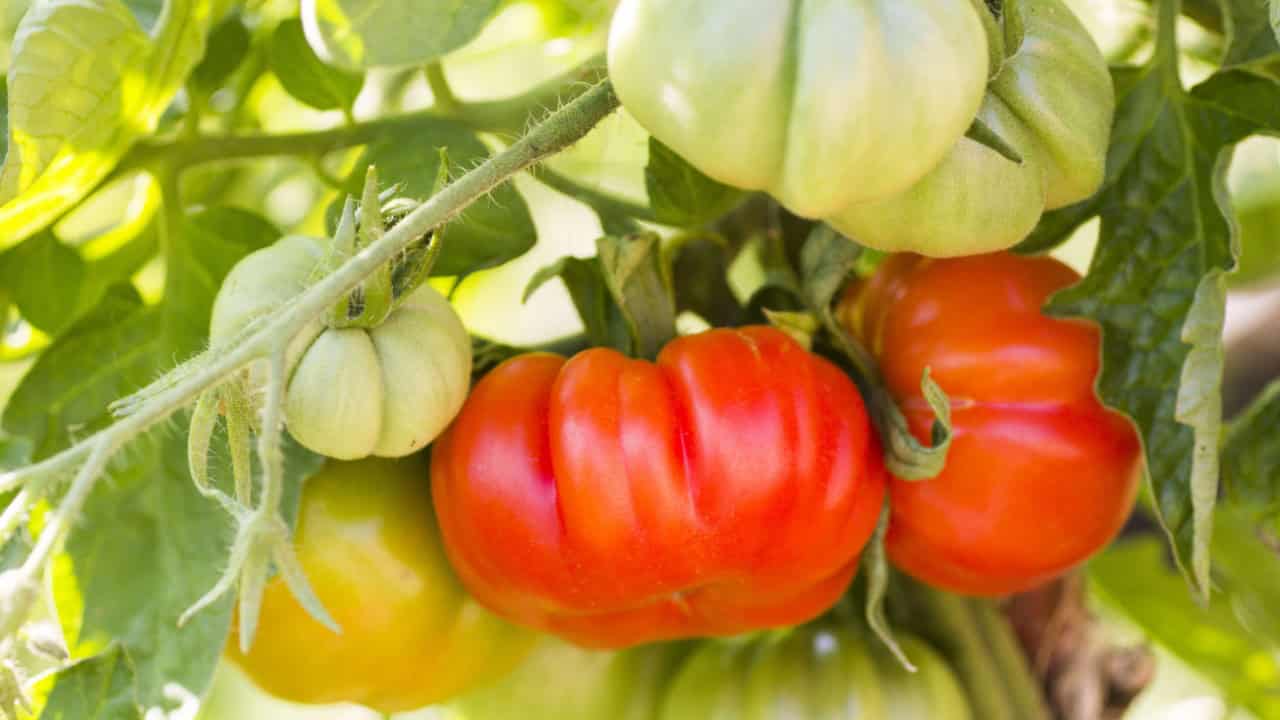
Tomatoes and peppers are both in the nightshade family, which means they share pests and diseases. If one gets sick, the other is at risk, too.
I’ve had much better results keeping them separate in the garden. A little distance helps prevent problems and keeps them both healthier.
10. Squash and Strawberries
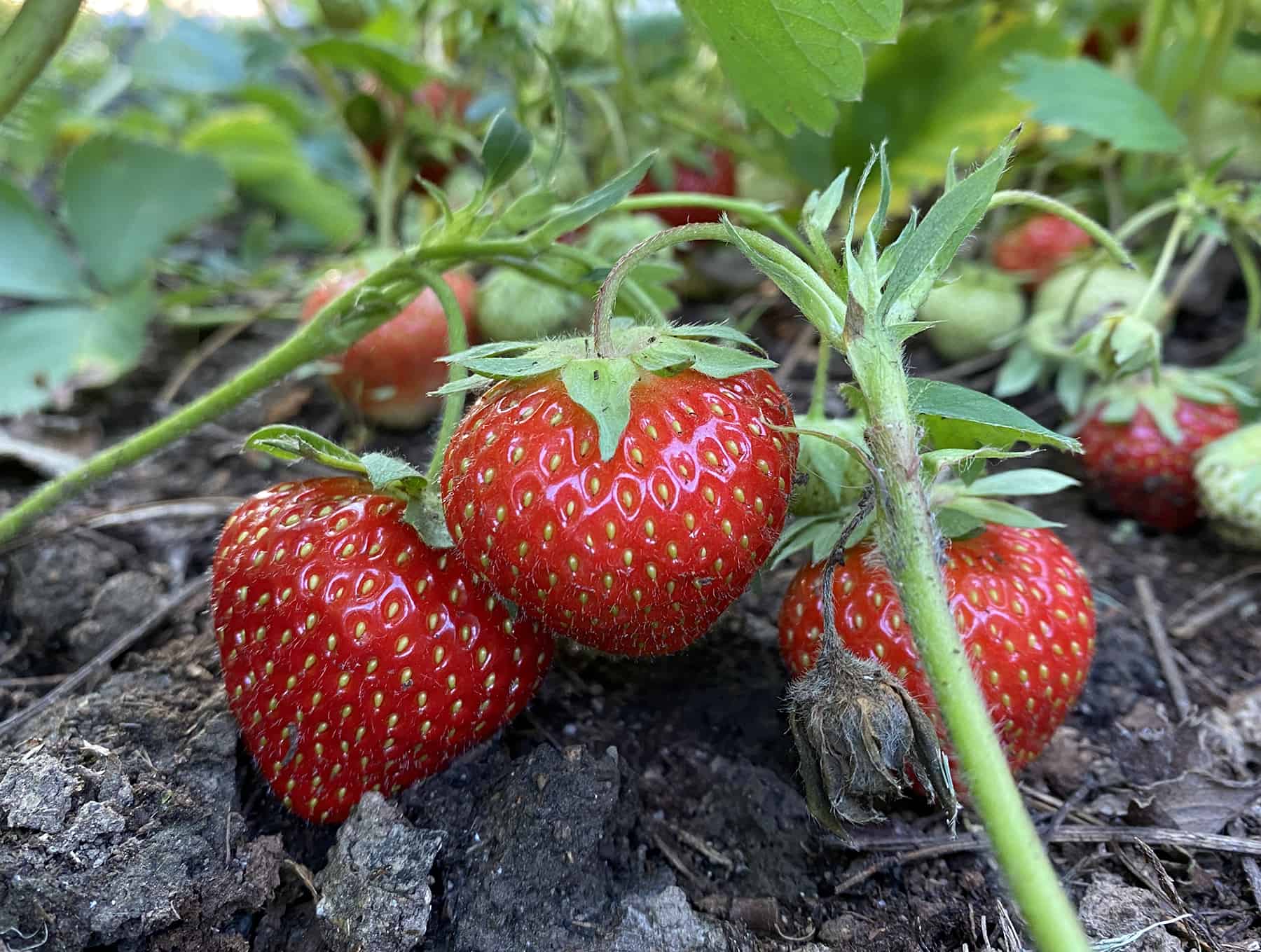
Squash vines grow fast and spread wide, and when they’re too close to strawberries, they take over. The big leaves block sunlight, and the roots hog all the nutrients.
I tried growing them together once, and my strawberries didn’t stand a chance. Now, I plant them in separate areas so they both get what they need.
11. Peppers and Beans

Peppers and beans don’t seem like they’d be a problem, but they actually have different nutrient needs. Beans fix nitrogen in the soil, which can end up throwing off the balance that peppers need.
When I planted them together, my peppers didn’t grow as strong. Now, I plant them separately and see way better results.
*This article was written with the help of AI.