Controlling weeds in your garden doesn’t always require chemicals, which can harm the environment and your plants. Instead, there are natural solutions that help reduce unwanted growth while keeping your garden healthy and vibrant.
You can use certain plants that naturally suppress weeds, helping you maintain a cleaner, more manageable garden without relying on harsh chemicals. These plants act as ground covers or compete with weeds for resources, making it harder for weeds to take hold in your garden.
Advertisement
Lamb’s Ear
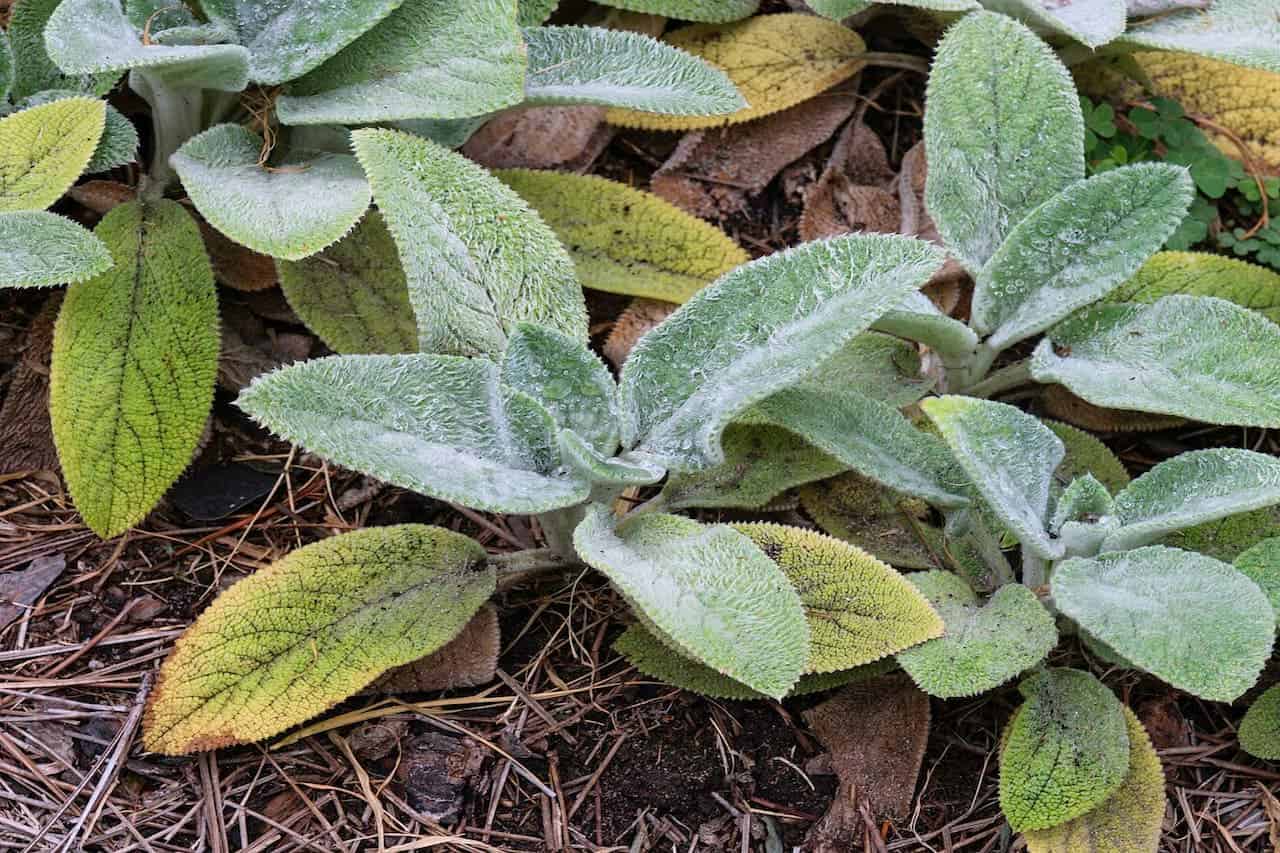
Lamb’s Ear is a soft, gray-green plant that spreads to cover soil quickly. Its thick leaves create a dense mat, which helps block weeds from growing.
You’ll find it especially good for dry, sunny spots. It’s low-maintenance and adds a nice texture to your garden while keeping weeds at bay.
Creeping Mazus
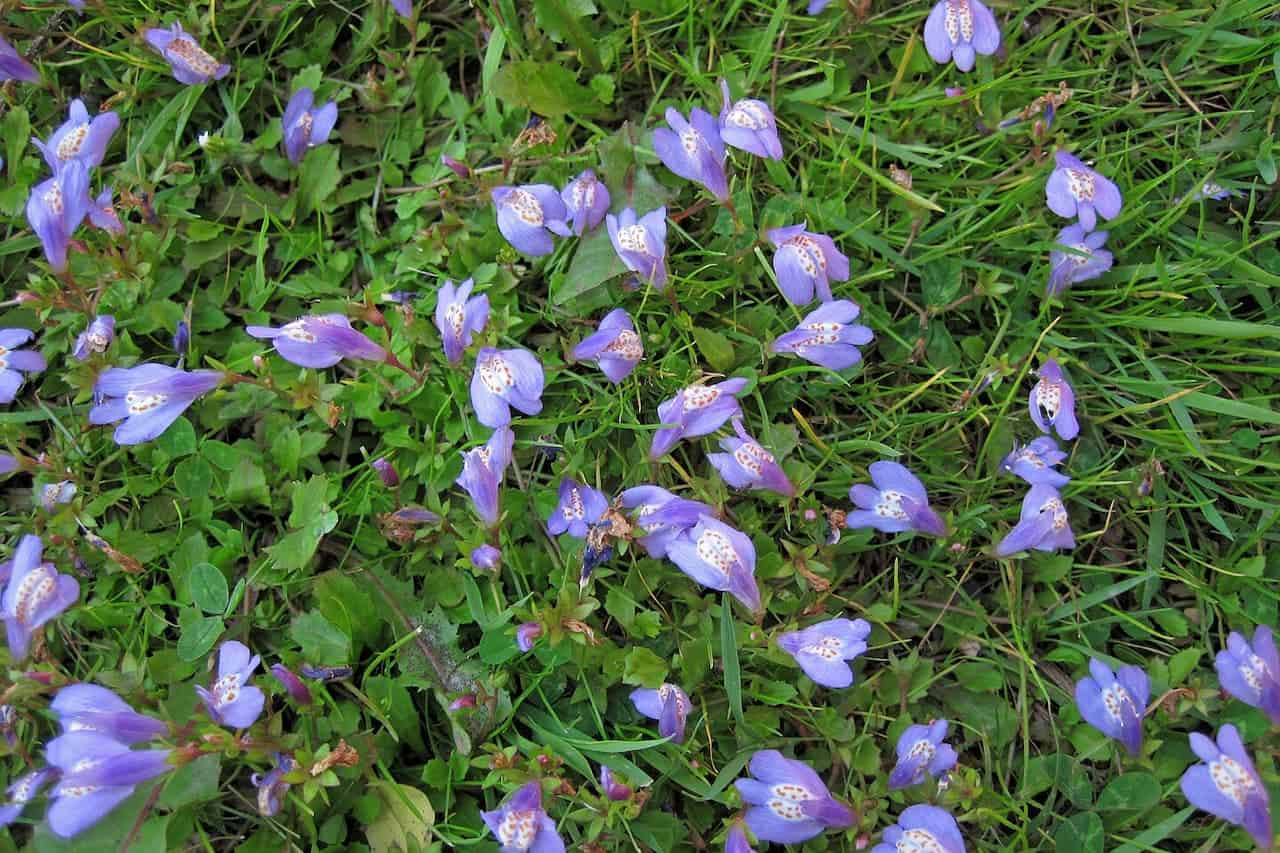
You can use creeping mazus as a ground cover to help keep weeds under control. It grows low and spreads quickly, forming a dense mat that crowds out unwanted plants.
This plant likes moist, fertile soil and does well in full sun but adapts to many conditions. In spring and summer, you’ll see small, tubular flowers adding color while it works.
Creeping Thyme
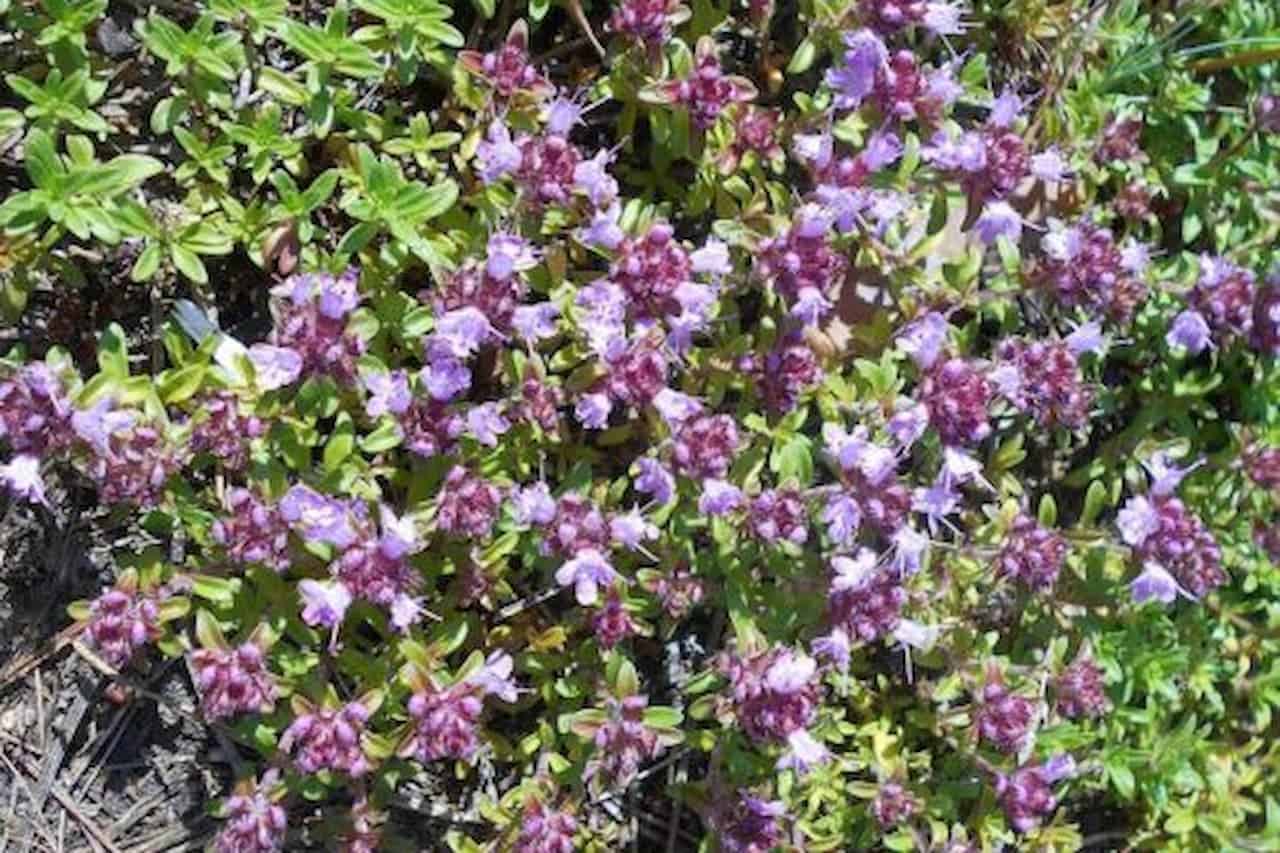
Creeping thyme is a great option to help reduce weeds naturally. It spreads low and forms a dense mat, making it hard for weeds to take hold.
You can enjoy its small flowers and pleasant fragrance while it covers bare spots. Just keep in mind, some weed seeds might still pop up, so occasional weeding may be needed.
Creeping Phlox
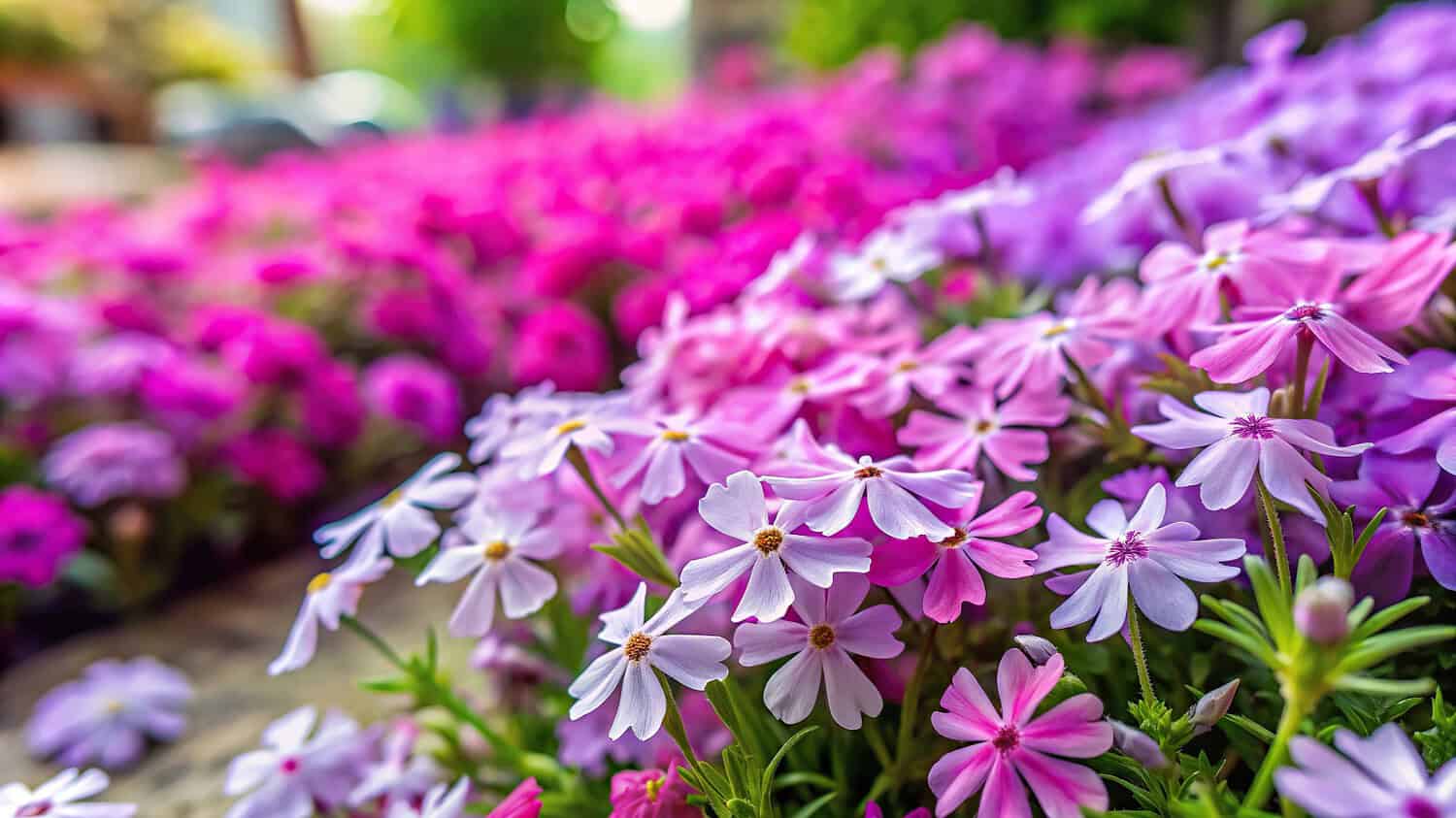
If your garden gets plenty of sun, creeping phlox can be a lovely choice for ground cover. While it won’t fully stop weeds, it helps reduce soil erosion and adds color with its vibrant flowers.
You might still need to pull out weeds carefully to keep the area tidy. With proper care, creeping phlox can fill in gaps and support a healthier garden space over time.
Crimson Clover
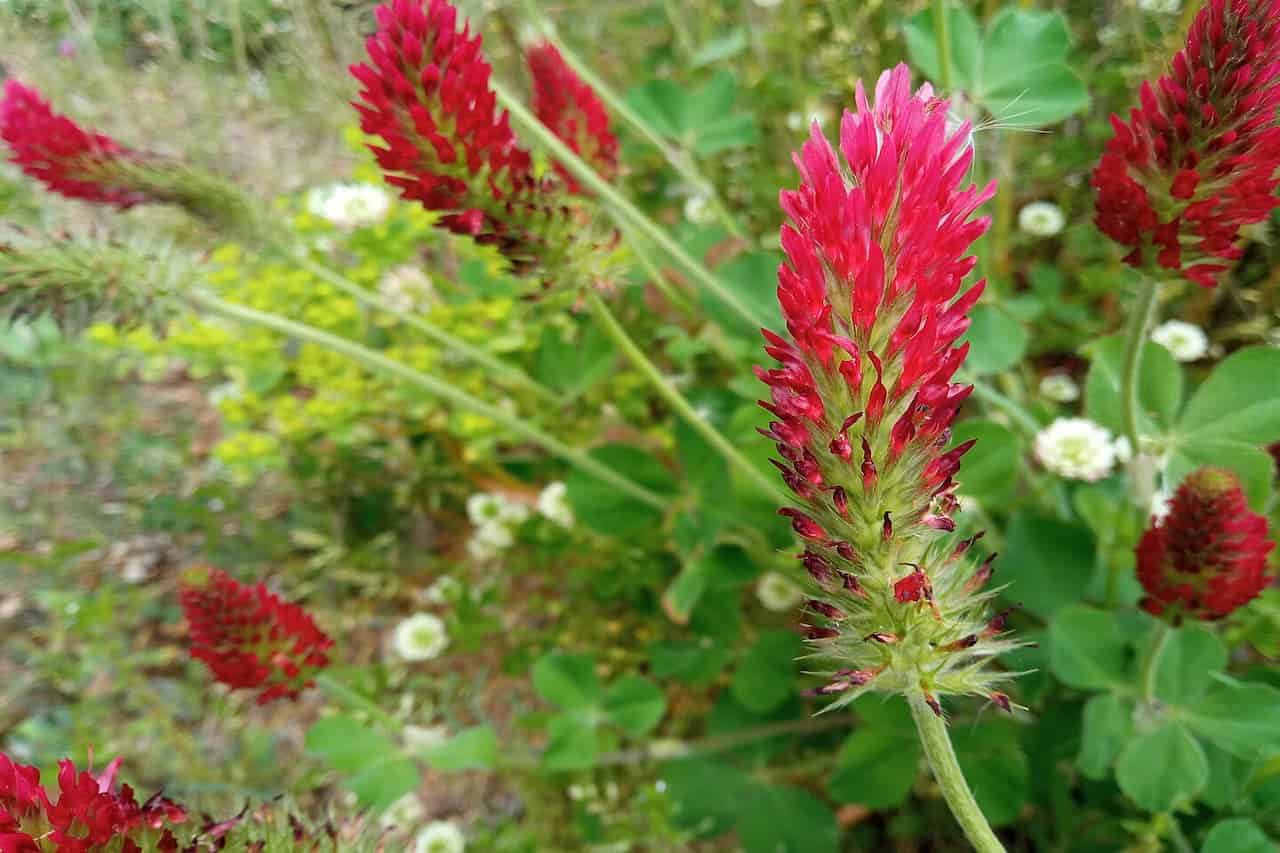
You can use crimson clover to naturally reduce weeds in your garden. It grows quickly and fills empty spaces where weeds might sprout.
While crimson clover doesn’t stop all weeds, it can lessen their growth by covering the soil. Plus, it improves your soil’s health, making it a helpful addition to your garden routine.
Bugleweed
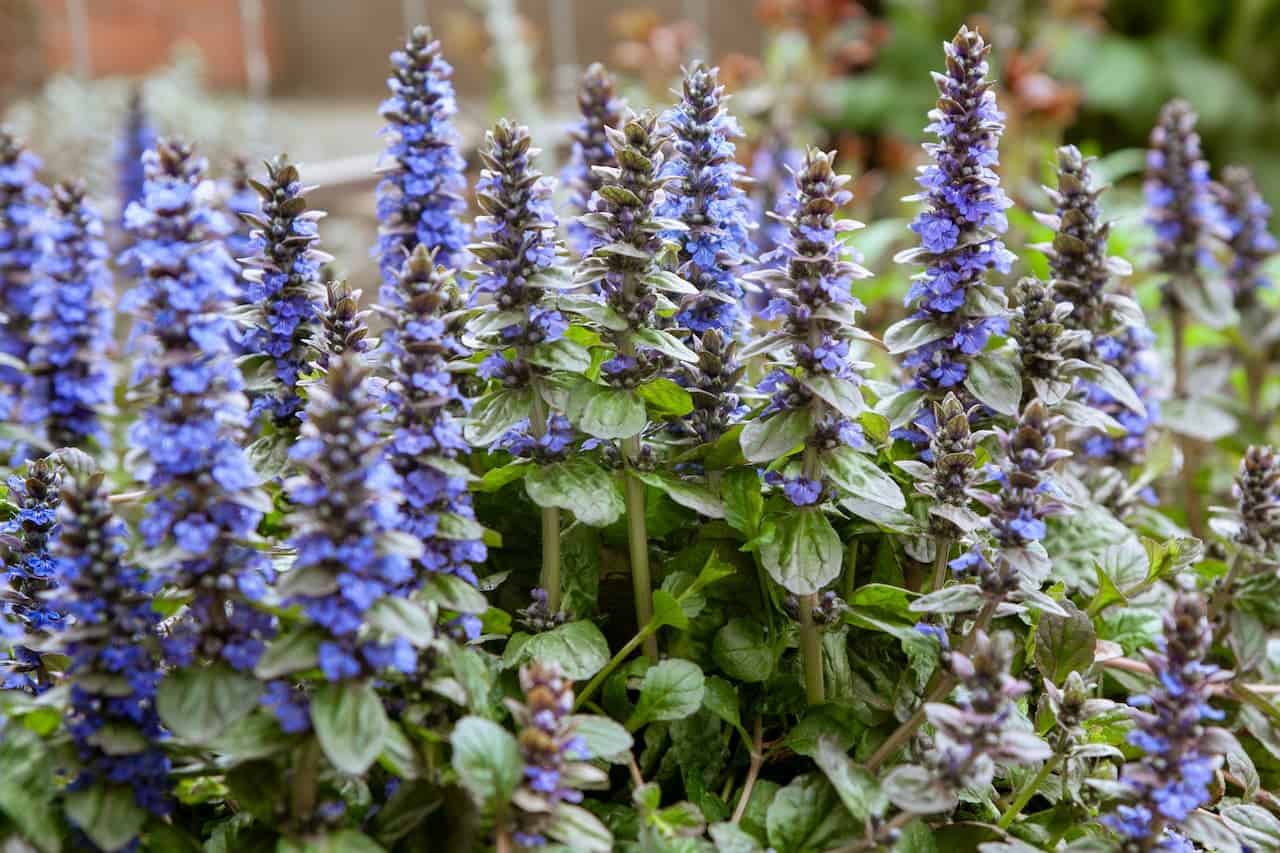
Bugleweed is a great low-maintenance ground cover for your garden. It forms a dense mat that blocks weeds from growing through.
You’ll find it works well in shaded areas and attracts pollinators too. Just mow it down if it starts to spread beyond where you want it.
Yarrow

You can use yarrow in your garden to naturally reduce weeds. Its strong scent helps repel unwanted plants and pests without needing harsh chemicals.
Yarrow also attracts helpful insects and pollinators, which support your garden’s health. It grows quickly, so it can fill in spaces where weeds might take hold.
Sweet Woodruff
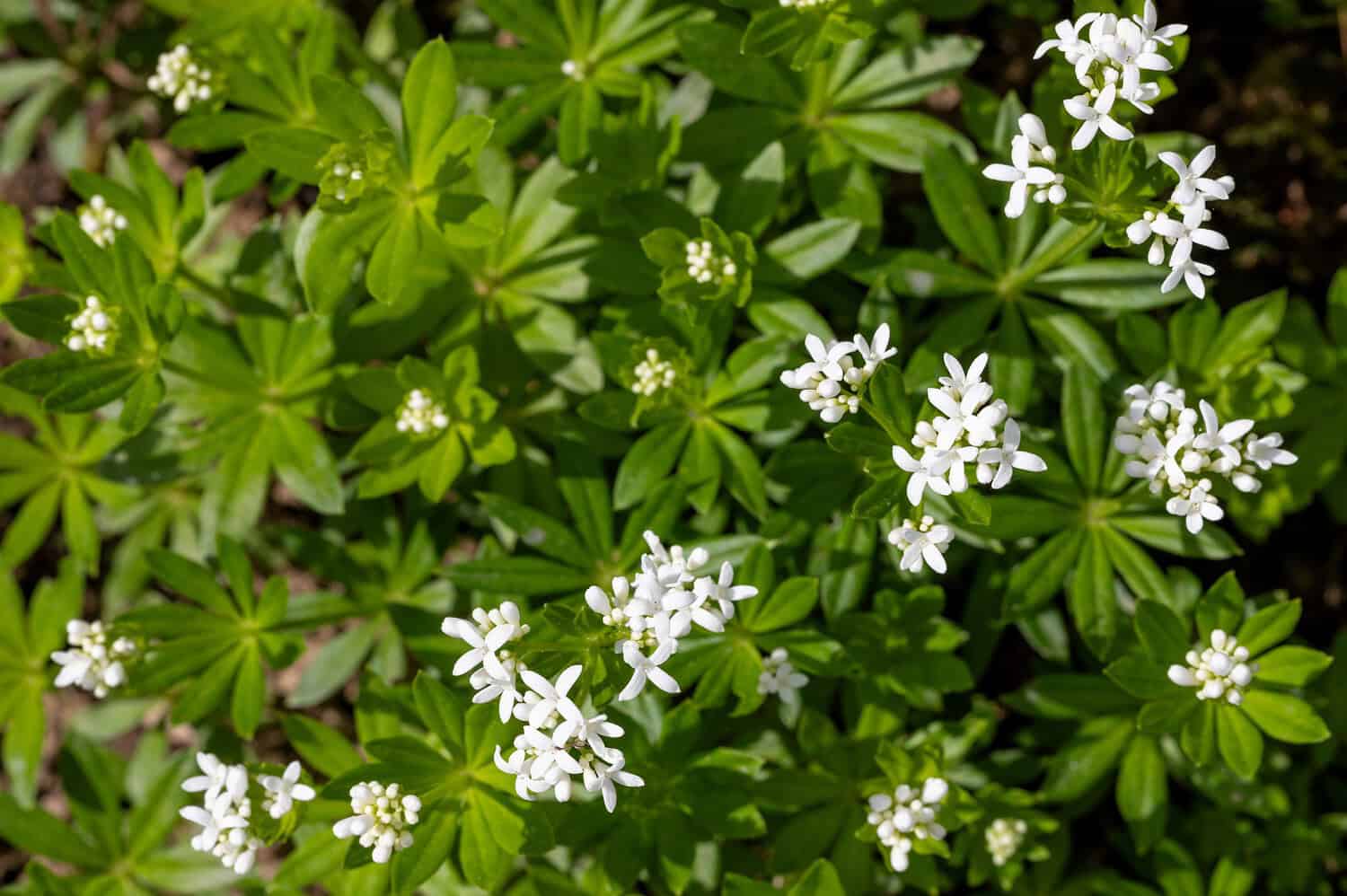
Sweet Woodruff is a great ground cover that helps keep weeds at bay. It prefers part to full shade and moist soil, making it perfect for shady spots in your garden.
You can expect it to spread slowly around its original spot, but it’s easy to control if needed. Just be sure to move mulch away as it grows to help it thrive.
Clover

You can use clover as a natural way to reduce weeds in your garden. It grows low and spreads quickly, crowding out many common weeds.
Clover also improves your soil by fixing nitrogen, which helps nearby plants grow stronger. It is resistant to mowing, so it stays healthy even with regular lawn care.
Chamomile

You can use chamomile as a natural way to control weeds in your garden. It grows well in cooler seasons and can handle some drought.
Chamomile spreads quickly, outcompeting many unwanted plants. Its presence helps reduce the need for chemical herbicides.
Adding chamomile to your garden can create a healthier environment for your other plants while managing weeds naturally.
Vinca Minor (Periwinkle)
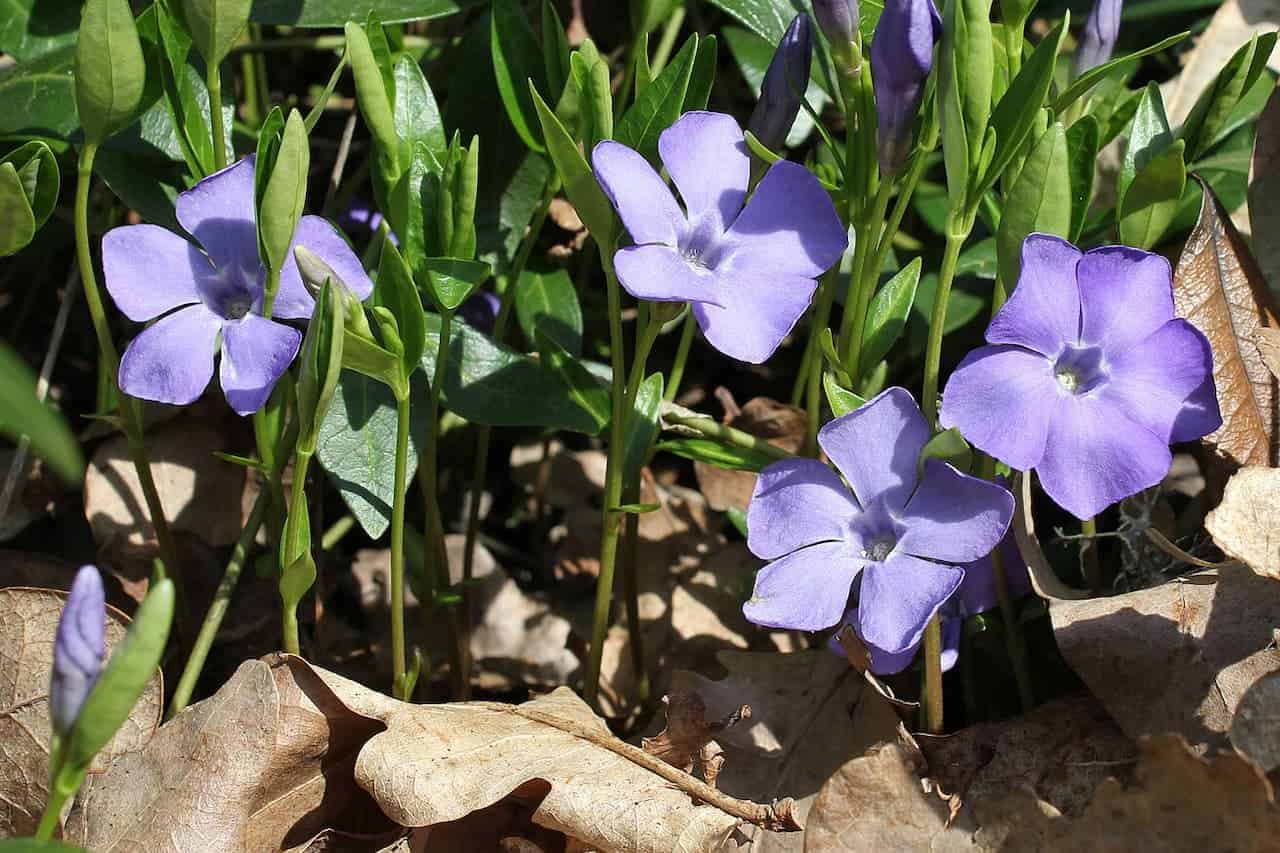
You can use Vinca Minor as a natural ground cover to help suppress weeds. Its dense growth shades the soil, making it harder for unwanted plants to grow.
Vinca Minor is low-maintenance but benefits from regular fertilizing to stay healthy and vibrant. It’s a good choice if you want green coverage without chemicals.