As much as we love to bring beauty and color into our gardens, some plants can unknowingly attract wildlife that could pose a threat to your family, pets, or other creatures in your yard.
While many animals are harmless, some species can be dangerous or cause damage to your plants and property. If you’re looking to create a peaceful and safe garden, it’s important to be aware of which plants might attract dangerous wildlife.
Advertisement
Here’s a list of 11 plants that might draw in some uninvited (and potentially dangerous) guests.
1. Milkweed
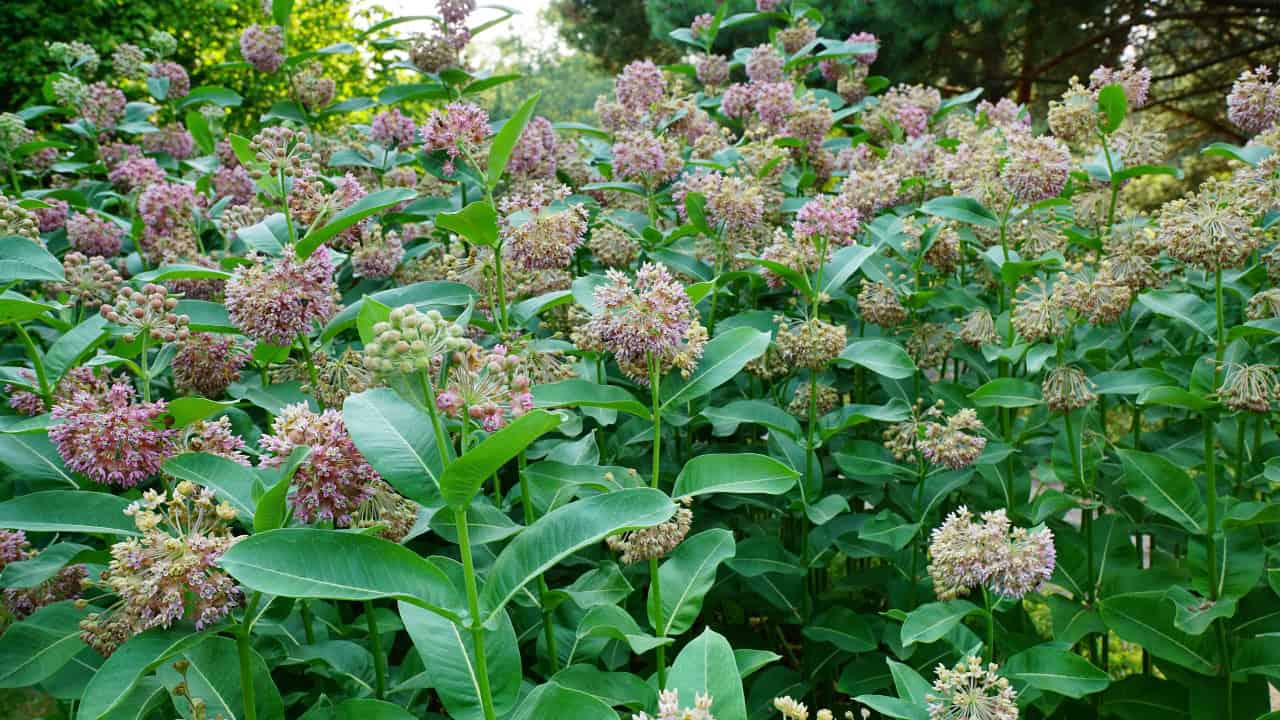
Milkweed is a popular plant for attracting pollinators like butterflies, especially the monarch butterfly. However, the plant also attracts some more dangerous creatures, like wasps and hornets, which can become aggressive if they feel threatened. These insects are often drawn to the plant’s nectar and may cause painful stings if disturbed.
To keep your garden safe, consider planting Milkweed in an area that’s away from high-traffic zones, and be cautious when handling the plant, especially during blooming season.
2. Tomato
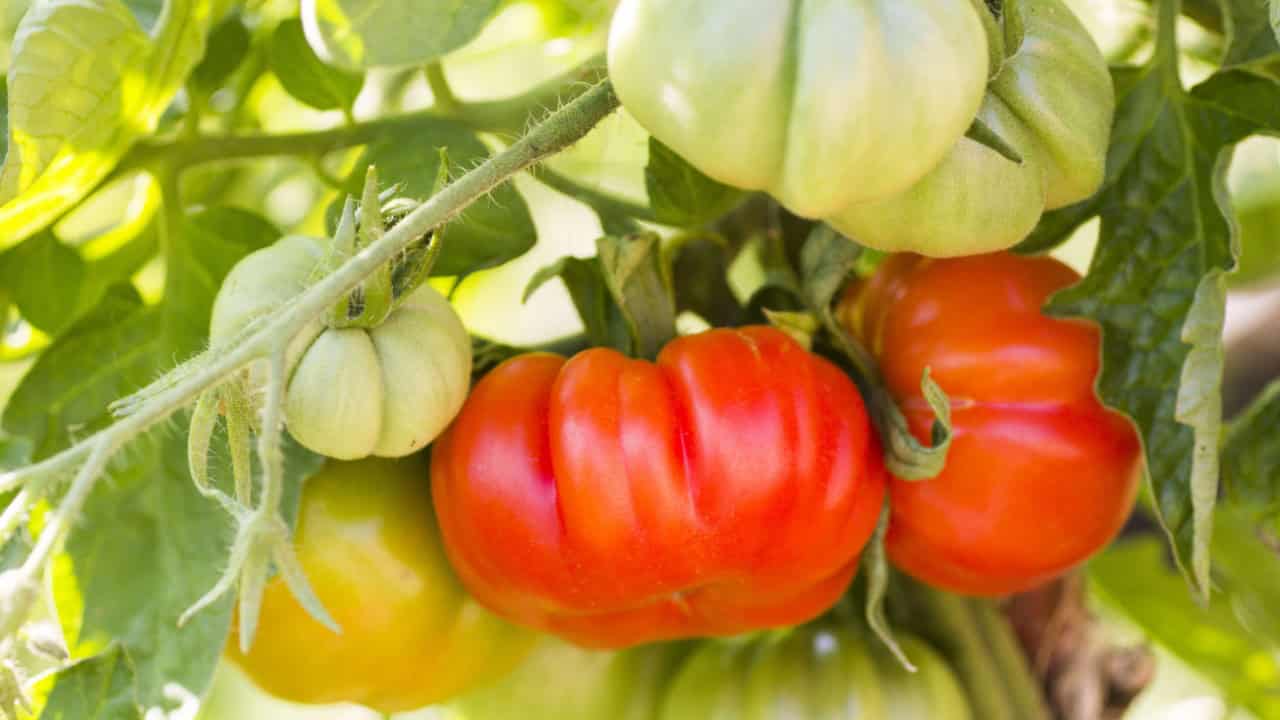
While tomatoes are a staple in most home gardens, their fragrant leaves and ripe fruits can draw in some unwanted visitors—namely, rats and other rodents. Rodents are drawn to the smell of ripe tomatoes and can wreak havoc on your garden by chewing on plants, stealing fruit, and even spreading disease.
If you’re growing tomatoes, make sure to keep your garden tidy, remove fallen fruit regularly, and consider using humane traps or deterrents to keep rodents at bay.
3. Blackberries

Blackberries are a beloved fruit in many gardens, but their dense, thorny bushes can attract creatures like bears and other large mammals looking for an easy meal. While most animals are just interested in the fruit, they can be dangerous if startled or feel threatened, especially if they have young nearby.
If you live in an area with wildlife like bears, it’s best to plant your blackberry bushes in an enclosed area or under netting to keep animals out. Always be cautious when picking fruit from thorny bushes that may be hiding a surprise visitor.
4. Honeysuckle

Honeysuckle is a fragrant, beautiful plant that attracts hummingbirds and pollinators, but it can also draw in other more dangerous animals, such as snakes. Snakes, particularly those seeking shelter or hunting for food, might take refuge in the dense vines or undergrowth surrounding the plant.
If you love honeysuckle but want to avoid snakes, consider planting it in a raised container or avoiding it in areas that are already known for snake activity.
5. Cabbage
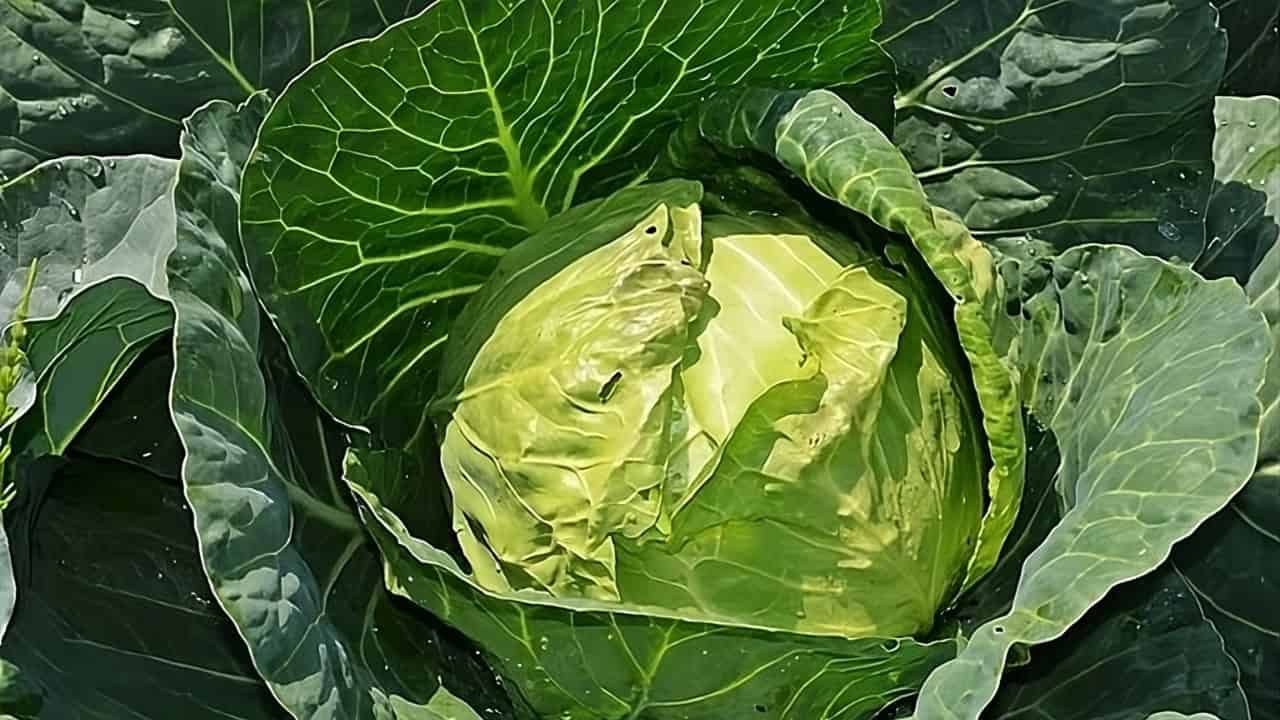
Cabbage is a common garden vegetable, but it can attract a variety of pests, including raccoons and even deer. While they’re not necessarily dangerous on their own, these animals can cause a lot of damage to your crops. Raccoons, in particular, can be aggressive if cornered or protecting their young, making them a potential threat in your garden.
To keep these animals away, fence off your cabbage patch or use natural deterrents like garlic or chili pepper sprays to discourage animals from nibbling on your plants.
6. Pumpkins
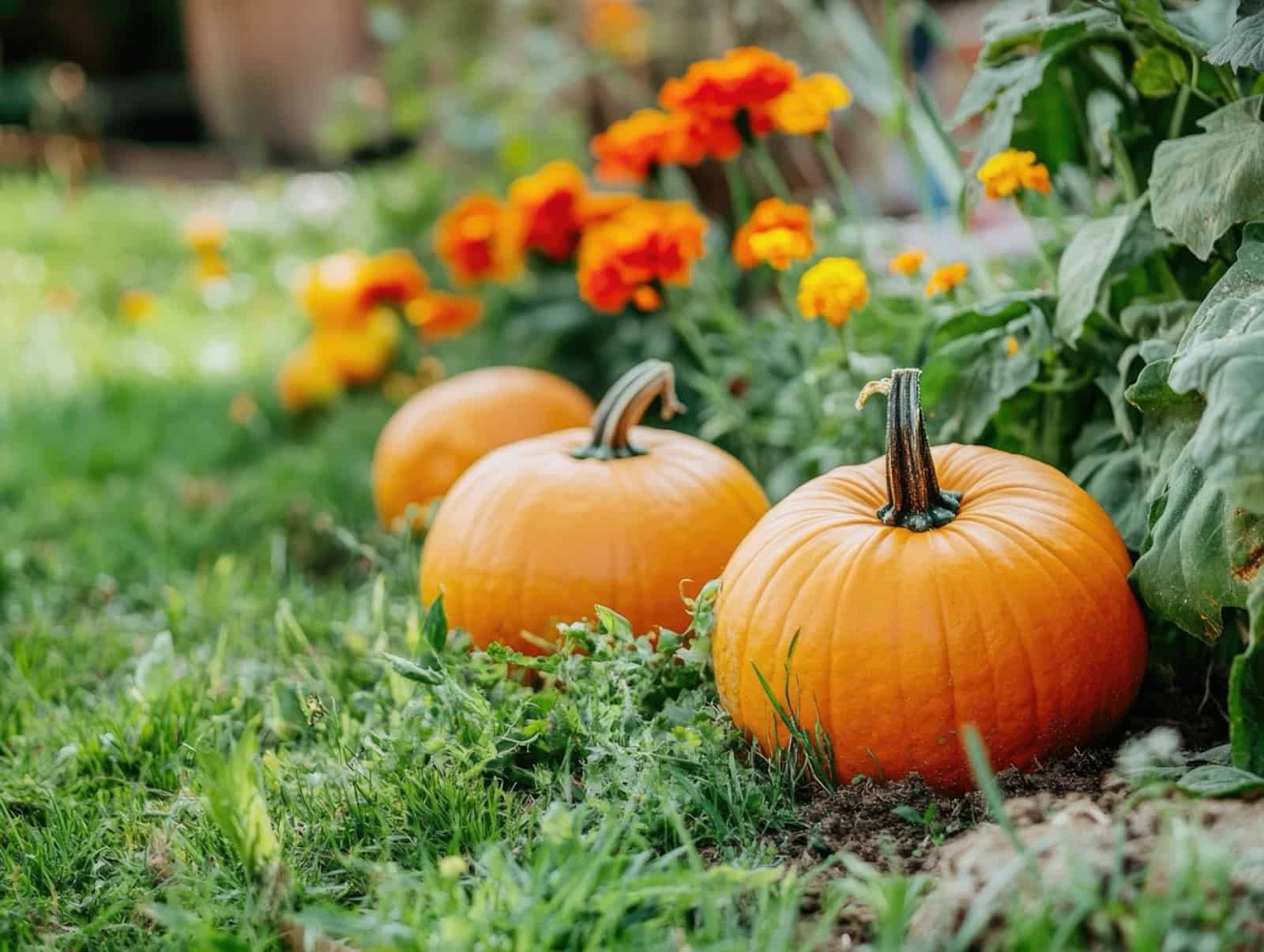
Pumpkin vines are a favorite among deer, squirrels, and other rodents, all of which can cause significant damage to your garden. Deer, in particular, are drawn to the soft leaves and tender vines, and they can easily trample and destroy a pumpkin patch in a short amount of time.
If you’re growing pumpkins, consider using fencing or planting them in an area that’s harder for deer to access. You can also use motion-activated deterrents or sound machines to keep these animals away.
7. Peppers

While peppers are generally harmless to most animals, they can attract dangerous pests like aphids, which, in large numbers, can stress the plant and make it vulnerable to other insects. These pests can also draw in larger animals, such as rodents, which are attracted to the sweet-smelling peppers.
To protect your pepper plants, keep a close eye on them for aphid infestations, and consider using natural pest control methods like neem oil to prevent attracting larger wildlife.
8. Cherry Trees

Cherry trees are wonderful for producing delicious fruit, but they also attract animals like squirrels, birds, and even bears. While the smaller animals are often harmless, larger wildlife like bears can be a real threat, especially if they’re trying to access your ripe cherries.
To prevent bears and other large animals from visiting your cherry tree, use fencing or protective netting around the tree. Be cautious when harvesting the fruit, especially if you live in a bear-populated area.
9. Sunflowers

Sunflowers are popular for their towering height and beautiful blooms, but they also attract various types of birds and even rodents, like squirrels, who may come to feast on the seeds. While birds are generally harmless, they can create a mess with their droppings, and rodents may chew on the stalks and stems, causing damage.
To keep your sunflowers safe, consider planting them in an area where rodents are less likely to find them, or use bird deterrents like reflective tape or scarecrow-like figures.
10. Apple Trees
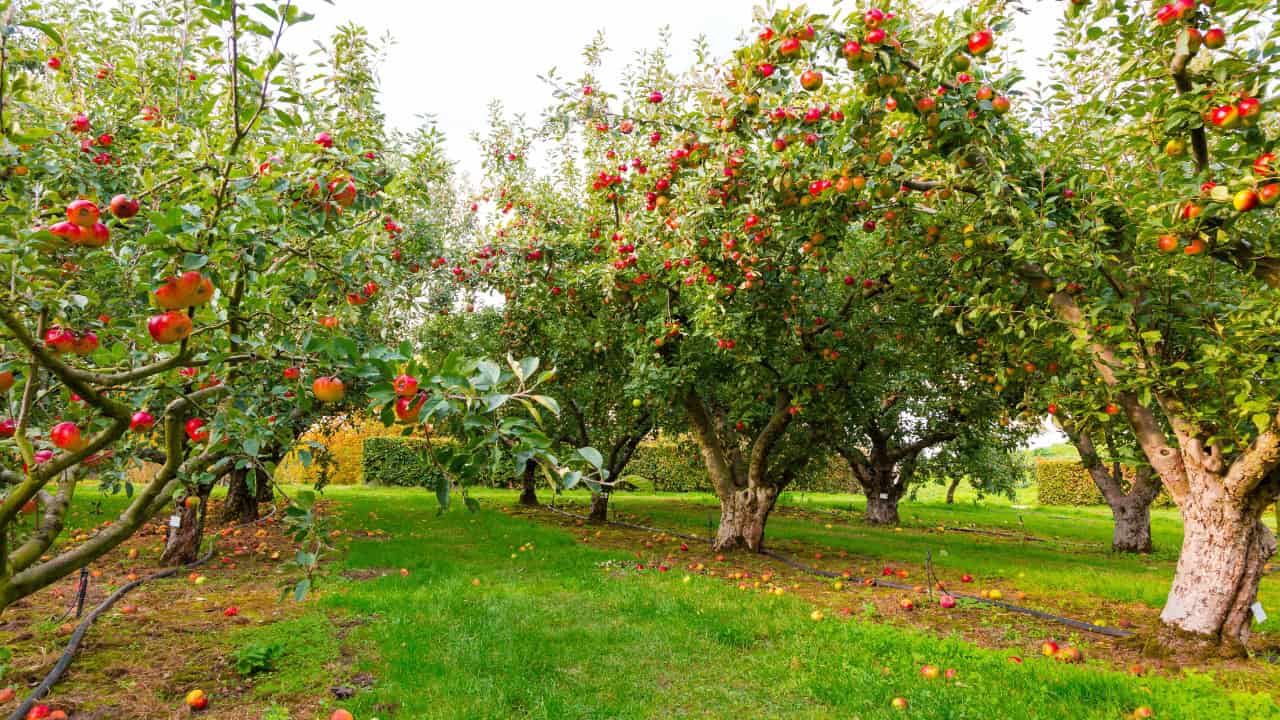
Apple trees are another common fruit-bearing plant that attracts wildlife, particularly deer, raccoons, and squirrels. While these animals are often after the fruit, they can also damage the tree’s bark and branches. In some cases, deer can even trample smaller apple trees, stunting their growth.
If you have apple trees, it’s a good idea to install fencing around them or use natural deterrents like human hair or garlic to keep deer and other creatures away.
11. Azaleas

Azaleas may add stunning color to your garden, but they can also attract unwanted visitors, like rabbits, which are drawn to the plant’s tender foliage. While rabbits aren’t typically dangerous, they can quickly eat away at your plants, leaving them severely damaged.
To keep rabbits at bay, consider placing your azaleas in areas that are harder for them to access or use rabbit repellent sprays to discourage them from feasting on your plants.
*This article was created with the assistance of AI.