Keeping houseplants with pets can feel like a gamble. One minute, everything’s fine, and the next, your cat is chewing on a leaf that may or may not send you into a full-blown Google panic. I’ve been there—staring at a half-eaten plant, wondering if I need to call the vet. Some plants are harmless, but plenty of common ones can make pets sick, which is why it’s easier to just stick with safe options from the start.
The good news? There are plenty of pet-friendly plants that won’t cause a meltdown if your dog sniffs them or your cat decides to take a bite. Whether you want something low-maintenance, colorful, or just tough enough to survive in your home, these plants are completely safe for cats and dogs—no stress, no second-guessing.
Advertisement
Mosaic Plant
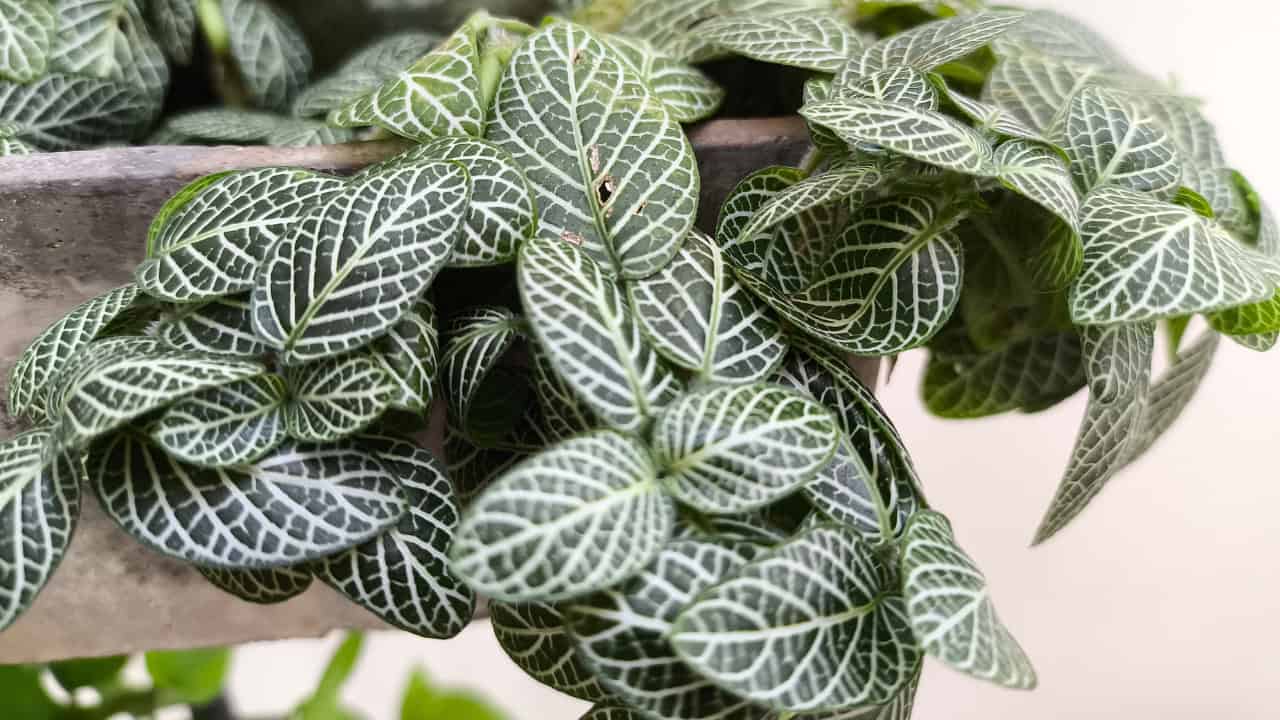
The mosaic plant is one of those little plants that just looks cool. Its leaves have white or pink veins running through them, making it stand out from the usual greenery. And despite the name “nerve plant,” it’s completely safe for pets, so no worries if your cat decides to investigate.
This one loves humidity—like, really loves it. If you have a bathroom with a window, that’s the perfect spot. It also needs consistently moist soil, so don’t let it dry out. If you do, it’ll let you know real quick by drooping dramatically. Give it some water, and it’ll perk back up in no time.
Friendship Plant
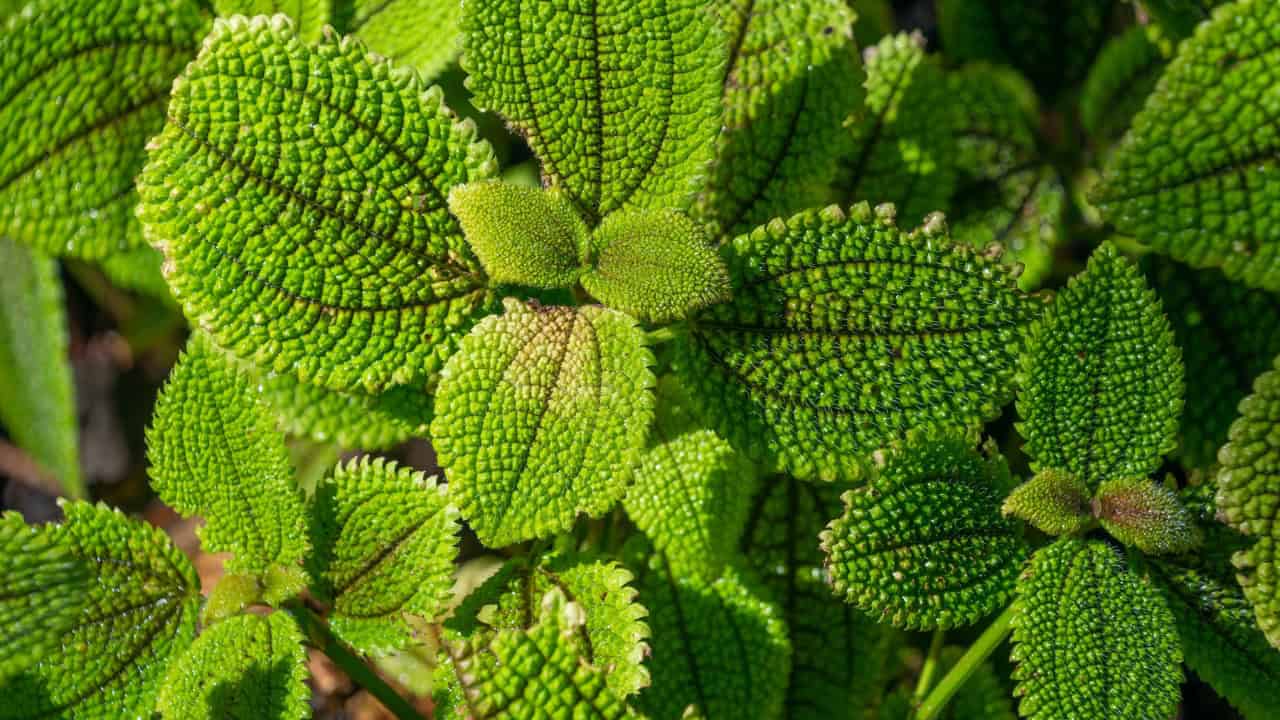
Friendship plants are a great pick if you want something small, pet-safe, and easy to care for. Their soft, textured leaves make them look interesting without being fussy, and they grow in a nice trailing pattern—perfect for hanging baskets or shelf displays.
They like consistent moisture and higher humidity, so they’ll be happiest in a warm, humid spot (again, bathrooms work great). They also do well in terrariums, which means your pets are less likely to mess with them. Keep the soil damp but not soggy, and they’ll keep growing without much trouble.
Orchid

Orchids might seem like the kind of plant you’d constantly stress over, but they’re actually pretty chill. They bloom for weeks, don’t need a ton of light, and—best of all—they’re 100% safe for pets. If your cat likes to rub up against plants or your dog is known for sniffing everything, you won’t have to worry.
The trick is not overwatering. Let the roots dry out before watering again, and keep them in well-draining soil (orchid bark is the best option). They actually prefer being root-bound, so you won’t need to repot them much. If you want something elegant but low-maintenance, orchids are a great way to go.
Gloxinia
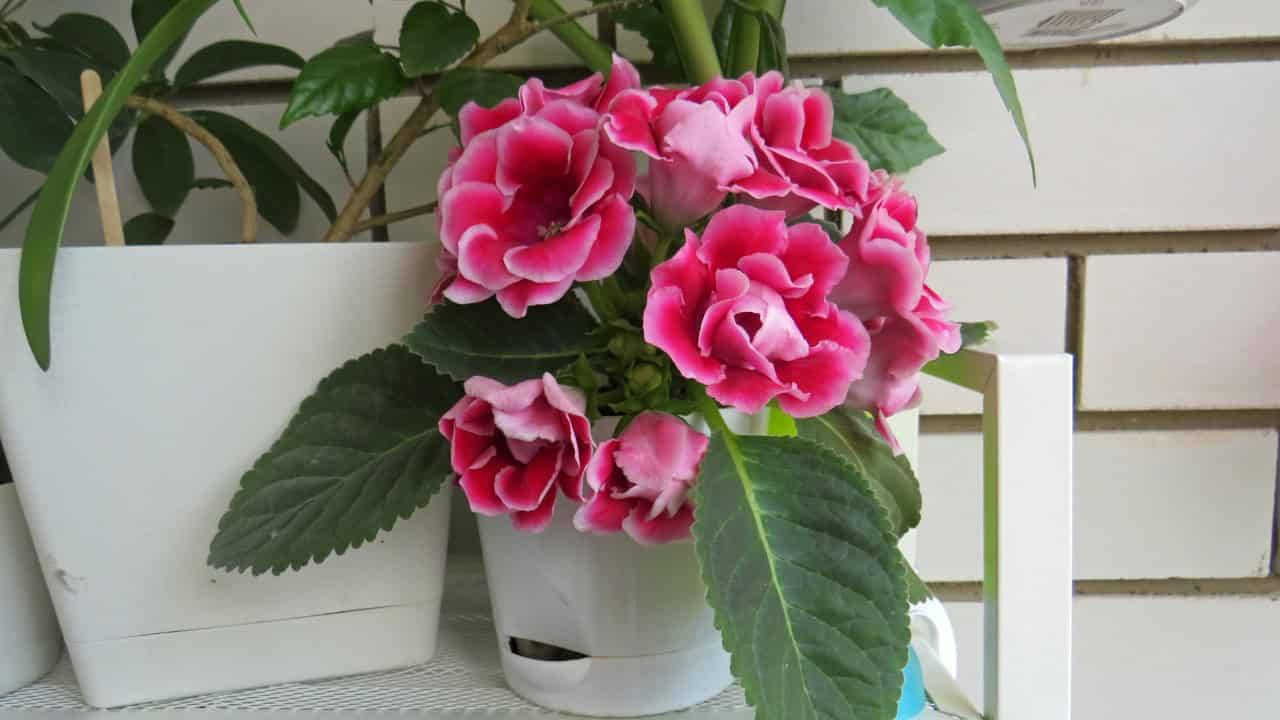
If you love the look of bright, showy flowers but need something that won’t harm your pets, gloxinia is a solid choice. It stays small, maxing out around ten inches, and has soft, ruffled leaves with blooms in just about every shade—red, pink, purple, white, and even blue. Since it thrives in low light, you don’t have to worry about finding a sunny windowsill.
Keep the soil moist during the growing season, and water from the bottom so the leaves don’t get spotty. After a while, the flowers and leaves will drop, and it’ll enter a dormant phase. Don’t toss it—just let it rest, and it’ll come back when it’s ready.
Spider Plant

If you want a plant that can handle some neglect, spider plants are the way to go. They’re easy to grow, tolerate different light conditions, and won’t make your pets sick if they decide to chew on the long, trailing leaves. Plus, they look great in hanging baskets or on high shelves where their little plantlets dangle down.
They like partial shade—too much sun can burn them, and full shade can slow their growth. Keep the soil moist but not soggy, and they’ll thrive with minimal effort. Over time, they’ll send out baby plants you can snip off and replant, so you’ll have even more greenery without spending a dime.
Haworthia
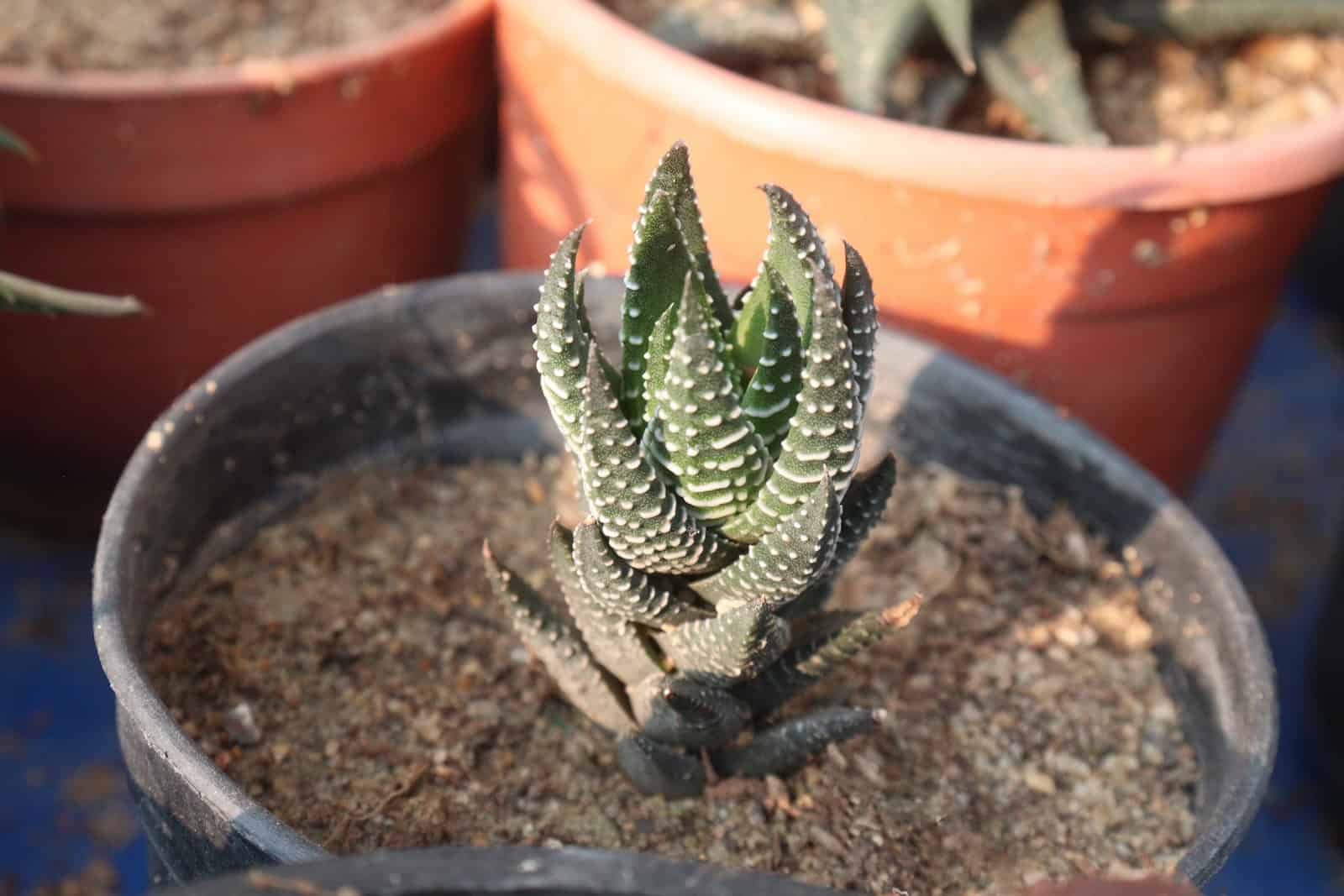
Succulents are tricky with pets since a lot of them are toxic, but haworthia is a safe bet. It looks like aloe with its thick, spiky leaves, but unlike aloe, it won’t harm your cats or dogs. It stays small, usually under five inches, and grows slowly, so you won’t have to repot it constantly.
Haworthia does best in bright light but can tolerate lower light if needed. Water when the top inch of soil is dry, and cut back in the winter when it’s not growing as much. If the leaves start looking dull or pale, that’s a sign it needs more light. Otherwise, it’s one of the easiest pet-safe succulents to keep alive.
Polka Dot Plant

If you’re looking for a plant that’s all about the leaves, polka dot plants are a fun pick. Their speckled foliage comes in pink, white, red, and green, making them stand out from the usual sea of houseplant greens. They’re safe for pets, though if a cat or dog eats a ton of it, they might end up with a mild stomach ache.
These plants like partial sunlight and do best when the top half-inch of soil dries out before the next watering. Keep them moist but not soggy, and they’ll stay happy. If they start looking leggy, give them a trim to encourage bushier growth.
Chinese Money Plant
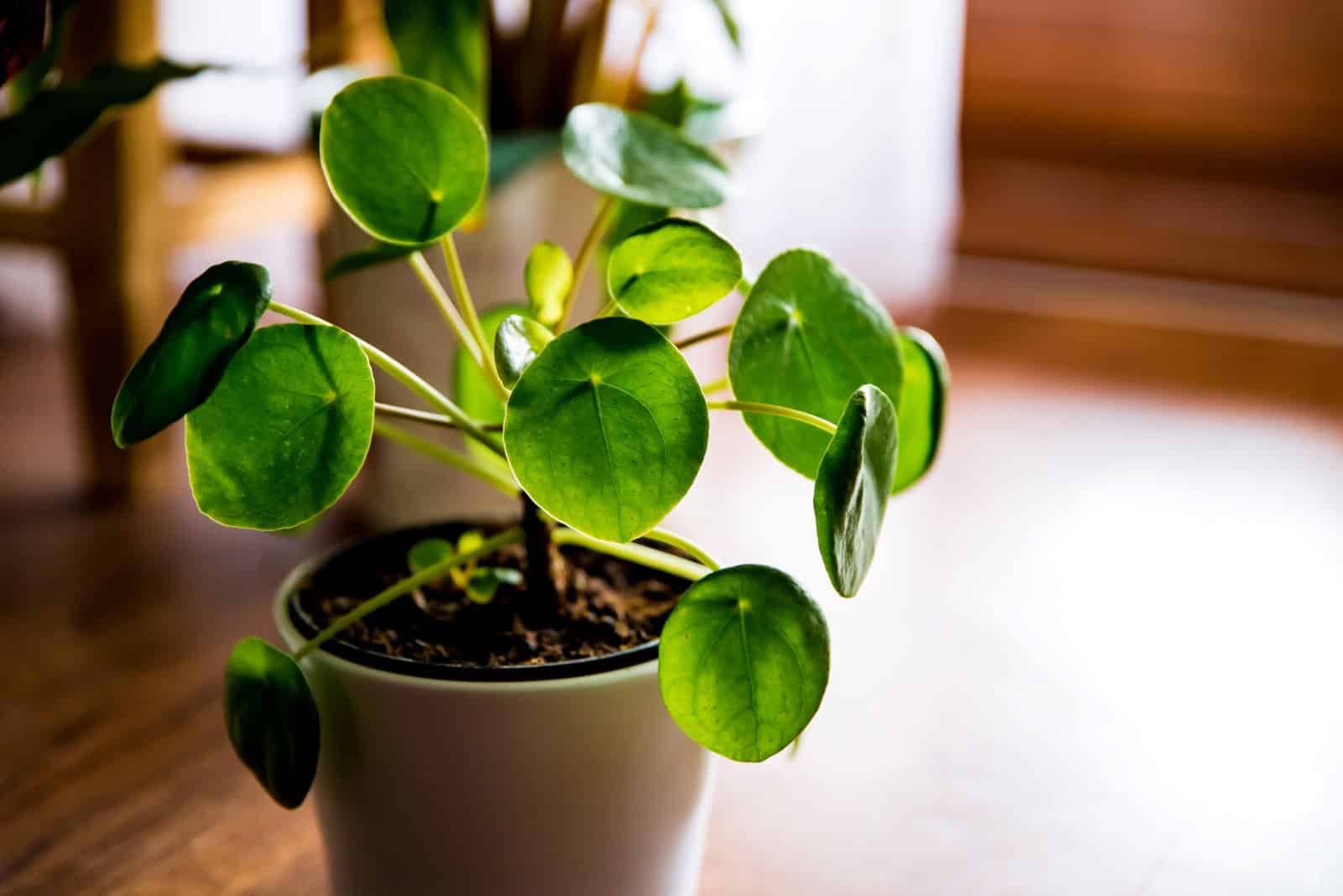
This one’s a no-brainer if you want something cute and easy. Chinese money plants have those fun, round leaves that make them stand out, and the best part? They won’t hurt your pets if they get curious. They like bright, indirect light but won’t throw a fit if you don’t have the perfect sunny spot.
Water it deeply, then let the soil dry out before doing it again. If you forget for a little too long, the leaves will droop like they’re throwing a fit—water it, and it’ll perk right back up. Pretty much the definition of a low-maintenance plant.
African Violet

If you like flowers but don’t want to deal with the hassle (or the risk to your pets), African violets are perfect. They don’t need a ton of sunlight to bloom, so even if your home isn’t super bright, they’ll still do their thing. Plus, they’re safe for cats and dogs, so no worries if someone decides to take a little bite.
The trick is watering them from the bottom—pour water into the saucer and let the roots drink it up. Just don’t let them sit in standing water, or they’ll get all mushy. Keep the soil moist but not soggy, and they’ll keep blooming with minimal effort.
Baby’s Tears
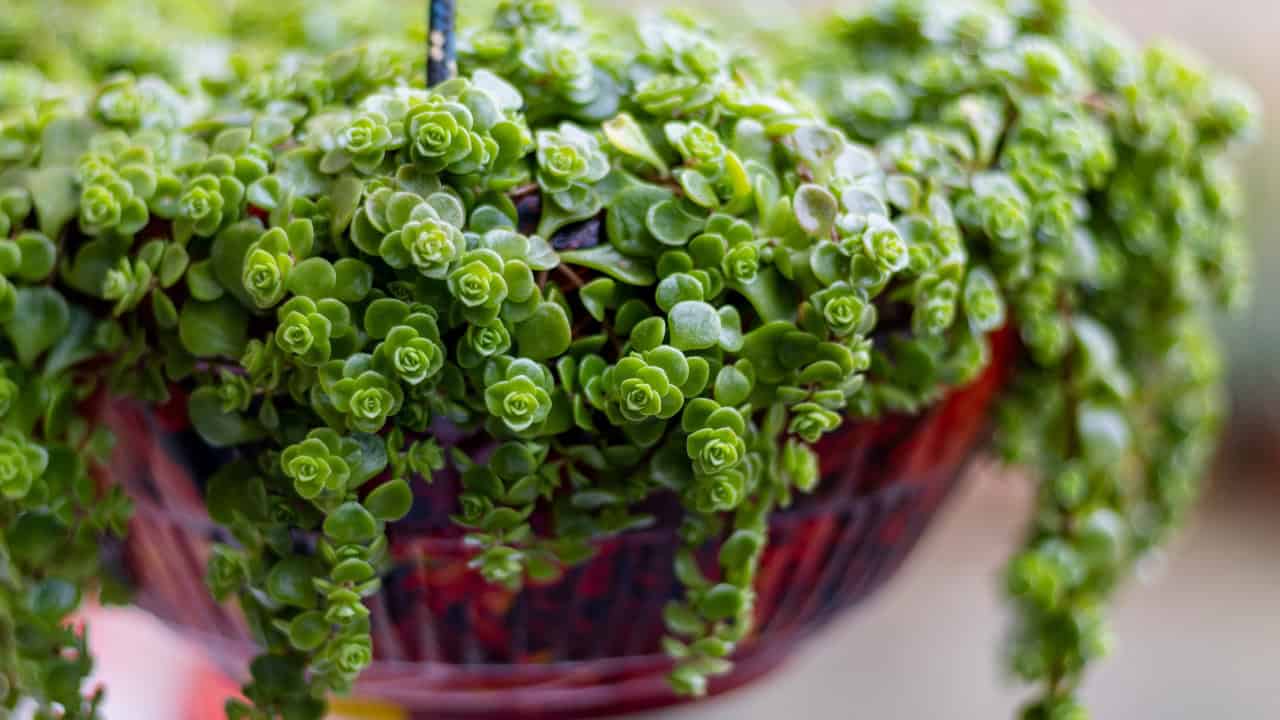
If your pet likes to dig in your houseplants, baby’s tears might help. This little guy grows in a thick mat of tiny leaves, covering the soil like a soft green carpet. It’s totally safe for pets, and while they might swat at the trailing stems, it won’t hurt them if they take a nibble.
It loves moisture, so keep the soil damp (but not swampy). It also does fine in lower light, making it a solid choice for places that don’t get tons of sun. Whether in a hanging basket or at the base of a bigger plant, it adds a nice, soft touch to any space.
Echeveria
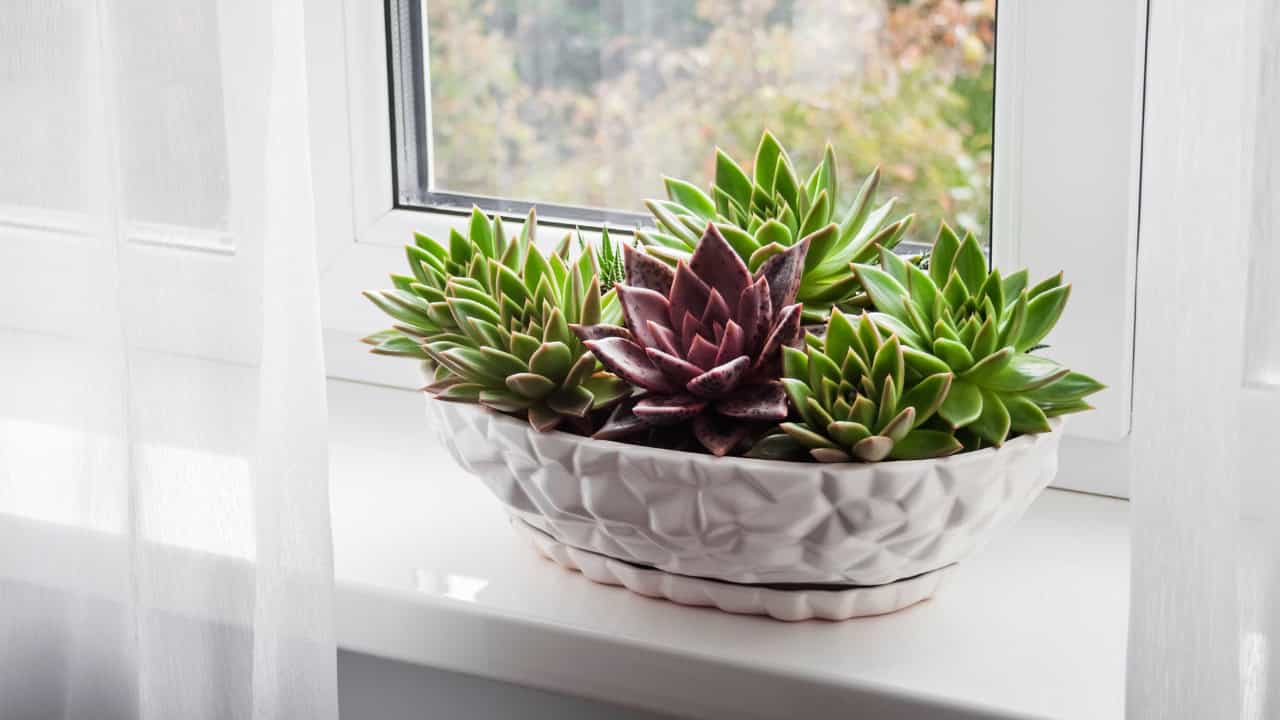
A lot of succulents are toxic, but echeveria isn’t one of them. These little rosette-shaped plants come in all sorts of colors—green, silver, blue, even purple—and they don’t need much from you.
They do best in bright sunlight (at least 4 to 6 hours a day) and only need water when the soil is completely dry. If the leaves start wrinkling, that’s your sign to give it a drink. Just don’t overwater—it’d rather be dry than drowning.
*This article was created with the assistance of AI.