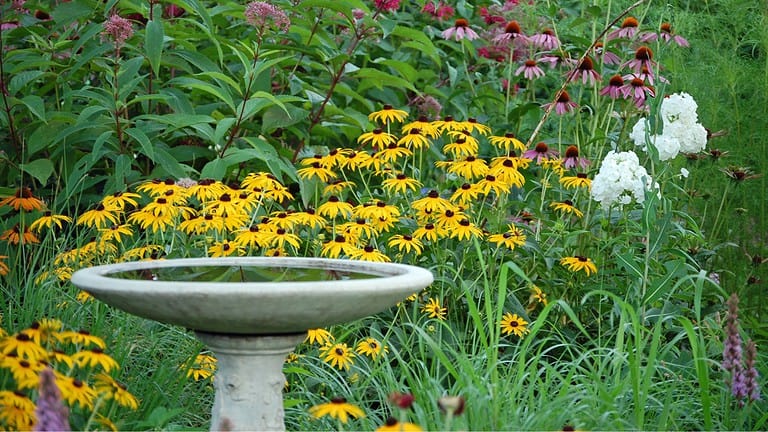
Ants can sneak into your garden in ways you might not expect. They are often attracted by simple opportunities that you might overlook during your routine gardening.
Understanding common mistakes that invite ants can help you protect your garden more effectively. By learning what to avoid, you can keep these pests from becoming a problem and enjoy a healthier outdoor space.
Advertisement
Leaving old mulch in place
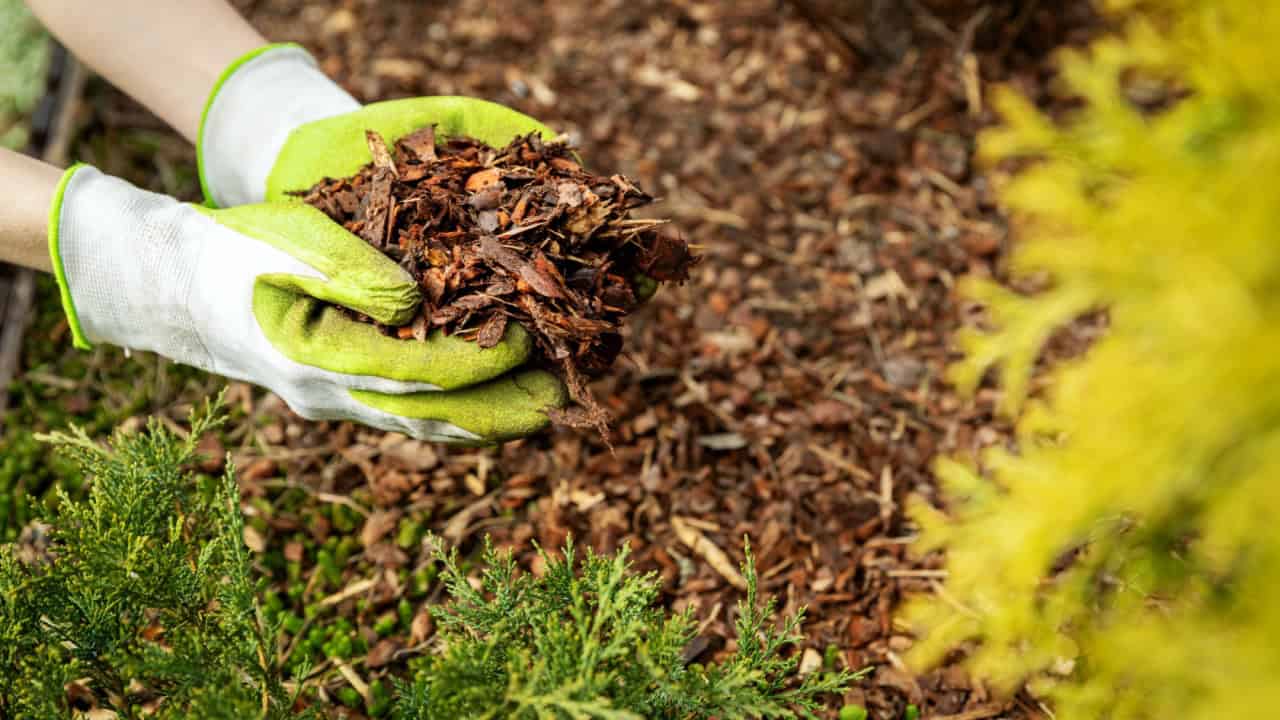
If you leave old mulch in your garden, it can start to break down and create a damp environment. This moisture attracts ants looking for a cozy spot.
You don’t always have to remove all of the old mulch before adding a new layer. But if the mulch is thick or soggy, thinning it out can help reduce ants.
Keeping mulch fresh and well-maintained makes your garden less inviting to ants.
Allowing roses to attract aphids
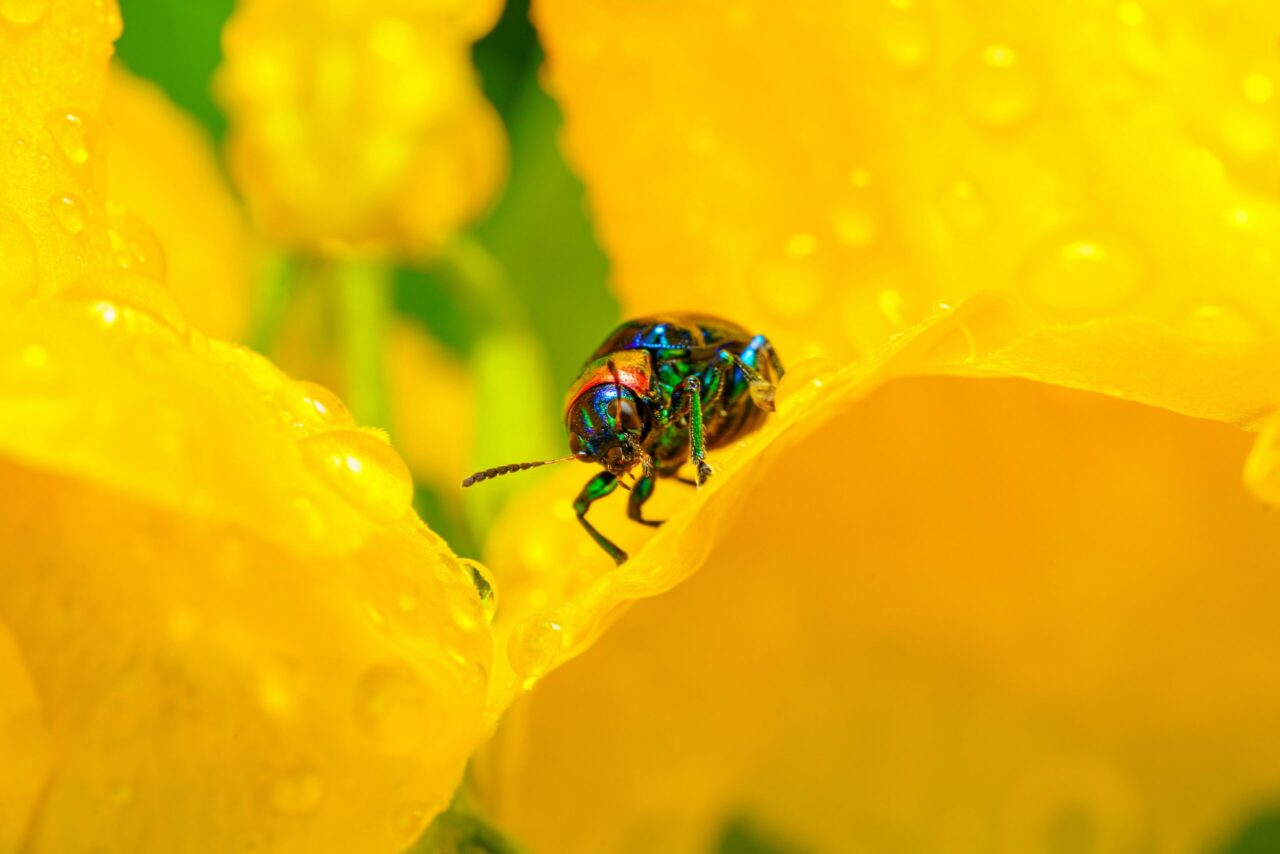
You might love your roses, but they can attract aphids easily. These tiny pests feed on soft new growth and buds, making your plants vulnerable.
When aphids appear, ants often follow because they feed on the honeydew aphids produce. Avoid over-fertilizing your roses, as this encourages tender growth that aphids prefer. Managing aphids quickly helps keep ants away from your garden.
Overwatering plants

If you water your plants too much, the soil stays wet longer, creating a cozy spot for ants and other pests.
Ants are often attracted to moist environments because they support other insects like aphids that produce honeydew, a food source for ants.
Try to water your plants only when the top inch of soil feels dry to avoid making it a pest magnet.
Ignoring natural pest predators
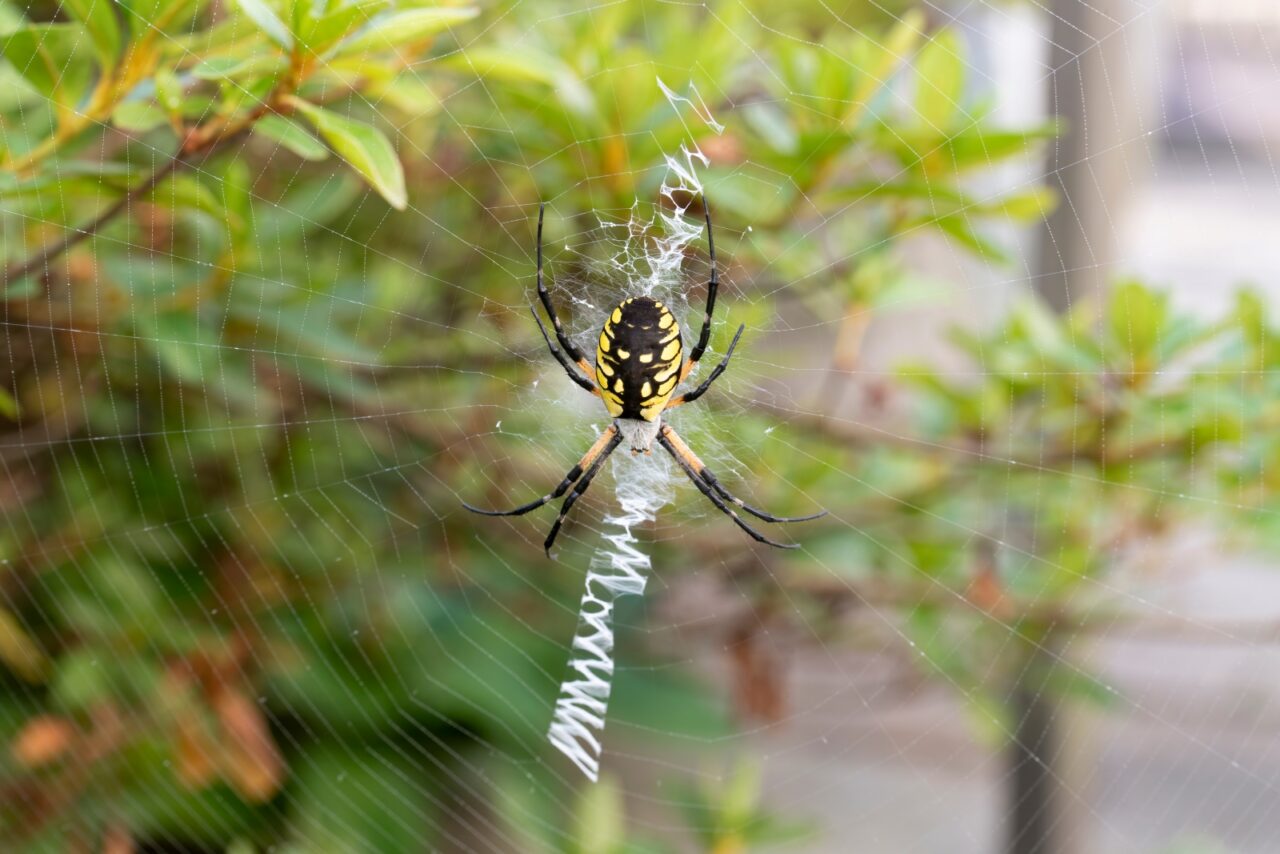
You might not realize it, but beneficial insects help keep ants and other pests in check. Ladybugs, spiders, and certain wasps eat pests that attract ants.
If you use strong pesticides, you could be killing these helpful predators. Instead, encourage them by planting diverse flowers and avoiding harsh chemicals.
Allowing nature to balance itself reduces the chances of an ant invasion in your garden.
Letting branches touch your house

When branches touch your house, ants use them as bridges to get inside. You might not notice how easily they can walk from the tree or shrub right onto your walls.
Keeping branches trimmed away from your house can help prevent ants from entering. It’s a simple step that makes a big difference for keeping your home ant-free.
Leaving stumps near garden areas

If you leave stumps near your garden, you might be inviting ants in. Stumps provide shelter and food sources for carpenter ants and other pests.
Removing stumps can help reduce the chances of an ant infestation. Be cautious, though, as stump removal may require effort and sometimes professional help.
Allowing standing water pools

Standing water creates the perfect environment for ants and other pests. You might not notice small puddles after rain or overwatering, but ants sure do.
Make sure to drain any water that collects near your garden beds or planters. Checking gutters and pipes regularly can also help prevent these water pools from forming.
Using sweet or sticky leftover plants
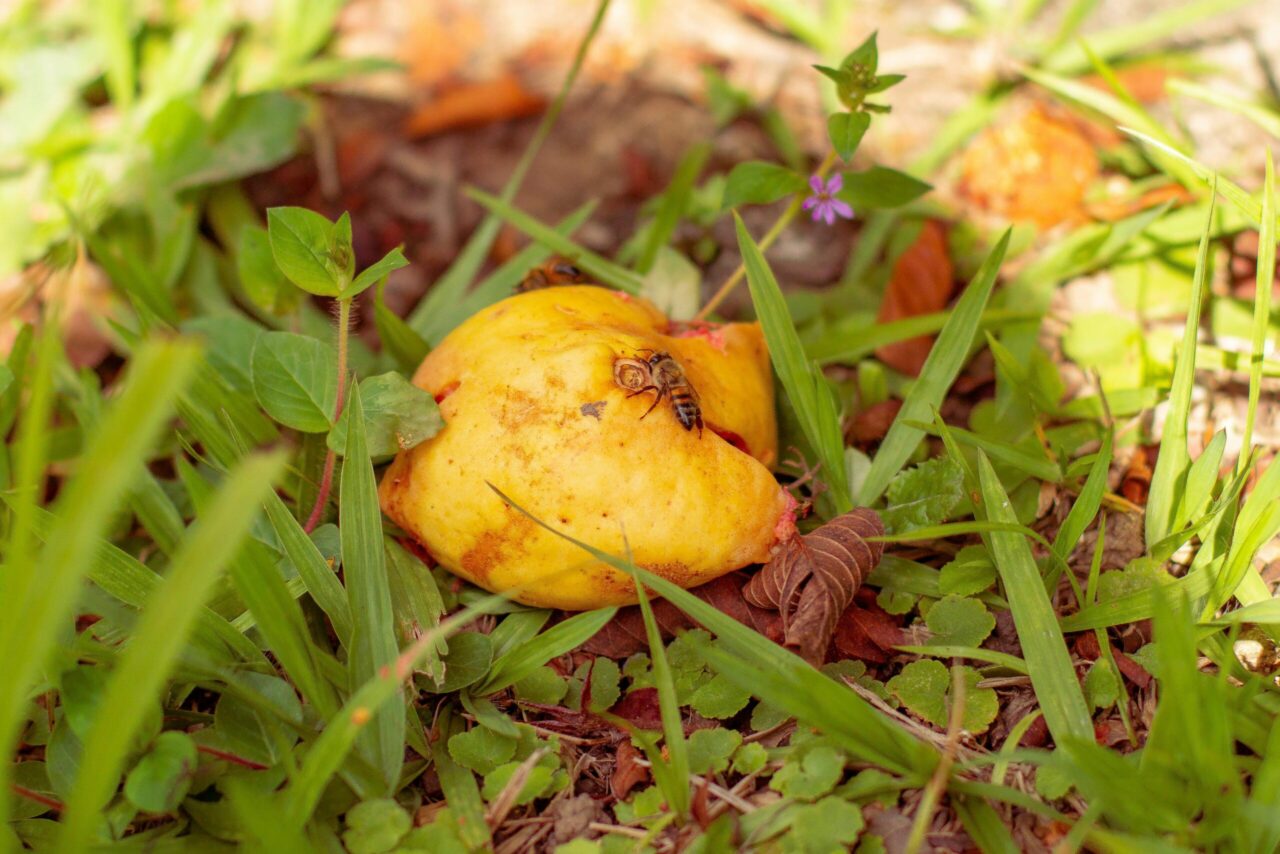
You might not realize it, but leaving sweet or sticky plant debris in your garden can attract ants. These leftovers act like a food source, drawing ants closer to your plants.
Make sure to clean up fallen fruit, nectar, and other sticky residues regularly. This simple step helps reduce ant visits and keeps your garden healthier.
Planting without considering ant preferences

You might unknowingly attract ants by planting too close together. Crowded spaces create warm, moist environments that ants favor.
Certain plants can either attract or repel ants. Choosing plants that ants dislike, like mint or garlic, helps keep them away.
If you ignore ant behavior, you could end up with nests near your plants. Planning your garden with their habits in mind reduces this risk.
Failing to seal house gaps
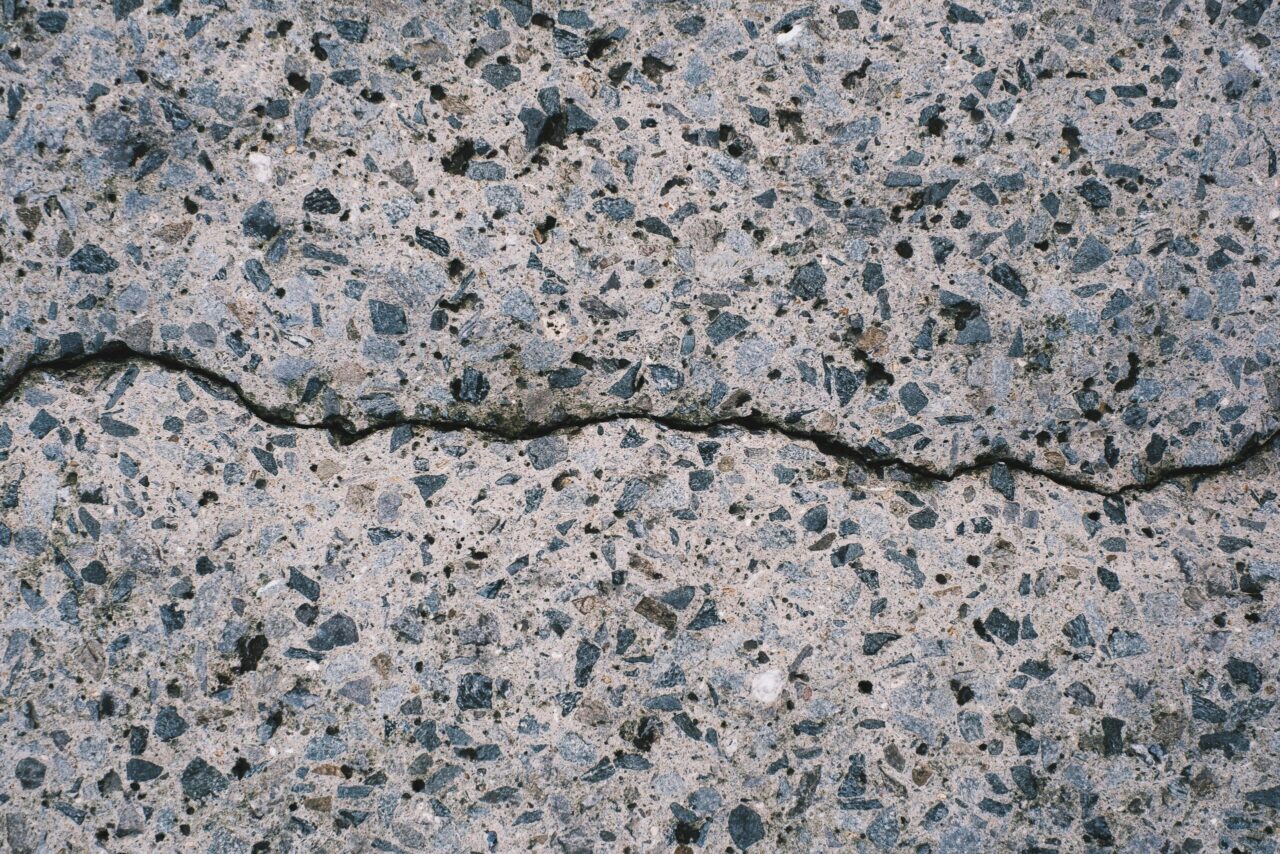
You might not realize how small cracks around your home can serve as perfect entry points for ants. Even tiny gaps near doors, windows, or walls allow ants to sneak inside easily.
Taking time to check and seal these openings with weather stripping or caulk can make a big difference. Keeping your house well sealed reduces the chances of ants invading your garden or indoor spaces.
Ignoring dry soil conditions

If your garden soil stays dry for too long, ants find it an ideal place to settle. They prefer dry soil because it’s easier to build tunnels and nests.
Keeping your soil moist can discourage ants from making your pots or garden beds their home. Check your plants regularly and water them as needed to maintain balanced moisture levels.