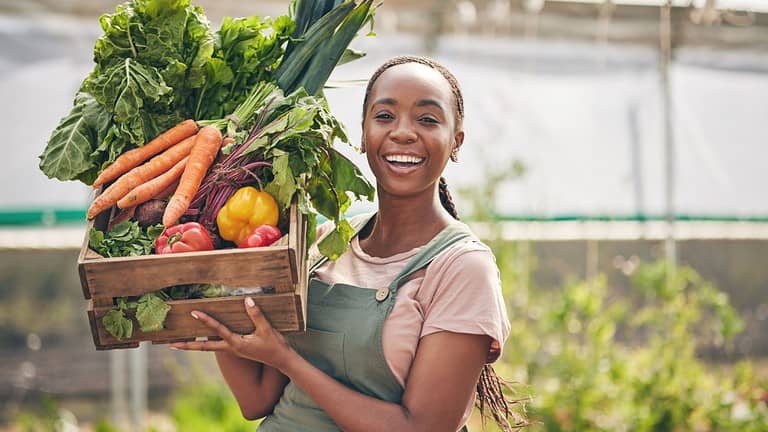
Getting started in gardening can feel overwhelming. I remember my excitement mixed with uncertainty as I tried to turn my backyard into a flourishing garden. Sharing the mistakes I made can help you avoid the same pitfalls and make your gardening journey more enjoyable.
As I navigated through my first planting season, I quickly realized that there was a lot more to gardening than just putting seeds in the ground. Each misstep taught me valuable lessons, and I want to help you have an easier and more successful experience.
Advertisement
Growing a garden should be fun and rewarding, so let’s dive into what to watch out for.
1. Choosing the wrong plant location

When I started gardening, I didn’t realize how crucial the location was for my plants. I picked a spot that didn’t get enough sunlight, and my seedlings never thrived. I quickly learned that different plants have varying light and space needs. Some prefer full sun, while others thrive in the shade.
Next time, I made sure to observe my garden throughout the day. I noted where the sun moved and which areas stayed shaded. This simple step significantly improved my results. Choosing the right location can make all the difference in helping your plants flourish.
2. Overwatering your plants

One of the biggest mistakes I made was overwatering my plants. I thought more water meant healthier plants, but I quickly learned that excess moisture can suffocate roots. When I noticed my plants wilting, I panicked and watered even more. That only worsened the problem.
I discovered that the soil needs to breathe. I now check the moisture level before adding more water. If the soil feels damp, I wait. Understanding this has helped my garden thrive without drowning my plants.
3. Not testing soil pH levels

I learned the hard way that testing soil pH is crucial. I assumed my garden would thrive without checking the acidity or alkalinity. Turns out, many plants have specific pH needs.
For example, blueberries prefer an acidic soil, while lilacs thrive in more alkaline conditions. I ended up with wilting plants because I didn’t adjust the pH accordingly.
Now, I always test my soil before planting. A simple soil test kit can help me figure out what my garden needs. Adjusting the pH can make a big difference in how well my plants grow.
4. Ignoring plant spacing needs

When I first started gardening, I didn’t pay much attention to spacing. I thought planting them closer would give me more plants. Boy, was I wrong!
Plants that are too close together end up competing for nutrients, water, and sunlight. This can lead to stunted growth and increased chances of disease. I learned that each plant has specific space requirements for a reason.
Following the spacing recommendations on seed packets can make a huge difference. It allows my plants to grow healthy and strong without battling each other. Now, I always take the time to space them out properly, and my garden has never looked better.
5. Starting with difficult plants
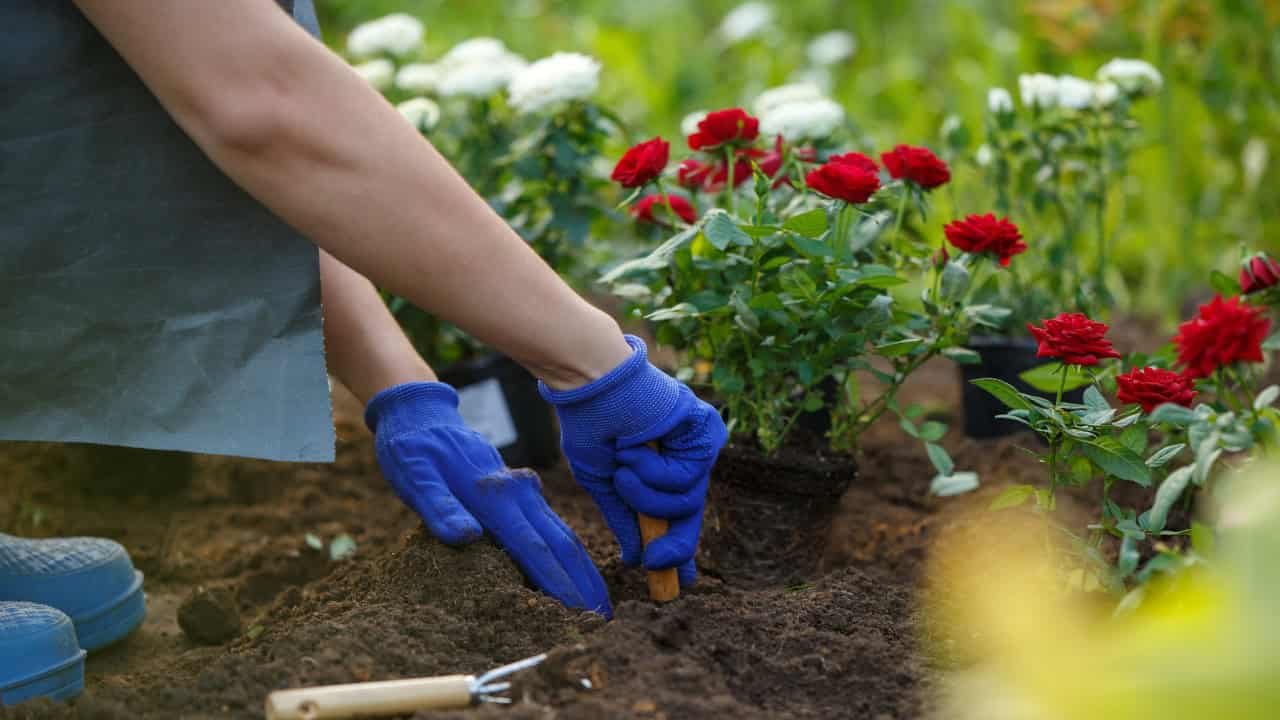
When I first started gardening, I was eager to grow exotic plants that looked amazing online. I quickly learned that some plants are just too challenging for beginners.
For example, I tried to grow certain varieties of roses and orchids without understanding their specific needs. They require a lot of care and attention that I wasn’t ready for.
Instead, I should have started with hardier plants, like marigolds or cucumbers. They are forgiving and require less maintenance while still offering a sense of accomplishment.
By focusing on easier plants, I could build my confidence and skills without the frustration of failure. It’s all about finding that right balance as a newbie gardener.
6. Skipping the mulch layer
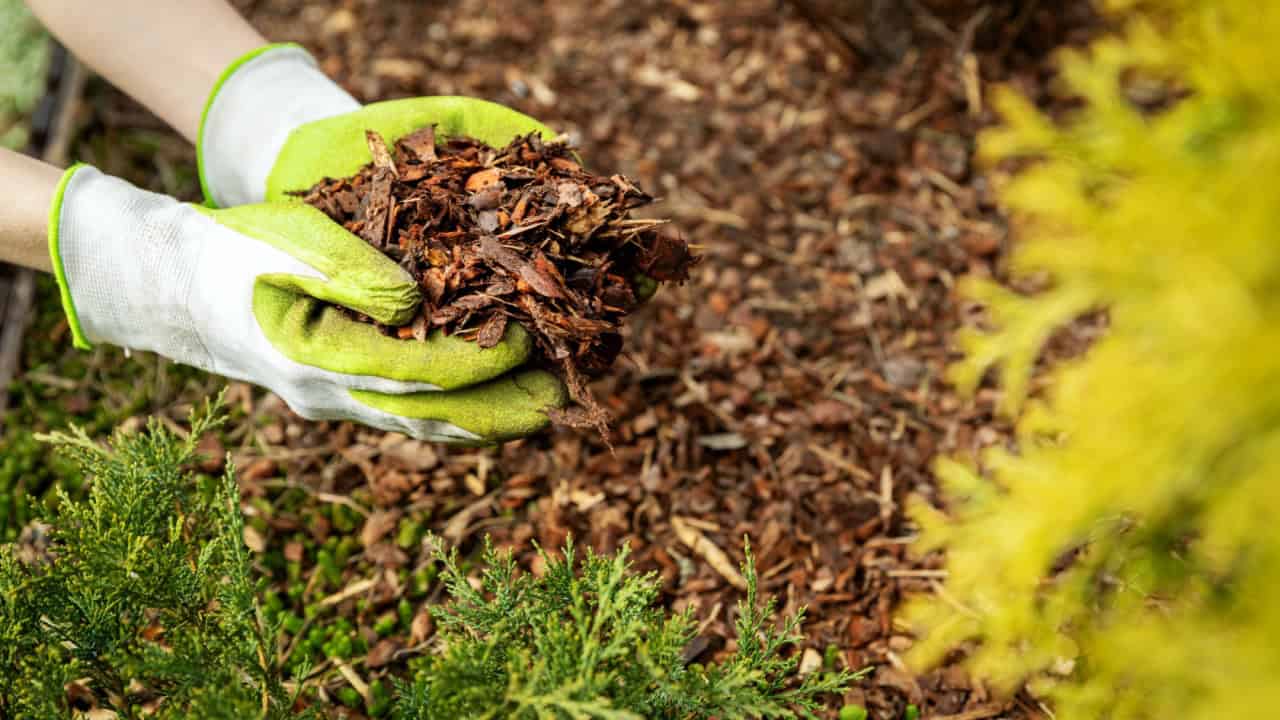
I learned the hard way that skipping the mulch layer was a mistake. Without it, weeds took over my garden faster than I could pull them out. Mulch acts as a barrier, blocking sunlight and slowing down weed growth. It also helps retain moisture in the soil, which is essential for healthy plants.
Next time I visited the garden center, I made sure to grab a couple of bags of mulch. I realized that it not only simplified my gardening but also improved the overall health of my plants.
7. Planting too early in the season

lucentius from Getty Images Signature/ Canva Pro.
One of the biggest mistakes I made as a first-time gardener was planting too early. I was so excited to get started that I rushed into it. Little did I know, the dangers were lurking.
When I started seeds too soon, I exposed them to unexpected frosts. Nights got chilly, and my fragile seedlings didn’t stand a chance. It was tough to watch them struggle.
Not only that, but the soil wasn’t warm enough to support their growth. They ended up stunted, which set me back in my gardening plans. Now, I always check the last frost date for my area. Patience truly is a virtue in gardening!
8. Forgetting to rotate crops
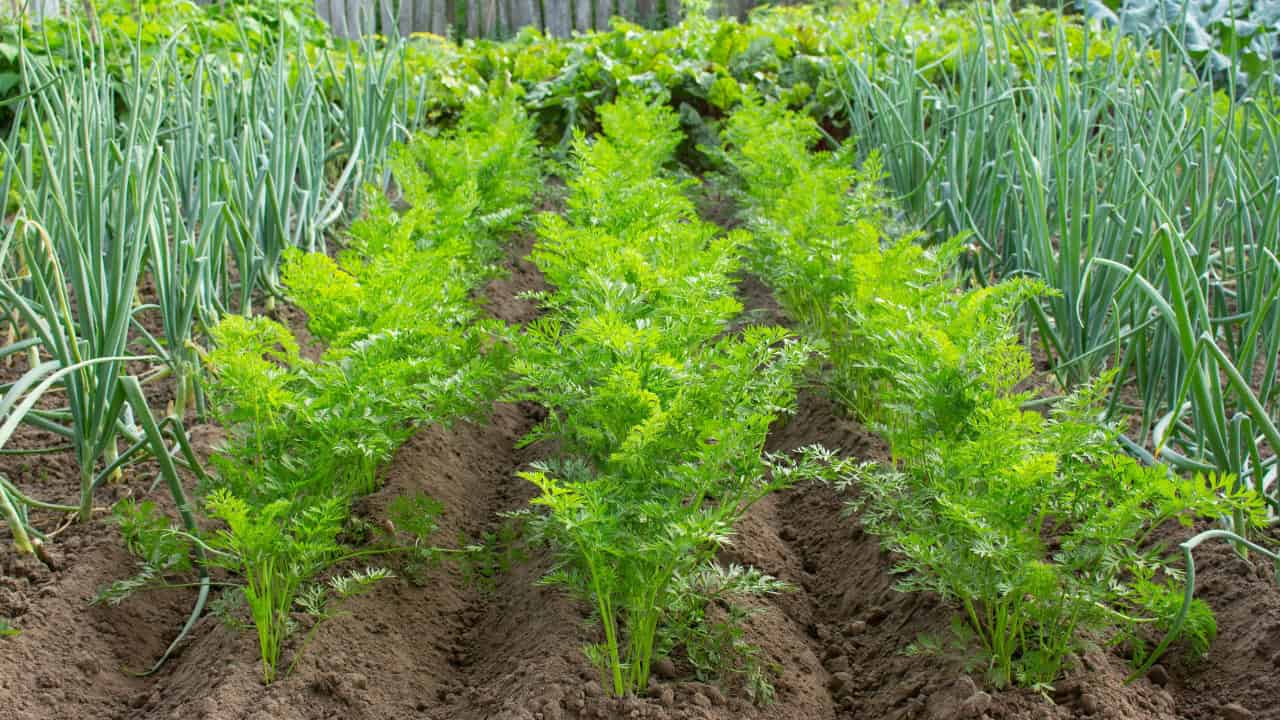
When I first started gardening, I didn’t think much about crop rotation. I planted my favorite vegetables in the same spots every season without a second thought.
It turns out, this mistake can hurt soil health. Planting the same crops repeatedly depletes nutrients and attracts pests. I learned that different plants have varying nutrient needs.
Switching up what I grow each year made a big difference in my garden. Now, I group plants by family and keep a simple sketch of where I’ve planted them. It’s a straightforward way to maintain healthy soil and produce better yields. If I can do it, you can too!
9. Not fencing against animals
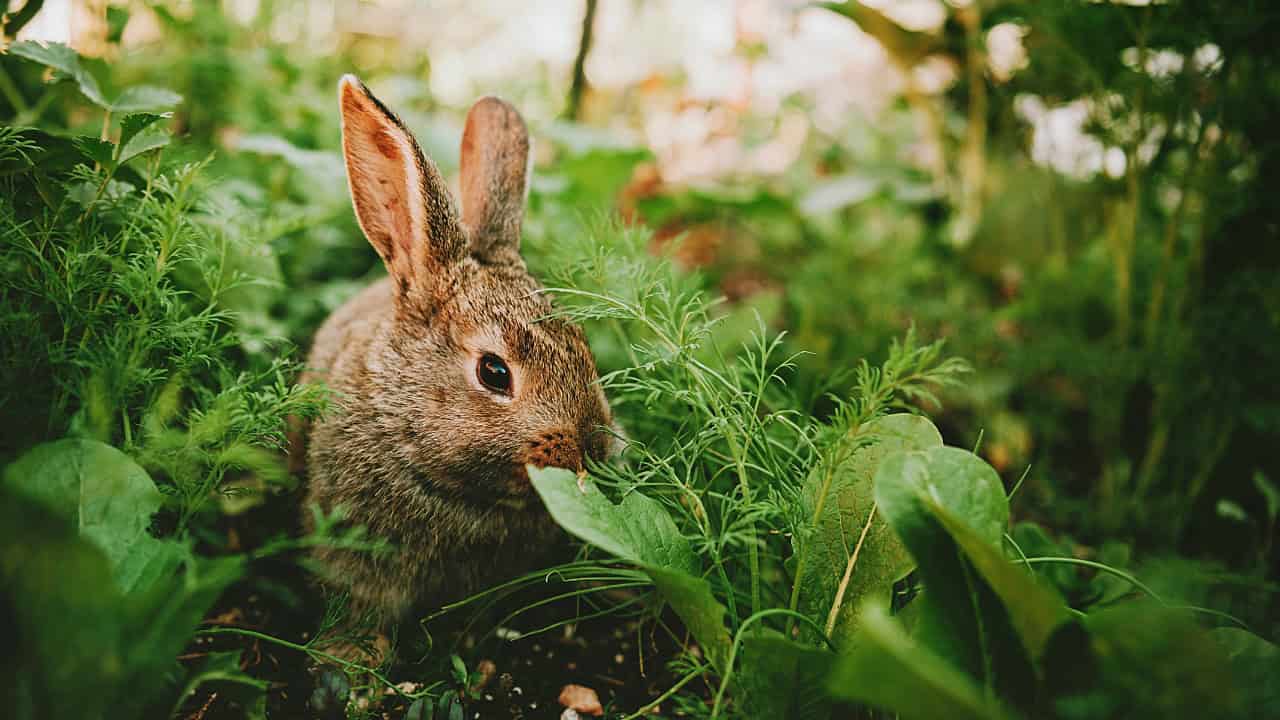
When I first started gardening, I underestimated the impact of animals. I thought a few plants would be safe, but I quickly learned that pests could wreak havoc overnight.
One major mistake was not installing a fence. Without it, I faced hungry rabbits, deer, and even squirrels munching on my crops. I lost several plants before I realized the importance of protection.
Building a simple fence made a huge difference. I discovered that it doesn’t have to be fancy; just tall enough to deter animals and buried partially underground to prevent digging helps. Now, I enjoy a flourishing garden, knowing I’m protecting my hard work from those pesky critters.
10. Neglecting to prune plants

Ilya Burov from Getty Images/ Canva Pro.
When I first started gardening, I thought pruning was optional. I quickly learned that neglecting to prune can lead to overgrown plants and reduced blooms.
I didn’t realize that different plants have specific pruning needs. Some thrive when pruned at certain times of the year. For instance, spring-flowering shrubs should be pruned right after they bloom.
Using clean, sharp tools is also essential. I once used rusty shears, and it just made things worse. Now, I make it a point to keep my tools in good shape. Learning to prune correctly transformed my garden, making it healthier and much more enjoyable to tend to.
11. Using the wrong tools

When I started gardening, I underestimated the importance of using the right tools. I often grabbed whatever was handy instead of investing in quality equipment.
Using dull or inappropriate tools made tasks like digging and weeding much more difficult. My hands would cramp, and my progress felt painfully slow.
I quickly learned that a good pair of pruning shears or a sturdy trowel can make a world of difference. Tools designed for specific tasks save time and energy. Now, I always choose the right tools for the job, and it’s made gardening a lot more enjoyable.
*This article was created with the help of AI.