When you visit a nursery, you expect to find plants that will enhance your garden without causing harm. However, some plants still sold by nurseries can spread quickly and disrupt local ecosystems.
Knowing which plants are invasive helps you make better choices and protect your outdoor space. This article highlights 11 invasive plants that you might still encounter at garden centers, so you can avoid them when shopping for your garden.
Advertisement
English Ivy
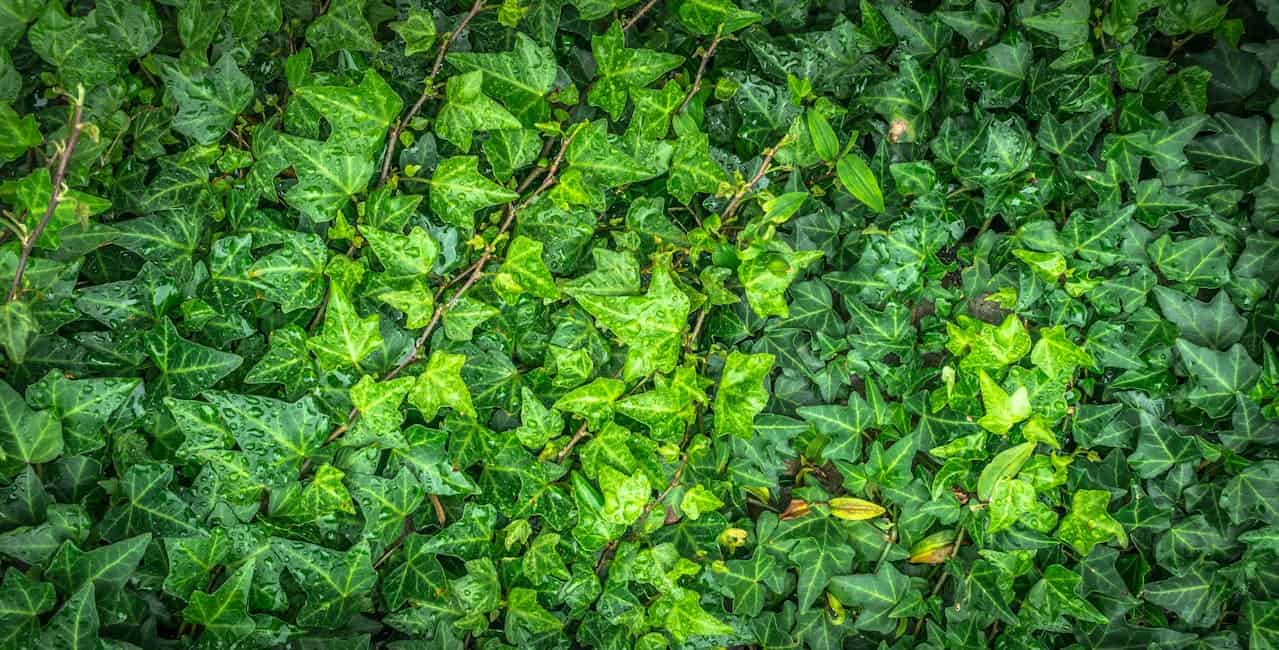
You might see English Ivy sold at many garden centers, but it can cause problems in your yard. It grows quickly and spreads over trees and plants, blocking sunlight.
If you let it take over, it can harm native plants and make your garden harder to manage. Consider native alternatives that won’t take over as easily.
Japanese Honeysuckle

Japanese Honeysuckle is a climbing vine with sweetly scented white or cream flowers in spring. You might find it attractive, but it’s highly invasive and can quickly take over gardens.
If you choose to plant it, be aware that it spreads aggressively and can choke out native plants. Many nurseries still sell it, but you should consider safer alternatives for your landscape.
Purple Loosestrife

You might spot purple loosestrife at some nurseries, even though it’s invasive. It spreads quickly, forming dense patches that can take over wetlands and harm local plants and animals.
If you’re looking for colorful garden plants, it’s best to skip purple loosestrife. Choose native alternatives that support your local ecosystem instead.
Kudzu Vine
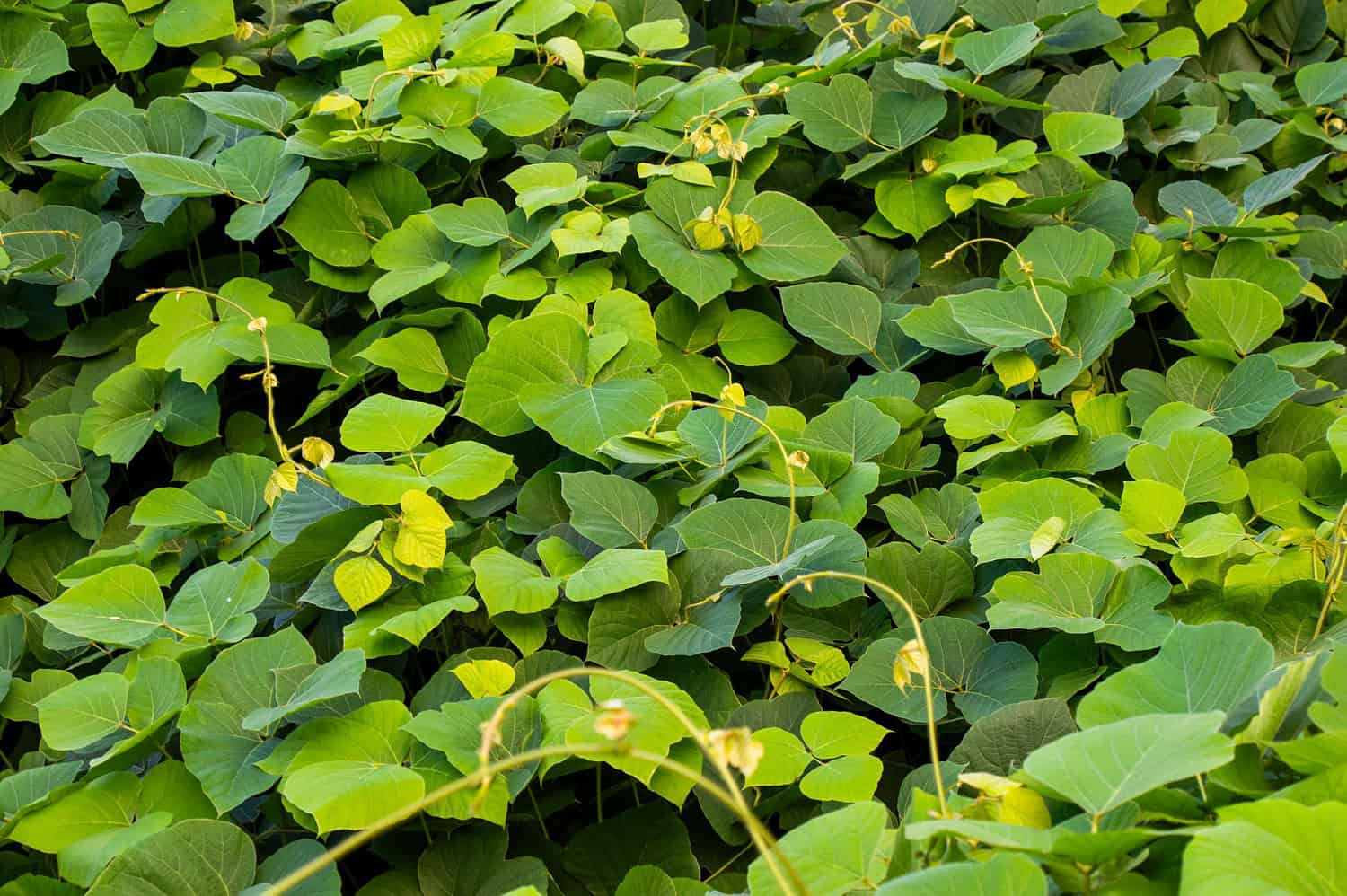
Kudzu is a fast-growing vine that you might find at some nurseries despite its invasive nature. It can grow up to a foot per day, quickly covering trees and structures.
If you plant kudzu, it may take over your garden, crowding out other plants. There are no natural predators for kudzu in many areas, making it hard to control once established.
Japanese Barberry
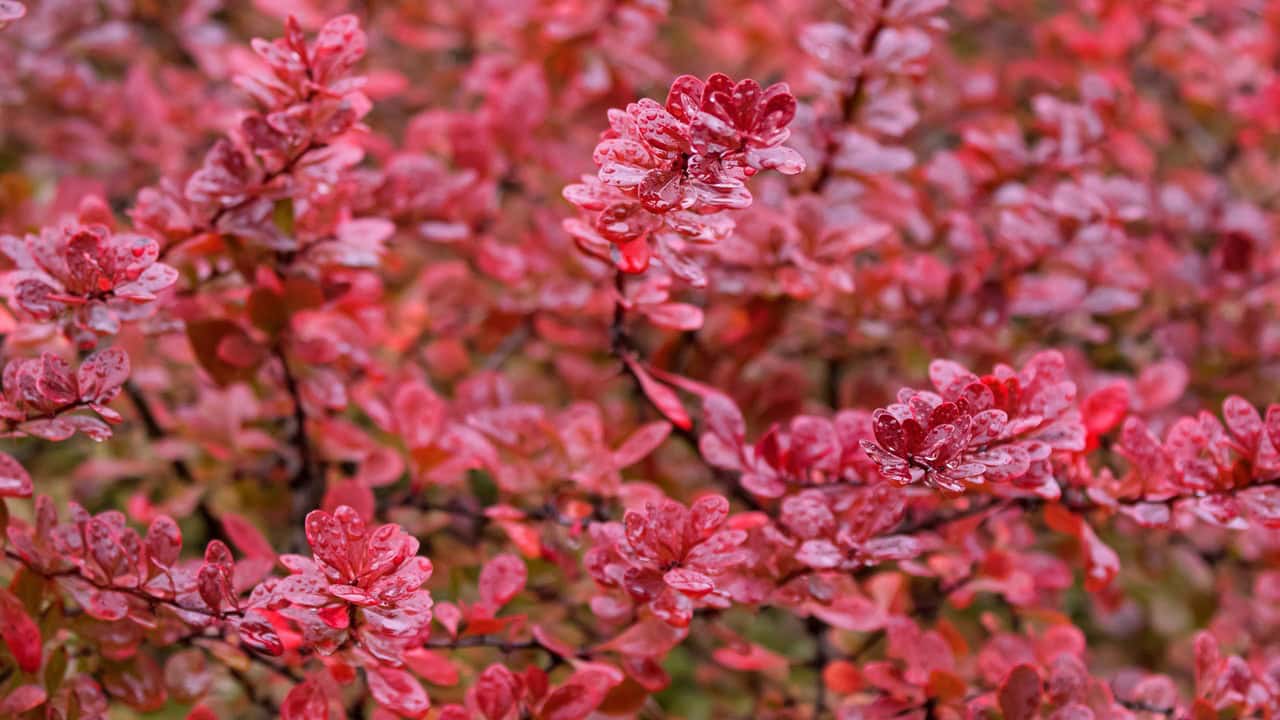
Japanese barberry is a popular shrub you might see in garden centers, but it’s listed as invasive in many states. It can spread quickly and disrupt local ecosystems.
You should know it also provides habitat for ticks, which may increase the risk of Lyme disease. Some states have banned its sale and transport to help control its spread.
Multiflora Rose
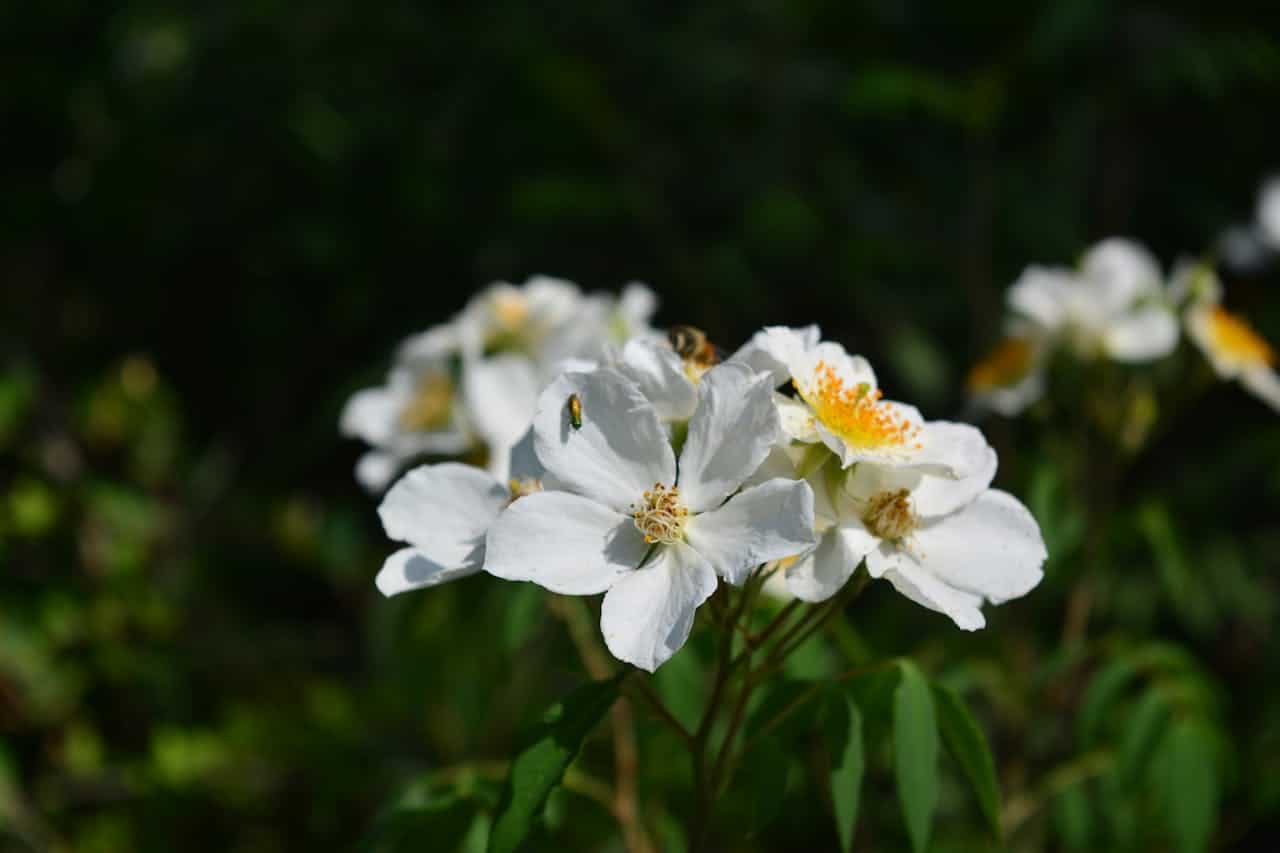
You might spot multiflora rose still being sold in some nurseries despite its invasive nature. It’s a climbing shrub that can grow up to 15 feet tall and spreads rapidly.
This plant can crowd out native species, making it harder for local plants to thrive. Keeping an eye on any multiflora rose in your garden helps protect your local environment.
Chinese Privet

Chinese privet is a fast-growing shrub that you might see in garden centers. It forms dense thickets that can block sunlight from reaching other plants.
If you choose this plant, be aware it can spread aggressively and crowd out native species. Many experts recommend avoiding it to protect local ecosystems.
Buying native or non-invasive plants is a better choice if you want to support your local environment.
English Laurel
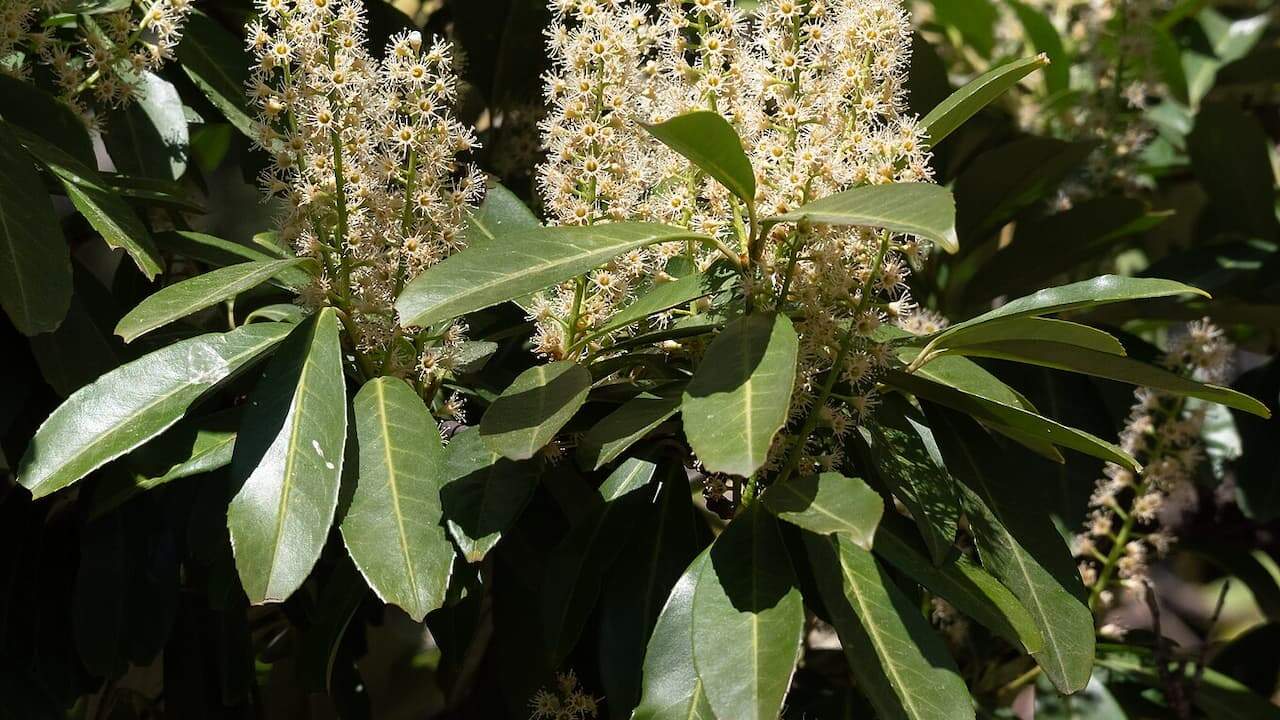
You might spot English Laurel being sold at nurseries despite its invasive nature. It can quickly spread and crowd out native plants in your garden.
If you decide to plant it, keep an eye on its growth and remove any unwanted seedlings. This can help protect your local environment while still enjoying its glossy leaves.
Norway Maple

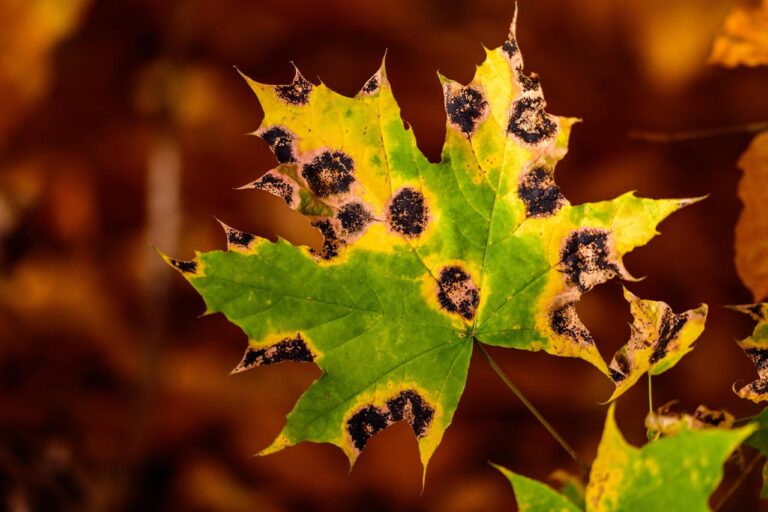
If you’re considering Norway maple for your yard, be aware it can spread aggressively. This tree tolerates heavy shade, making it easy to grow but also allowing it to outcompete native plants.
You might find it sold at nurseries, but it’s often listed among invasive species. Choosing alternatives can help protect your local ecosystem.
Brazilian Pepper Tree
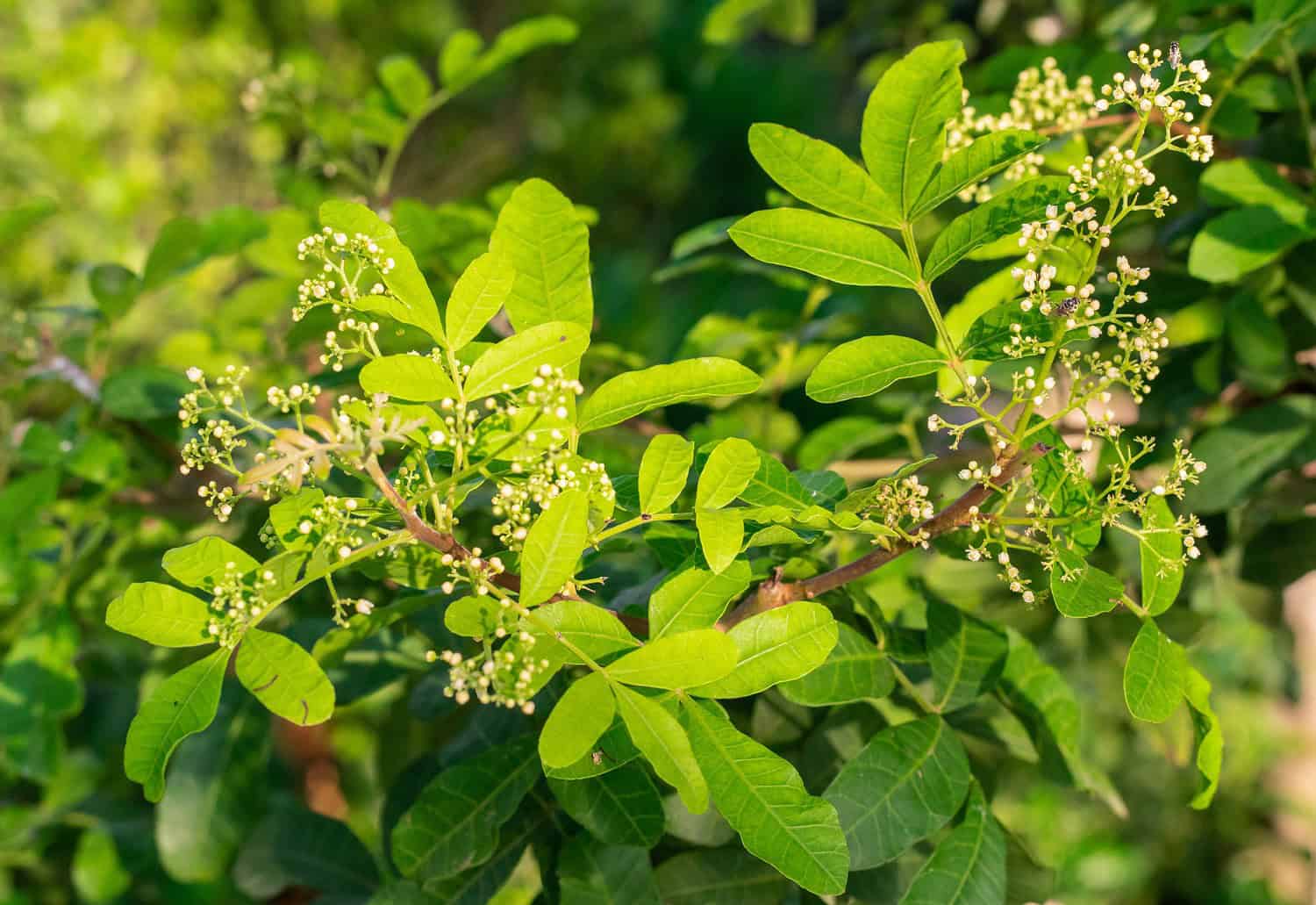
You might recognize the Brazilian pepper tree from many nurseries, especially if you garden in warmer climates. It was once popular as an ornamental plant.
Today, it’s known as a serious invasive species in places like Florida. It can quickly take over natural areas, crowding out native plants and changing habitats.
If you have one on your property, you can learn ways to manage or remove it carefully to protect surrounding plants.
Tree of Heaven

You might see Tree of Heaven in nurseries because it grows quickly and can reach up to 80 feet tall. It’s native to China and Taiwan but has become invasive in many places.
This tree spreads fast and can take over areas, crowding out native plants. If you’re thinking of planting it, be aware it can form dense thickets that are hard to remove later.