I often underestimate how certain household items can wreak havoc on my plumbing. It’s surprising how the everyday things I use or throw away can result in costly repairs and headaches down the line.
Understanding which items can damage my plumbing is key to preventing issues before they arise.
Advertisement
By taking a closer look at these common household items, I can be more mindful of the potential risks they pose to my plumbing systems.
Recognizing the problem is the first step toward keeping my home running smoothly and avoiding unnecessary expenses.
1. Grease buildup in pipes

Grease buildup can be a real nightmare for plumbing. I’ve seen it cause some serious clogs over time.
When we wash greasy pots or run fatty foods down the disposal, that grease can coat the insides of pipes.
At first, it might not seem like a big deal. But as more grease accumulates, it can trap food particles and debris, leading to blockages.
I’ve learned that using hot water can help flush out some of the buildup. Occasionally running a mix of baking soda and vinegar can also clear out any stubborn gunk.
Being mindful of what I pour down the drain makes a huge difference. Keeping pipes clear saves me from future headaches!
2. Flushing paper towels

I’ve seen many people think it’s okay to flush paper towels down the toilet. Trust me, it’s not a good idea.
Paper towels don’t break down like toilet paper. They can easily cause clogs in your plumbing system.
When I accidentally flushed one, it led to a nasty backup. It turned into quite the mess and a costly plumbing bill.
It’s better to toss used paper towels in the trash instead of risking your pipes. Keeping them out of the toilet can save you time and money in the long run.
3. Corrosive cleaning chemicals
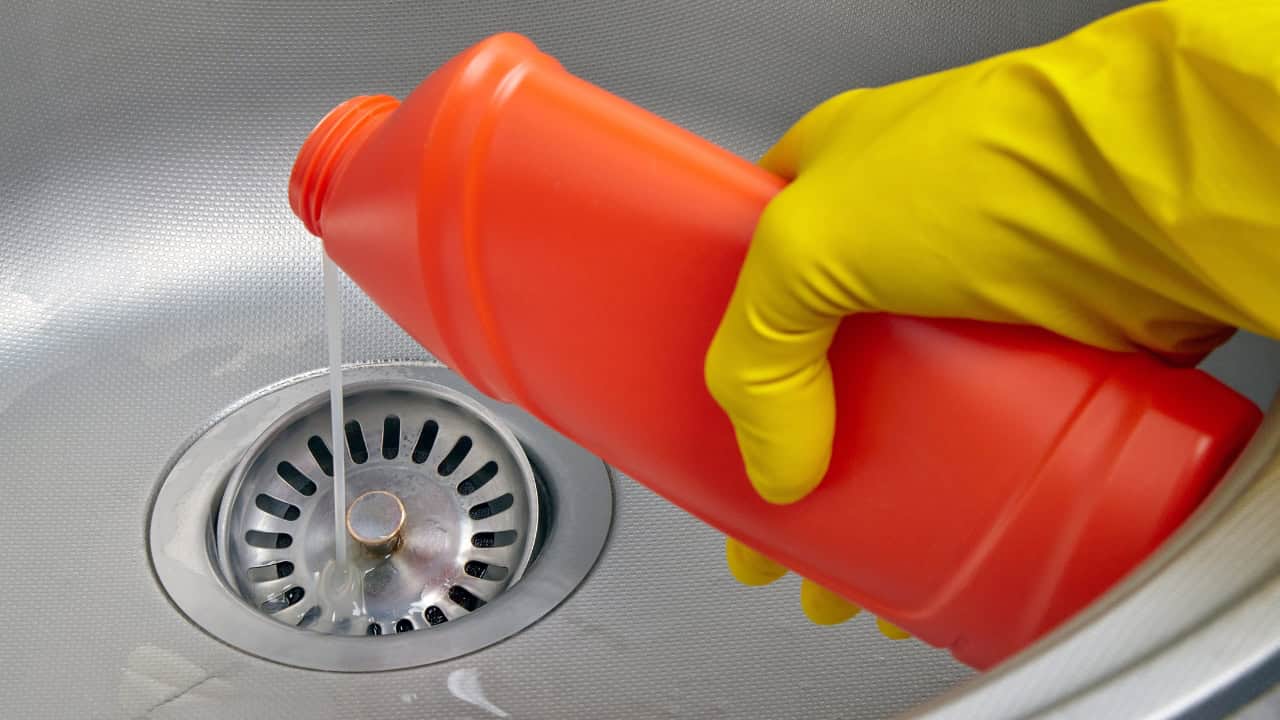
I’ve seen how damaging corrosive cleaning chemicals can be to plumbing. These products often contain strong substances like sulfuric acid and sodium hydroxide. They’re great for breaking down clogs but can also harm pipes over time.
I try to avoid using these cleaners whenever possible. Instead, I look for safer alternatives that won’t erode my plumbing.
Harsh chemicals can cause serious damage, leading to leaks and costly repairs.
If I must use them, I make sure to follow the instructions carefully and rinse the pipes thoroughly afterward. It’s better to keep my plumbing safe than risk a disaster down the line.
4. Flushing wipes marked ‘flushable’
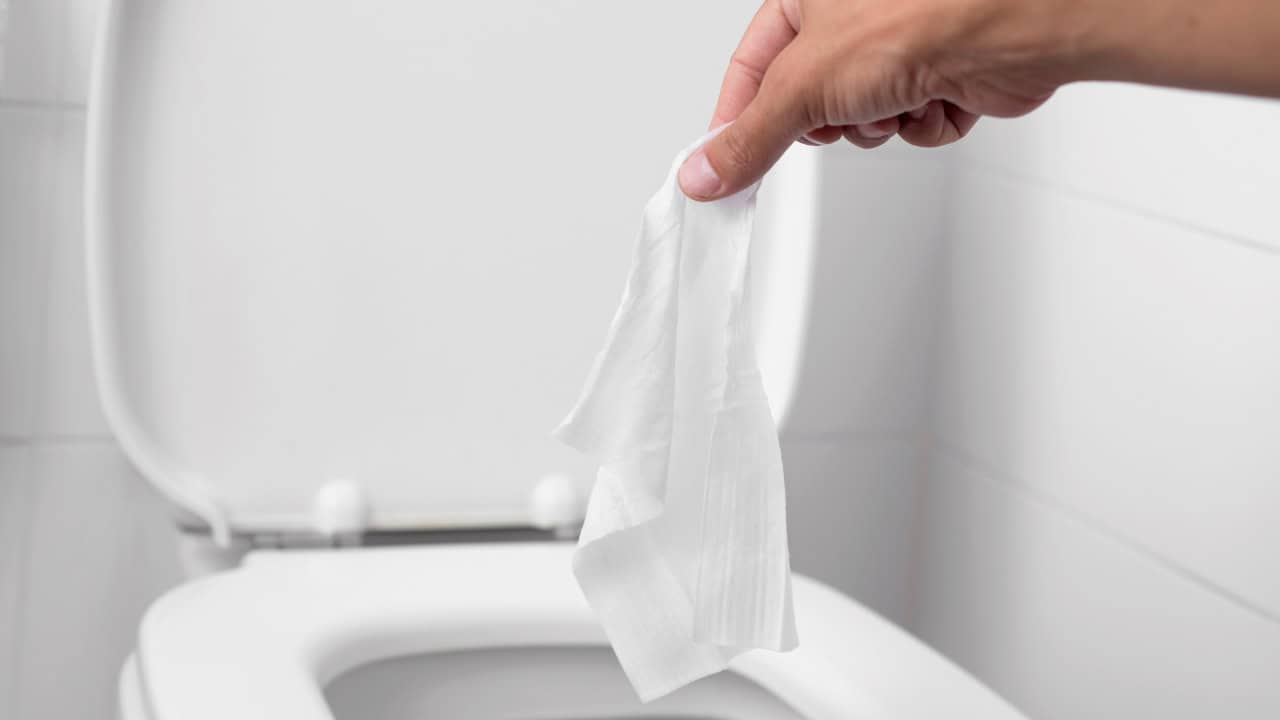
I’ve learned the hard way that those wipes labeled as “flushable” can be a plumbing nightmare. Initially, I thought they were convenient, but they don’t break down like toilet paper.
Many of these wipes can accumulate in pipes and lead to serious clogs. This can create backups and even result in unpleasant messes in my home.
Plumbers often joke that these wipes keep them in business. From what I’ve seen, it’s true! I now stick to toilet paper to avoid those costly plumbing issues.
5. Old, corroding pipes

nptom1989 from Getty Images/ Canva Pro.
I’ve seen how old, corroding pipes can cause serious issues in a home. Over time, pipes tend to wear out and develop rust, which can lead to leaks and poor water quality.
It’s crucial to keep an eye on the exposed parts of my plumbing. If I notice any flaking metal or unusual bumps, it might be time to consider a replacement.
Ignoring these warning signs can lead to bigger, more expensive problems down the line. Trust me, taking care of those aging pipes can save a lot of hassle.
6. Food scraps down the sink

I used to think tossing food scraps down the sink was no big deal. Turns out, it can really mess up your plumbing.
Items like coffee grounds, egg shells, and fibrous veggies can lead to clogs over time.
I learned that some foods don’t break down well. For instance, coffee grounds tend to clump together and create blockages that water can’t wash away. Fibrous foods like celery can wrap around blades and cause issues too.
Even if you have a garbage disposal, not everything belongs in there. It’s best to keep the big offenders out of the sink to avoid expensive plumbing repairs later.
7. Hair clogs in shower drains

Hair clogs are one of the most annoying issues I face with my shower. Every time I wash my hair, I worry about strands getting stuck in the drain.
Hair doesn’t cause clogs immediately, but over time, it builds up and can lead to serious blockages. I’ve learned that even small amounts of hair from my daily routines can add up.
To prevent this, I use a simple drain cover. It catches the hair and makes cleanup a breeze. I also try to remember to remove any loose hairs I see before they go down the drain.
Regular maintenance can save me from expensive plumbing problems. Taking these small steps really helps!
8. Excessive toilet paper usage

I’ve learned that using too much toilet paper can really mess with your plumbing. When I flush a big wad at once, it often gets stuck and creates blockages.
It’s best to be mindful about how much I use. Sticking to a reasonable amount helps keep the pipes clear and prevents unnecessary plumbing issues.
I also avoid flushing non-flushable items. Things like paper towels or wipes seem harmless but can lead to serious clogs. By being careful, I can save time and money on plumbing repairs.
9. Tree roots invading pipes

Tree roots can be sneaky culprits when it comes to plumbing problems. I’ve seen how they can invade pipes, causing significant damage without me even realizing it.
Roots typically seek moisture, which often leads them straight to my sewer lines. If I have old or damaged pipes, the roots can easily penetrate and start blocking the flow.
I’ve found that certain trees, like oaks and citrus, are the worst offenders. They have aggressive root systems that can wreak havoc on plumbing.
To avoid this, I keep an eye on the trees near my home and ensure my pipes are in good condition. Regular inspections can help catch issues early before they become major headaches.
10. Incorrect dish soap choice

I used to think any dish soap was fine for cleaning various surfaces. Turns out, that’s not true at all.
Many dish soaps contain strong detergents meant for tough grease on dishes. When I used them on other materials, I noticed some harmful effects. They stripped protective coatings and even damaged delicate items.
I discovered that dish soap can be too harsh for certain surfaces. For example, using it on leather can lead to dryness and cracking.
Now I stick to specific cleaners designed for the surfaces I’m dealing with. It’s a simple change that helps avoid plumbing issues and protects my belongings.
11. Cat litter disposal in toilets

I’ve learned the hard way that flushing cat litter down the toilet is a big no-no. It doesn’t break down like other waste and can lead to serious plumbing problems.
The clumping action of most litters can create major clogs in your pipes. Even biodegradable options can cause issues over time.
Instead of flushing, I bag it up and toss it in the trash. This simple change helps protect my plumbing and keeps my home worry-free.