Gardening can be a rewarding hobby, but it also comes with responsibilities that you might not expect. Certain issues in your garden can create risks that could hold you legally responsible if they lead to injury or damage.
Understanding which garden problems make you liable helps you protect yourself and others while enjoying your outdoor space. Being aware of potential hazards is the first step to managing your garden safely and responsibly.
Advertisement
Trip hazards from uneven walkways

Causes like soil erosion or tree roots growing under the sidewalk can make surfaces uneven. Keeping walkways smooth and repaired helps reduce risks and liability for accidents.
Poor drainage causing flooding

If your garden has poor drainage, water can pool and cause flooding. This often happens because of heavy rain, bad soil slope, or blocked drains.
When your drainage affects your neighbor’s property, you could be held responsible. Fixing the slope or clearing drains helps prevent future issues.
It’s important to address these problems quickly to avoid damage and disputes. If flooding repeatedly comes from your land, you may need to improve how water flows away from your garden.
Overgrown trees or shrubs blocking views

If your trees or shrubs block a neighbor’s view, you may face complaints. You are generally allowed to trim branches that encroach onto your property.
However, blocking a view alone is usually not enough to force removal. If damage occurs due to overgrown plants, you could be held responsible. It’s best to keep your greenery well-maintained to avoid issues.
Inadequate lighting around pathways
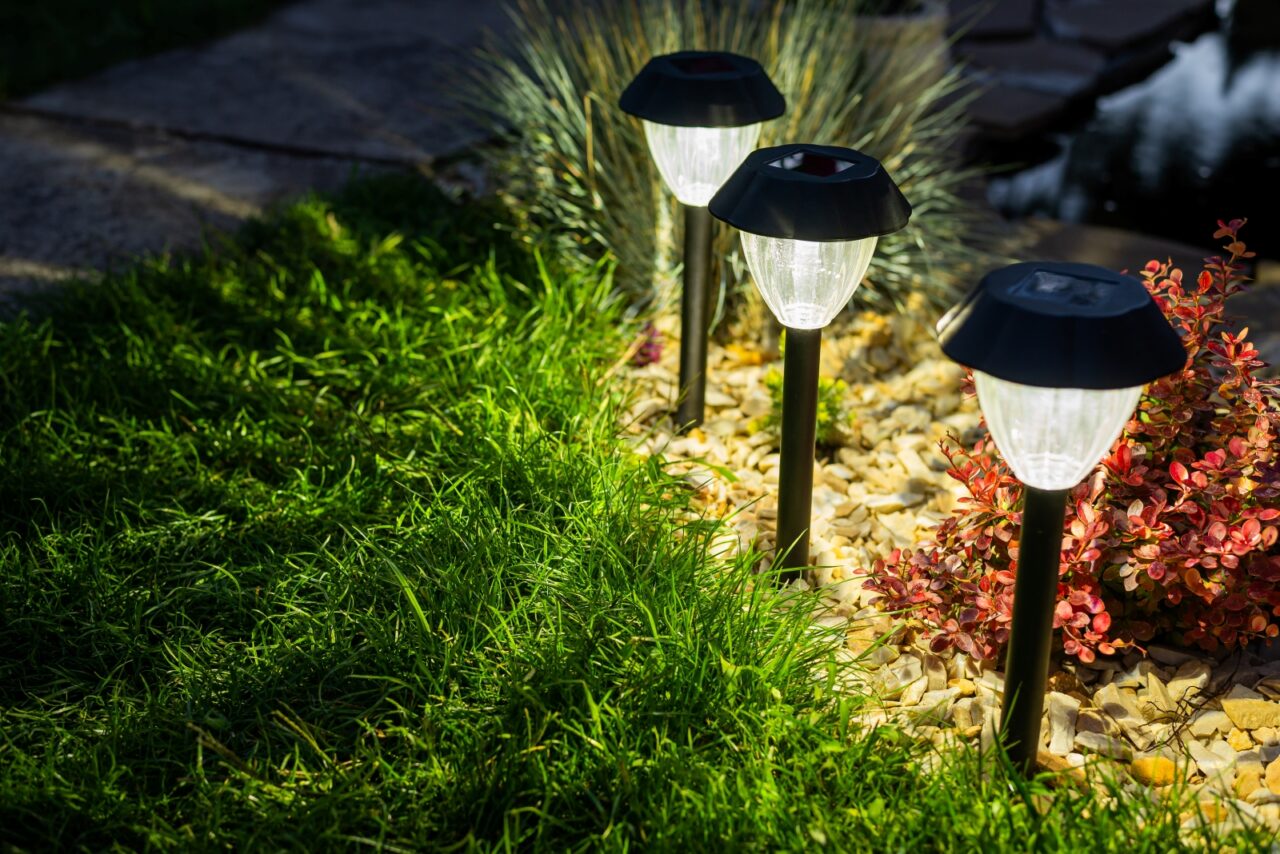
If your garden pathways aren’t well lit, it can lead to trips and falls. You might be held responsible if someone gets hurt because they couldn’t see obstacles or uneven surfaces.
Good lighting helps visitors navigate safely and reduces accident risks. Make sure your pathways have enough light, especially in the evening, to keep everyone safe.
Slip risks from wet leaves or debris
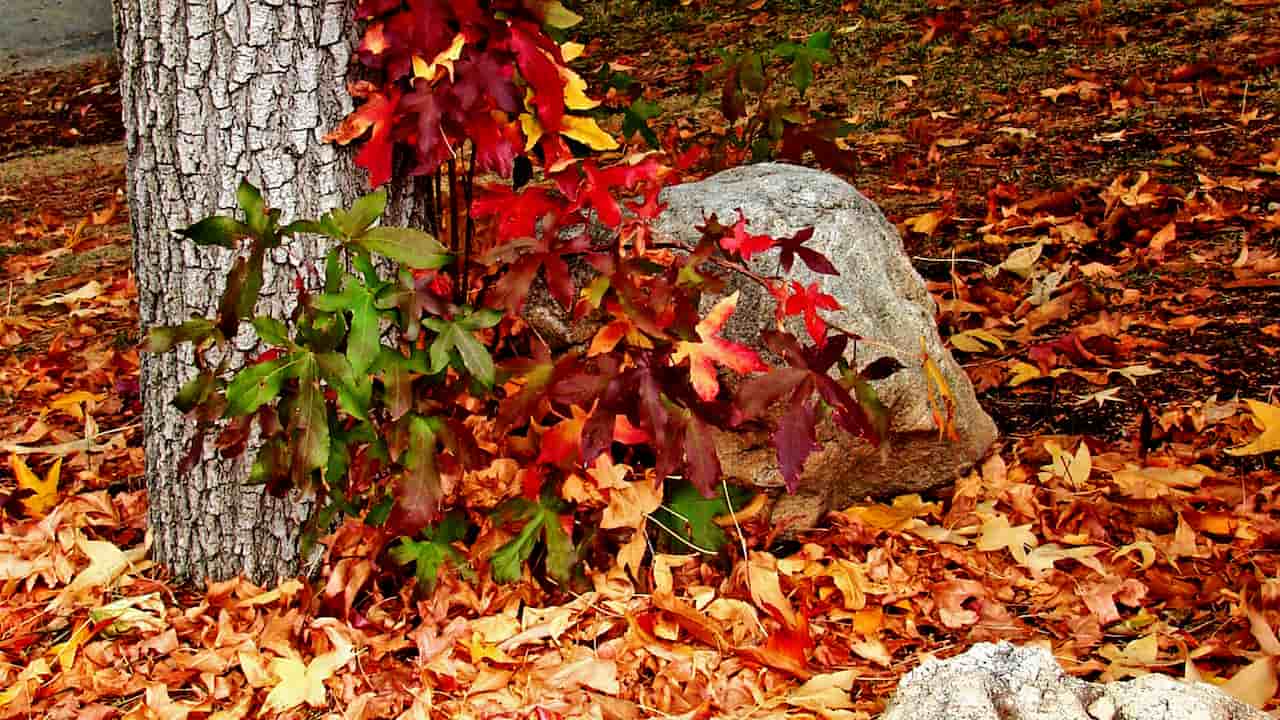
Wet leaves and garden debris can make your walkways slippery and dangerous. When you don’t clear them regularly, they create a risk for anyone walking through your property.
If someone slips and falls on these surfaces, you might be held responsible for not keeping the area safe. It’s a good idea to keep paths clean and dry to help prevent accidents.
Planting toxic plants accessible to the public

If you grow toxic plants where people can easily reach them, you could be responsible if someone gets hurt. This is especially true in front yards or community gardens.
You should consider how visible and accessible these plants are. Clear signs or barriers can help reduce risk.
Knowing local laws about poisonous plants is important. Some areas have specific rules about what you can plant near public spaces.
Falling branches damaging neighbor property

If branches from your tree fall and damage your neighbor’s property, you could be held responsible. This is especially true if you ignored obvious signs that the tree needed care or removal.
Taking care of your trees regularly can help prevent damage and maintain good neighborly relations. Your homeowner’s insurance might cover damages, but checking the details beforehand is a good idea.
Neglecting to remove dead or diseased trees

If you have a dead or diseased tree on your property, it’s important to address it promptly. Leaving such trees unchecked can lead to damage if they fall or drop branches.
You’re responsible for regular tree maintenance. If a hazardous tree causes damage, you could be held liable for any resulting costs.
Taking action early helps keep your garden safe and prevents potential legal issues with neighbors.
Allowing poisonous plants to injure passersby
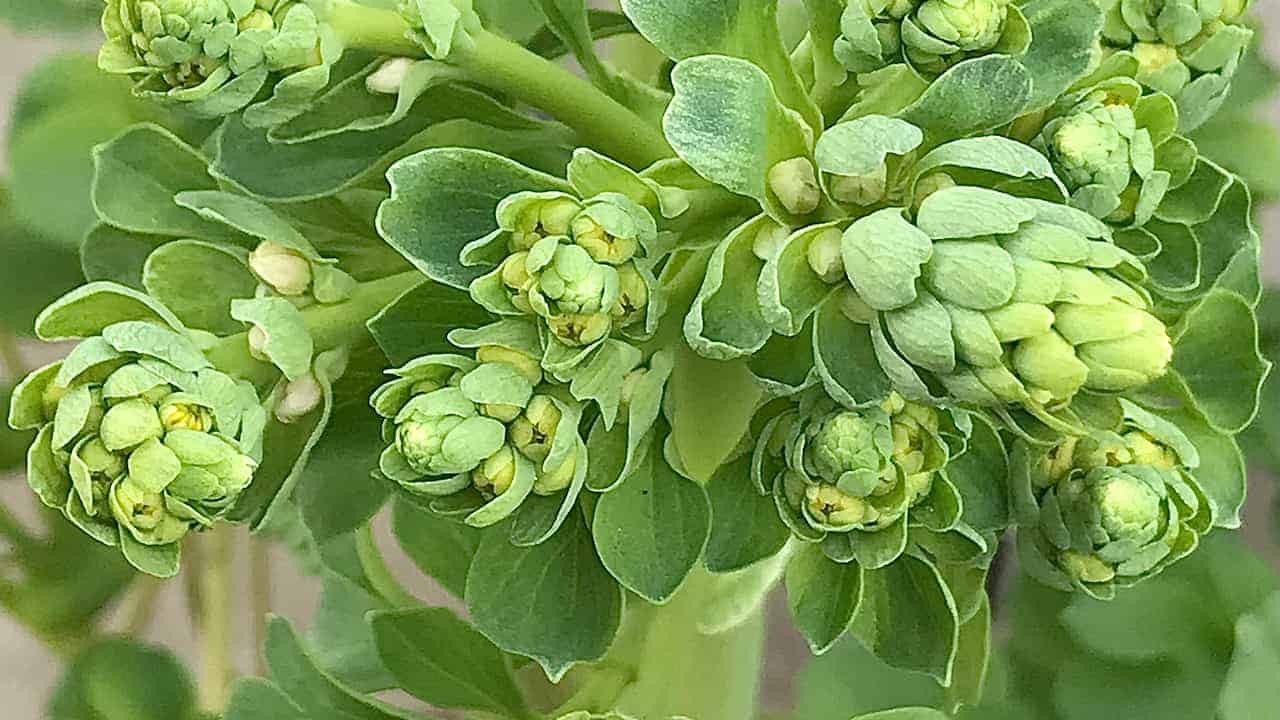
If you have poisonous plants in your garden, you need to be careful about their placement. These plants can pose a risk if passersby accidentally touch or ingest them.
You could be held liable if someone is harmed because your toxic plants were easily accessible. It’s a good idea to use clear signs or barriers to warn others.
Keeping poisonous plants contained and out of reach helps protect both your neighbors and yourself from potential legal trouble.
Damaging shared garden boundaries
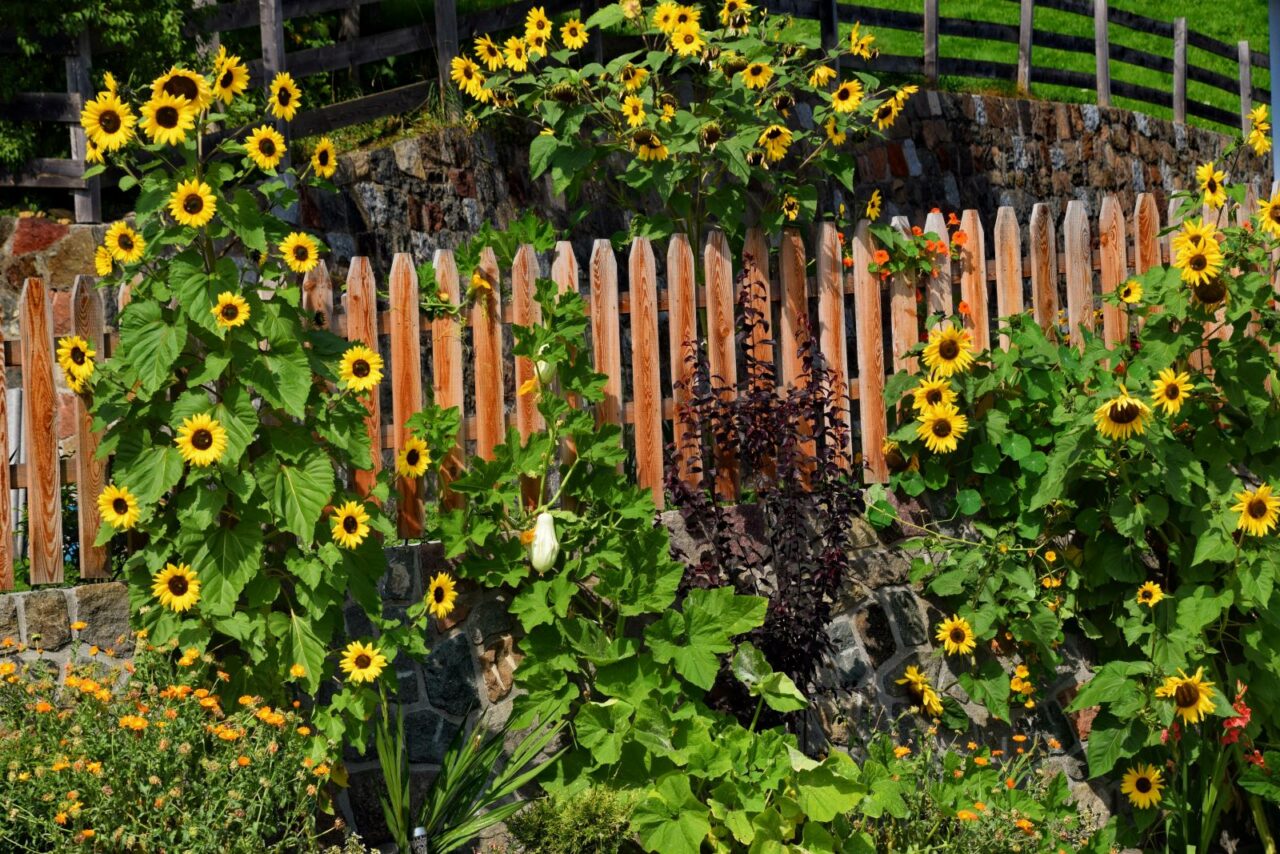
If you share a fence or wall with your neighbour, you are responsible for keeping it in good condition. Damage caused by things like overgrown roots or leaning branches can lead to disputes.
You should address any damage quickly to avoid making repairs more costly. If your plants or actions cause damage, you may be liable to pay for fixing it.
Communication with your neighbour is important. Working together can help solve problems before they escalate.
Not addressing pest-related plant damage
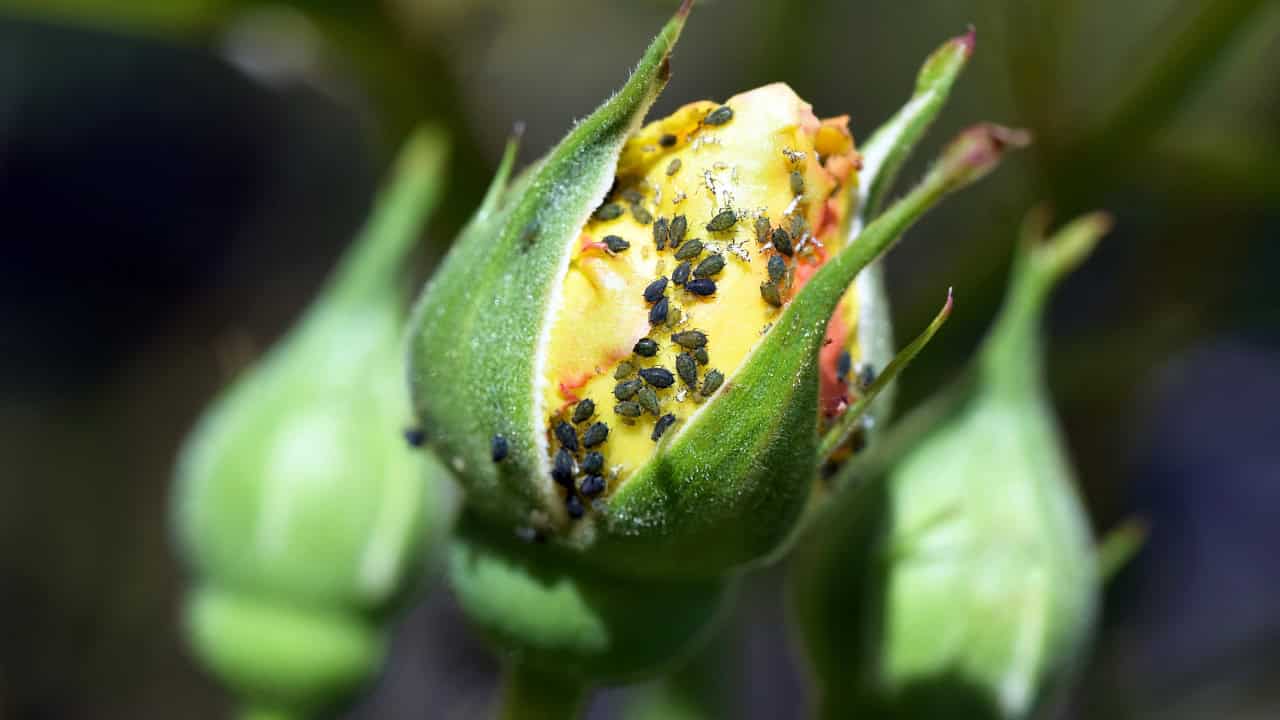
If you ignore pest damage in your garden, it can spread and harm neighboring plants. This may lead to bigger problems that affect others’ property or the environment.
Taking simple steps to manage pests shows responsibility. You don’t need pesticides; even small actions like removing affected leaves help control damage.
By addressing pest issues early, you protect your garden and those around you from avoidable harm.