Gardening can be a rewarding activity, but it often comes with an unexpected increase in your water bill. Many common habits in watering and garden care can add up, causing higher water usage than you might realize.
Understanding these habits can help you reduce water waste and lower your costs without sacrificing a healthy garden. By becoming aware of how your watering routines affect your bill, you can make small changes that make a difference.
Advertisement
Running sprinklers during rain

If you run your sprinklers while it’s raining, you’re using more water than needed. Rain naturally waters your garden, so your lawn or plants don’t need extra irrigation.
You can save water and reduce your bill by turning off sprinklers when it rains. Paying attention to weather forecasts helps you avoid unnecessary watering.
Watering lawns in the heat of the day

Watering your lawn during the hottest part of the day can cause more water to evaporate quickly. This means your grass gets less moisture while you use more water overall.
However, watering in the heat can help cool the soil and plants temporarily. Still, it’s more efficient to water early in the morning or late in the evening when temperatures are cooler. This helps your lawn absorb more water and lowers your water bill.
Leaky toilet flapper valve
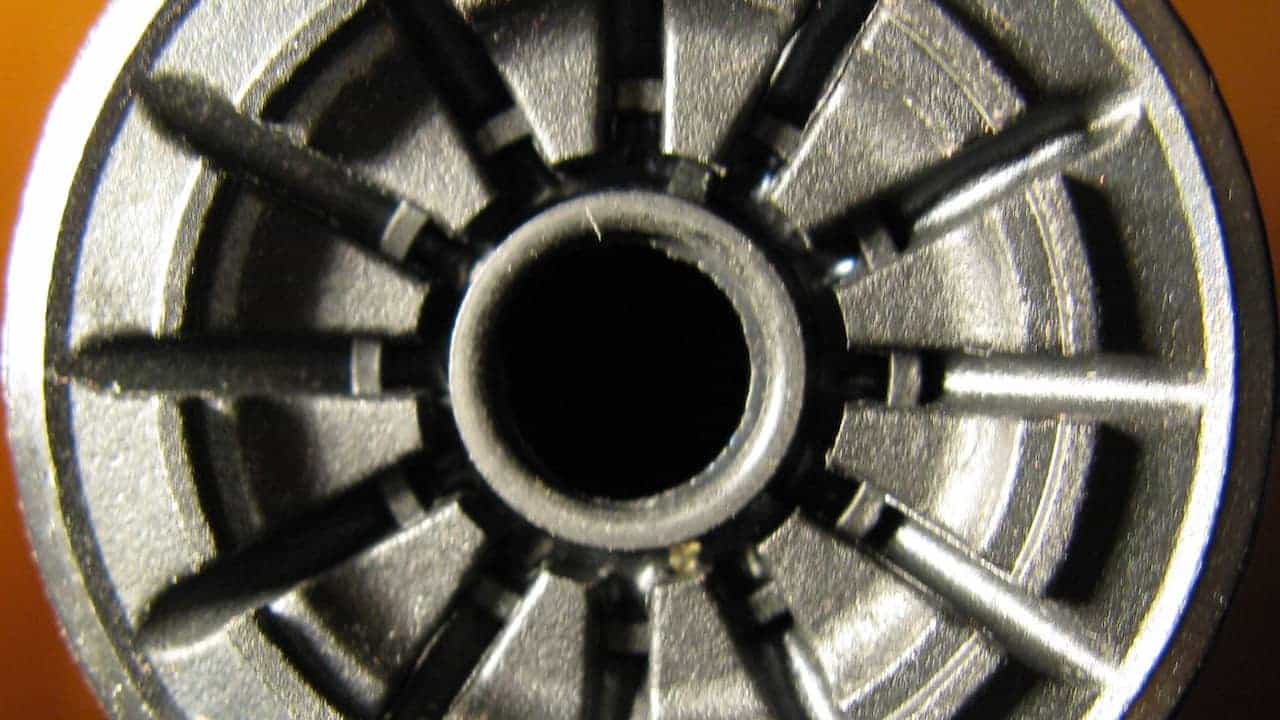
If your water bill is higher than usual, your toilet flapper valve might be the reason. This small rubber part can wear out or become misaligned, causing water to leak continuously.
You might notice your toilet running more often or see water slowly flowing into the bowl. Replacing the flapper is a simple fix that can save you money and water. Keep an eye on this to avoid wasting water without realizing it.
Dripping kitchen or bathroom faucets

If you notice a drip from your kitchen or bathroom faucet, don’t ignore it. Even slow drips waste more water than you might expect.
Each drop adds up over time, increasing your water bill without you realizing it. Fixing leaks quickly can help you save water and money.
Checking faucets regularly is an easy habit that can make a big difference in your water usage.
Using garden hoses without nozzles to control flow
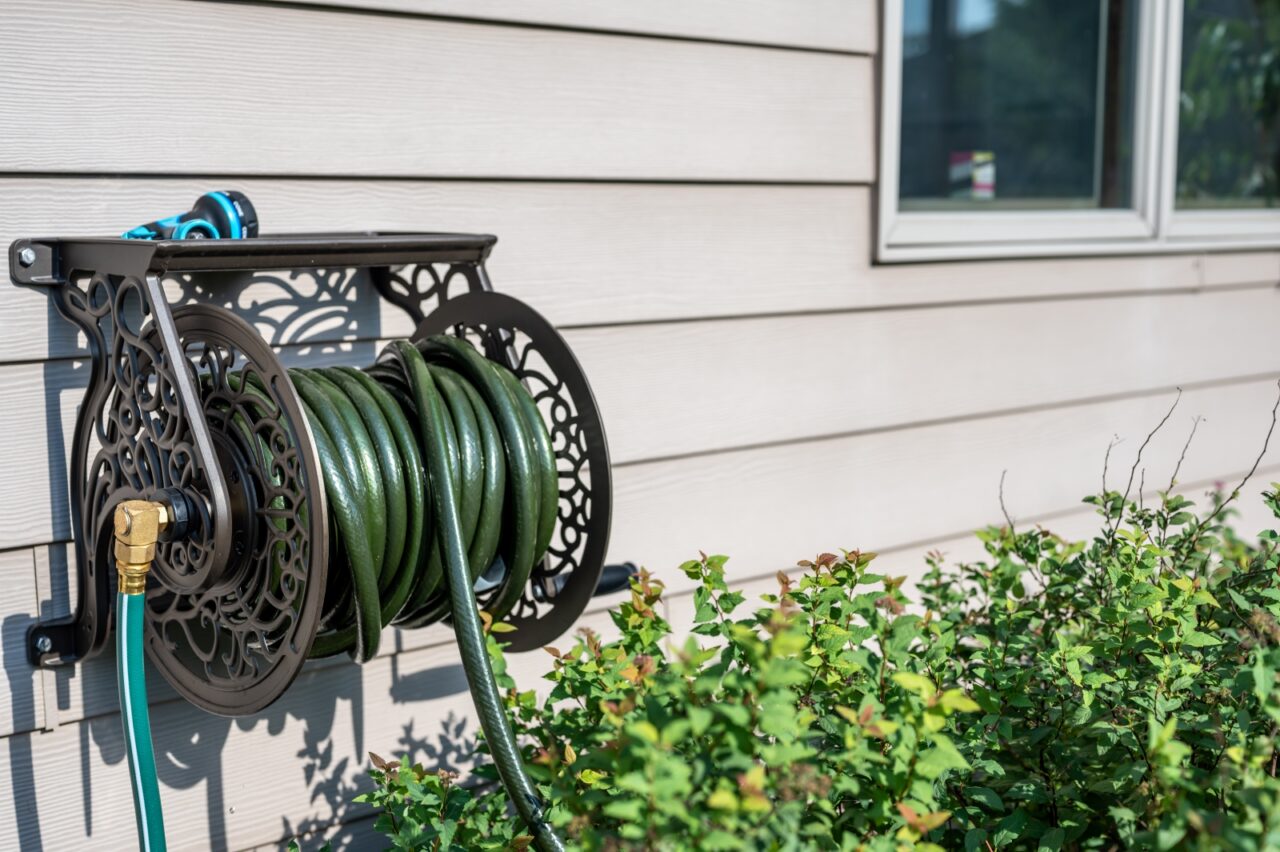
If you use a garden hose without a nozzle, you have little control over the water flow. Water will flow freely, wasting more than you might expect.
A nozzle lets you stop or slow down water easily, helping reduce waste. Without it, you may leave water running longer than needed.
Using a shut-off nozzle also prevents constant pressure in the hose, which can save water if you’re stepping away briefly. It’s an easy way to lower your water bill.
Watering flowers and plants late in the evening
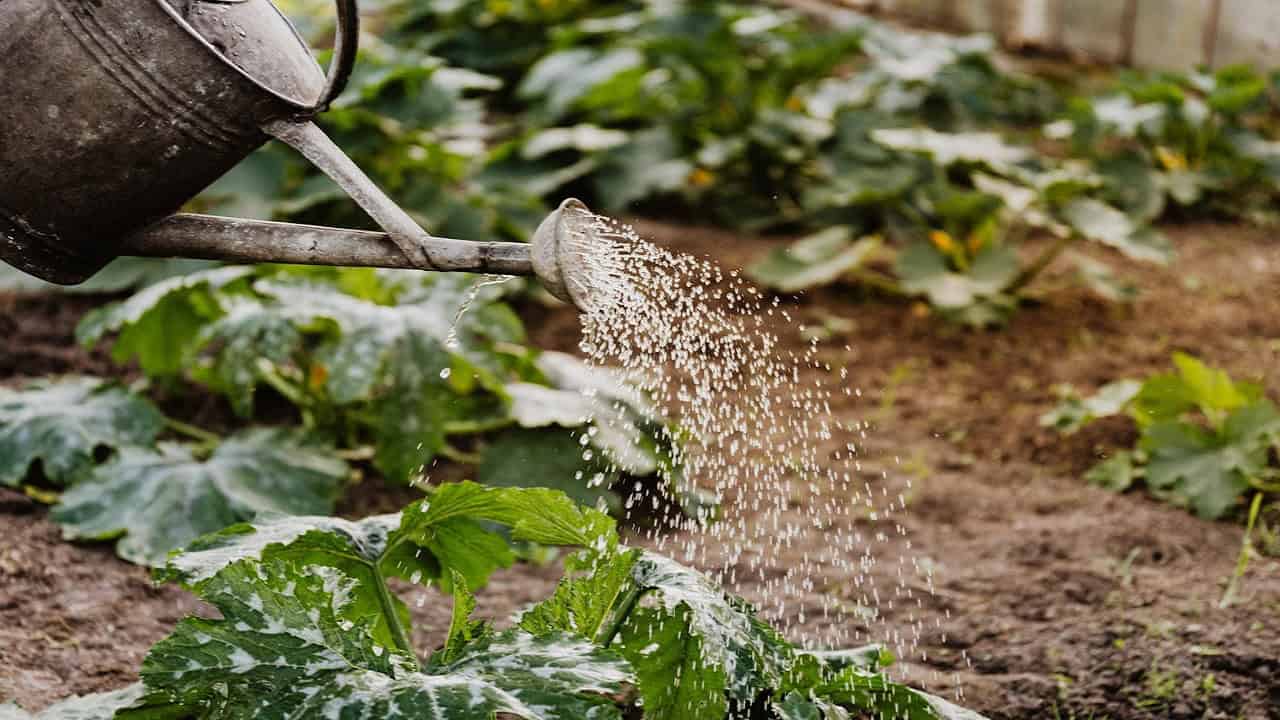
Watering your plants late in the evening might seem convenient, but it can cause problems. The soil stays moist longer overnight, which encourages fungi and diseases.
Your plants also don’t get enough time to dry before cooler temperatures set in. This can lead to weaker growth and increase water usage if you need to water again more often. Try watering in the early morning instead for better results.
Ignoring underground leaks in irrigation lines
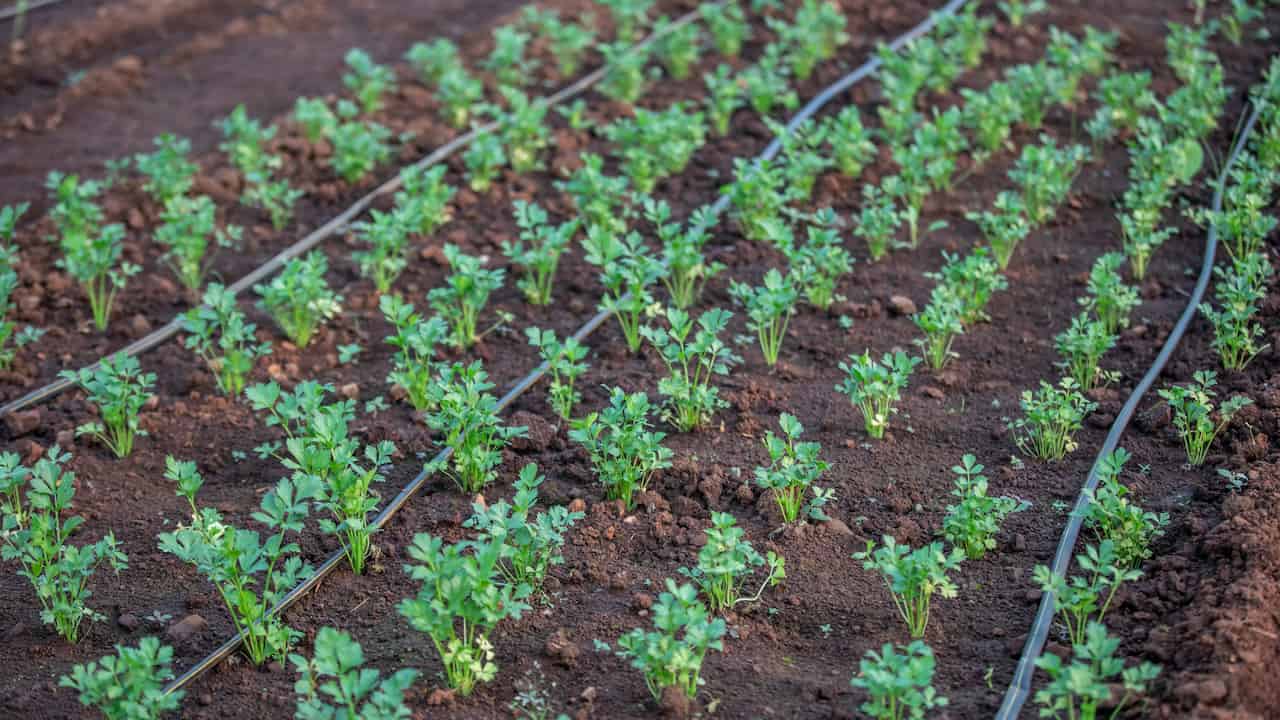
If you don’t address leaks in your underground irrigation lines, water can slowly escape without visible signs.
This constant drip can add up, increasing your water bill over time.
Detecting these leaks is tricky since slow leaks often don’t show surface water.
Ignoring them means your system may run longer than needed, wasting water and money.
Regular checks and timely repairs can help keep your irrigation efficient and costs down.
Overwatering thirsty grass instead of switching to gravel landscaping
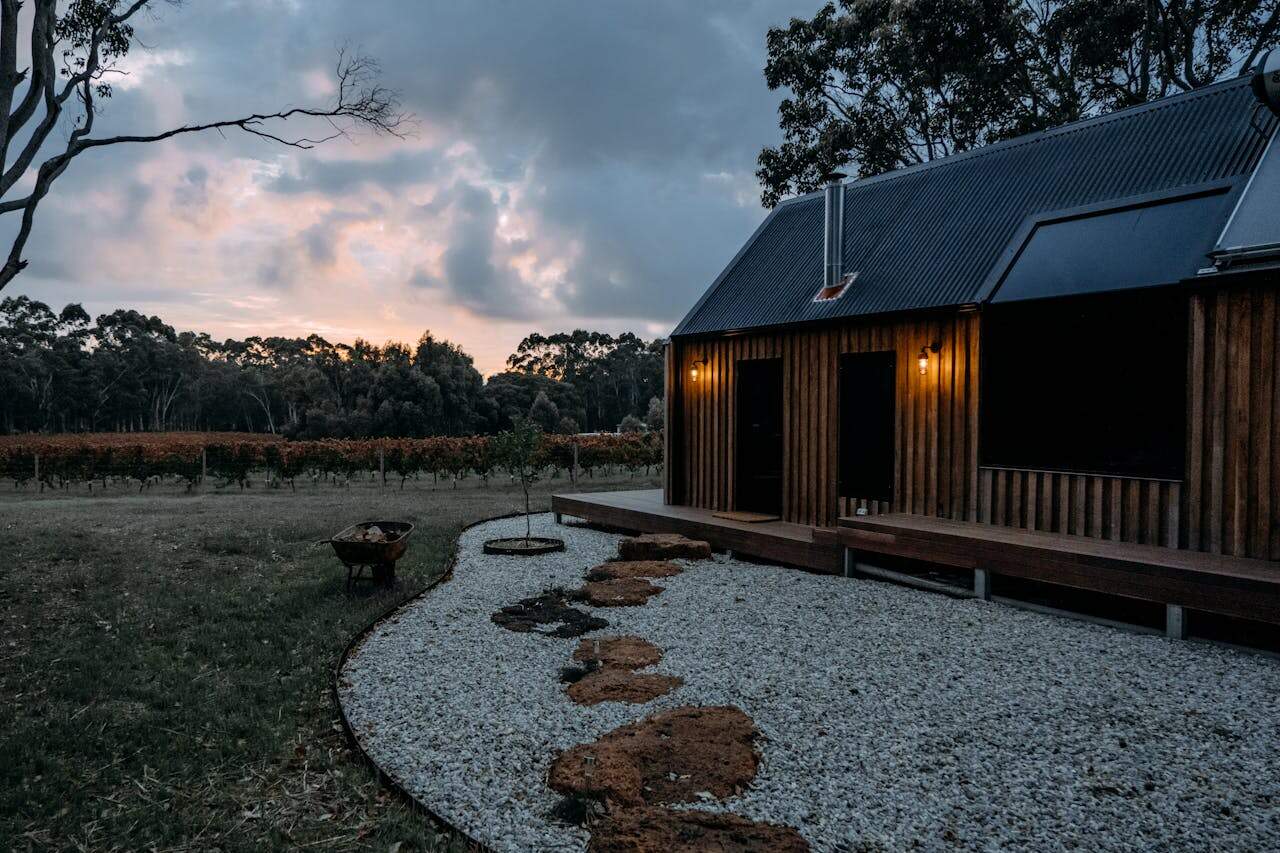
If you keep watering your grass frequently, it can use a lot of water. Overwatering makes your lawn feel spongy and wastes resources.
Switching to gravel landscaping reduces your water use because gravel doesn’t need watering. Plus, gravel requires less maintenance and keeps your yard looking tidy with less effort. Consider making the switch to save water and lower your bill.
Not using a pressure washer instead of garden hoses for cleaning

Using a garden hose for cleaning can waste a lot more water than a pressure washer. A pressure washer uses about 2 gallons per minute, while hoses can use up to 20 gallons per minute.
Pressure washers clean faster and with less water, making them better for both your time and water bill. Choosing a pressure washer can help reduce water waste during outdoor cleaning tasks.
Watering gardens without checking the weather forecast

If you water your garden without checking the weather, you might be using more water than necessary. Rainfall can provide enough moisture, so watering afterward wastes water and raises your bill.
By taking a moment to check the forecast, you can plan your watering schedule better. This helps you avoid overwatering and saves both water and money.
Failing to plant intensively to maximize water use
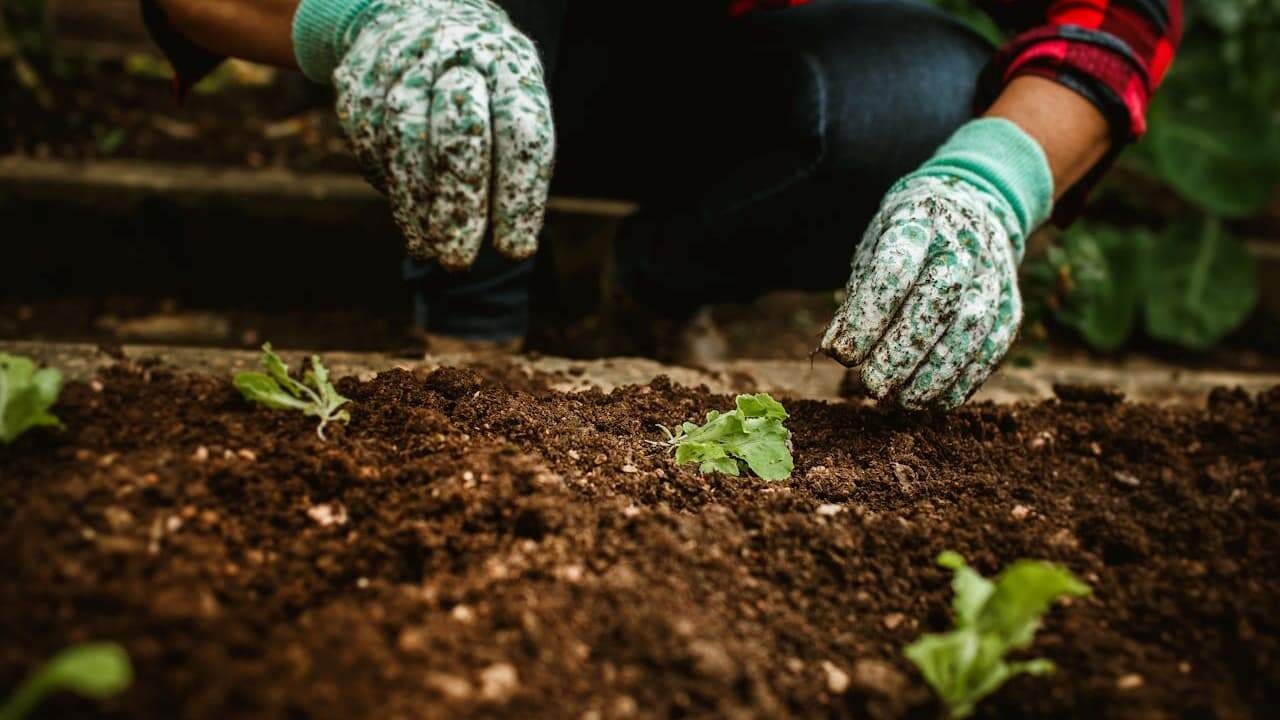
When you leave soil exposed between plants, it dries out faster. This means you end up watering more often to keep your garden healthy.
Planting closely or using ground covers helps shade the soil. That keeps moisture in and reduces how much water you need.
By planting intensively, you can cut down on wasted water and support a greener garden without extra effort.