Ants don’t need much of an excuse to move in. One tiny crumb, a little bit of moisture, or an open crack in the wall is all it takes. And once they find a good spot? They tell the whole colony. Suddenly, you’ve got a never-ending trail marching through your kitchen like they own the place.
The frustrating part is that most ant problems start with everyday habits you don’t even think about. A damp dish sponge, a forgotten spill, or a bag of snacks left open on the counter might be all it takes to bring them in. The good news? A few small changes can keep them out for good.
Advertisement
Damp Towels and Sponges

Ants aren’t just after food—they need water, too. A damp dish rag or wet sponge sitting in the sink is enough to draw them in. The same goes for wet towels left balled up on the floor. If you’re noticing ants near your sink or laundry room, they’re probably coming in for the moisture.
Wring out dish rags and sponges after every use and let them dry completely. If you want to be extra thorough, microwave your sponge for about 30 seconds to kill bacteria and dry it out faster. Hang up damp towels instead of leaving them in a heap, and keep an eye on any areas that tend to stay wet—ants will find them.
Trash Without a Lid
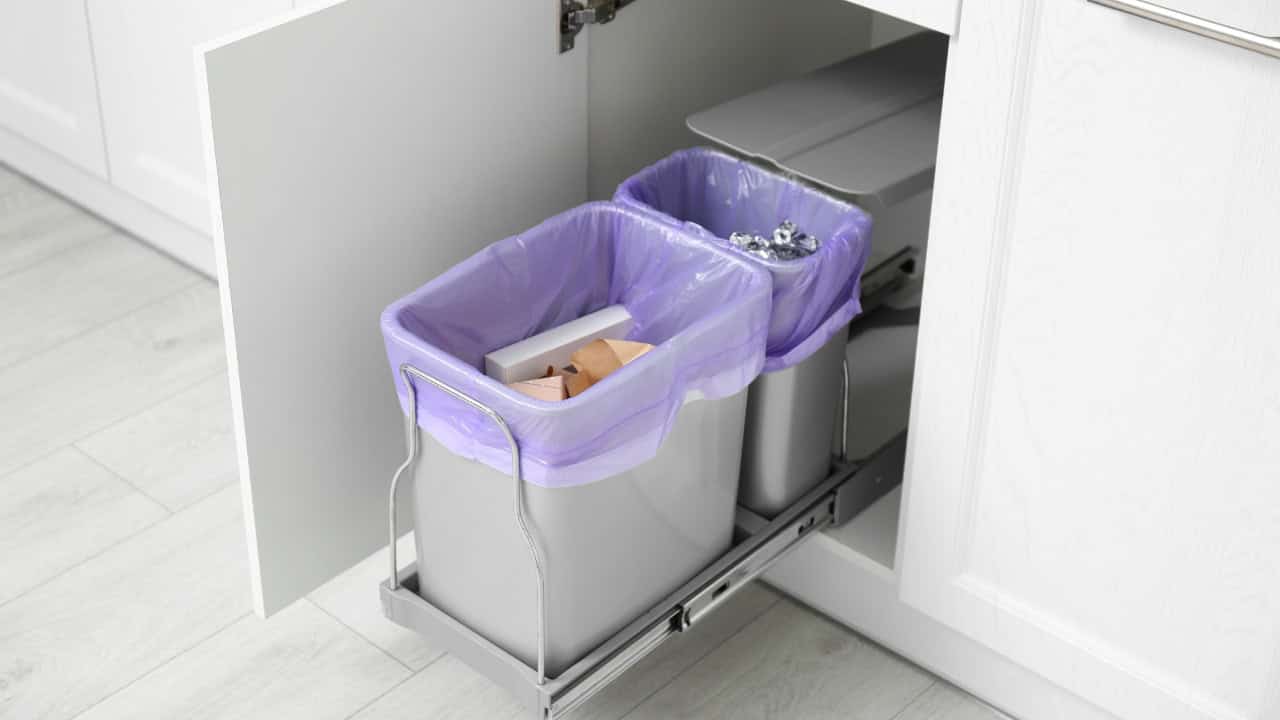
Leaving the trash can open is like putting up a flashing “Free Food” sign for ants. Even if you tie up your trash bags, those little gaps still let out enough smell to bring them in. And if your trash is overflowing? They’ll be climbing all over it before you know it.
Get a trash can with a lid that actually seals, not one that barely sits on top. Empty it regularly, especially if there are food scraps inside. And don’t forget to wipe it down now and then—sticky spills and crumbs inside the can are just as tempting as a half-eaten sandwich.
Overripe Fruit
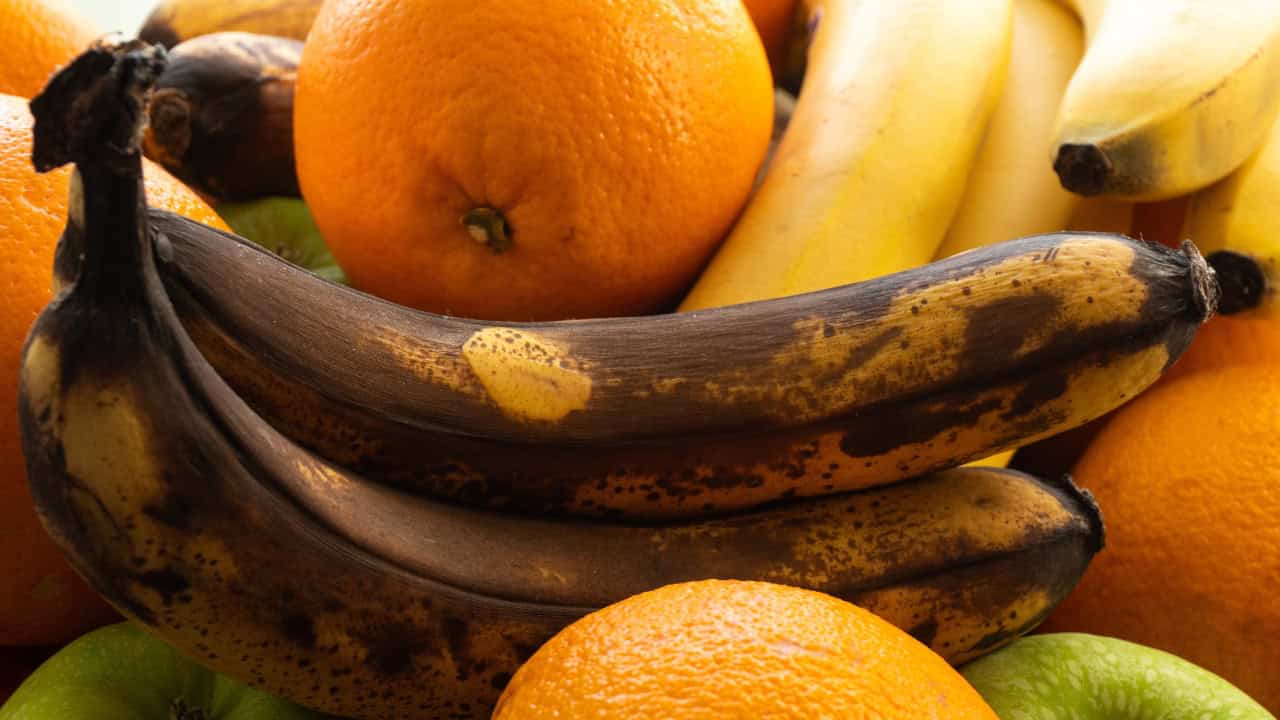
That bowl of bananas on the counter might look nice, but once they start turning brown, ants are on their way. As fruit ripens, it gives off a scent that tells ants, “Hey, free sugar over here!” And if it starts to get mushy? Now you’ve got fruit flies joining the party, too.
Keep ripe fruit in the fridge whenever possible. If you like keeping it out, try to eat it before it gets too soft. Washing fruit regularly can also help—sometimes those sweet smells that attract ants are just from residue left on the skin.
Too Much Water in Houseplants

If you’re the type to drown your houseplants with a little too much love (aka water), you might also be inviting ants in. Damp soil is a prime spot for them to set up a nest, especially if the water pools at the bottom of the pot. If you see ants hanging around your plants, they might already be making themselves at home.
Only water plants when the soil actually needs it—stick your finger in to check if it’s dry before grabbing the watering can. Make sure pots have good drainage, so water isn’t just sitting at the bottom. If ants have already moved in, sprinkle cinnamon or diatomaceous earth around the base to send them packing.
Crumbs on the Floor
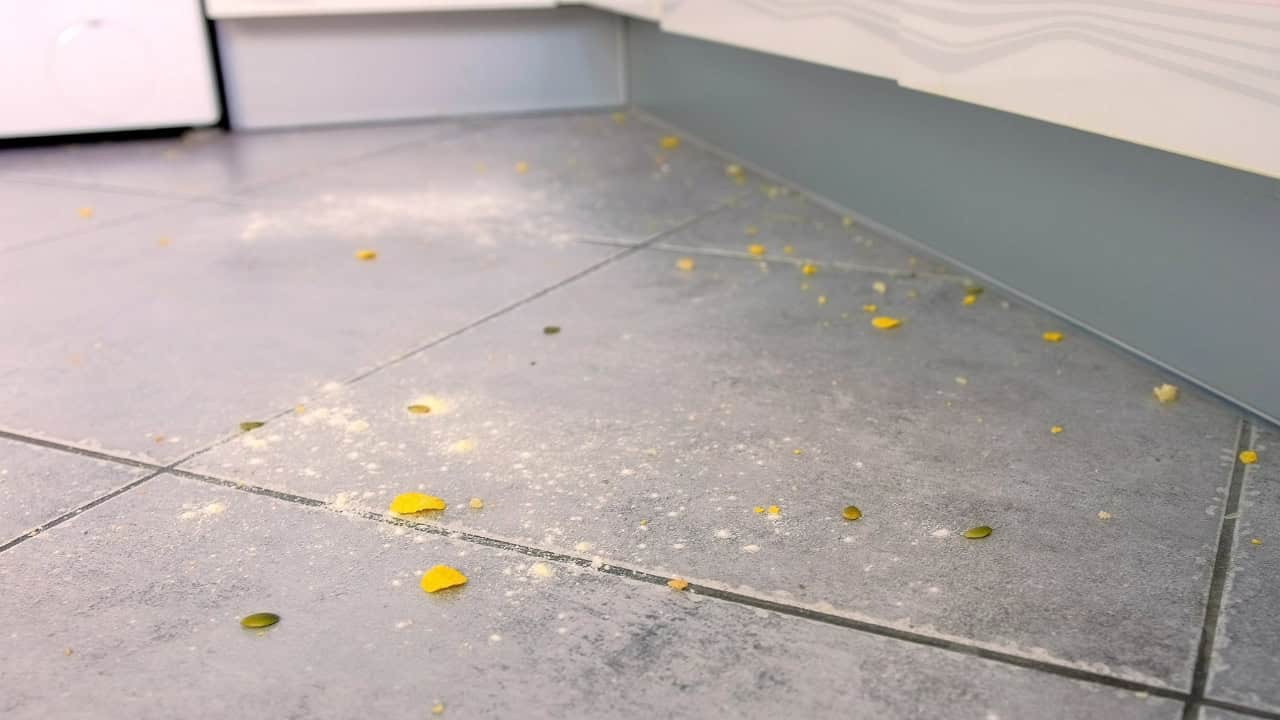
A few cracker crumbs or toast bits on the floor don’t seem like much, but to ants, it’s an all-you-can-eat buffet. They’ll sniff out those tiny leftovers, and once they know where to find food, they’re not going anywhere. Even the crumbs under the toaster or behind the coffee maker can keep them coming back.
Make sweeping and vacuuming part of your daily routine, especially in places where food gets eaten. Pay extra attention to the spots you don’t think about—under the table, around the fridge, and even in the couch cushions. And if you’ve got kids, checking under their high chair is a must.
Dirty Dishes
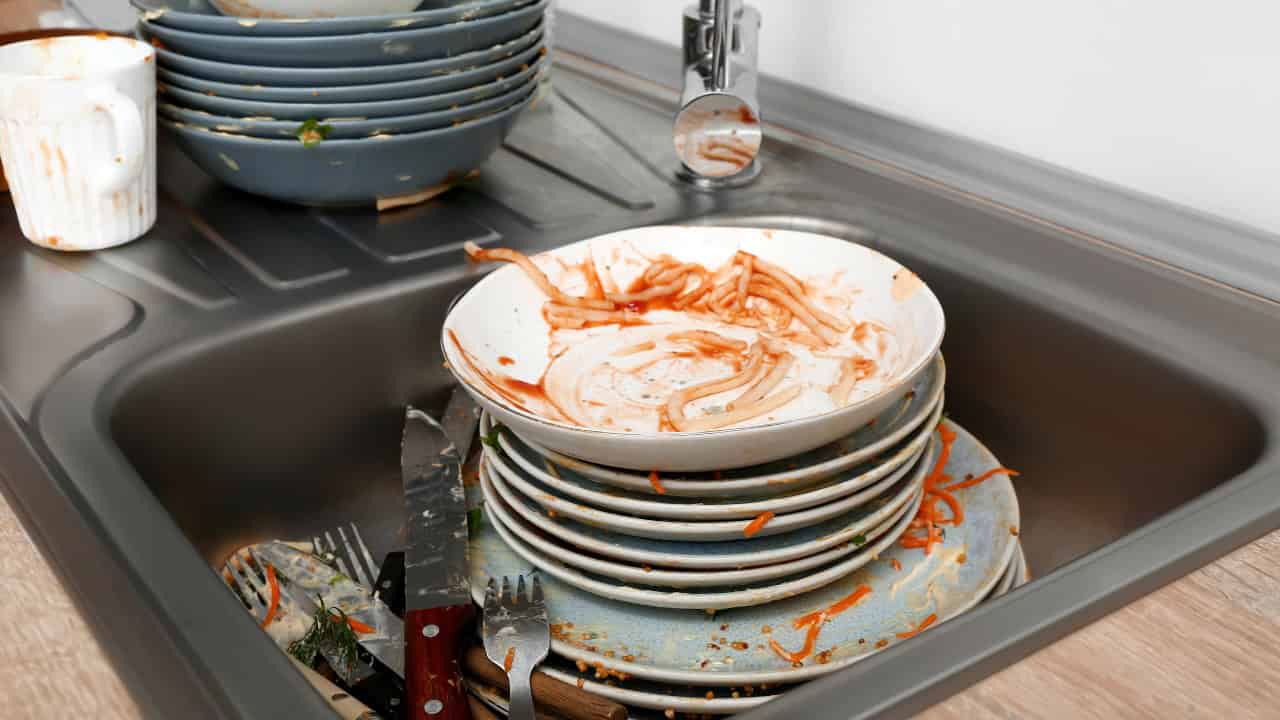
Leaving dirty dishes in the sink is like rolling out the red carpet for ants. Even if you don’t see food chunks, grease and sugary residue are enough to lure them in. Ants don’t need a feast—just a few crumbs can keep them coming back.
Wash dishes right after eating or at least rinse them off. If you’re too tired to clean up right away, a quick rinse keeps food from sticking and cuts down on smells that attract ants. Don’t forget the drain—leftover bits of food in the sink strainer can be just as tempting.
Spilled Drinks

A few drops of soda or juice might not seem like a big deal, but ants think otherwise. Sugary liquids leave behind a sticky residue that lingers long after the spill dries. Even coffee with a little cream or sugar can attract them.
Wipe up spills as soon as they happen, even if it’s just water. For sticky messes, a mix of vinegar and water helps break down sugar and removes the scent trail ants follow. Check under the edges of appliances too—ants love finding forgotten drips near the fridge or stove.
Pet Food
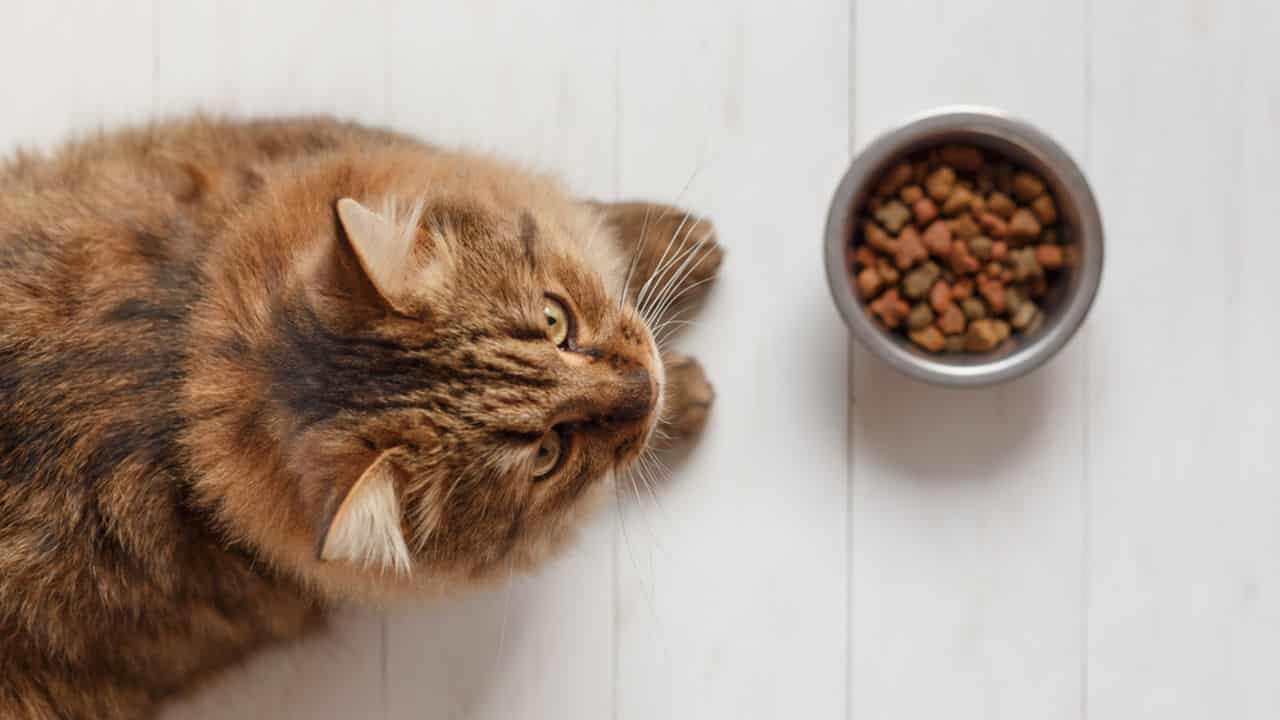
Ants don’t care if the food is meant for your pet. If it’s left sitting out, they’ll take full advantage. Dry kibble, wet food, and even crumbs around the bowl can all attract them.
Pick up leftover food once your pet is done eating. If your pet free-feeds, consider a raised feeder with a moat to keep ants out. Store extra food in airtight containers and sweep around the feeding area regularly. If ants keep finding their way in, a pet-safe barrier like diatomaceous earth can help.
Open Food Containers
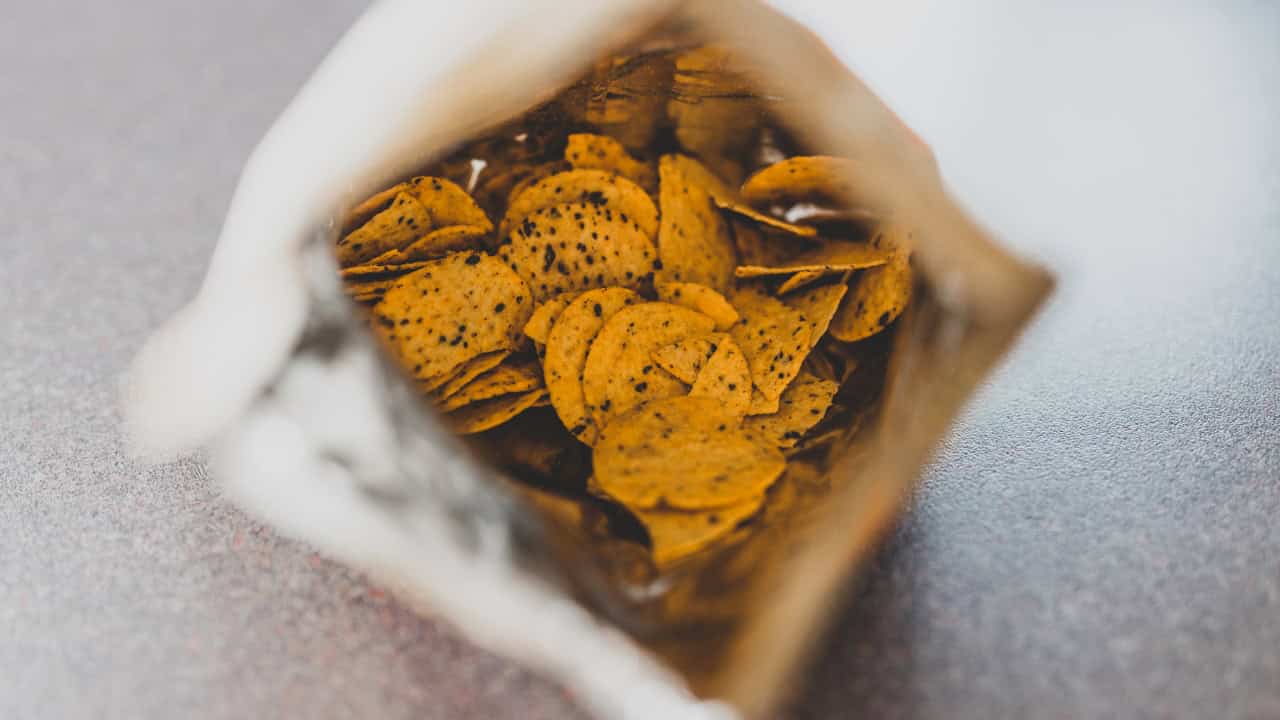
Leaving food in open bags or loosely closed boxes makes it easy for ants to get inside. Even if you fold down the top of a cereal bag or roll up a chip bag, ants can still find their way in.
Use airtight containers for anything that could attract ants, especially sugar, flour, and snacks. Not only does this keep ants out, but it also keeps food fresh longer. If you notice ants in your pantry, wipe down shelves with vinegar and check for tiny cracks they might be sneaking through.
Ant Trails Outside
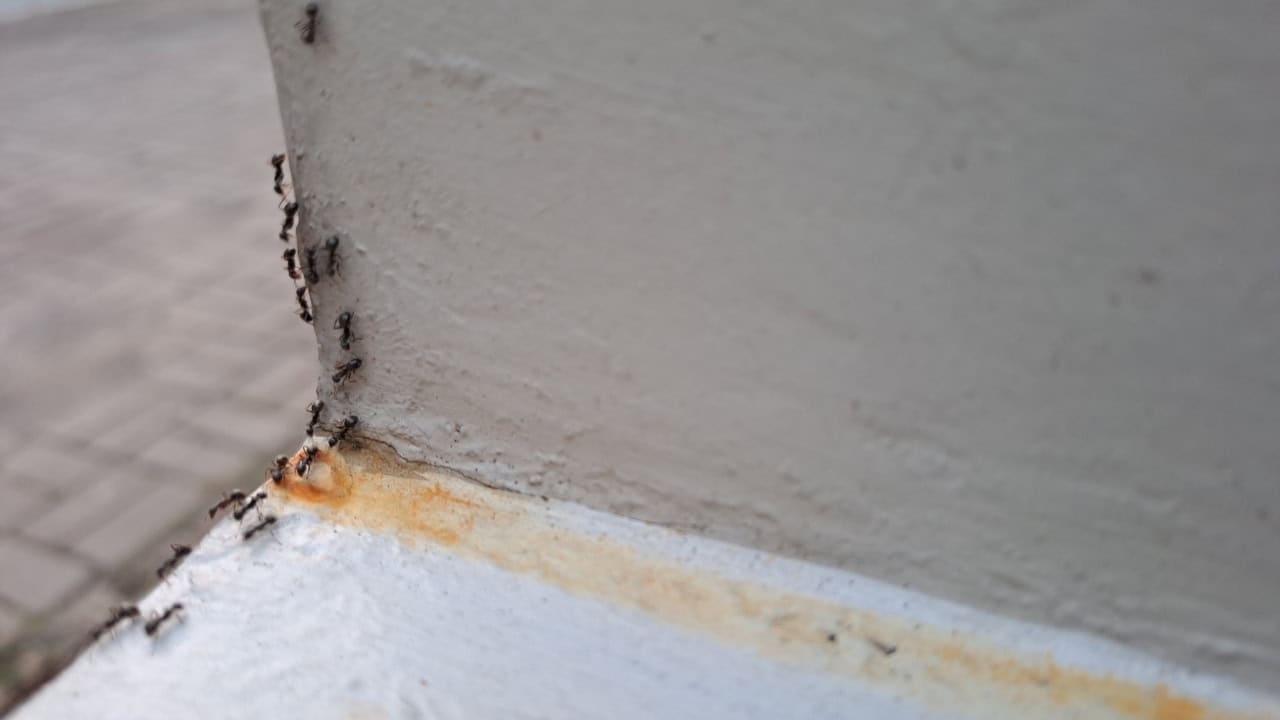
If you spot a line of ants crawling along your home’s foundation, they’re not just sightseeing. They’ve likely already found a way in or are working on it. Ignoring outdoor ant trails only makes the problem worse because they leave behind scent trails that tell more ants exactly where to go.
Break their trail by wiping down the area with a vinegar and water mix. If they’re coming in at a specific spot, sprinkle diatomaceous earth along the entry points—it’s safe for people and pets but stops ants in their tracks. Also, trim back any bushes or branches touching your house, since ants love using them as a bridge to get inside.
Tiny Gaps Let Ants Right In
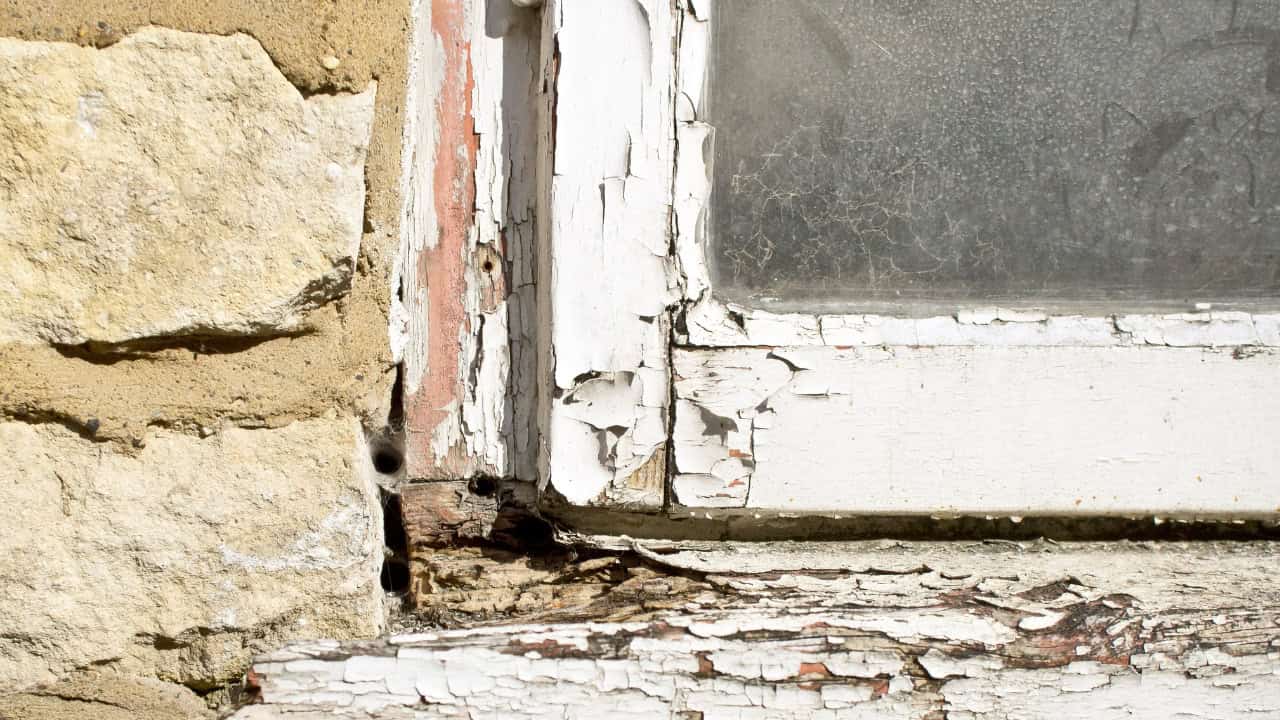
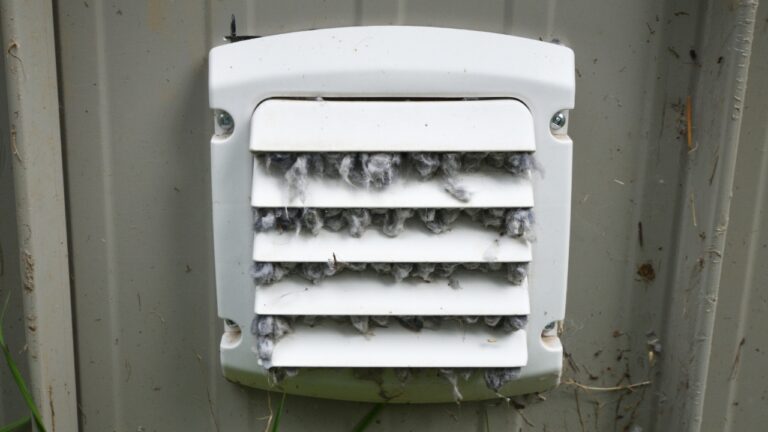
Even if your home is spotless, ants will find their way inside if you’re giving them an open door. Tiny gaps around windows, doors, or baseboards are all they need. They also sneak in where pipes and wires enter your house. If you’ve ever seen a random line of ants marching along a wall, chances are they came in through a crack you didn’t even know was there.
Do a walkaround of your house and check for any small openings, especially near doors, windows, and utility lines. Use caulk or weatherstripping to seal up any cracks. If you’re constantly dealing with ants in the same area, look outside to see where they’re coming from—you might find a sneaky little entrance that needs blocking.
*This article was created with the assistance of AI.