If you enjoy gardening but want more from your outdoor space than just pretty flowers, edible landscaping might be a great option for you. It lets you combine beauty with practicality, growing plants that you can actually eat while still creating a visually appealing garden.
Edible landscaping ideas give you the chance to make your yard both attractive and productive, adding fresh herbs, vegetables, and edible flowers that brighten your space and boost your meals. This article will show you simple and appealing ways to transform your garden with plants that serve double duty.
Advertisement
Raised beds filled with kale and chard
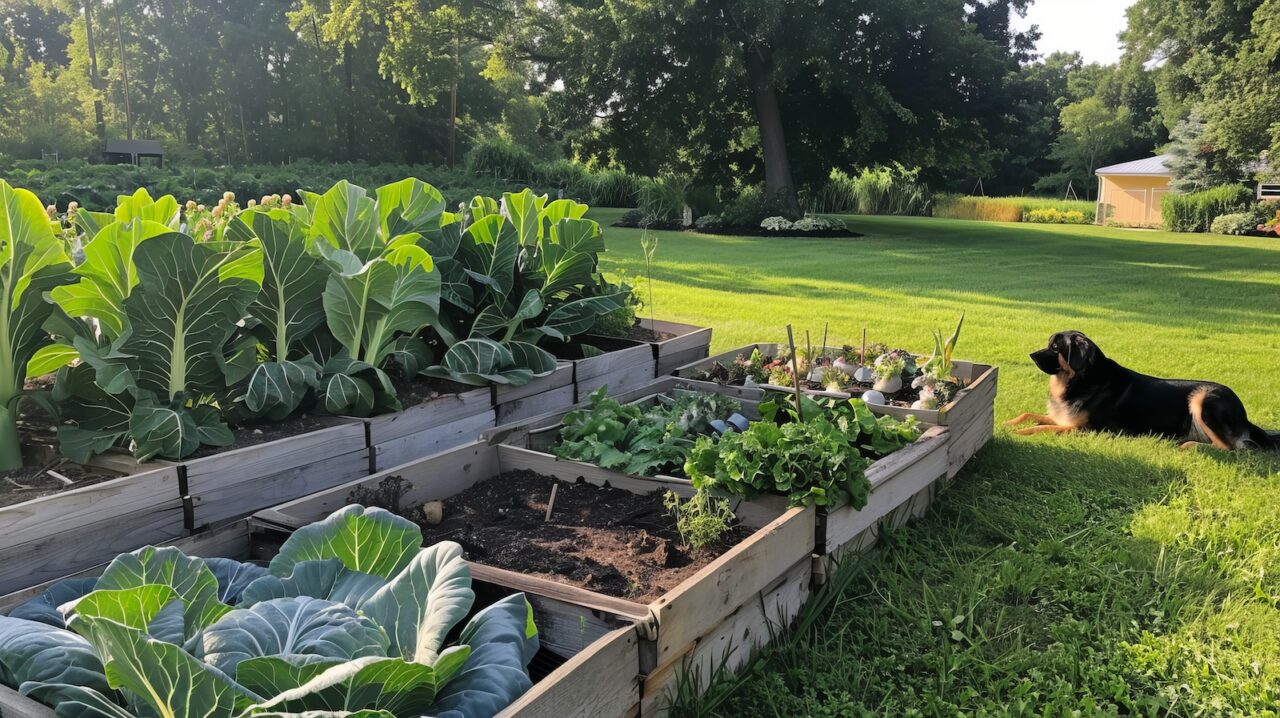
You can easily grow kale and chard in raised beds, making the most of your space. These greens are hardy and provide you with nutritious leaves throughout the season.
Raised beds improve drainage and soil quality, helping your plants thrive. Plus, they make planting and harvesting more comfortable for you. Adding kale and chard to your garden brings color and nutrition without much fuss.
Fruit trees like apple or pear
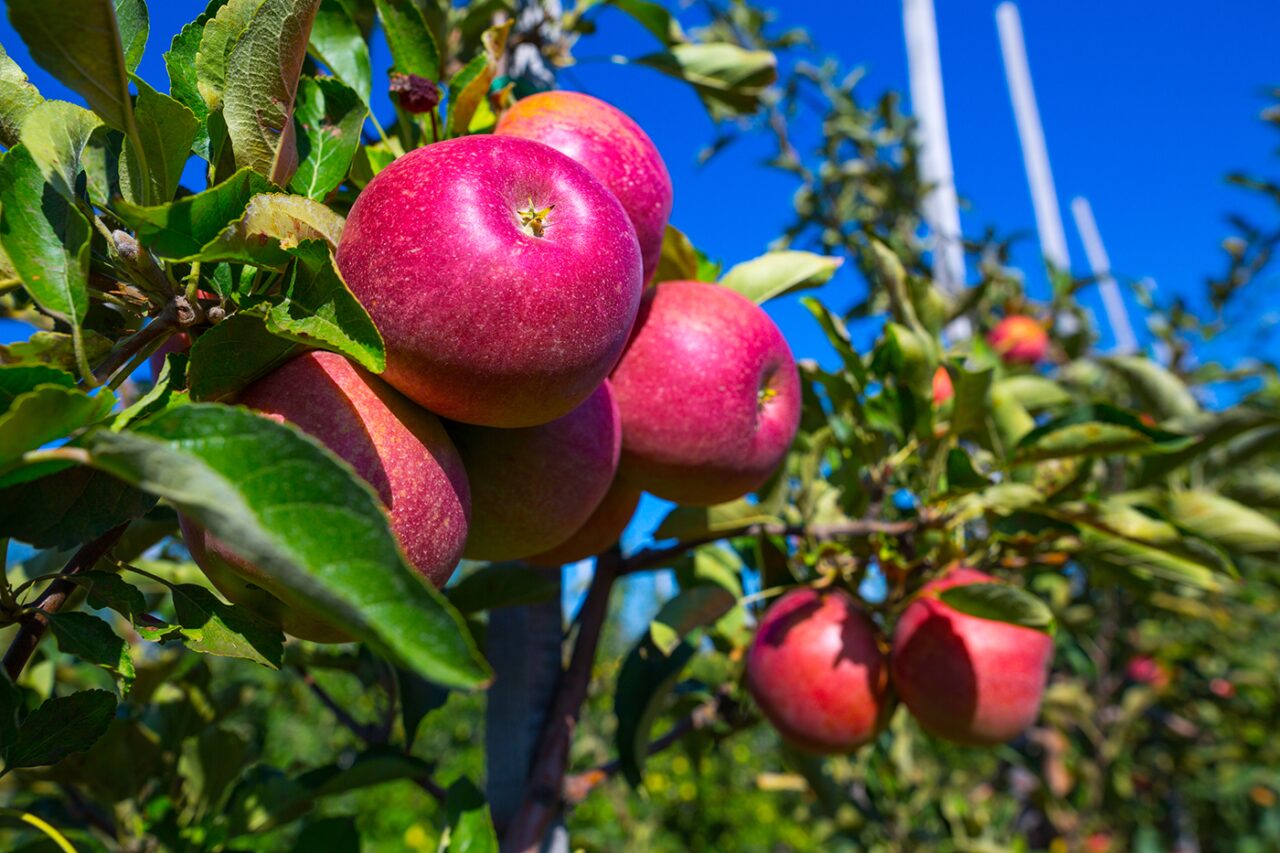
You can add vertical interest to your yard with fruit trees like apples or pears. These trees offer beautiful blossoms in spring and tasty fruit in the fall.
Dwarf varieties are great if you have limited space. They grow well and are easier to manage.
Pears may handle local climates slightly better and can be a reliable choice for your garden. Both options make your landscape productive and attractive.
Edible groundcovers such as creeping thyme
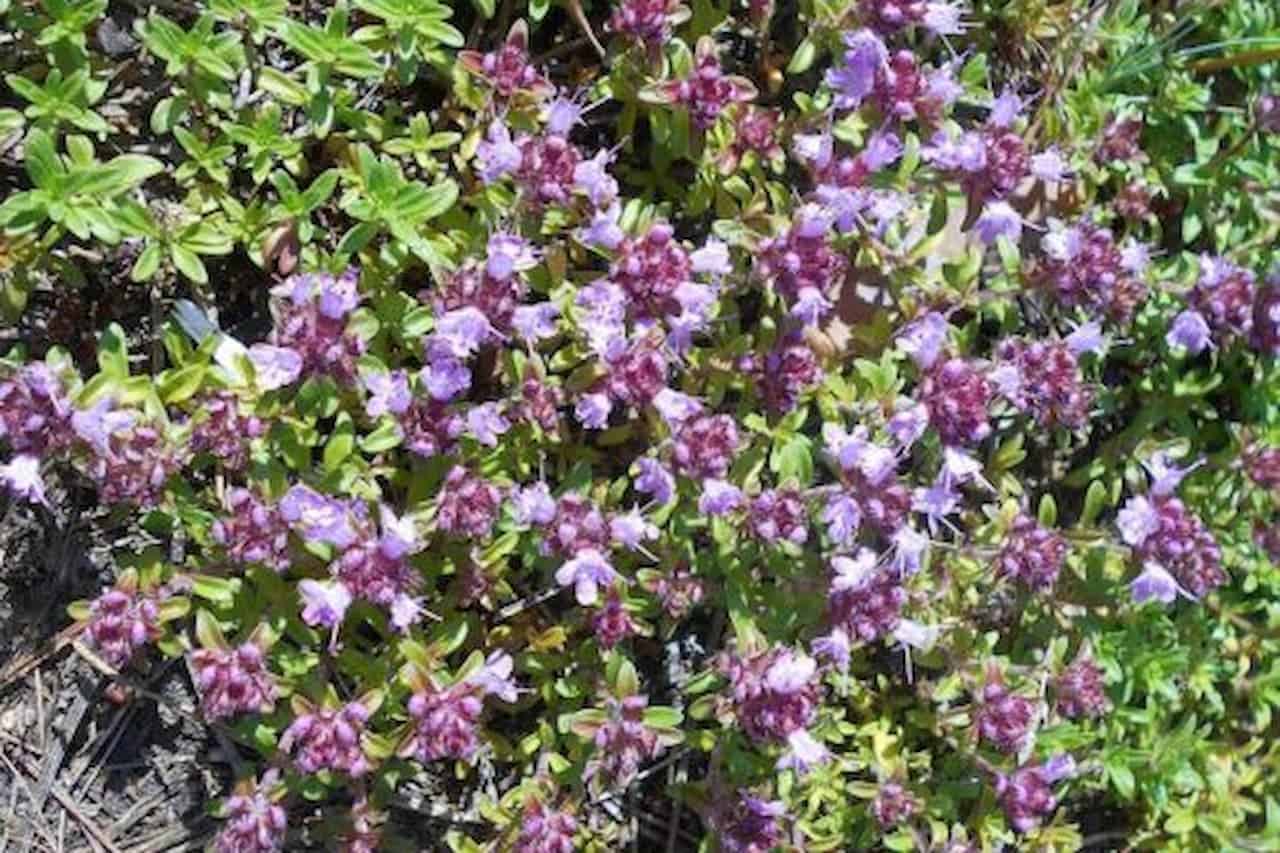
You can use creeping thyme as a low-growing, edible groundcover that adds both beauty and flavor to your yard. It forms a dense mat just a few inches tall, making it a great option to fill in bare spots.
This plant requires minimal care and produces small purple flowers that attract pollinators. Plus, you can harvest the leaves to add a fresh, herbal touch to your cooking.
Onion plants with purple blooms
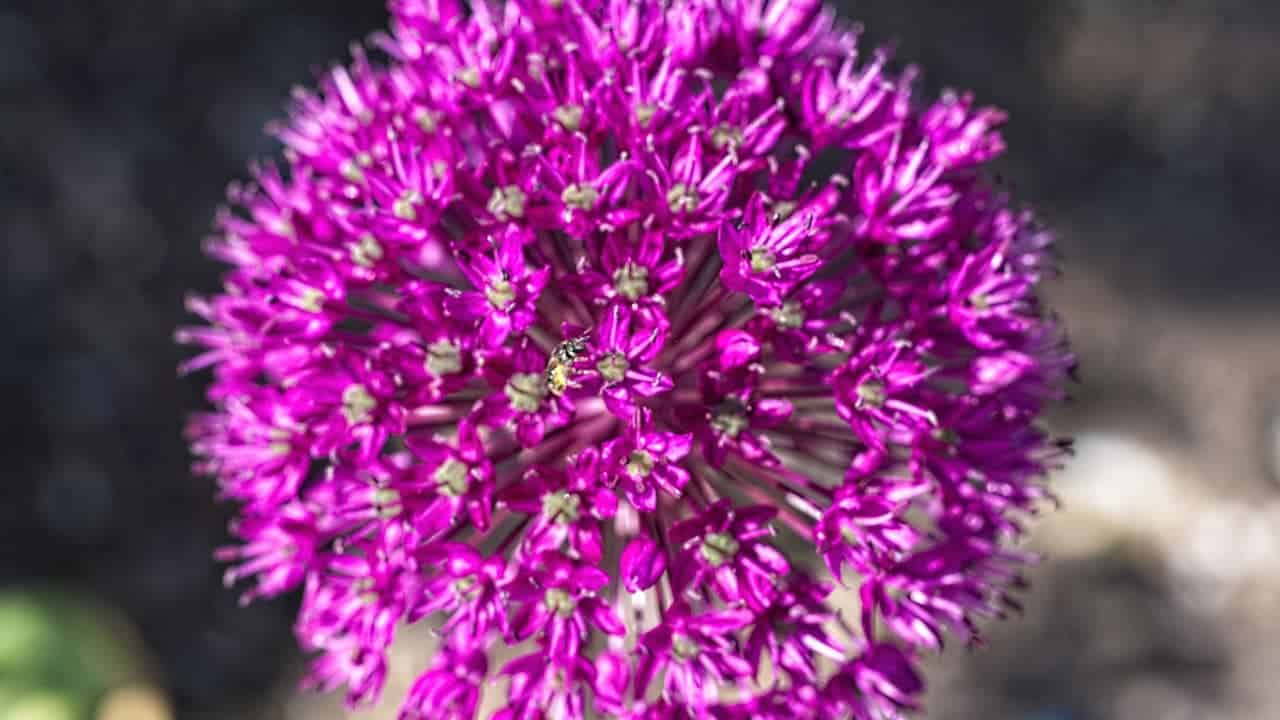
You can add a pop of color and flavor with onion plants that produce purple flowers. These blooms appear in late spring to early summer and look beautiful in any garden.
The flowers are edible and pair well with salads or as a garnish.
Besides adding beauty, the plants are easy to grow and fit well in edible landscapes. You’ll enjoy both their look and their use in the kitchen.
Borage flowers for beauty and flavor
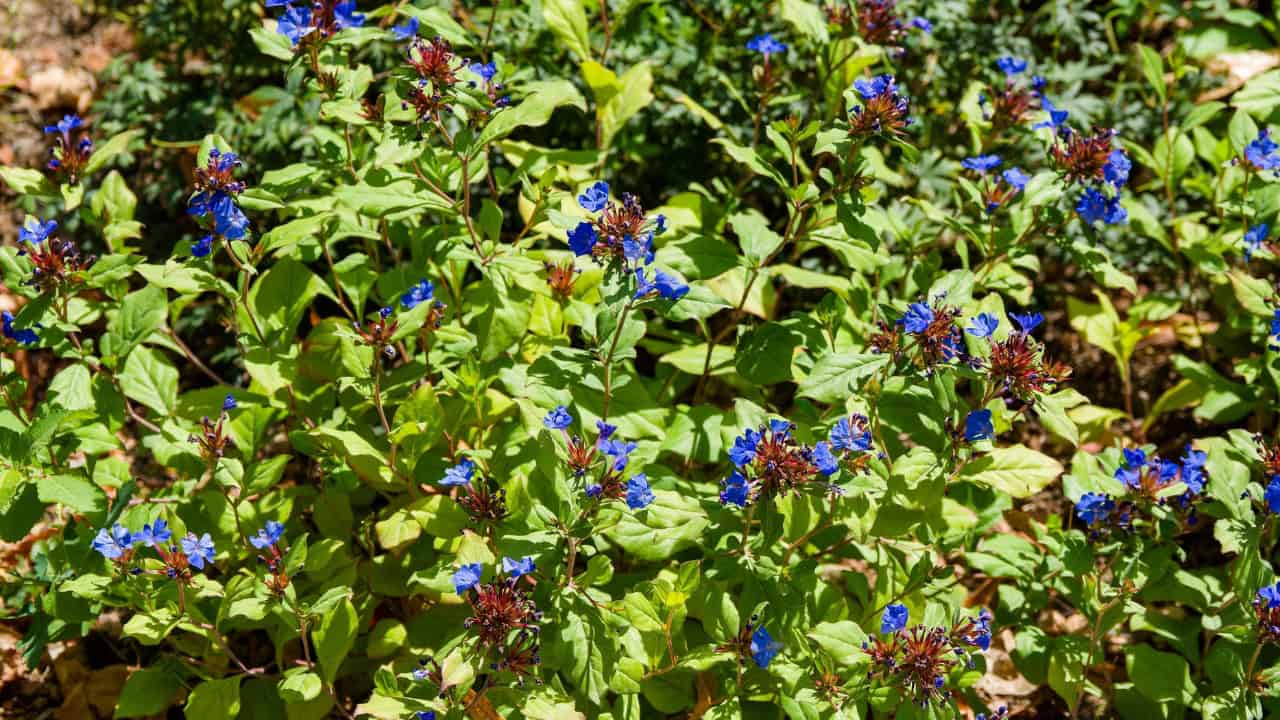
You can add borage to your garden for its charming blue-purple flowers. They brighten any space while attracting pollinators like bees.
Borage flowers have a mild cucumber taste, making them a fresh addition to salads or drinks. They grow well in full sun or partial shade with well-draining soil.
Planting borage helps support your garden’s health while giving you both color and edible benefits.
Herbs like basil, oregano, and mint

You can add flavor and fragrance to your yard with herbs like basil, oregano, and mint. These are easy to grow and can thrive in small spaces.
Basil pairs well with tomatoes and salads, while oregano adds a spicy touch to dishes. Mint is refreshing and great for teas, but watch it spread as it grows quickly.
Planting these herbs close to your kitchen makes harvesting simple and keeps your garden both useful and inviting.
Leafy greens like arugula and spinach
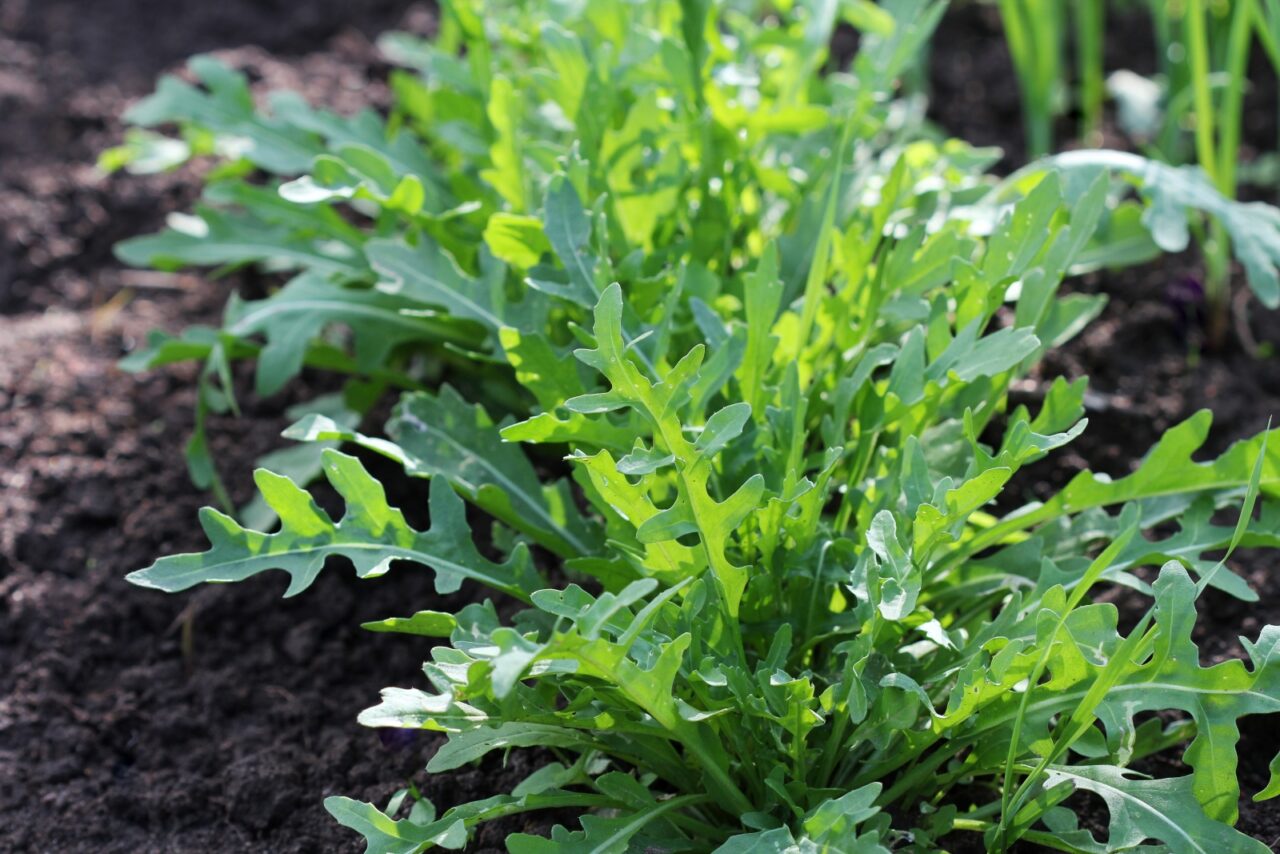
You can add fresh, tasty greens to your yard with arugula and spinach. Both grow quickly and provide nutrient-rich leaves for salads and cooking.
These greens don’t take up much space, making them perfect for raised beds or small garden patches. Plus, their vibrant color adds a natural charm to your landscape.
Growing these leafy greens lets you enjoy homegrown food while keeping your garden attractive and practical.
Perennial fruit plants like strawberries
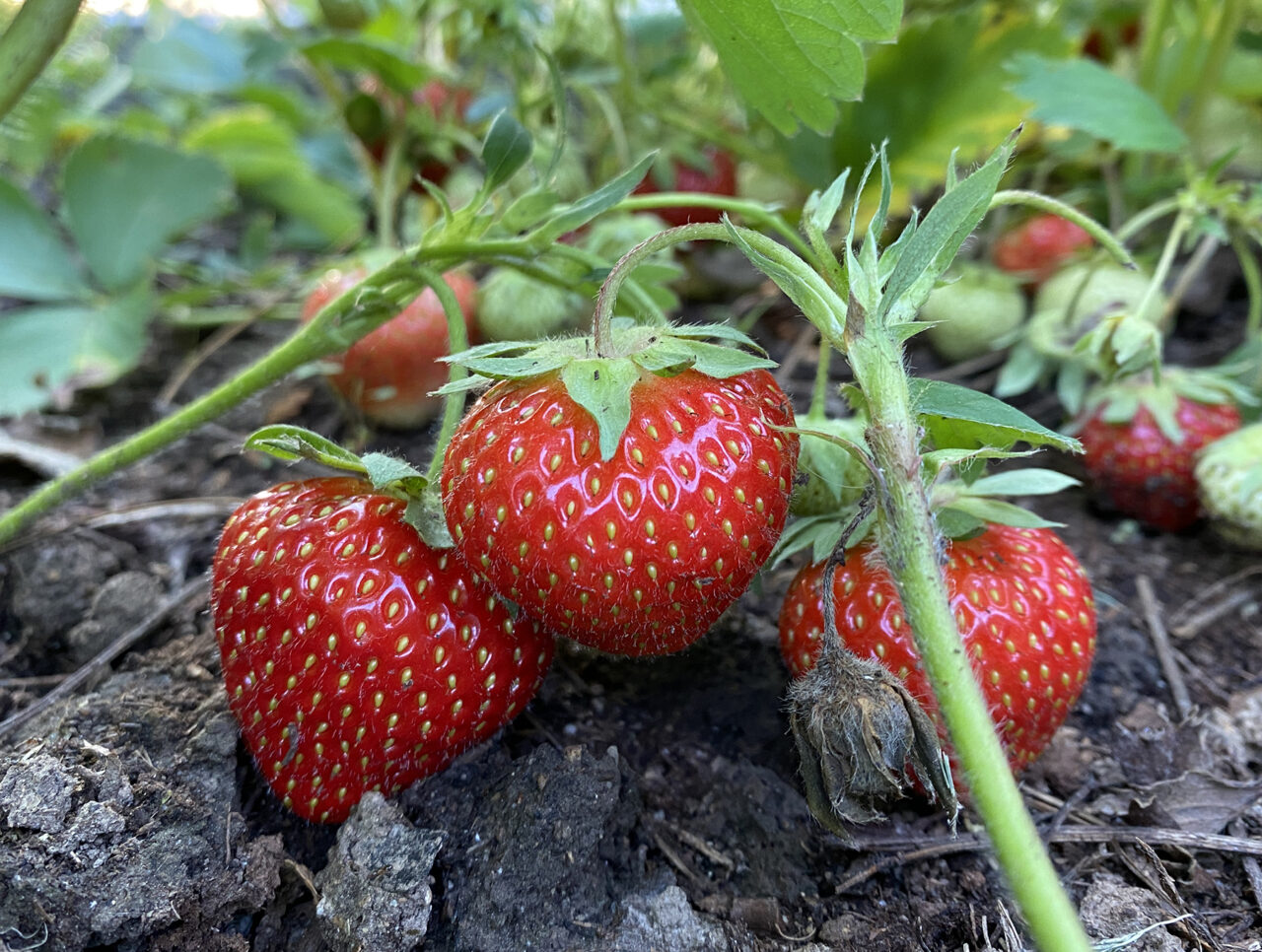
You can add strawberries to your landscape for a tasty and attractive groundcover. They return year after year, giving you fresh fruit without replanting.
Strawberries grow well in raised beds or containers, making them easy to manage. Their green leaves and small white flowers add charm to your garden.
Plus, they attract pollinators like bees, which benefits other plants nearby. Growing strawberries is a simple way to combine beauty and function in your yard.
Umbellifer herbs like dill and cumin
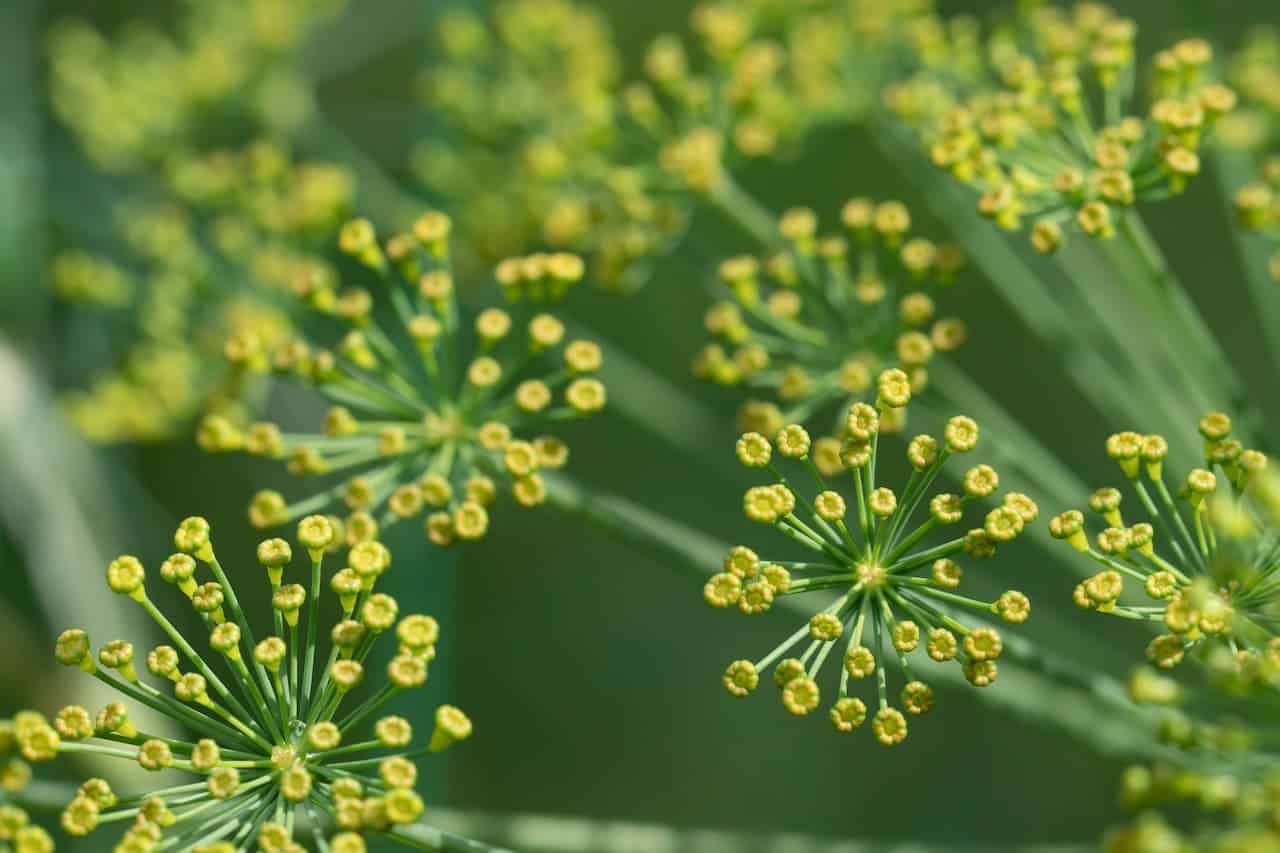
You can add height and texture to your garden with umbellifer herbs like dill and cumin. Their delicate, umbrella-shaped flower clusters bring a unique look that stands out.
These herbs attract beneficial insects while giving you fresh flavors for your kitchen. Growing them in your landscape combines beauty with usefulness in a simple way.
Vegetables such as colorful Swiss chard

You can add a splash of color to your garden with Swiss chard. Its stems come in red, orange, yellow, and pink, brightening your space without flowers.
Both the leaves and stalks are edible, so you get beauty and tasty greens. Swiss chard also keeps producing throughout the season, giving you ongoing harvests.
Blueberry bushes for both fruit and flowers
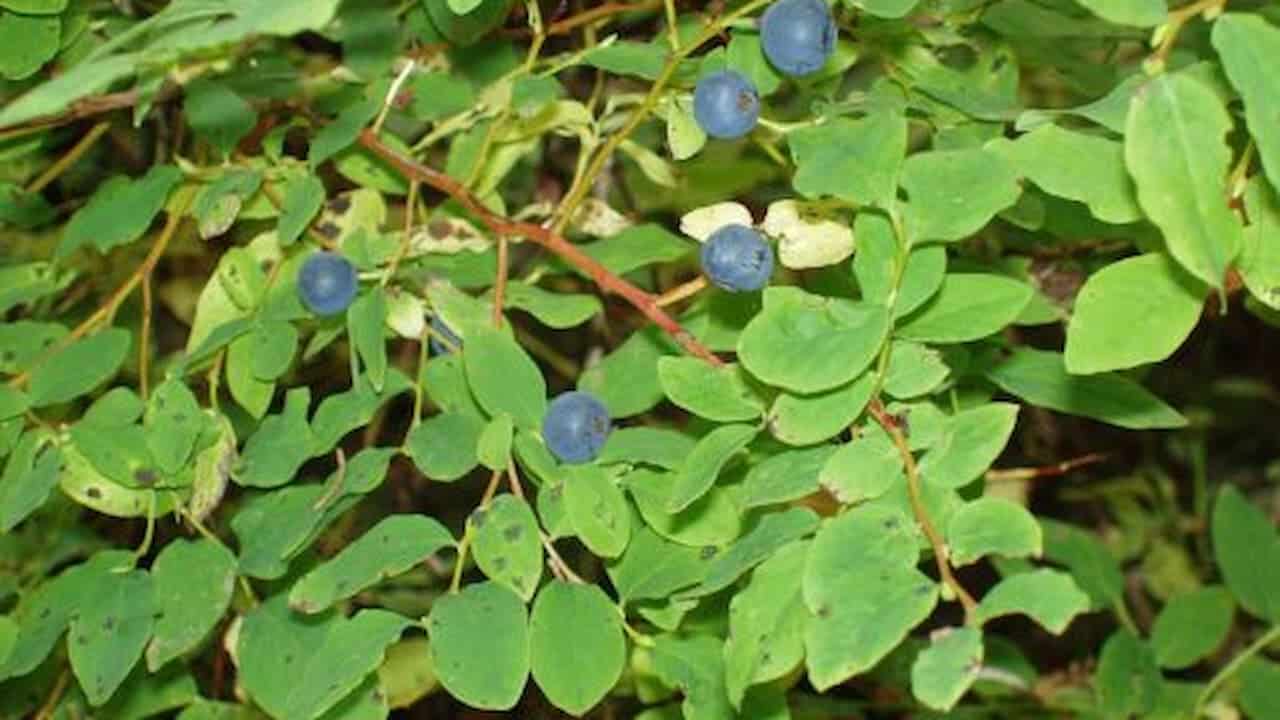
You can enjoy blueberry bushes for more than just their fruit. They produce delicate flowers that add charm to your yard in spring.
These bushes offer tasty, nutritious berries for your kitchen. Plus, their attractive foliage adds visual interest even after harvest.
Growing blueberries also helps attract pollinators, which benefits your entire garden. You’ll want to plant them in acidic, well-amended soil for the best results.