Winter can be a transformative time for garden soil if accurate steps are taken to replenish and protect it. The cold months offer an opportunity to restore nutrients and structure, laying the groundwork for a successful spring. However, since the U.S. has diverse climates with milder winters in the South and harsher conditions in the North, certain practices may be adjusted based on your region.
Here are some practical methods to help you nurture and revitalize your soil during the off-season.
Advertisement
Layer Organic Mulch for Protection
A recommended solution is to cover the garden soil with a thick layer of organic mulch, such as straw or shredded leaves. This helps retain moisture and maintain a stable temperature, which helps to protect microbes from extreme cold. Mulch acts as a layer of protection, preventing soil acidity and enriching it as organic matter decomposes. This natural cover keeps the soil cool and moist, which helps to reduce damage from heavy rainfall and supports long-term soil fertility.
Add Compost for Nutrient Boost

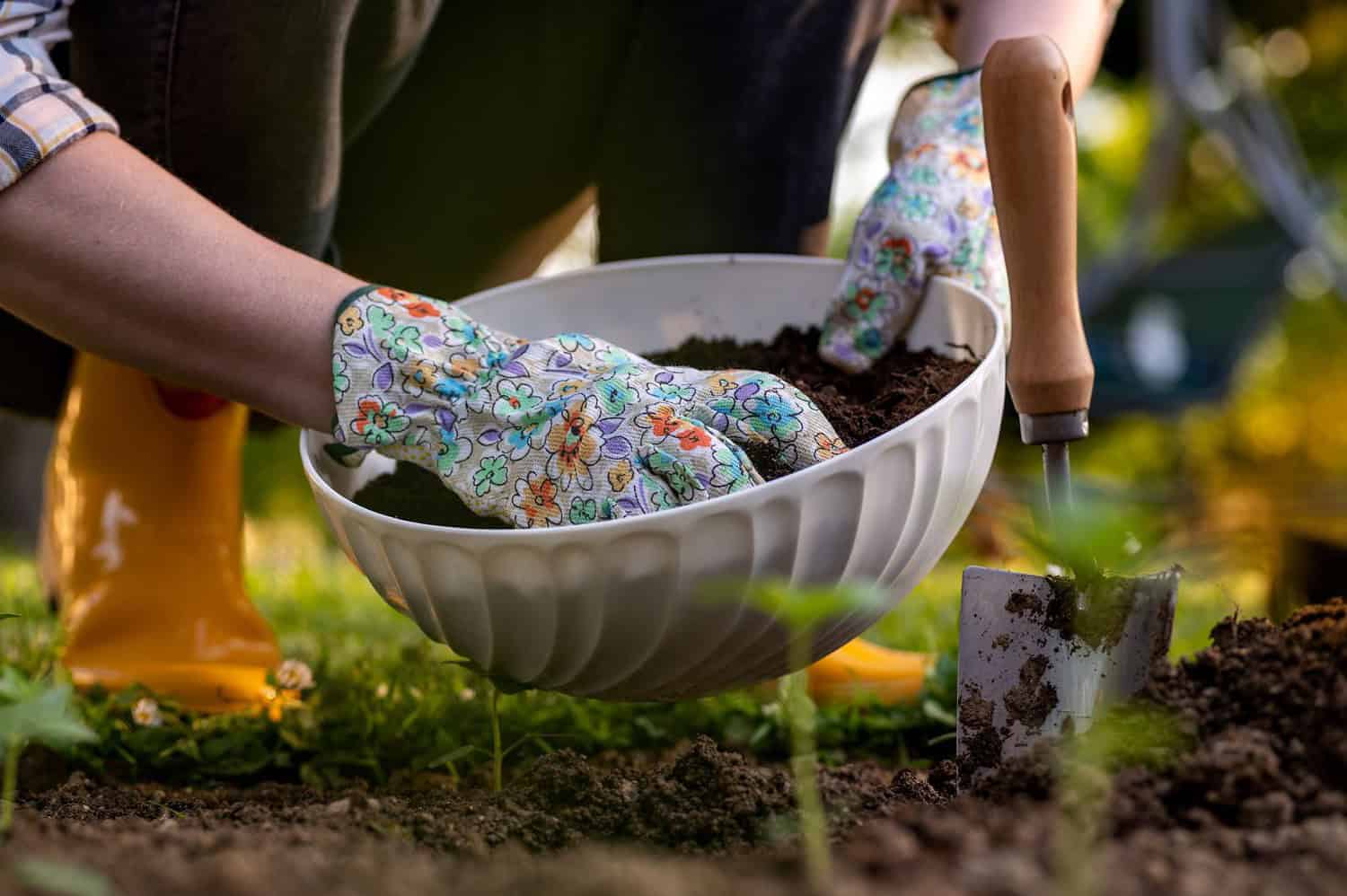
Adding compost in winter helps to enrich the soil steadily with essential nutrients, promoting more robust plant growth. It also helps in reducing the need for chemical fertilizers and pesticides. As it breaks down, compost enhances soil structure, boosts water retention, and strengthens the soil’s ecosystem, supporting healthy plant development. Spread a thick layer of compost and allow winter rains or snow to integrate it into the soil, setting the stage for a more productive spring.
Plant Cover Crops for Organic Matter

Cultivation of cover crops like winter rye, clover, or hairy vetch are beneficial to garden soil during winter. These plants add organic matter, enrich the soil with essential nutrients, and protect against erosion. According to the studies conducted by National Institute of Food and Agriculture, cover crops improve soil structure by enhancing water infiltration and soil structure, making the soil more resilient and ready for spring planting. Additionally, they help reduce the chances of pest and disease issues by creating a healthier, balanced ecosystem.
Avoid Tilling to Preserve Soil Structure

Winter is that time of the year when the soil should be allowed to rest undisturbed. Heavy tilling can break down its natural structure and release valuable carbon. Reduction of soil disruption allows beneficial organisms like earthworms and microbes to thrive, improving soil health. These organisms help enhance soil stability, making it more resilient against erosion and capable of retaining moisture. Preserving your soil’s structure over winter can lead to healthier and more productive soil when spring planting arrives.
Apply Organic Fertilizer for Slow Nutrient Release
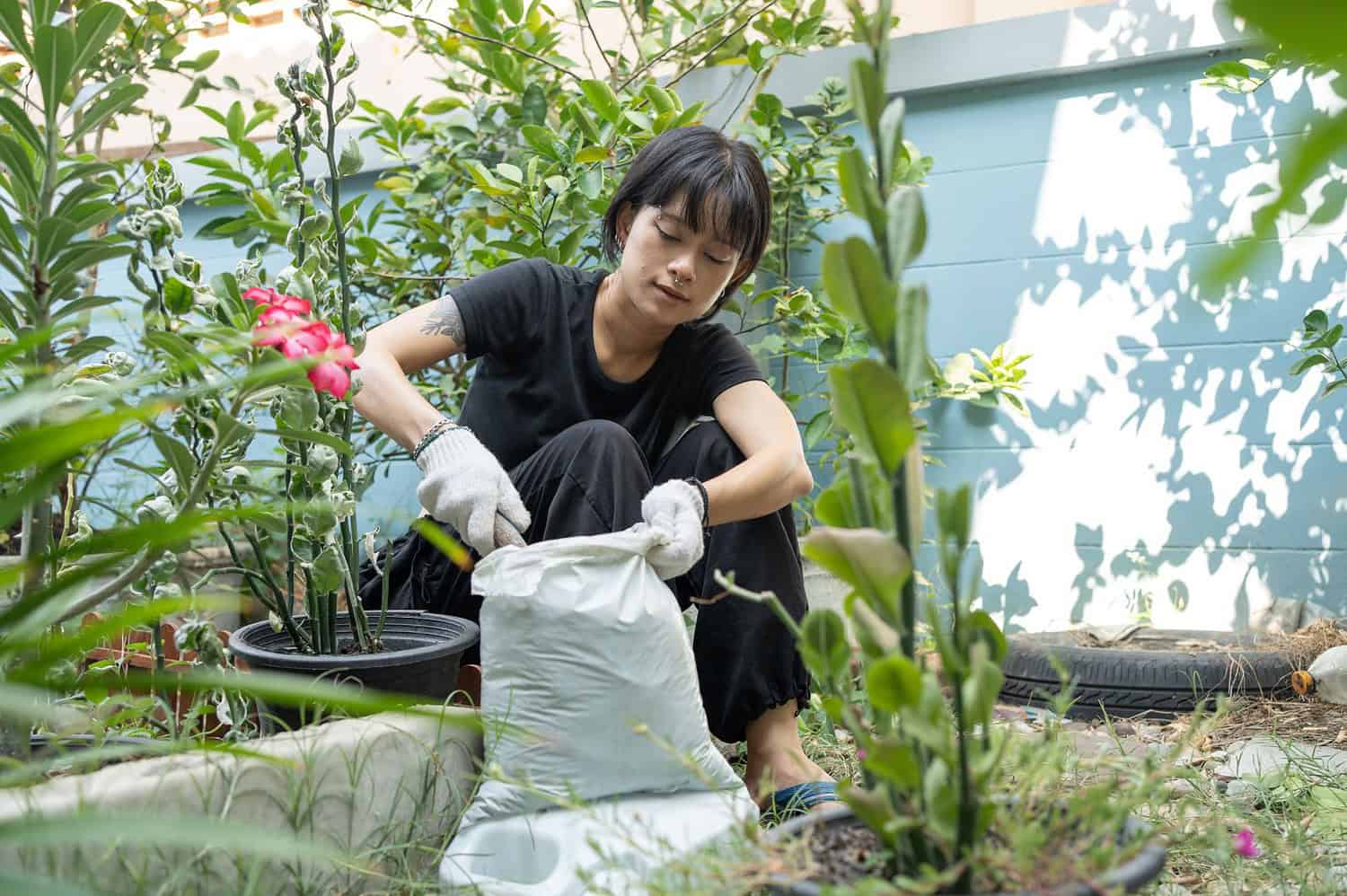
Using organic fertilizers like bone meal (rich in phosphorus) or kelp (packed with potassium) provides a steady nutrient supply throughout winter. These fertilizers decompose slowly in cold weather, enriching the soil ecosystem over time and supporting stronger plant growth come spring. Feeding the soil itself, rather than just plants, creates a balanced nutrient profile and encourages long-term soil health.
Incorporate Fallen Leaves for Added Humus
Fallen leaves provide a natural way to add nutrients and organic matter to your soil. Acting like a slow-release fertilizer, they break down gradually, enriching the soil as it decomposes. Without extravagant effort, leaves can be used as mulch, making them a valuable alternative for even the most nutrient-deficient soils. This organic layer also helps retain moisture and supports healthy microbial activity throughout winter.
Use Coffee Grounds to Enrich the Soil

Coffee grounds are valuable to garden soil, contributing essential nutrients like nitrogen and other trace elements. Lightly sprinkle them over the soil or mix them into compost to boost microbial activity and support a healthier soil ecosystem. This simple addition not only recycles kitchen waste but also enriches the soil structure for better plant growth.
Test Soil for Tailored Amendments

Winter is an excellent time to test your soil to understand its nutrient composition and pH levels. Testing provides insights into what specific amendments may be needed, such as lime to reduce acidity or sulfur to increase it. Many agricultural extensions offer low-cost soil testing services, providing data that can help you optimize your soil for spring. Knowing your soil’s needs enables you to avoid unnecessary additives, which can disrupt soil health.
Water Sparingly to Prevent Erosion
While soil moisture is essential, avoid overwatering in winter as it can lead to erosion and nutrient leaching. Watering sparingly prevents topsoil from washing away during heavy rains or melting snow. The goal is to keep the soil damp but not saturated, helping maintain its structure. Try to water only when needed, focusing on early mornings when temperatures are lower, allowing the soil to absorb moisture gradually without excess evaporation.
Use Green Manure to Boost Nitrogen

Green manure, like clover or mustard, can enrich soil with nitrogen and organic matter over winter. Unlike cover crops meant to shield soil, green manure crops are tilled into the soil, breaking down quickly to release nutrients. Green manure is especially effective in adding nitrogen, a critical component for plant growth. This practice enriches the soil while reducing the need for synthetic fertilizers, which can harm beneficial microbes.
Encourage Earthworm Activity
Earthworms are pivotal for maintaining soil health as they create air pockets and break down organic material. Through winter, a layer of organic matter encourages earthworms to stay active, helping them survive the cold. Their activity increases soil porosity, making it easier for plant roots to access water and nutrients come spring, leading to a more productive garden.