Not everyone has a garden that basks in full sunlight, but that doesn’t mean you can’t grow your own vegetables. Whether your space is shaded by trees or located in a spot that only gets a few hours of sun, you still have options for what to plant.
If you’re wondering what crops can thrive with limited sunlight, there are several that do well in shade or partial shade conditions. Knowing which plants to choose can help you make the most of your growing space and still enjoy fresh, homegrown produce.
Advertisement
Lettuce
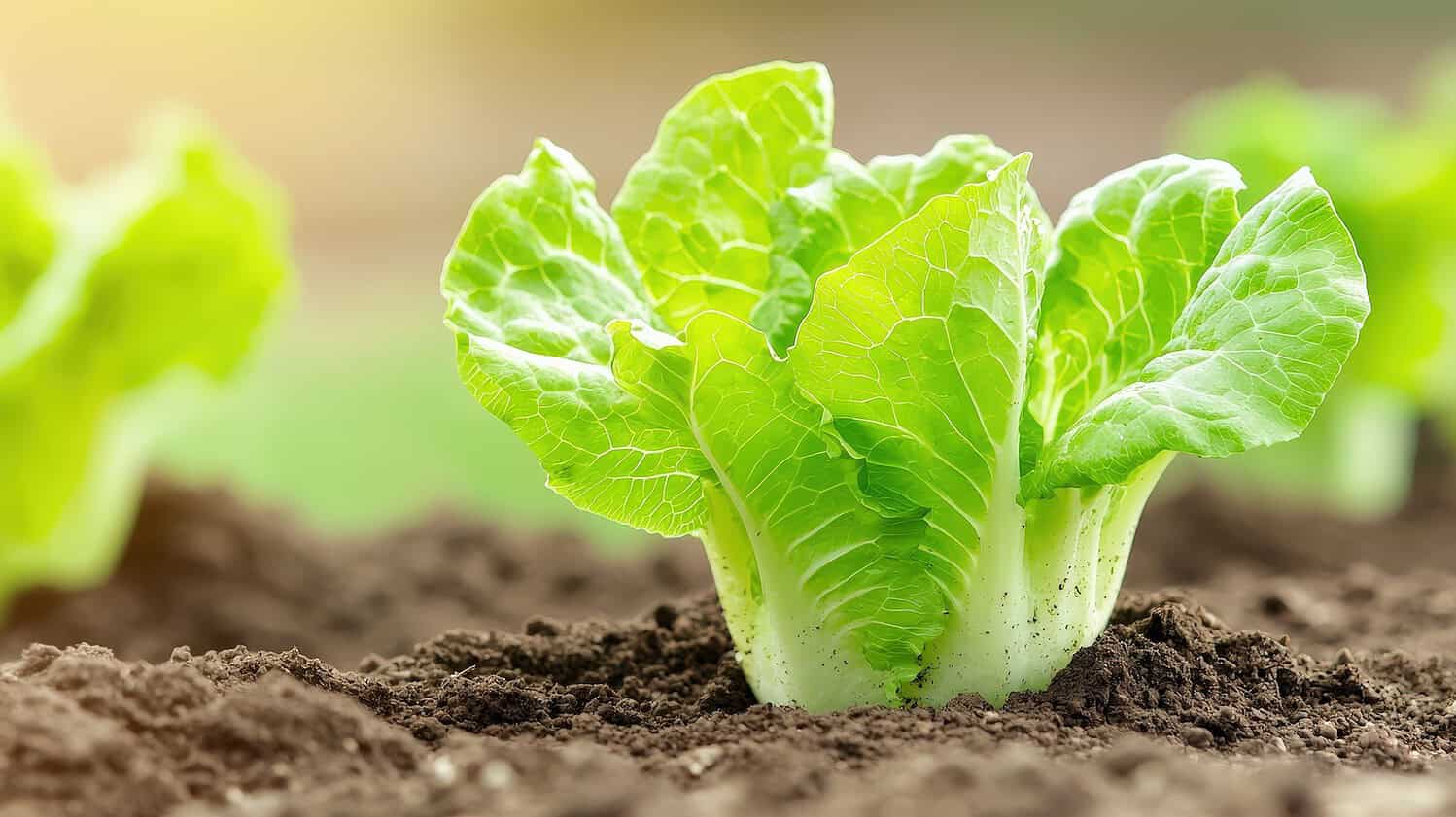
Lettuce is a great choice if your garden doesn’t get full sun. It thrives in cooler, shadier spots and can handle about 6 hours of sunlight a day.
You’ll find it grows quickly, making it perfect if you want fresh salad greens without too much fuss. Just keep the soil moist, and you’re good to go.
Kale
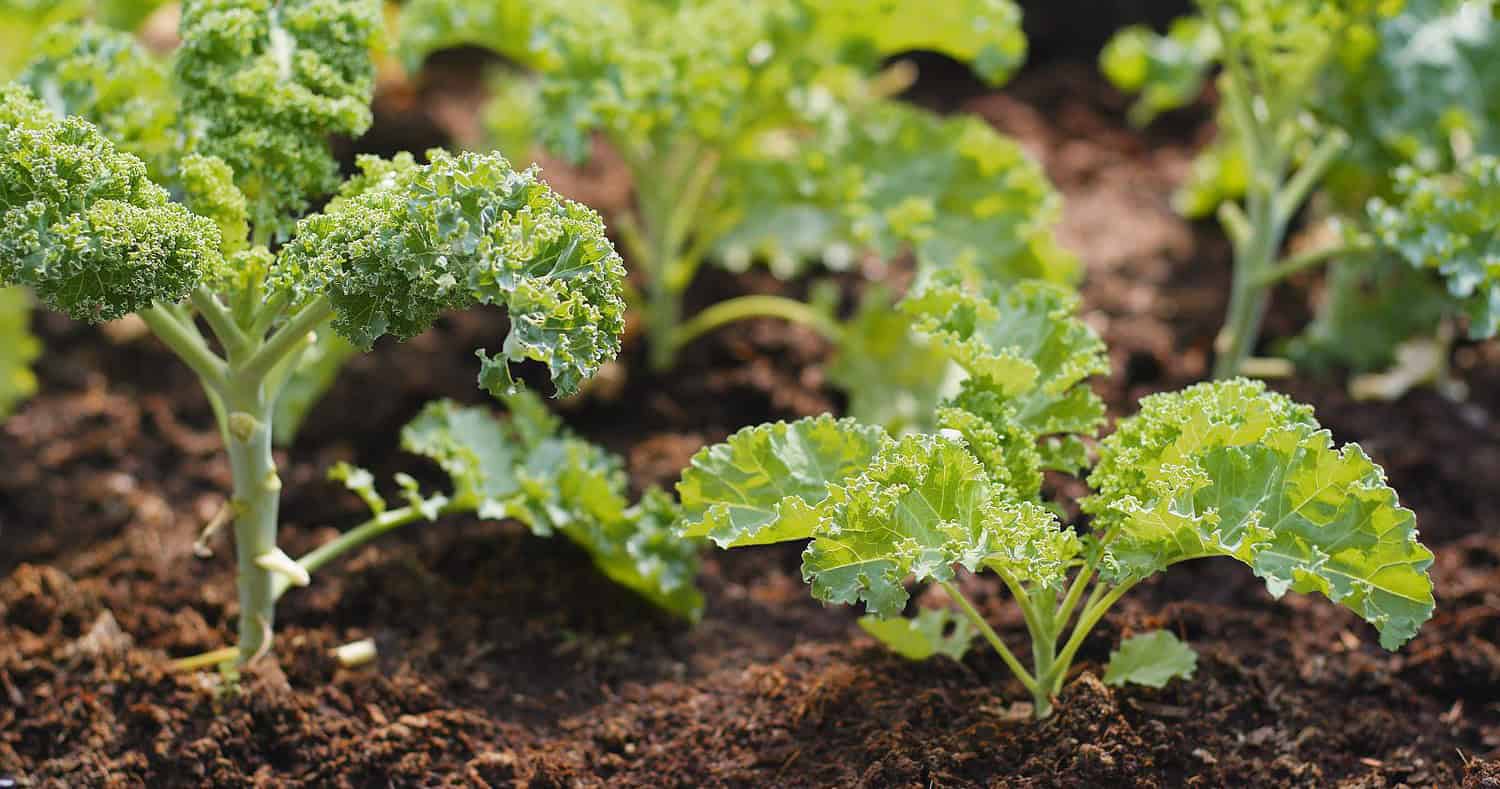
Kale is a great choice if your garden doesn’t get full sun. It grows well in cool weather and can handle some shade, making it perfect for limited sunlight areas.
You can plant it early in spring or late summer when the soil is workable. Kale’s leaves stay tender and tasty, even without hours of direct sun, so your patch can still thrive.
Chard

Chard is a great choice if your garden doesn’t get much sun. It grows well in partial shade and needs just a few hours of sunlight each day.
You’ll find it low-maintenance and quick to harvest. Plus, its colorful leaves add a nice pop to your garden. It’s perfect for salads, sautés, or just snacking fresh.
Radishes
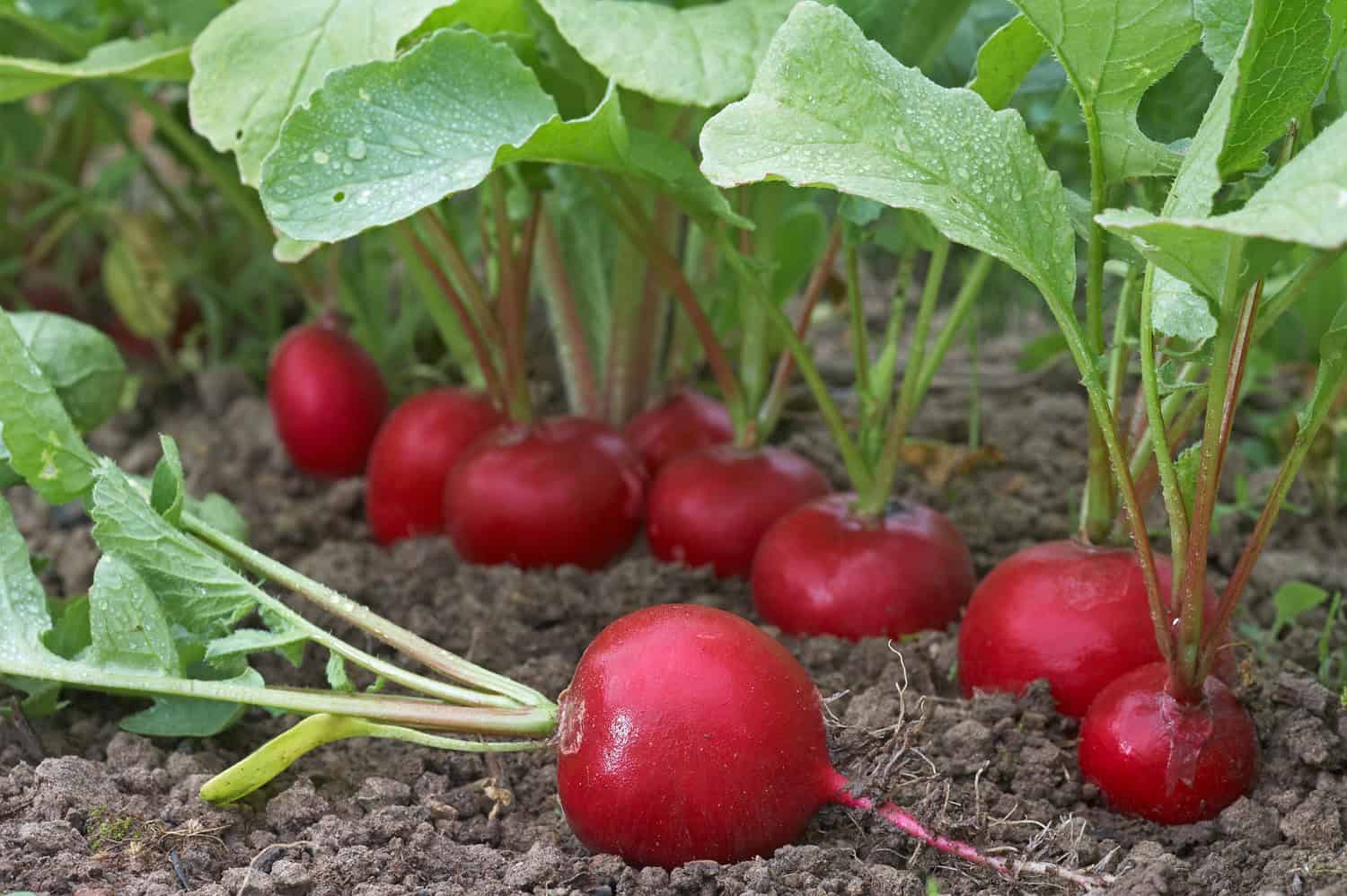
If you have limited sunlight, radishes are a great choice. They grow well with just 4 to 6 hours of sun each day.
Radishes don’t take long to mature, so you get a quick harvest. Their peppery flavor adds a nice kick to salads and snacks. You can easily fit radishes into shady garden spots or even containers on a balcony.
Beets

Beets do pretty well even if your garden doesn’t get full sun. They’re cool-weather crops that can handle some shade without a problem.
You can grow both the roots and the greens, which are edible and nutritious. If you have limited sunlight, beets are a solid choice to add to your patch.
Onions
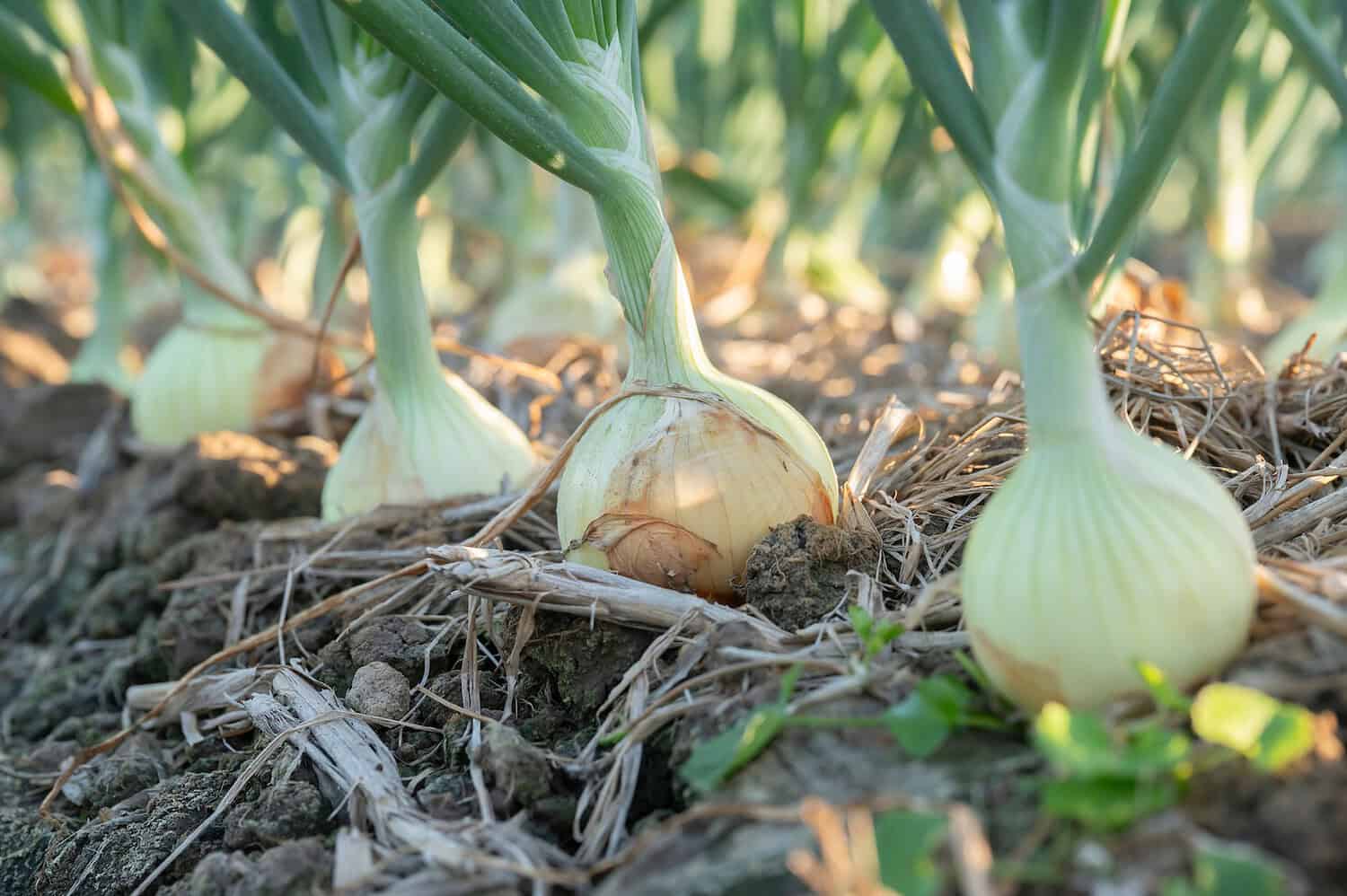
You can grow onions with limited sunlight, but keep in mind they do better with more light. They tolerate some shade and cloudy days just fine.
If your spot doesn’t get full sun, your onions might be smaller, but they will still grow. Give them well-drained soil, and they’ll manage in partial shade without much trouble.
Mustard Greens
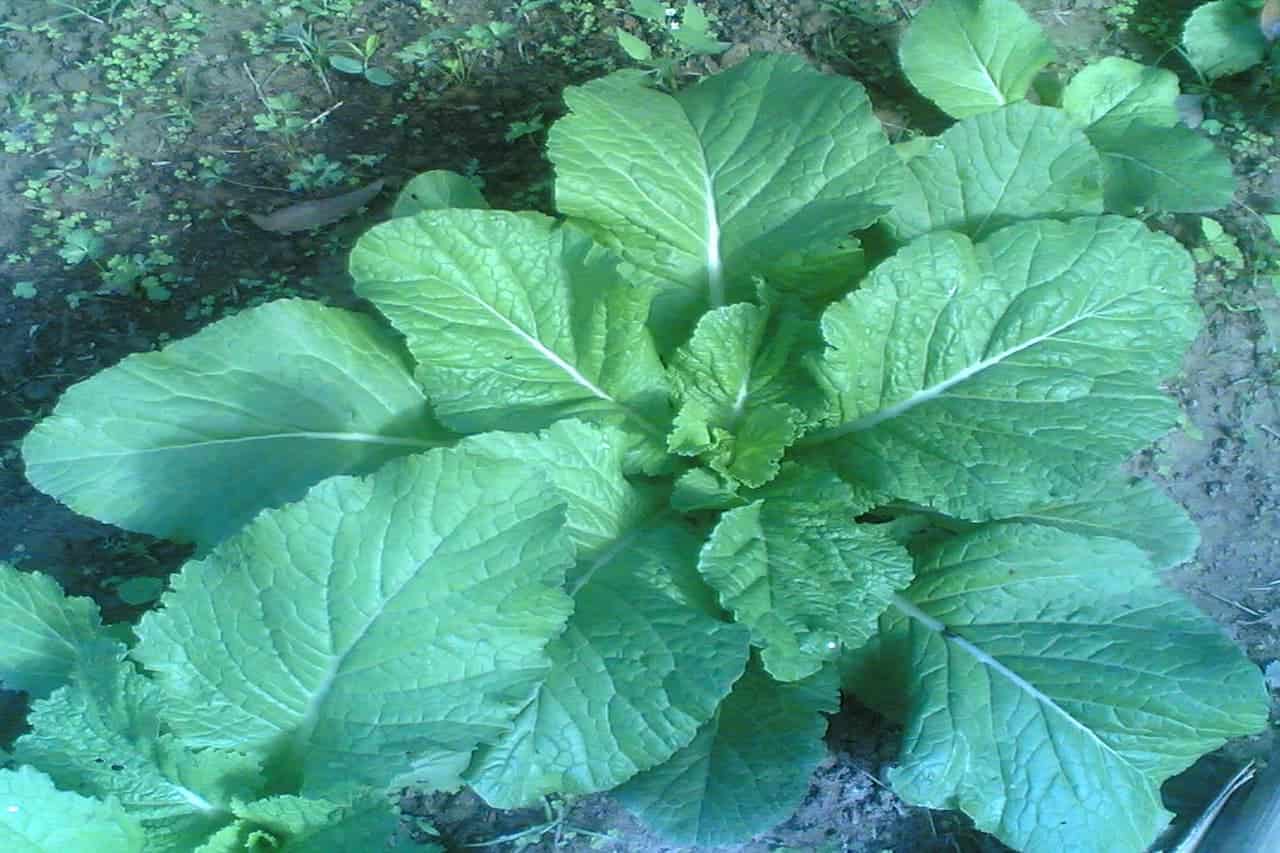
You can grow mustard greens even if your garden doesn’t get much sun. They handle shade pretty well and still produce tasty, peppery leaves.
Plant the seeds directly in spring or late summer for a good harvest. They grow fast and are great for salads or sautéing. If your space gets limited sunlight, mustard greens are a smart, easy pick to keep your garden green.
Broccoli
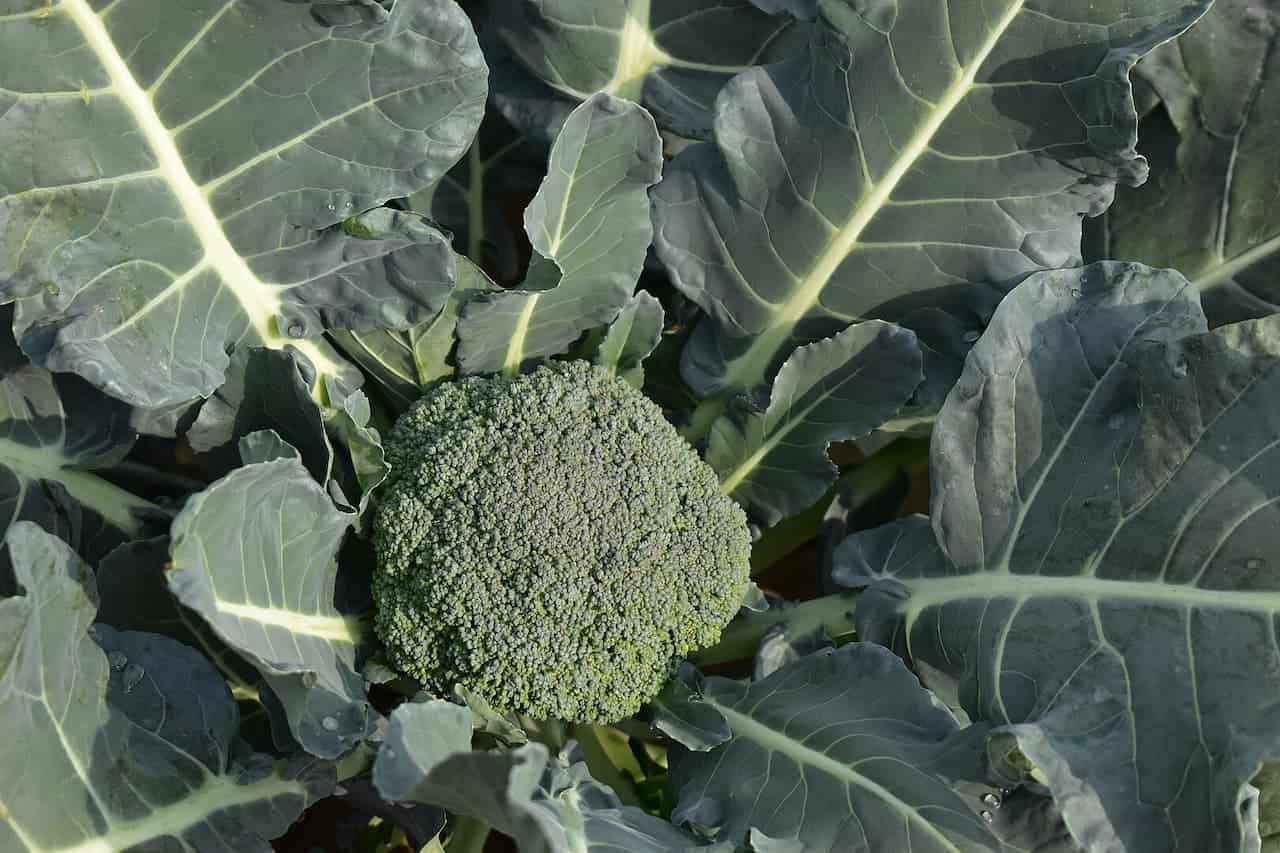
Broccoli is pretty forgiving when it comes to sunlight. You don’t need full sun all day; it actually does well in part shade, especially if your area gets hot.
Growing broccoli in limited sunlight can help keep the heads tight and prevent them from bolting too soon. It’s a solid choice if your garden gets a few hours of direct sun or mostly filtered light.
Cauliflower
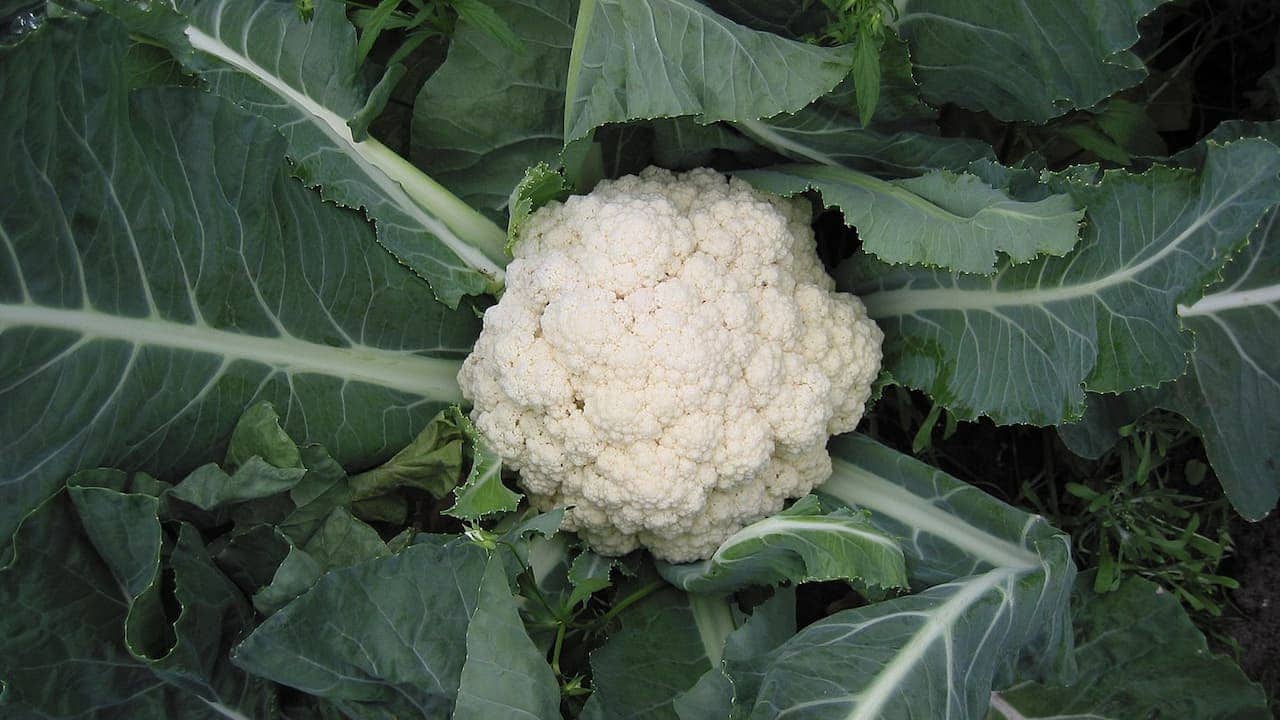
You can grow cauliflower even if your garden gets only 4 to 6 hours of sunlight daily. It actually does okay with limited sun, sometimes helping protect the heads from too much heat. Starting seeds in containers and transplanting them later can improve your results.
Cabbage
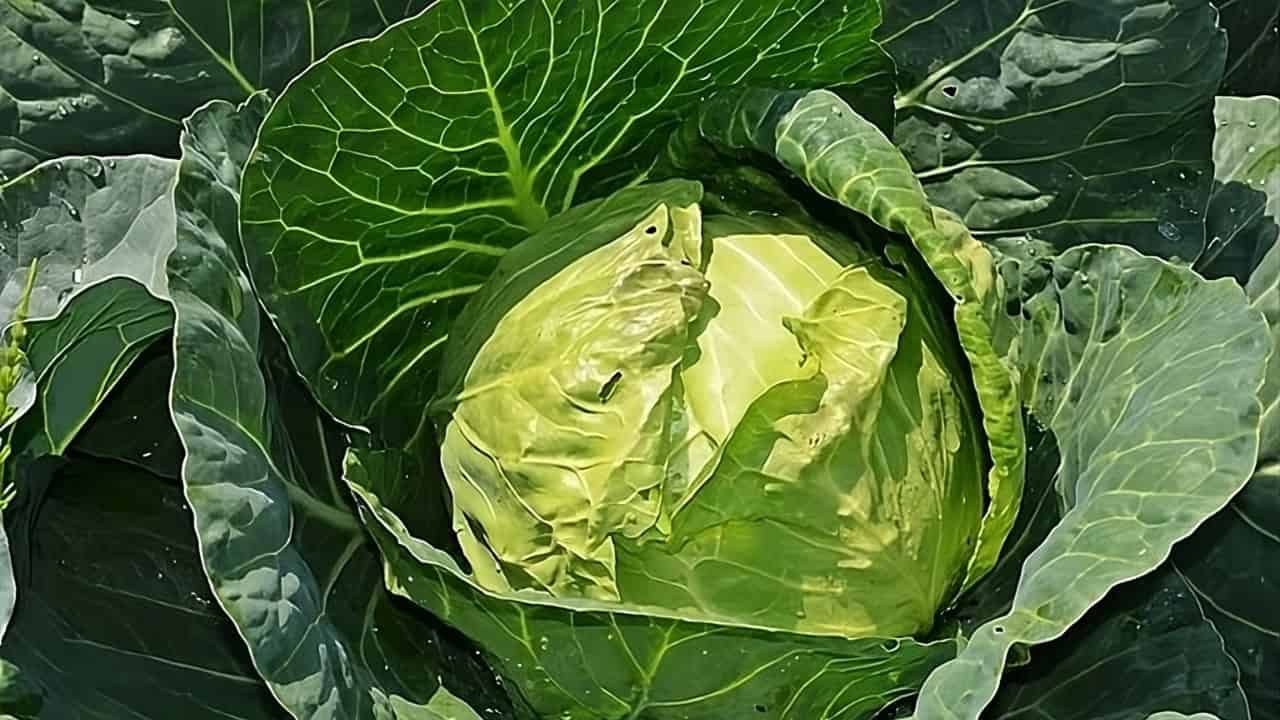
Cabbage does well in spots with limited sunlight, making it a great choice if your garden isn’t super bright. You’ll want to keep the soil moist and well-drained for healthy heads.
It can handle partial shade without much fuss and still produce solid, tasty heads. If you’re looking for a low-sun veggie, cabbage is a smart pick.
Currants
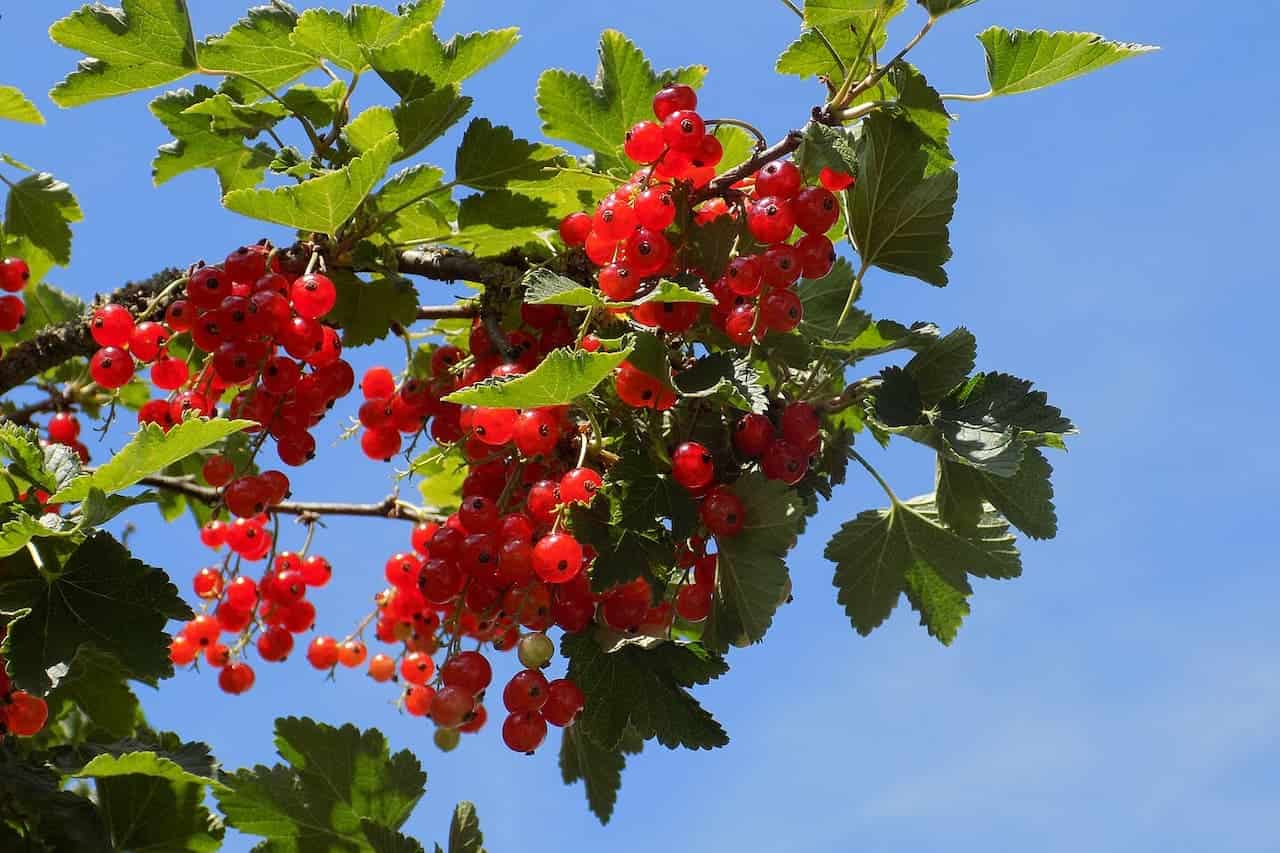
You can grow currants in spots with limited sunlight since they do well in partial shade. Red, black, and white currants are all good options for your garden. They are fairly low-maintenance and produce tasty berries even without full sun.
If you live in a warmer area, look for heat-tolerant varieties that handle your climate better. Growing currants at home is a great way to enjoy fresh fruit from shady spots.