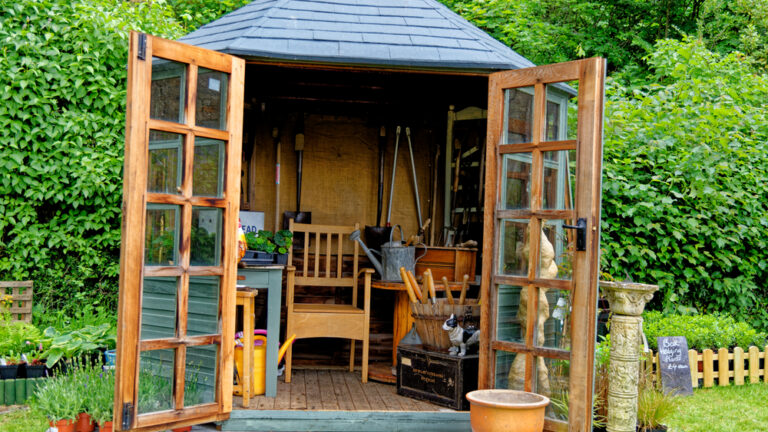
Watering your garden might seem simple, but it’s easy to make mistakes that can hurt your plants. Even small errors in how or when you water can stop your garden from growing well.
Understanding the common watering mistakes can help you keep your plants healthy and save water. When you get your watering right, your garden will have a much better chance to thrive and stay green.
Advertisement
Overwatering plants and causing root rot
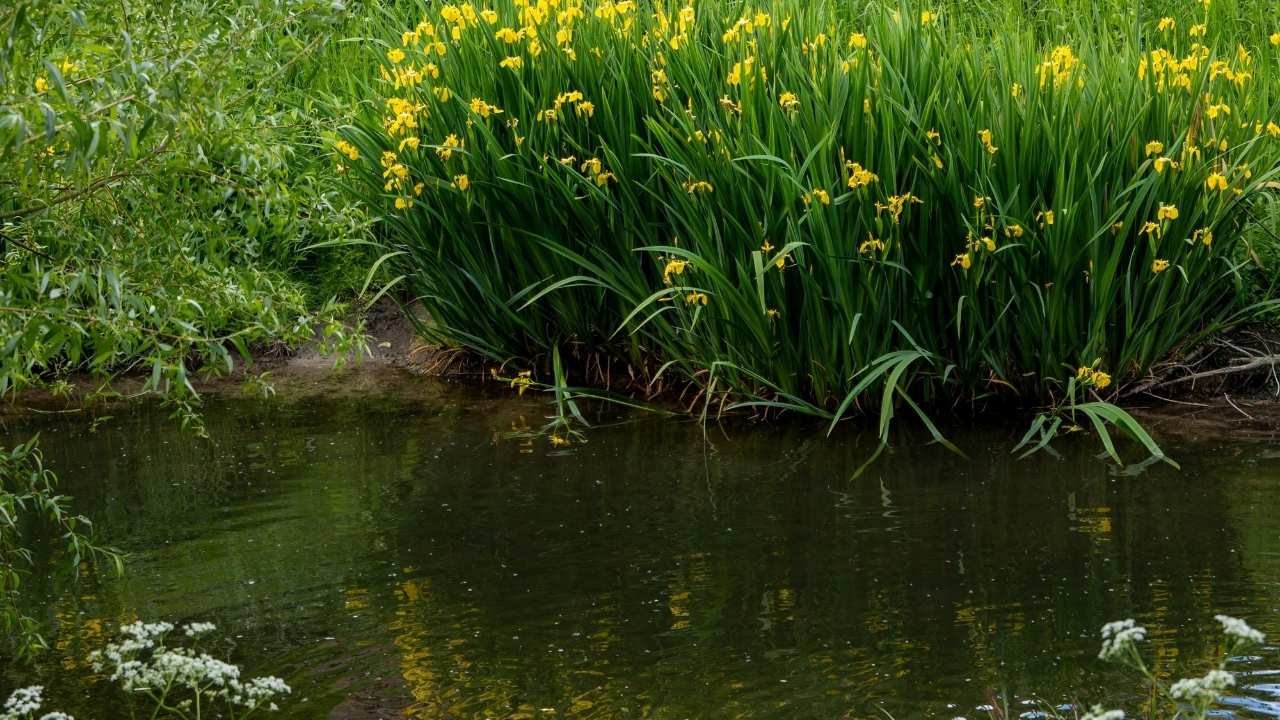
If you water your plants too much, their roots can start to rot. When the soil stays wet for too long, the roots can’t get enough air. This makes it hard for your plant to take in nutrients.
Root rot can cause your plant to wilt and die. To avoid this, only water when the top inch of soil feels dry.
Underwatering and stressing plants
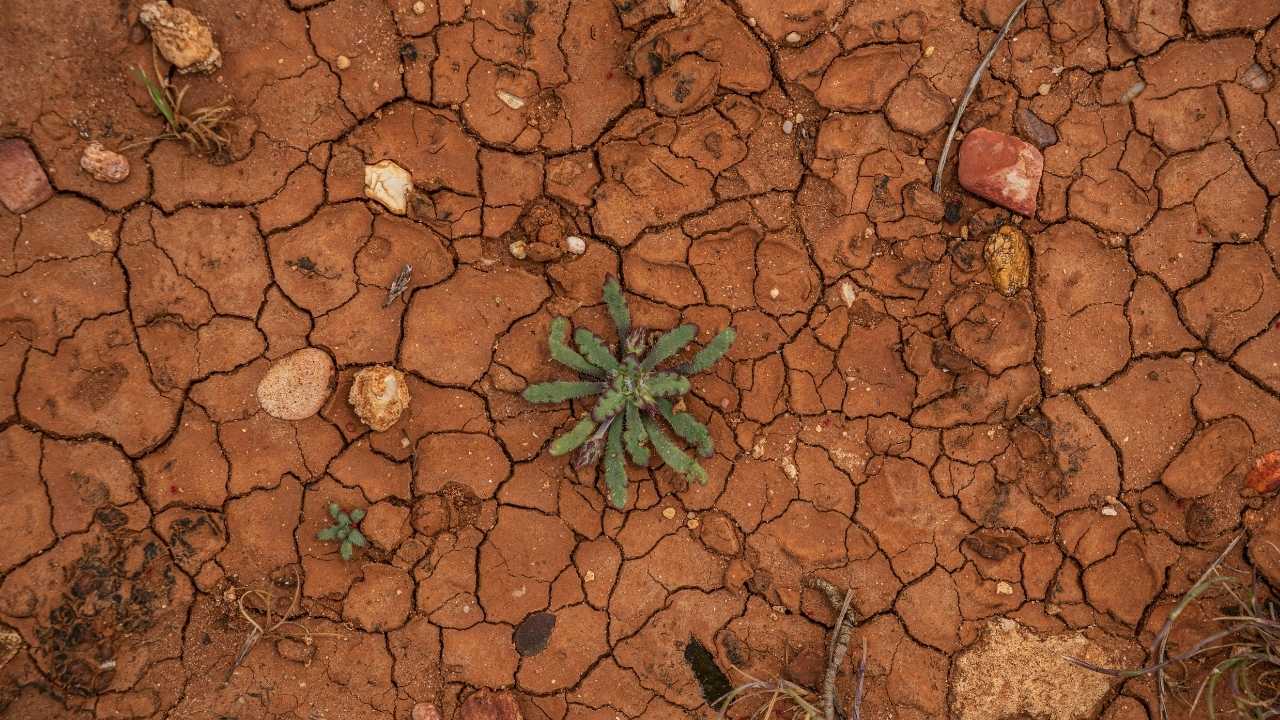
If you don’t give your plants enough water, they can get stressed and weak. When plants are dry for too long, their leaves may wilt or turn brown.
You want to keep soil moist but not soaked. Check your plants regularly to see if they need water. If you wait too long, recovery can take a while.
Watering foliage leading to fungal diseases
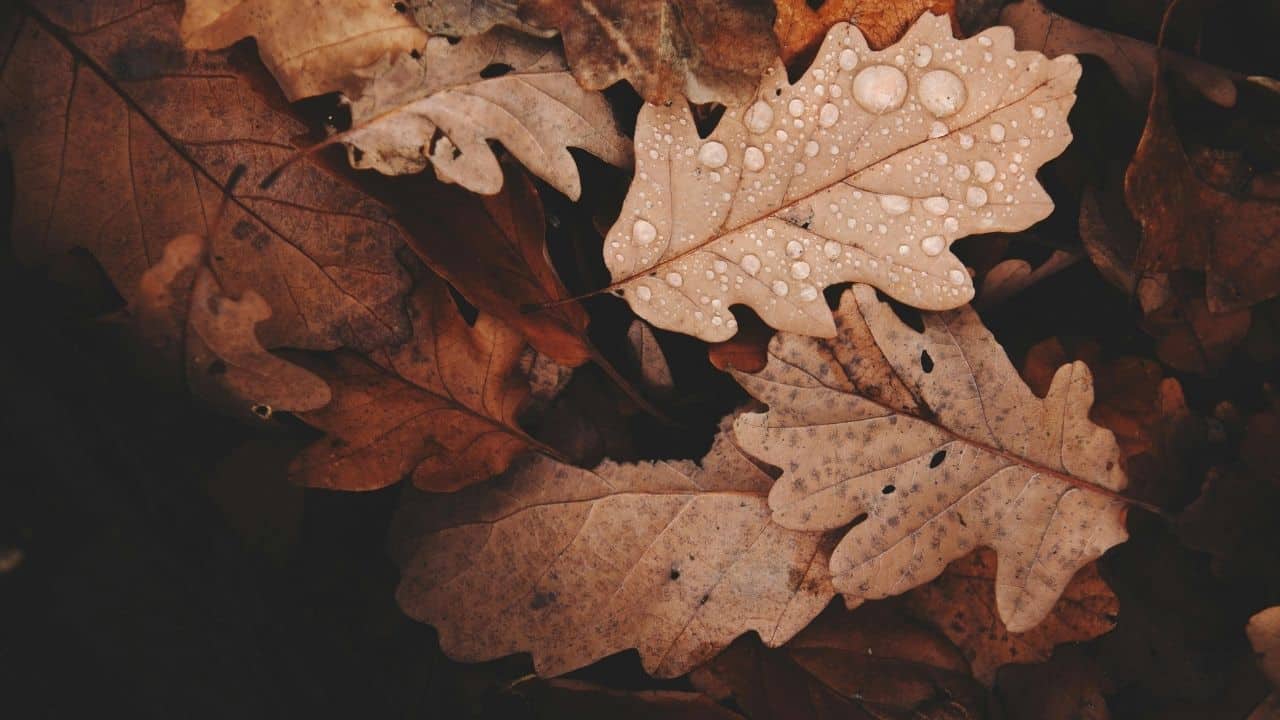
When you water your plants, try not to get the leaves too wet. Wet leaves create a perfect home for fungi to grow.
Fungal diseases love moist and humid conditions. If your leaves stay wet for a long time, you might see spots or mold starting to form.
To keep your garden healthy, water close to the soil instead of spraying the leaves. This will help protect your plants from problems.
Watering at the wrong time of day
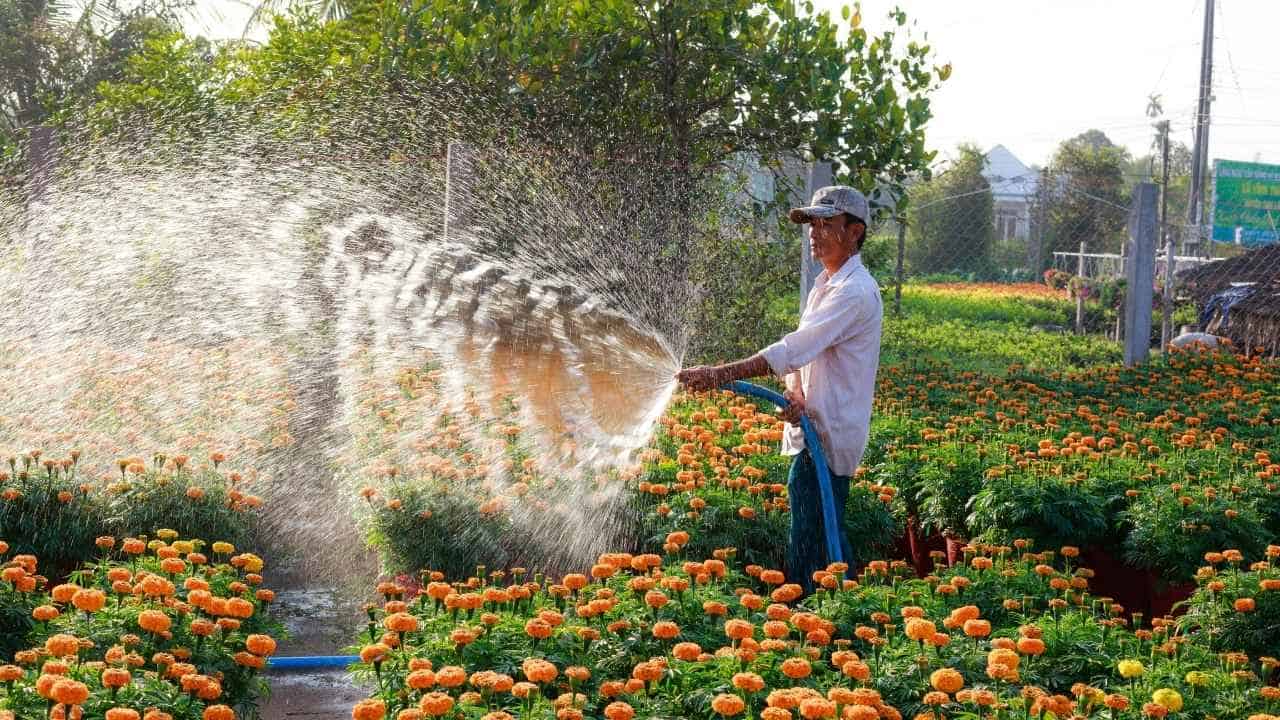
You should avoid watering your plants in the heat of the day. Watering when it’s hot makes much of the water evaporate before the roots can absorb it.
Early morning is the best time to water. The soil is cooler then, so water soaks in better, and plants stay hydrated through the day.
Evening watering can leave leaves wet overnight, which may invite pests or diseases. Stick to morning watering to keep your garden healthy.
Not mulching to retain soil moisture
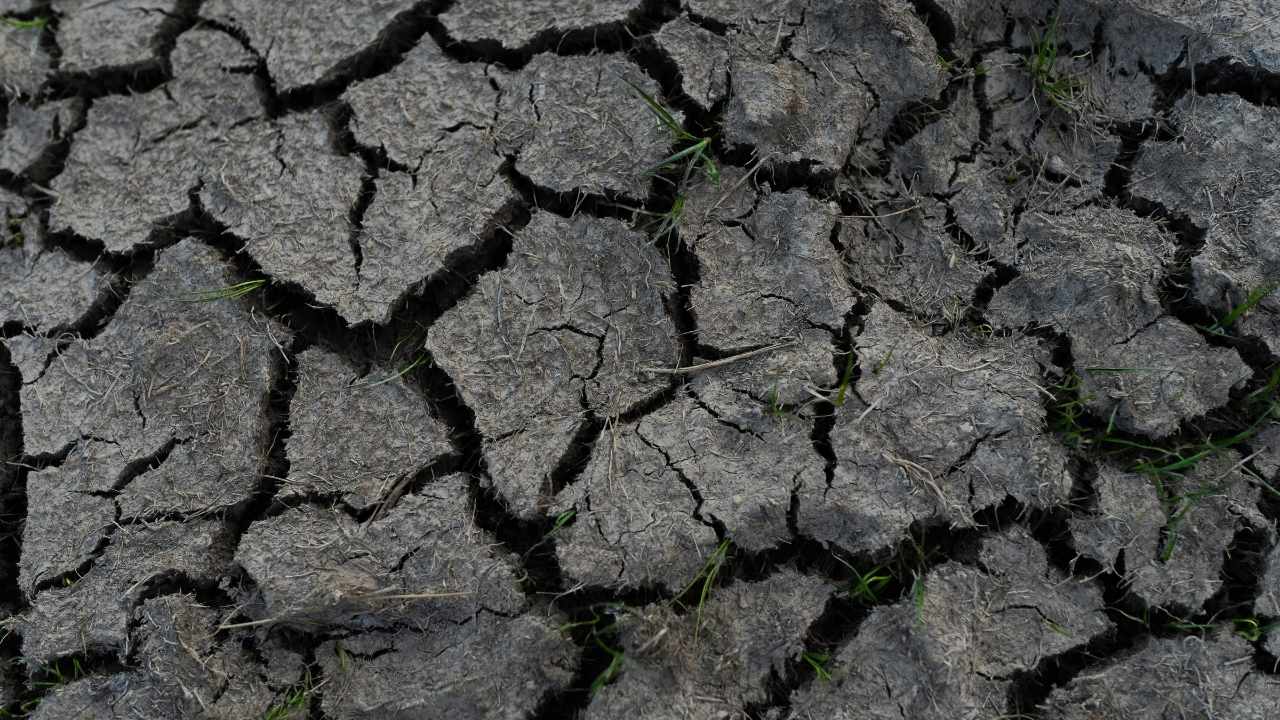
If you skip mulching, your soil can dry out fast. Sun and wind pull moisture from bare soil, leaving your plants thirsty.
Adding mulch helps keep water in the ground. It also keeps the soil cooler and stops weeds from stealing water.
Choose natural mulch like bark, straw, or wood chips. This way, your plants stay hydrated longer without extra watering.
Ignoring seasonal changes in watering needs
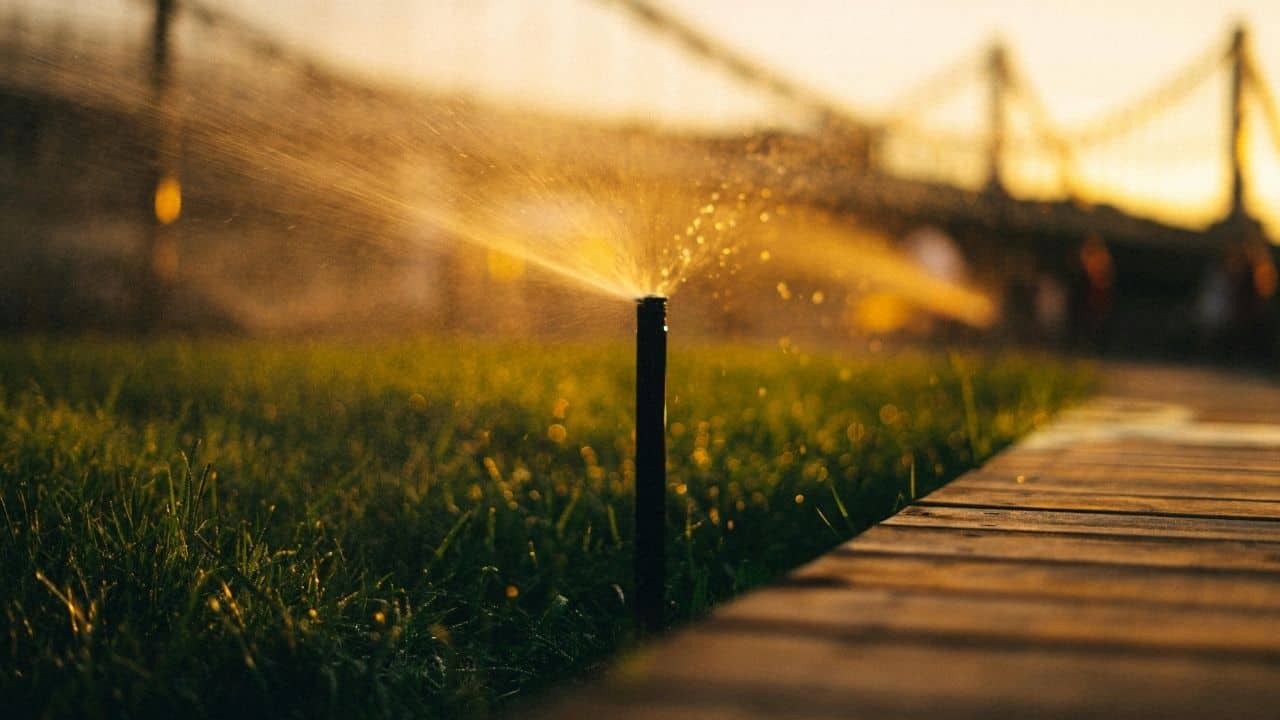
You can’t water your garden the same way all year. In hot months, plants usually need more water.
During cooler or rainy seasons, watering less is better because plants use less water.
If you don’t adjust, you might overwater or underwater, which can hurt your plants. Watch the weather and change your watering to match what your plants really need.
Using only tap water instead of rainwater
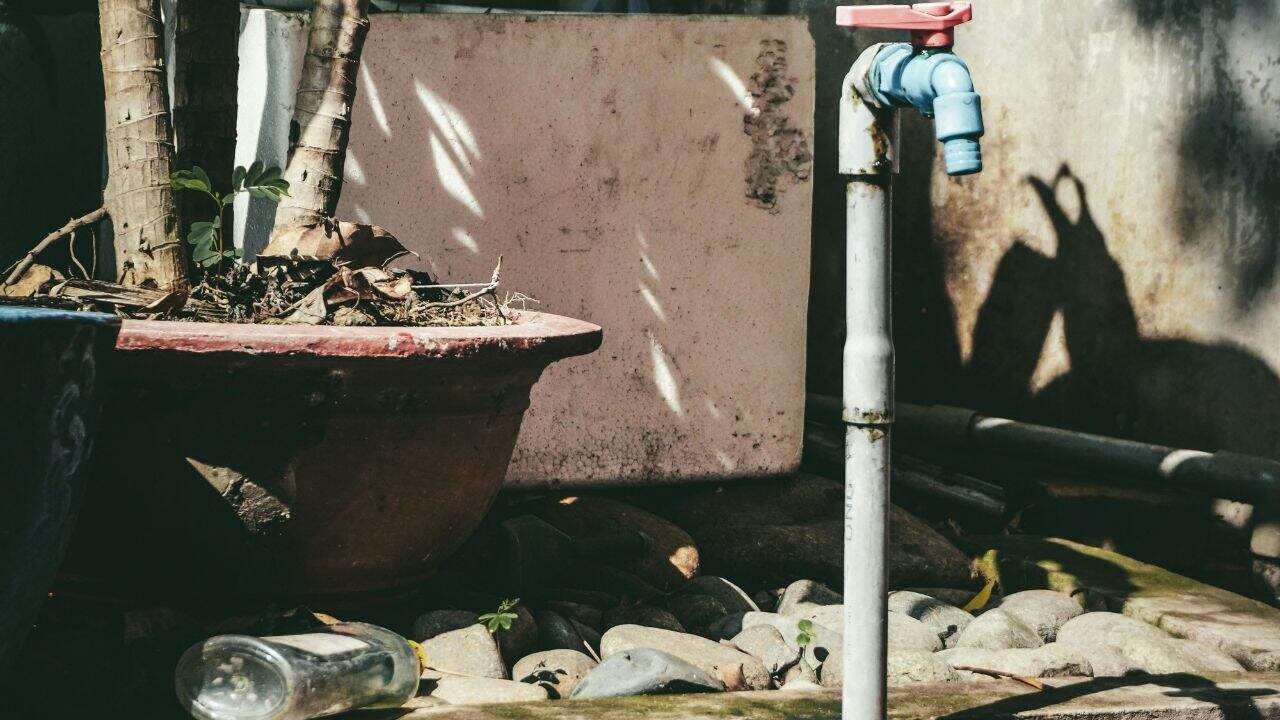
If you only use tap water, it might have chlorine or chloramine. These chemicals keep water clean but can bother some plants.
Rainwater is usually softer and better for sensitive plants. If you can, try collecting rainwater to mix with your tap water.
Using just tap water isn’t always a problem, but switching to rainwater can help your plants stay healthier.
Applying shallow watering that doesn’t reach roots
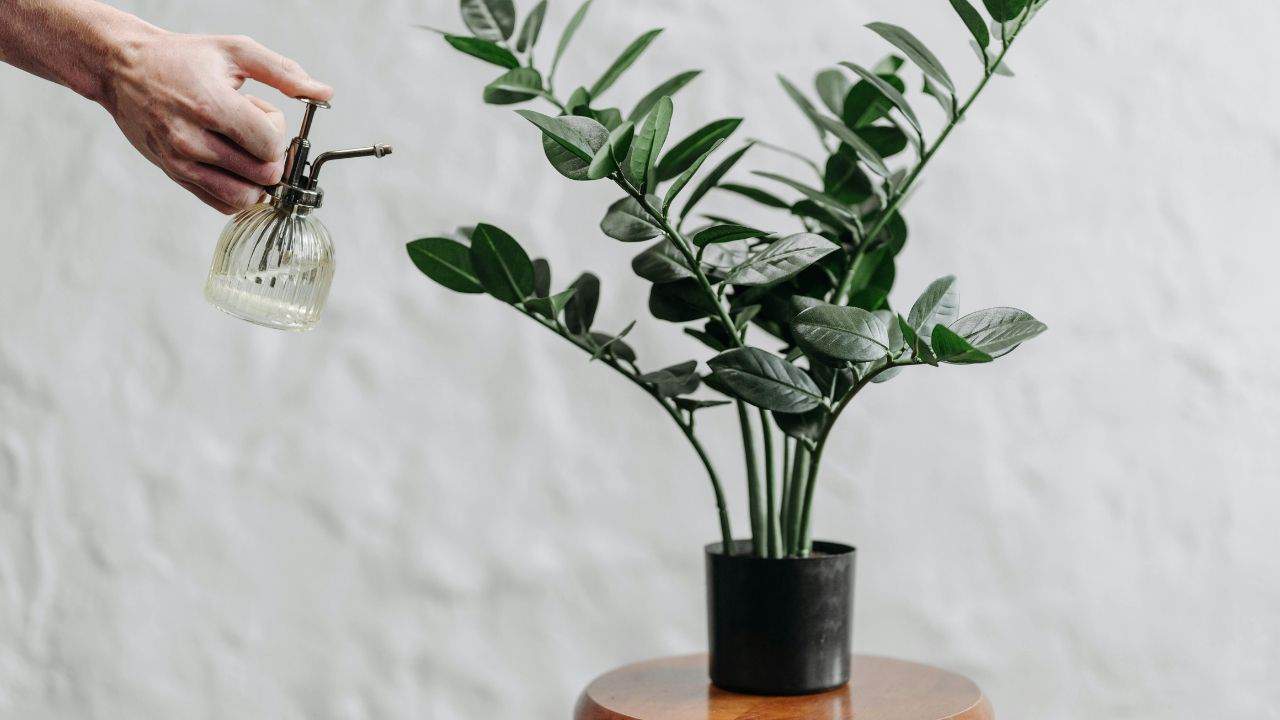
If you only water the surface, your plants won’t grow deep roots. The roots stay near the top, making plants weak and dry out faster.
You want to water enough so the moisture reaches deep into the soil. This helps roots grow strong and keeps plants healthy for longer.
Not spacing seedlings properly increasing water needs

When you plant seedlings too close, they compete for water. This makes your garden need more frequent watering.
Crowded seedlings also slow airflow, which can make soil stay wet longer in some spots and dry out faster in others.
Giving each seedling enough space helps them grow strong and makes watering easier to manage.
Spraying plants from above with sprinklers

When you spray plants from above, water can stay on the leaves too long. This can cause some plants to get diseases or mold.
Sprinklers often water too much or too little if the spray pattern doesn’t match your garden’s shape. Make sure your sprinkler covers the right areas.
Try watering early in the morning so leaves dry faster during the day. This helps keep plants healthy and stops water waste.
Using water that’s too cold or too hot
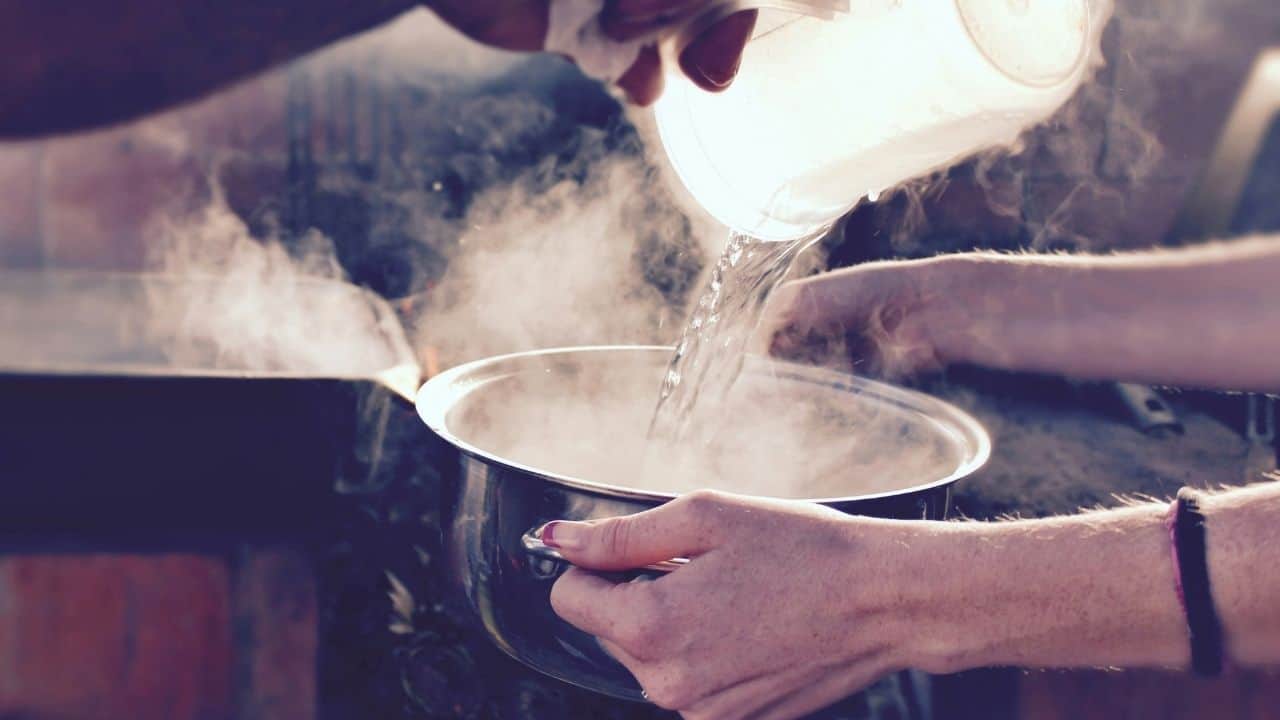
You should avoid watering your plants with very cold water. Cold water can shock their roots and slow down growth.
Hot water is just as bad. It can hurt the roots and damage the tiny hairs that help plants take in nutrients.
Try to use water at room temperature. This helps your plants absorb water without stress.