Keeping a garden looking neat and inviting can sometimes feel challenging. Many people unintentionally make simple mistakes that affect the overall appearance, leaving their outdoor space looking cluttered or unkempt.
Understanding these common pitfalls can help you create a cleaner, more enjoyable garden. With a few small adjustments, your garden can become a space you’re proud of and love spending time in.
Advertisement
Crowded garden beds without space to breathe
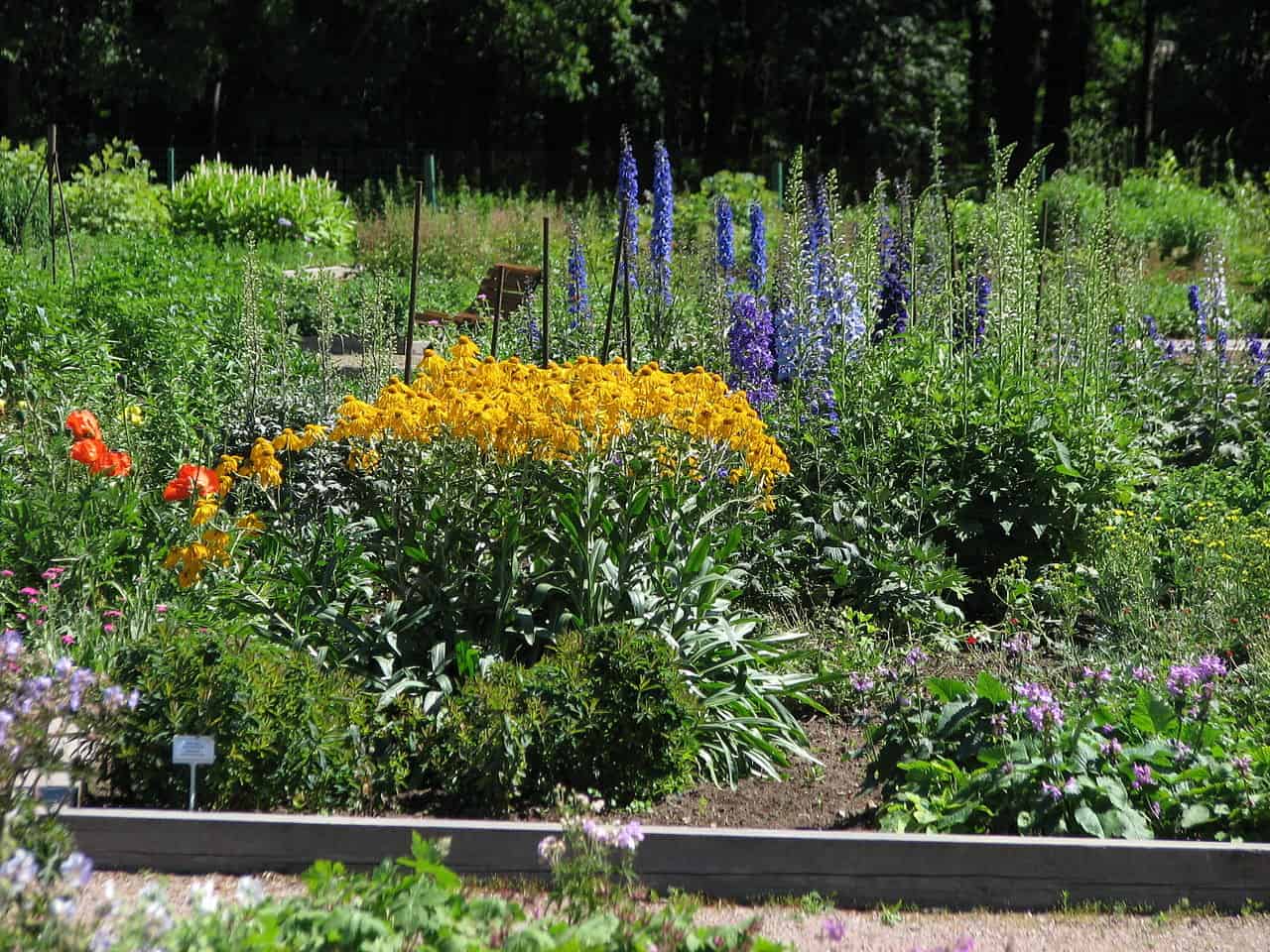
If you pack too many plants into your garden beds, they can quickly look chaotic. Give each plant enough room to grow to its full size, so your garden stays neat and healthy.
Spaces between plants help air circulate, which reduces disease and keeps things looking tidy. Planning for mature plant size now will save you from a messy garden later.
Undefined or messy garden edges

When your garden edges aren’t clearly defined, the whole space can start to look untidy. You want to create a neat boundary between beds and lawns to give your garden a polished feel.
Try using edging materials like stones, bricks, or metal strips. This helps keep plants contained and stops grass from creeping in, making your garden look fresher and well kept.
Untrimmed and overgrown greenery

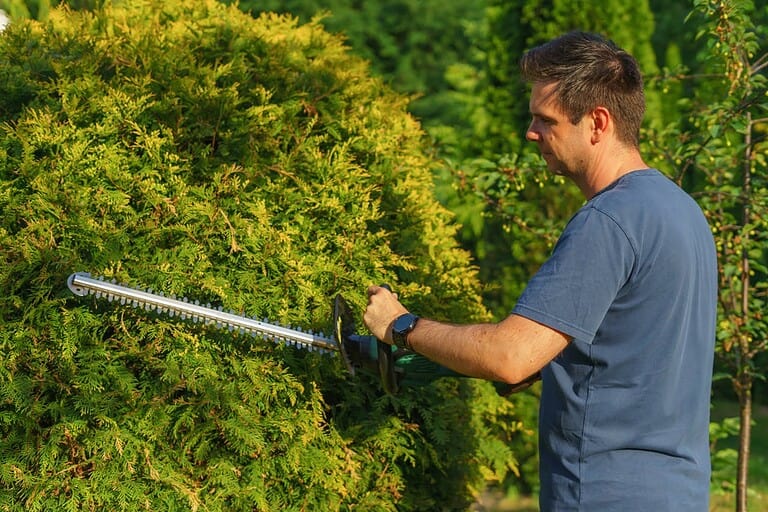
If you let your plants grow without trimming, your garden can quickly look untidy. Overgrown bushes and trees block views and create a crowded feeling.
Regularly shaping and pruning your greenery keeps it healthy and neat. It also encourages new growth and prevents plants from overtaking each other.
Using containers with tired or outdated plants

You want your containers to look fresh and inviting. Using plants that are past their prime can make your garden appear neglected.
Refreshing your container plants regularly helps maintain vibrant colors and healthy growth. Don’t be afraid to replace tired plants with seasonal or new varieties. This small change can brighten your outdoor space and keep your garden looking well cared for.
Oversized plantings overpowering the space
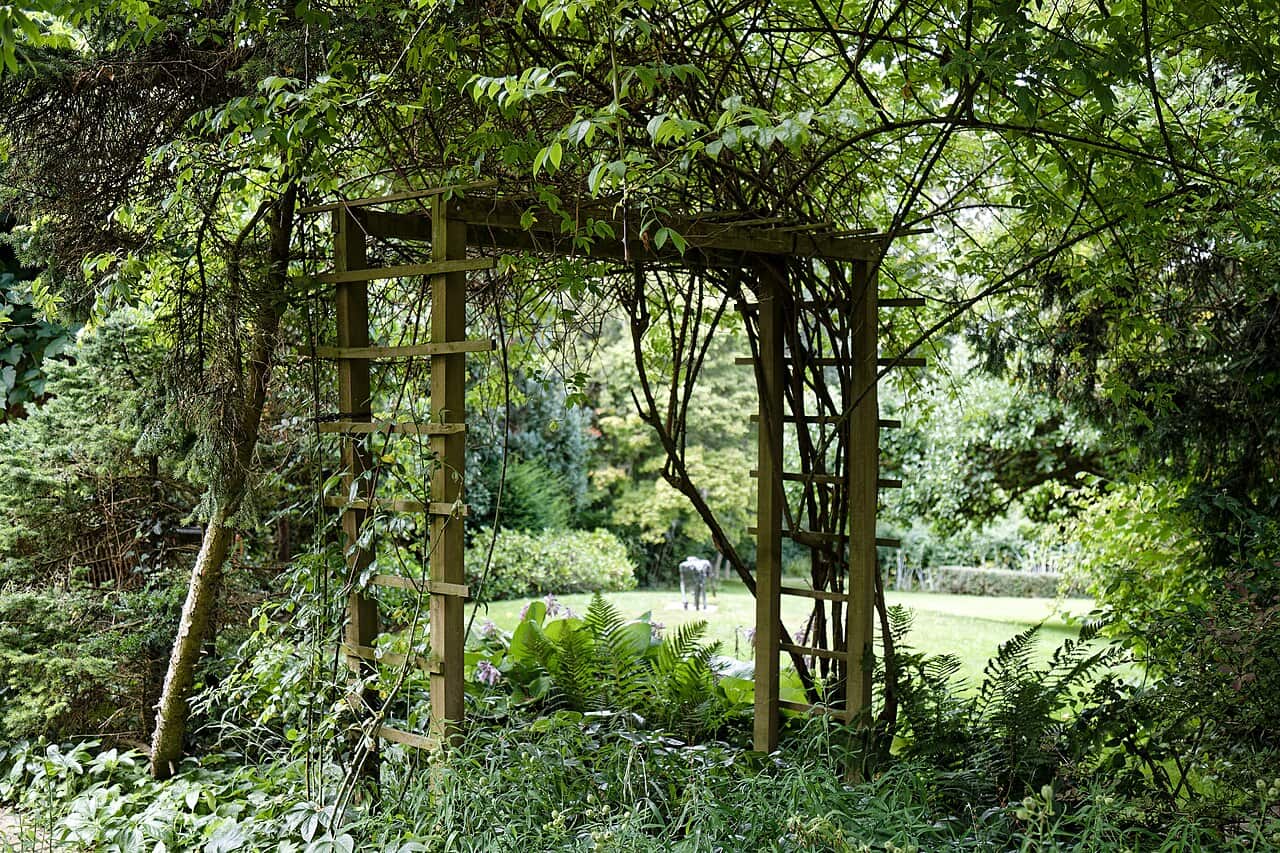
If your plants are too large for the area, they can quickly dominate and make your garden feel cramped. Oversized plantings block pathways and crowd out smaller plants, reducing variety and balance.
Choose plants that fit the scale of your garden to keep things feeling open and inviting. Remember, a well-proportioned garden looks tidy and comfortable for you and your guests.
Loose gravel or debris scattered around pathways
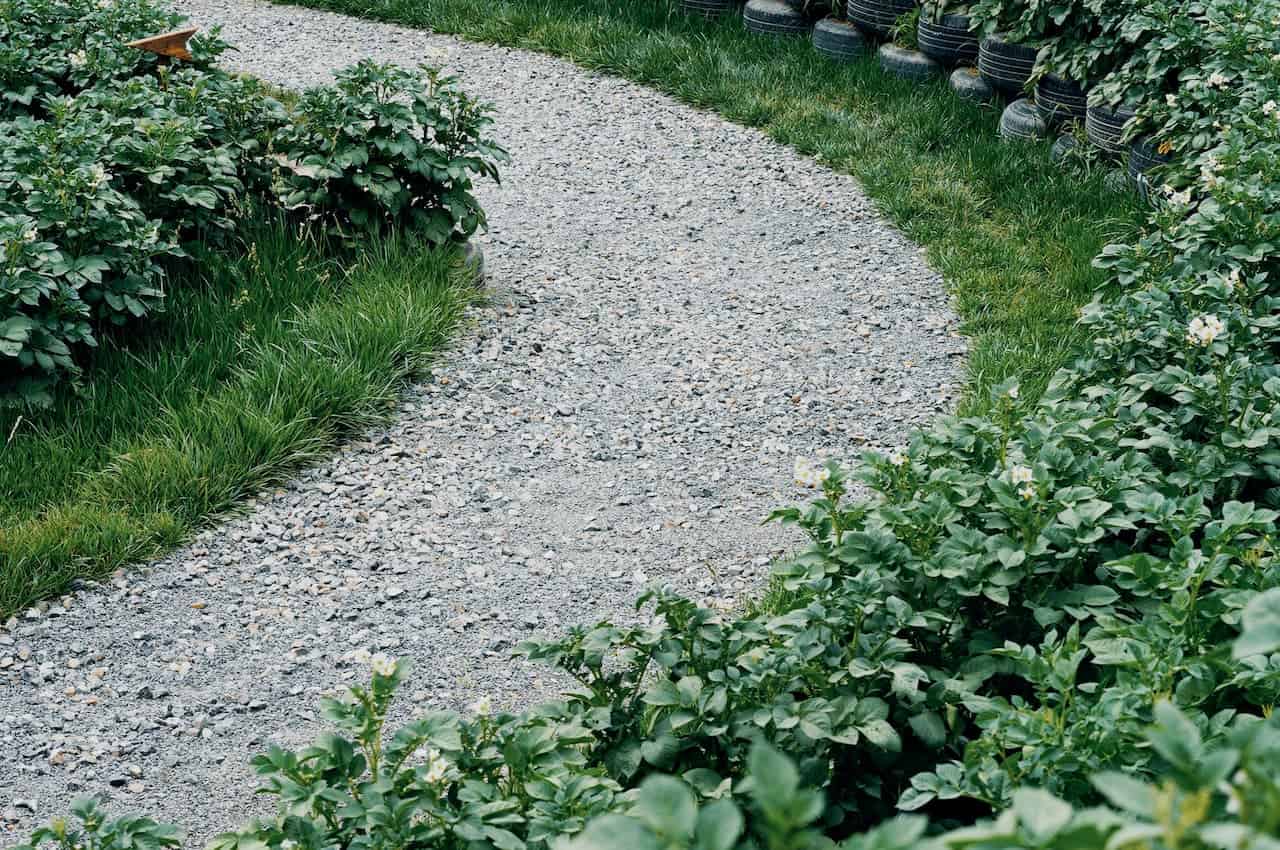
Loose gravel or debris can quickly make your pathways look untidy. It interrupts the clean lines that define your garden’s layout.
Keeping gravel in place with landscape fabric or edging helps maintain a neat appearance. Regularly sweeping away fallen leaves or dirt also keeps your paths clear and inviting.
Planting only blooming species without foliage variety
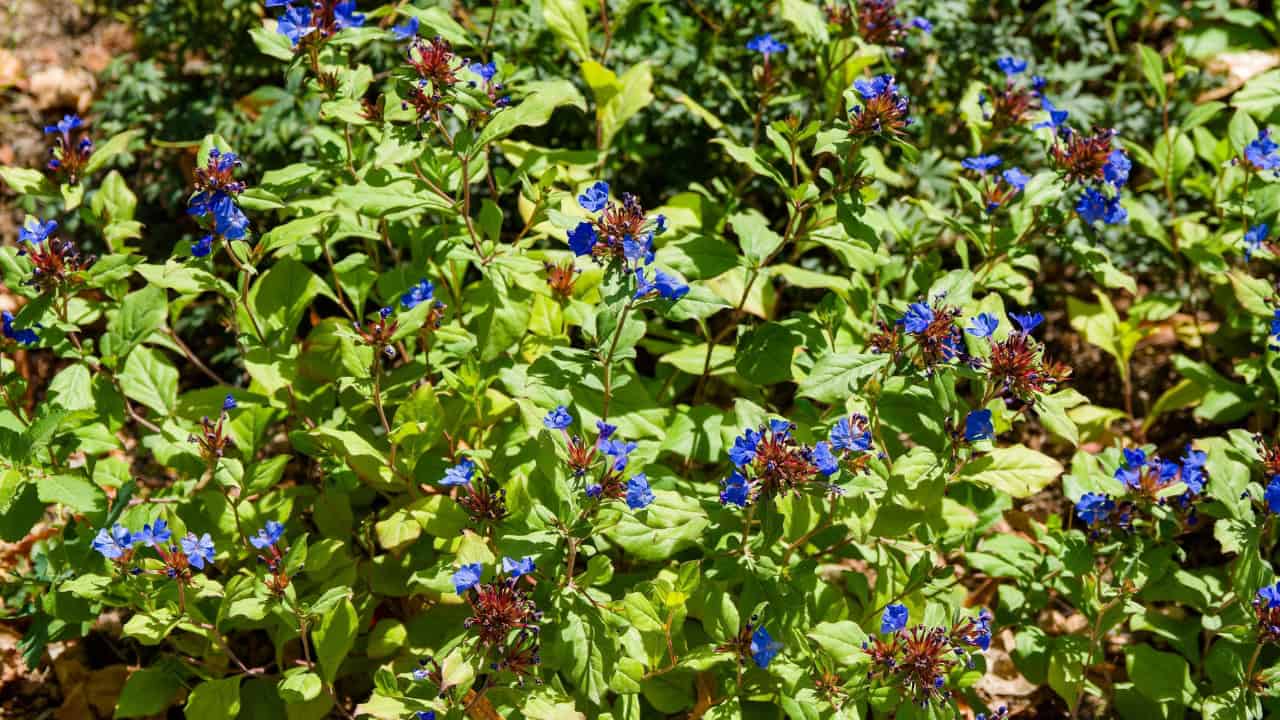
If you focus solely on flowers, your garden can lose visual interest once the blooms fade. Leaves come in different shapes, colors, and textures, adding depth and contrast to your space.
Including various foliage plants ensures your garden looks appealing even when flowers are not in season. Try mixing leafy greens, variegated plants, and evergreens with your flowering choices. This creates a balanced and lively garden all year round.
Neglecting seasonal changes in plant appearance
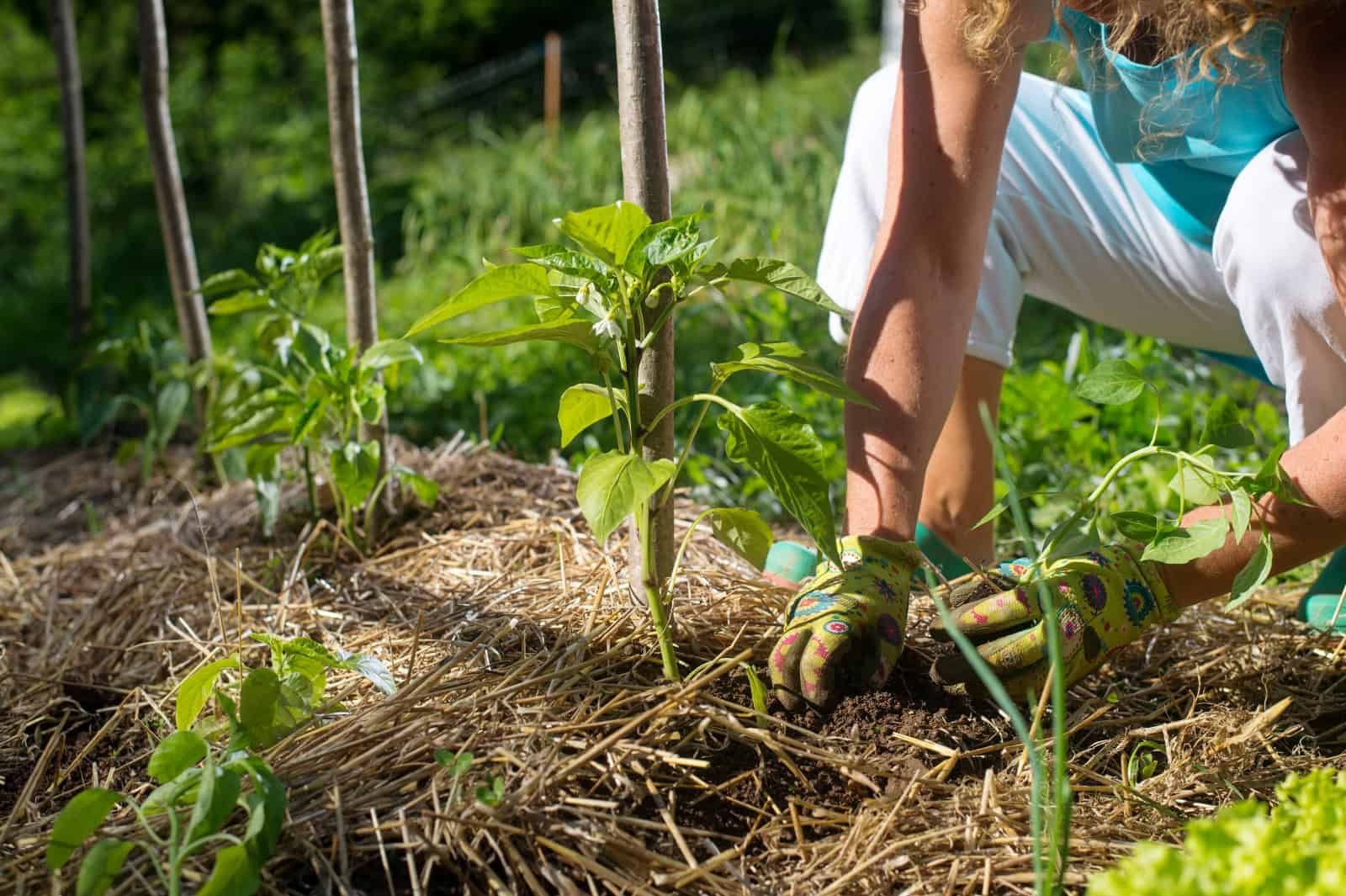
When you don’t consider how plants change with the seasons, your garden can start to look untidy. Leaves may brown or fall, and flowers can fade, leaving empty or messy spots.
Adjust your planting and maintenance by season. This helps keep your garden looking fresh and balanced all year long.
Scattering individual plants instead of groupings
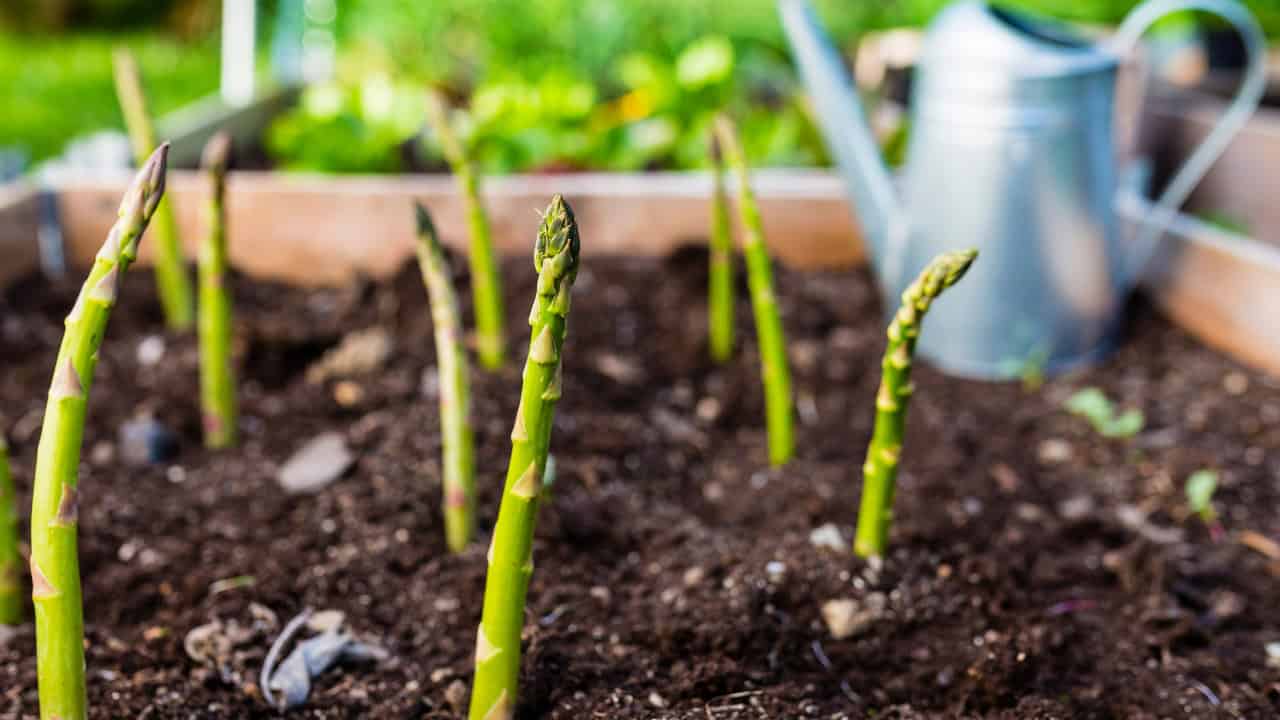
When you scatter plants one by one, your garden can look disorganized. Grouping plants together creates a more cohesive and intentional appearance.
Clusters of similar plants also make maintenance easier. Plus, groupings help highlight the unique qualities of each plant without overwhelming the space.
Failing to create visual layers in the garden

If you don’t build visual layers, your garden can look flat and unorganized. You want plants of varying heights and textures to create depth.
Try placing taller plants at the back and smaller ones in front. This adds interest and makes your space feel fuller without overcrowding.
Not clearing away dead plants and garden debris
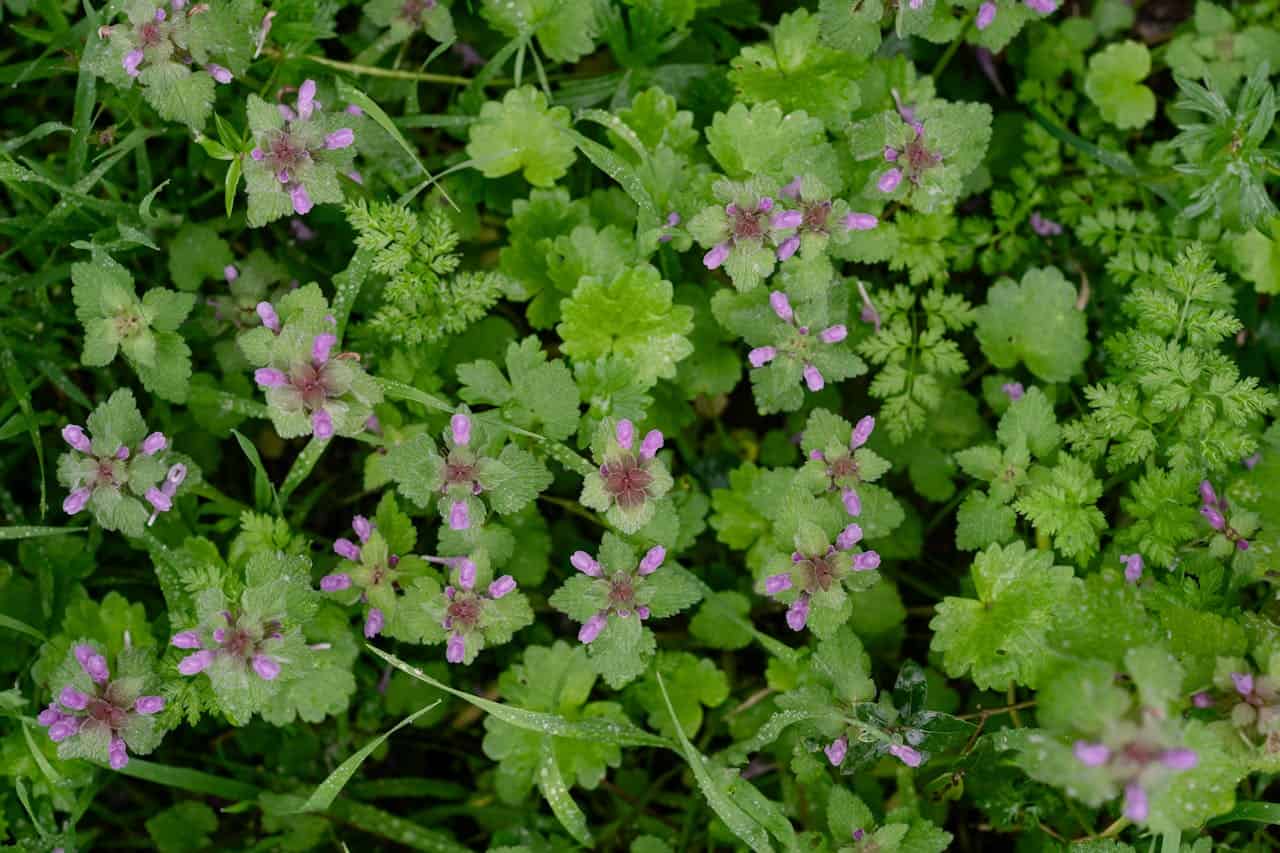
You might think dead plants and debris don’t matter, but leaving them around can make your garden look untidy. Clearing them out helps your space feel fresh and cared for.
Removing old leaves and stems also reduces places for pests and diseases to hide. Keeping your garden debris-free makes it easier to see new growth too.