I love having houseplants around. They make my home feel more inviting, and there’s something so satisfying about watching them grow. But I’ll be honest—I haven’t always been the best plant parent.
It’s surprisingly easy to make mistakes that leave your plants struggling. I’ve learned (sometimes the hard way) that small changes can make a big difference in keeping houseplants happy and thriving.
Advertisement
If you’ve ever wondered why your plants aren’t doing well, here are some common mistakes to watch out for—along with simple ways to fix them.
1. Overwatering Your Plants
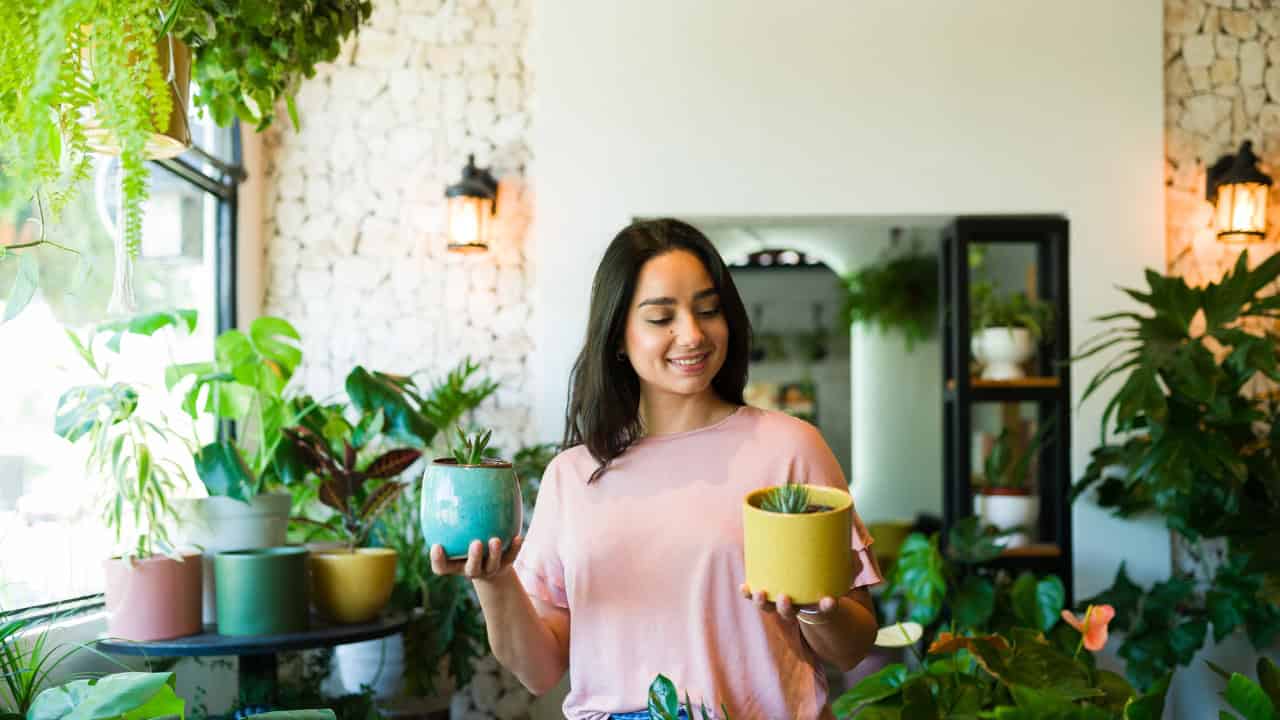
I used to think watering my plants often was a good thing, but too much water can actually kill them. When the soil stays soggy, the roots can’t breathe, which leads to root rot.
The easiest way to avoid this? The finger test. Before I water, I stick my finger into the soil about an inch deep. If it still feels damp, I wait a little longer.
If I do accidentally overwater, I let the soil dry out and make sure my pots have drainage holes.
2. Using Cold Water for Watering
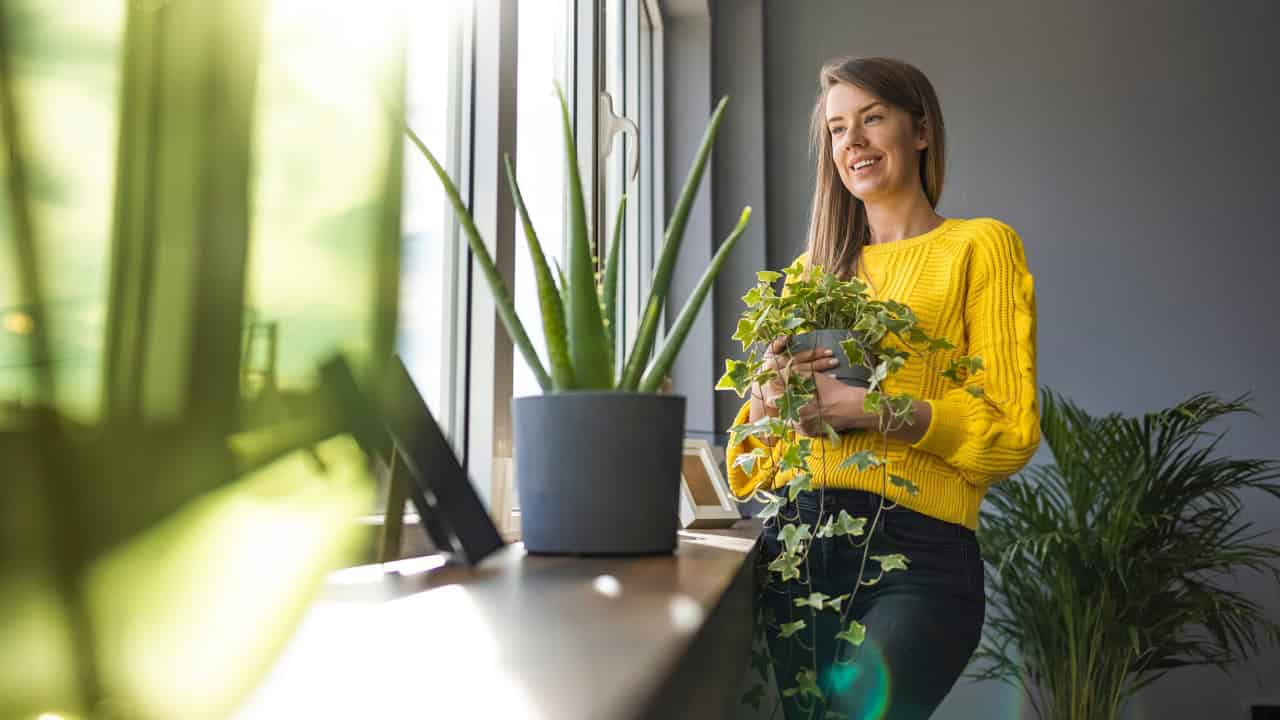
I never used to think about water temperature, but cold water can shock plant roots, especially in winter.
Now, I always use room-temperature water. If the water feels comfortable to my hands, it’s probably fine for my plants. Letting tap water sit out for a few hours before watering also helps it reach a better temperature.
3. Putting Plants Too Close to Heat Sources
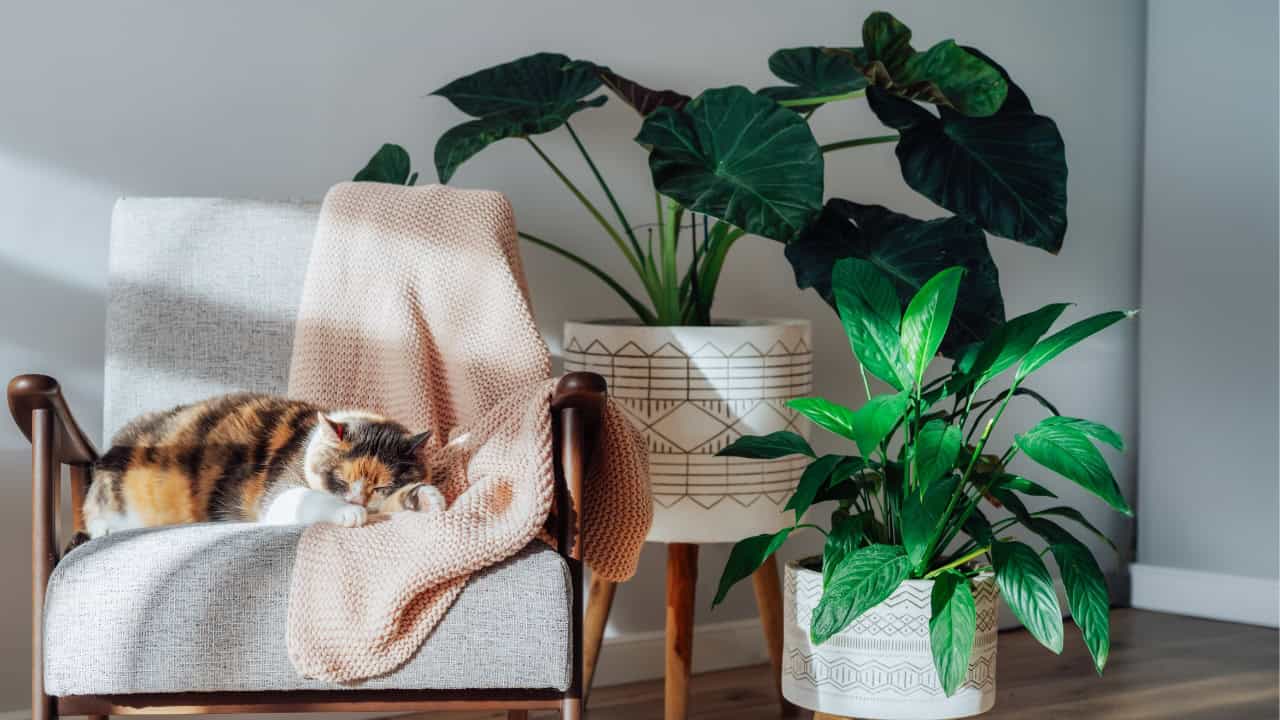
I used to place plants near heaters and fireplaces to keep them warm, but that backfired. Heat dries out the soil too fast and can cause leaves to wilt or drop.
Now, I keep my plants at least a few feet away from heating vents, radiators, and fireplaces. They still get warmth, but without the extreme dryness.
4. Placing Plants in Drafty Areas
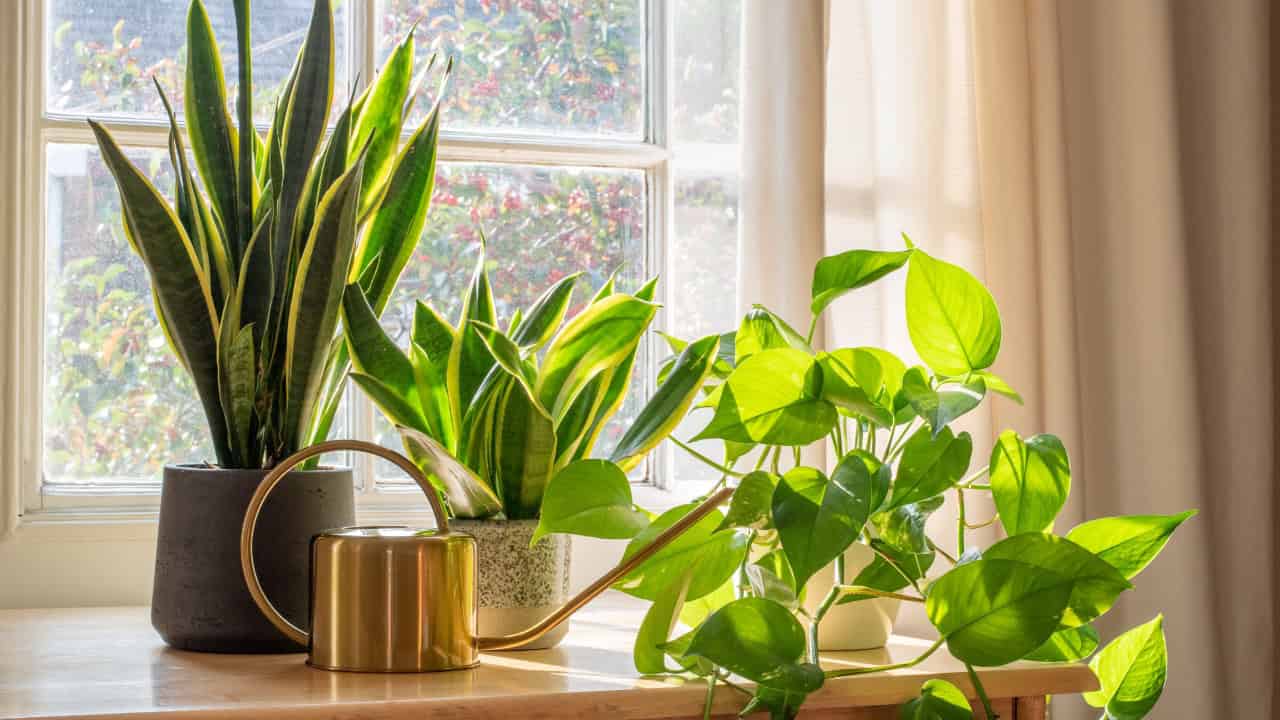
I learned the hard way that cold drafts can stress plants out. If a plant is too close to a drafty window, door, or air vent, sudden temperature changes can cause leaves to curl or drop.
Now, I check for drafts by holding my hand near my plants on a chilly day. If I feel cold air, I move them to a more stable spot.
5. Using Hard or Chlorinated Water

Tap water isn’t always the best for houseplants. Hard water leaves behind mineral buildup, and chlorinated water can be tough on sensitive plants.
A simple fix? Letting tap water sit out overnight helps some of the chlorine evaporate. I also use filtered or distilled water for fussier plants, like calatheas or ferns.
6. Forgetting to Clean the Leaves
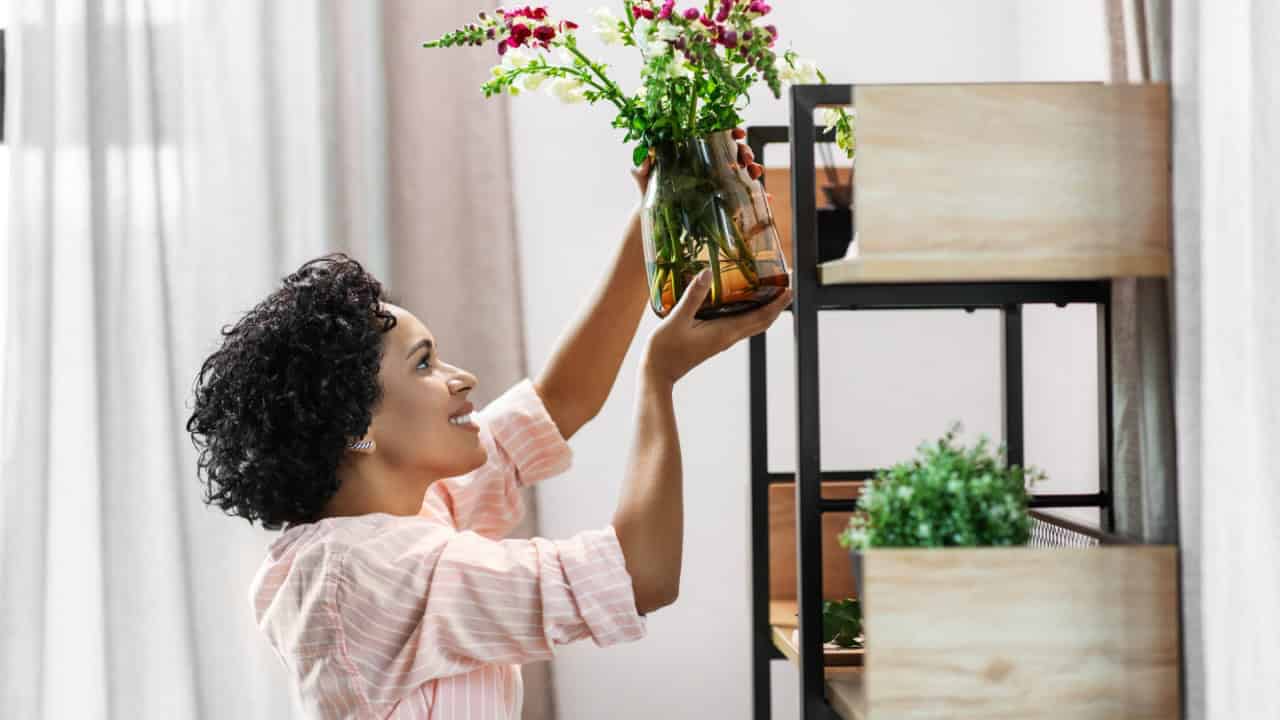
I didn’t realize how much dust collects on plant leaves until I started wiping them down. Dust blocks light, which makes it harder for plants to absorb energy.
Now, I take a soft cloth and gently wipe the leaves every couple of weeks. Not only does this help with photosynthesis, but it also makes my plants look fresh and healthy.
7. Choosing the Wrong Plant for the Space
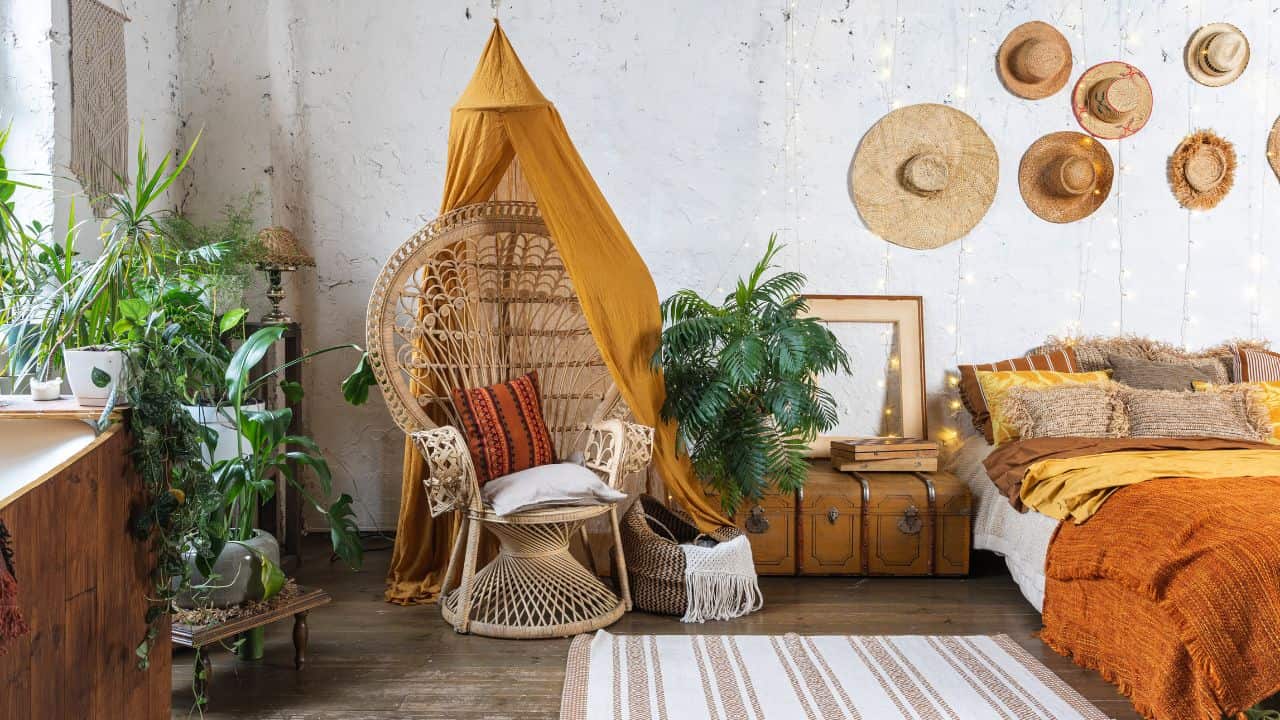
I’ve definitely bought plants just because they looked pretty—without thinking about whether they’d actually thrive in my home. Low-light plants won’t survive in bright, direct sun, and sun-loving plants will struggle in a dark corner.
Now, I check a plant’s light, humidity, and care needs before bringing it home. When I match plants to the right space, they do much better.
8. Ignoring Signs of Pests or Disease
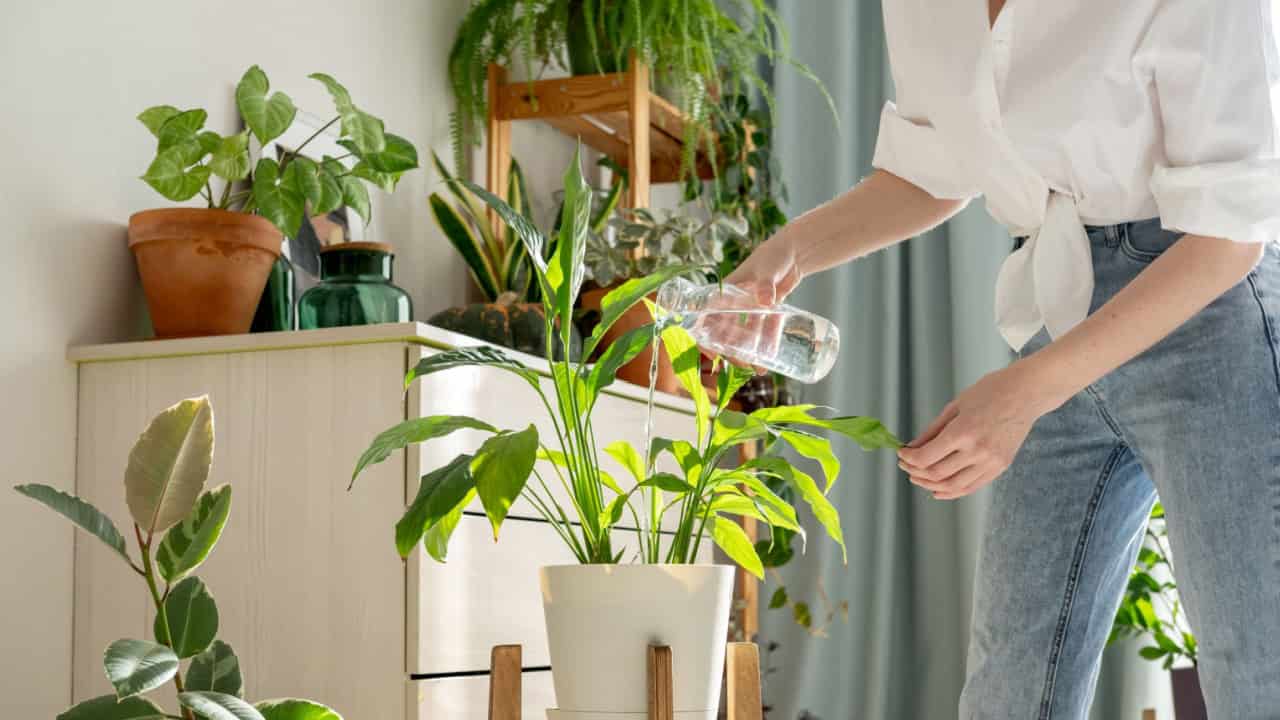
I used to assume pests wouldn’t be a problem indoors, but houseplants can definitely attract them. Tiny bugs, webbing, or sticky residue are all signs of trouble.
Now, I check my plants regularly for any weird spots, holes, or tiny critters. If I see a problem, I act fast—wiping leaves with a damp cloth, using neem oil, or isolating the plant if needed.
9. Not Giving Plants Enough Light
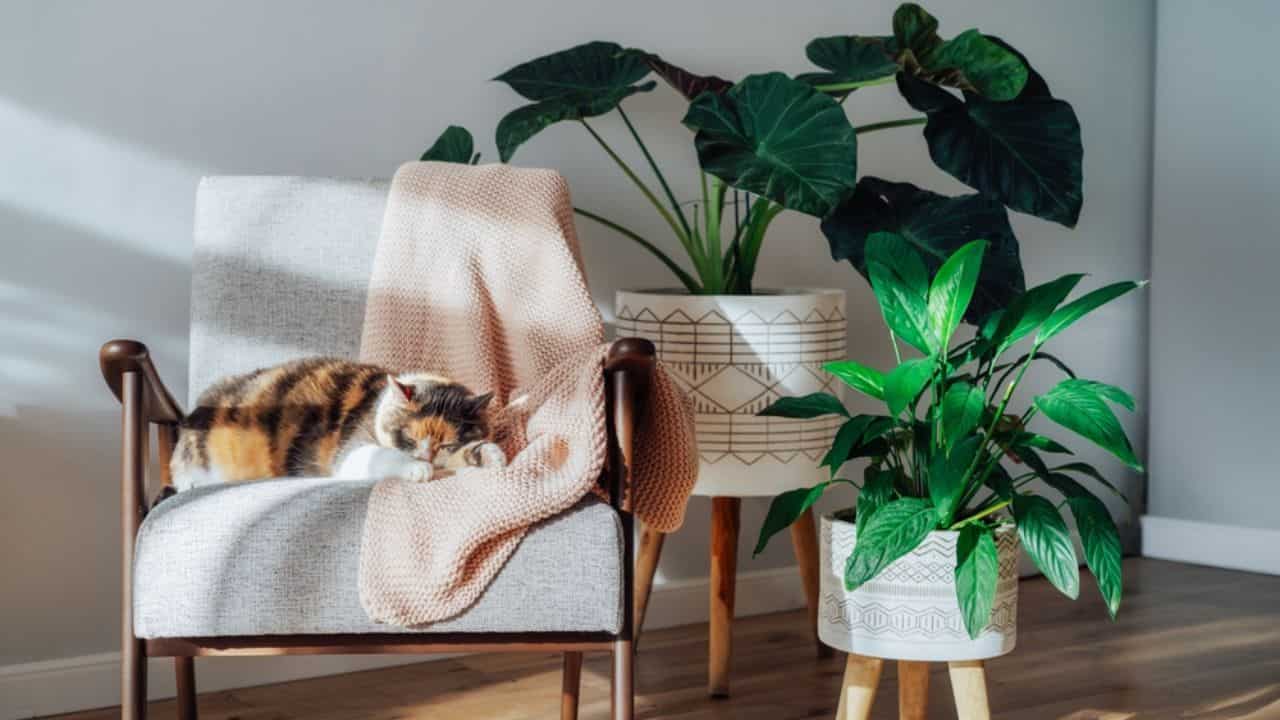
Not all plants need bright light, but every plant needs some light. If a plant is stretching toward a window, getting pale, or growing slowly, it probably needs more.
I try to put plants near windows that match their needs. If that’s not possible, grow lights can be a great backup, especially in winter.
10. Using the Wrong Type of Soil

I used to repot everything in the same soil, but different plants need different mixes. Succulents and cacti need fast-draining soil, while tropical plants do better in rich, moisture-retaining soil.
Now, I check what type of soil my plants actually need. Using the right mix helps prevent root rot and keeps them growing strong.
11. Ignoring Humidity Needs
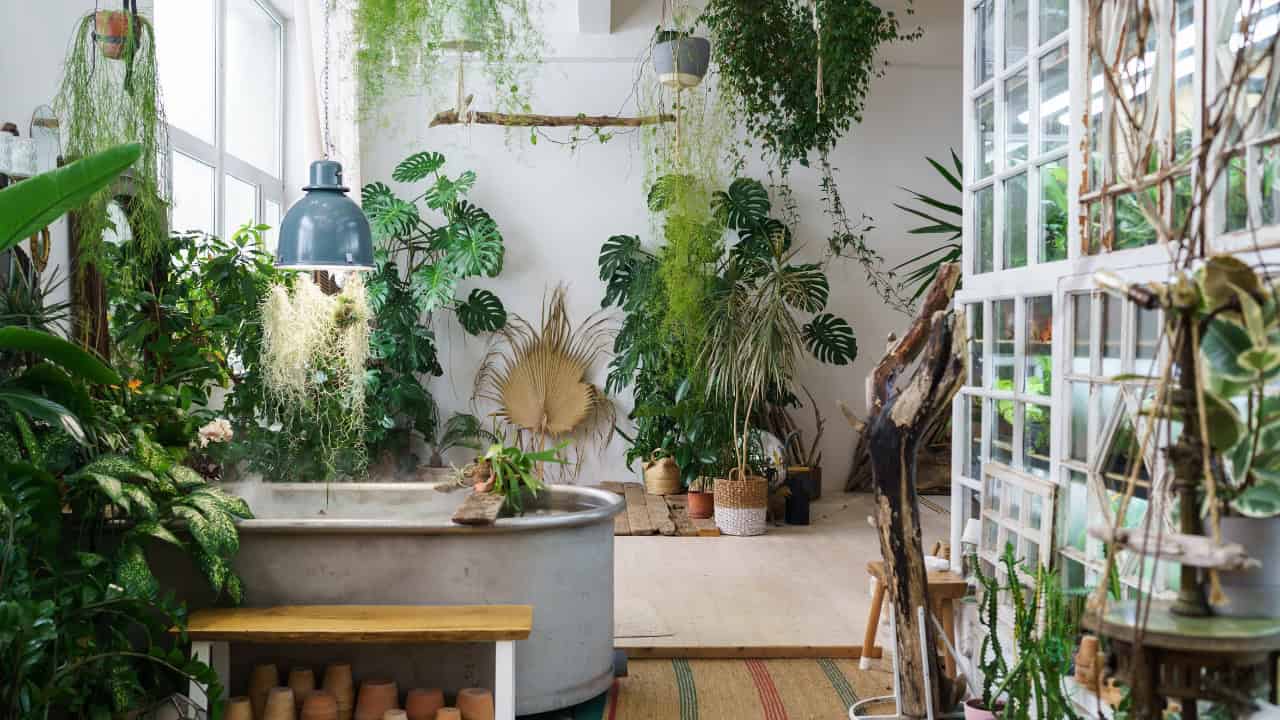
Some plants, especially tropical ones, need more humidity than what’s in my house—especially during winter when indoor air gets dry.
To fix this, I use a humidifier, place water trays near my plants, or group them together to create a little humidity pocket. Misting can help a little, but it’s not always enough on its own.
*This article was created with the help of AI.