As an avid plant lover, I know how frustrating it can be to discover pests on my houseplants. These little invaders can turn a thriving green space into a cause for concern in no time.
Knowing how to identify and effectively eliminate these common houseplant pests is essential to keeping my plants healthy and happy.
Advertisement
From tiny aphids to bothersome mealybugs, each pest poses its own set of challenges. I’ve learned some handy tips and tricks over the years to manage these issues.
With the right information, I can confidently tackle any pest problem that comes my way and preserve the beauty of my indoor garden.
1. Neem oil effectively eliminates pests naturally

I’ve found that neem oil is a fantastic natural solution for tackling houseplant pests. It’s derived from the seeds of the neem tree, which is native to South Asia.
When I spray neem oil on my plants, it targets various common pests like aphids, spider mites, and whiteflies. It disrupts their life cycle, making it harder for them to reproduce.
I appreciate that neem oil is safe to use on both indoor and outdoor plants. Plus, it doesn’t leave harmful residues.
It’s an easy and effective way to keep my plants healthy and pest-free.
2. Use horticultural oil for pest prevention

I find that using horticultural oil is a simple yet effective way to keep pests at bay. This type of oil works by smothering insects, which can help prevent infestations before they start.
When I apply horticultural oil, I make sure to follow the instructions closely. It’s important to spray it on the affected areas of my plants, especially the undersides of leaves where pests like to hide.
I often choose products that contain neem oil too, since it’s known for being particularly effective.
Regular applications can create a protective barrier that discourages pests like mealybugs and spider mites.
3. Wipe down plants with rubbing alcohol
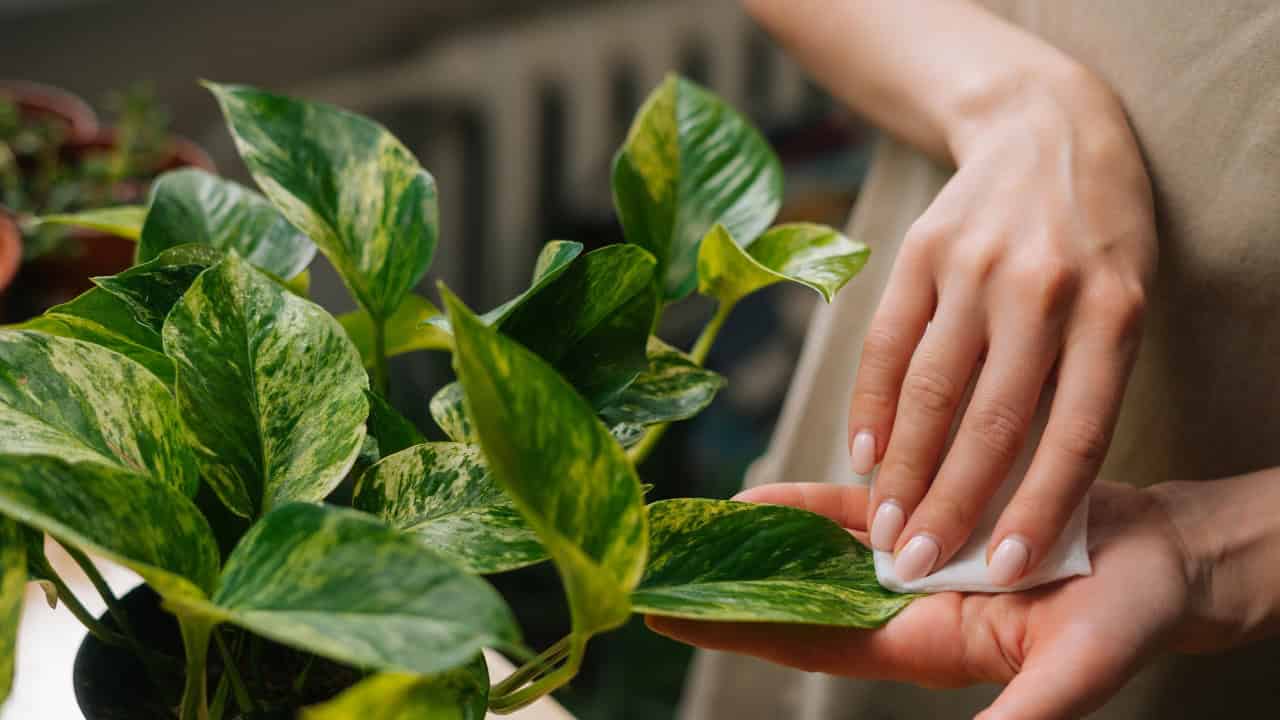
When I notice pests on my houseplants, one of my go-to methods is using rubbing alcohol. It’s simple and effective.
First, I grab a cotton swab and dip it in the alcohol. Then, I carefully dab it directly onto the insects, like mealybugs. The alcohol breaks down their protective coating and helps to eliminate them.
I also use a cloth soaked in rubbing alcohol to wipe down the leaves. This not only helps remove pests but also cleans the plant.
Just be cautious and test a small area first to ensure the alcohol won’t harm the leaves.
Regularly wiping down my plants keeps them healthy and looking great.
4. Isolate infested plants immediately

When I spot pests on one of my houseplants, my first instinct is to isolate it right away. I move it to a separate room to prevent any pests from spreading to my other plants.
It’s crucial to keep the infested plant away from healthy ones. Pests can travel quickly, and I don’t want to risk a larger infestation.
After isolating, I check the infested plant carefully. Removing heavily affected leaves helps reduce the number of pests. I often wash the plant down with water in the sink or shower, which can dislodge many pests.
Taking these steps can make a big difference in controlling the situation.
5. Utilize insecticidal soap for control

When I notice pests on my houseplants, one of my go-to solutions is using insecticidal soap. It’s effective and less harsh than chemical pesticides, which I appreciate.
I simply spray it on the affected areas of the plant. The soap works by suffocating the pests, which is pretty straightforward.
I also like that it’s safe for most plants and doesn’t harm beneficial insects if used correctly.
Just be sure to cover all the nooks where pests like to hide.
For tougher infestations, I sometimes combine it with other methods for even better results.
6. Use a cotton swab dipped in alcohol
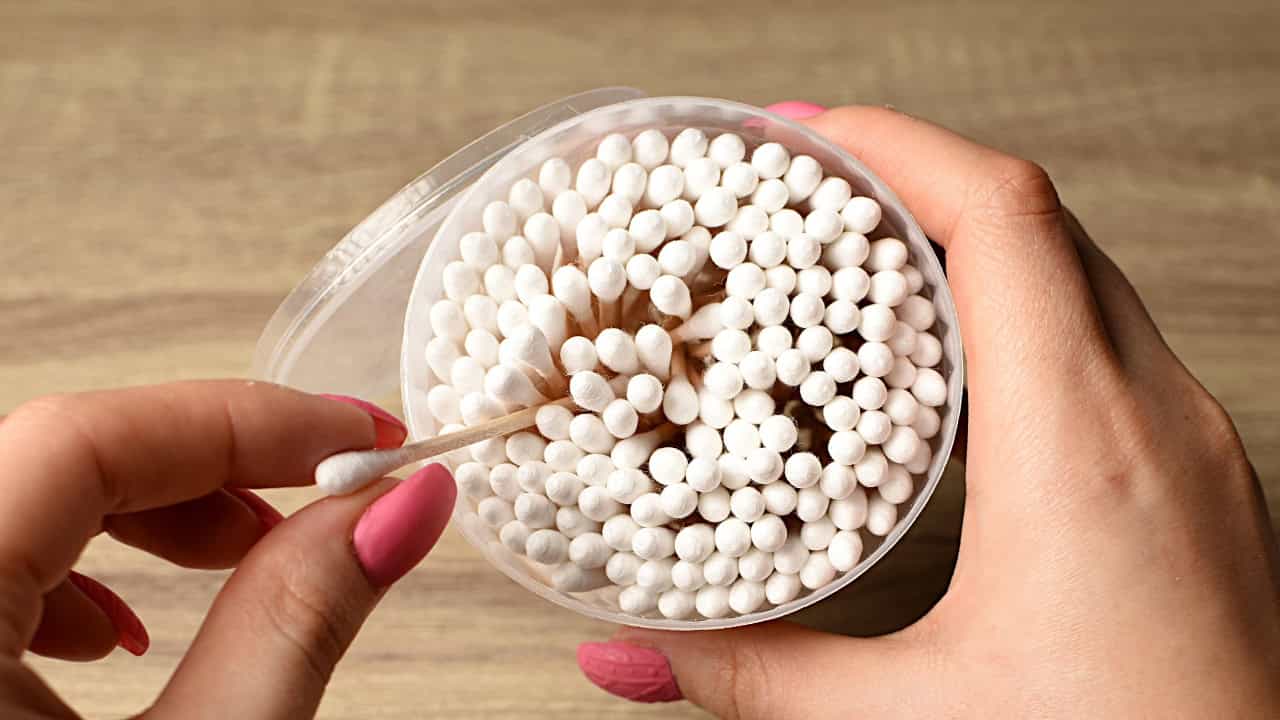
When dealing with pest problems on my houseplants, I often reach for a cotton swab dipped in isopropyl alcohol. It’s a simple yet effective method to target those pesky insects like mealybugs and aphids.
I just dip the swab in the alcohol and gently dab the affected areas. This approach allows me to apply the alcohol directly where it’s needed, without oversaturating the plant.
It’s important to use 70% isopropyl alcohol to ensure it’s strong enough to suffocate the pests. I avoid using it on delicate leaves, as it can be harsh.
This method is quick and keeps my plants looking great while taking care of the unwanted guests.
7. Trap flying insects with sticky traps

I find using sticky traps to be a straightforward way to combat flying pests. These bright yellow traps attract insects like fungus gnats and whiteflies. Once they land, they can’t escape.
I usually place them near the plants that seem to have the most activity. It’s a low-effort solution that helps me monitor pest populations.
Keep in mind that while sticky traps catch adult insects, they won’t eliminate eggs or crawling pests.
To be effective, I often combine these traps with other pest control methods. That way, I’m tackling the problem on all fronts without relying solely on one technique.
8. Prevent pests with hot pepper wax spray

I’ve found that using hot pepper wax spray can be a game changer for keeping pests at bay. This simple solution creates a barrier that many insects don’t want to cross.
To make it, I mix hot pepper wax concentrate with water and spray it on my plants. The spicy scent deters pests while being safe for the plants.
I reapply every couple of weeks, especially after watering or rain. This helps ensure the protective layer stays effective.
Using hot pepper wax is not only practical but also a natural way to reduce pest problems without toxic chemicals. It’s a win-win for me and my houseplants!
9. Wash pests off with soapy water

I find washing pests off my houseplants with soapy water to be an easy and effective method. It works well for many common pests like aphids and spider mites.
I mix a few drops of mild dish soap with water in a spray bottle. Then, I generously spray the affected leaves.
After a few minutes, I wipe the leaves with a soft cloth or sponge. This helps remove the pests without harming the plant.
I make sure to rinse the leaves with clean water afterward to remove any soap residue.
Regular washing can keep my plants healthy and pest-free.
10. Handpick pests when possible

I often find that the most straightforward way to tackle pests is to handpick them off my plants. It’s efficient and avoids any harsh chemicals that might harm my indoor environment.
When I see a few pests, like aphids or caterpillars, I simply grab them with my fingers or use a small tool. Just make sure to wear gloves if you prefer.
For those pesky, sticky mealybugs, using a Q-tip dipped in alcohol works wonders. It’s a bit more time-consuming, but it gives me peace of mind knowing my plants are safe.
Plus, I enjoy the connection I feel with my plants while keeping them healthy.
11. Apply horticultural oil for suffocation

I find horticultural oil to be a great option for tackling stubborn pests on my houseplants. This oil works by coating insects, which suffocates them and disrupts their respiration.
When using horticultural oil, I make sure to cover the affected areas thoroughly. Pests like mealybugs or scale insects become trapped, and they can’t escape.
I appreciate that it’s less harmful to the plants compared to chemical pesticides. Plus, it’s often effective against both adult insects and their eggs.
Just remember to follow the application instructions carefully to ensure the best results. Regular use can lead to healthier, pest-free plants.
*This article was created with the help of AI.