I used to see weeds as nothing more than a nuisance in my yard. But once I started learning about them, I realized a lot of these so-called “weeds” are actually pretty useful. Some are packed with nutrients, others have medicinal properties, and a few even help improve my garden soil.
Instead of pulling them all out on sight, I’ve started looking at these plants a little differently. If a weed has a purpose, I let it stick around—or even put it to good use.
Advertisement
Here are 11 backyard weeds that might just earn a place in your garden instead of your compost pile.
1. Dandelion – Good for Tea, Salads, and More

I used to think dandelions were just those stubborn yellow flowers that took over my yard. Turns out, they’re edible from root to flower.
The leaves add a slightly bitter bite to salads, kind of like arugula. The flowers can be used to make tea, jelly, or even homemade wine. And the roots? Roast them for a caffeine-free coffee alternative.
Now, instead of pulling dandelions in frustration, I harvest them for something useful.
2. Purslane – Packed with Omega-3s
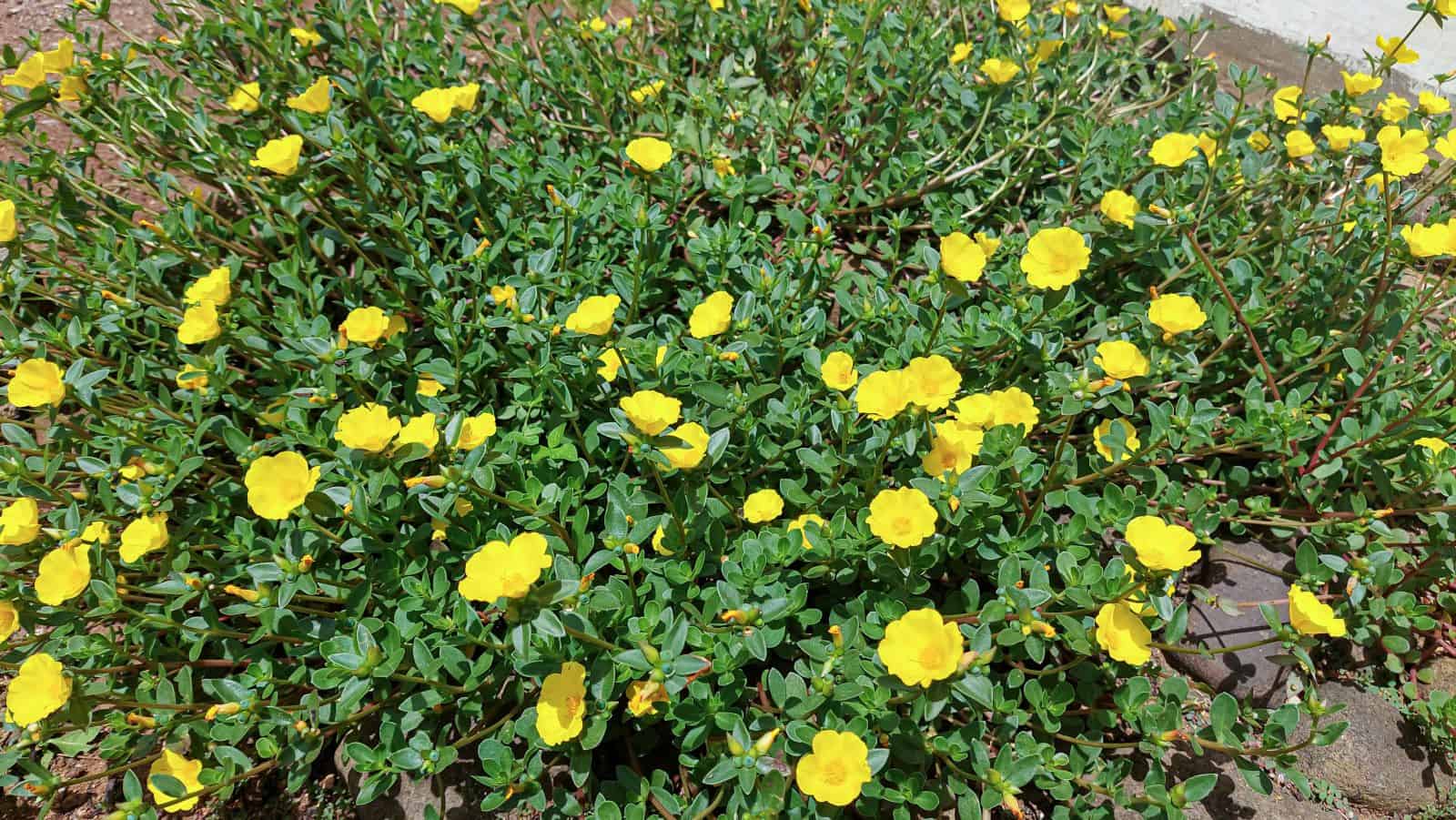
Purslane is one of the most nutritious weeds I’ve come across. It’s loaded with omega-3 fatty acids—something you don’t typically get from plants.
It has a slightly tangy, crunchy texture that works great in salads or even blended into smoothies.
Once I realized how healthy purslane is, I stopped weeding it out and started adding it to my meals instead.
3. Plantain – A Natural Remedy for Skin Irritations

Plantain grows just about everywhere, and I’ve learned it’s a handy little plant to have around. If I get a bug bite, scrape, or sting, I crush up a plantain leaf and apply the juice to my skin.
It has natural antibacterial and anti-inflammatory properties, making it a great first-aid plant. I’ve even made a simple salve with it to keep on hand for minor cuts and rashes.
4. Clover – Attracts Pollinators and Improves Soil

I used to think clover was just an annoying ground cover, but now I love having it in my yard. The little flowers attract bees, which helps with pollination in my garden.
Clover also pulls nitrogen from the air and adds it back into the soil, naturally fertilizing nearby plants. That means healthier grass and garden beds without extra work on my part.
5. Chickweed – A Nutritious, Edible Green

Chickweed is one of those weeds that grows in thick patches, but instead of pulling it all out, I’ve started eating it. It’s mild, slightly sweet, and packed with vitamins A, C, and B.
I love tossing it into salads, blending it into pesto, or even adding it to soups. The whole plant is edible, making it an easy, free green to work into my meals.
6. Nettle – Great for Soups and Herbal Teas

I used to avoid stinging nettle like the plague, but once I realized how nutritious it is, I gave it a second look.
Cooking or drying the leaves removes the sting, and what’s left is a nutrient-dense green that works well in soups, stir-fries, or even tea. It’s rich in iron, calcium, and vitamins A and C, making it a great immune booster.
Now, instead of cursing nettle when I see it, I put on gloves and harvest it.
7. Lamb’s Quarters – A Wild Spinach Alternative
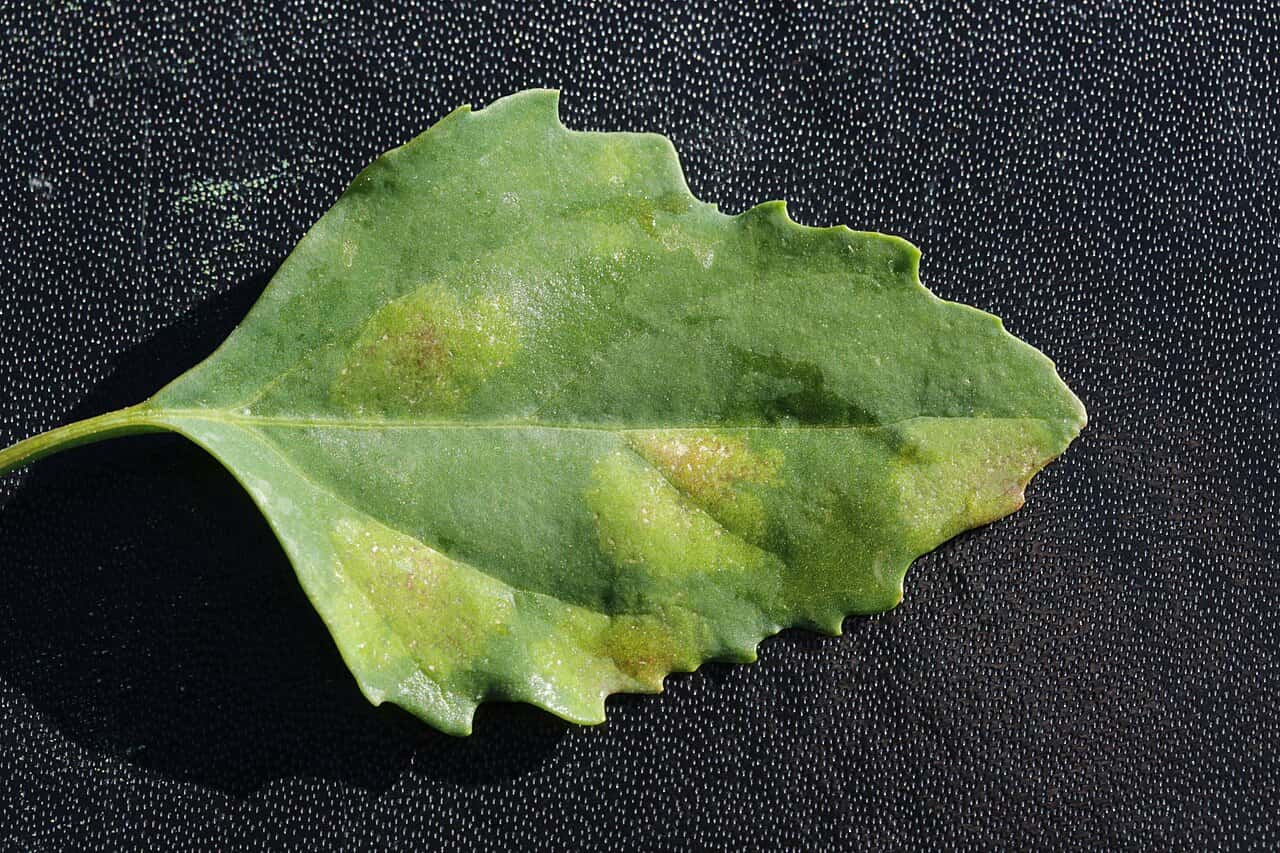
Lamb’s quarters are often called “wild spinach” for a reason—they taste just like it! The tender leaves are packed with vitamins and minerals, and they sauté beautifully just like regular spinach.
I use lamb’s quarters in omelets, soups, and even as a fresh green in tacos. The best part? They grow like crazy without me having to do a thing.
8. Mullein – Soothing Tea for Coughs and Congestion
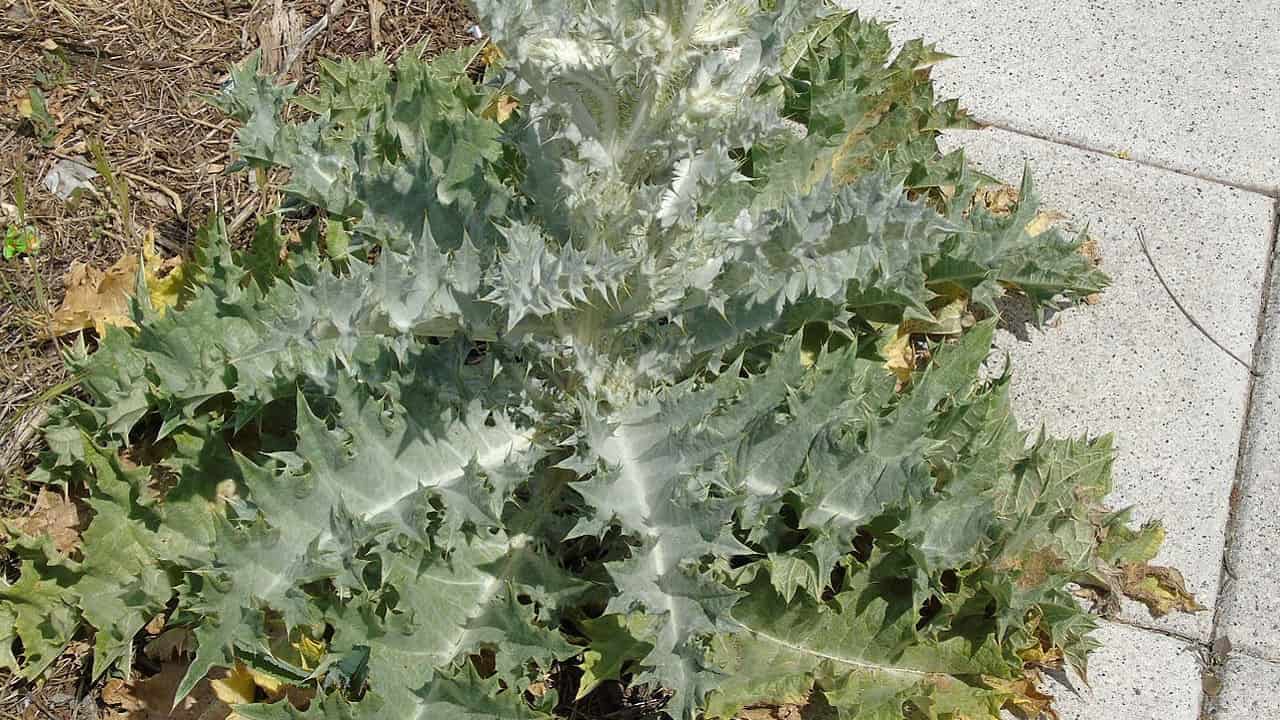
Mullein is one of those tall, fuzzy-leaved plants that looks out of place in my yard, but I’ve learned to appreciate it.
The leaves make a mild tea that’s great for soothing coughs and respiratory issues. It’s been used for centuries as a natural remedy for congestion.
Now, when I see mullein pop up, I let it grow so I can dry the leaves for homemade herbal tea.
9. Burdock – A Root with Detoxifying Properties
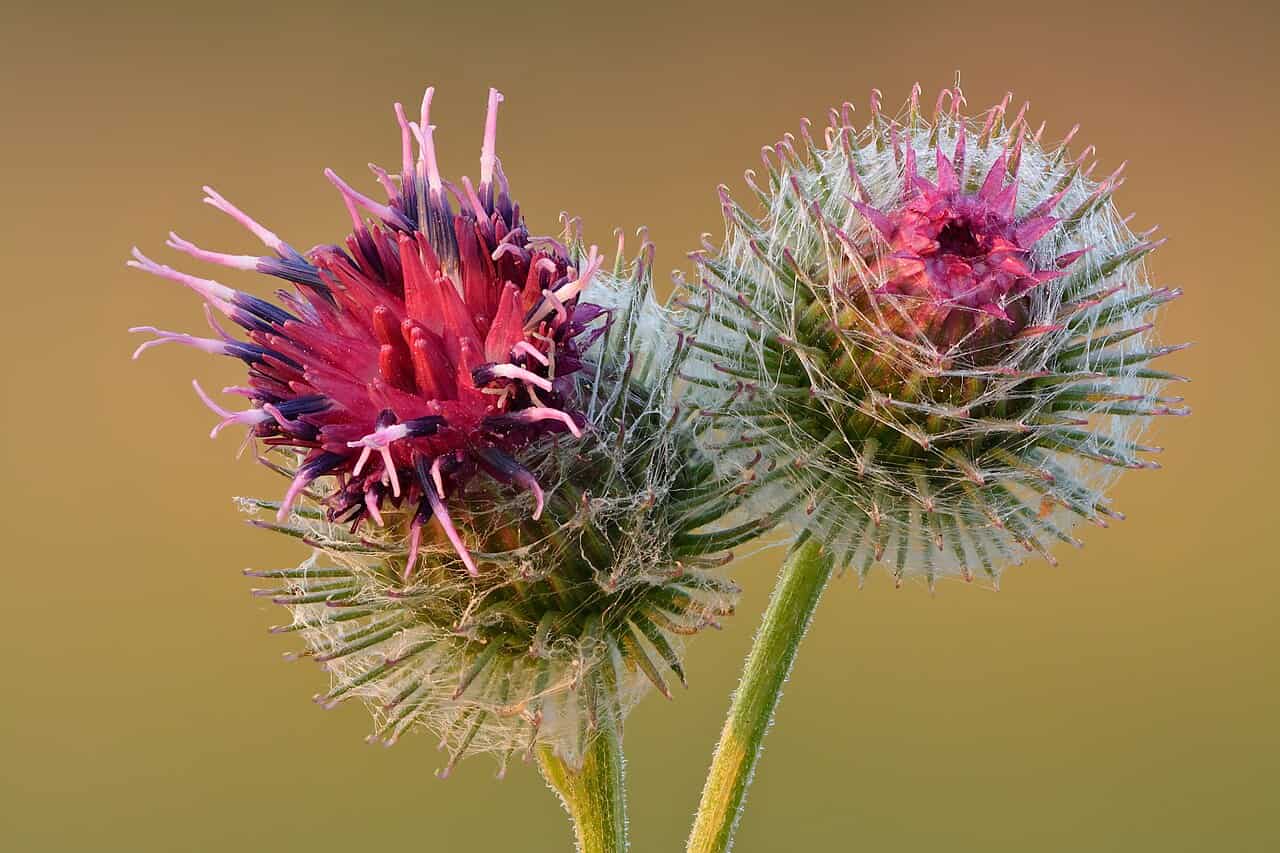
Burdock root has been used in traditional medicine for ages, and I see it all the time in my backyard.
It’s known for its potential to support liver health and has a deep, earthy flavor when brewed into tea. Some people even cook with burdock root, adding it to stir-fries or soups.
Instead of pulling it out and tossing it, I now harvest and dry the roots to use in homemade detox teas.
10. Yarrow – A Natural Wound Healer
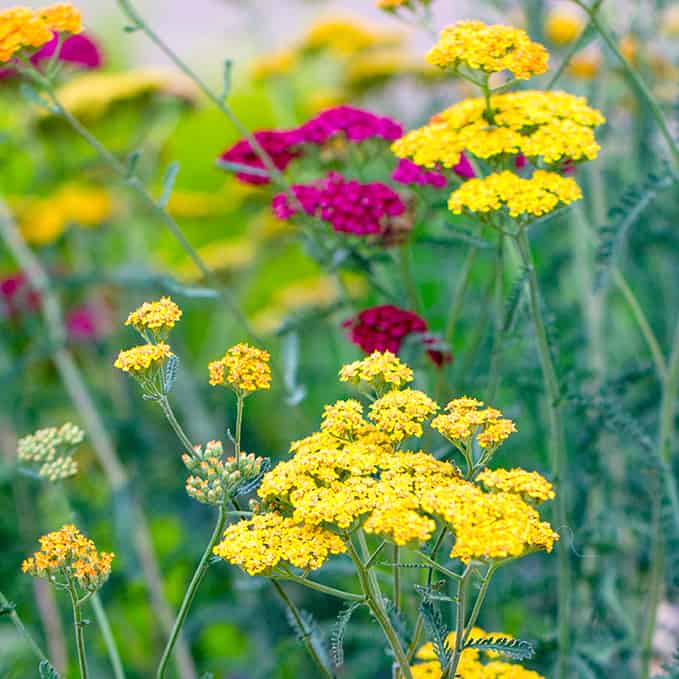
Yarrow is one of those weeds that doubles as a first-aid plant. If I get a small cut or scrape, I can crush up fresh yarrow leaves and apply them to the wound to help stop bleeding.
It has natural antiseptic properties and can even be dried and powdered for later use. I keep some in my first-aid kit for those unexpected outdoor mishaps.
11. Violets – Edible Flowers with a Mild, Sweet Flavor

Violets add a pop of color to my yard, and I love that they’re edible too. The flowers can be used in salads, desserts, or even steeped into tea.
I’ve even made violet-infused honey and syrup for a fun way to use them in drinks and baking.
The leaves are also packed with nutrients, making them a great addition to mixed greens. Instead of pulling violets out, I let them grow and find creative ways to use them in the kitchen.
*This article was created with the help of AI.