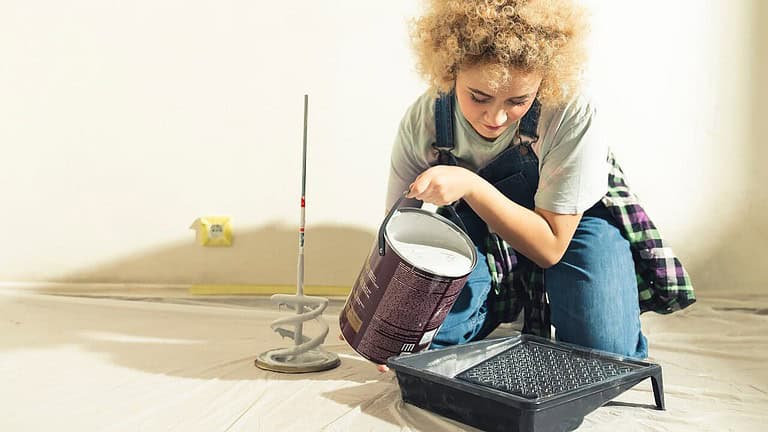
After watching my mom clean the house for years for my 10 brothers and sisters, I’ve had a front-row seat to the secrets of efficient cleaning. But it wasn’t until I started cleaning my own home that I realized just how many of her weird hacks were actually genius.
Like many of us, I thought I knew what I was doing – after all, how complicated can cleaning really be?
Advertisement
Turns out, pretty complicated. Here are the mistakes that make professional cleaners cringe, and more importantly, why fixing them can transform your cleaning routine.
Using One Microfiber Cloth for Everything
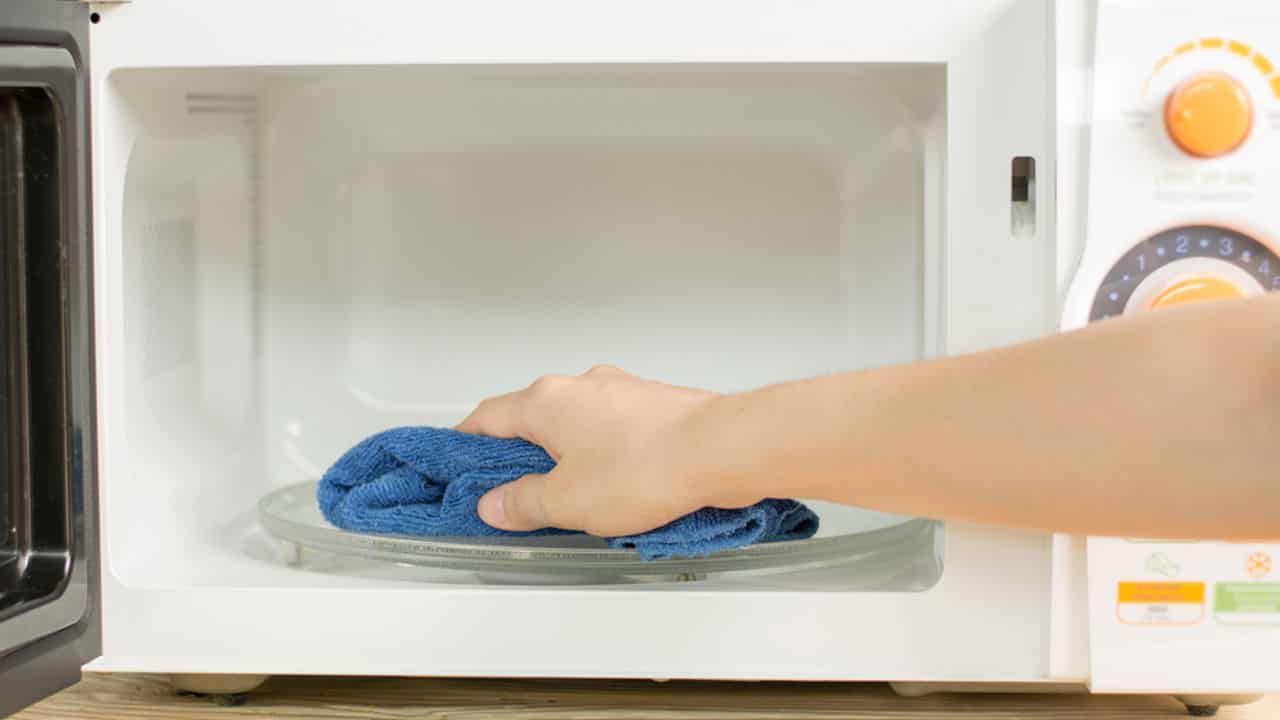
I used to pride myself on being “eco-friendly” by using the same microfiber cloth throughout my house. Big mistake. Cross-contamination isn’t just about raw chicken on cutting boards – it applies to cleaning too. Professional cleaners use a color-coded system: one color for bathrooms, another for kitchens, and so on.
The game-changer? Investing in a set of different colored microfiber cloths cost me less than $20 and dramatically improved my cleaning efficiency.
Starting at Ground Level
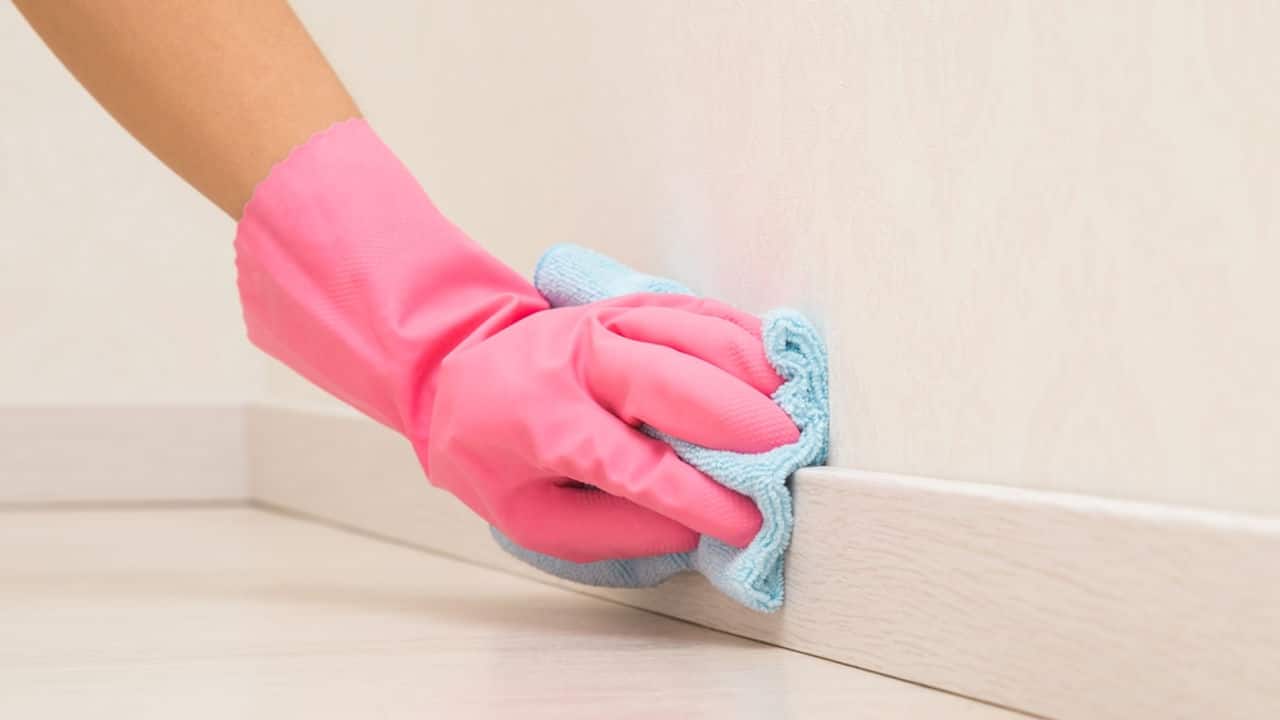
For years, I started my cleaning routine with the floors. After all, doesn’t it make sense to work from the bottom up? According to the pros, this is exactly backward. Gravity is still a thing when you’re cleaning, and all that dust and debris from higher surfaces will eventually make its way down.
Now I always start with ceiling fans, move to shelves and countertops, and save floors for last. The difference in efficiency is remarkable.
The Spray-and-Wipe Immediacy Trap

I was a chronic spray-and-wipe offender. Spray the cleaner, immediately wipe it away. Professional cleaners know that most cleaning solutions need dwell time – usually 5-10 minutes – to actually break down dirt and grime.
Now I spray all surfaces in one area, then go do something else briefly before coming back to wipe. The results? I’m using less elbow grease and getting better results.
Neglecting the ‘Clean You Can’t See’

Until recently, my cleaning routine was purely reactive – if I could see dirt, I cleaned it. Professional cleaners think differently. They know that the most important cleaning often involves surfaces you can’t see: air vents, behind appliances, and under furniture.
I’ve started keeping a “hidden cleaning” checklist, and the difference in our home’s air quality has been noticeable, especially with three young kids crawling around.
The Expensive Product Fallacy
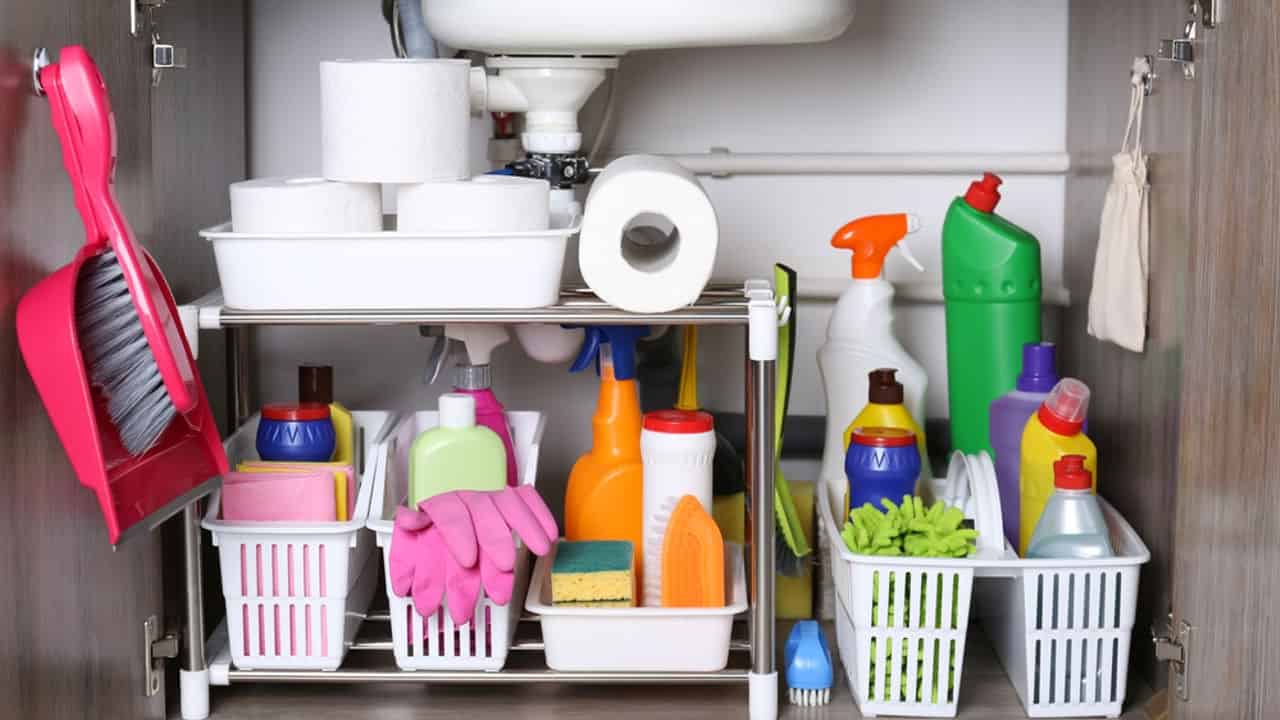
I used to have a cabinet full of specialty cleaners – one for every possible surface and situation. Professional cleaners typically use fewer, more versatile products. The key isn’t in having the most expensive cleaner, but in using the right technique and giving products proper dwell time.
My cleaning cabinet now has just five core products, saving both money and space.
The Dry Dusting Disaster

This one made me feel particularly foolish. I used to dust with a dry cloth or duster, essentially just moving dust around rather than removing it. Professional cleaners always slightly dampen their dusting cloths – it helps the dust actually stick to the cloth instead of becoming airborne.
I absolutely hate dusting, but this hack makes the whole process more bearable since it’s actually a lot easier to pick up the dust and clean efficiently when it’s just slightly damp.
The Window Cleaning Time Trap

Sunny days seem perfect for window cleaning, right? Wrong. Professional cleaners know that direct sunlight causes cleaning solution to dry too quickly, leading to streaks. Cloudy days are actually ideal for window cleaning.
I live in Texas, so this trick was a game changer for me. This one tip cut my window cleaning time and improved the results dramatically. (Not to mention all the frustration it’s saved me over time.)
The Chemical Mixing Danger
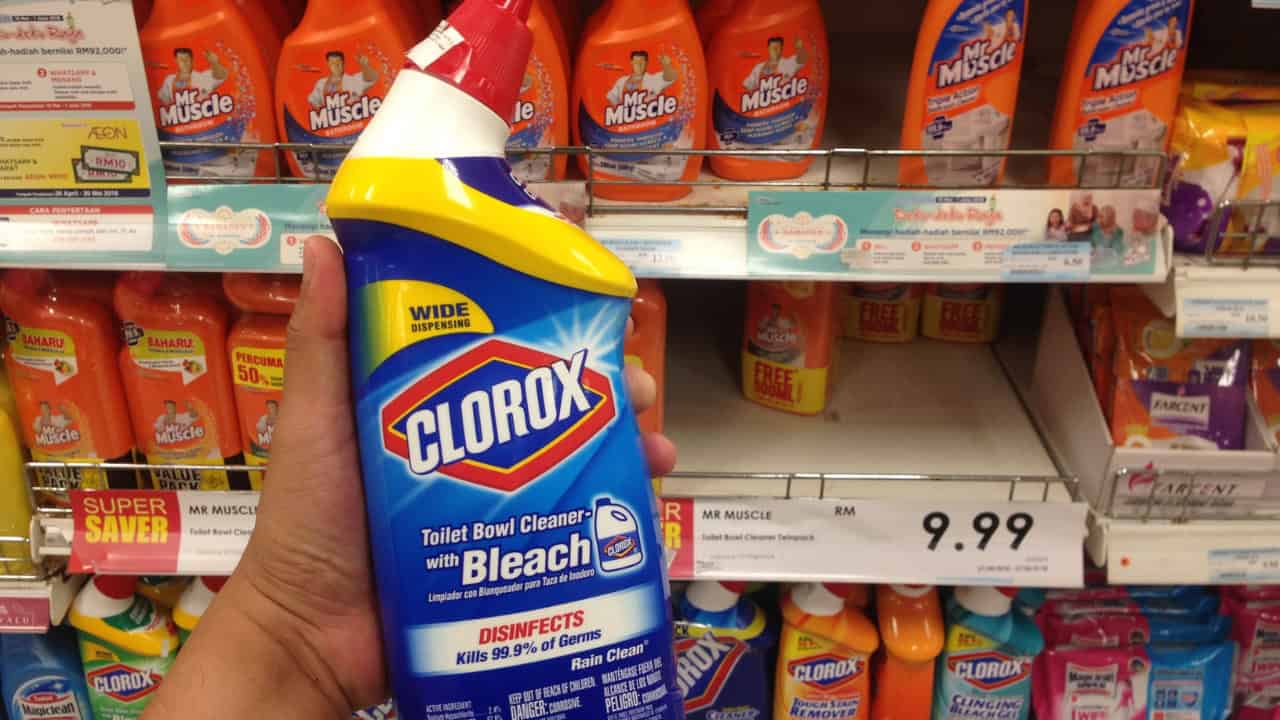
While I never mixed bleach and ammonia (thankfully), I was guilty of combining other cleaning products thinking I was creating some sort of super-cleaner. Dish soap and Pine Sol in the same bottle? Why not?
Professional cleaners never mix products unless specifically directed by the manufacturer. It’s not just about safety – mixing products can actually make them less effective.
The Mop Water Mistake
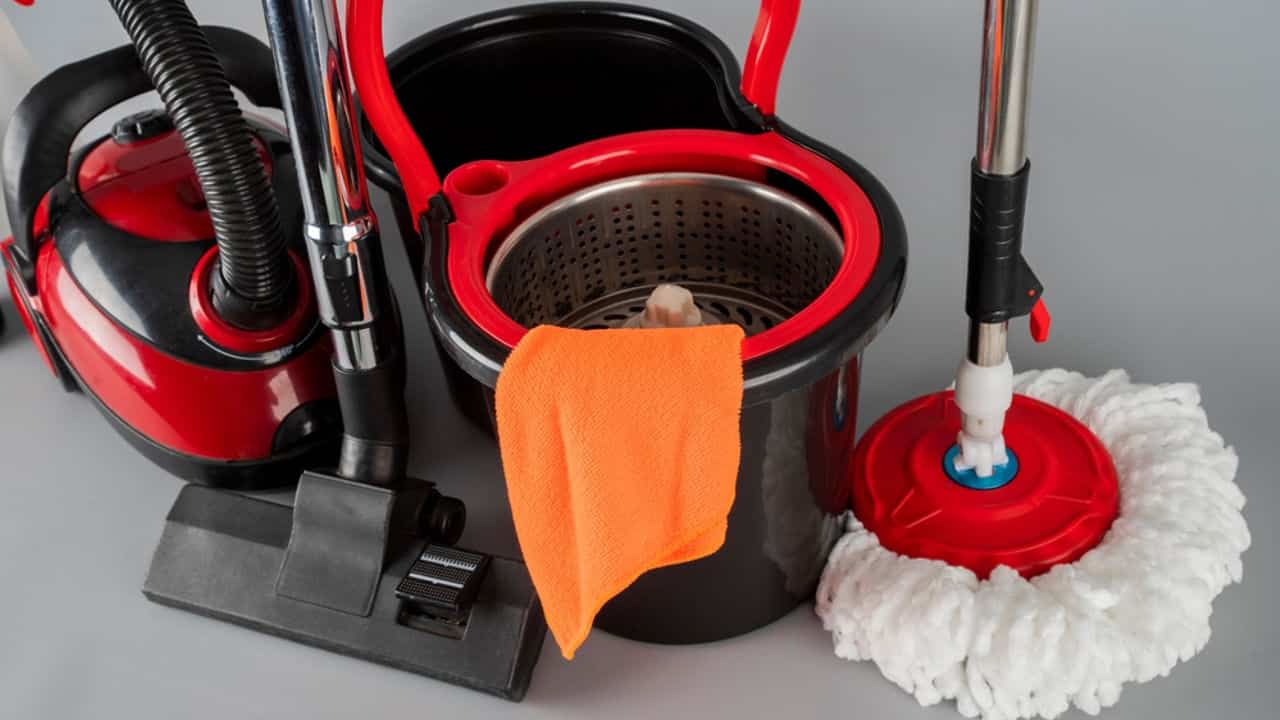
I used to pride myself on using the same mop water for the entire house. Professional cleaners change their water frequently – typically every 1-2 rooms. Otherwise, you’re just spreading dirty water around. Yes, it takes more time, but the results are worth it.
This is especially true when your floors are extra dirty, or you’re mopping up muddy floors, which I clean a lot of. A lot of times you can’t tell you’re just moving dirt around the house until after it dries and streaks are everywhere. So just change the water ahead of time every 1-2 rooms and you’ll thank yourself later.
The ‘More Is Better’ Myth
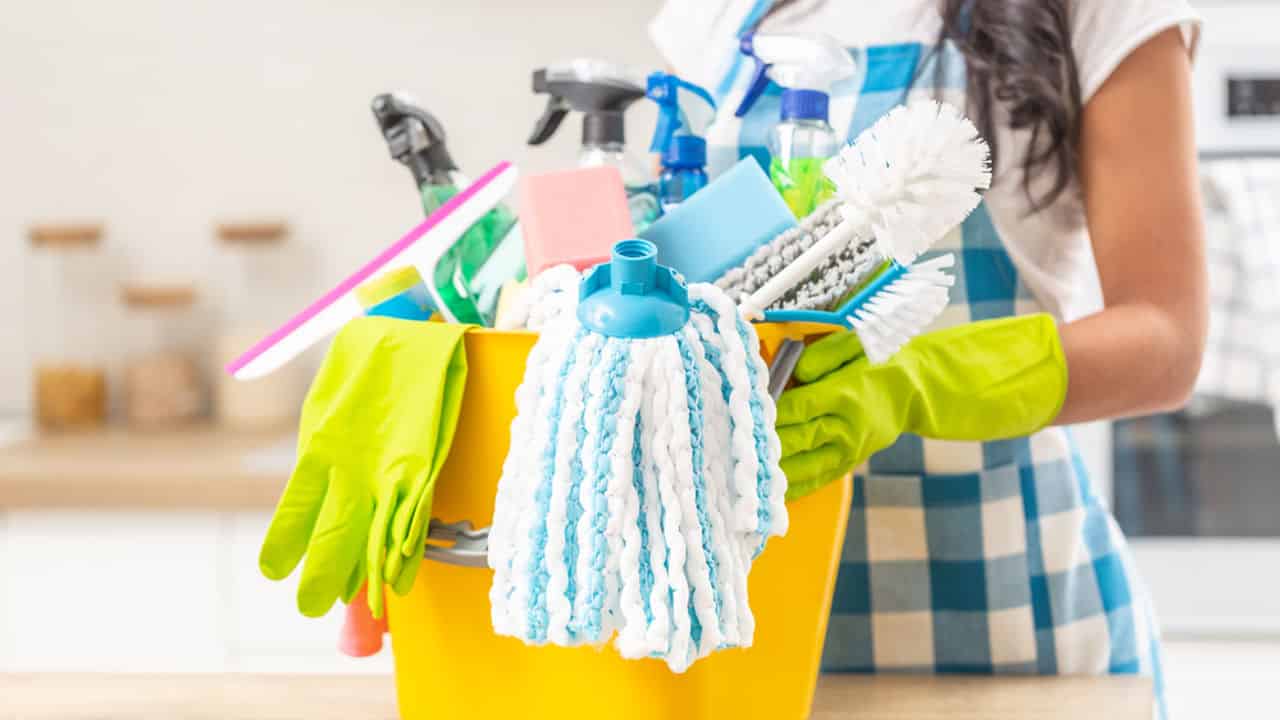
With cleaning products, I always figured more was better. Professional cleaners know that using too much product actually creates more problems – leaving residue that attracts dirt and can damage surfaces over time. Now I measure products precisely and often use less than the recommended amount.
Our new home has quartz countertops and I was cleaning them with a heavier duty cleaner thinking I was doing well and keeping our things nice and clean, but then I started noticing the cleaner would just leave streaks and residue. Now, I just clean them with hot water and dish soap and they’re so much cleaner and there’s no streaks in sight.
The Bathroom Ventilation Oversight
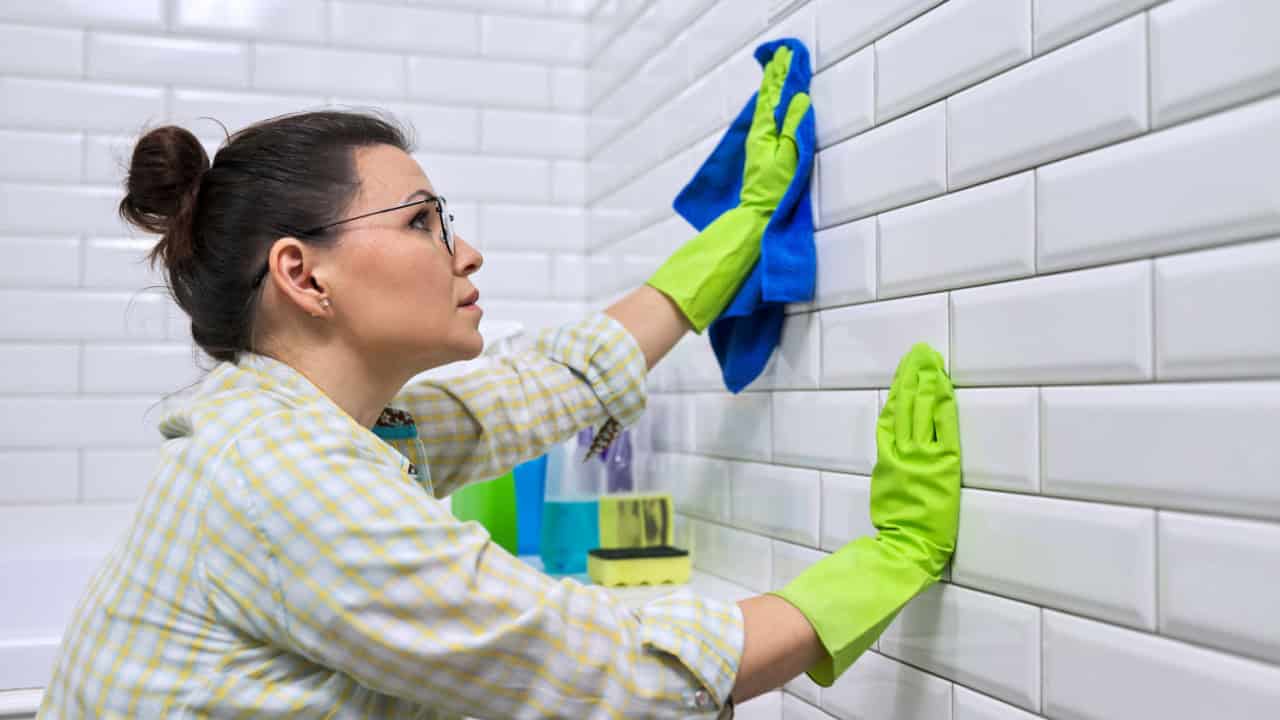
I used to clean the bathroom with the door closed to contain cleaning fumes. After a few dozen headaches and feeling like I just might pass out, I realized this is not a good ideas.
Professional cleaners always ensure proper ventilation when cleaning bathrooms – not just for safety, but because airflow helps prevent mold and mildew growth.
*This article was created with the assistance of AI.