You might think your home is clean, but germs can hide in places you wouldn’t expect. Even when you tidy up regularly, certain spots can harbor bacteria and mold, making your living space less healthy than you realize.
Understanding where these hidden germs live can help you keep your home truly clean and safe for you and your family. Taking a closer look at everyday items and areas can change how you approach cleaning for the better.
Advertisement
Kitchen sponges and dish rags
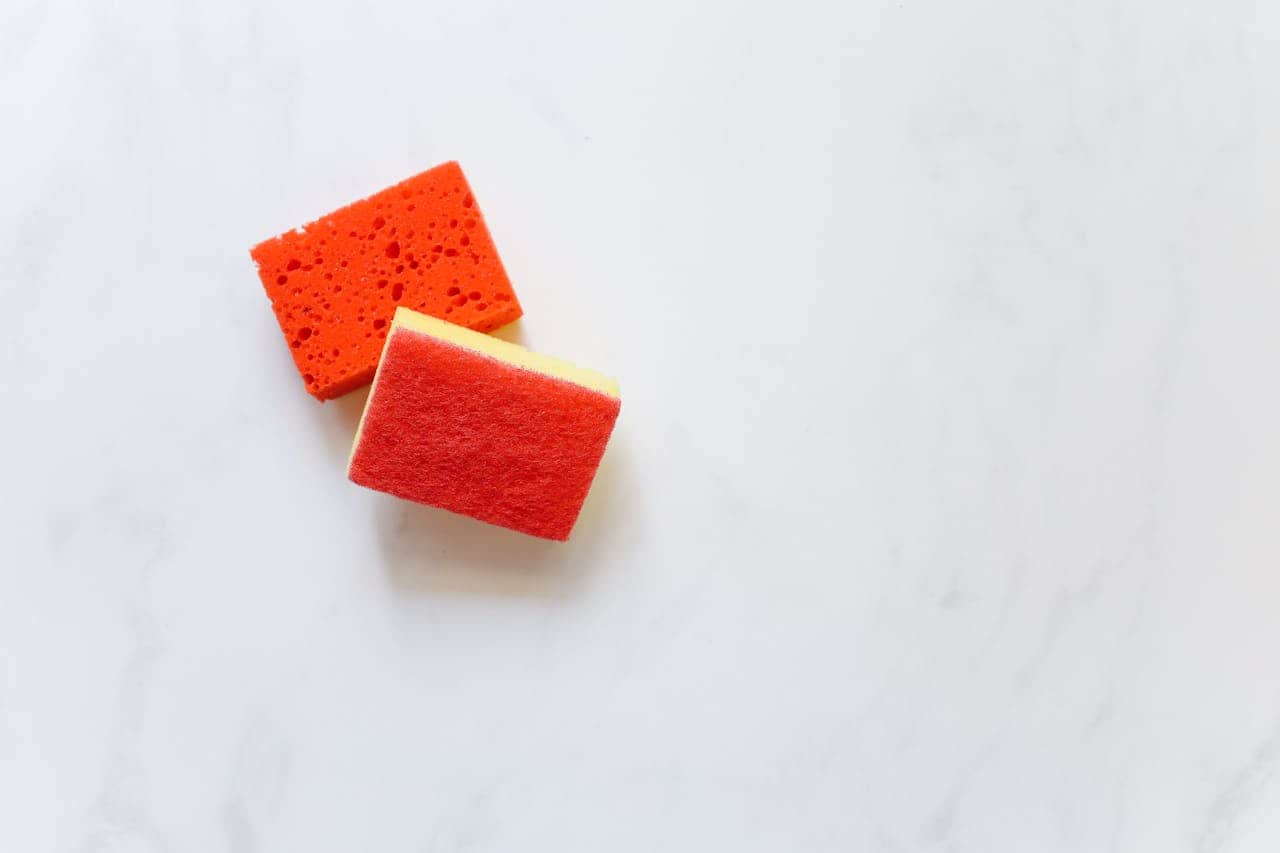
Your kitchen sponge is a perfect place for bacteria to grow because it stays damp and traps food particles. Using soap and water helps remove germs, but many bacteria can still live inside.
Dish brushes tend to be cleaner than sponges because they dry faster and don’t hold as much debris. Consider switching to a brush or changing your sponges often to keep your kitchen healthier.
Kitchen sinks and drains

Your kitchen sink and drain can hide a lot of germs, even if they look clean. Food particles and moisture create a perfect spot for bacteria to grow.
Make sure you clean not just the basin but also the drain and the sink flange regularly. Using a disinfectant helps reduce buildup and keeps things fresher.
Cutting boards

You might think your cutting board is clean, but it can hide bacteria, especially if you use the same one for raw meat and veggies. Wooden boards can be safe if you clean and oil them regularly. Plastic boards need proper sanitizing, like using a diluted bleach solution, to keep germs at bay. Keep your cutting boards dry and replace them if they develop deep grooves.
Dishwasher interiors
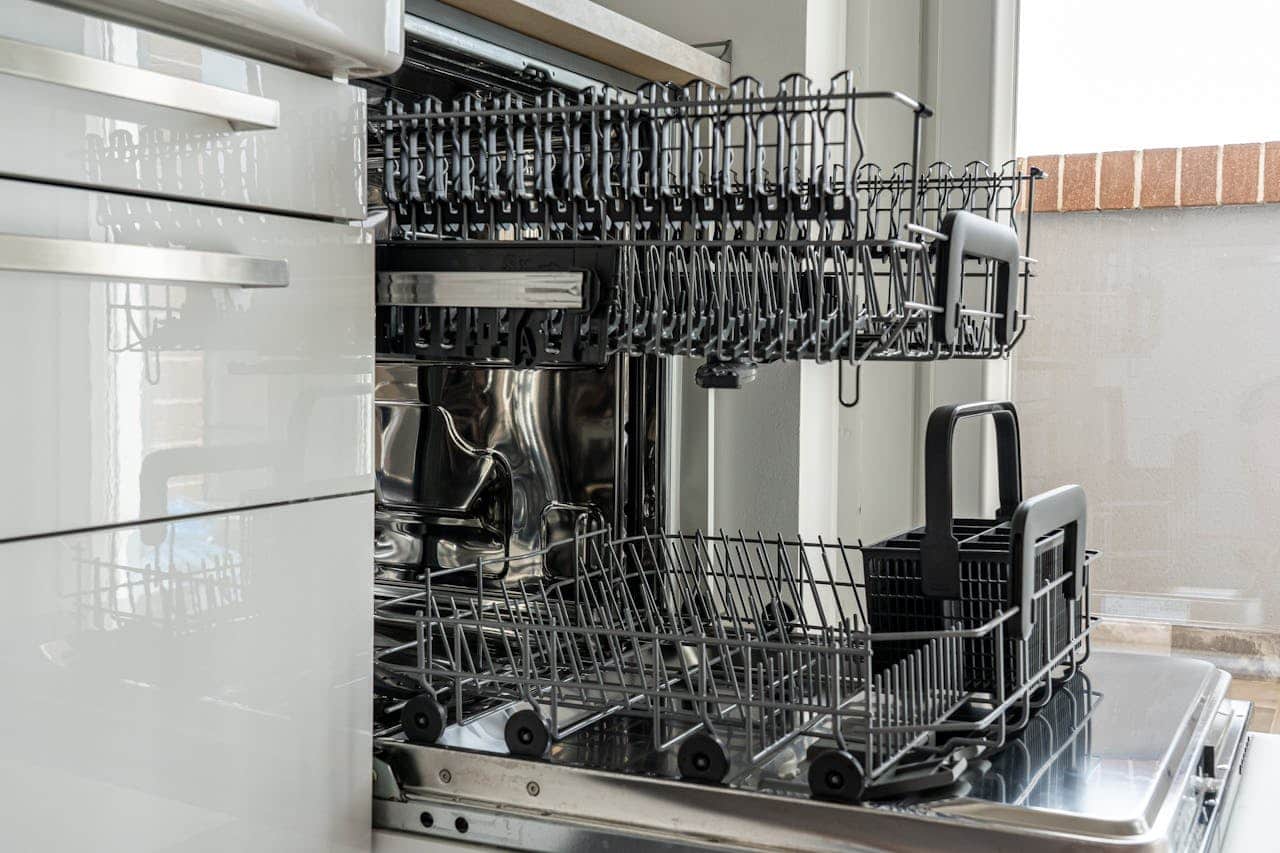
You might think your dishwasher is clean, but food particles and grease can build up inside. Check the filter regularly and remove any debris.
Wipe down the racks and utensil trays with warm, soapy water to get rid of hidden germs.
Don’t forget to scrub the mesh screen and corners with a soft brush. This keeps your dishwasher working well and more hygienic.
Bathroom bathtubs
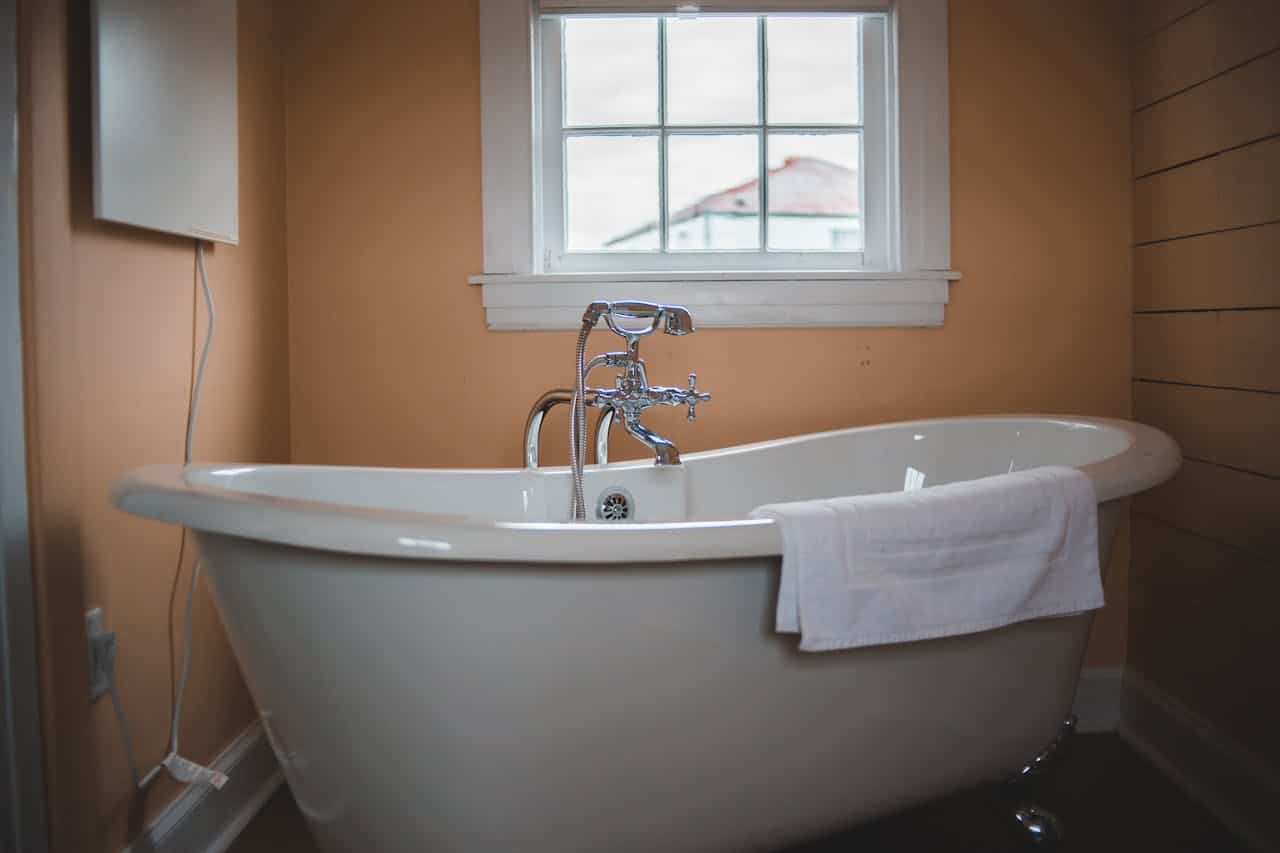
Your bathtub can harbor germs even if it looks clean. Soap scum and body oils create a surface where bacteria can grow.
You can reduce germs by wiping the tub with disinfectant wipes or a mild cleaner after each use. Regular deep cleaning helps keep it fresh and safe for your baths.
Bedding and pillowcases

You spend about a third of your life in bed, so keeping your bedding clean matters. Sheets and pillowcases collect sweat, skin cells, and dust mites over time.
Washing your bedding weekly helps reduce germs and allergens. It’s best to have extra pillowcases to swap out more often. Even if your bed looks neat, it can still harbor microscopic contaminants.
Ceiling fans and light fixtures

You might overlook ceiling fans and light fixtures when cleaning, but they can gather dust, dead bugs, and other debris. This buildup can affect air quality and spread allergens.
Dusting them regularly with a cloth or using a vacuum helps keep them clean. A damp cloth can remove more stubborn grime on light fixtures.
Refrigerator handles and shelves

Your refrigerator handles are touched often but rarely cleaned. This makes them a spot where germs can build up quickly.
Shelves inside your fridge can also harbor bacteria from spills and leaks. Wiping them regularly with warm, soapy water helps keep germs under control.
Remember to clean any visible messes right away. It keeps your fridge fresher and safer for your food.
Soft-sided lunchboxes
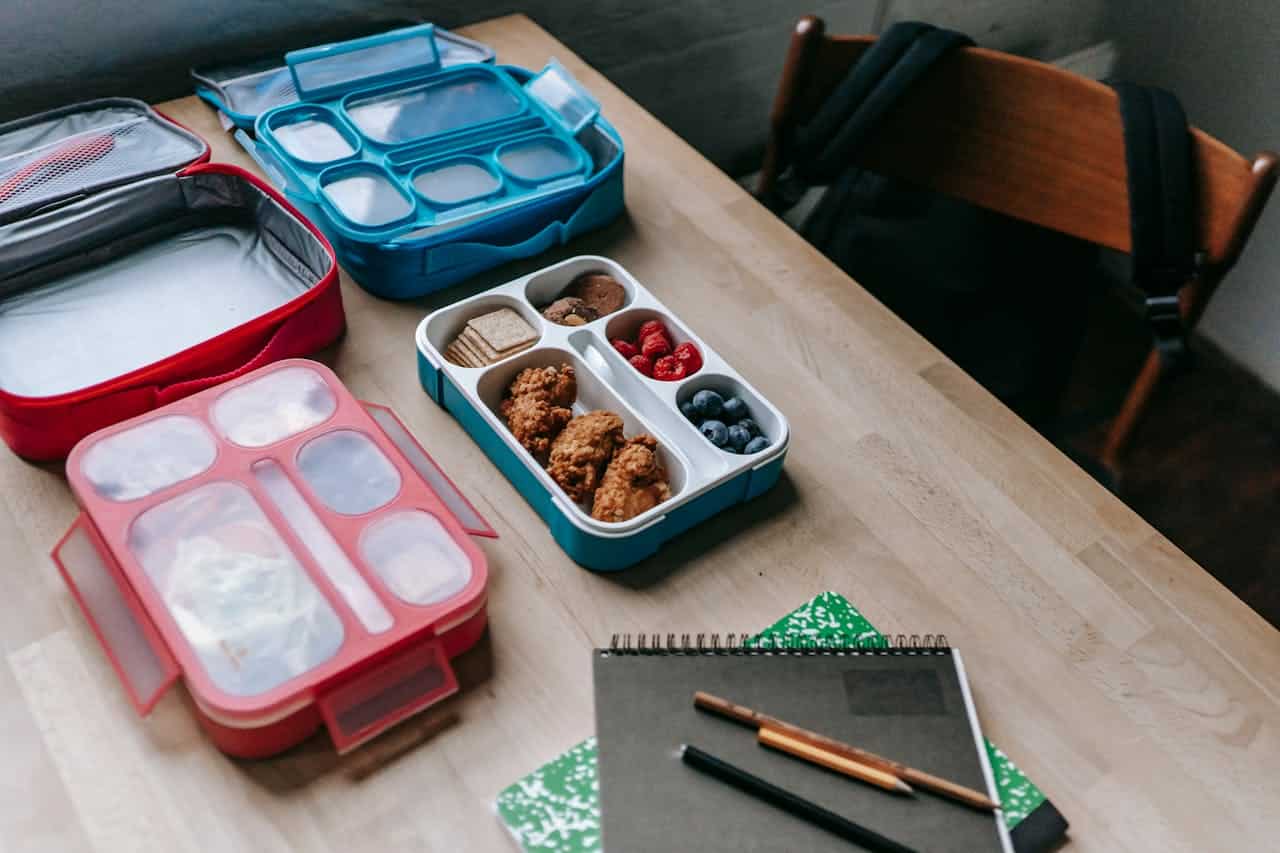
You might think your soft-sided lunchbox is clean, but these bags can trap moisture easily. The tiny crevices make it hard to reach all the spots when you clean them.
This helps mold and bacteria grow quietly. Regularly wiping and fully drying your lunchbox helps keep it fresher and safer.
Door knobs and cabinet handles

You touch door knobs and cabinet handles countless times a day. These surfaces easily collect germs because they are often overlooked during cleaning.
To keep them clean, wipe them regularly with a disinfectant. This simple step helps reduce the spread of bacteria and viruses in your home.
Laundry towels
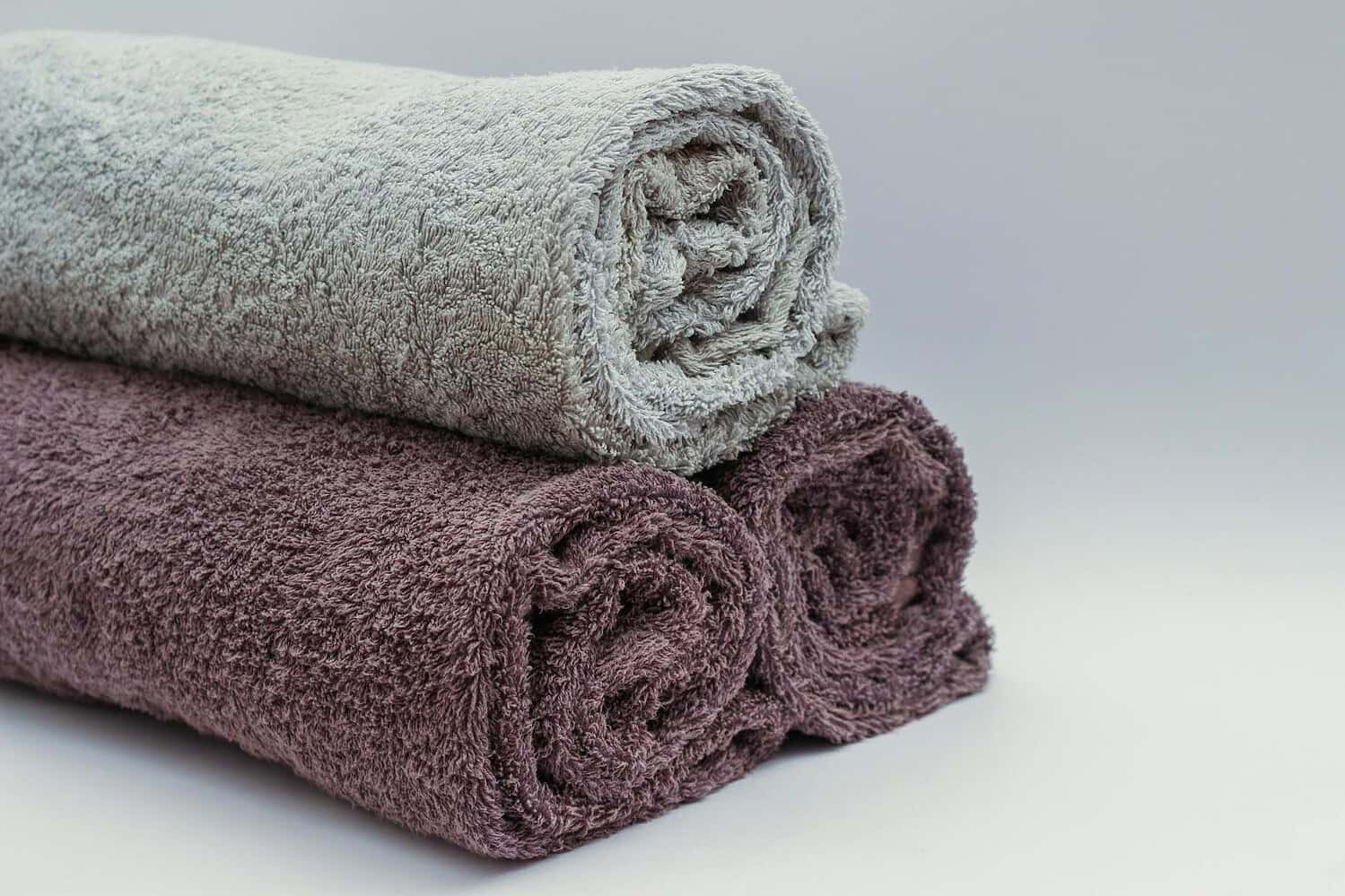
Your towels might seem clean, but they can harbor germs if not washed often enough. It’s best to wash them after about a week of use.
Use the hottest water safe for the fabric to kill bacteria effectively. Avoid washing towels with clothes to keep germs from spreading.
Make sure towels dry completely between uses, as damp towels encourage bacteria growth. Replace old towels regularly to stay fresh and clean.