Just because you don’t have a lot of space doesn’t mean you can’t have plants. A good houseplant can make even the smallest corner feel more put together, but if you’re working with limited room, you need something that won’t take over. The key is finding plants that stay small, don’t need constant attention, and actually thrive indoors.
Some can handle low light, some barely need water, and others will just keep growing no matter what you do. Whether you want something for a shelf, a desk, or that one spot that feels a little too empty, these plants are perfect for tight spaces without making your home feel like a jungle.
Advertisement
Echeveria
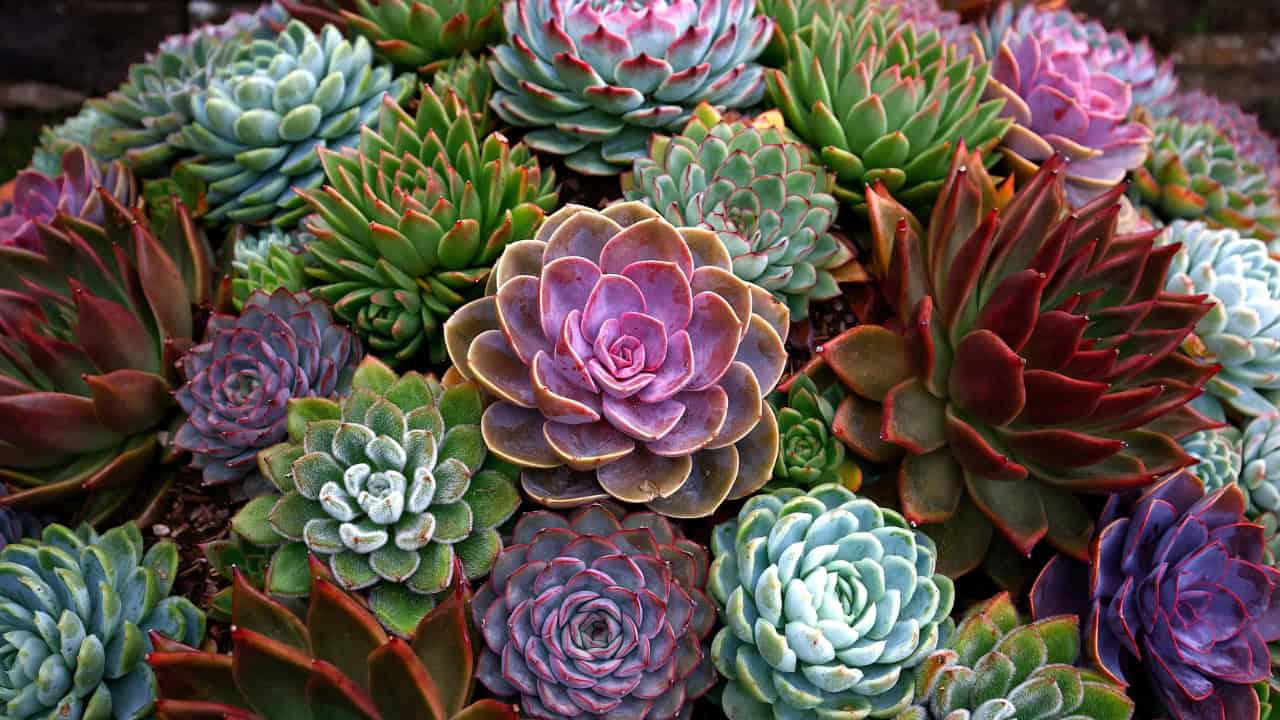
Echeveria looks fancy but barely asks for anything in return. It stays small, usually just a few inches tall, and comes in soft shades of green, blue, gray, and even purple. If you’re lucky, it might even surprise you with little blooms in the summer. Perfect for a windowsill or a tiny desk space where you want some greenery without the hassle.
This succulent thrives in bright, direct light and prefers things on the drier side. Let the soil dry out completely between waterings—too much water will rot the roots fast. If you have a sunny spot that gets plenty of light, this plant will be right at home.
Silver Lace Fern
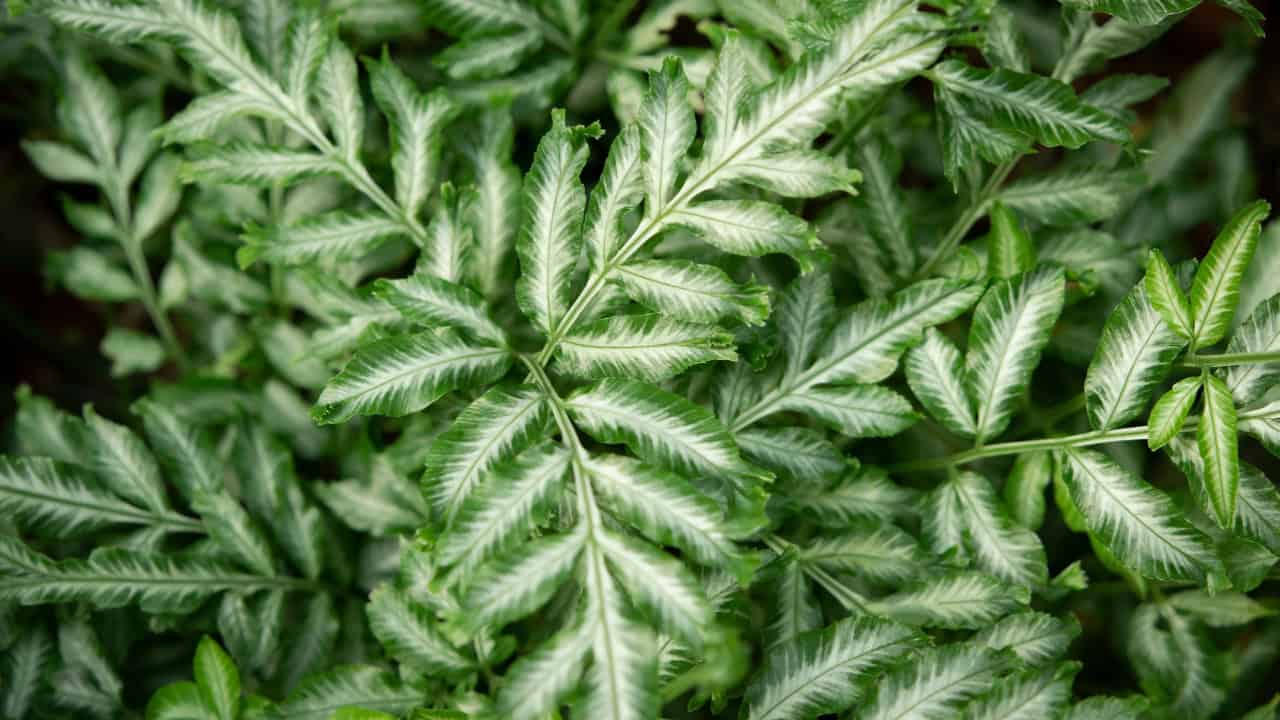
Silver Lace Fern is one of the easiest ferns to keep alive, which is saying a lot. It has delicate, lacy fronds dusted with silvery tones, giving it a soft, elegant look without the high-maintenance attitude of some other ferns. It’s perfect for tight spaces and does especially well in terrariums or bathrooms where the humidity stays high.
Like most ferns, this one likes its soil consistently moist but not soggy. It also tolerates low light, so it won’t throw a fit if you stick it in a dim corner. If you tend to forget about watering, just keep an eye on the fronds—if they start looking crispy, it’s time to give it a drink.
Waffle Plant

The Waffle Plant is small, colorful, and a little different from your average houseplant. Its crinkly leaves give it a fun texture, and depending on the variety, you might even get a pop of purple underneath the green. It stays under 12 inches tall, making it perfect for shelves, desks, or anywhere you need a little greenery without taking up much room.
This plant is pretty easygoing when it comes to light—it’ll grow in low, medium, or bright conditions. Just keep the soil consistently moist but not soaked. If you ever want more, propagating is simple—just snip a stem with a node, pop it in moist soil, and keep it watered. Before you know it, you’ll have another one to add to your collection.
Red Prayer Plant

Red Prayer Plant adds a little color without taking over your space. Its deep green leaves have subtle red veins, giving it just enough pop to stand out without being too much. One of the best things about this plant? It’s pet-friendly, so if you’ve got a curious cat or a dog that likes to nibble, you don’t have to worry. It also folds its leaves up at night, which is oddly satisfying to watch.
Keep the soil slightly damp but not soaked. If the leaves start looking crispy, it probably needs a humidity boost—either mist it occasionally or place it near a humidifier. Tap water can be an issue since it’s sensitive to chemicals, so filtered or distilled water is a safer bet.
ZZ Plant

If you’re looking for a plant that thrives on neglect, the ZZ Plant is it. This thing can go weeks without water and still look like you’ve been doting on it daily. It’s got thick, waxy leaves that make it look polished and put-together, even if you barely remember it exists. It’s also great for low-light spots, so if your home-office corner or shelf is a little dim, no problem.
Water it only when the soil is completely dry—too much water is the quickest way to kill it. It doesn’t need much else, but if you want to give it a boost, an occasional feeding during the growing season won’t hurt. Just keep in mind that it’s toxic if eaten, so if you’ve got pets or kids, keep it out of reach.
Zebra Haworthia
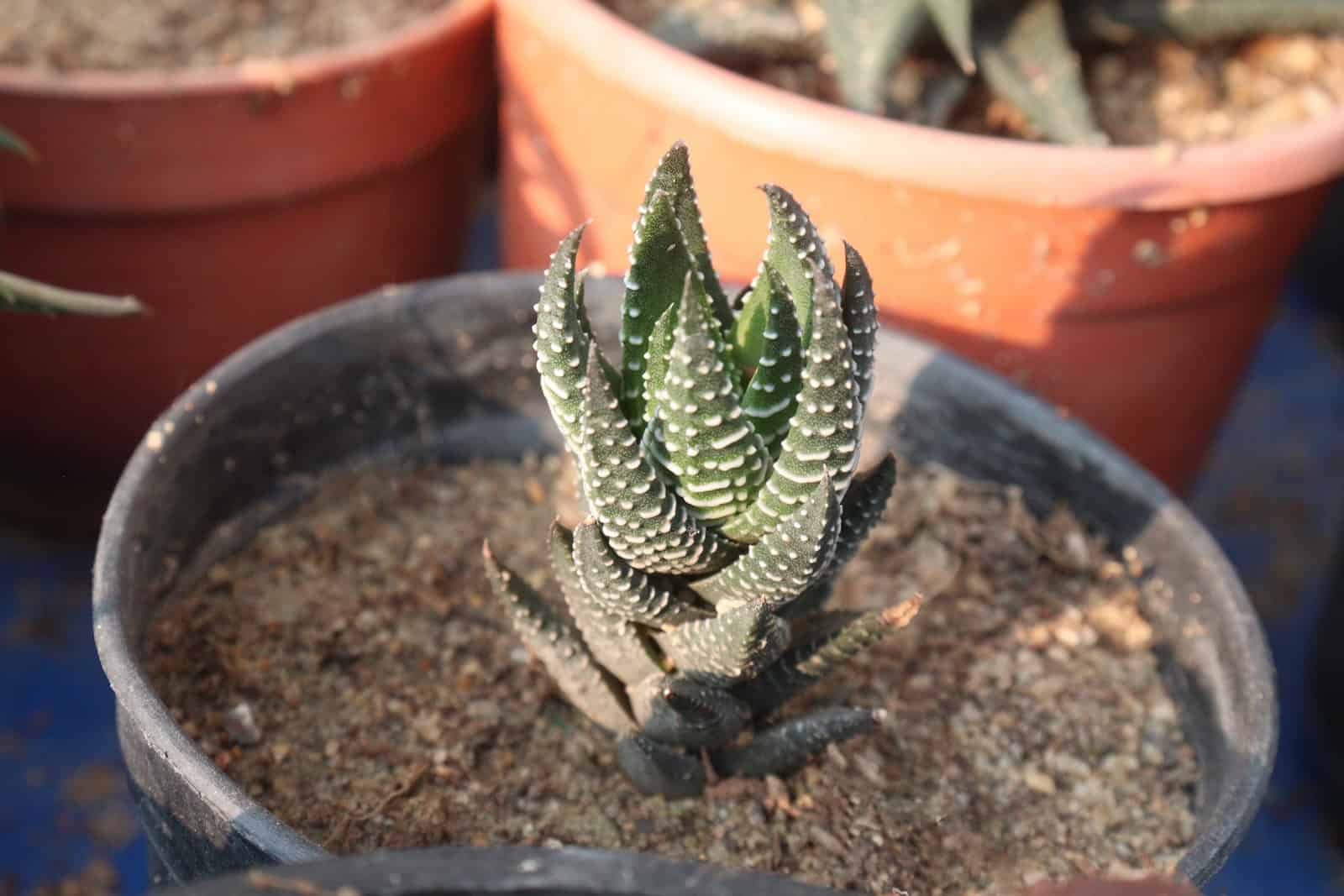
Zebra Haworthia is a great choice if you want something small and low-effort. It stays compact, grows slowly, and doesn’t need much attention. Its thick, spiky green leaves with white stripes give it a cool look without making it seem like you’re trying too hard. Perfect for a tiny windowsill or a desk where you just want a little greenery.
Watering is easy—just wait until the soil is completely dry, then give it a good soak. This plant can handle lower light, but it does best with bright, indirect light. It doesn’t need much fertilizer, maybe a slow-release one every now and then.
Tradescantia
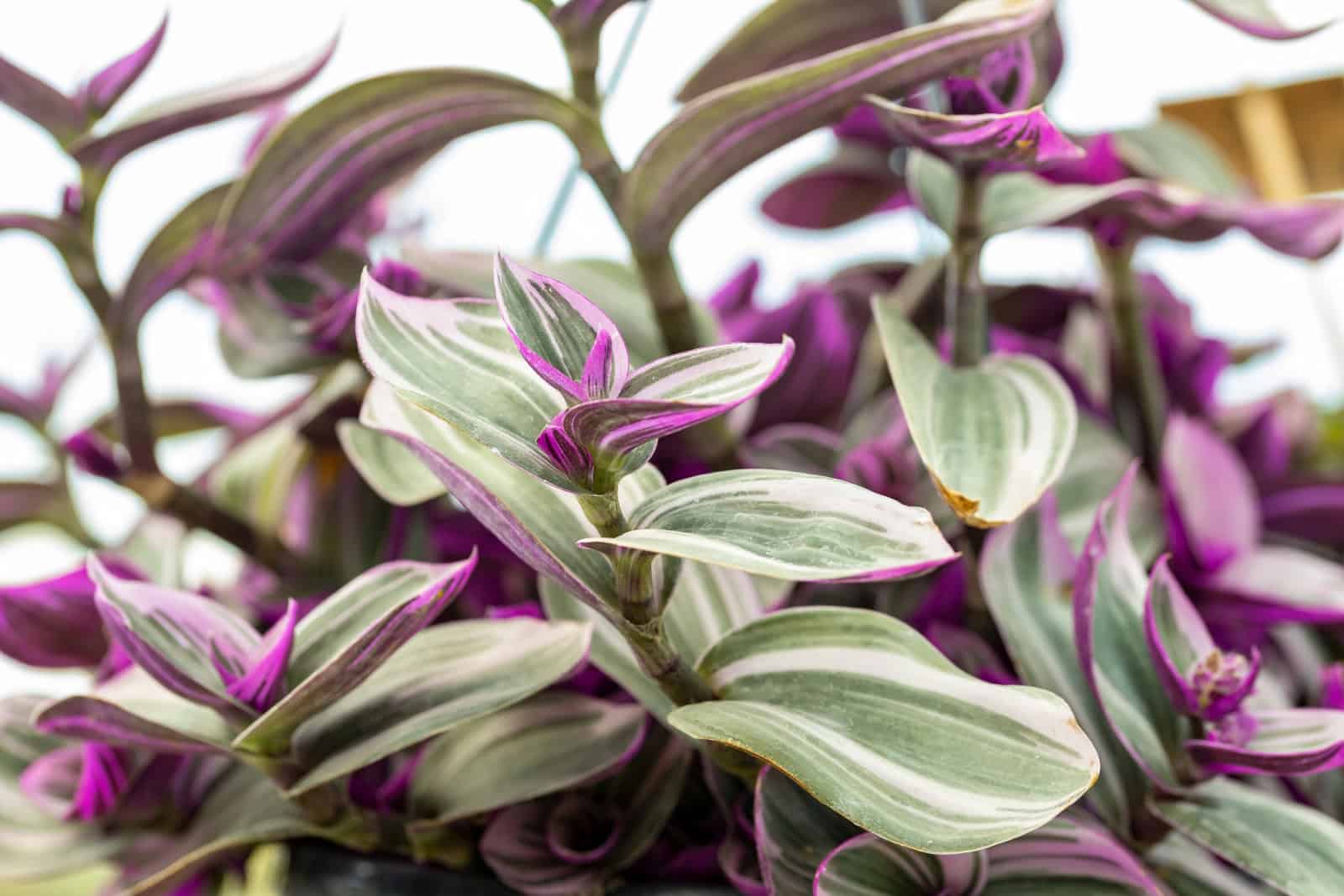
Tradescantia’s trailing vines spill over the edges of planters, shelves, or hanging baskets, making it perfect for adding some life to a small space. If it starts looking leggy, just snip off a few stems, and it’ll grow back fuller. It’s basically the plant version of a haircut that instantly refreshes your space.
It likes moist soil, but don’t drown it—too much water can lead to root rot. Water when the top inch feels dry, and give it a little liquid fertilizer once a month to keep it happy.
Alocasia
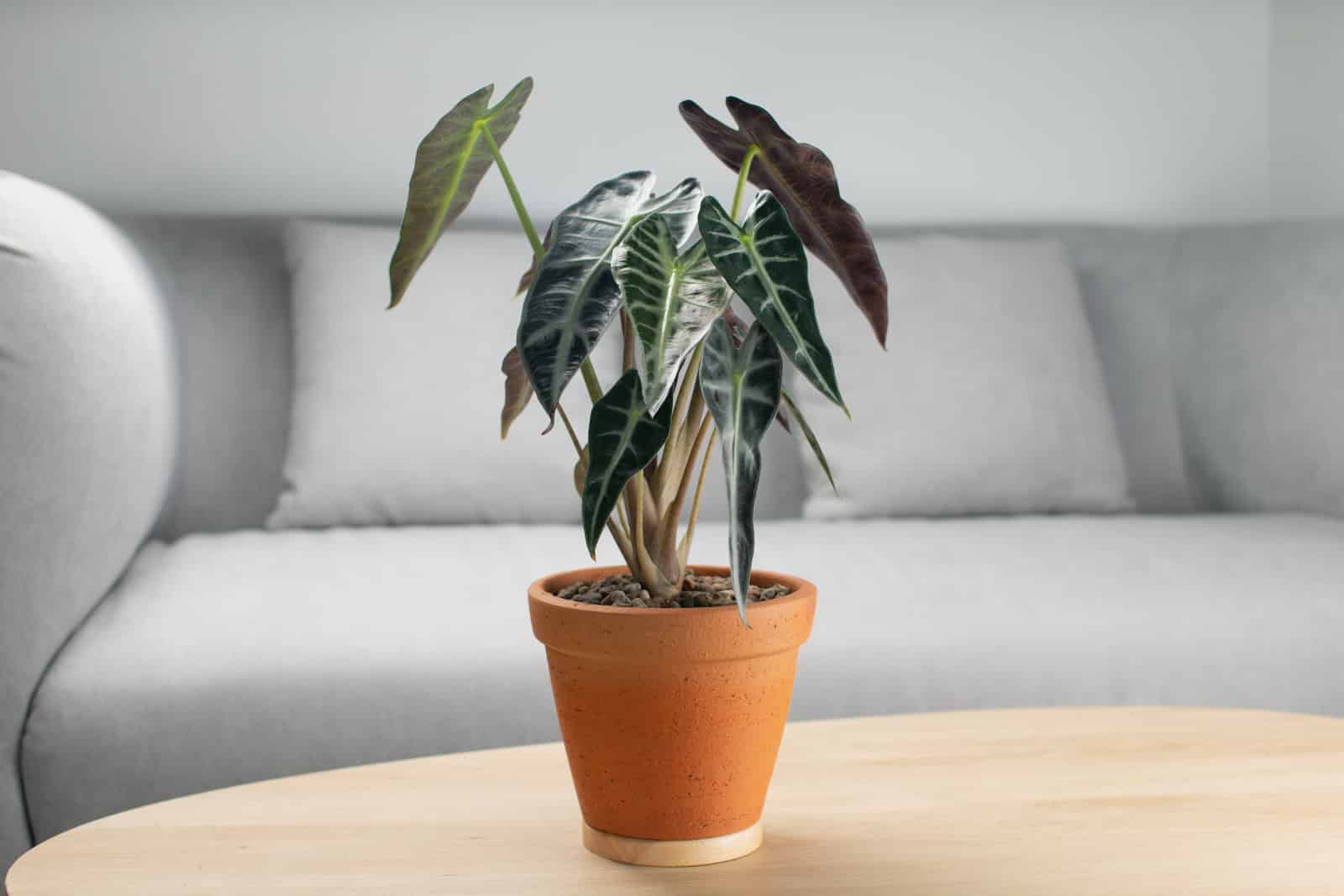
Alocasia is perfect if you want a plant inside without taking up a ton of space. Its big, upright leaves give it that tropical look, but it does come with a bit of an attitude. Too much water? The roots will rot. Too little? The leaves will droop fast. It also loves humidity, so if your home is on the dry side, a humidifier or a little misting now and then will help.
During the growing season, keep the soil evenly moist, but let it dry out a bit in winter when it’s not growing as much. A little diluted fertilizer once or twice a month in spring and summer will keep it looking good. Just keep it out of reach if you’ve got pets—Alocasia is toxic to cats and dogs.
Blue Star Fern
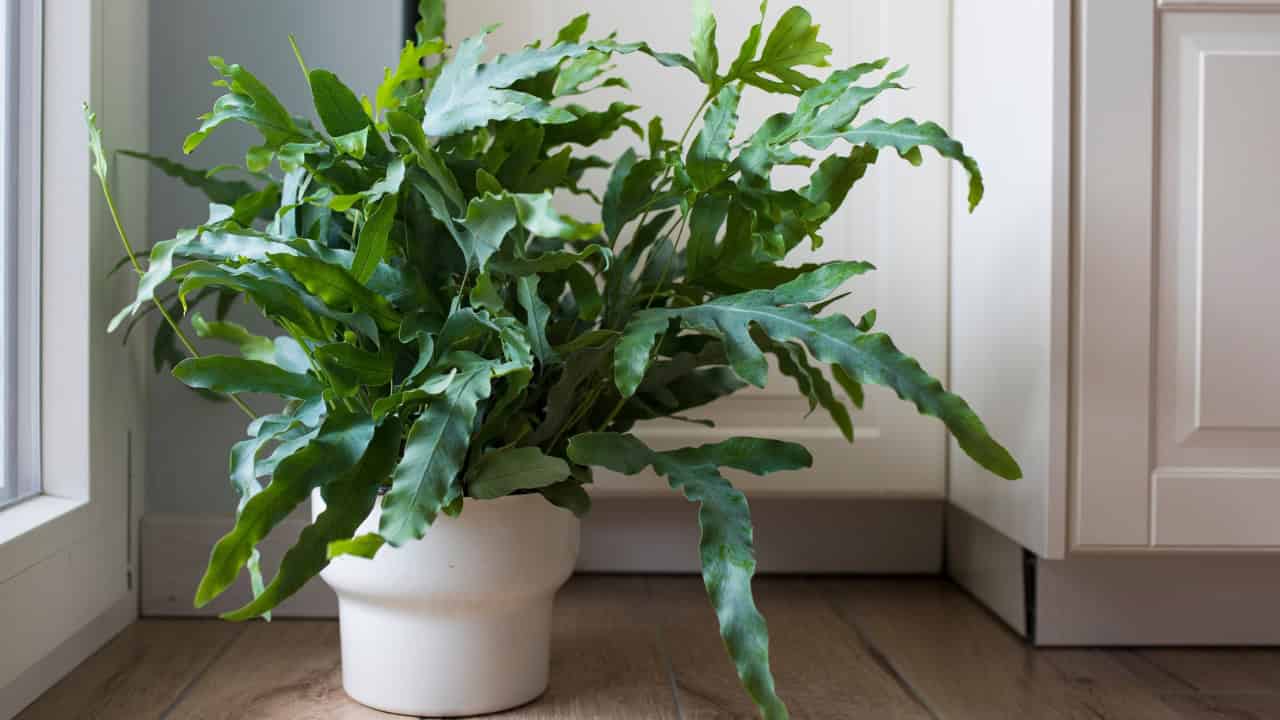
If you love ferns but hate the drama that usually comes with them, Blue Star Fern is a solid pick. It doesn’t need crazy humidity levels or constant misting, and its soft, wavy leaves give it a wild look. Plus, it stays small, so you won’t have to worry about it taking over your shelf or windowsill.
Water it as soon as the top of the soil feels mostly dry—wait too long, and the leaf edges will crisp up fast. It doesn’t need much fertilizer, just a half-strength feeding once a month when it’s growing. Since it handles low light well, you can stick it in a bathroom or hallway where other plants might struggle.
Calathea

Calatheas are gorgeous but dramatic. If they don’t get what they want, they’ll let you know. Their patterned leaves move throughout the day, which is fun to watch, but they’re also quick to show brown edges if the water isn’t just right. They’re picky about tap water, so if yours has a lot of chemicals, switch to distilled or filtered water to keep them happy.
Keep the soil damp but not soggy, and don’t let it dry out completely—Calatheas hate that. A little half-strength fertilizer once a month during the growing season will help keep the colors looking sharp. They also love humidity, so if your air is dry, a pebble tray or a spot in the bathroom will make a big difference.
Golden Pothos
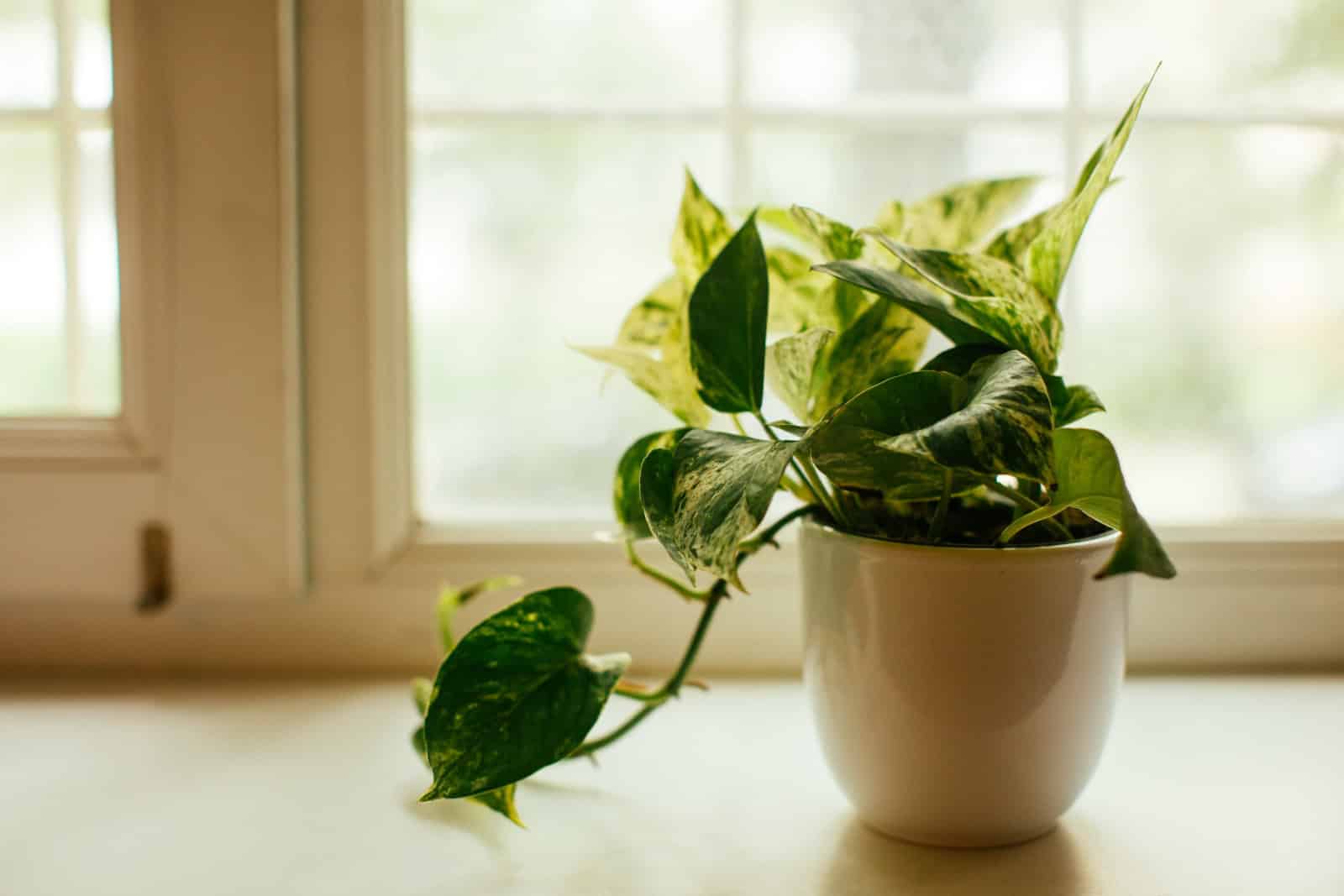
Golden Pothos is the ultimate “set it and forget it” plant. If you forget to water it for a bit, it won’t hold a grudge. It can handle lower light, grows like crazy, and if the vines get too long, you can snip them and pop the cuttings in water to grow more. If you’re looking for a low-maintenance way to add some green to a tight space, this is the one.
Water it when the soil is dry—if the leaves start drooping, that’s its way of asking for a drink. It doesn’t need much fertilizer, but a little boost once a month in spring and summer will help it grow faster. Just keep it out of reach if you’ve got pets because it is toxicto them.
*This article was created with the assistance of AI.