Your home should be a place of comfort and safety, but sometimes unseen factors can affect your health. Many everyday items and conditions might be quietly contributing to your discomfort or illness without you realizing it.
Understanding how certain elements in your house can impact your well-being helps you take simple steps to protect yourself. This article will guide you through common ways your living space could be making you sick and what you can do about it.
Advertisement
Lead-based paint chips and dust
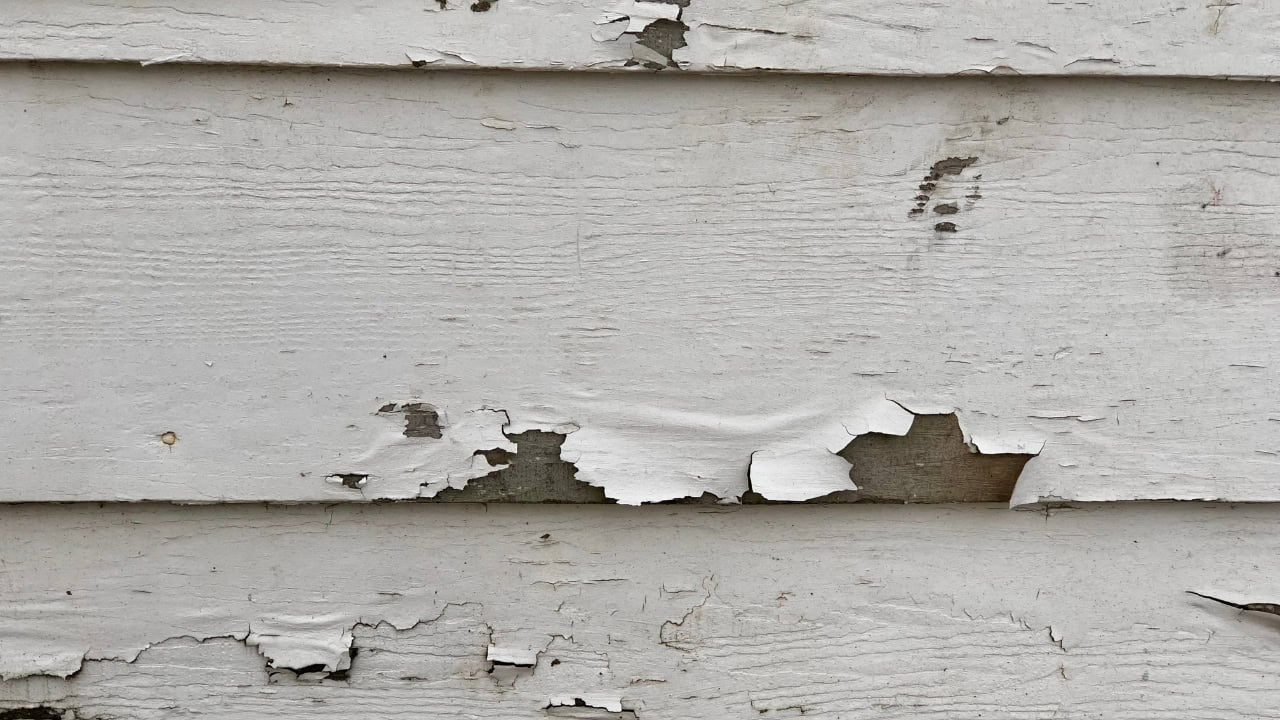
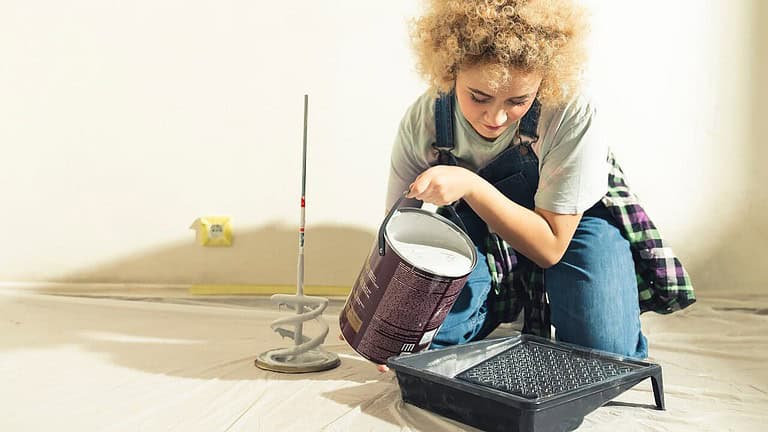
If your home was built before 1978, lead-based paint might still be lurking on the walls. When paint chips or dust containing lead get into the air, you can accidentally breathe or ingest them.
This exposure can cause muscle weakness, nausea, or even nerve issues. It’s especially risky for children and pregnant women, so checking and safely removing lead paint is important for your health.
Mold growth in hidden areas
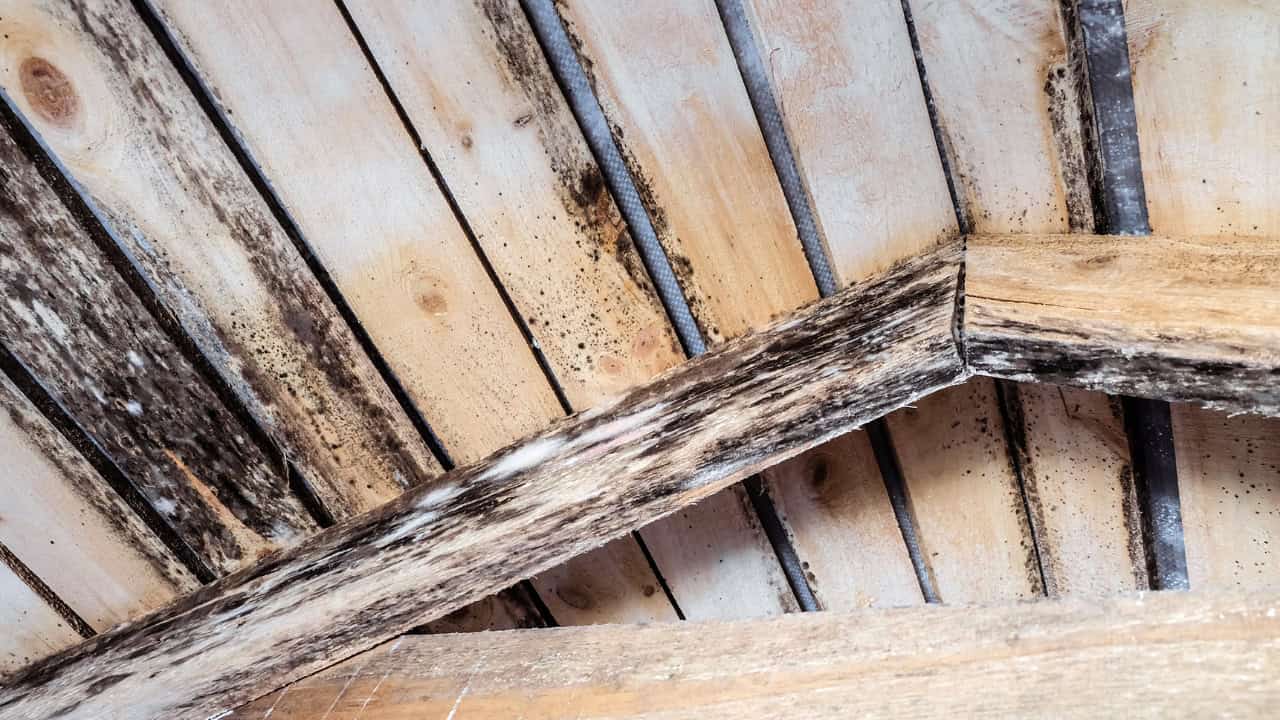
Mold often hides in places you might not expect, like behind walls, under carpets, or inside vents. These spots stay damp and poorly ventilated, which makes them perfect for mold to grow.
You might notice a musty smell or experience allergy symptoms without seeing the mold itself. Checking these hidden areas can help protect your health and home.
Dust mites in mattresses and pillows
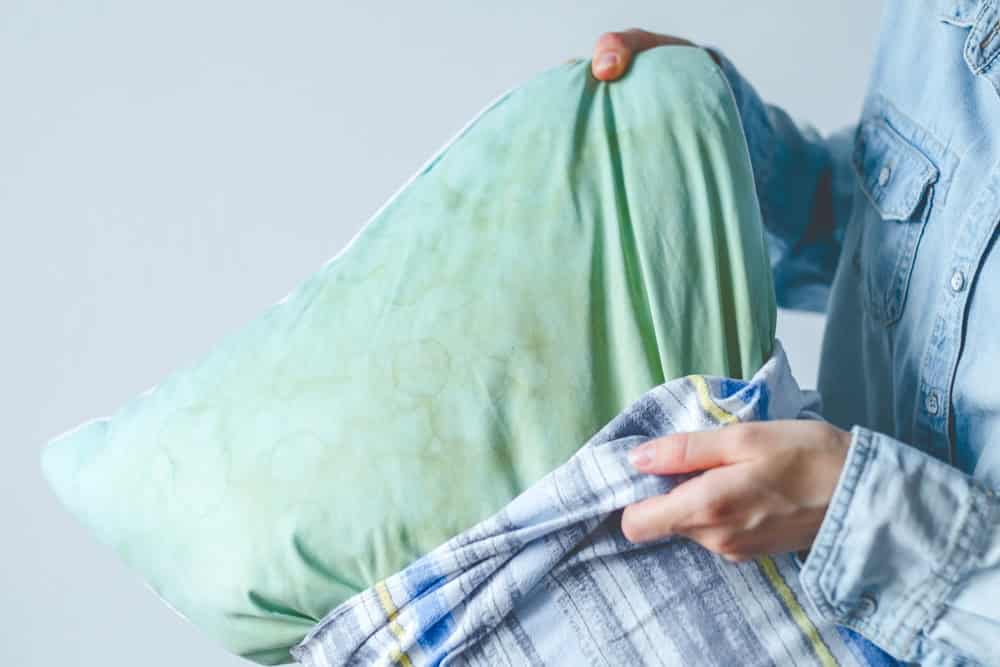
You might not see them, but dust mites love your mattress and pillows. These tiny bugs feed on dead skin cells and thrive in warm, moist environments.
They can trigger allergies and worsen asthma symptoms. Washing your pillow covers and bedding regularly helps keep them under control. Controlling humidity in your bedroom also makes it less inviting for dust mites to grow.
Volatile organic compounds (VOCs) from new flooring

When you install new flooring, especially vinyl or laminate, it can release VOCs into your home. These chemicals come from adhesives, finishes, and materials used in manufacturing.
You might notice these smells more when the flooring is fresh, and they can cause headaches or throat irritation. Ventilating your space well helps reduce these effects.
Airborne chemical residue from pesticides
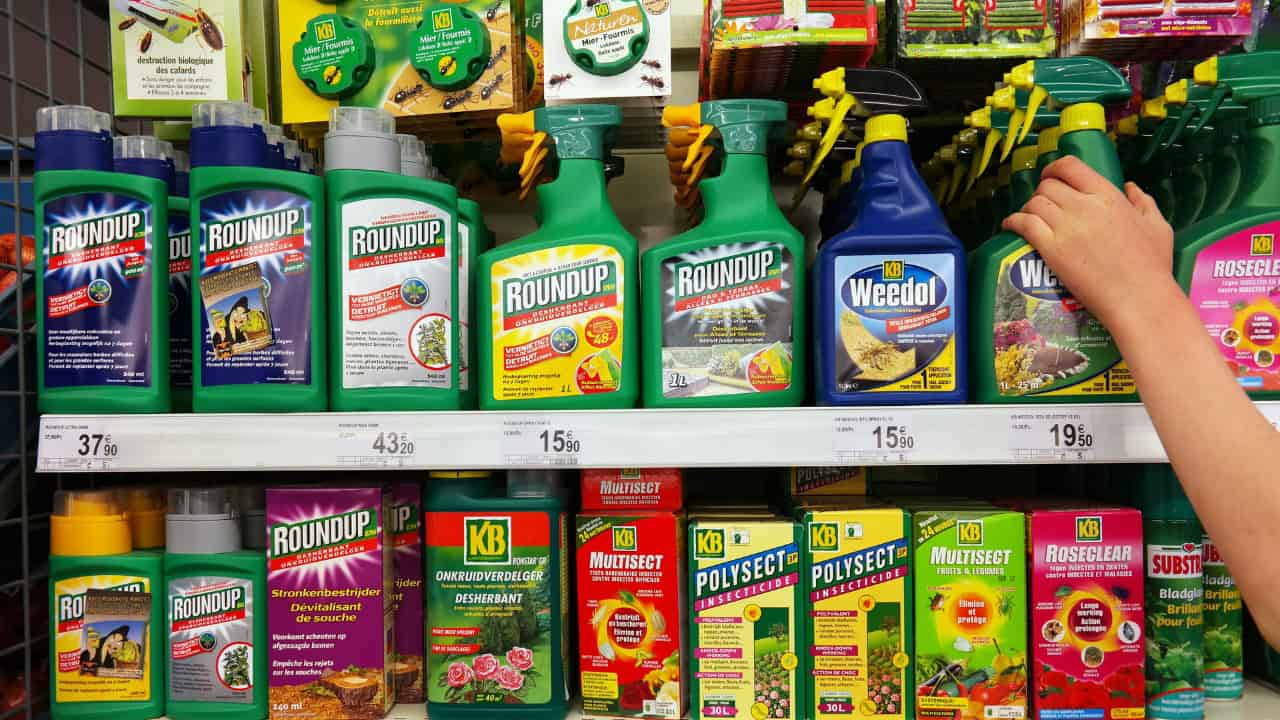
You might not realize it, but pesticides used indoors can leave tiny chemical residues in the air. These residues can irritate your eyes, nose, and throat, making breathing uncomfortable.
Over time, exposure to these chemicals may affect your nervous system and kidneys. Keeping your home well-ventilated and reducing pesticide use can help protect your health.
Dirty or contaminated water supply

Your home’s water can carry bacteria like E. coli or Legionella, which may cause illness. Pipes and plumbing sometimes harbor biofilms where harmful microbes grow.
If your well or septic system is too close to each other, contamination is possible. Regularly testing and maintaining your water supply helps keep it safe for you and your family.
Toxic dust accumulating on surfaces
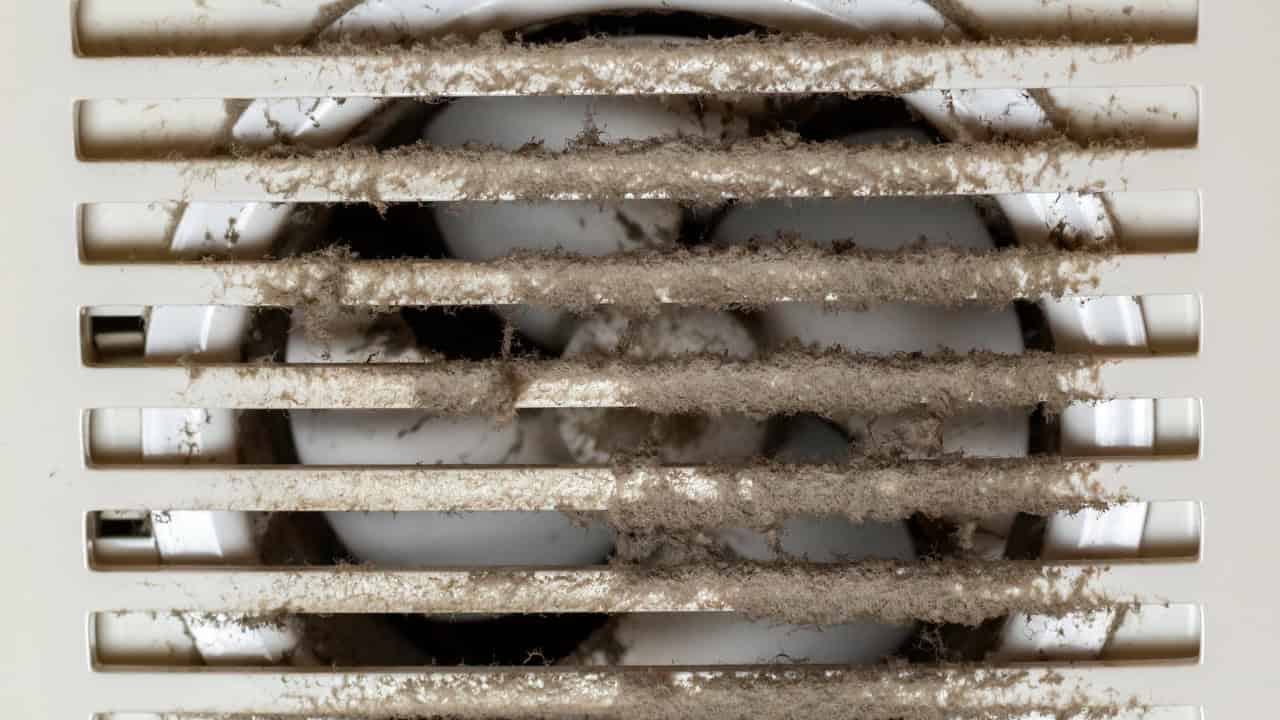
Dust in your home isn’t just dirt. It can hold allergens, microbes, and chemicals that might bother your health.
When dust builds up on furniture or in corners, it can trigger sneezing or itchy eyes. Regular cleaning helps reduce these risks by keeping surfaces clear and your air fresher.
Excessive use of air fresheners
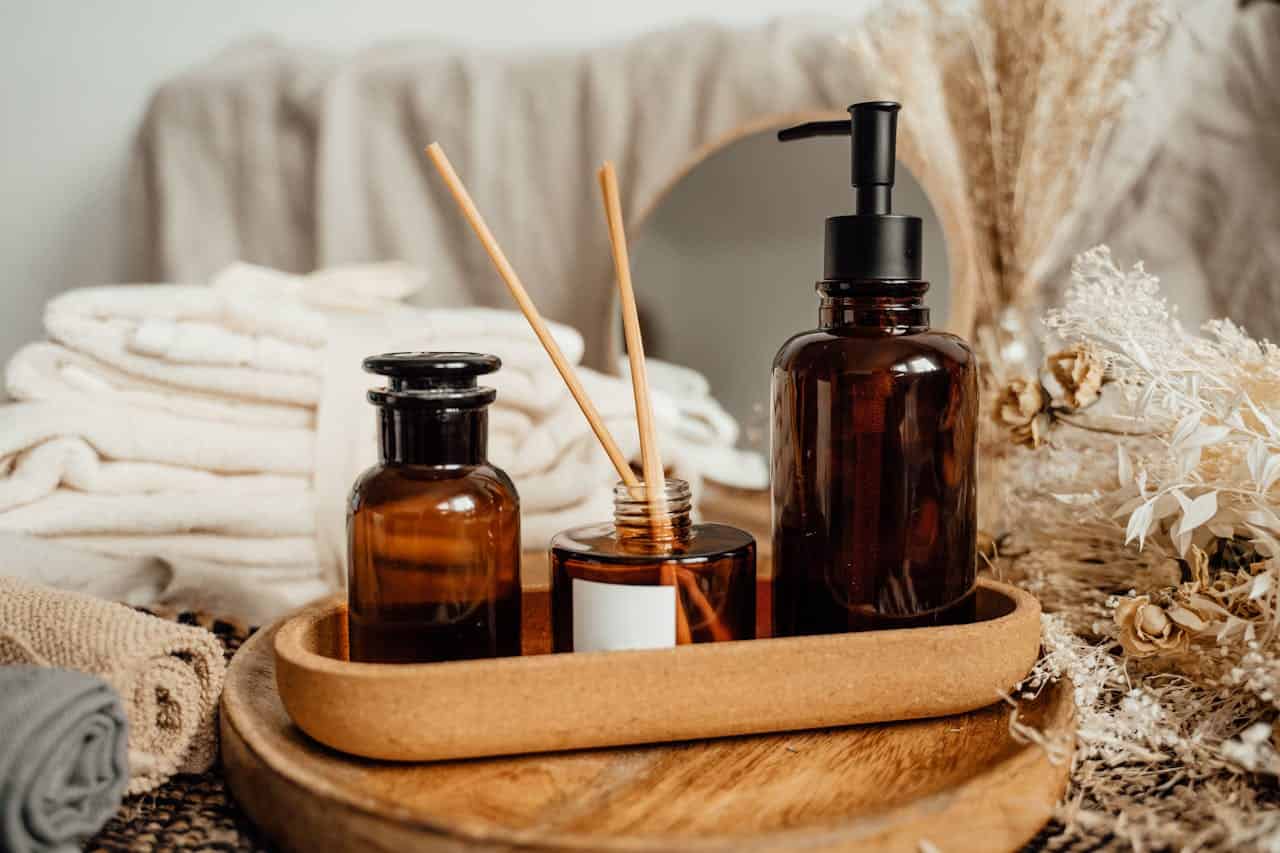
You might think air fresheners make your home smell clean, but using them too much can actually cause problems. Many contain chemicals like phthalates that may irritate your eyes, nose, and throat.
If you can smell an air freshener constantly, it could trigger headaches or nausea. Over time, these effects might get worse, especially if you have allergies or lung issues.
Bacteria buildup on kitchen sponges

Your kitchen sponge can hold a huge number of bacteria, sometimes more than the number of people on Earth. This happens because sponges stay damp and trap food particles.
If you don’t clean or replace your sponge regularly, it can spread germs like salmonella around your kitchen. To keep your home healthier, rinse and sanitize your sponge often or swap it out frequently.
Contaminated HVAC filters
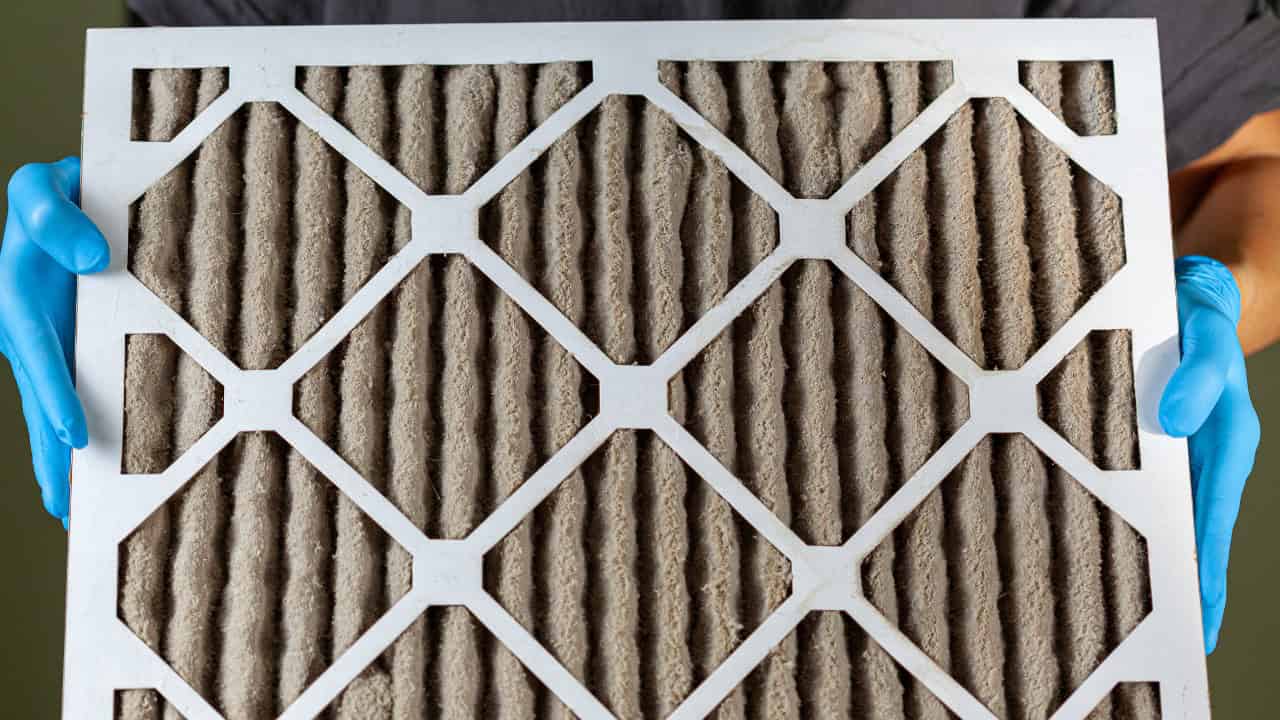
If you don’t change your HVAC filters regularly, they can get clogged with dirt and dust. This buildup reduces air quality and can allow allergens and mold to spread through your home.
Dirty filters also make your system work harder, which might lead to poor airflow and uneven heating or cooling. Keeping your filters clean helps you breathe easier and stay healthier.