Growing fresh vegetables year-round may seem challenging, but with the right perennial plants, it’s entirely possible to keep your garden producing through every season. Perennial vegetables come back on their own each year, reducing the need for replanting and providing a continuous harvest of greens, herbs, and unique veggies.
Whether you’re looking for flavor-packed herbs, leafy greens, or unique vegetables, these perennials are hardy, reliable, and perfect for your garden. With a bit of attention, you’ll have fresh, seasonal produce at your fingertips all year.
Advertisement
Asparagus
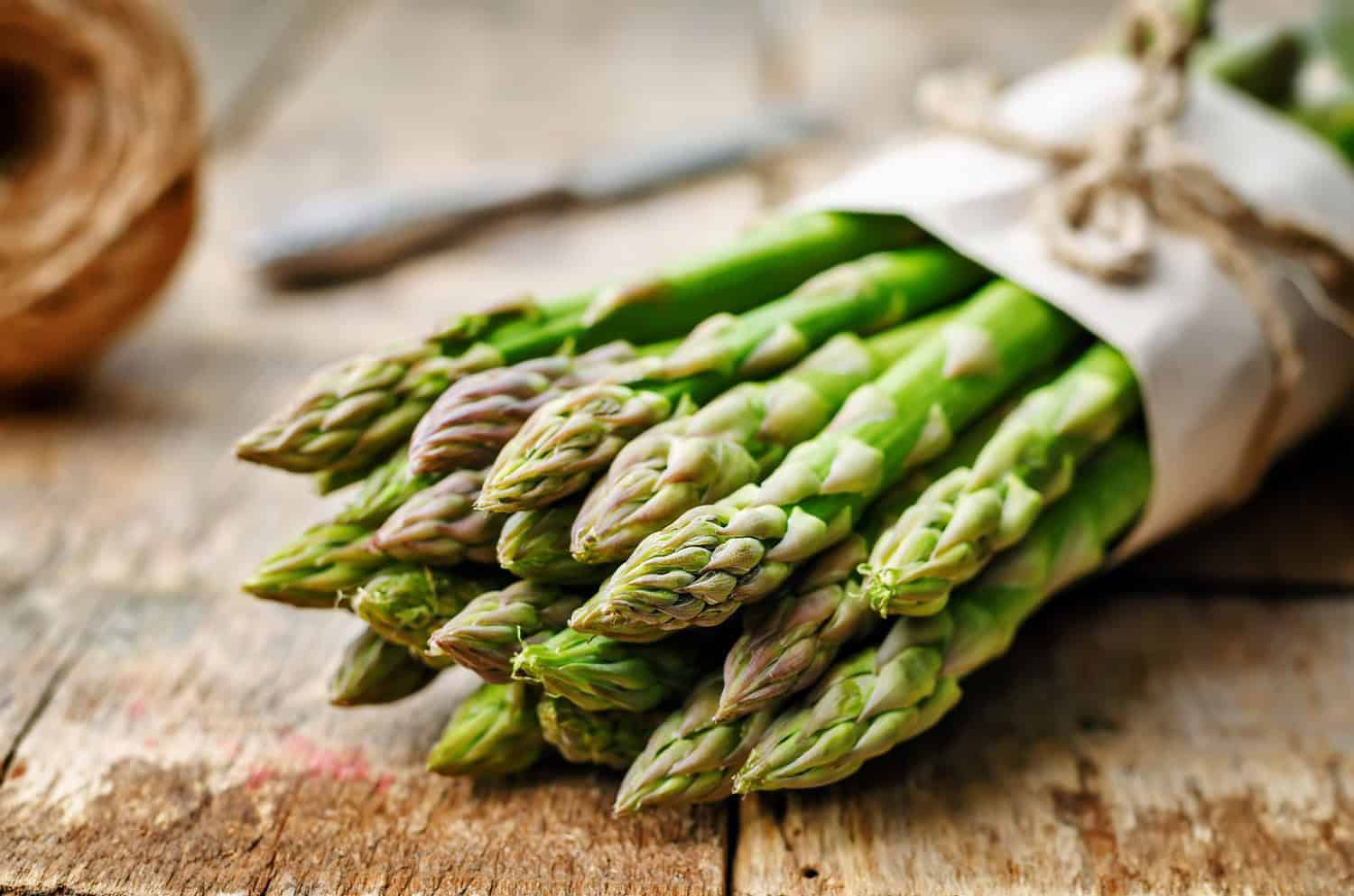
Asparagus, often hailed as a quintessential choice for perennial vegetable gardening, is, characterized by its delicate green spears, can be produced for up to 15 years once established. Asparagus grows best in well-drained soil and requires at least 8 hours of sunlight to thrive.
You can start your asparagus garden from either crowns or seeds, but be prepared for a bit of patience; it typically takes two to three years to reach full production. The wait is worth it, as nothing beats the taste of fresh asparagus, lightly steamed or grilled.
Artichokes
Artichokes add both beauty and flavor to your garden. Start seeds indoors around 10-12 weeks ahead of the last frost, then plant them in a sunny, well-drained spot. Consistent watering, occasional mulching, and regular fertilization help support robust growth.
They thrive as perennials in USDA zones 7-10. Though in cooler regions they can be cultivated as annuals.Harvest the buds when firm and closed for the best flavor.
Rhubarb
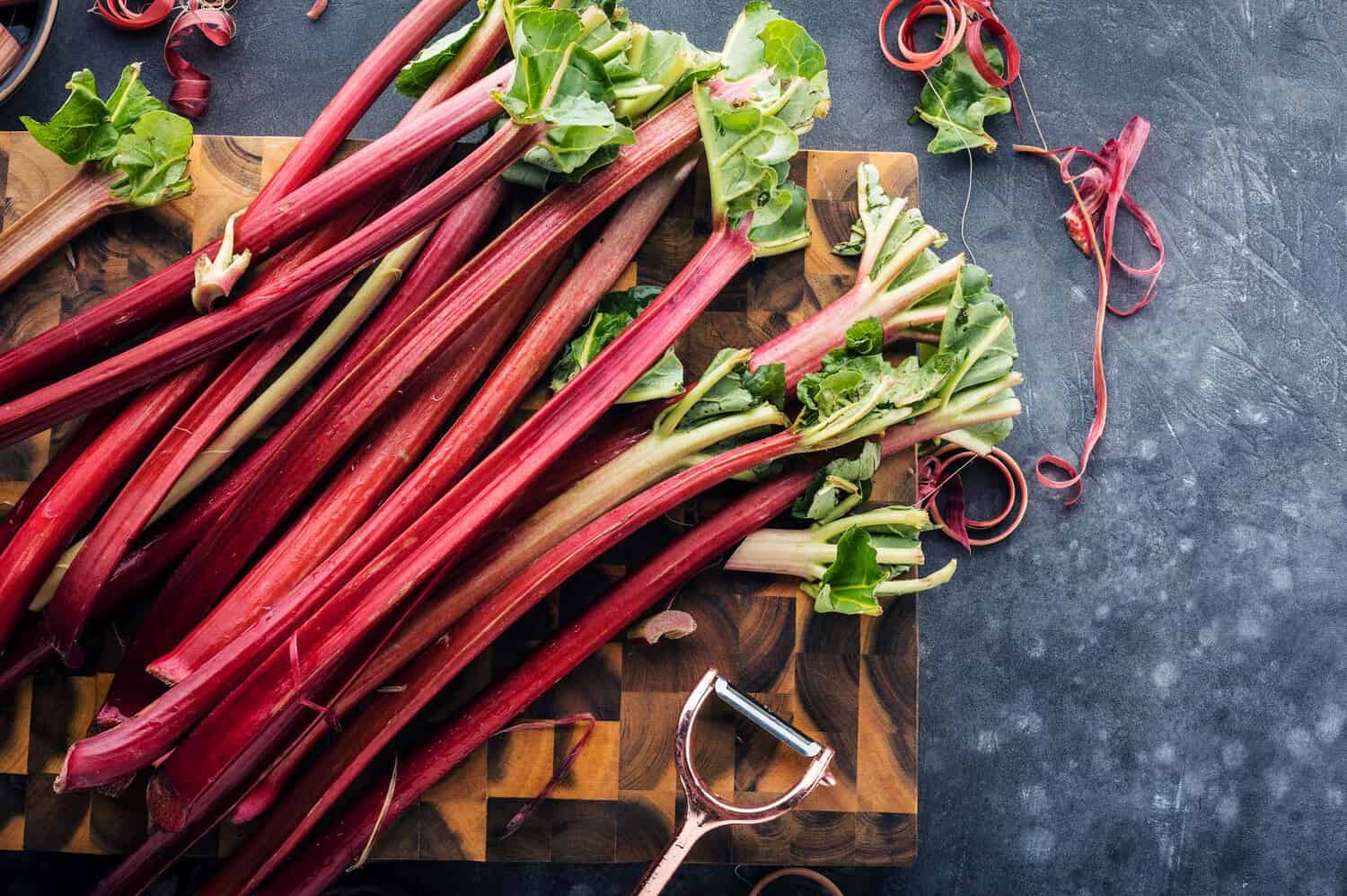
Rhubarb (Rheum rhabarbarum) is a hardy perennial that thrives in cold-climate regions, flourishing in well-drained soil. Known as the “pie plant,” it features edible stalks used in pies, breads, and sauces, while its leaves are toxic and should never be consumed.
Plant rhubarb in a sunny spot, allowing ample space for growth. For strong roots, wait until the second season to harvest or the third if grown from seed. With regular watering, weeding, and compost-based fertilizing, rhubarb can provide delicious yields for up to eight years.
Egyptian Walking Onions
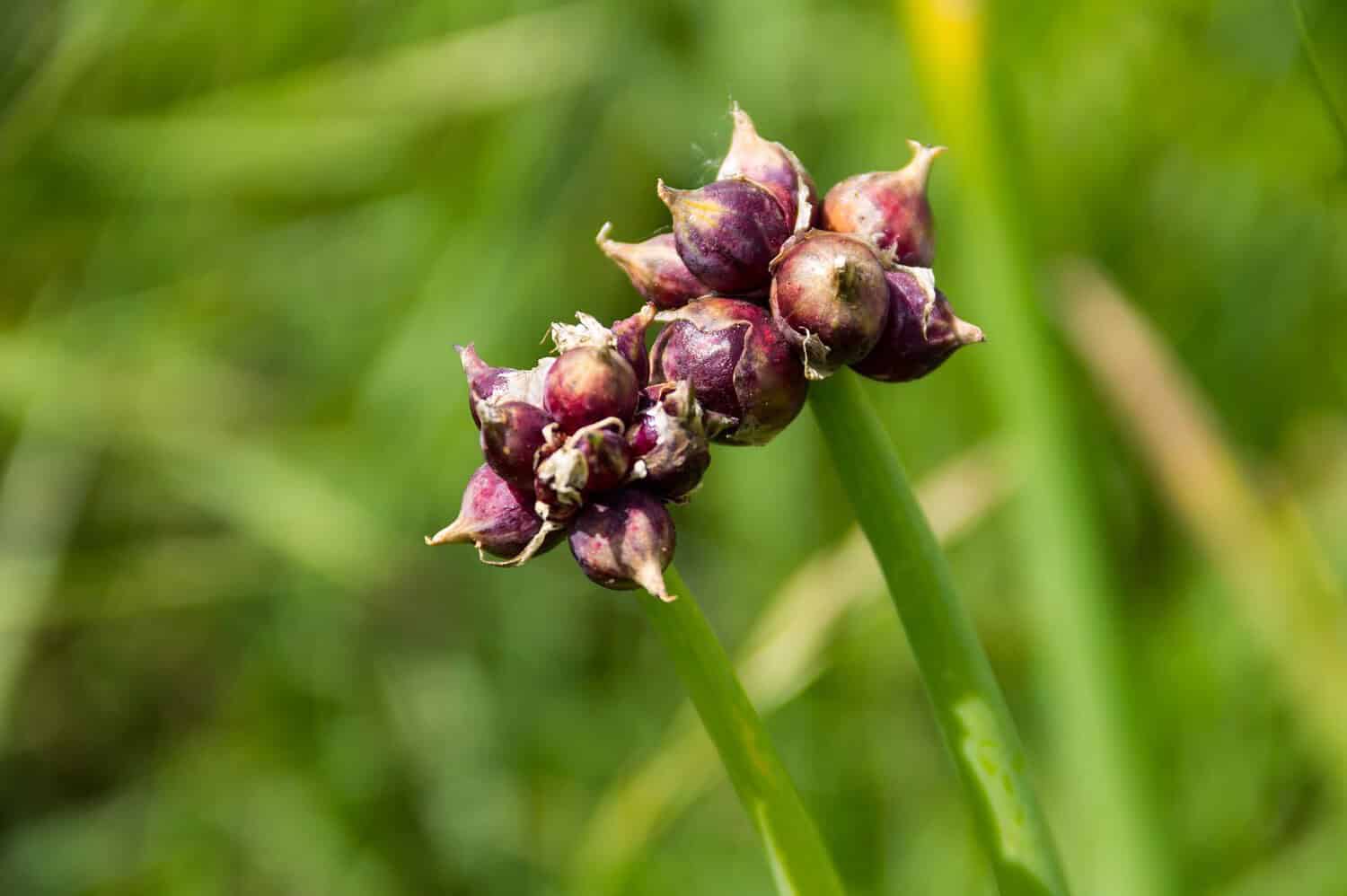
Known as perennial onions, Egyptian walking onions are a unique and attractive option for your garden. These fascinating plants produce small onion bulbs at the tops of their stalks, which can be harvested for culinary use.
Plant them once, and they will continue to thrive, providing a steady supply of onions and onion sets. Their unique growth habit enhances your garden’s aesthetics while ensuring a constant source of fresh onions.
Chives
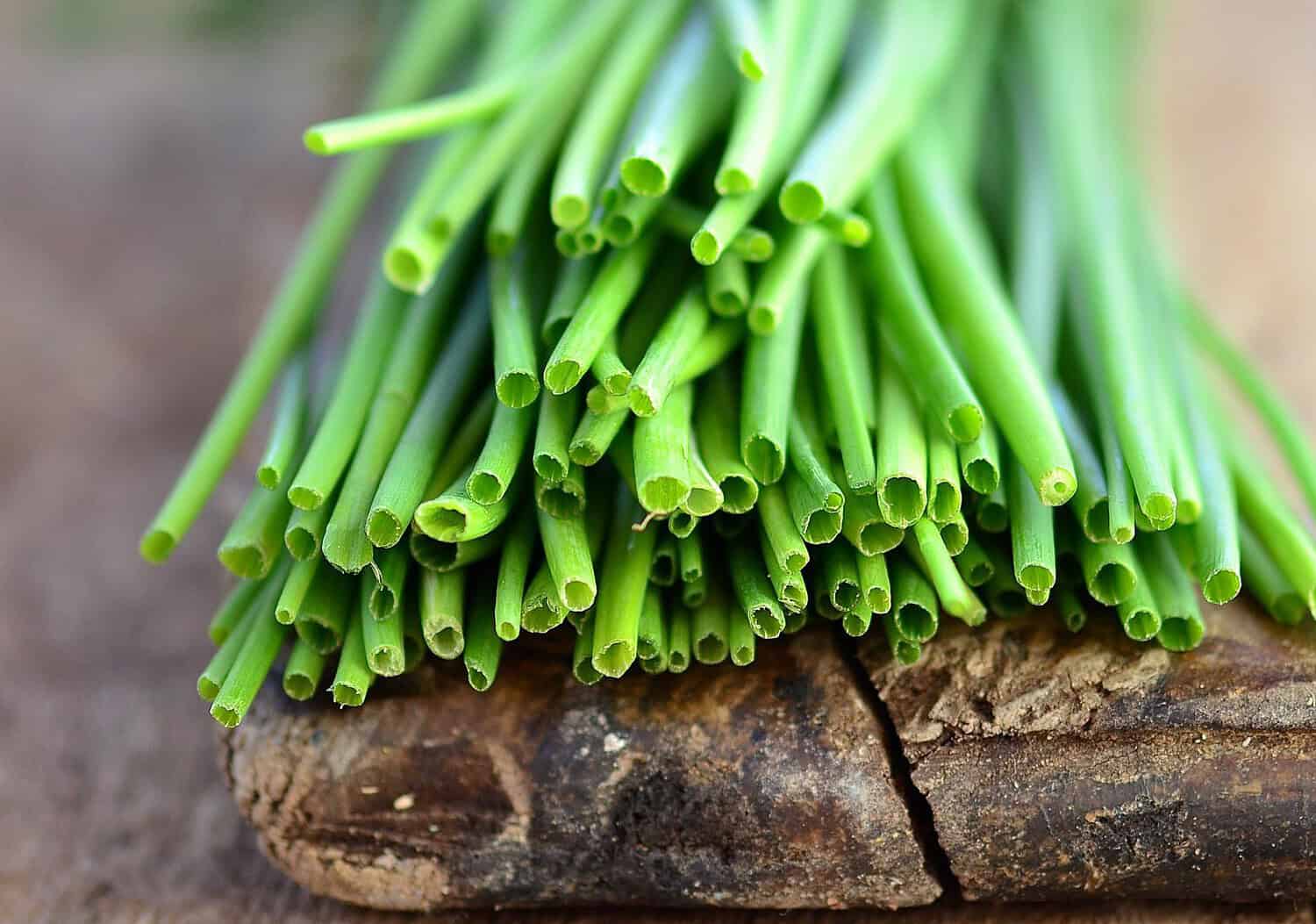
Chives are an easy-to-grow perennial herb, hardy in USDA zones 3-9, adding a mild onion flavor to dishes year-round. They thrive in full sun, and their purple flowers are also edible, making them a charming and flavorful addition to any garden. In colder regions, chives may die back in winter but will reliably return each spring.
Sorrel
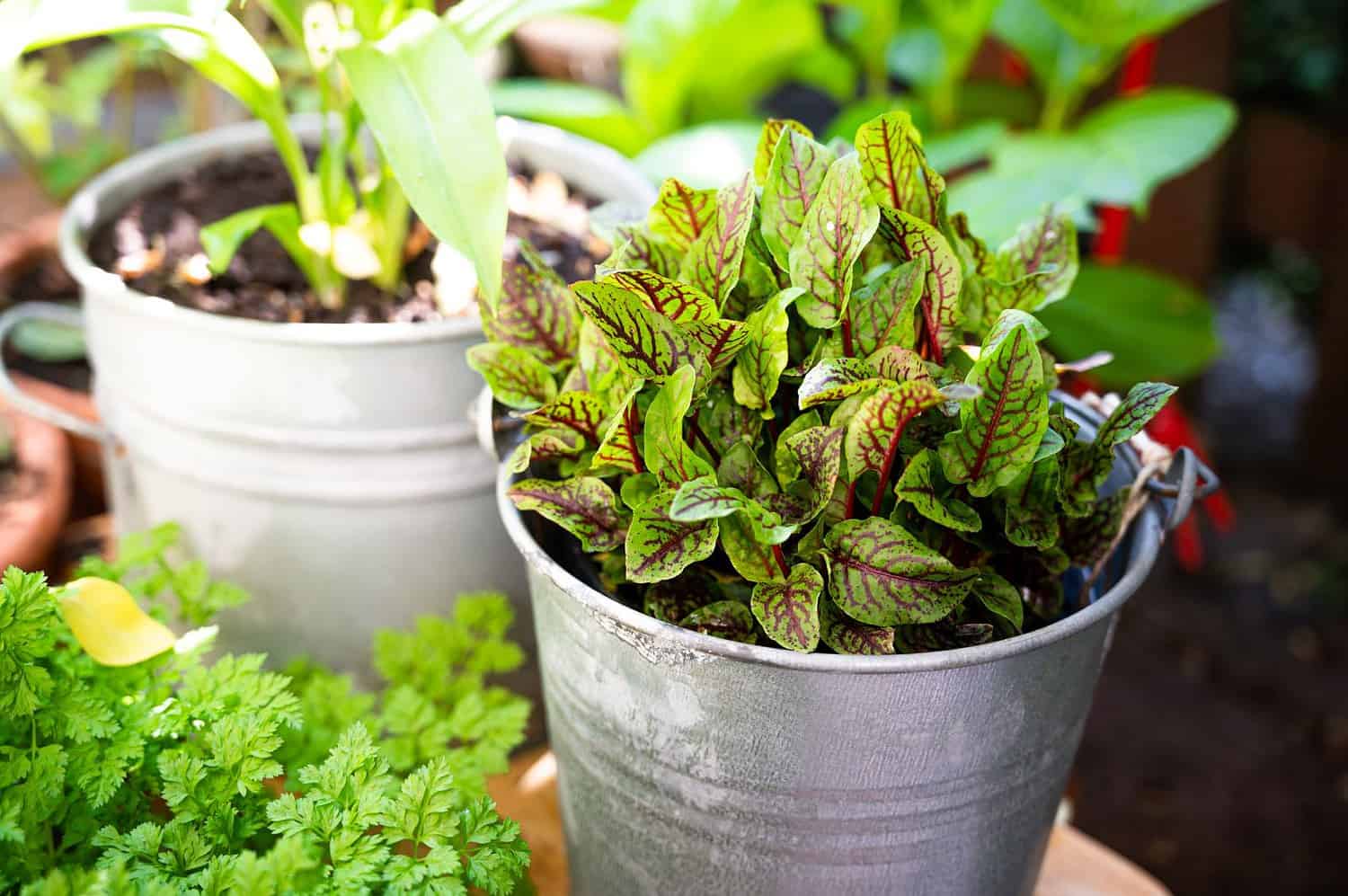
Sorrel, including French sorrel, is a hardy perennial with a refreshing, lemony flavor, perfect for adding zest to salads, soups, and omelets. Thriving in USDA zones 4-9, it grows well in both full sun and partial shade, making it a versatile addition to any garden. Plant it in well-drained soil, and enjoy a steady supply of fresh greens throughout the growing season.
Horseradish
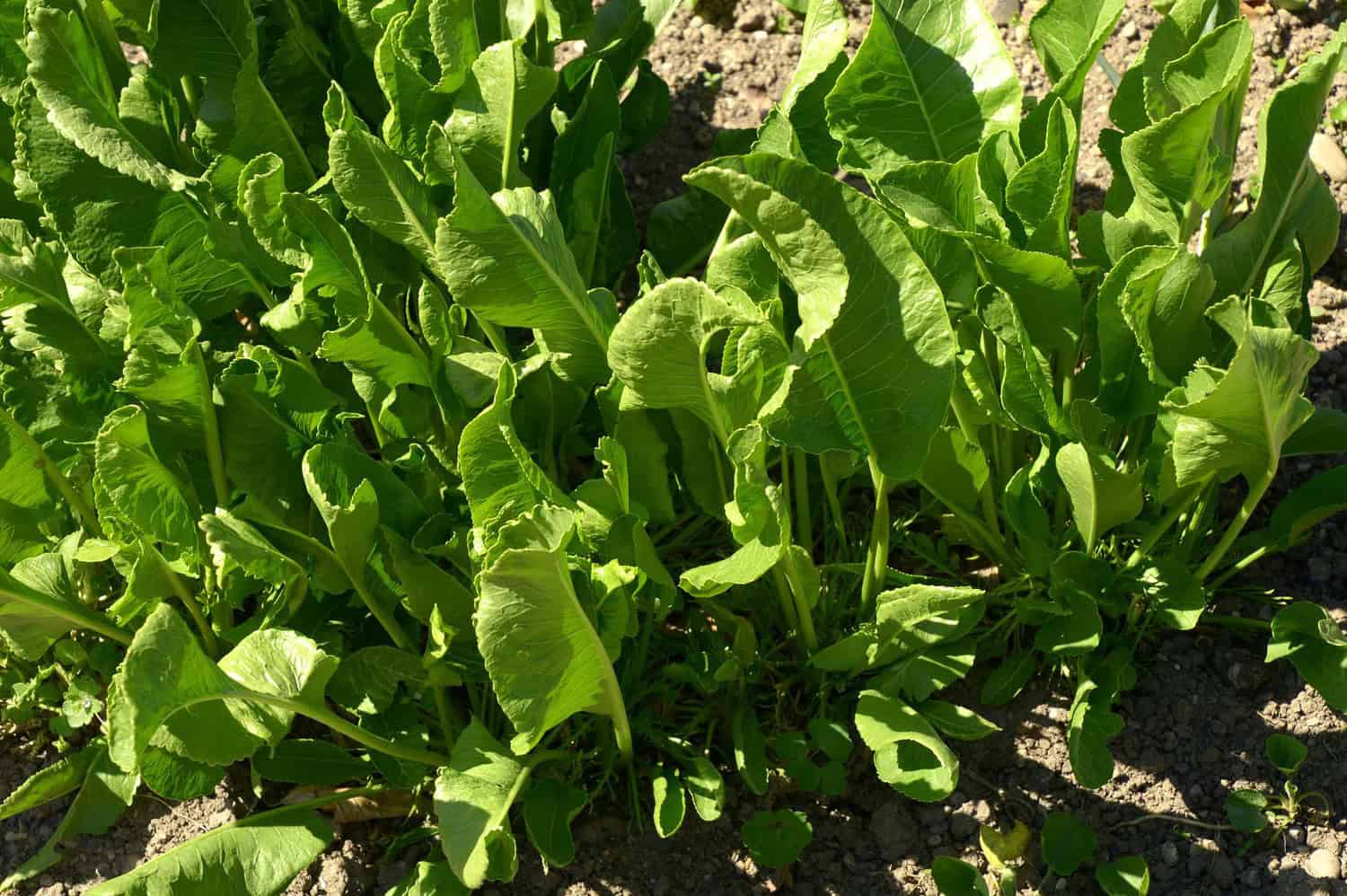
Horseradish is famed for its roots, often used as a spicy condiment. This hardy vegetable thrives in various soil types and can last for years once established, giving your dishes a zesty enhancement.
Walking Stick Kale
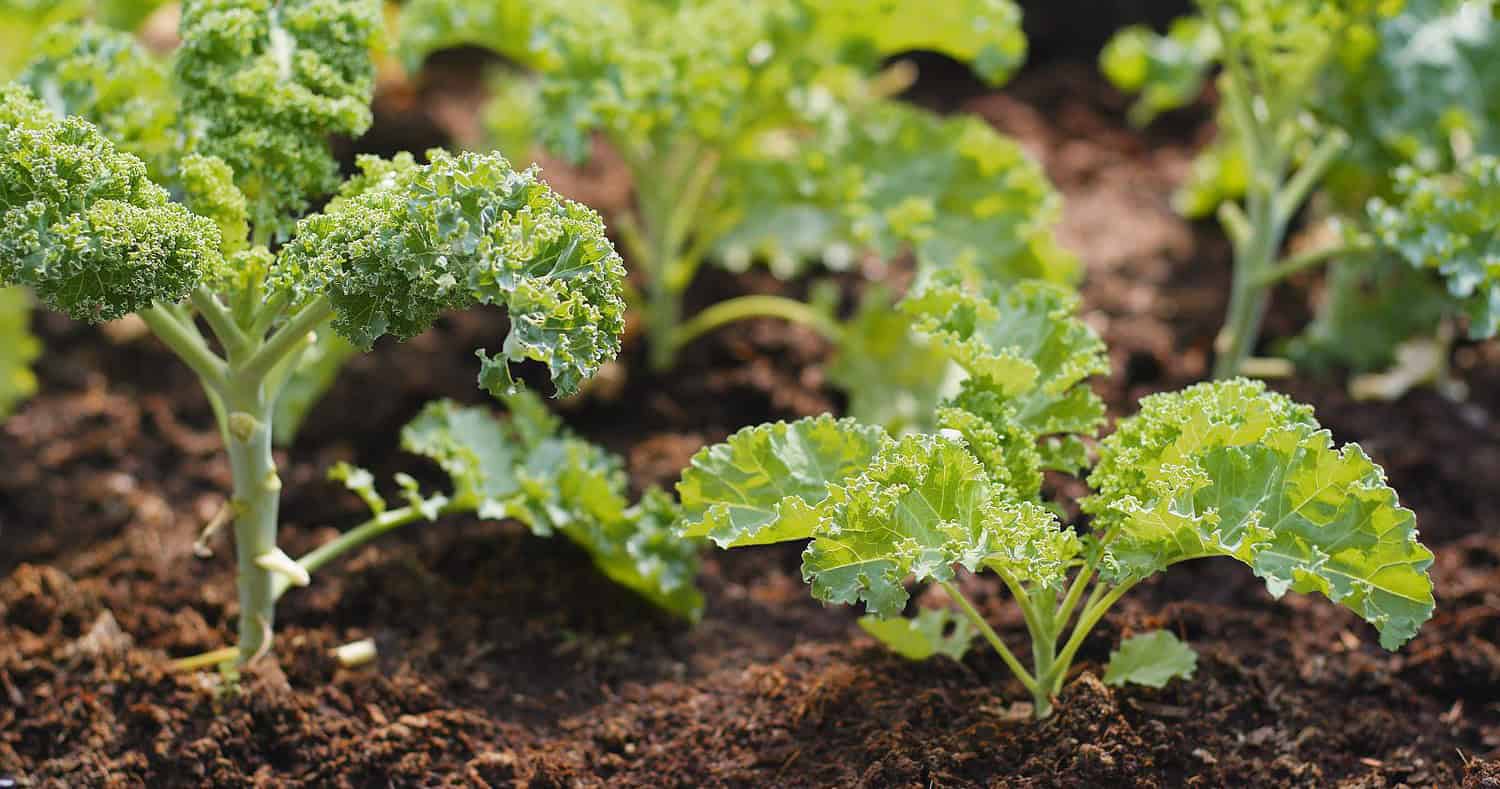
Walking Stick Kale, or tree collards, is an extraordinary perennial vegetable that reaches impressive heights and offers a steady supply of nutritious leaves. Resilient and adaptable, this plant thrives in diverse conditions, making it an ideal option for gardeners seeking dependable, year-round greens. In milder climates, these plants can thrive for up to 20 years.
Tree collard plants thrive in full sun but tend to produce more tender and flavorful leaves in moderate shade. Providing afternoon shade or dappled light in southern climates is ideal for their growth.
Lovage
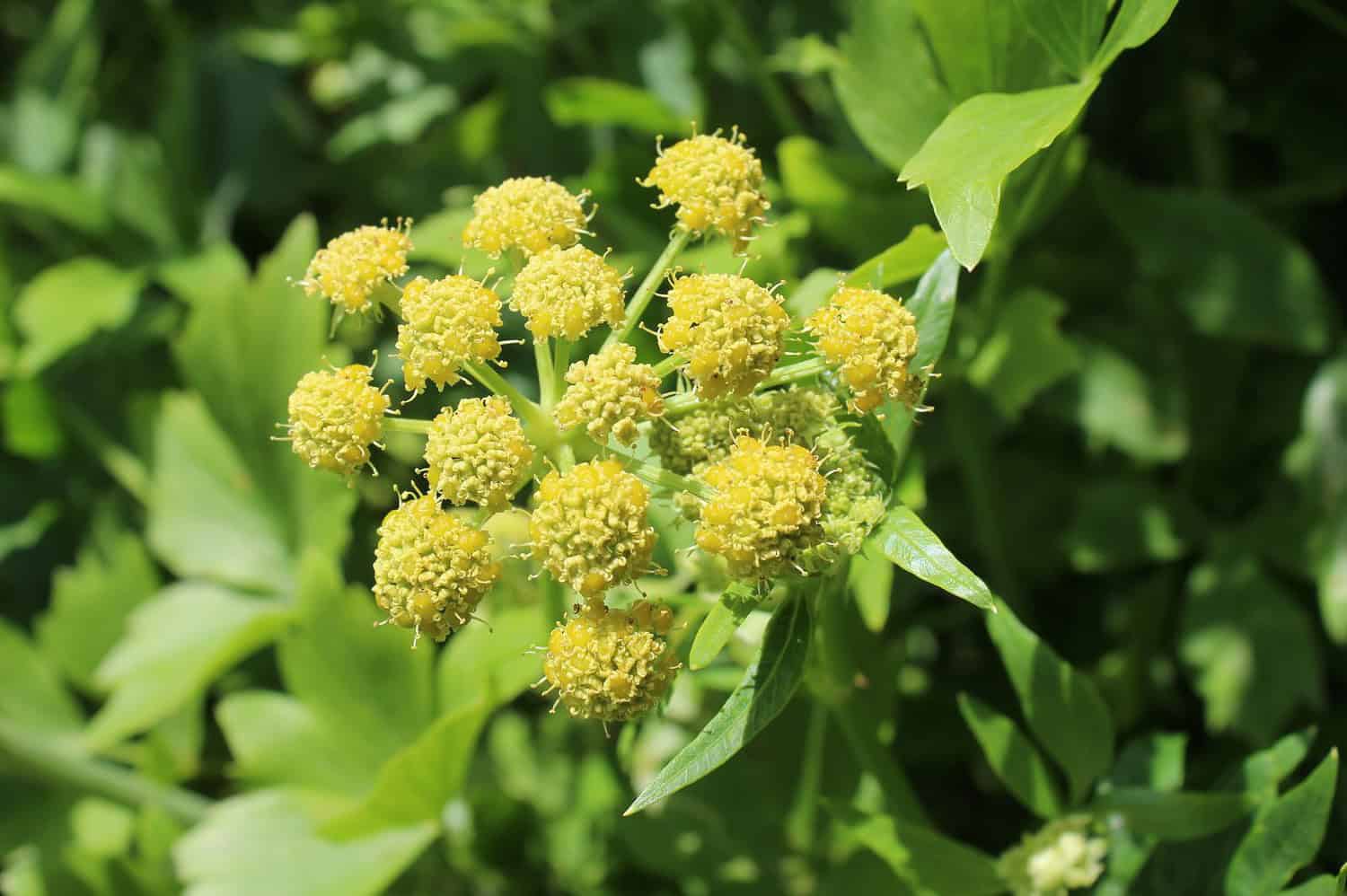
Lovage is a hardy perennial herb with a flavor similar to celery and parsley. It beautifully enhances soups, stews, and salads. For best results, plant lovage in a sunny location with well-drained soil. It will reliably return year after year, bringing a fresh burst of flavor to your culinary creations.
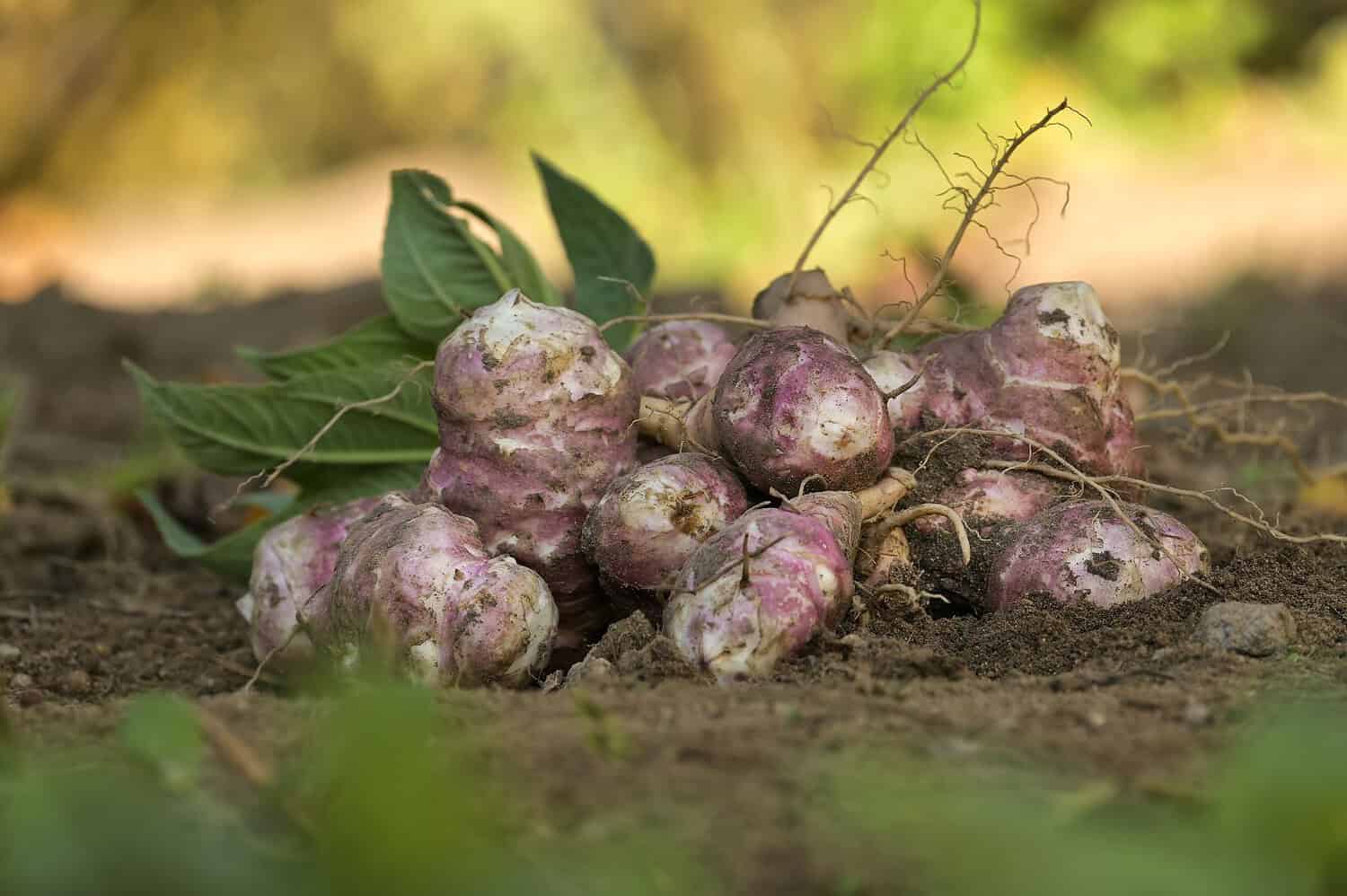
Sunchokes
Sunchokes, also known as Jerusalem artichokes, are hardy perennials with nutty, slightly sweet tubers that are perfect for roasting, boiling, or even eating raw. Native to North Eastern America, they thrive best in USDA zones 3-8 and are resilient, adapting well to various soil types and growing conditions. Once established, they can be harvested each fall and will reliably return each year, adding a unique flavor to your garden’s bounty.