
Gardening has always been a passion of mine, and I’m continually amazed by the unexpected household items that can make a significant difference in the garden. It’s fascinating to think about things lying around the house that can boost plant growth and health.
Exploring these unconventional items is not only budget-friendly but also offers a fun way to recycle and repurpose everyday goods. I’m excited to share some simple yet effective ways to enhance your gardening efforts with some surprising household helpers. They might just change the way you see your everyday items.
1. Eggshells for calcium boost

I love using eggshells in my garden because they’re an excellent source of calcium. Calcium is vital for strong cell walls in plants, helping them grow healthy and robust.
To use them, I crush the eggshells and sprinkle them around the base of my plants. This is really effective for calcium-deficient plants.
Eggshells also help improve soil drainage. This is great for maintaining the health of my houseplants. Plus, their rough texture can deter certain pests. For those interested in a more detailed look at using eggshells in the garden, this is a helpful resource.
2. Baking soda as a fungicide

I love using baking soda in my garden to help with fungal issues, especially on plants prone to powdery mildew. It’s a simple mix—just combine a teaspoon of baking soda with water and a few drops of liquid soap.
Once mixed, I gently spray it on my plants. It’s crucial to apply it early in the morning or later in the day to avoid the sun burning the leaves. This method helps me combat fungal diseases effectively.
Baking soda acts by altering the pH levels on the leaves of the plants, making it more difficult for fungi to thrive. It’s one of my favorite tricks to keep my garden healthy without resorting to harsh chemicals.
3. Banana peels for potassium
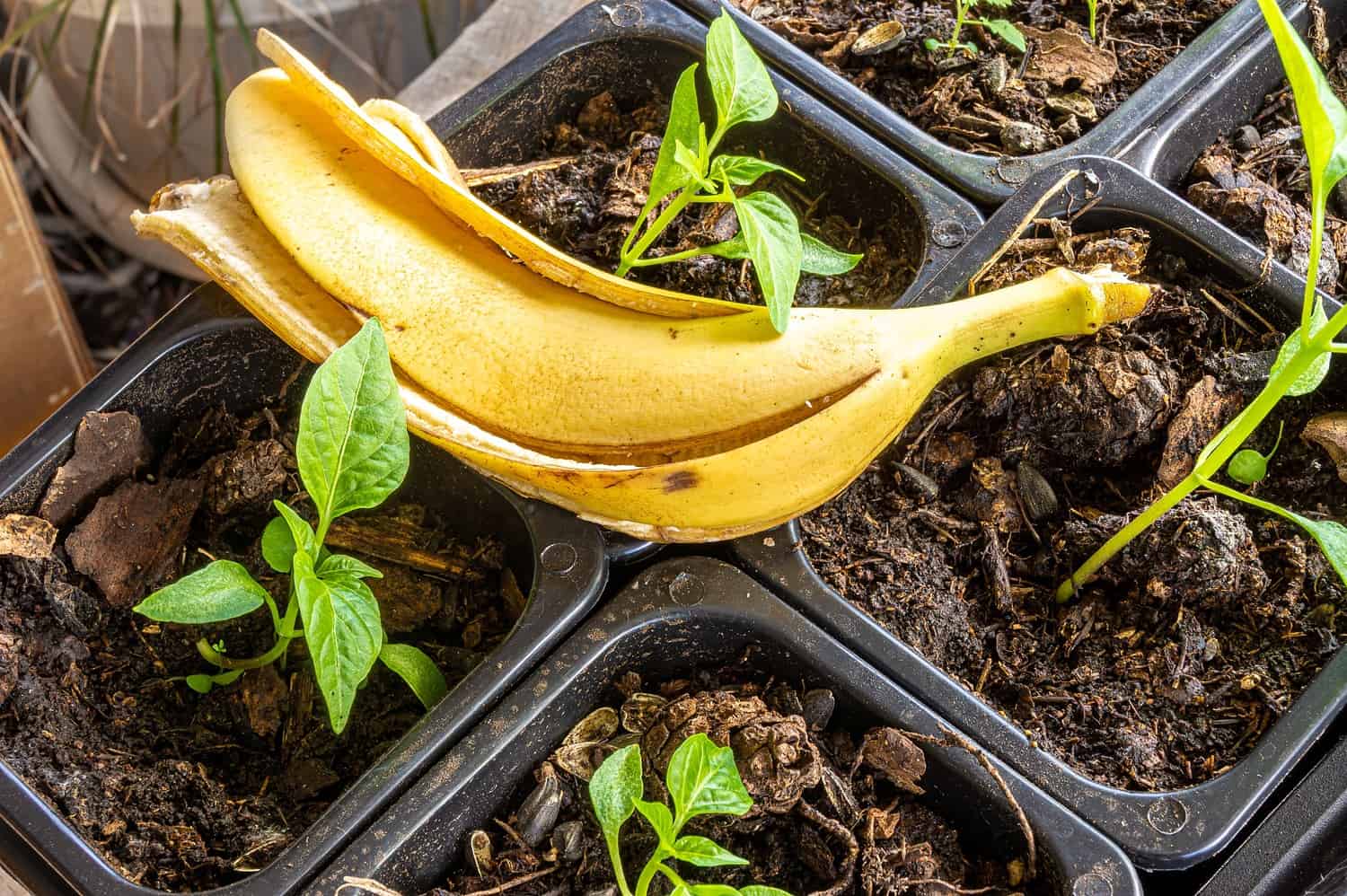
I never thought banana peels could be so beneficial in my garden. They’re packed with potassium, which is essential for plant growth. By adding these peels to my compost or burying them near plants, I give my plants a nutrient boost without spending extra money.
I’ve found that the nutrients in banana peels help my plants grow stronger and more resilient. The potassium in the peels supports root development and helps plants withstand harsh weather conditions. It’s amazing how something I used to throw away can be so useful.
I enjoy experimenting with different ways to use banana peels in my garden. Whether soaking them in water to create a spray or simply chopping them up, my plants seem to love it all. Adding banana peels is a simple and cost-effective way to enrich my soil.
4. White Vinegar for Weed Control

I love finding simple solutions for garden problems, and white vinegar is one of my go-tos. It acts as an effective weed killer thanks to its acetic acid content. When I spray it directly on unwanted plants, it burns the tops of the weeds. This means those pesky plants can’t get the energy they need to grow.
The best part about using white vinegar is that I don’t need any fancy recipes. Just spraying it directly does the trick. I find it especially handy for quick bursts of weed control. If I’m tackling tougher or larger weeds, using higher strength vinegar might be necessary, as pointed out in some resources. However, I usually stick to the standard stuff from my kitchen. It’s a simple, natural method that fits right into my gardening routine and helps me keep my garden looking neat without a lot of fuss.
5. Fireplace ash as fertilizer
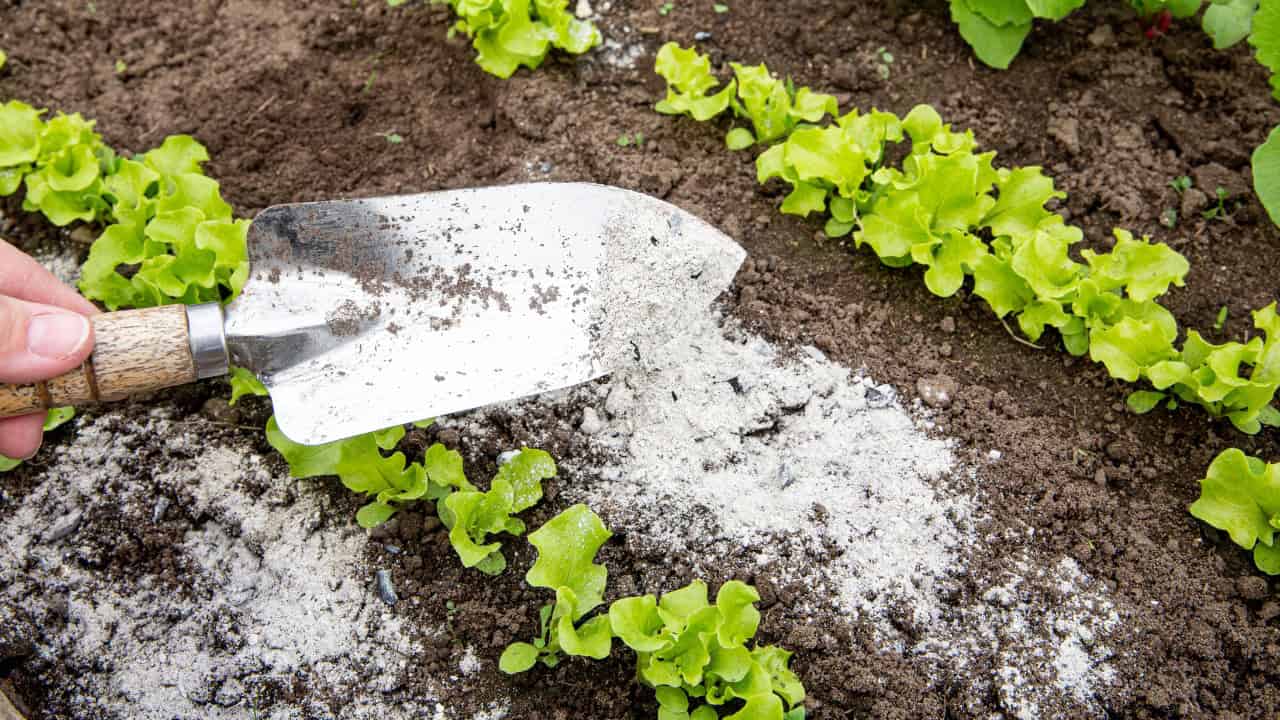
I recently learned that fireplace ash can be a great addition to the garden. It turns out ashes are rich in nutrients like potassium and calcium, which can give plants a boost. When I sprinkle a bit of ash into the soil, it helps balance any excess acidity that might be hanging around.
I make sure not to overdo it—too much ash isn’t good for the soil. Mixing it in a ratio of about one part ash to ten parts soil seems to work best. And just to be safe, I avoid using it on acid-loving plants.
For me, recycling fireplace ash is a win-win situation. It means I don’t have to buy as much fertilizer and it’s an eco-friendly way to dispose of the ashes. Plus, the garden seems happier with those extra nutrients mixed in.
6. Epsom salt for better blooms

I like using Epsom salt to give my garden a little extra boost. This common household item is simple to use and can enhance the blooming of my plants. By mixing about one tablespoon of Epsom salt into a gallon of water, I create a solution that is perfect for my flowering plants.
Epsom salt, known for its magnesium and sulfate content, helps flowers flourish by improving nutrient absorption and promoting stronger cell walls. When I water my plants with this solution, I often notice healthier blooms and even more vibrant colors.
I’ve found Epsom salt especially effective for roses and tomatoes. I apply it once or twice a month during the growing season to help encourage lush and vigorous flowering. This practice has become a regular part of my gardening routine, ensuring better blooms in my garden.
7. Hair as mulch

I know it sounds odd, but using hair as mulch in the garden can actually be super beneficial. Human hair is rich in nutrients like magnesium, which plants adore. This unexpected source helps nourish the soil and can improve plant growth in surprising ways.
When I add hair to my compost or soil, it also provides a structure that loosens up clumpy patches. This happens because the hair offers some extra support for plant roots. I’ve noticed my garden feels more aerated and healthy, thanks to this surprising technique.
Plus, using hair is a great way to recycle something that would usually end up in the trash. It’s easy for me to collect hair from my brush or even ask a hairdresser for clippings. Embracing this quirky gardening hack has saved me money and benefited my plants.
8. Club soda for nutrient boost

I was surprised to discover that club soda can be a real game-changer for plants. It contains nutrients like potassium and phosphorus, which help in making the leaves greener and the roots stronger.
The key is to use plain, unflavored club soda and let it lose some fizz before pouring it onto your plants. This allows the minerals to be more easily absorbed into the soil.
I water my plants with club soda once a week and noticed a noticeable difference. They appear more vibrant and healthier, all thanks to this unusual watering trick. It’s an effortless way to give your garden a little extra love!
9. Activated carbon for soil clean-up

I’ve always found activated carbon to be pretty handy for revamping my garden’s soil. It naturally filters out impurities, making a great addition if you’re aiming for cleaner, healthier soil.
This nifty material can absorb pesticides and other unwanted chemicals. I’ve discovered that it helps create a more balanced environment for plants, allowing them to thrive with less interference from toxins.
Using activated carbon is straightforward. I generally mix it into the soil where needed, and it’s made a noticeable difference. If you’re curious, you can learn more about using activated carbon in gardens and how it can help manage soil contaminants effectively.
10. Charcoal as flower preserver

I’ve found that charcoal can work wonders as a flower preserver. By adding a small piece of charcoal to a vase of fresh flowers, I’ve managed to extend their lifespan. It helps keep the water cleaner, reducing bacteria growth and odor.
It’s amazing how a simple piece of charcoal can make such a difference. Not only does it help keep flowers fresh longer, but it’s also an inexpensive way to preserve beauty in my home. Just a small piece is enough to see the effects.
For anyone looking to keep their cut flowers vibrant without much fuss, I’d definitely recommend trying this little trick. It’s easy and can work with almost any type of flower arrangement.
*This article was created with the help of AI.

