# 10 Tips for Caring for Perennials Through Every Season
Perennials add so much color and vibrancy to your garden throughout the year. Unlike annuals which bloom for a single season, perennials can bloom multiple times, providing you with a garden that is always full of life. But to keep them in their best shape and to ensure they survive each season, perennials require specific care. This blog post will provide you with ten essential tips for caring for perennials through every season.
Advertisement
1. Choose the Right Perennials for Your Climate

Understanding your local climate is the first step in caring for perennials. Some perennials, like lavender and sage, thrive in warm, sunny climates, while others, like hostas and ferns, do better in cooler, shady conditions.
Before you purchase your perennials, do some research to find out which plants will thrive in your local climate. Consider factors like the amount of sunlight your garden gets, the average temperature, and the amount of rainfall. If you live in a particularly harsh climate, you might want to consider growing your perennials in pots so you can move them indoors during extreme weather conditions.
2. Plant at the Right Time

The best time to plant perennials is in the spring or fall when the weather is mild. Planting in the heat of summer or the cold of winter can stress the plants and make it more difficult for them to establish.
In the spring, wait until the soil has warmed up and all risk of frost has passed before planting. In the fall, aim to plant at least six weeks before the first expected frost to give the plants a chance to establish before winter. Remember, perennials need time to establish their root systems, so don’t be discouraged if they don’t bloom right away.
3. Water Properly

Perennials need regular watering, but too much or too little can be harmful. Most perennials prefer soil that is consistently moist but not soaked.
To ensure your perennials are getting the right amount of water, check the soil regularly. If the top inch of soil is dry, it’s time to water. Avoid watering the leaves as this can promote the growth of fungus. A soaker hose or drip irrigation system can be a convenient way to water your perennials without wetting the leaves.
4. Fertilize Regularly

Perennials need nutrients to thrive. A balanced fertilizer that contains all the necessary nutrients can help your perennials grow strong and healthy.
It’s best to fertilize your perennials in the spring when they are beginning to grow. Use a slow-release fertilizer to provide your plants with a steady supply of nutrients throughout the growing season. Be careful not to over-fertilize as this can burn the roots and damage the plants.
5. Mulch to Protect and Nourish

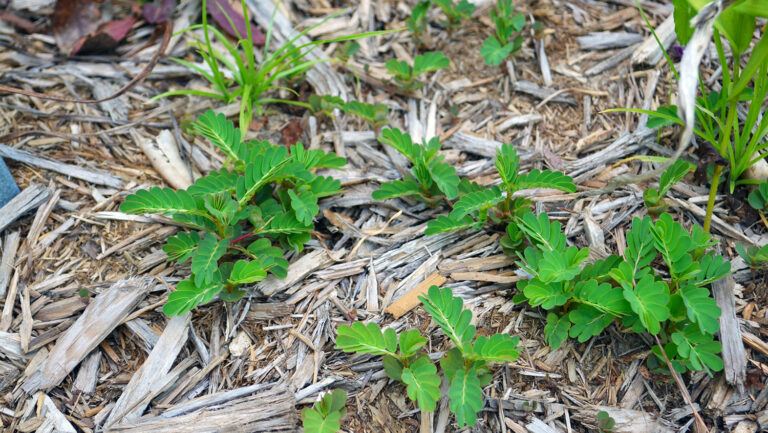
Mulching helps retain moisture, suppress weeds, and provide nutrients to your perennials. It also helps protect the roots from extreme temperatures.
Apply a 2-3 inch layer of organic mulch around your perennials in the spring. As the mulch breaks down, it will provide your plants with additional nutrients. In the fall, add a fresh layer of mulch to protect the roots from winter cold.
6. Prune at the Right Time

Pruning helps promote growth and keeps your perennials looking their best. However, the timing of pruning can vary depending on the type of perennial.
For summer and fall-blooming perennials, prune in the spring. For spring-blooming perennials, prune after they have finished blooming. Always use sharp, clean pruning tools to avoid spreading disease.
7. Protect from Pests and Disease

Perennials can be susceptible to pests and diseases. Regularly inspect your plants for signs of trouble, such as discolored leaves or holes in the foliage.
If you notice a problem, identify the cause and treat it appropriately. This might involve using an organic pest control product, removing infected plants, or altering your watering practices.
8. Divide and Conquer
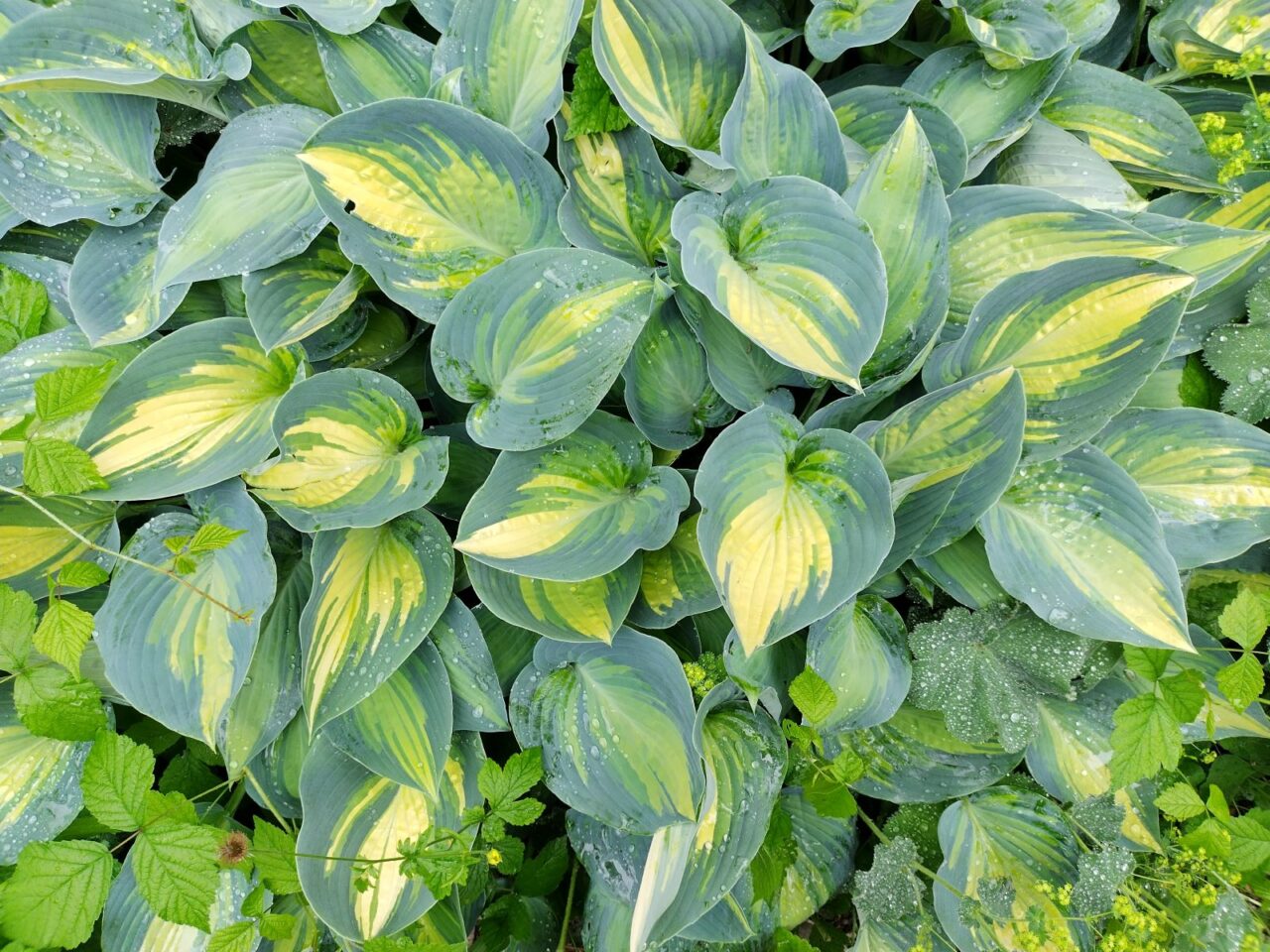
Some perennials, like daylilies and hostas, benefit from being divided every few years. This helps rejuvenate the plants and prevent them from becoming overcrowded.
The best time to divide perennials is in the spring or fall. Simply dig up the plant, divide the root ball into smaller sections, and replant.
9. Prepare for Winter

Even though perennials are hardy, they still need some help getting through the winter. In the fall, cut back dead foliage, add a layer of mulch for insulation, and protect delicate plants with a winter cover.
Remember, the goal is not to keep the plants warm, but to keep the temperature consistent. Extreme temperature fluctuations can be more damaging than the cold itself.
10. Show Patience
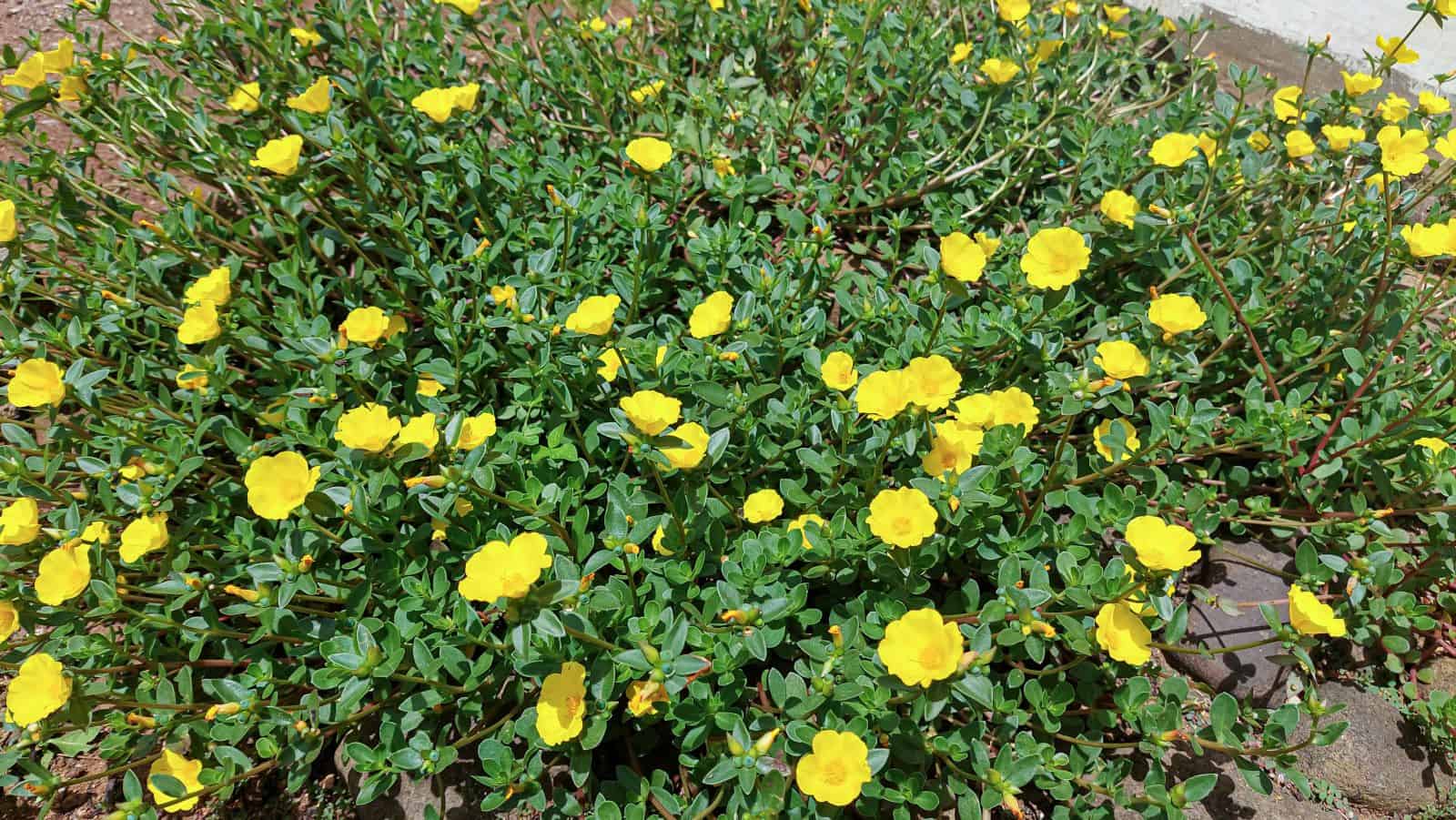
Perennials are a long-term investment. They may not bloom the first year, or even the second. But with time and proper care, they will become a beautiful and enduring part of your garden.
Enjoy the process of tending to your perennials. After all, gardening is not just about the end result, but the joy and tranquility that comes from nurturing something over time.