Using a power washer can make many cleaning tasks faster and easier, but it’s not the right tool for everything. Knowing what should never be power washed can save your belongings from damage and help you avoid costly repairs.
Understanding which items are off-limits for power washing is key to protecting your home and belongings. By being cautious about what you choose to clean this way, you can keep things looking good without causing unintended harm.
Advertisement
Asphalt Shingles
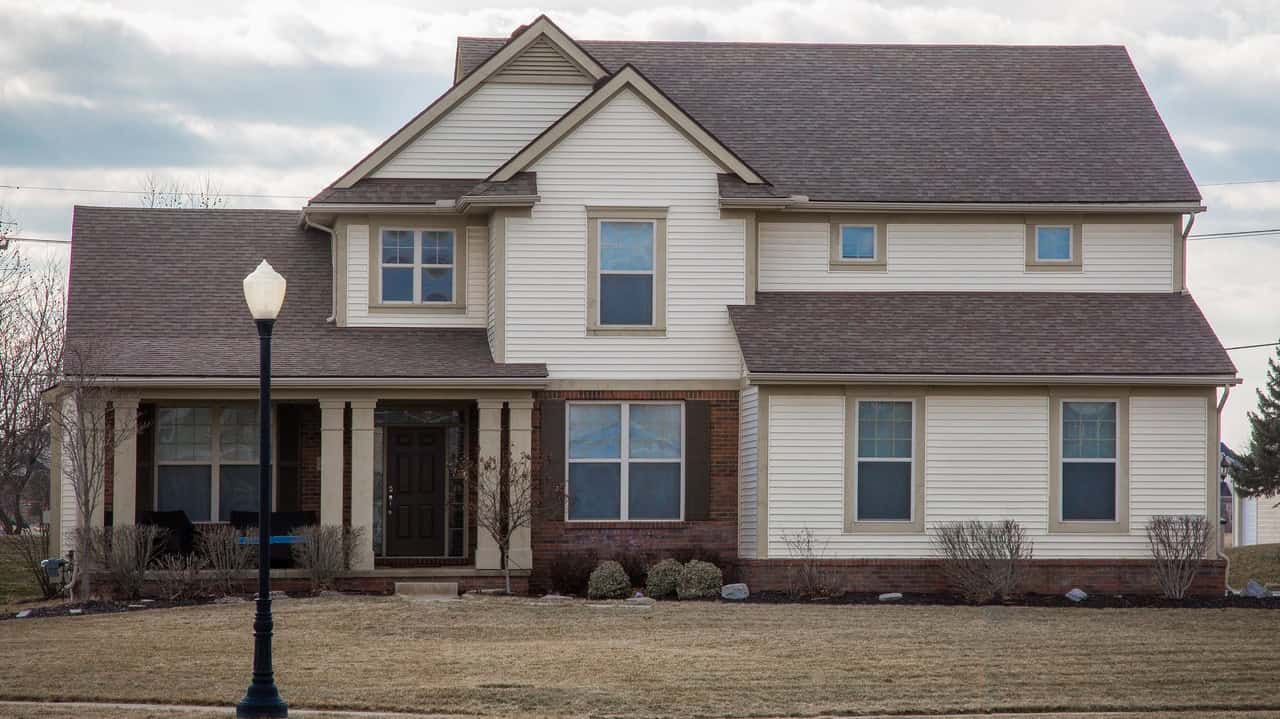
You should avoid power washing asphalt shingles. The high pressure can strip away the protective granules on your roof.
Losing these granules reduces your shingles’ effectiveness and shortens their lifespan.
Power washing might make your roof look clean at first, but it can lead to costly repairs down the line. Instead, consider gentler cleaning methods.
Electric Meters and Panels
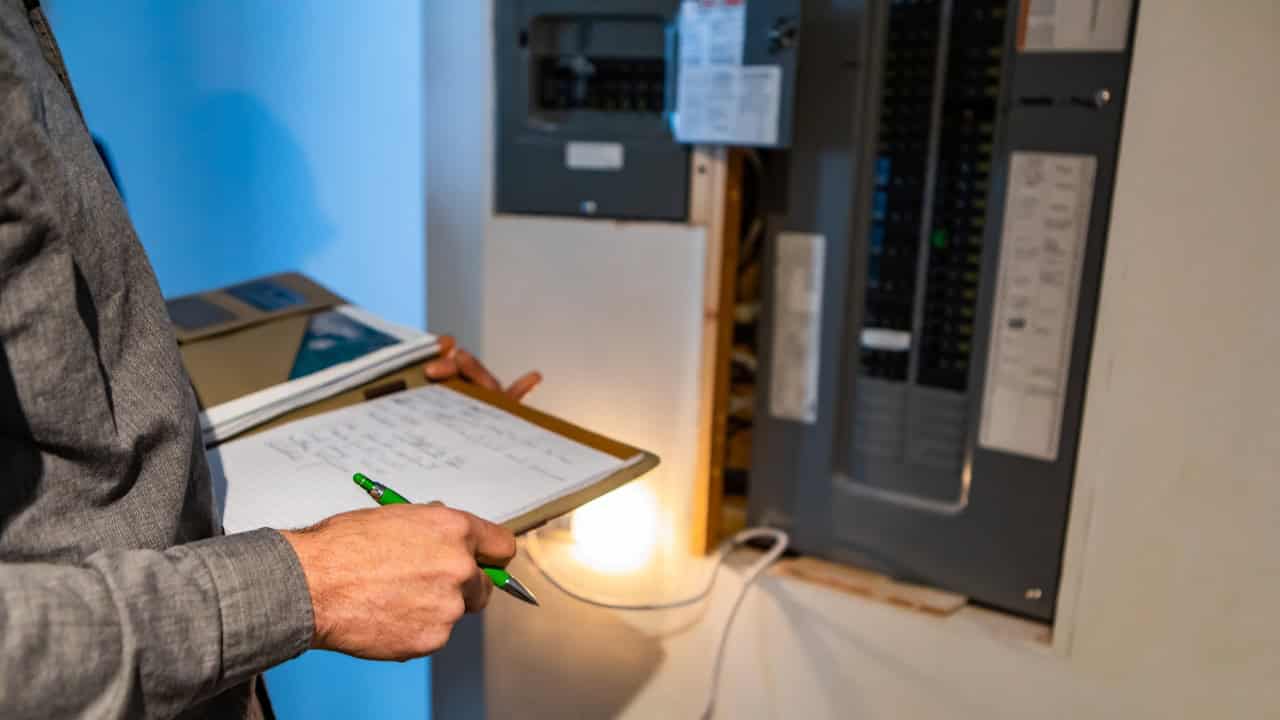
You should never use a power washer on electric meters or panels. Water can easily get inside and cause damage or short circuits.
This could lead to costly repairs or even dangerous electrical hazards. Instead, use a dry cloth or a soft brush to clean these areas safely.
Air Conditioner Units
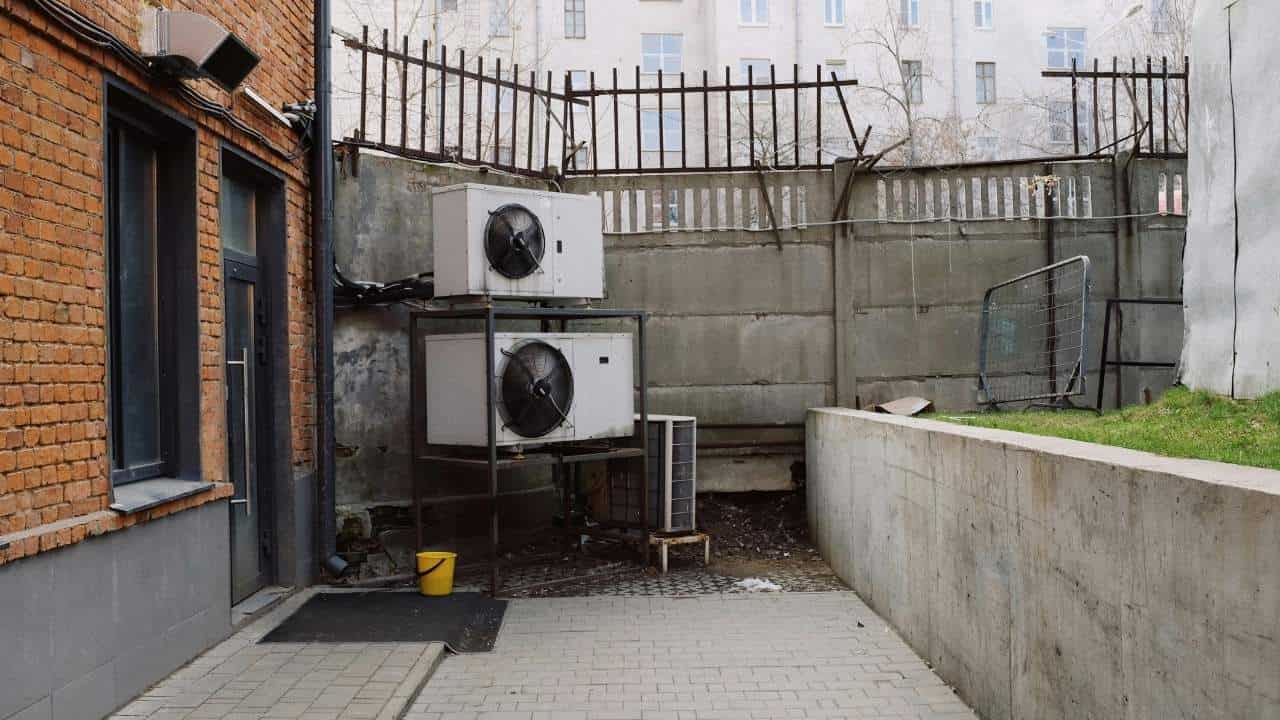
You should avoid pressure washing your air conditioner units. The high water pressure can easily bend or damage the delicate fins, reducing airflow and efficiency.
If you want to clean your AC, use a gentle spray of water instead. This helps prevent damage while keeping your unit clean and working well.
Windows
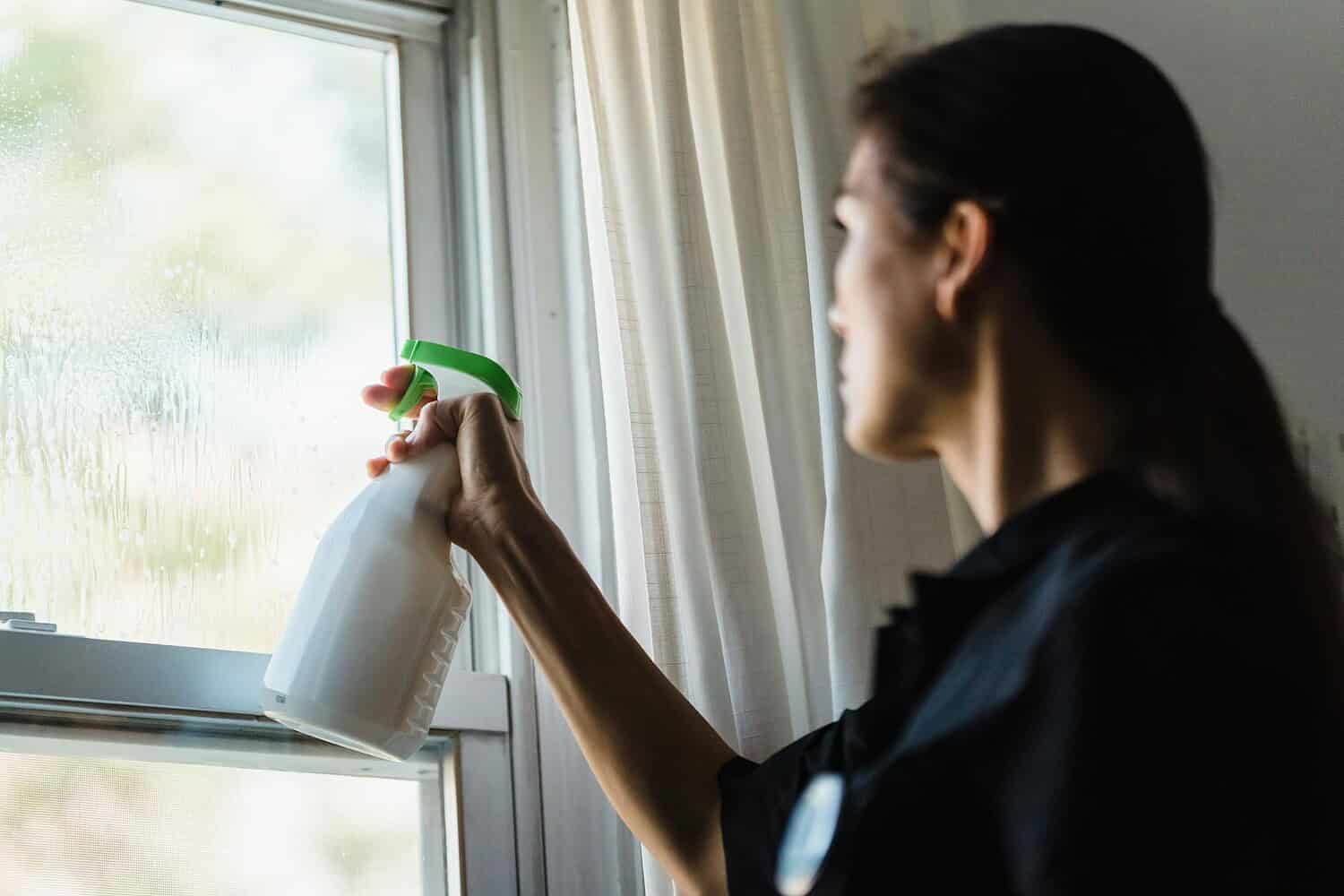
You should avoid pressure washing your windows. The strong water force can easily damage the glass or break the seals around the panes.
Water can also get inside your home if the pressure is too high, causing potential damage to walls and frames.
If you want clean windows, it’s safer to use a gentle cleaning solution and a soft cloth or sponge instead.
Painted Surfaces
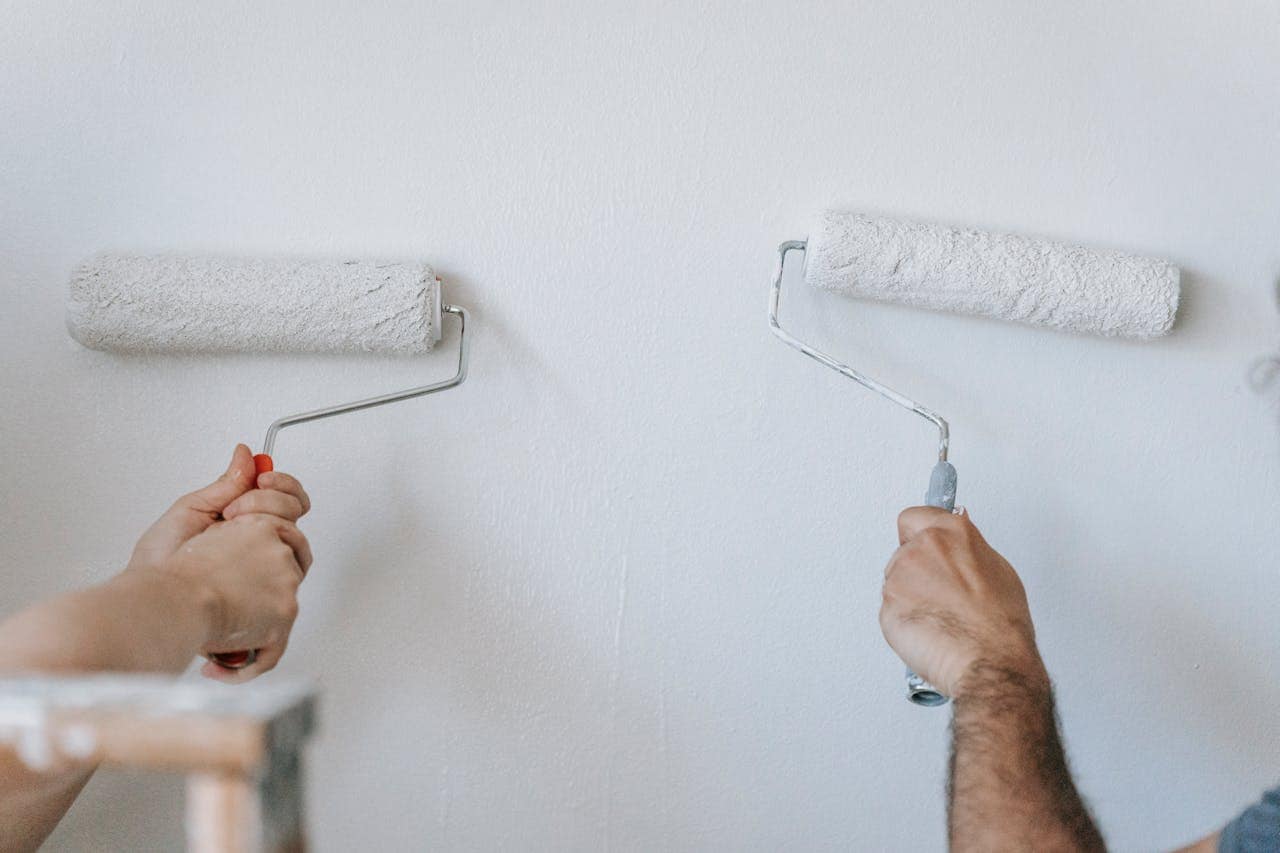
You should be careful when power washing painted surfaces. High pressure can strip away loose or aging paint, causing damage.
If you must clean painted areas, use a low-pressure setting and test a small spot first. This helps protect your paint and prevent chipping.
Power washing is best avoided on delicate painted surfaces to keep your home looking its best.
Old Brick Mortar
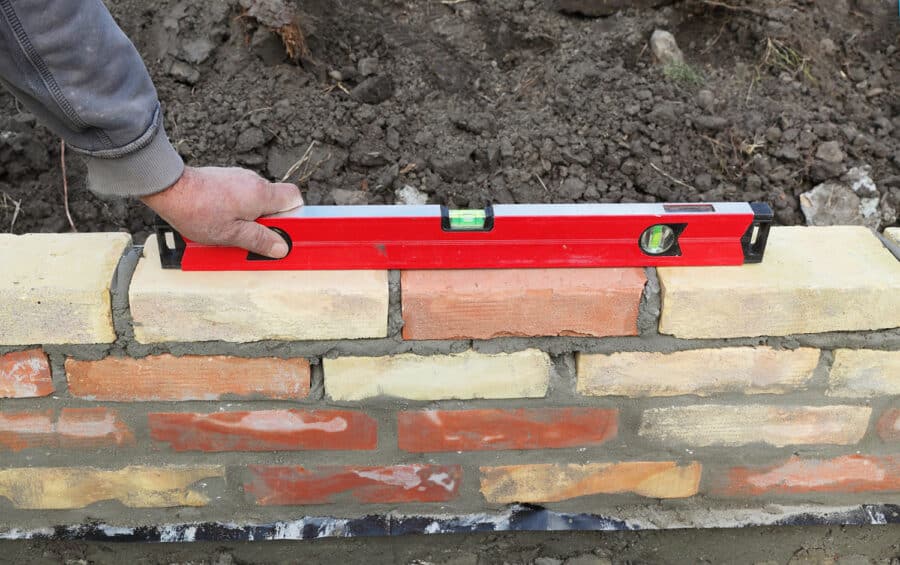
You should avoid power washing old brick mortar because it can easily wash away the material holding your bricks together. This can cause damage that’s expensive to repair.
While the bricks themselves are usually sturdy, the mortar tends to be fragile, especially in older homes. Instead, consider gentle cleaning methods to protect your brickwork.
Vehicles
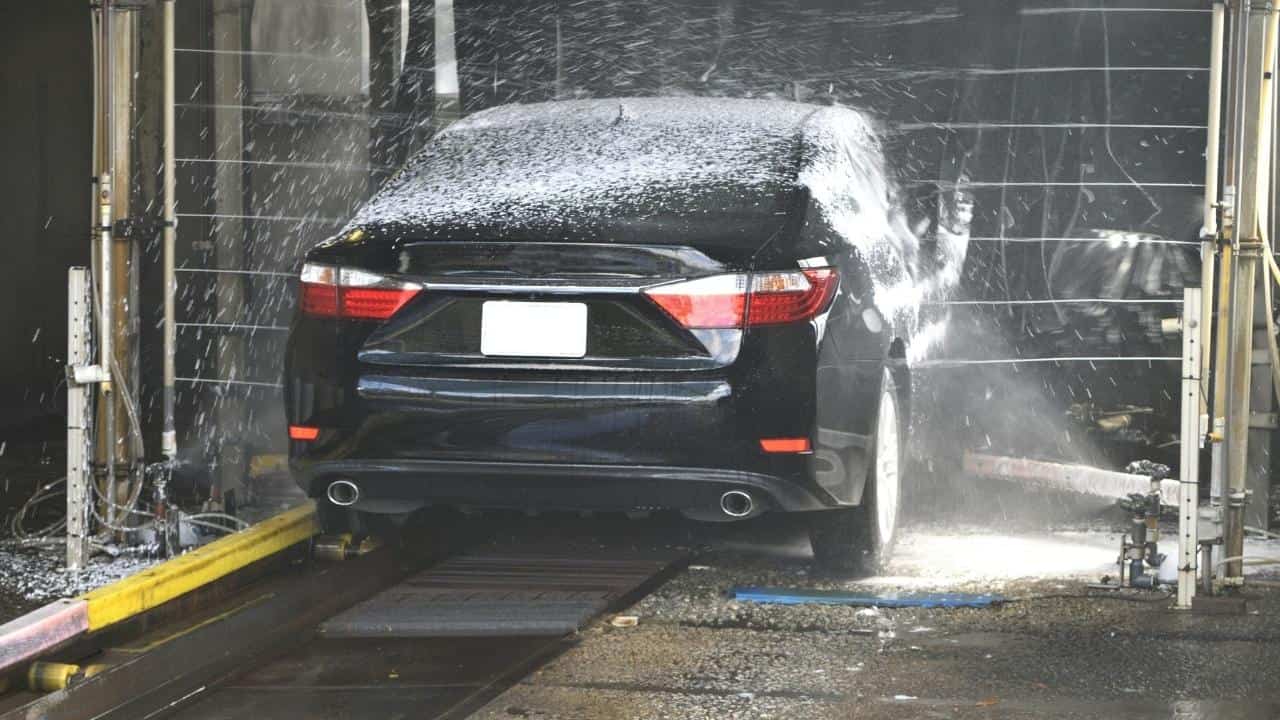
You should avoid using a power washer on your vehicle. The high pressure can easily chip paint, cause dents, or damage delicate parts.
If your car has damaged paint or sensors, be especially careful. It’s better to stick with a gentle wash using a garden hose or a soft cloth instead.
This way, you protect your car’s finish and help it last longer.
Gutter Interiors

You should avoid pressure washing your gutter interiors. The high pressure can loosen or damage the gutter material.
Also, water forced inside can cause blockages or push debris further. Instead, use a gentle hand or a garden hose to clean them safely. This helps maintain your gutters without risking damage.
Light Fixtures

You should avoid power washing your light fixtures. The force can damage delicate parts like glass and electrical components.
Even if your outdoor lights look dirty, a gentle hand cleaning is safer. This helps prevent cracks or water damage that might cause problems later.
Stained Glass Doors

You should avoid pressure washing stained glass doors. The high pressure can damage the glass or loosen the decorative lead or solder.
Even low pressure might harm the seals around the glass, causing leaks or drafts later.
Instead, gently clean stained glass with a soft cloth and mild detergent to keep it safe and beautiful.