Soil is one of the most important parts of your garden or farm, but many things can harm it without you realizing. Poor soil health can lead to weaker plants and lower yields. Understanding what damages your soil can help you take better care of it and keep it healthy for years to come.
You might think soil just sits there, but it’s a living system full of tiny creatures and nutrients that need balance to stay strong. When certain habits or conditions mess up this balance, the soil loses its ability to support plants well. Learning about these damaging things is key to protecting your soil and making sure your plants grow strong.
Advertisement
Excessive tilling breaking up soil structure

When you till too much, it breaks apart the soil. This can cause the soil to lose its natural clumps that hold water and air.
Tilling also speeds up erosion because loose soil washes away more easily.
You can damage important tiny creatures in the soil that help keep it healthy by over-tilling. It’s better to keep tilling to a minimum.
Overuse of chemical fertilizers wiping out microbes
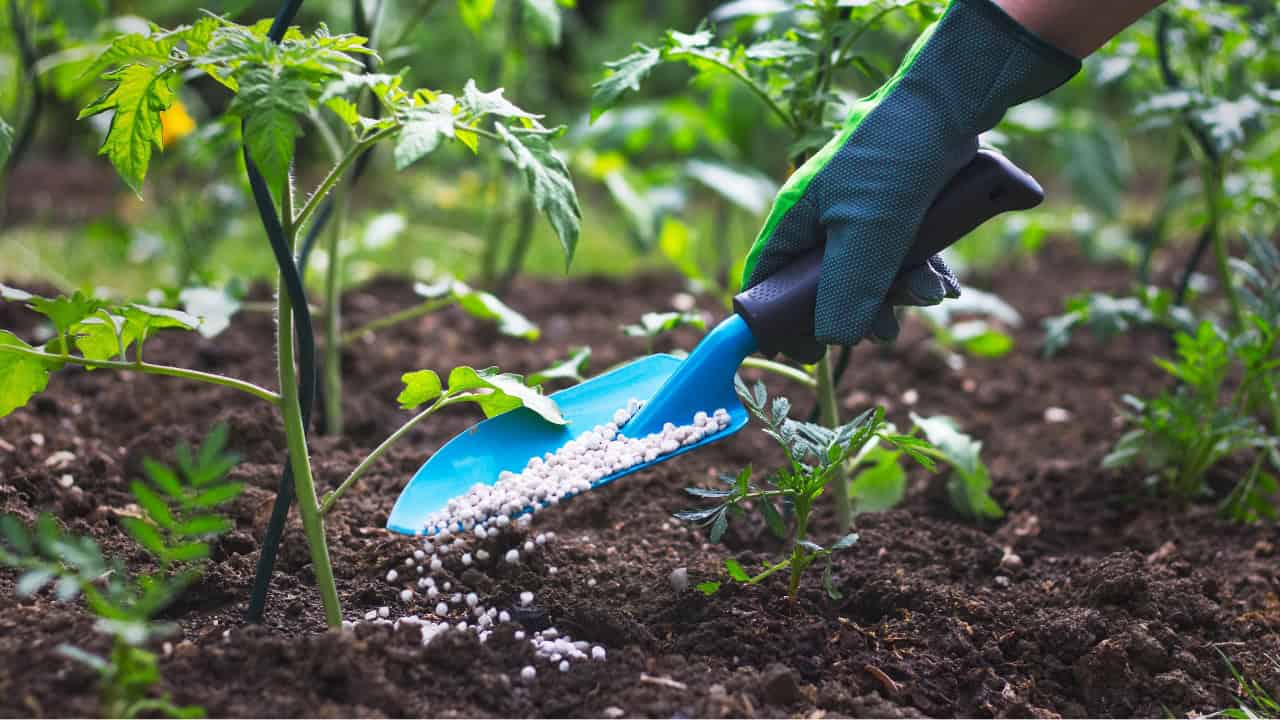
When you use too much chemical fertilizer, it can harm the tiny microbes living in your soil. These microbes are important because they help break down organic matter and keep soil healthy.
High amounts of fertilizers, especially nitrogen, make microbes use up soil carbon. This leaves less carbon to support soil life. Over time, this hurts soil quality and plant growth.
Monoculture draining specific nutrients

When you grow the same crop again and again, it uses up certain nutrients in the soil faster than they can be replaced. This can make your soil weaker over time.
Your soil might lose important minerals that the crop needs to grow well. Without these nutrients, your plants won’t be as healthy or productive.
It also makes soil less able to hold onto nutrients for future use. This means you may need to add more fertilizers, which can cause other problems.
Soil compaction from heavy machinery

When heavy machines drive over your soil, they press the particles tightly together. This reduces the space between them, making it hard for air and water to move through.
Your plants might struggle because their roots can’t grow well in compacted soil. Water drains slower, and nutrients don’t reach roots easily. Over time, this can hurt your soil’s health and lower crop yields.
Topsoil loss via erosion by wind and water

You lose the best soil when wind or water washes it away. This topsoil has most of the nutrients your plants need.
When soil is bare or dry, it is easy for wind and rain to carry it off. This makes your land less fertile and harder to grow crops.
If you don’t protect your soil, it can end up in rivers and streams. This can cause problems for water quality too.
Soil salinization from poor irrigation practices

When you water your soil too much or use salty water, salts can build up on the surface. This salt buildup harms your soil by stopping water from soaking in well.
High salt levels also make it harder for plants to grow and can kill helpful microbes in the soil. To fix this, you need to wash the salts away with plenty of clean water or scrape off salty layers when you can.
Pollution killing beneficial soil organisms
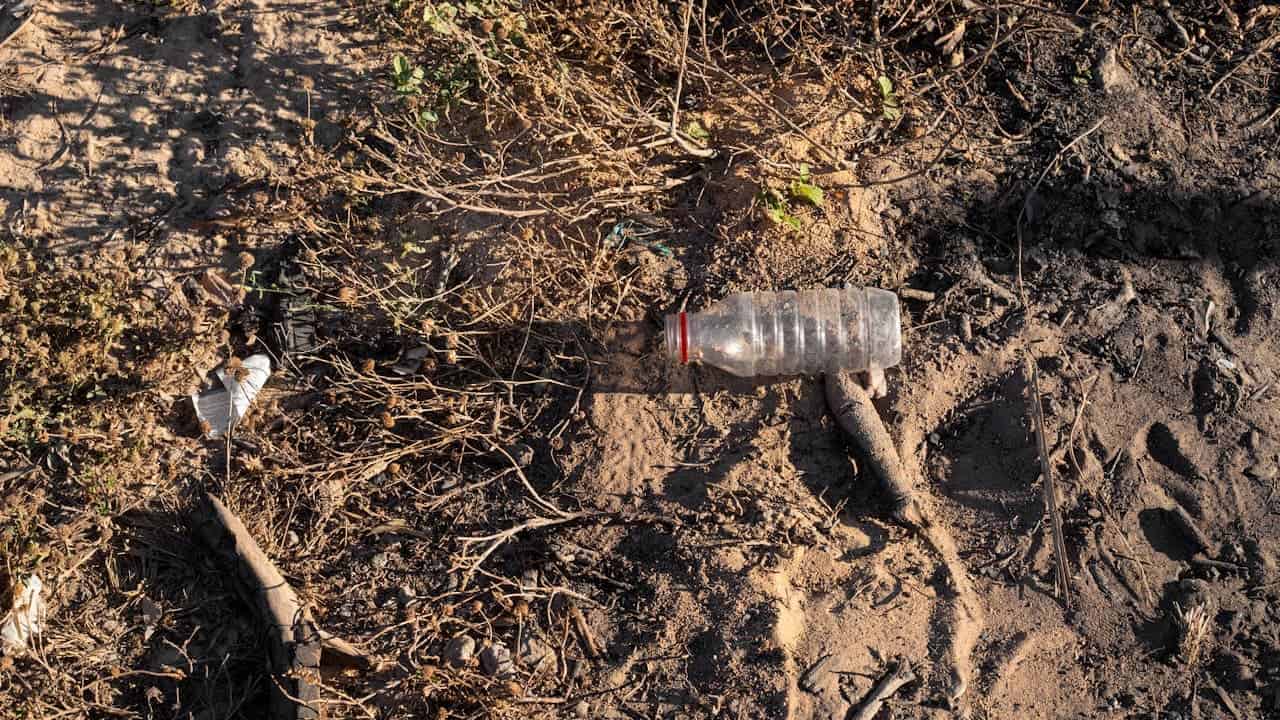
When your soil gets polluted, it harms the tiny creatures living in it. Pesticides and chemicals can kill helpful insects like earthworms and bees.
These animals are important because they keep your soil healthy and full of life. If they disappear, your soil won’t work as well.
Pollution also affects microbes that break down nutrients. Without them, your plants may struggle to grow strong.
Walking repeatedly on garden beds

When you walk on your garden beds a lot, the soil gets compacted. This makes it harder for roots to grow deep and for water to soak in.
Compacted soil holds less air, which plants need to stay healthy. Try to walk only on paths or use stepping stones to protect your soil.
Unfinished compost adding harmful pathogens

If you add compost that isn’t fully broken down, it can bring harmful germs into your soil. These pathogens might hurt your plants or even spread disease.
Unfinished compost can also tie up important nutrients because it’s still using nitrogen to decompose. This leaves less food for your plants to grow strong.
Make sure your compost is fully ready before using it to keep your soil healthy and safe.
Waterlogging reducing oxygen in soil
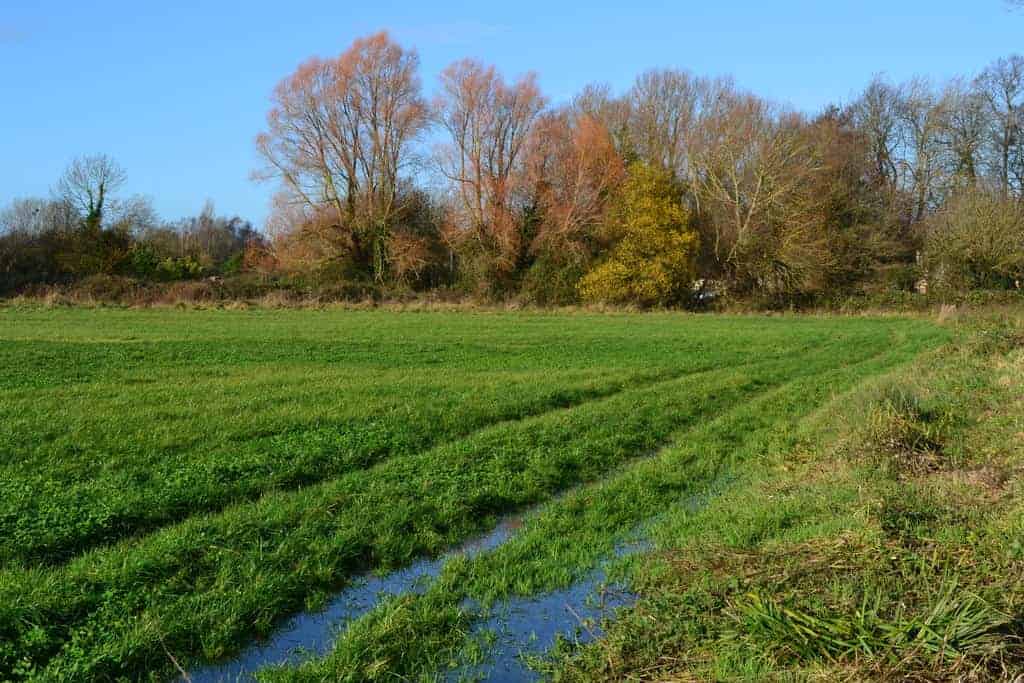
When your soil gets waterlogged, too much water fills the spaces where air usually lives. This cuts down the oxygen your plant roots need to stay healthy.
Without enough oxygen, roots can’t breathe and start to weaken or even die. This slows down plant growth and hurts your soil’s health.