Your home is your sanctuary, but it may harbor unseen hazards that can impact your health. Understanding the common household items and conditions that contribute to illness is crucial for maintaining a safe living environment. Being proactive about these concerns can help you create a cleaner, healthier space for yourself and your family.
Many everyday items you might overlook could be potential culprits in causing discomfort or illness. It’s essential to stay informed about these hidden risks and take steps to mitigate them. By recognizing the factors that could be making you sick, you can take action to improve your overall well-being at home.
Advertisement
1. Dust Mites
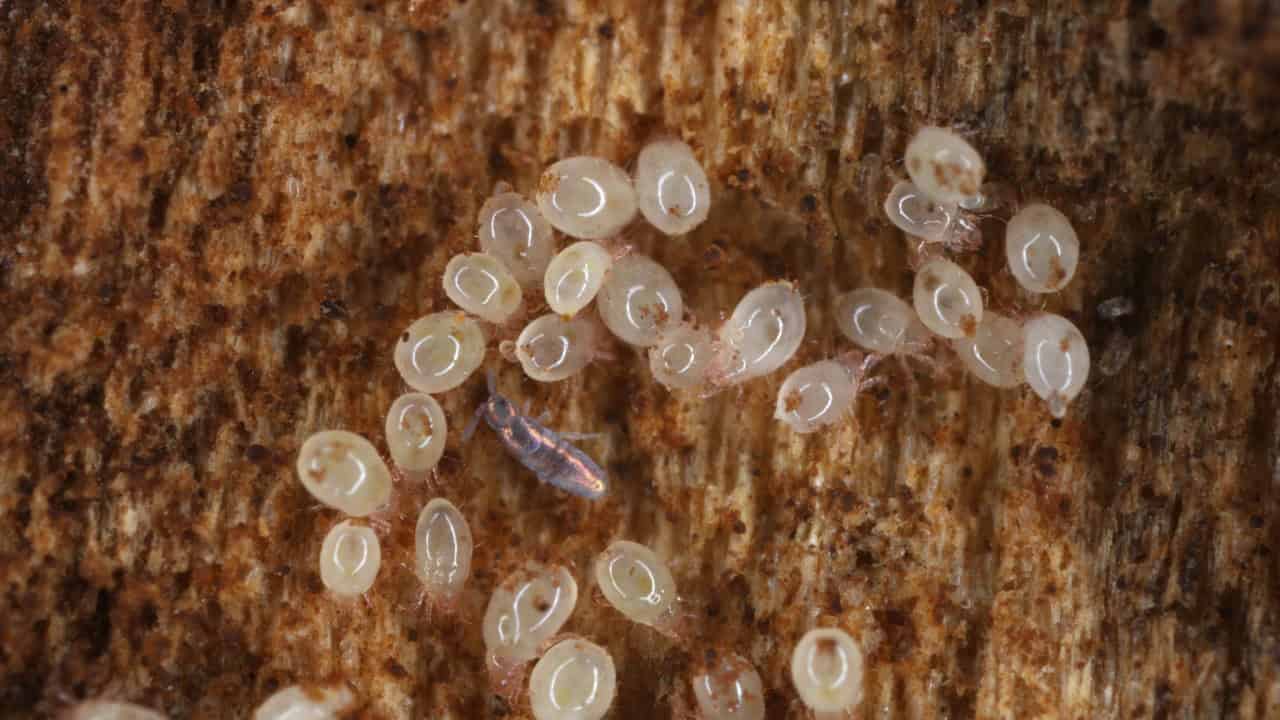
Dust mites are tiny creatures that thrive in your home. They love warm, humid environments and often make their homes in bedding, carpets, and upholstered furniture. To reduce dust mites, keep humidity levels low, ideally below 50 percent. Regularly wash your bedding in hot water to eliminate these pests.
Using allergen-proof mattress and pillow covers can also help. Vacuum your home frequently with a HEPA filter to remove dust and allergens effectively. By taking these simple steps, you can create a healthier living space for yourself.
2. Mold in Air Conditioners

Mold can thrive in air conditioning systems, especially in damp environments. If you notice a musty smell when your AC runs, it could be a sign of mold growth. Regular maintenance is crucial. Clean or replace filters frequently to prevent moisture buildup. Ensuring your system is well-ventilated can also help keep mold at bay.
Consider using a dehumidifier, particularly in humid climates. It helps maintain optimal humidity levels, reducing the chance for mold to develop. Monitoring humidity below 50% is ideal. Keeping an eye on these factors will contribute to a healthier indoor environment.
3. Pet Dander

Pet dander can be a hidden health issue in your home. It consists of tiny, microscopic flakes of skin shed by cats, dogs, and other furry animals. These flakes can trigger allergies and respiratory problems. If you’re noticing sneezing or itchy eyes, pet dander might be to blame. Regular grooming can help reduce the amount of dander in your space.
Using an air purifier designed to trap allergens can also make a significant difference. Keeping your home clean and regularly washing pet bedding can further minimize exposure to pet dander.
4. Lead Paint
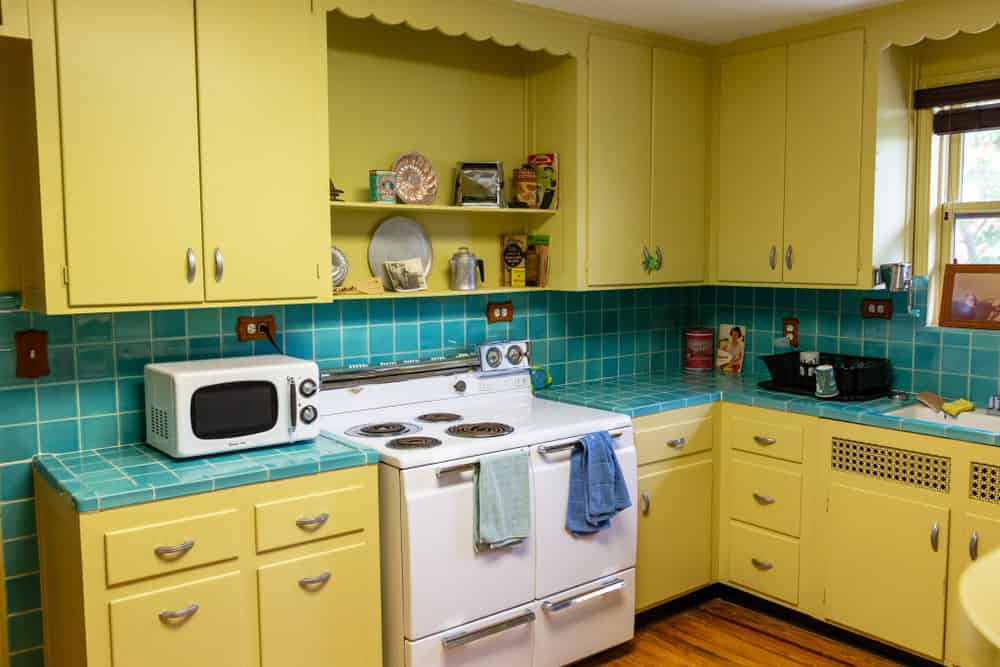
If your home was built before 1978, it may contain lead paint. Lead can be harmful, especially to young children and pregnant women. Peeling or chipping paint can release lead particles into the air. These particles can be inhaled or ingested, posing serious health risks.
It’s important to test for lead if you suspect its presence. Many hardware stores offer take-home test kits that can help you check your home’s safety. If lead is found, consult a professional for proper removal and management.
5. Asbestos
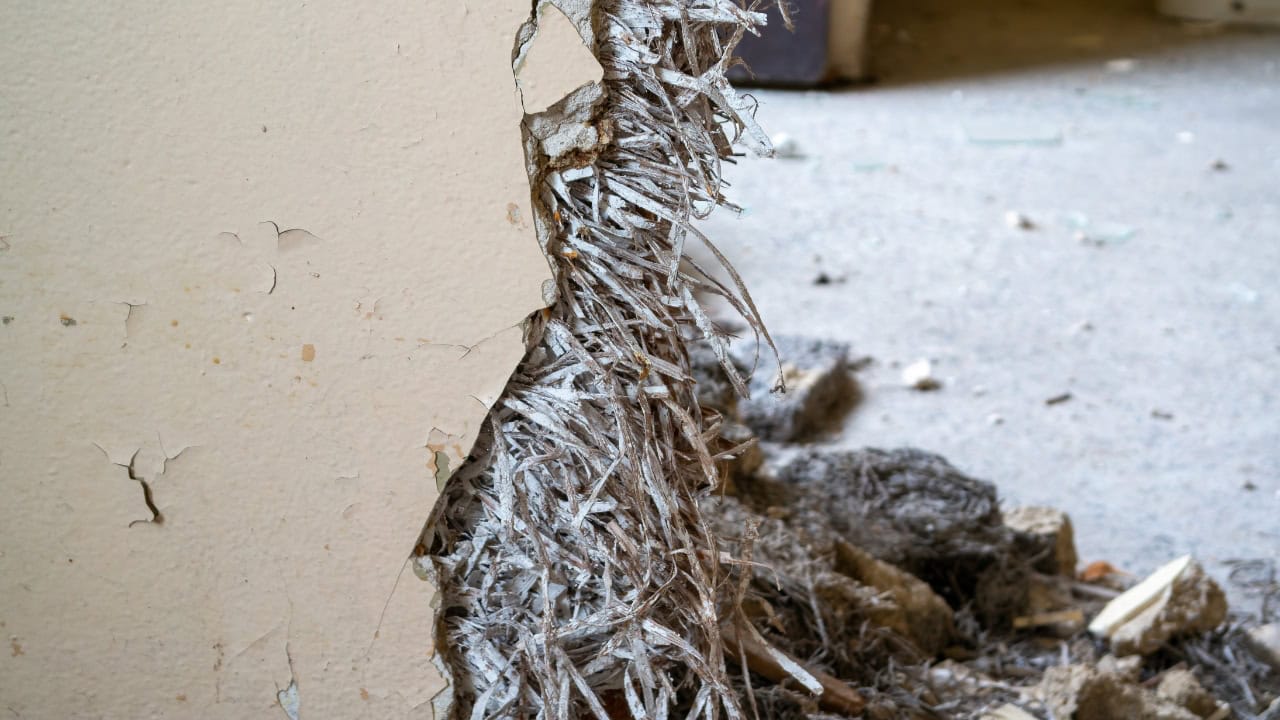
Asbestos is a material that was commonly used in older homes. It can be found in various places, including insulation, flooring, and roofing materials. If your home was built before the 1980s, there’s a chance it may contain asbestos.
When undisturbed and in good condition, asbestos is typically not dangerous. However, problems arise when it is damaged or disturbed. This can release tiny fibers into the air that you might inhale.
It’s not easy to identify asbestos. You often can’t see it, and it doesn’t cause immediate symptoms. If you suspect it may be in your home, consider having a professional inspection.
6. Carbon Monoxide
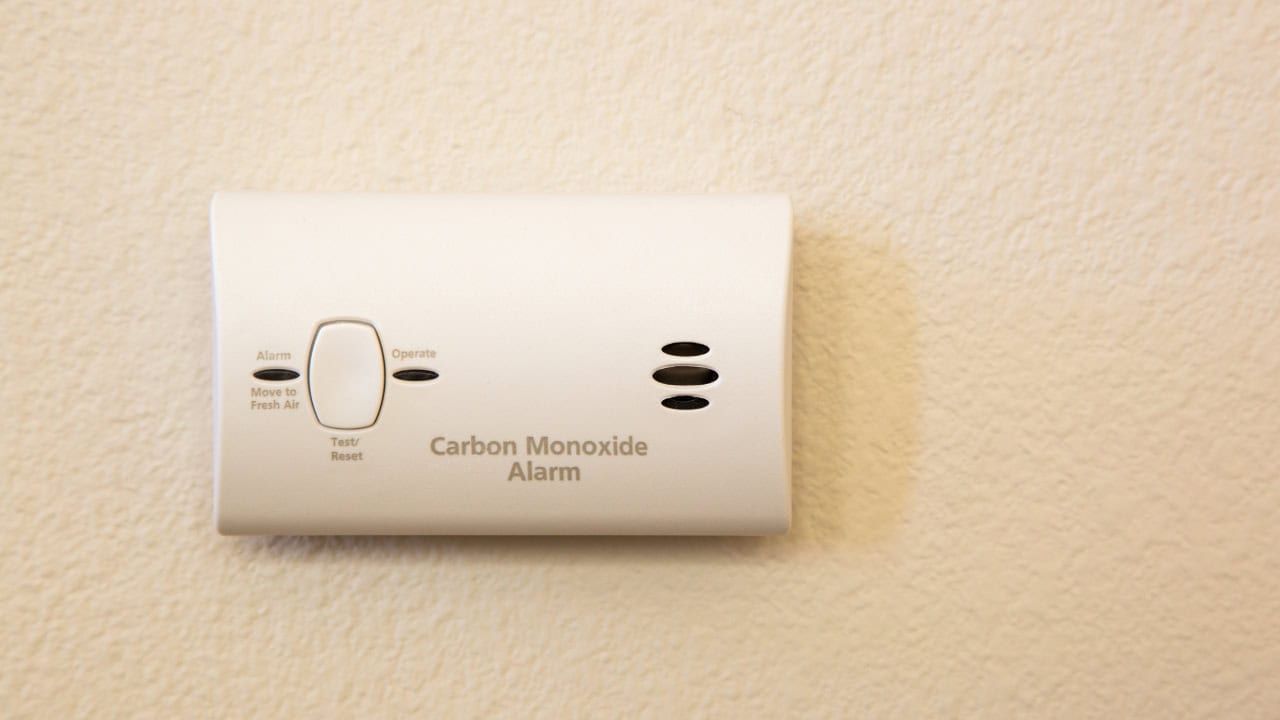
Carbon monoxide is a colorless, odorless gas that can pose serious health risks in your home. It is produced by burning fuels like gas, wood, or charcoal. You may not realize it’s present until symptoms appear. These can include headaches, dizziness, and confusion.
To keep your home safe, install carbon monoxide detectors in key areas. Regularly check these detectors to ensure they are functioning properly. Ventilation is also important. Make sure your appliances are vented correctly to avoid carbon monoxide buildup.
7. Chemical Cleaning Products
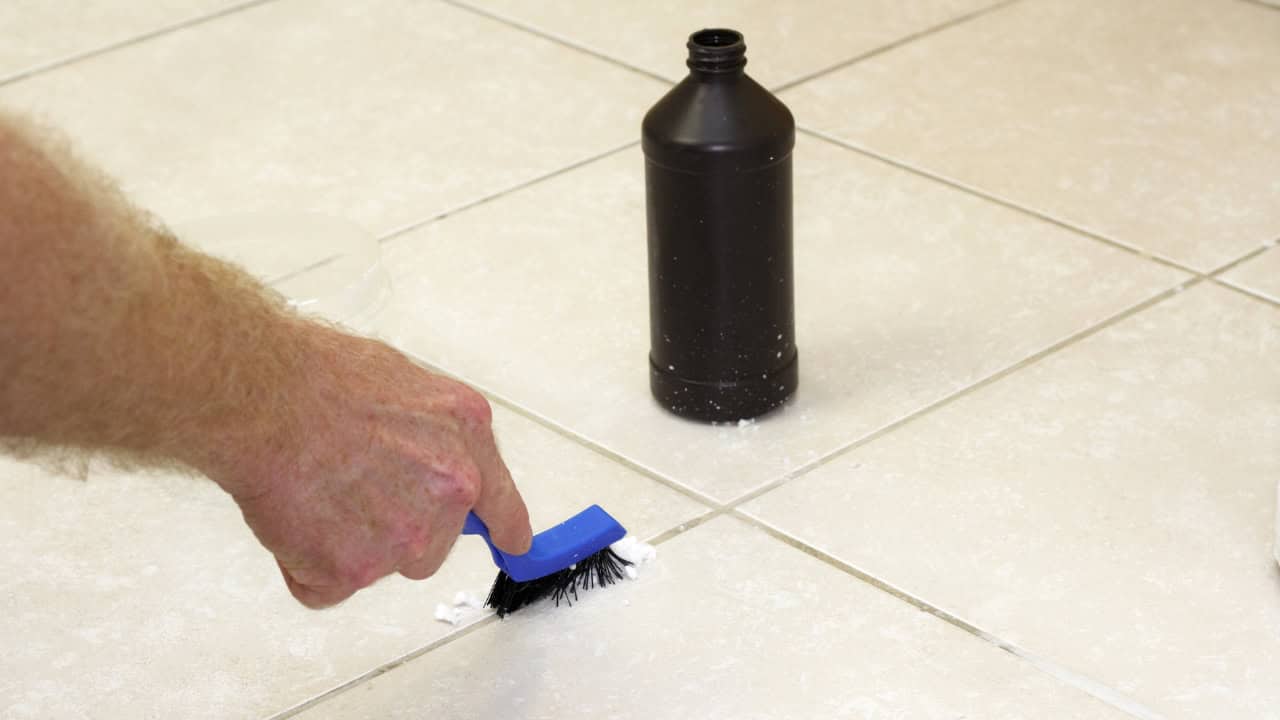
Many cleaning products in your home contain harmful chemicals. These substances can lead to respiratory issues and skin irritations. Common ingredients include formaldehyde and ammonia. Exposure can occur through inhalation or skin contact.
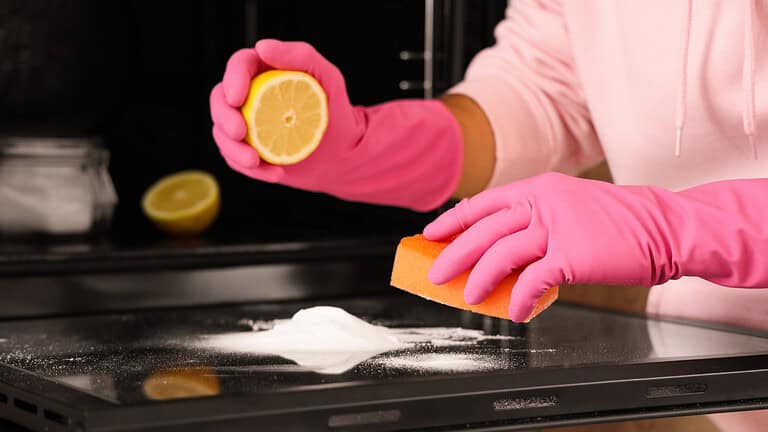
Consider switching to natural alternatives. Baking soda, vinegar, and essential oils can be effective and safer options for cleaning. Always read labels carefully. Being informed helps you choose products that are less likely to harm your health.
8. Dirty Carpets
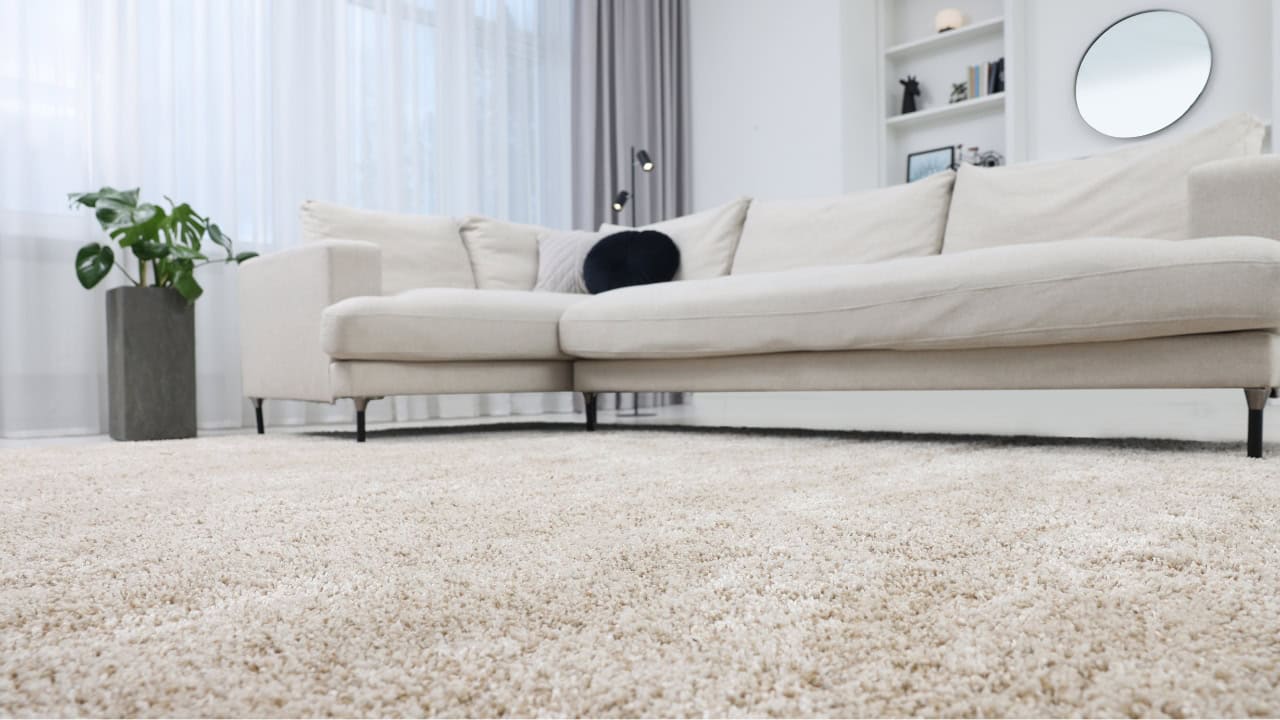
Dirty carpets can be more than just an eyesore. They often trap dust, allergens, and bacteria, affecting your indoor air quality. When you walk on your carpet, these particles can easily become airborne, leading to respiratory issues and allergies.
Regular cleaning is essential to keep your carpets healthy. Consider vacuuming frequently and scheduling professional cleanings to remove deep-set dirt and allergens. Taking these steps can help create a healthier environment for you and your family.
9. Non-Ventilated Gas Stoves
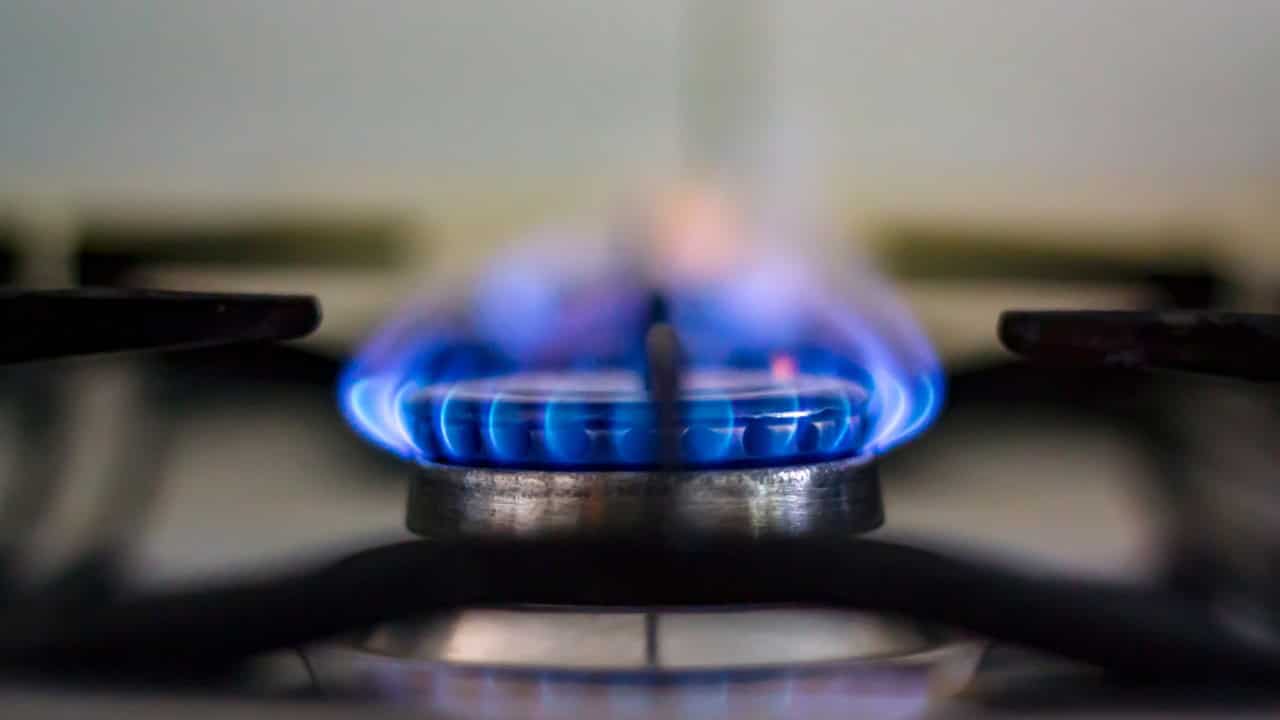
Non-ventilated gas stoves can contribute to poor indoor air quality in your home. When used without proper ventilation, these stoves release pollutants that can linger in your kitchen and affect your health.
It’s important to ensure that your kitchen is well-ventilated while cooking. Opening windows and doors can help circulate fresh air and reduce harmful emissions.
Studies indicate that homes using gas stoves may have indoor air that is significantly more polluted than outdoor air. Implementing simple ventilation strategies can help keep your cooking space healthier.
10. Tobacco Smoke Residue
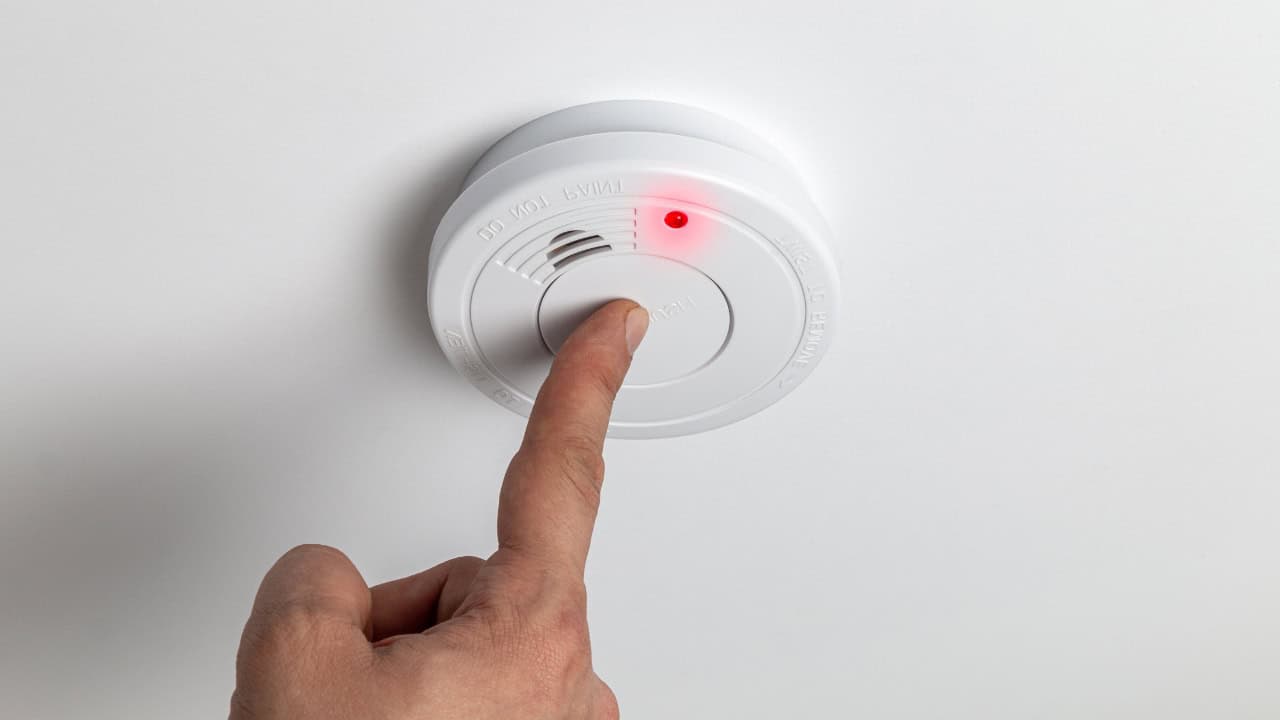
Tobacco smoke leaves behind harmful residue known as thirdhand smoke. This residue clings to surfaces like walls, carpets, and furniture. Even after smoking has stopped, these toxins can linger in your home.
If you have smokers in your household, consider the potential risks. Children and pets are particularly vulnerable to the harmful effects of this residue. Traditional cleaning methods may not fully remove these toxins.
To protect your health, it’s best to create a smoke-free environment. You can take steps to ensure your home is a safe place for everyone.
*This article was created with the help of AI.