Starting a perennial garden can be exciting, but it often comes with surprises you might not expect. Many gardeners look back wishing they had known certain tips before planting, which could have saved time and effort.
Understanding what to expect and how to prepare can make your gardening experience smoother and more enjoyable. In this article, you’ll learn practical insights that can help you grow healthy perennials with less frustration.
Advertisement
Understand your hardiness zone to choose perennials that will thrive
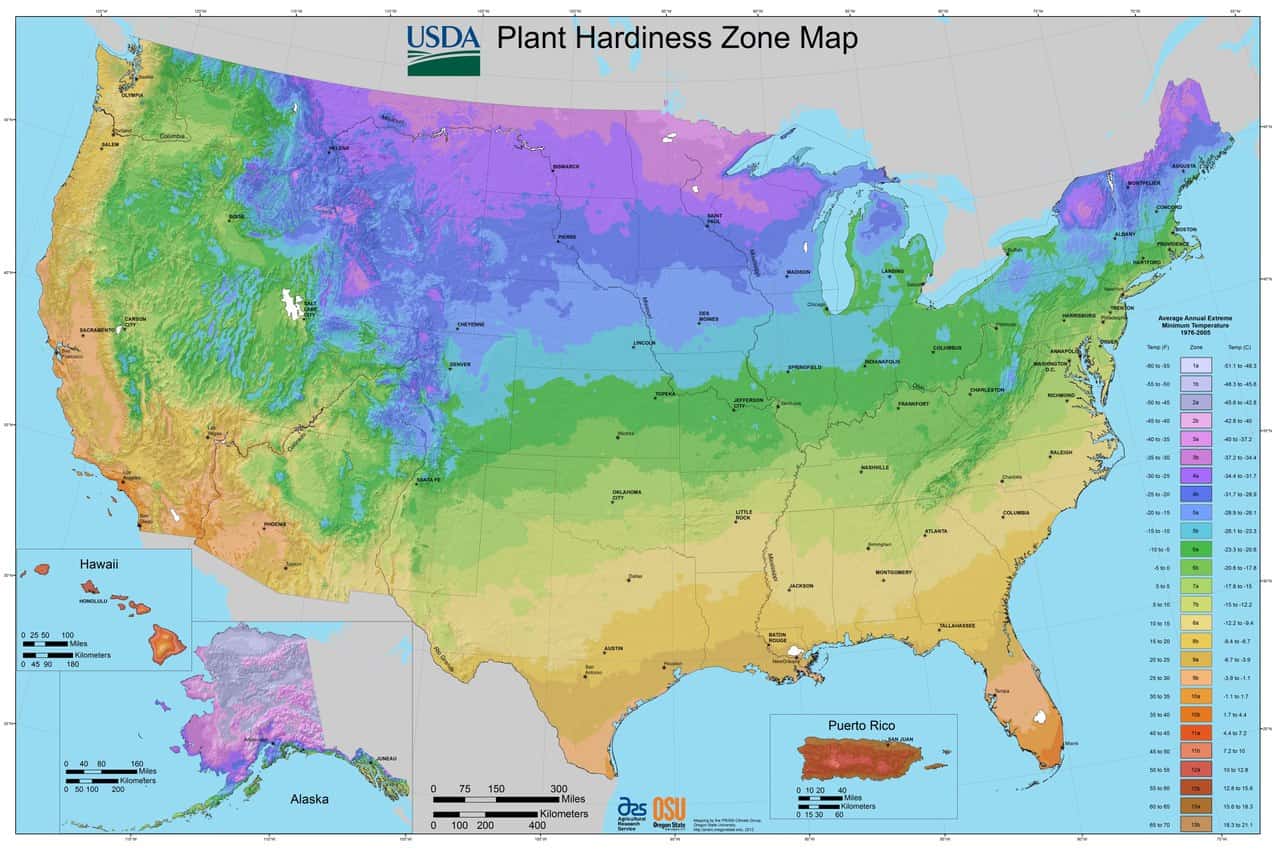
Knowing your hardiness zone helps you select plants that can survive your area’s specific climate. This reduces the risk of planting perennials that may not handle your winters or summers.
You can find your zone on a USDA or local gardening map. Choosing plants suited to your zone gives you a better chance of healthy growth and long-lasting blooms.
Plant perennials in spring or fall for best establishment
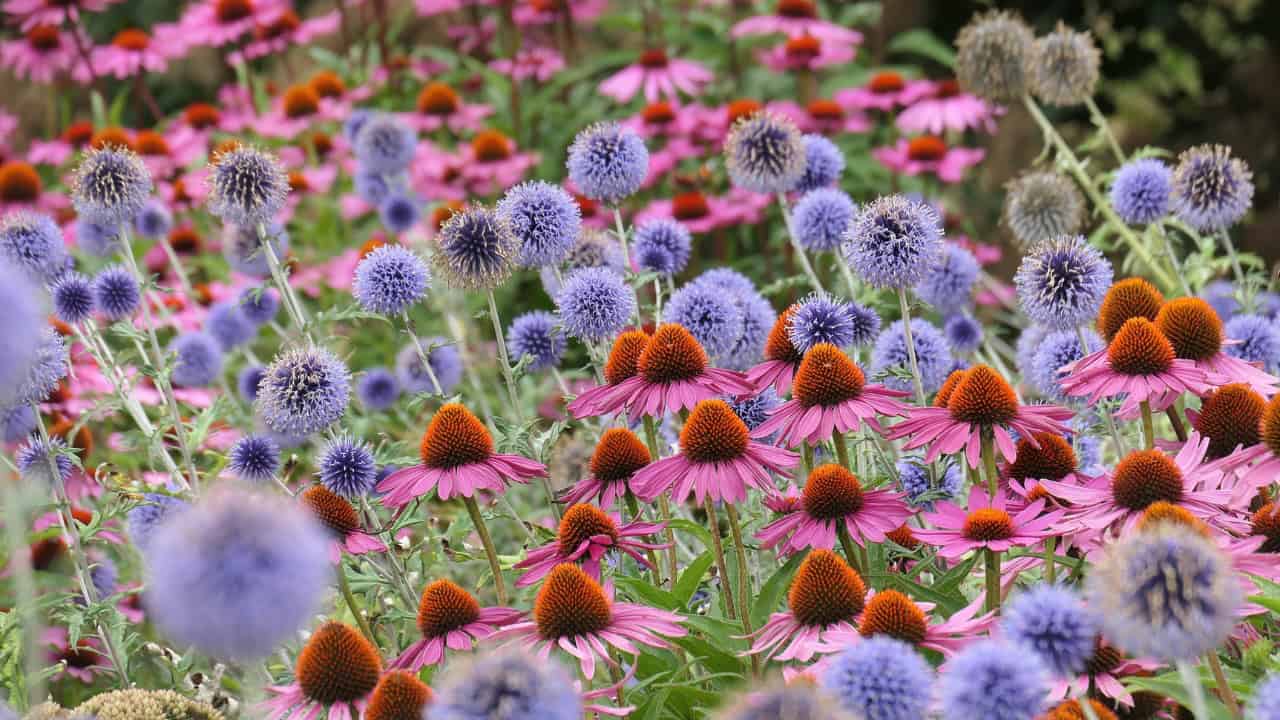
You’ll get the best results planting perennials in spring or fall. These seasons offer mild temperatures and adequate moisture, helping roots spread well before extreme weather.
Avoid planting in the heat of summer. Your perennials might struggle to establish and need extra watering. Timing your planting right gives your garden a stronger start and makes caring for your plants easier.
Prepare soil well by adding compost for healthy roots

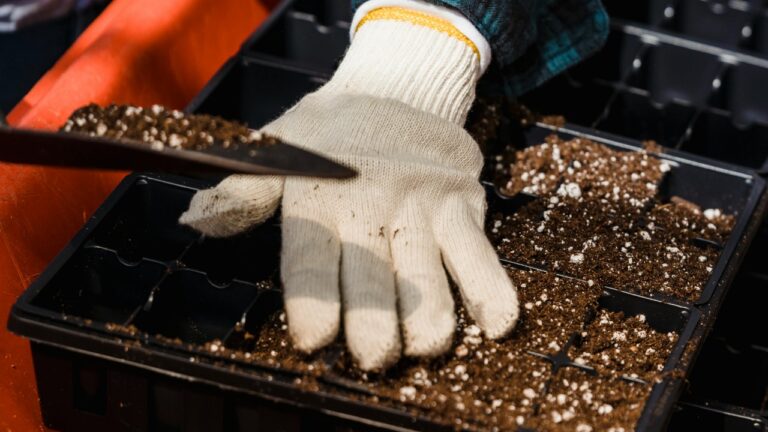
You want your perennials to develop strong roots, and good soil is key. Adding compost improves soil structure and increases nutrients.
Compost helps hold moisture and encourages beneficial microbes that support root growth. Avoid using fresh wood chips or sawdust directly, as they can take nutrients from the soil. Mix compost into the top layers of your garden bed before planting to give your perennials the best start.
Start with just a few varieties to manage your garden easily

You’ll find it much simpler to care for your garden when you begin with just a few perennial varieties. This lets you learn each plant’s needs without feeling overwhelmed.
Focusing on fewer plants helps you track their growth and health more closely. It also makes watering, feeding, and pest control more manageable for you.
Choose native perennials for easier maintenance and better growth

Choosing native perennials makes your garden easier to care for. These plants are naturally adapted to your local soil, climate, and pests.
You won’t need to water or fertilize them as much, saving you time and effort. Plus, native plants support local wildlife, like pollinators, which helps keep your garden healthy.
Group plants with similar water needs together

When you group perennials with similar watering needs, caring for them becomes simpler. You can water each group based on its specific requirements without wasting water or risking overwatering.
This approach helps your plants stay healthier and saves you time. Plus, it makes your garden more efficient and sustainable.
Avoid overcrowding plants to reduce disease risk

You should give your perennials enough space to grow. Crowding plants can trap moisture, creating a perfect environment for diseases.
By spacing plants properly, you help air circulate around them. This reduces the chance of fungal infections and keeps your garden healthier. Remember, a little extra room means your plants won’t compete too much for nutrients and sunlight either.
Document your garden progress for future improvements

Keeping a garden journal helps you track what you planted, when, and where. You can note how different perennials perform through seasons.
This makes it easier to adjust your plans year to year. You’ll learn which spots get the best sun and how pests affect your plants. Recording successes and challenges helps you make smarter choices next time. It’s a simple habit that improves your garden’s health over time.
Don’t be afraid to use balanced fertilizer for growth support
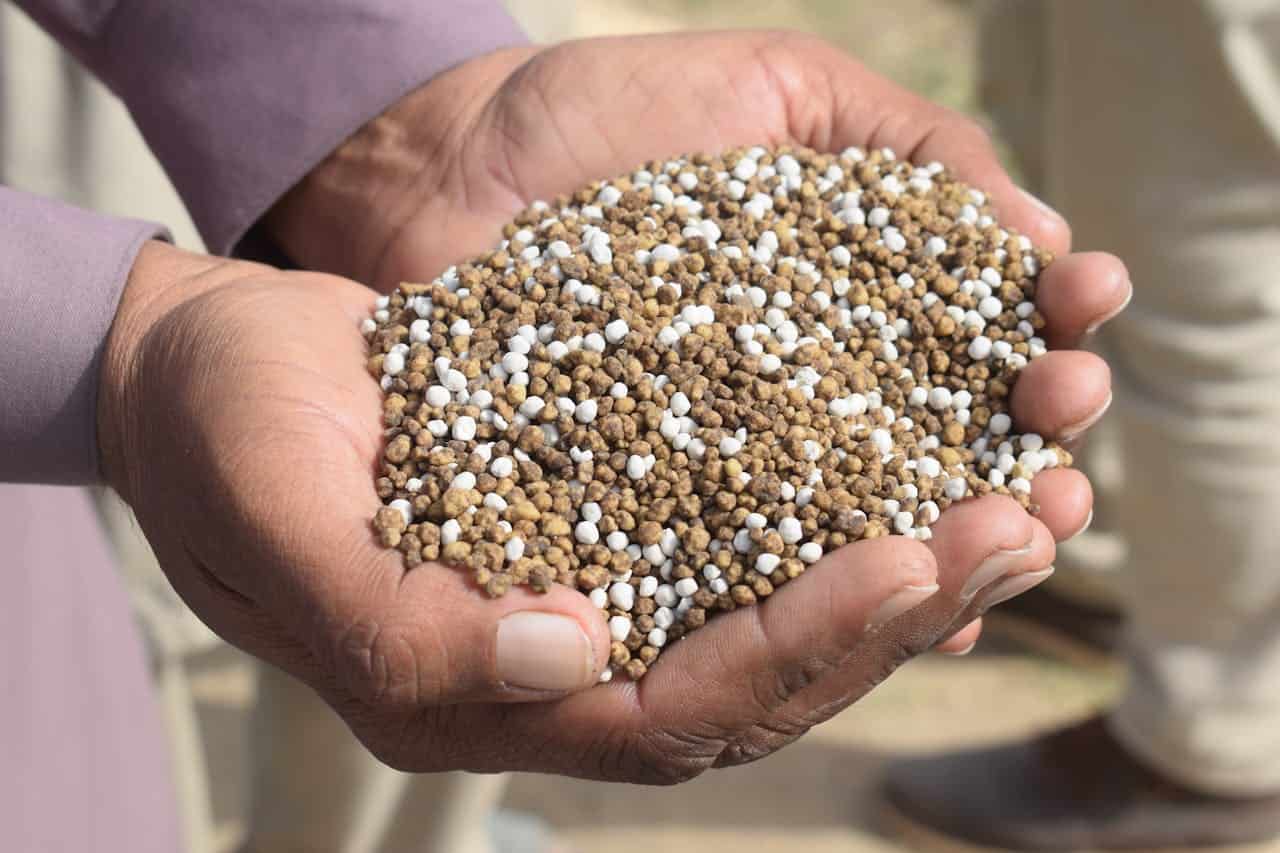
You can help your perennials thrive by using a balanced fertilizer, like a 10-10-10 formula. It provides equal amounts of nitrogen, phosphorus, and potassium, which support healthy roots, leaves, and blooms.
Apply it carefully and avoid over-fertilizing. Too much fertilizer can cause leggy growth that falls over. A light, steady feeding is usually enough to keep your plants strong.
Be patient; perennials take time to establish and bloom
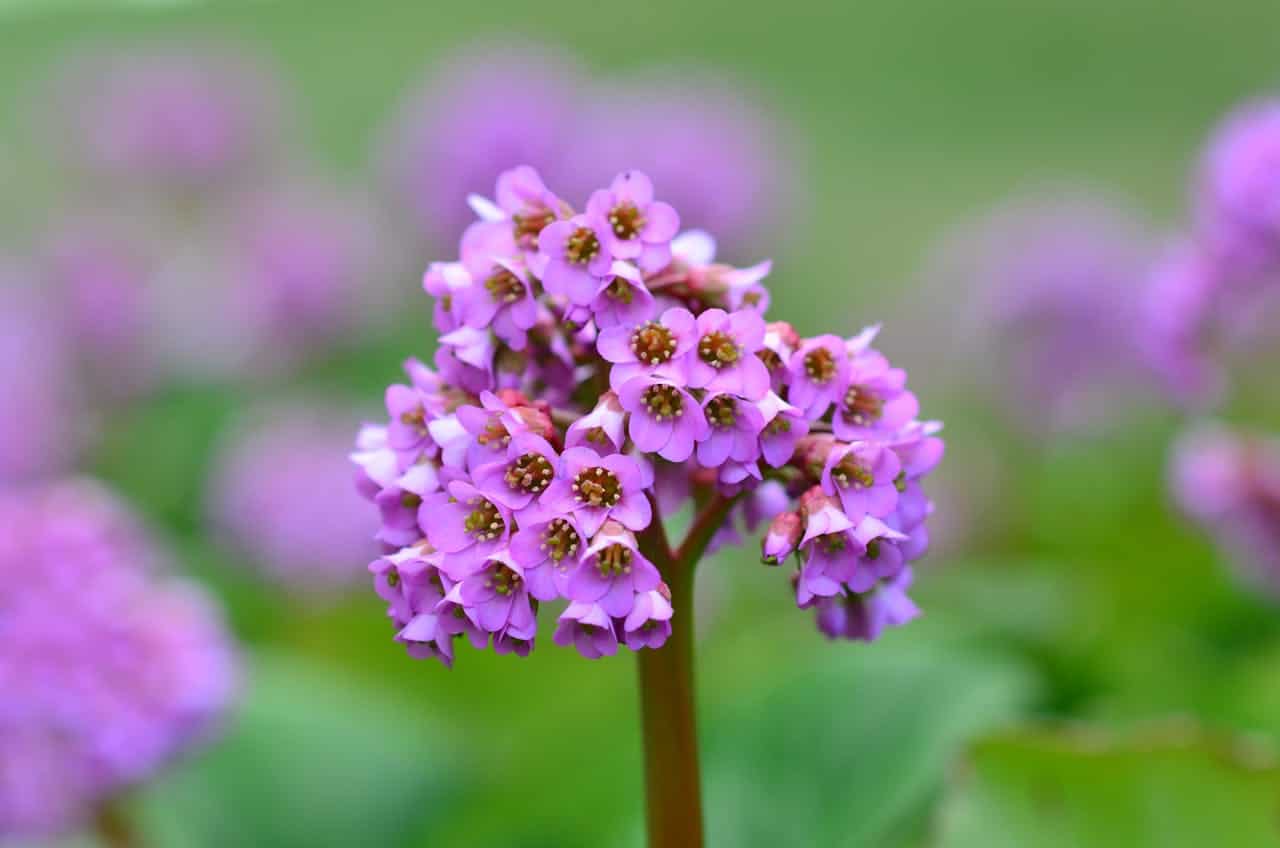
You won’t see full growth or blooms right away. Most perennials need at least one growing season to settle in.
Giving them time to develop roots helps ensure stronger plants later. Patience will pay off when your garden fills out over time. Don’t rush with heavy pruning or too much fertilizer early on. Let your perennials grow at their own pace for the best results.