If you’ve been tending to your garden lately, you may have noticed that the world of gardening is evolving at a pace like never before. Climate change, advances in technology, and a heightened awareness of sustainability are driving changes in the way we cultivate our green spaces.
In this dynamic context, it’s more important than ever to stay abreast of the latest trends and best practices. In this post, we’ll look at 10 key ways that gardening is changing in 2025, offering insight into how you can adapt and thrive in this new gardening landscape.
Advertisement
1. Smart Irrigation

As water scarcity becomes a global concern, gardeners are increasingly resorting to smart irrigation systems. These systems use data from sensors, weather forecasts and plant-care databases to water plants just as much as they need and at the optimal time of day. This not only saves water but also promotes healthier plant growth. For example, the Rachio 3 Smart Sprinkler Controller can adjust watering based on local weather conditions and can be controlled via an app.
2. Vertical Gardening
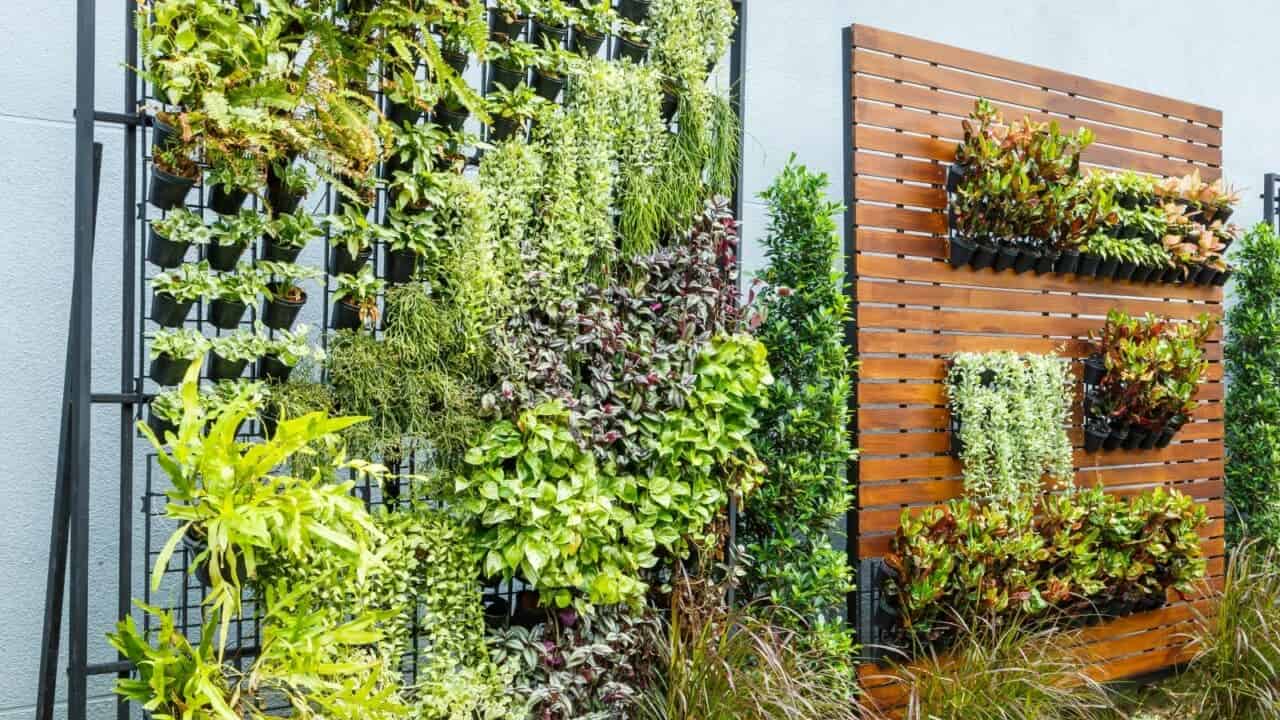
With urbanization and limited outdoor space being the norm, indoor vertical gardening is gaining popularity. This method makes use of vertical space to grow plants on walls or stands, often incorporating hydroponics (more on that later). IKEA’s Krydda/Växer series, for instance, allows you to grow lettuce and herbs right in your kitchen.
3. Hydroponics and Aquaponics

Traditional soil gardening is giving way to water-based gardening methods like hydroponics and aquaponics. These techniques allow for faster plant growth, less water usage, and year-round indoor gardening. Companies like AeroGarden offer a range of hydroponic gardening systems that can fit on your countertop.
4. Native Plant Gardening
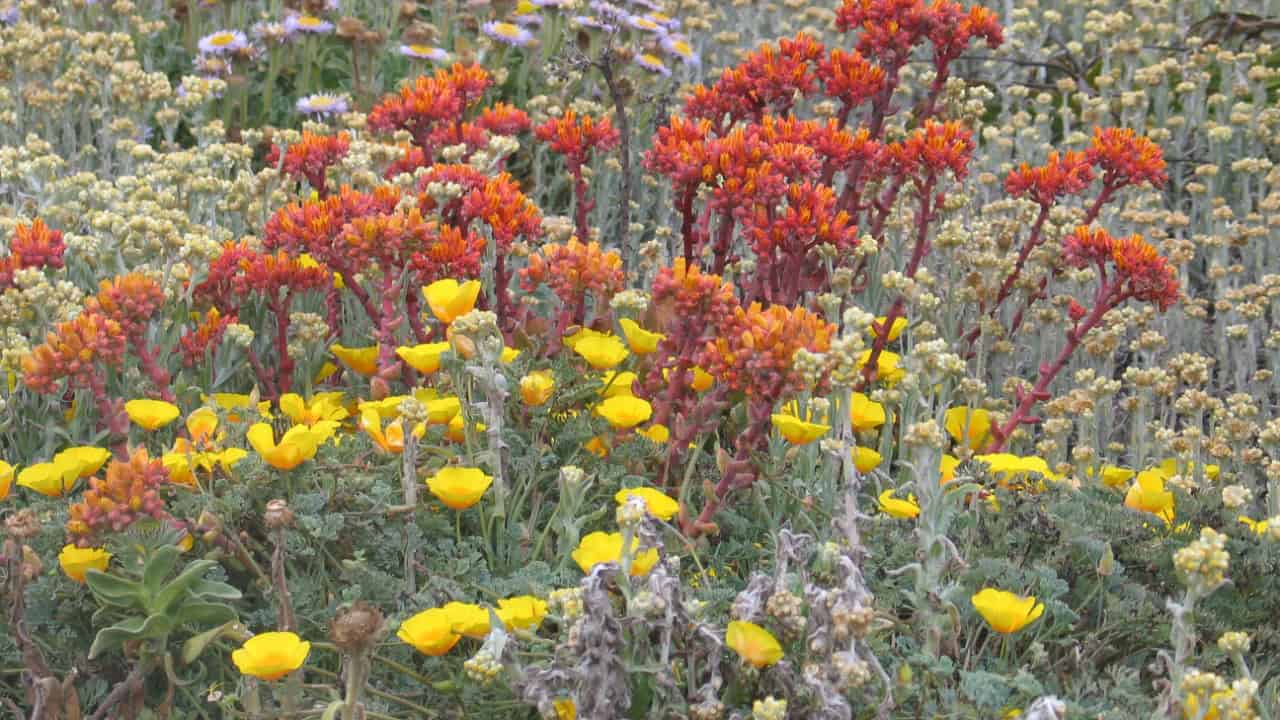
As gardeners become more eco-conscious, they’re turning to native plants. These plants are adapted to local conditions, require less water and care, and support local wildlife. Native Plant Finder, a web tool by the National Wildlife Federation, can help you find plants suited for your local ecosystem.
5. Robotic Gardeners

If you dread the tedious parts of gardening, you’ll love robotic gardeners. These devices can weed, sow seeds, and even harvest plants. The Tertill Weeding Robot, for example, can take care of weeding for you.
6. Climate Change Adaptation

Climate change is forcing gardeners to adapt. This includes choosing heat-tolerant plants, changing planting times, and using mulch to conserve water. The USDA Plant Hardiness Zone Map can help you select plants that will thrive in your changing climate zone.
7. Companion Planting

Gardeners are increasingly turning to companion planting – the practice of planting different crops in proximity for pest control, pollination, and providing habitat for beneficial insects. For instance, planting marigolds near tomatoes can help deter nematodes.
8. Composting and Soil Health
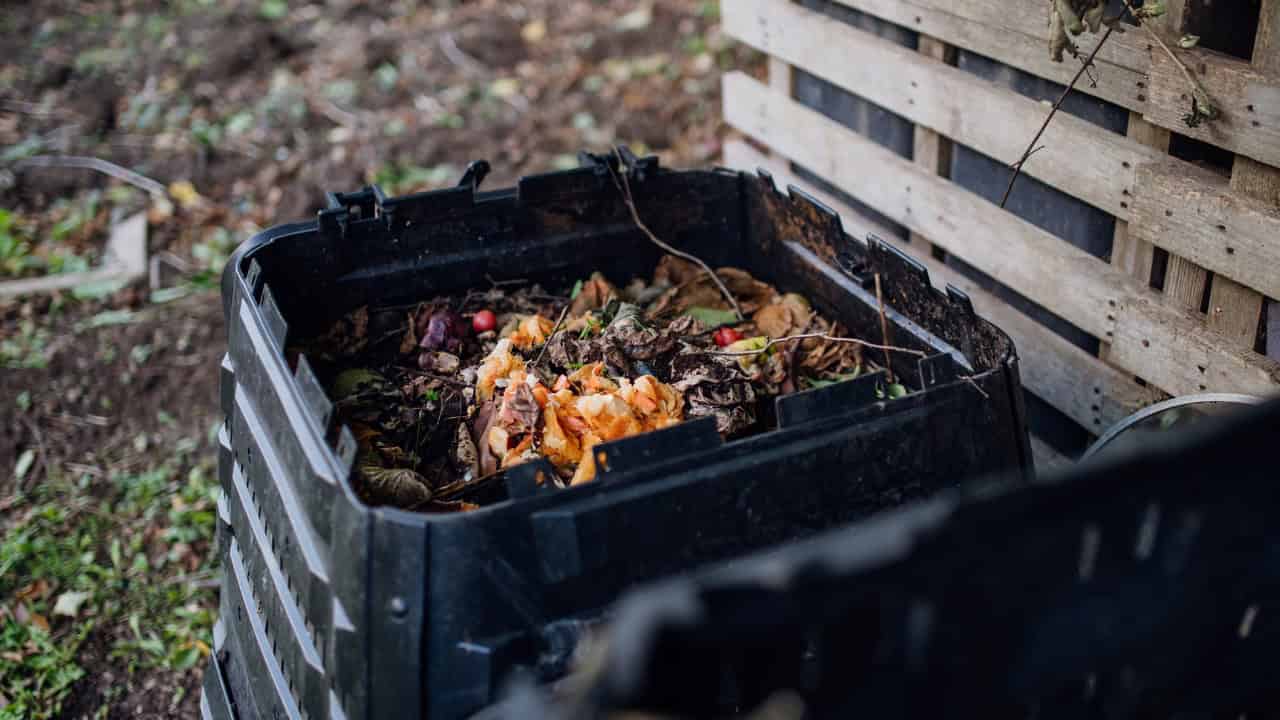
Composting kitchen scraps and yard waste to enrich soil health is becoming a must-do for gardeners. This reduces waste and supports healthier plant growth. The EPA offers a comprehensive guide on composting at home.
9. Bee-Friendly Gardens
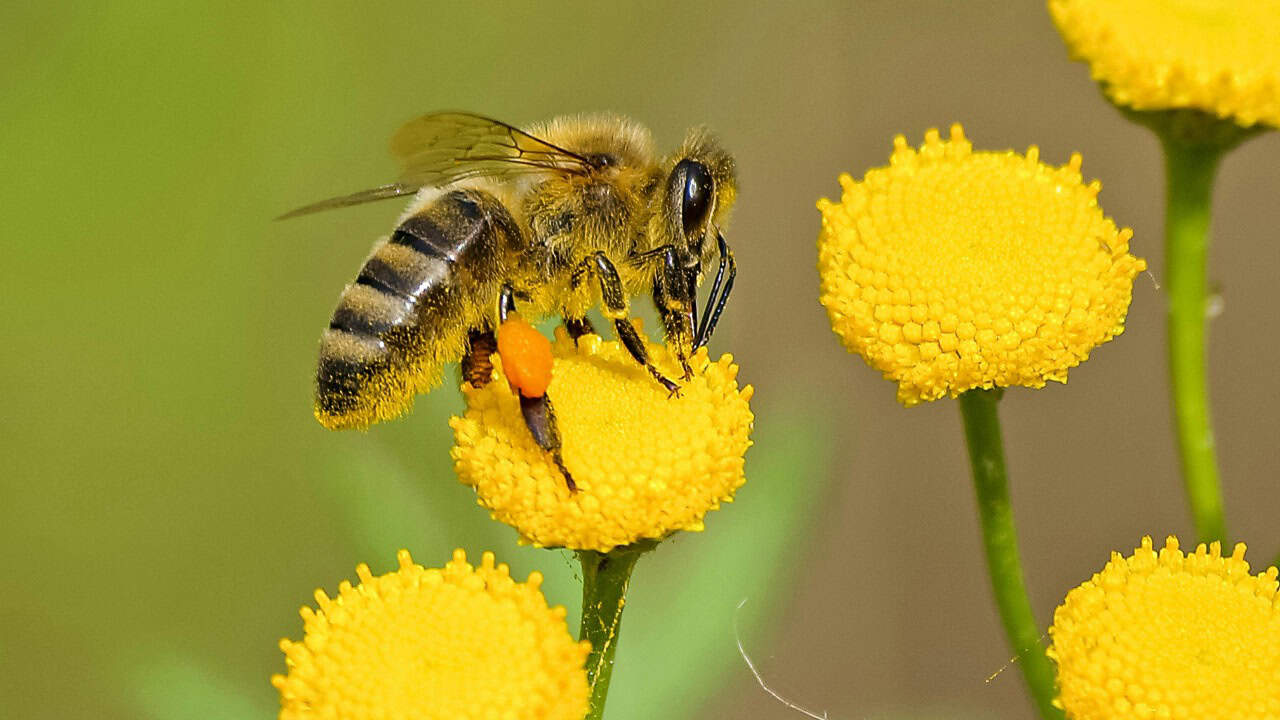
With the decline of pollinators like bees, gardeners are creating bee-friendly gardens. This involves planting native flowers, providing fresh water, and avoiding pesticides. The Honeybee Conservancy offers great resources for creating a bee-friendly habitat.
Gardening in 2025 might seem a bit different, but one thing remains the same: the joy of cultivating your own piece of earth. So embrace these new trends and happy gardening!