When it comes to creating a beautiful and functional home, interior designers have a wealth of knowledge about what works and what doesn’t. They combine their training and experience to develop spaces that reflect their clients’ tastes while also adhering to practical design principles. You might be surprised to learn that there are certain items and design choices that even the most skilled designers would avoid in their own homes.
Understanding the preferences of professional designers can inspire you to make more informed decisions in your own living space. By examining the ten elements that designers steer clear of, you can refine your style and create an environment that is both visually appealing and comfortable. Embracing these insights may help you avoid common pitfalls that can detract from your home’s overall aesthetic.
Advertisement
1. Harsh Overhead Lighting
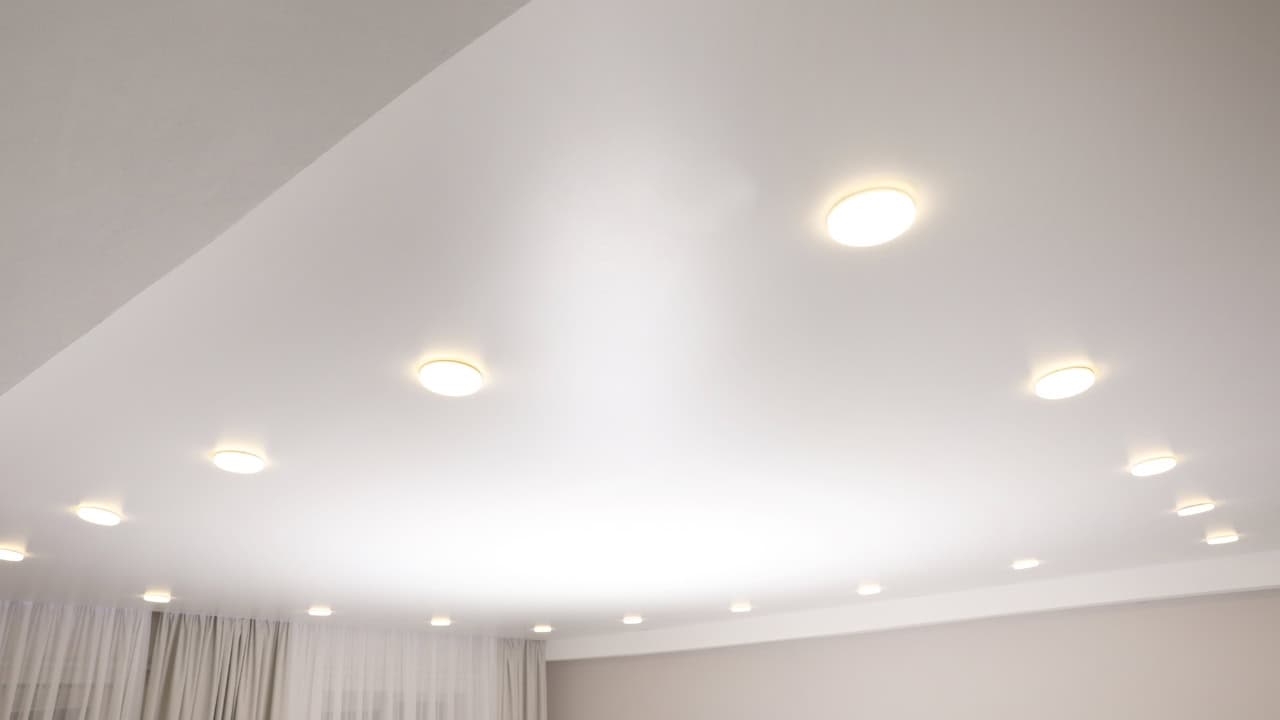
Harsh overhead lighting can really change the vibe of your space. It often creates a stark, uninviting atmosphere that can feel cold and unwelcoming.
Instead of relying solely on bright ceiling lights, consider layering your lighting. Use softer, ambient options like floor lamps or wall sconces to create a warmer feel.
This approach helps highlight your home’s best features while keeping the overall ambiance cozy and inviting. You deserve a comfortable home where you can truly relax.
2. Matching Furniture Sets
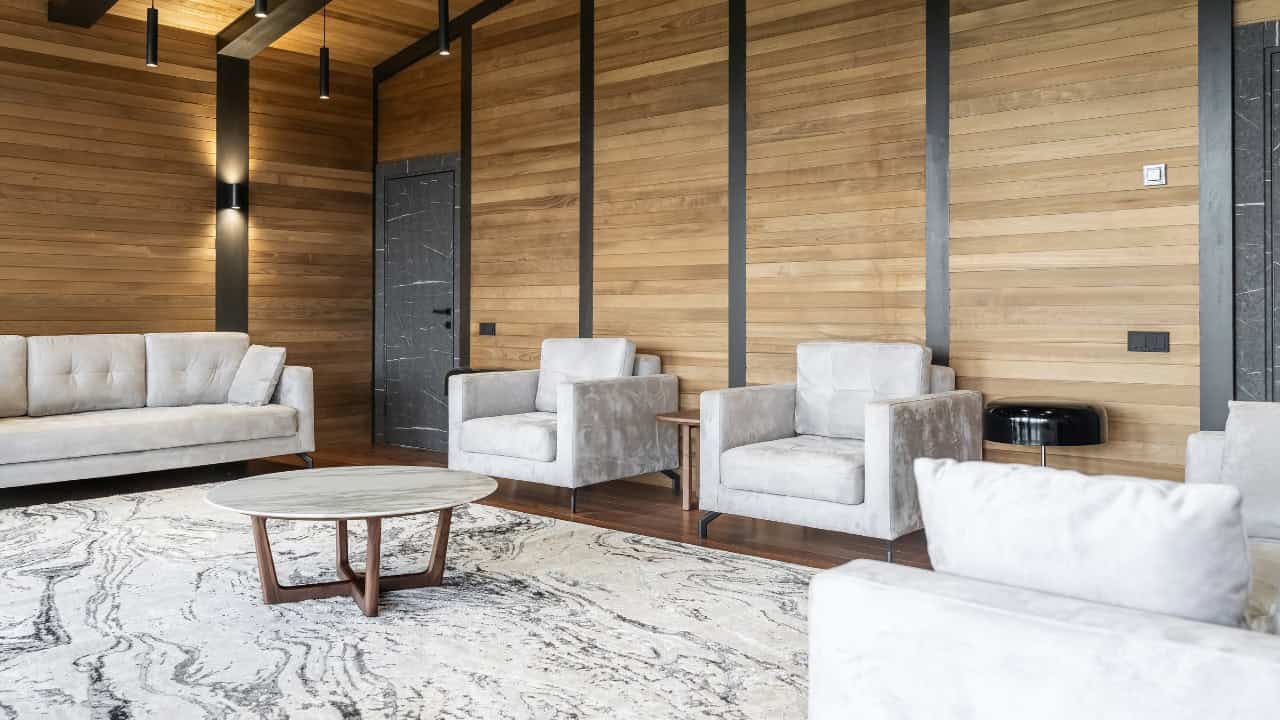
Many interior designers advise against using matching furniture sets in your home. While they may seem convenient, these sets can make your space feel generic.
Mixing and matching different pieces allows for more personality and charm. You can create a unique look that reflects your style.
Think about incorporating varied textures and colors. This approach can make your home feel more inviting and lived-in. Embrace individuality in your furniture choices!
3. Posters and Fake Plants
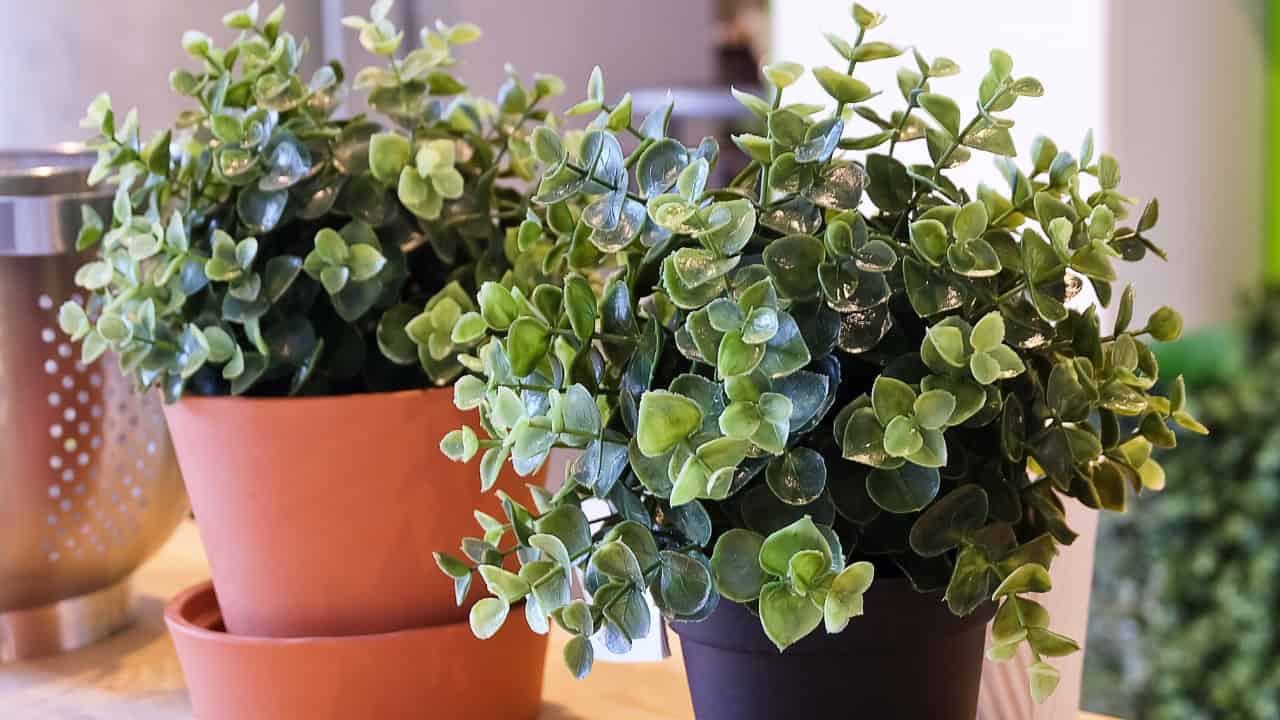
When it comes to decorating your home, think carefully about posters and fake plants. Many interior designers avoid these items because they can make a space feel less authentic.
Posters often lack personality and can overpower a room’s style. Instead, consider art that reflects your taste.
Fake plants are another common choice, but they tend to collect dust and don’t bring the vibrancy of real greenery. Opt for low-maintenance plants that can breathe life into your home.
4. Mason Jars as Decor
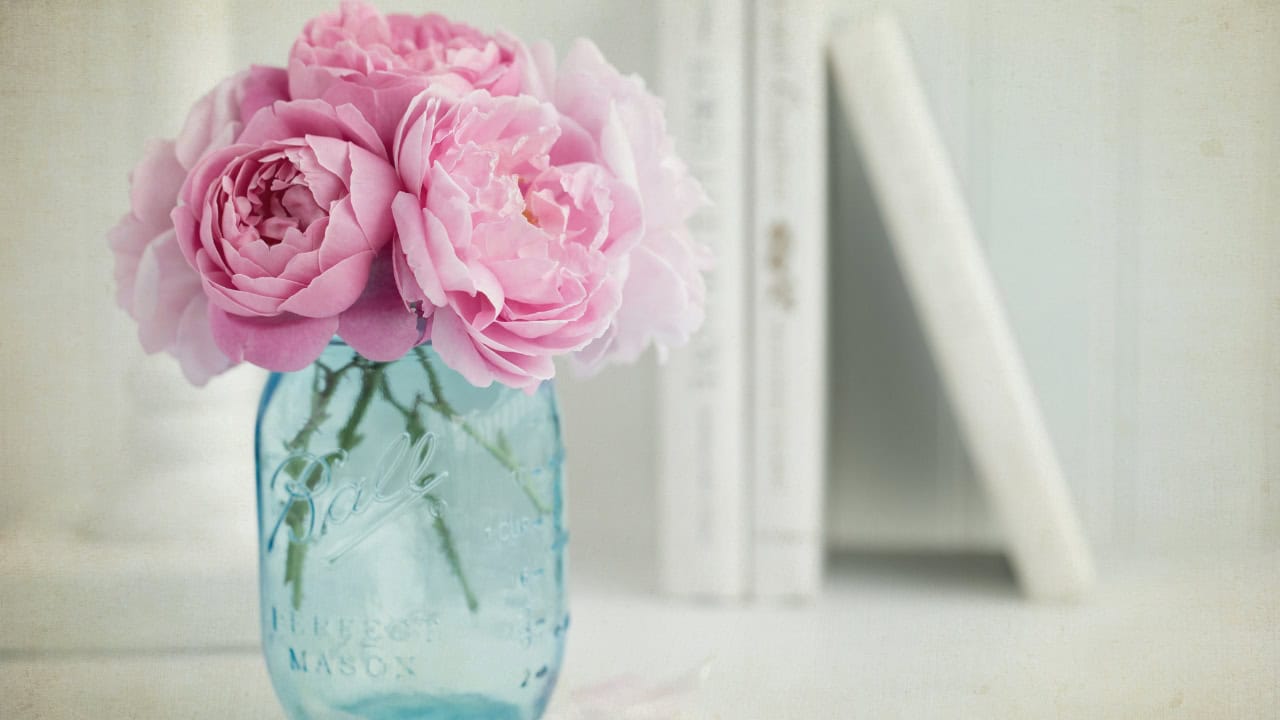
Mason jars can seem like a charming decor option, but they can quickly become overused and impair your design. Many interior designers recommend against using them as prominent features in your home.
While they can serve various practical purposes, the trend may make your space feel cluttered. Instead, consider more refined vessel options to elevate your styling.
If you appreciate the rustic aesthetic, balance the jars with sleek designs or curated collections. This way, you can incorporate a bit of charm without overwhelming your space.
5. Unorganized Clothing Racks
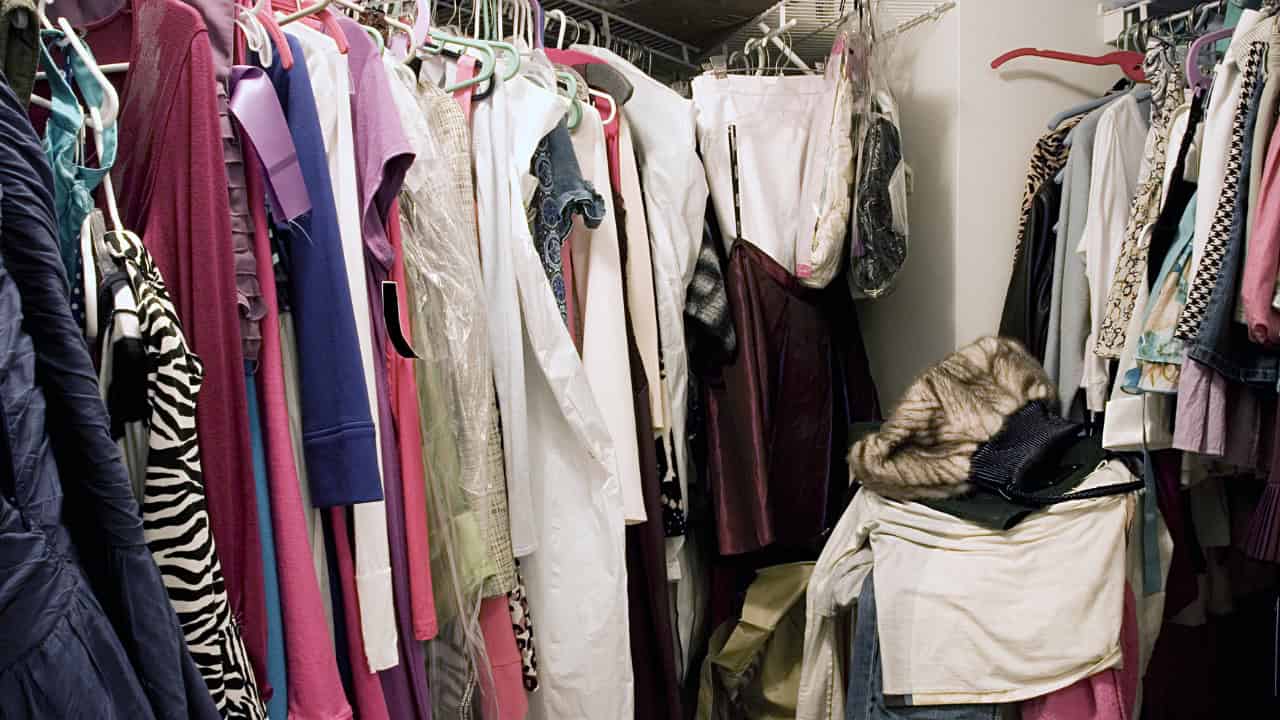
Unorganized clothing racks can create chaos in your space. They often lead to frustration when you’re trying to find something to wear.
An interior designer would avoid this clutter. Instead, a well-organized rack allows for easy access to your clothes and showcases your personal style.
Using matching hangers and arranging items by color or type adds to the aesthetic appeal. This approach not only keeps your space tidy but also makes getting dressed a more enjoyable experience.
6. Shiplap Walls
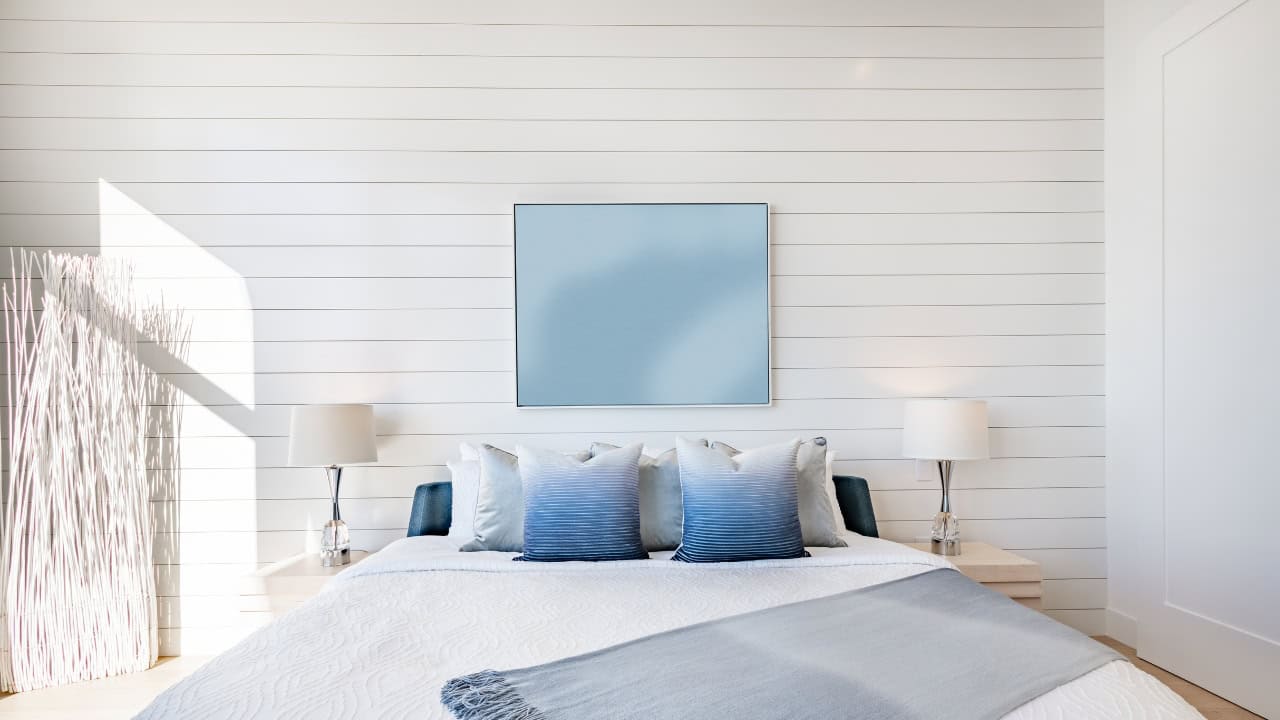
Shiplap can bring a charming look to a room, but many designers advise against it. It often feels dated and can limit your home’s style.
If you’re considering shiplap, think carefully about how it fits with your existing decor. Accent walls may not provide the wow factor you desire.
Instead, try using more versatile wall treatments that enhance your space. Your home’s architecture should guide your choices, avoiding trends that might not age well.
7. Oversized Recliners with Cup Holders
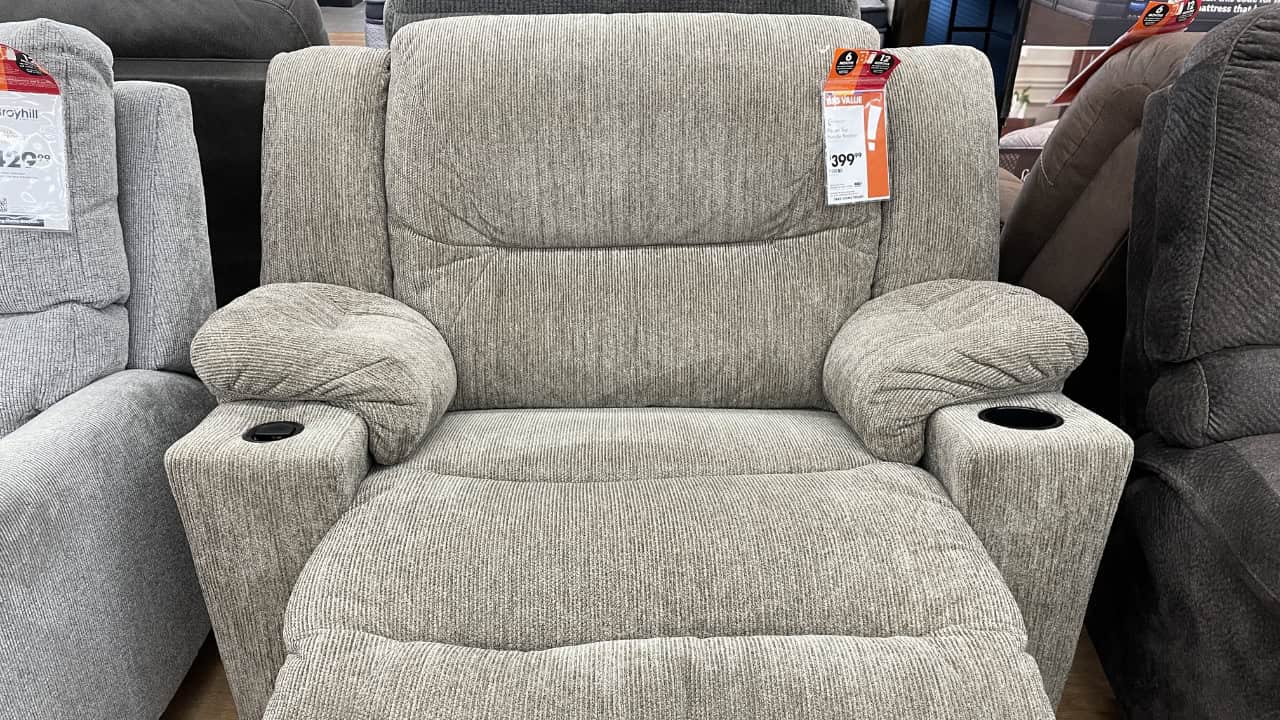
Oversized recliners with cup holders might seem cozy, but they can overwhelm a room’s design. You may find that their bulkiness disrupts the flow of your living space.
These chairs often prioritize comfort over aesthetics. While it’s nice to have a spot for your drink, the overall look of the room might suffer.
Consider more streamlined options that balance comfort and style. This way, you maintain a welcoming atmosphere without sacrificing design integrity. Elegant furniture can enhance your space while still offering relaxation.
8. Shower Tiles Stopping Mid-Wall
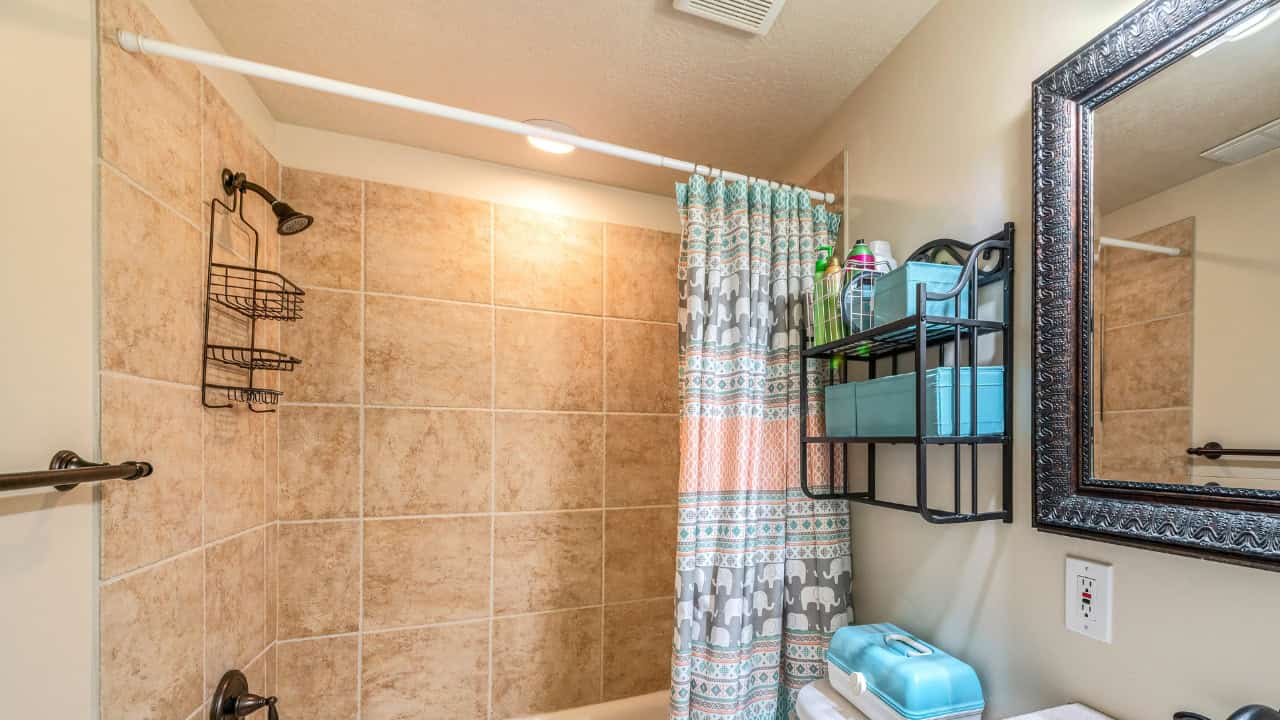
When designing your bathroom, you might be tempted to stop shower tiles partway up the wall. This choice can lead to an unfinished look.
Tiles should ideally extend to the ceiling. This not only protects your walls from moisture but also creates a seamless and modern aesthetic.
Additionally, covering the entire wall can help in spreading light around the space. It’s a small detail that makes a big difference in the overall appearance of your bathroom.
9. Furniture Against the Wall

Pushing your furniture against the wall might seem like a smart way to maximize space. However, it can actually disrupt the flow of your room.
Designers recommend allowing for breathing room between furniture and walls. This creates a more inviting atmosphere and encourages conversation.
Instead of lining everything up against the wall, try arranging pieces to create cozy conversation areas. This approach can make your space feel much more balanced and functional.
10. Textured Walls
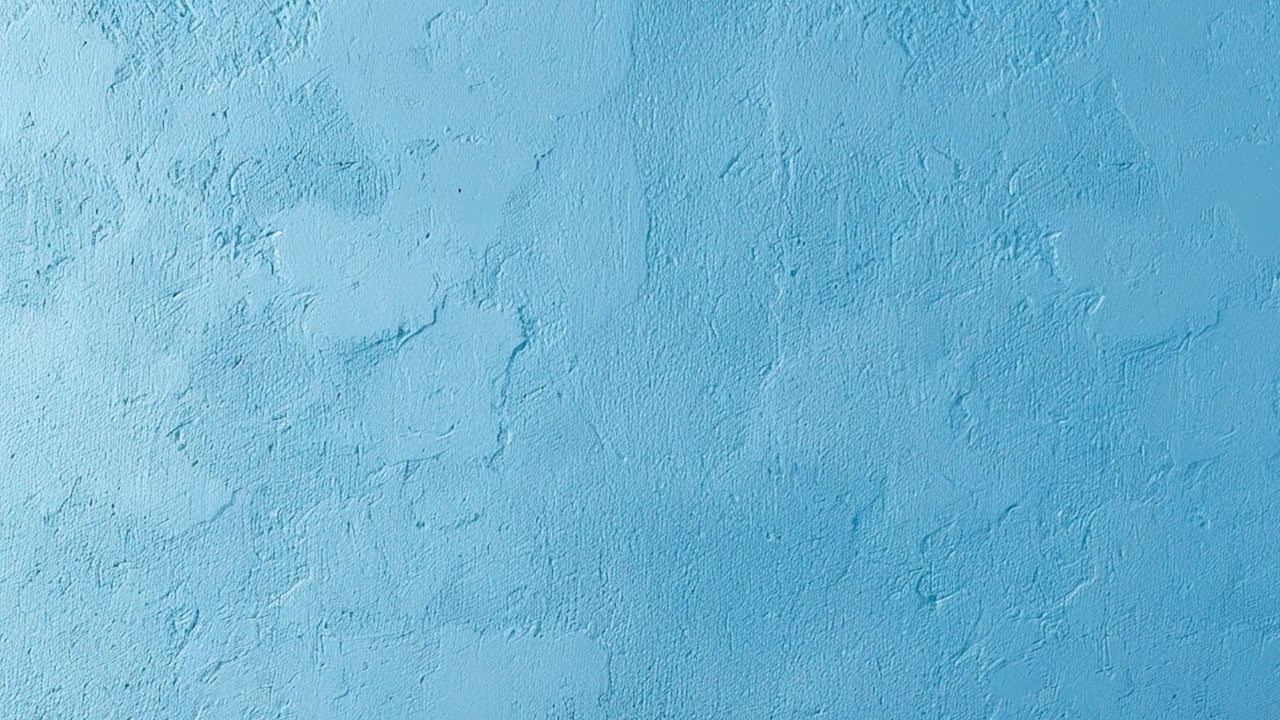
Textured walls can present challenges in interior design. These surfaces often create difficulties when it comes to applying decor or paint.
For instance, wallpaper decals may not adhere well to textured walls. This can lead to peeling or an uneven appearance over time.
If you’re aiming for a clean and modern look, smooth walls are generally recommended. They allow for better design flexibility and easier maintenance.
*This article was created with the help of AI.