When it comes to electrical work, many homeowners often turn to professionals for assistance. Electricians possess specialized knowledge that helps them navigate the complexities of home electrical systems safely and effectively. Understanding the practices that electricians avoid in their own homes can provide valuable insights into ensuring your own safety and comfort.
In this article, you will discover the essential habits and decisions that skilled electricians adhere to. These tips not only highlight their expertise but also serve as important reminders for anyone considering DIY electrical work. By learning what professionals would never do, you can better protect yourself and your home.
Advertisement
1. Never Leave the Power On During Repairs
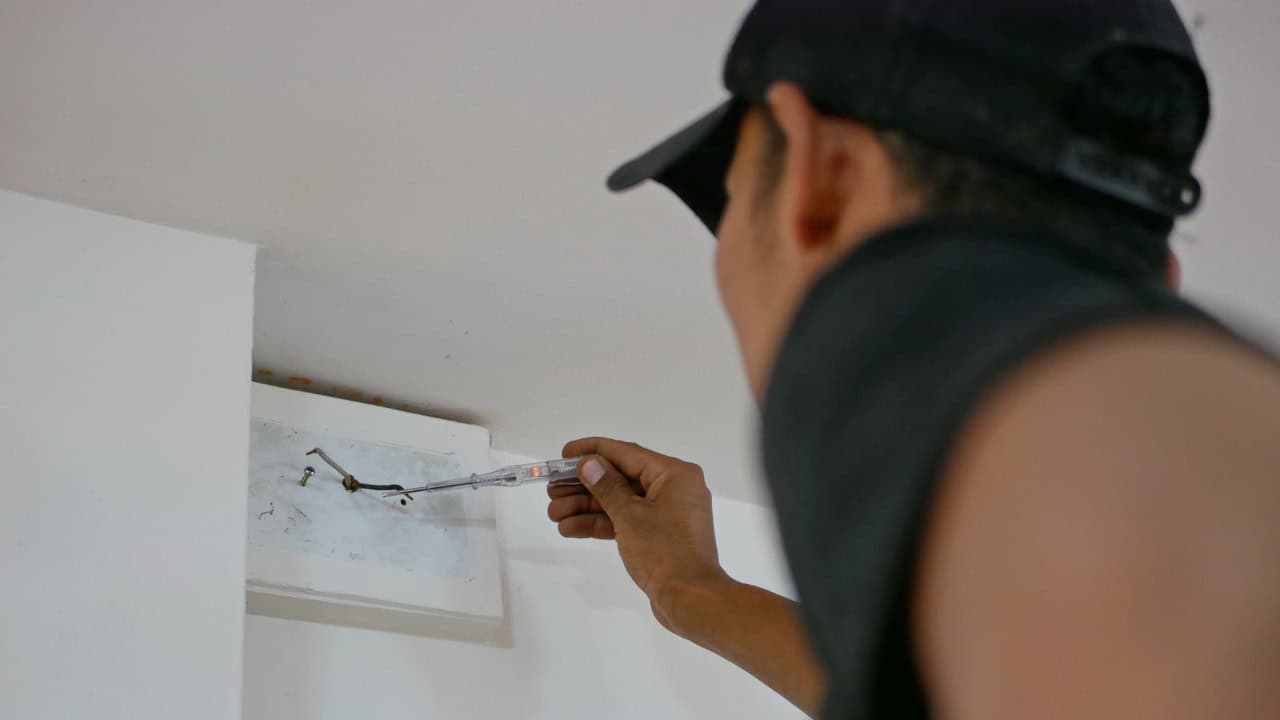
When you’re working on electrical systems, it’s crucial to turn off the power first. Leaving it on can lead to serious risks, including electrocution.
Even skilled electricians follow this rule closely. They understand that safety comes first.
You should always check that power is completely off before starting any repairs. Use a circuit tester to confirm. This simple step can protect you from accidents. Stay safe and make your repairs with peace of mind!
2. Avoid Overloading Electrical Outlets
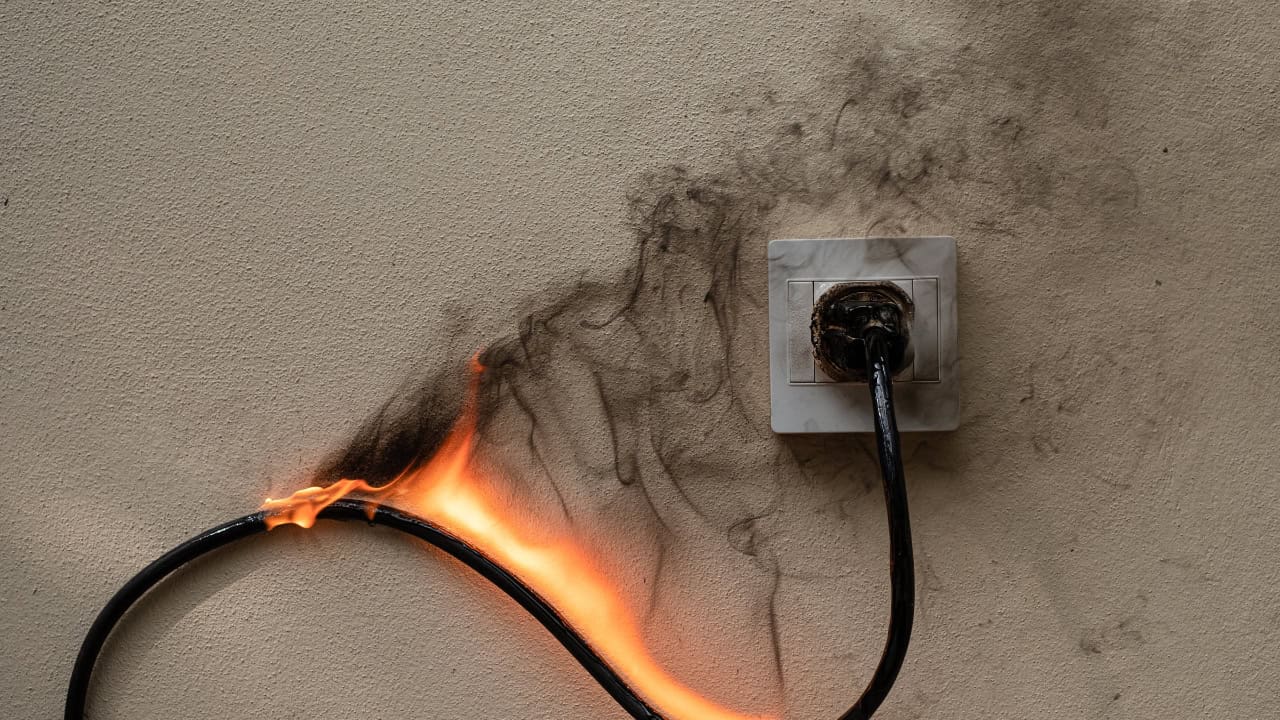
You should be mindful of how many devices you plug into a single outlet. Overloading can lead to overheating and potential fire hazards.
Each outlet has a specific load capacity, typically 15 or 20 amps. It’s essential to understand the total load of your devices and avoid connecting too many high-wattage appliances at once.
Make use of multiple outlets around your home. Consider using power strips with built-in surge protectors, but avoid daisy-chaining them. Keeping your home safe and your electrical systems in check is key.
3. Don’t Use Extension Cords as Permanent Solutions

Using extension cords for long-term power is a common mistake. They are designed for temporary use, not as a substitute for permanent wiring.
You might think they are a quick fix, but relying on extension cords can lead to safety hazards.
High-power appliances need proper outlets to prevent overheating and potential fires. If you find yourself using multiple extension cords, it’s time to consider installing additional outlets.
A professional electrician can help ensure your home is safe and meets electrical standards.
4. Avoid Electrical Shortcuts
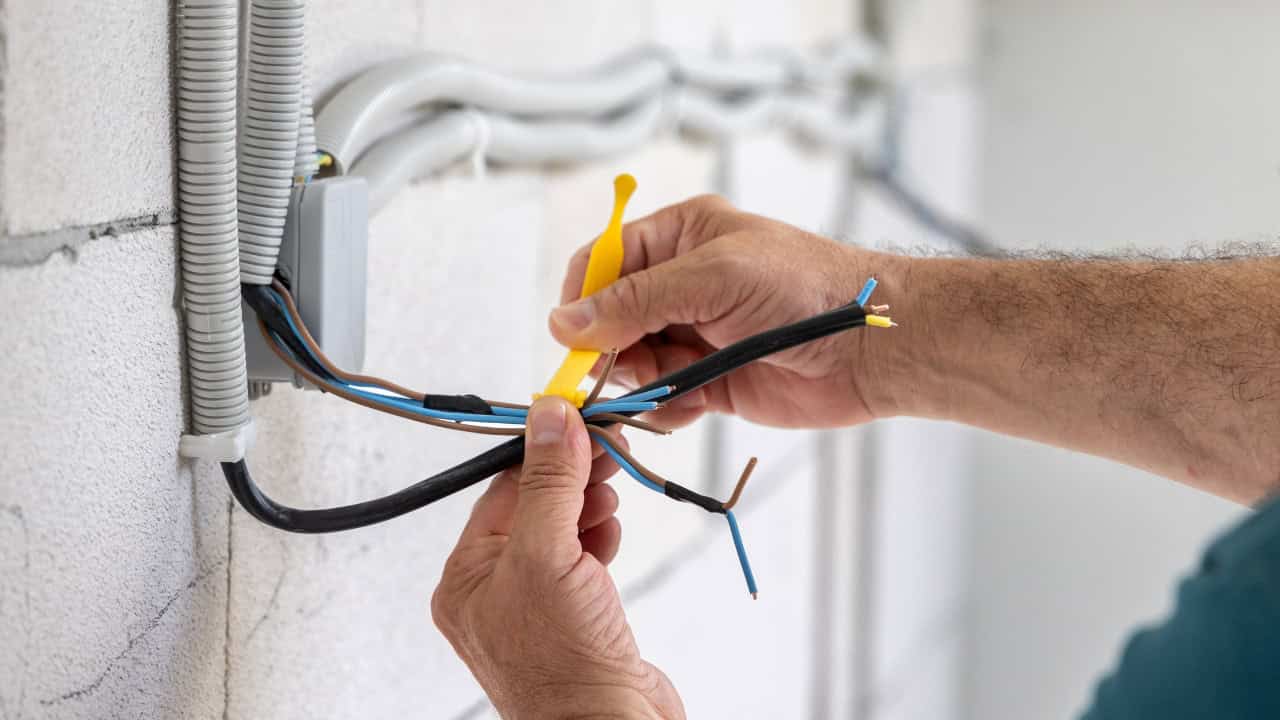
When it comes to electrical work, taking shortcuts can be tempting. However, professionals always avoid these risky practices in their own homes.
Never tape or pin a circuit breaker in the ‘on’ position. This can lead to overheating or electrical fires.
Avoid overloading outlets by plugging in too many devices. It’s safer to distribute your electrical needs across multiple outlets.
Using extension cords as a permanent solution is also a bad idea. You should simply install additional outlets to ensure your home remains safe and functional.
5. Never Work Without Proper Safety Gear
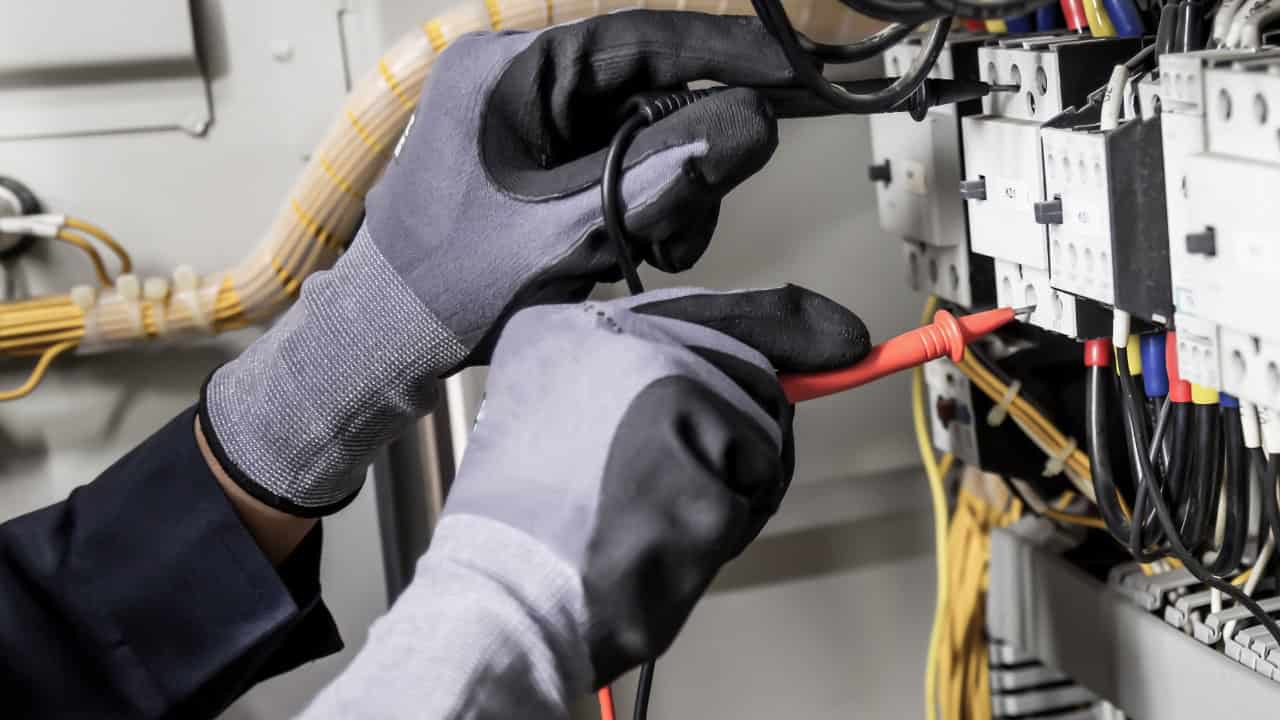
When tackling electrical projects, wearing the right safety gear is essential. It protects you from potential hazards that can arise, ensuring you stay safe.
Make sure to use insulated gloves and appropriate footwear to prevent electric shocks. Eye protection is also crucial, especially when working with tools that could produce flying debris.
Remember, investing in good personal protective equipment (PPE) not only safeguards you but also promotes a safer working environment. Always prioritize your safety before starting any electrical work at home.
6. Don’t Ignore Flickering Lights
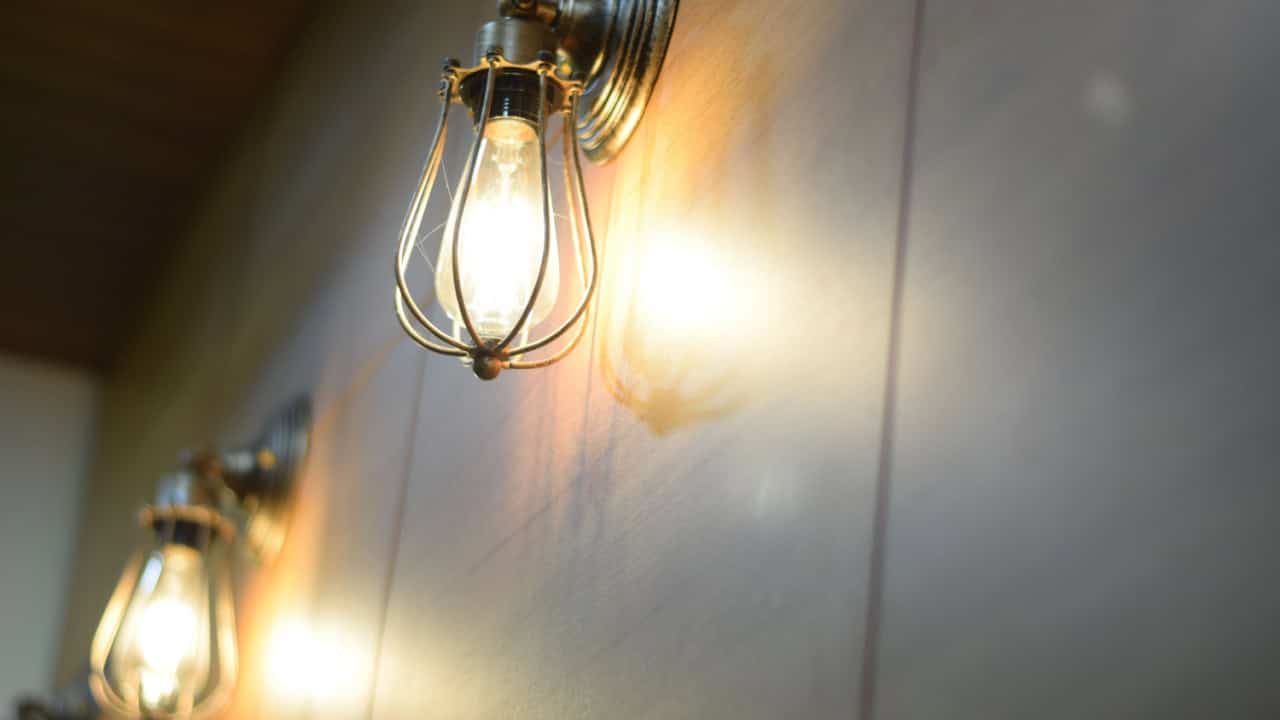
Flickering lights can be more than just a nuisance. They often indicate underlying electrical issues that need attention.
When you notice flickering, especially when appliances are in use, it could signal loose or faulty wiring. This can lead to serious safety hazards if left unaddressed.
Consider consulting a professional electrician to assess the situation. They can help pinpoint the problem and ensure your home stays safe and sound. Remember, your home’s electrical health is crucial for your comfort and safety.
7. Avoid Pinning Circuit Breakers in the ‘On’ Position
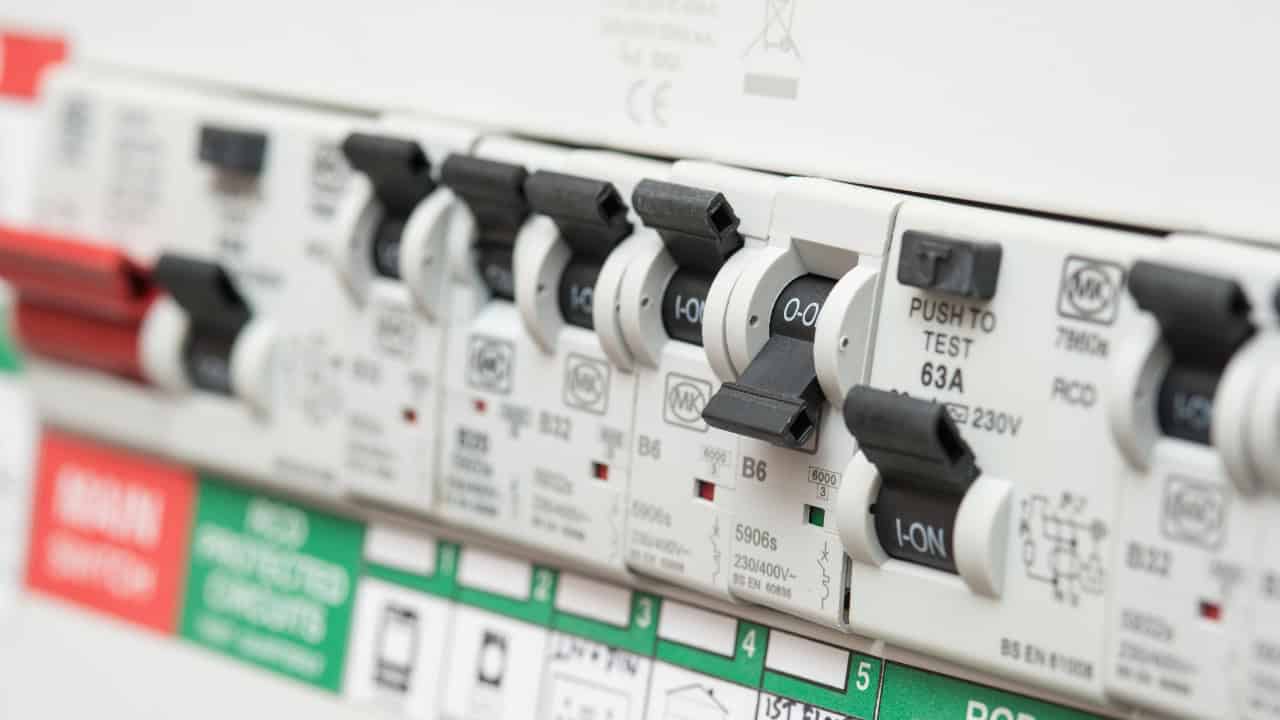
It’s important to never pin circuit breakers in the ‘on’ position. Doing this can prevent them from functioning as intended, and that means they won’t trip when there’s an overload.
When a breaker is pinned, it can create a serious safety hazard. You may not realize there’s an issue until it’s too late.
Always allow circuit breakers to do their job. They are designed to protect your home from electrical faults, and keeping them free to trip is essential for safety.
8. Never Attempt Repairs Near Water
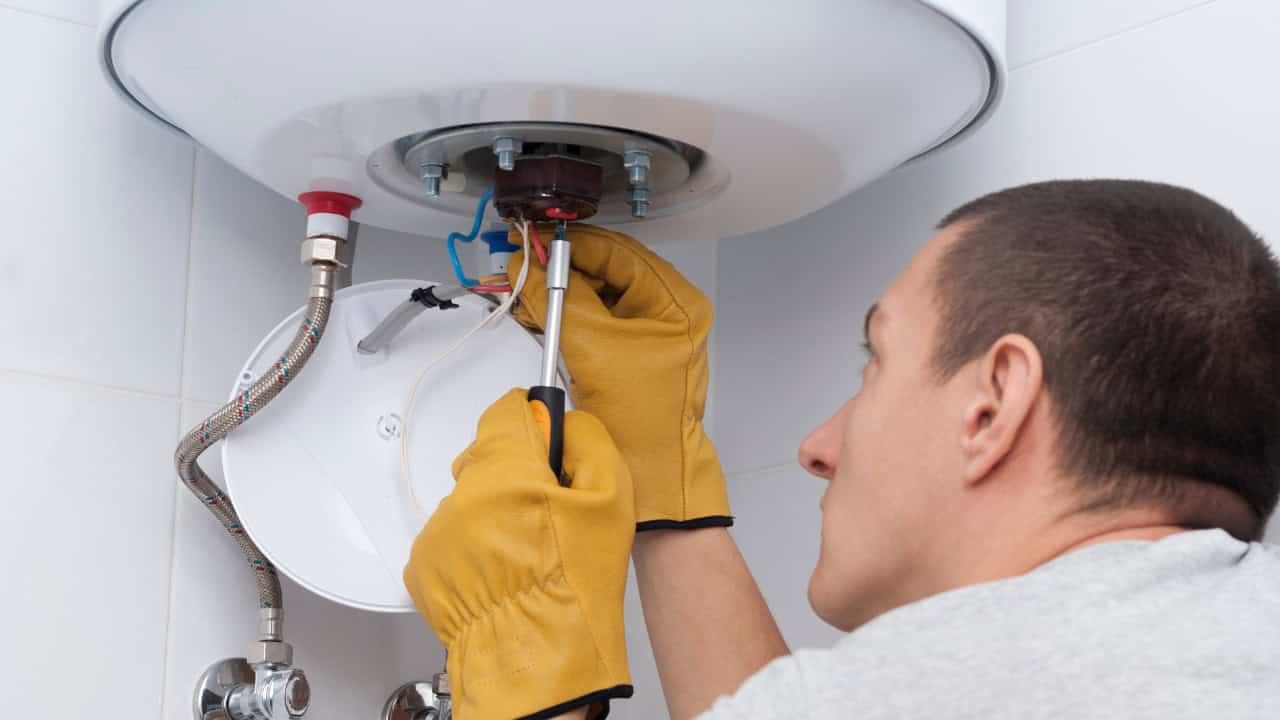
When working around areas with water, like bathrooms and kitchens, safety becomes critical. Water and electricity don’t mix well, and the risks are serious.
You should avoid handling electrical repairs near sinks or wet areas. Doing so can lead to dangerous situations, including electrocution or short circuits.
If you need to fix something in these zones, it’s best to call in a licensed electrician. They have the expertise to handle these risks safely.
9. Don’t Neglect Routine Electrical Inspections
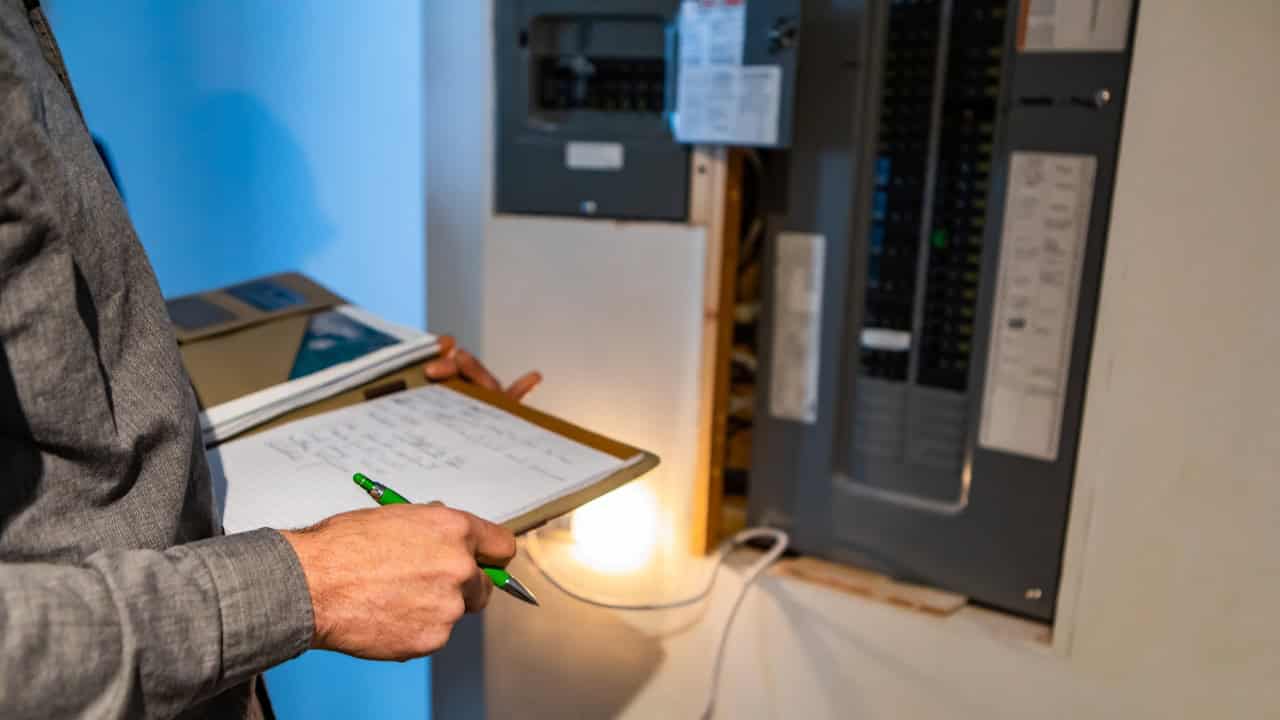
Regular electrical inspections are essential for maintaining safety in your home. They help identify potential issues before they escalate into serious problems.
Electricians recommend checking your electrical system at least once a year. This includes inspecting wiring, outlets, and circuit breakers.
During these inspections, professionals can spot signs of wear or damage that you might overlook. They will also ensure your systems meet safety standards, keeping you and your family safe.
Don’t wait until something goes wrong—schedule those inspections proactively!
10. Avoid DIY Electrical Work on the Main Panel
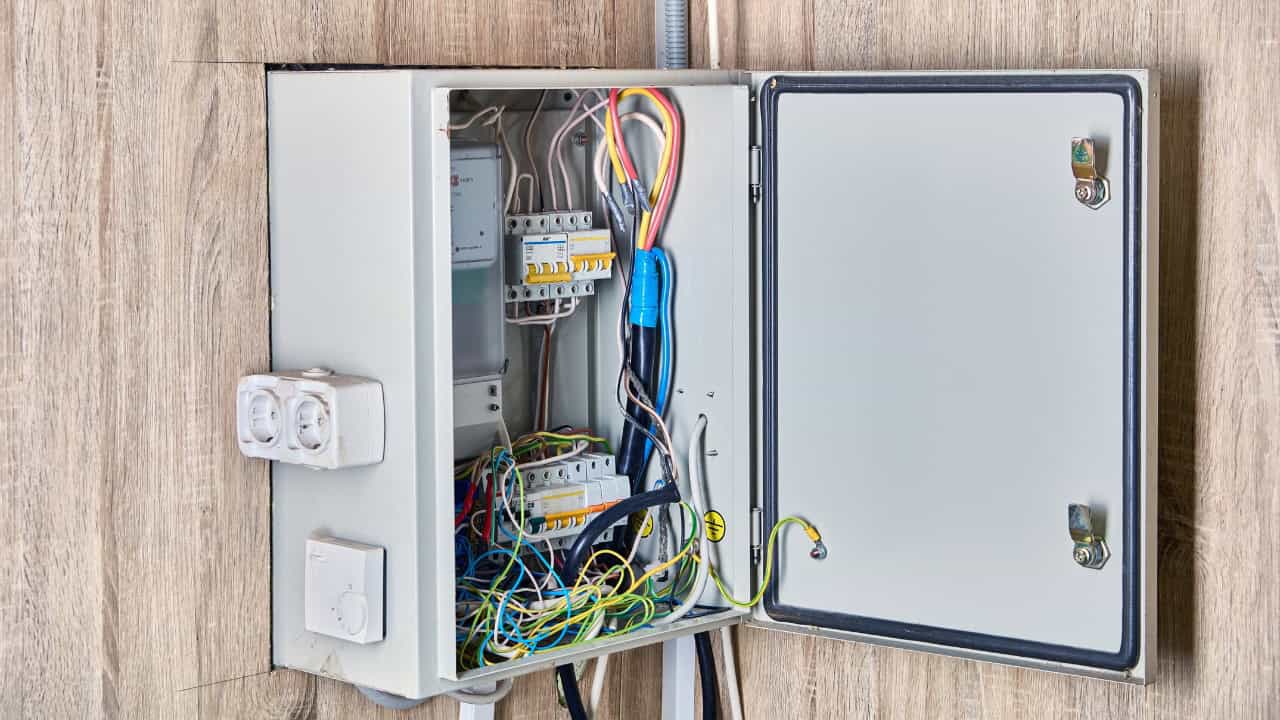
Your main electrical panel is a critical component of your home. It manages the electricity flowing throughout your space.
Attempting to perform DIY work on it can be very dangerous. The risks include electric shocks or even starting a fire.
Licensed electricians have the training to handle these situations safely. They know the correct procedures to follow and ensure compliance with local codes.
When in doubt, always call a professional to maintain peace of mind and safety in your home. Your safety is worth the investment.
*This article was created with the help of AI.