You might be surprised to learn that some everyday household items are actually banned in certain states across the U.S. These restrictions can stem from safety concerns, environmental issues, or other legal considerations that affect how you can use or possess items in your home. Understanding what these banned items are can help you avoid potential legal troubles and keep your home compliant with state regulations.
From vintage appliances to specific toys, the list of prohibited items might make you rethink what you have in your living space. Many of these bans could be unexpected, affecting products you may have assumed were completely benign. Being aware of such regulations can save you from unforeseen complications in the future.
Advertisement
1. Switchblades

Switchblades might seem like a cool gadget, but they can lead to legal trouble in many states. In fact, some areas have strict laws against their possession.
For instance, Massachusetts outright bans them, while others allow ownership only with specific permits.
Even if you think of them as tools, carrying a switchblade could land you in hot water legally. Always check your local laws to stay on the safe side.
2. Kinder Surprise Eggs
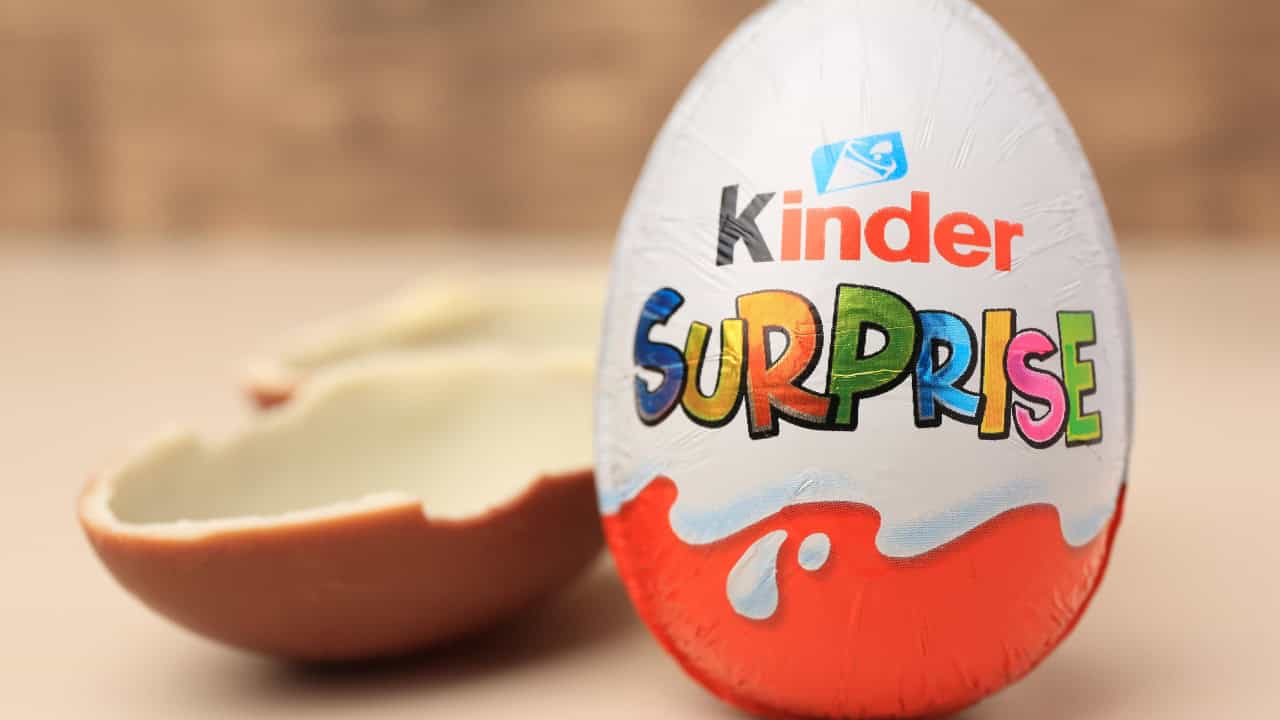
Kinder Surprise Eggs are a fun treat enjoyed by many around the world. However, you won’t find them in the United States due to a long-standing ban.
This ban dates back to the Food, Drug, and Cosmetic Act of 1938. It prohibits candies that contain non-nutritive objects, which applies to the toy inside each Kinder Egg.
While these chocolate eggs are popular for their surprise element, safety concerns drive the regulatory decision. It’s interesting to see how this beloved candy is restricted in certain areas.
3. Raw Milk

If you enjoy the taste of fresh, unpasteurized milk, you might be surprised to know it’s banned in many places. The FDA prohibits the sale of raw milk across state lines because of health concerns, particularly the risk of bacterial infections.
Some states do allow intrastate sales under specific conditions, but 21 states impose full bans. For those interested in raw milk, check your local regulations, as some places have options like farm sales or cow-share programs.
4. Brominated Vegetable Oil (BVO)
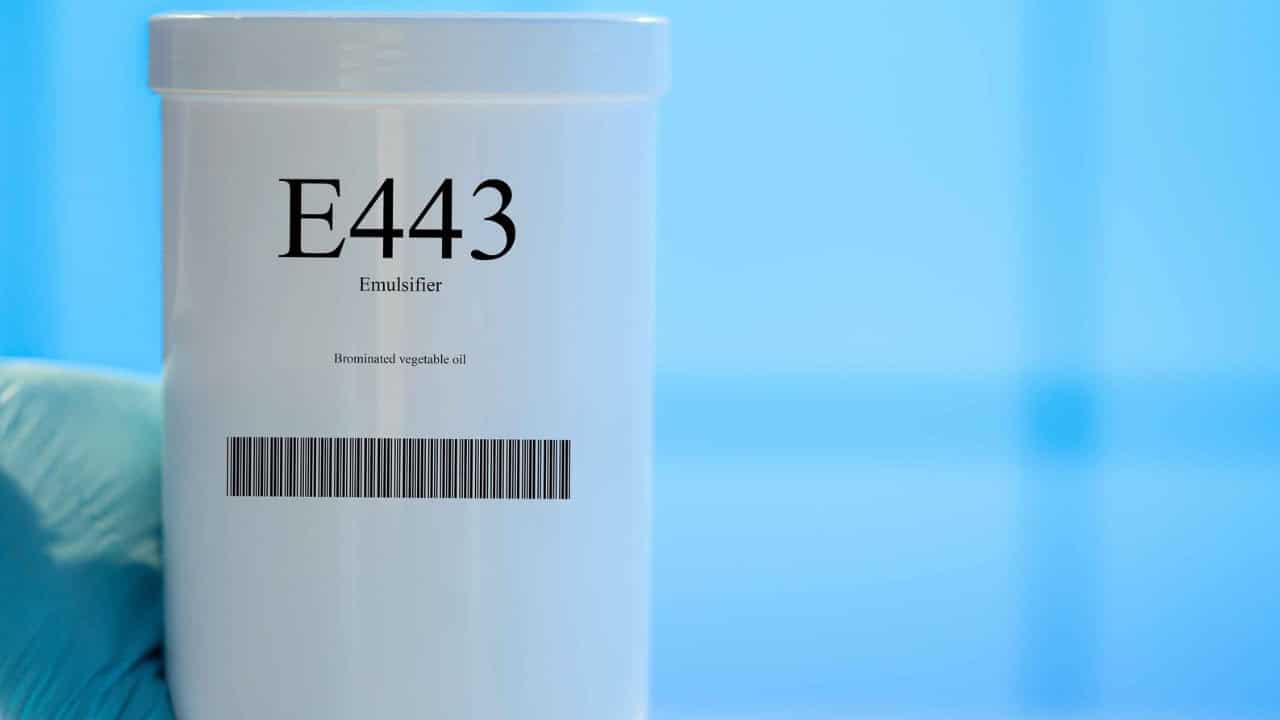
Brominated Vegetable Oil, or BVO, is an ingredient you might not expect to find in your drinks. It has been used as an emulsifier in many sodas and sports drinks.
Concerns about its safety have led some states to restrict or ban its use. Many countries, including those in the European Union and Japan, have already prohibited BVO in food products.
Major brands like Coca-Cola and PepsiCo have started phasing out BVO from their drinks. If you check your beverage labels, watch out for “brominated” or “brominated vegetable oil” listed among the ingredients.
5. Mercury Thermometers
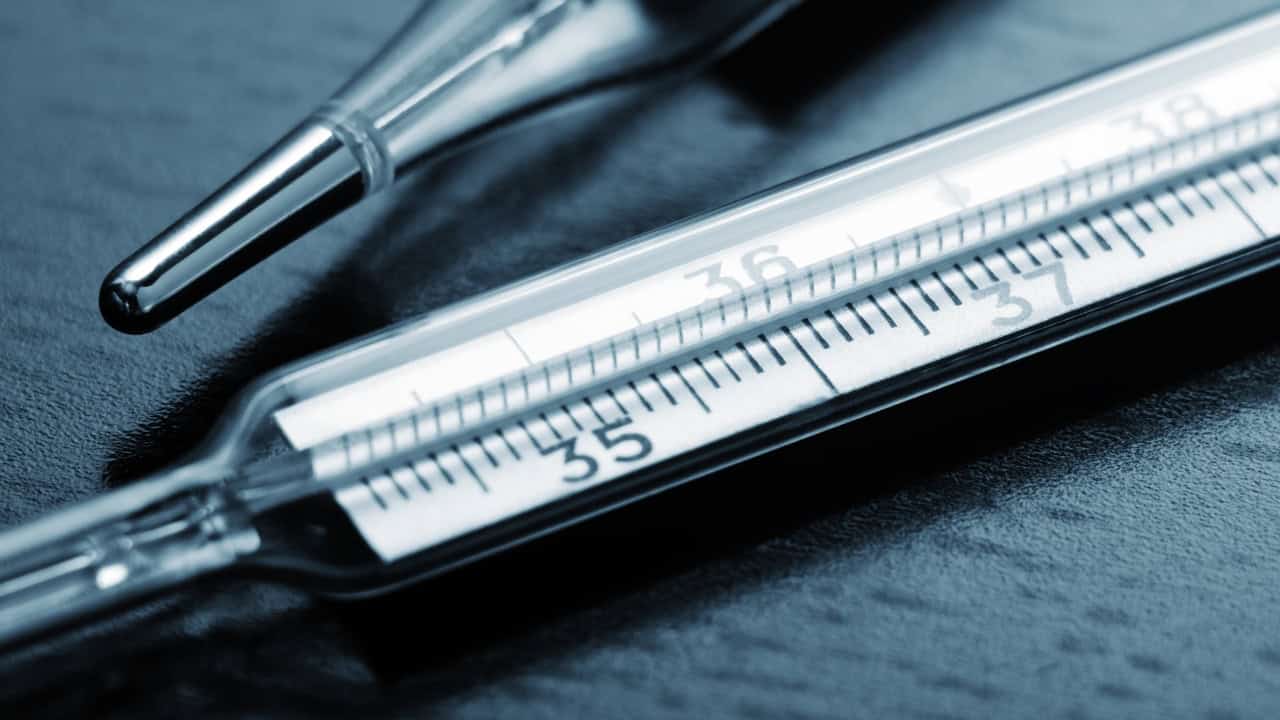
You may still find a mercury thermometer tucked away in your medicine cabinet. Many states have banned these devices due to the risks they pose.
Mercury is toxic, and if the thermometer breaks, it can cause serious health and environmental issues.
Modern digital thermometers have replaced these outdated tools for safety and ease of use. It’s best to check your home and dispose of any mercury thermometers responsibly to stay safe.
6. Phosphorus Detergents
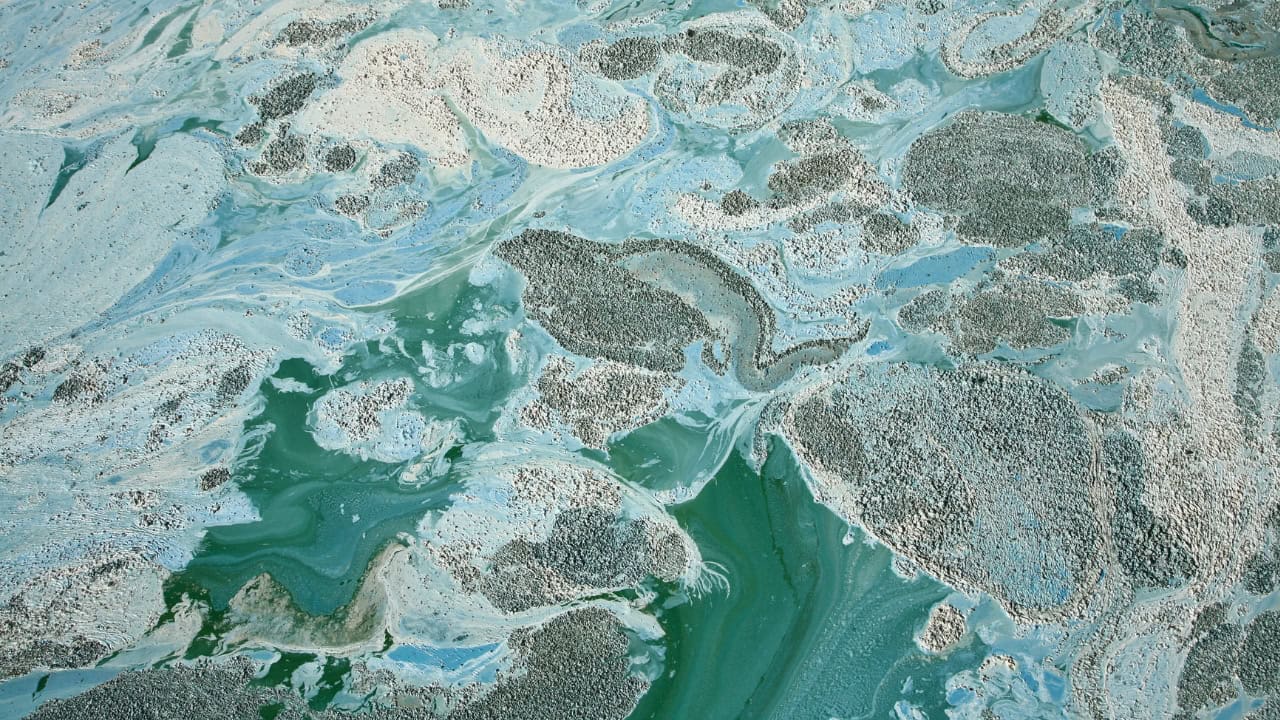
Phosphorus detergents have been restricted or banned in several states due to environmental concerns. These detergents can contribute to water pollution, leading to algal blooms that harm aquatic ecosystems.
In the early 1970s, states like Maine and Florida began to limit the use of phosphates in laundry and dishwasher detergents. By 2010, 17 states had enacted mandatory bans on high-phosphate dishwasher detergents.
Switching to phosphate-free options is not only better for the environment but also ensures that your home remains safe for your family.
7. Reef-Damaging Sunscreen

Many people don’t realize that some sunscreens can harm coral reefs. Ingredients like oxybenzone and octinoxate have been shown to damage marine ecosystems.
To protect these delicate environments, several locations have banned sunscreens containing these chemicals. For instance, Hawaii moved to restrict sales of harmful sunscreens starting in 2021.
In Key West, similar efforts led to a ban on certain sunscreen formulations. By opting for mineral-based sunscreens, you can enjoy the sun while being kind to the oceans.
8. Whipped Cream Chargers
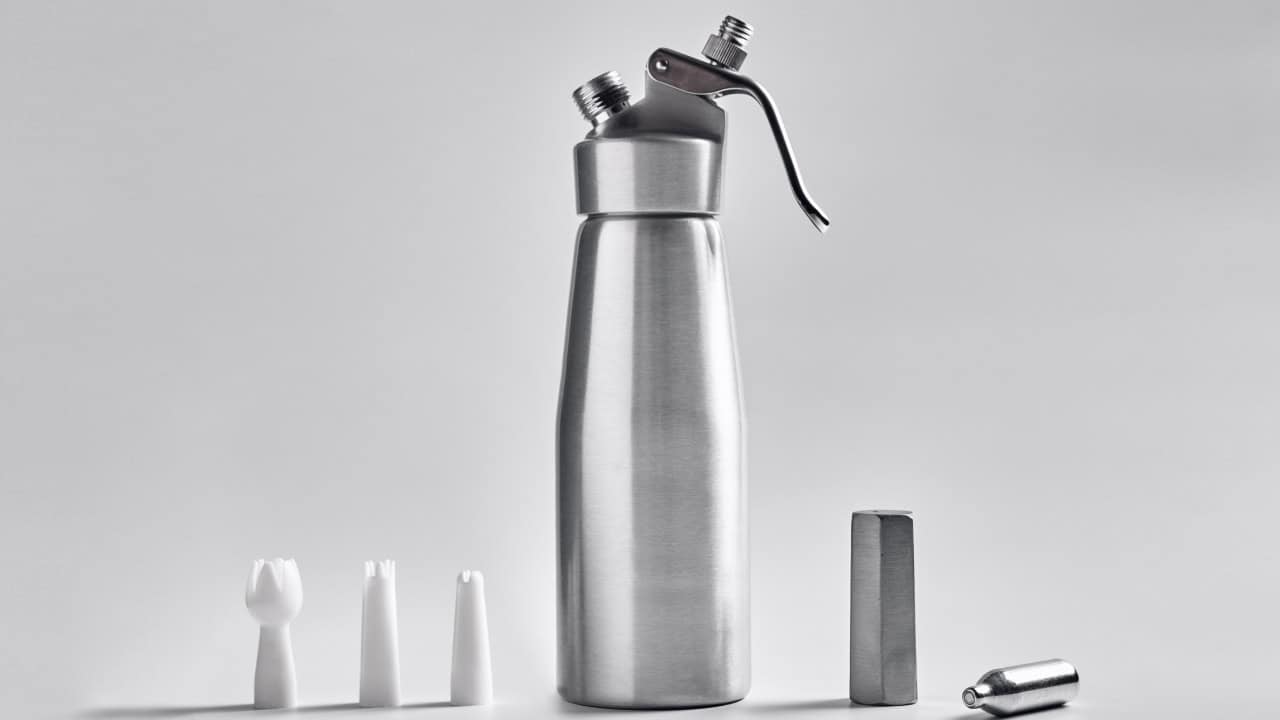
Whipped cream chargers can be surprising culprits in some states. These small canisters contain nitrous oxide, which is used to create whipped cream quickly.
While they are common in many kitchens, some regions have restrictions on their sale and use. This is often due to health concerns related to misuse or inhalation of Nitrous oxide for recreational purposes.
It’s important to check your local laws regarding whipped cream chargers to avoid any legal issues. Keeping informed helps ensure you enjoy your kitchen gadgets safely and responsibly.
9. High-Phosphorus Fertilizers
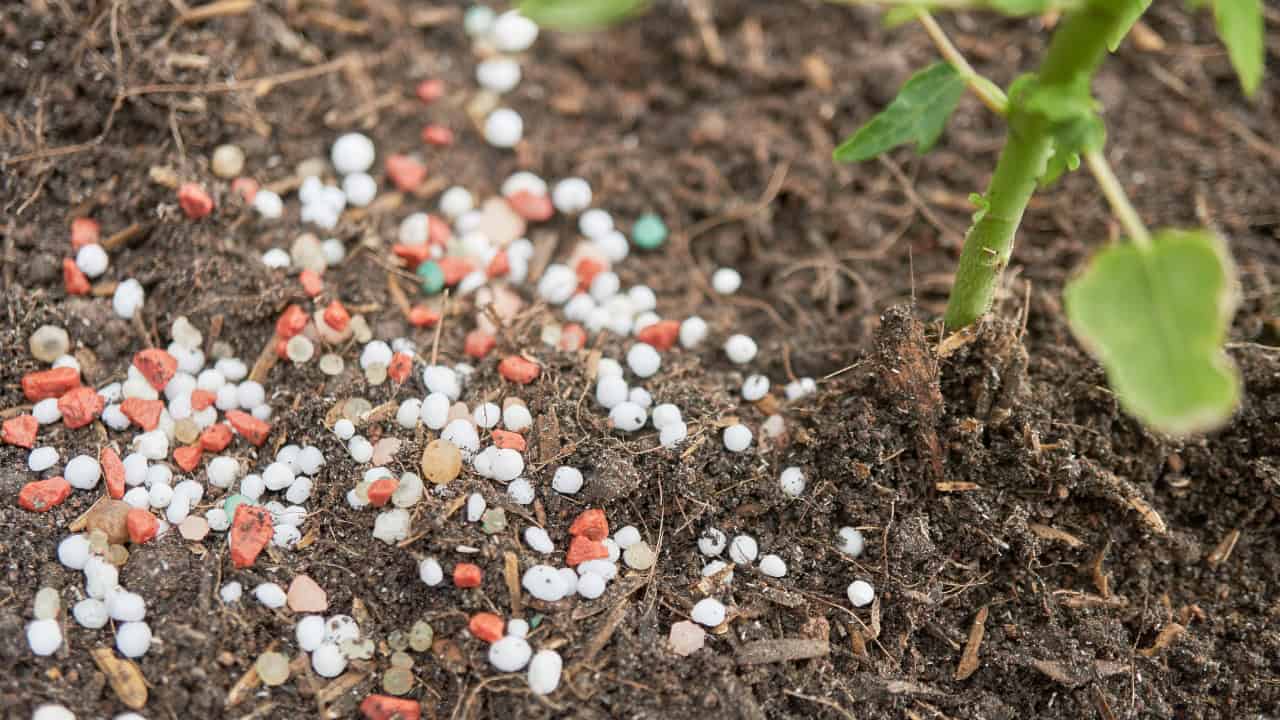
High-phosphorus fertilizers are essential for supporting flowering and fruiting in plants. They help strengthen root systems, which improves nutrient uptake.
Some states have placed restrictions on phosphorus due to environmental concerns. Excess phosphorus can lead to water pollution, impacting ecosystems.
If you’re using fertilizers with high phosphorus levels, check your local regulations. This ensures you’re following guidelines and helping to protect the environment while maintaining your garden.
10. Certain Pesticides
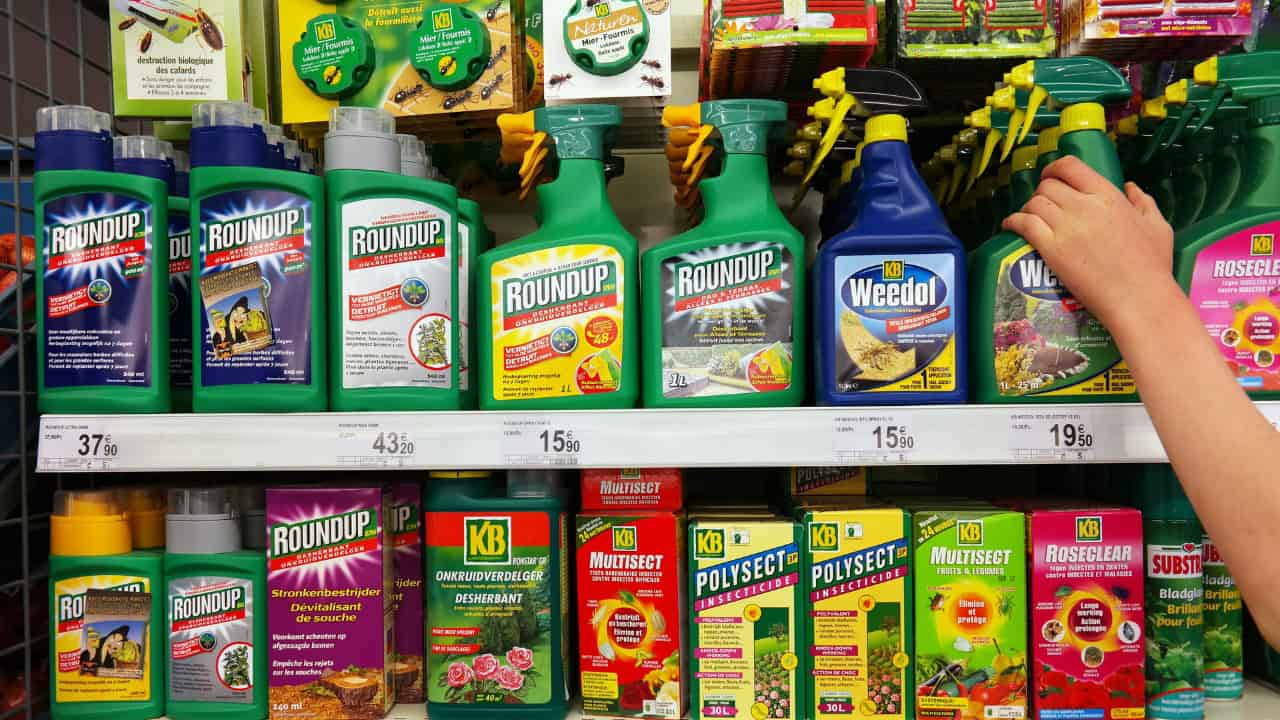
You might be surprised to learn that some pesticides commonly found in homes are banned in several states. These chemicals can pose significant risks to health and the environment.
For instance, certain herbicides that are effective on weeds may be restricted due to their potential toxicity. They can harm not just plants but also beneficial insects and wildlife.
Being aware of what you’re using is essential. Check your products for any banned ingredients to ensure a safer household environment.
*This article was created with the help of AI.