Gardening can be a relaxing and rewarding hobby, but the persistent presence of weeds can quickly turn it into a frustrating task. It seems like no matter how much time I spend pulling them, the weeds always find a way to come back stronger. I’ve discovered some simple tricks to manage weeds effectively without turning gardening into a full-time job.
These small strategies help keep the garden neat and the plants healthy. I’ve learned that a little consistency can make a big difference in preventing weeds from taking over. Whether it’s using physical barriers or adjusting watering techniques, these methods make gardening more enjoyable.
Advertisement
1. Use a Nontoxic Mulch Barrier

I’ve found that using a nontoxic mulch barrier is a fantastic way to keep those pesky weeds at bay. It’s simple to do and really effective. By laying down a thick layer of natural mulch like straw or wood chips, I’m able to block sunlight from reaching weed seeds. This stops them from sprouting.
Plus, mulch is great for the soil. It helps retain moisture, which means I don’t have to water my garden as often. I’ve noticed that using something like shredded hardwood bark or leaf compost has the added benefit of providing nutrients as it breaks down. This kind of mulch really keeps my garden healthy and vibrant.
For extra effectiveness, I make sure the mulch is spread evenly around my plants, leaving a small gap at the base of each plant to prevent rot. This method has made a big difference in managing weeds in my garden.
2. Lay down landscape fabric
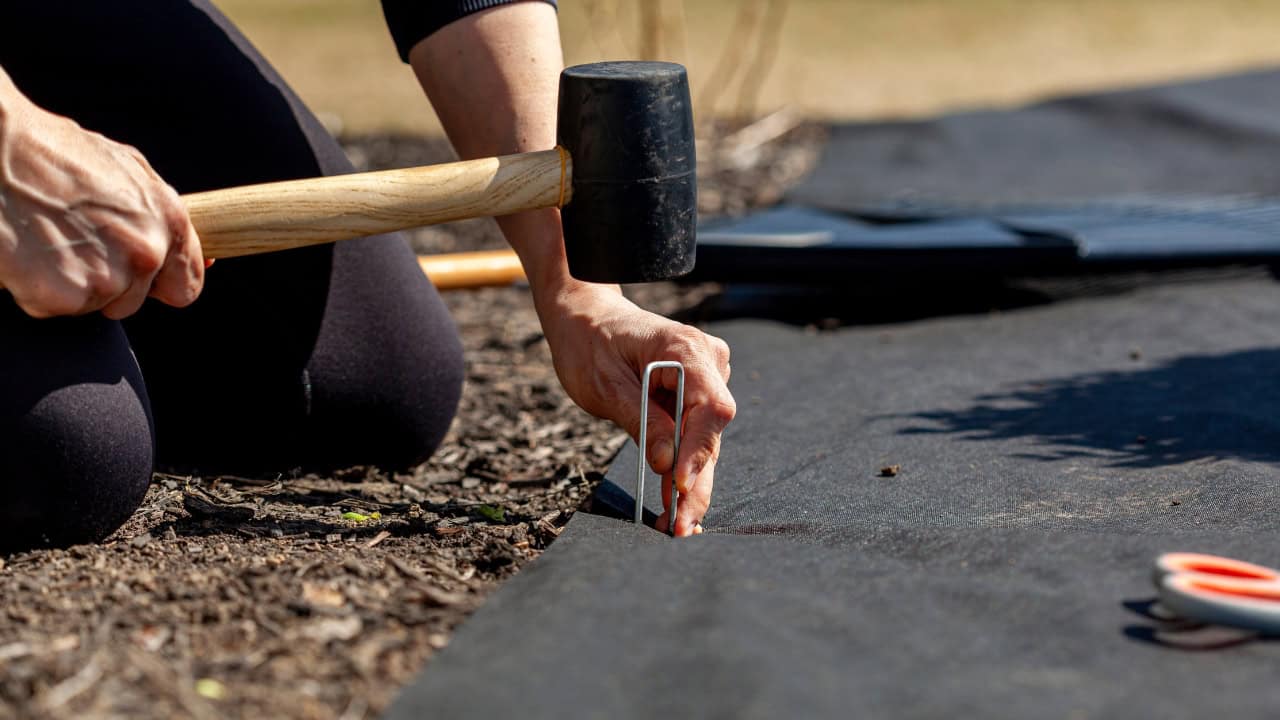
I’ve found that using landscape fabric can be a great way to deal with weeds in the garden. It acts as a physical barrier, stopping weeds from popping up while letting water and nutrients get through to the plants I care about.
When I’m laying it down, I make sure to secure it properly with landscaping pins to keep it in place. I’ve learned it’s important to cover the fabric with mulch, which not only keeps it out of sight but also adds organic nutrients to the soil. Adding mulch is a key step to make the most of landscape fabric’s benefits.
By staying on top of things and keeping this fabric in good shape, I usually see a significant decrease in troublesome weeds. In my experience, it’s a practical step that makes garden maintenance a little easier.
3. Try a black plastic mulch

I’ve found that using black plastic mulch is a neat trick to prevent weeds from invading my garden. It works by blocking sunlight, which stops the weeds from growing. This method is especially handy if you’re looking to avoid using herbicides.
Spreading black plastic over the garden doesn’t just keep weeds away. It also helps warm the soil, which can be great for early planting. The warmth encourages your plants to grow while keeping unwanted growth at bay.
If you’re interested in how others use it, there’s a useful guide on using black plastic to kill weeds. It’s worth a look if you want to try something new for your garden.
4. Plant a cover crop like clover
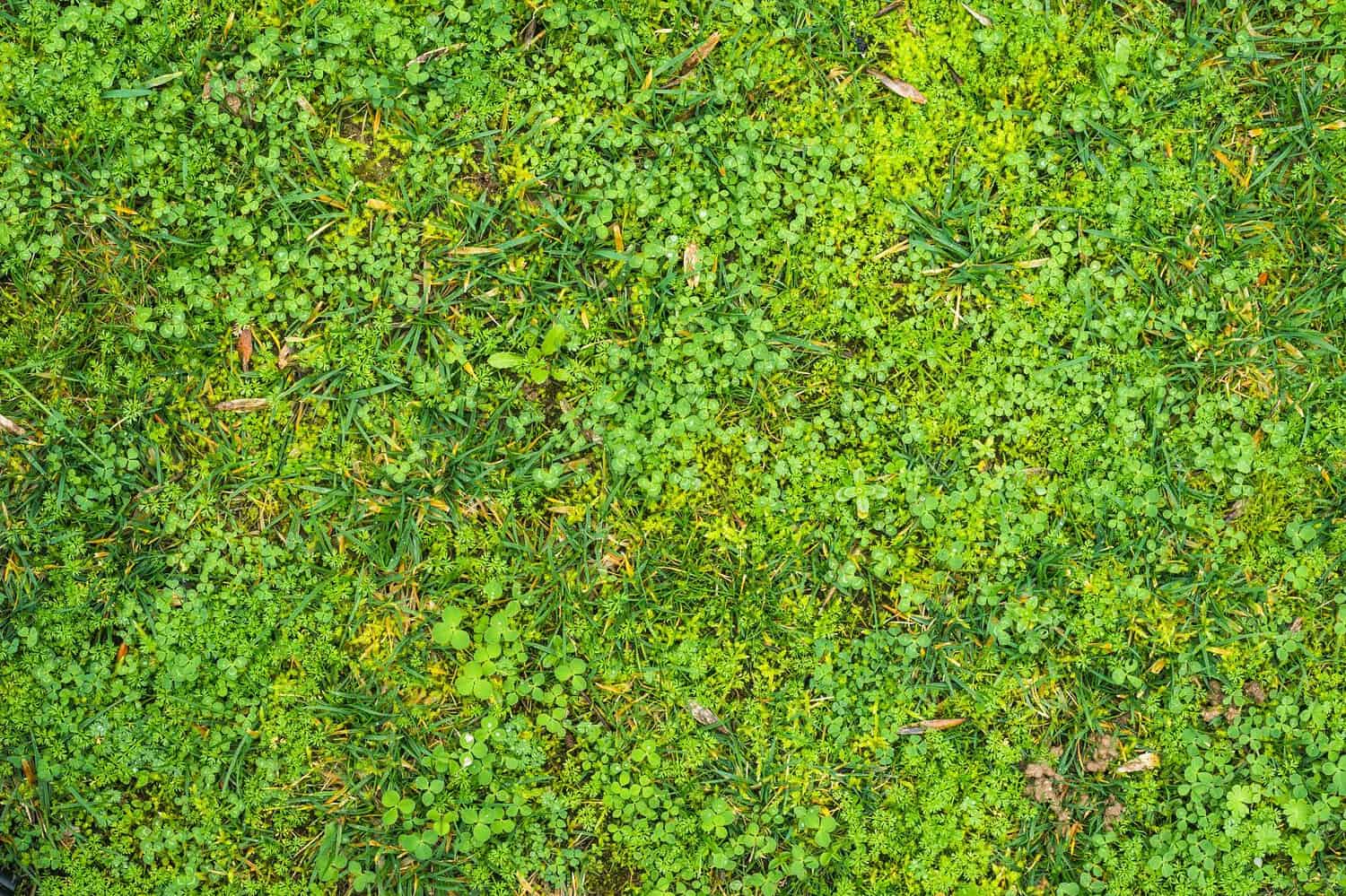
I’ve found that planting a cover crop such as clover can be a game changer for keeping weeds at bay in the garden. Clover not only helps to suppress weed growth, but it also enriches the soil by fixing nitrogen from the atmosphere.
When I plant clover, I often use varieties like Dutch White Clover, which are known for their ability to improve soil quality. This is especially important for preparing the garden for future planting. By broadcasting the seeds before weeds start to sprout, I give the clover a good head start.
The dense growth of the clover means there’s less space for weeds to creep in, which makes my gardening efforts a bit easier. If you’re interested in more details, you might find this guide helpful.
5. Use a tarp strategically

I’ve found that using a tarp can be an easy way to keep weeds at bay in my garden. By covering areas with heavy plastic or polypropylene materials, I can block out sunlight and prevent weeds from sprouting up.
I usually lay the tarp over a patch of ground for a few weeks. This deprives the weeds of light and air, effectively killing them. It’s a low-effort approach that’s worked well for me in more weedy spots.
Once the area has been tarped, I often follow up by covering the ground with wood chips or another mulch. This keeps the soil healthy and further discourages weeds from returning. For more details on tarping, there’s a useful guide on tarping methods.
6. Apply a pre-emergent herbicide

I find that applying a pre-emergent herbicide can work wonders in a garden. These herbicides help prevent weed seeds from germinating. Timing is everything here, so I make sure to apply them in early spring or fall before the weeds start to sprout.
For the best results, I follow the instructions on the product label and ensure even coverage. It’s important to water the area slightly after application, as this helps activate the herbicide.
Using the right tools can make the task easier. I often opt for a spreader to distribute granular products or a sprayer for liquid ones. This method has been effective in keeping my garden weed-free and looking its best. For more tips, check out this guide.
7. Implement a ‘no-till’ approach
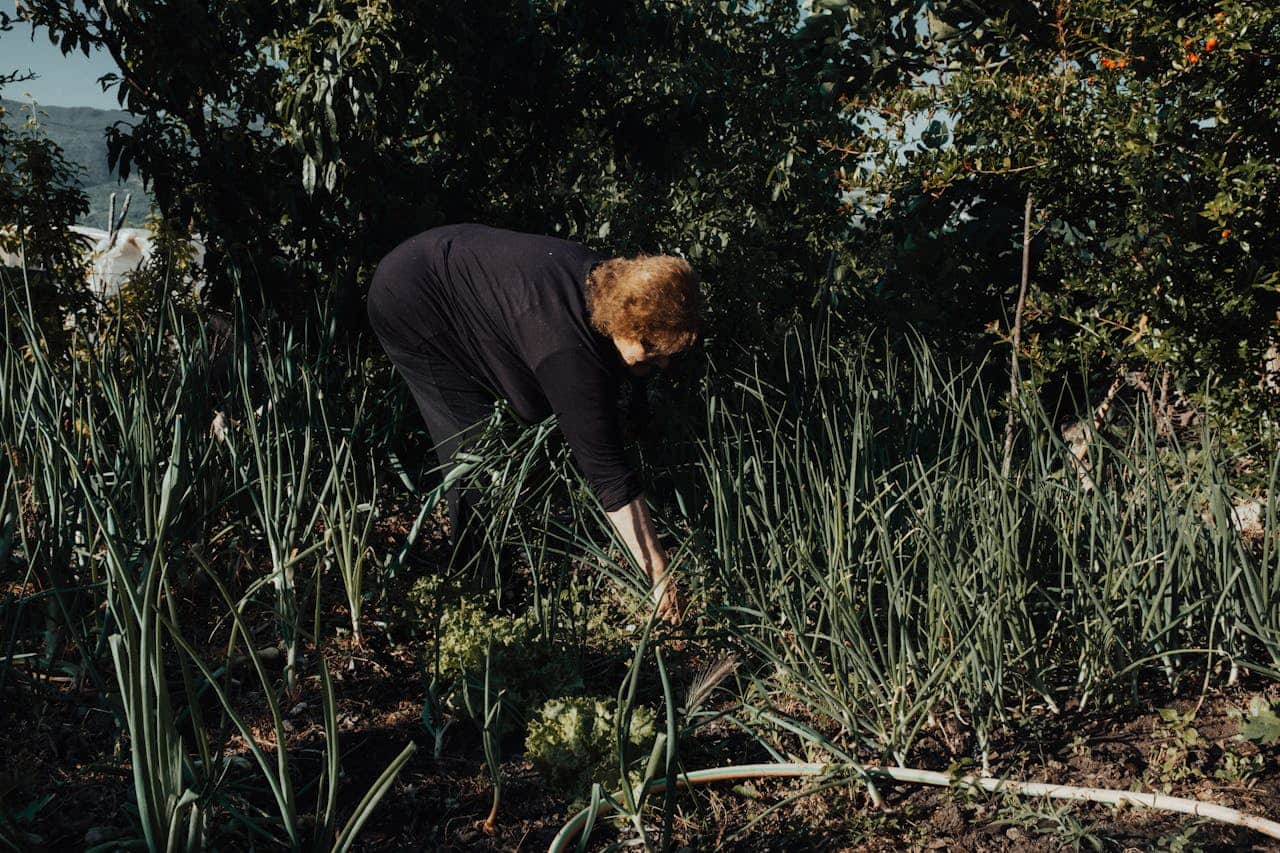
I’ve found that using a no-till approach helps keep my garden healthy and cuts down on weeds. By not disturbing the soil, I’m letting nature do its thing, which improves soil health and minimizes the chance for weeds to pop up.
I use layers of cardboard or newspaper on top of the soil to block weeds. It’s crucial to overlap these layers so there are no gaps for weeds to sneak through. This method helps ensure I don’t end up weeding my garden constantly.
After laying down the cardboard, I top it with some compost and mulch. This combo not only keeps the weeds at bay but also boosts soil fertility. I’ve noticed the plants seem happier and more robust, without relying on any chemicals or heavy equipment.
For more ideas on this method, check out no-till gardening methods.
8. Clean out garden beds annually
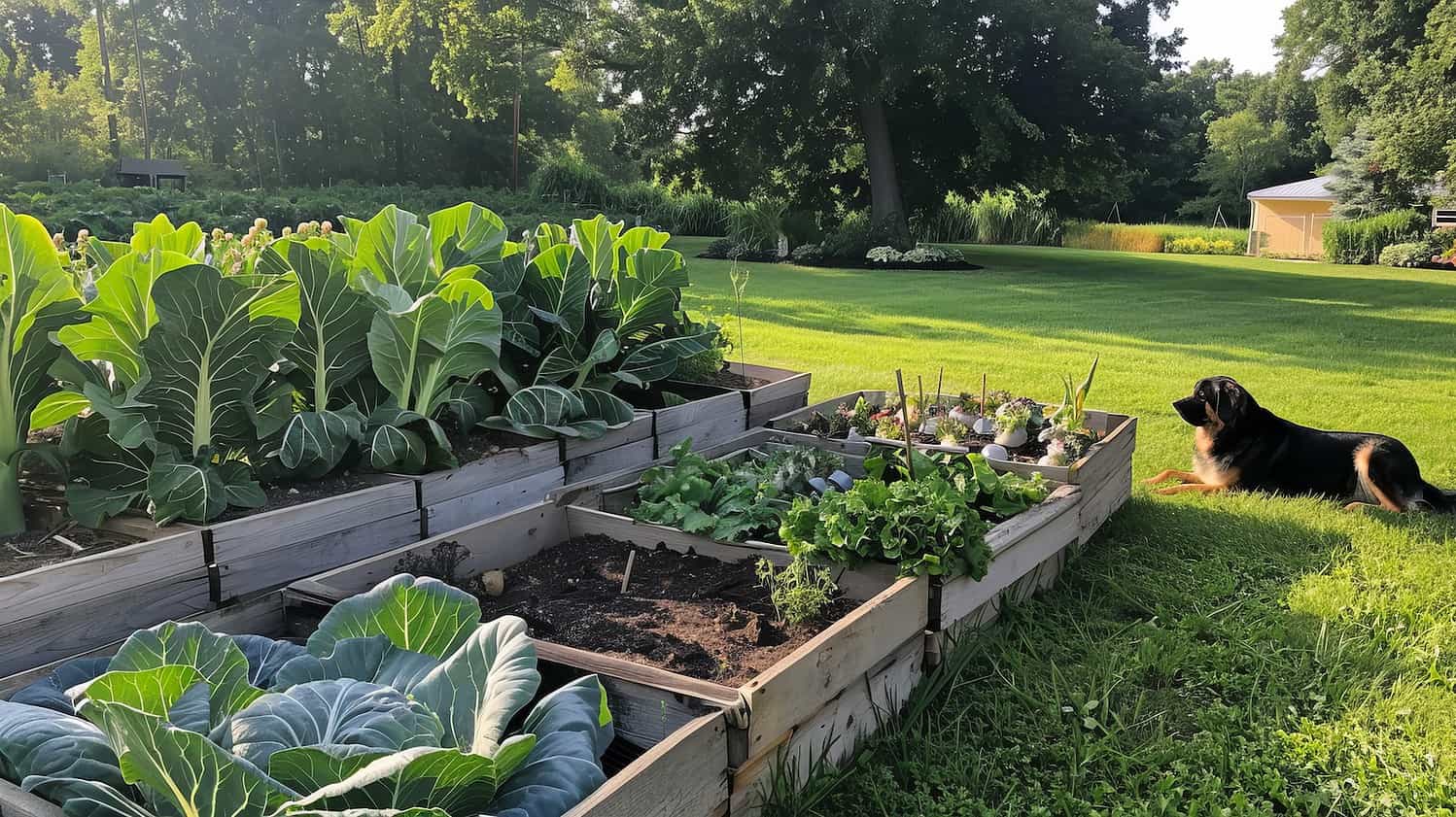
Every year, I make it a priority to clean out my garden beds. It’s a simple way to prevent weeds from taking hold. By removing old plant debris and any remaining weeds at the end of the growing season, I ensure the beds are ready for new plants.
I find that this annual cleanup helps me spot any leftover stubborn weeds. It gives me a chance to tackle them before they get a chance to multiply. It’s a routine I stick to, making it easier to manage my garden throughout the year.
Emptying the beds also allows me to add fresh mulch or compost. This not only enriches the soil but also acts as a barrier that helps keep new weeds at bay. Consistent maintenance can make a huge difference in keeping my garden thriving.
9. Use organic mulch materials

I’ve found that using organic mulch is a game-changer for controlling weeds in my garden. By laying down a 2- to 4-inch layer of materials like pine bark, straw, or grass clippings, I can effectively block sunlight and stop weed seeds from sprouting.
The added bonus is that these materials break down over time, enriching the soil with nutrients and helping retain moisture. Organic mulches not only manage weeds but also enhance the overall health of the garden.
I tend to apply mulch each spring to make sure it’s thick enough to be effective. This simple step keeps my garden looking tidy and saves me time on weeding throughout the growing season.
10. Create paths with wood chips
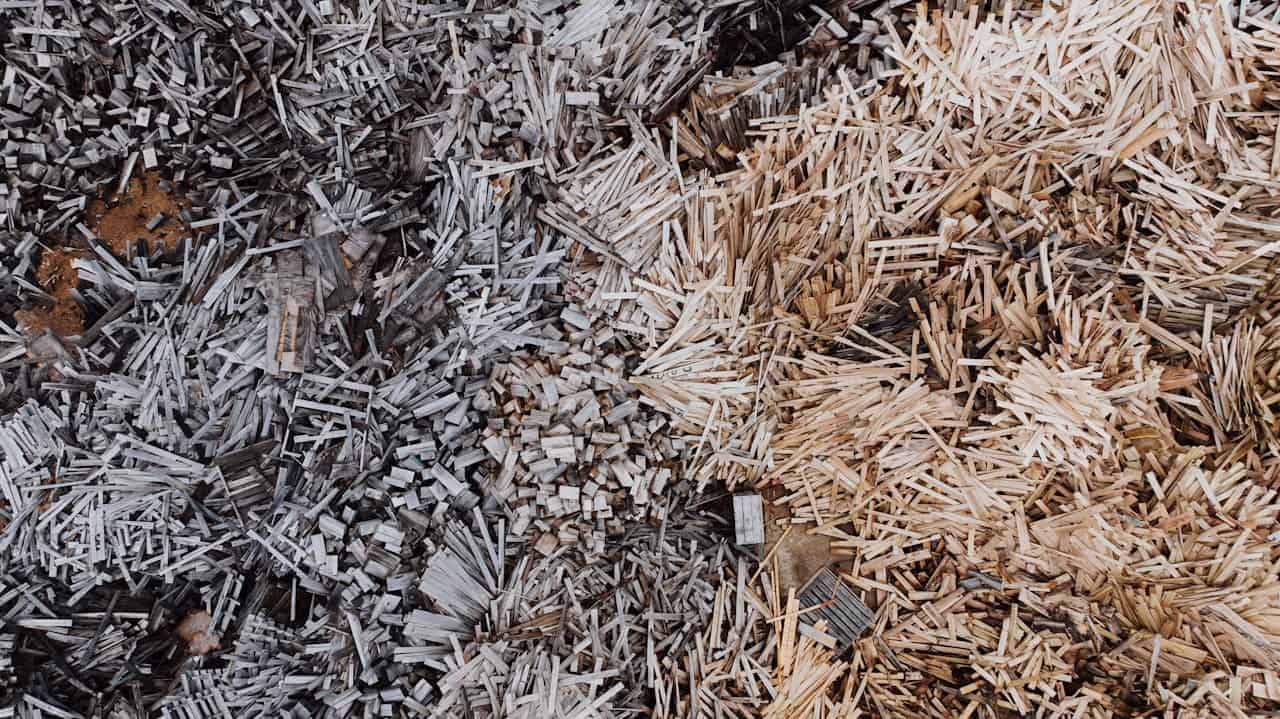
Using wood chips for garden paths is a straightforward and eco-friendly way to keep weeds at bay. I love how this method easily blocks unwanted growth while also being kind to the soil. Plus, walking on a wood chip path feels great underfoot.
I start by laying down a barrier, like cardboard or newspaper, to prevent weeds from sneaking through. Then, I add a thick layer of wood chips on top. This not only looks neat but also reduces the need for constant weeding.
Wood chips are a budget-friendly choice that saves time and effort in garden maintenance. They also help retain moisture in the soil, making them a practical solution for any garden enthusiast. I find that paths made this way have a natural charm and enhance the garden’s aesthetics.
*This article was created with the help of AI.