Gardening brings joy and beauty to your space, but it can also present unexpected challenges. Sometimes, your plants may show warning signs that they are facing hidden diseases. Recognizing these signs early can make all the difference in keeping your garden thriving.
When you notice your plants looking less than their best, it’s important to pay attention. Subtle changes might indicate that a problem is brewing beneath the surface, impacting their health and growth. Stay vigilant and learn how to spot these ten signs that your garden is battling a disease you can’t see.
Advertisement
Yellowing Leaves
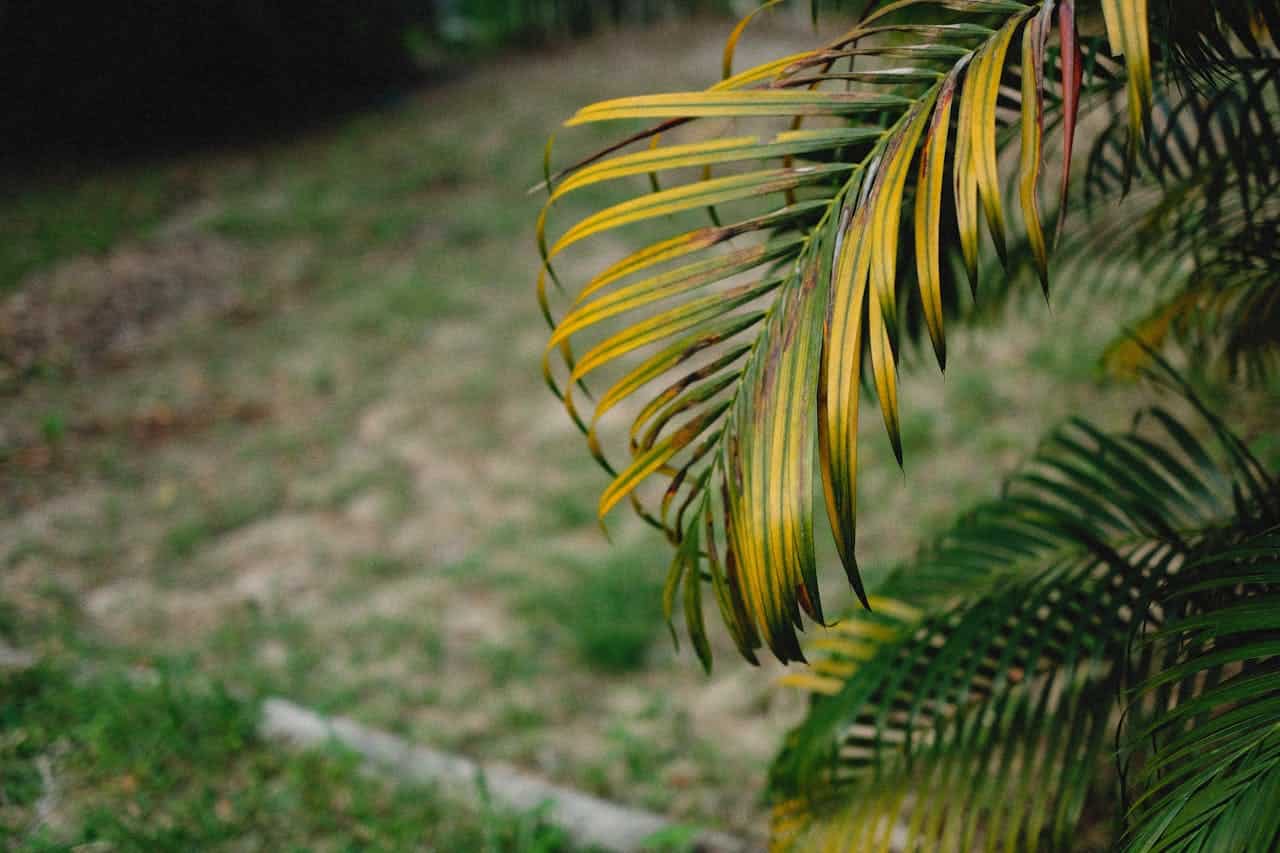
If you notice yellowing leaves on your plants, it could indicate various issues. One common cause is improper watering. Both overwatering and underwatering can stress your plants.
Nutrient deficiencies, especially nitrogen, can also lead to yellow leaves. Pay attention to these signs, as they may help you diagnose potential problems in your garden.
Wilting and Drooping
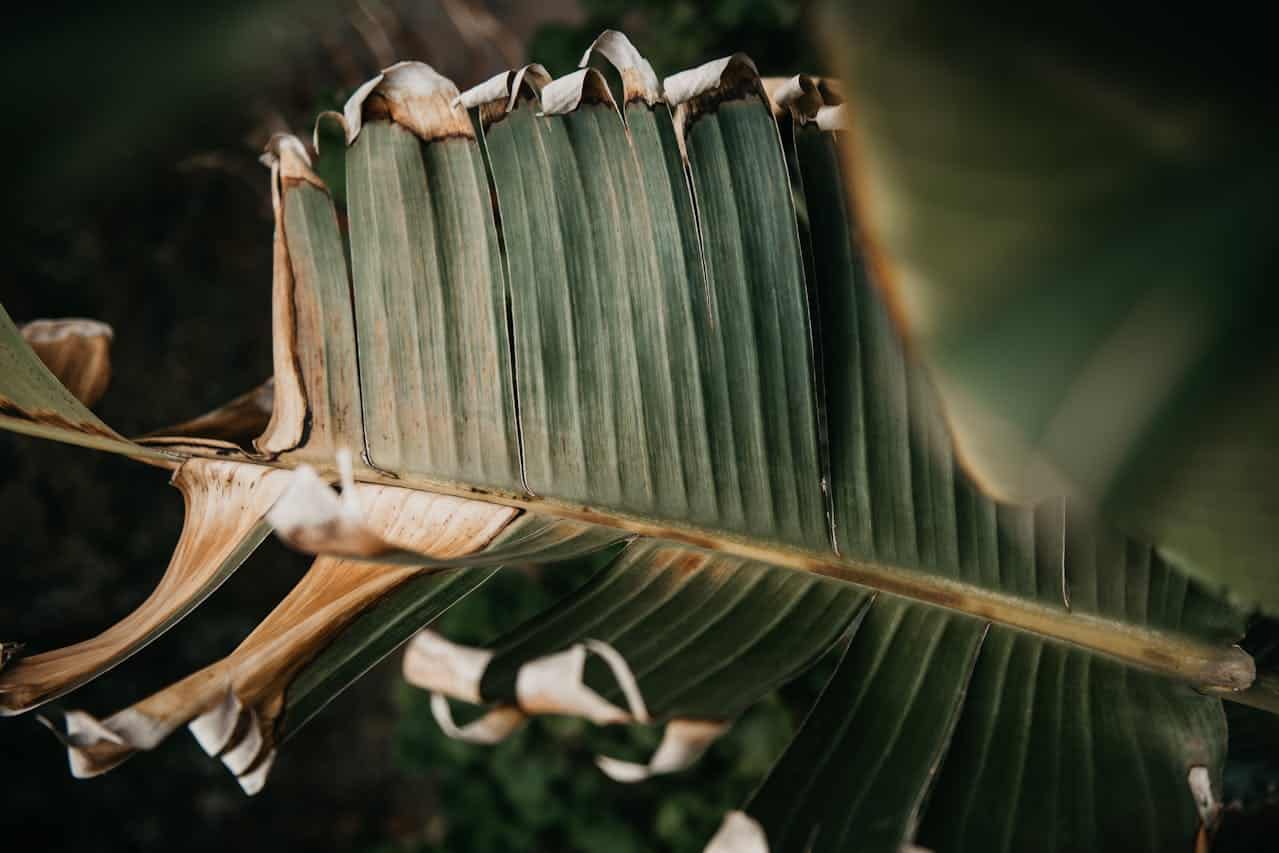
When you notice your plants wilting or drooping, it’s often a sign they are in distress. This can be due to overwatering, leading to soft, floppy leaves.
However, it might also signal root rot or pest infestations. Keep an eye on these symptoms to help your plants recover and thrive.
Black or Brown Leaf Spots

If you notice black or brown spots on your plants, it could be a sign of disease. These spots often appear irregularly shaped and can indicate various issues.
Take a closer look. The spots may be caused by fungal infections, which often thrive in humid conditions. Identifying the problem early can help keep your garden healthy and thriving.
Curling Leaves
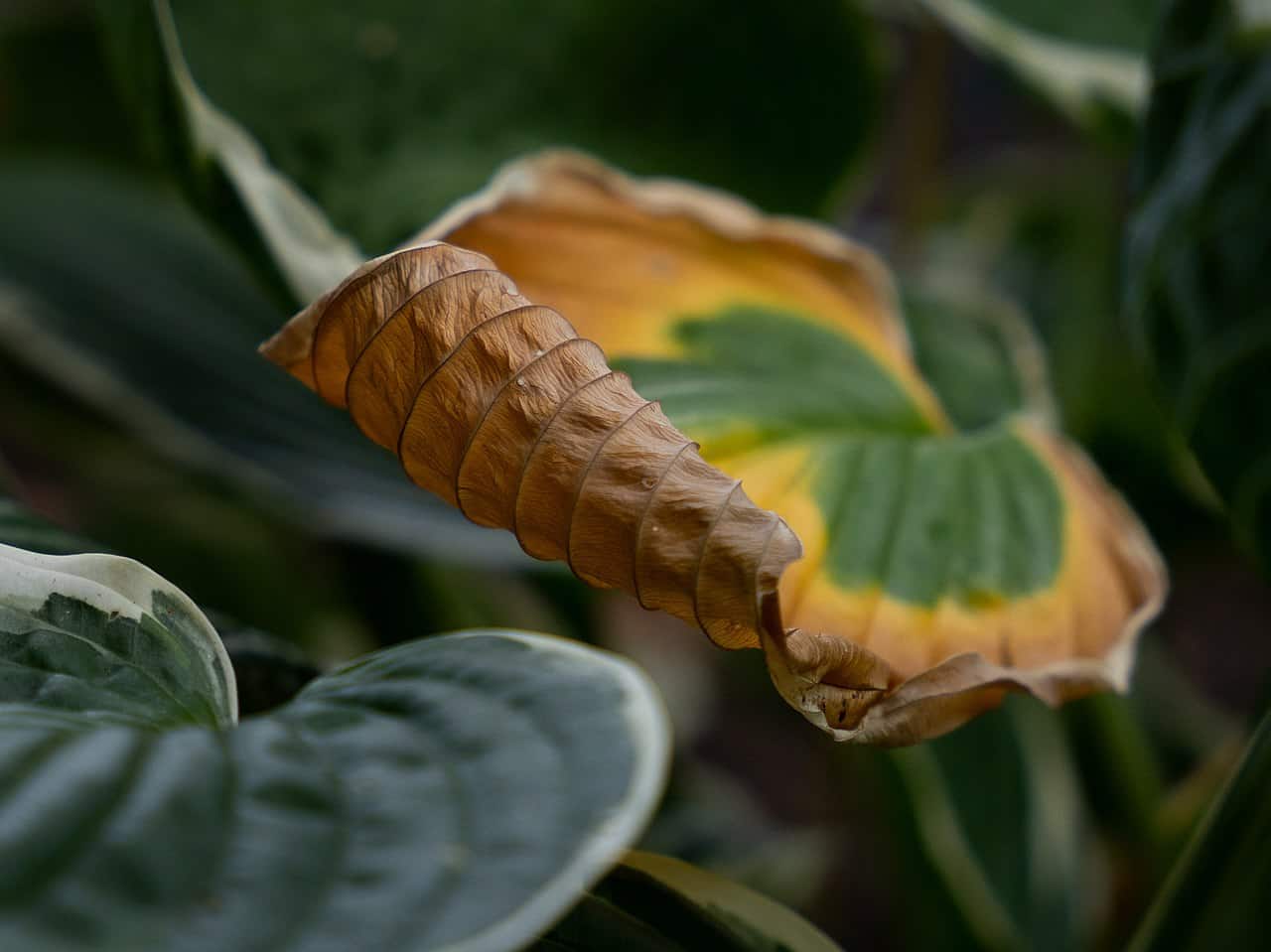
If you notice your plant’s leaves curling, it could indicate stress or disease. This response can result from environmental factors like improper watering or nutrient deficiencies.
Pests can also play a role. Check for any insect damage, as pests may cause leaves to curl as they feed. Addressing these issues promptly can help your garden thrive.
Deformed Flowers

Noticing deformed flowers in your garden can be concerning. These abnormalities may appear as irregular shapes, sizes, or colors.
Deformations can result from various factors, including pests or diseases affecting your plants. Keeping an eye on your flowers helps you take action early. Regular inspection can save your garden from further issues.
Discolored Fruit
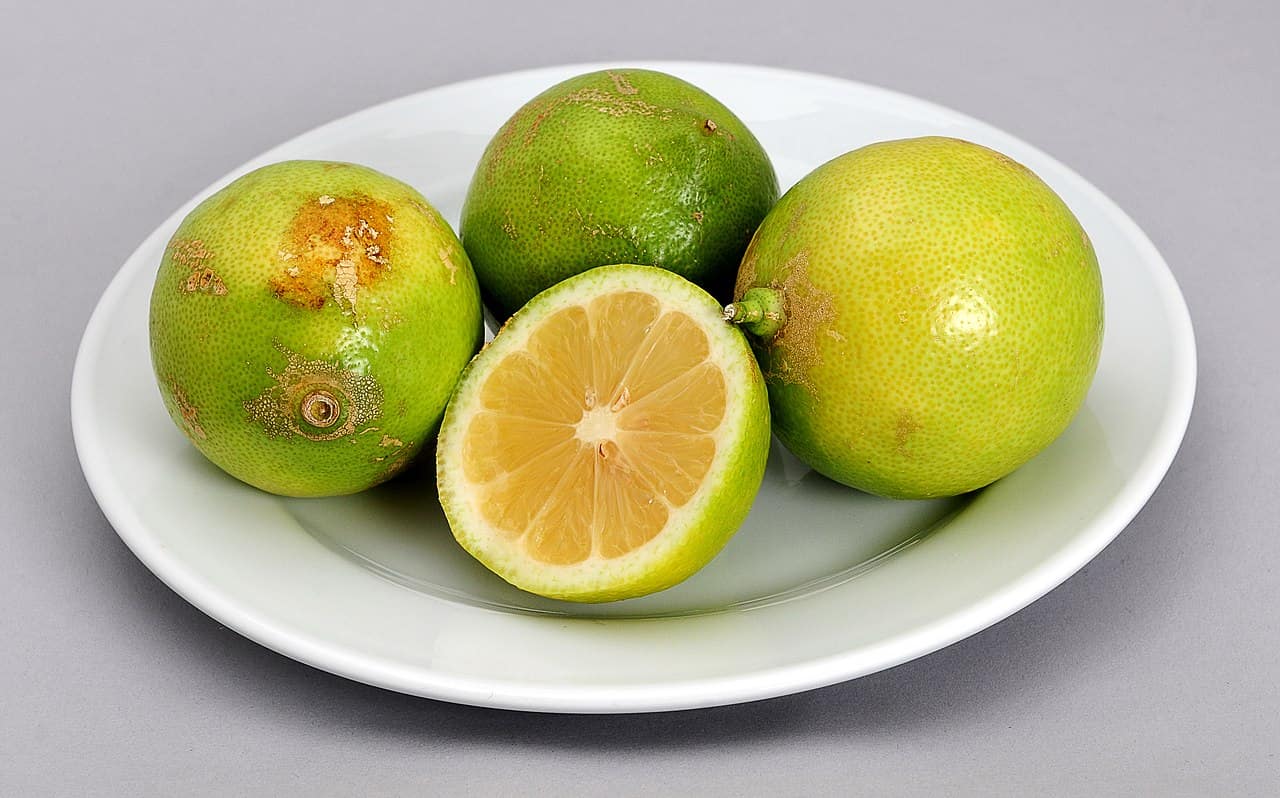
If you notice your fruit exhibiting unusual colors, it could be a sign of disease. Look for spots, stripes, or an overall dull appearance. Discolored fruit may indicate issues like bacterial infections or fungal diseases.
Pay attention to the texture as well; those changes can help you diagnose the problem. Healthy fruit should have consistent colors and textures.
Mottled Leaves
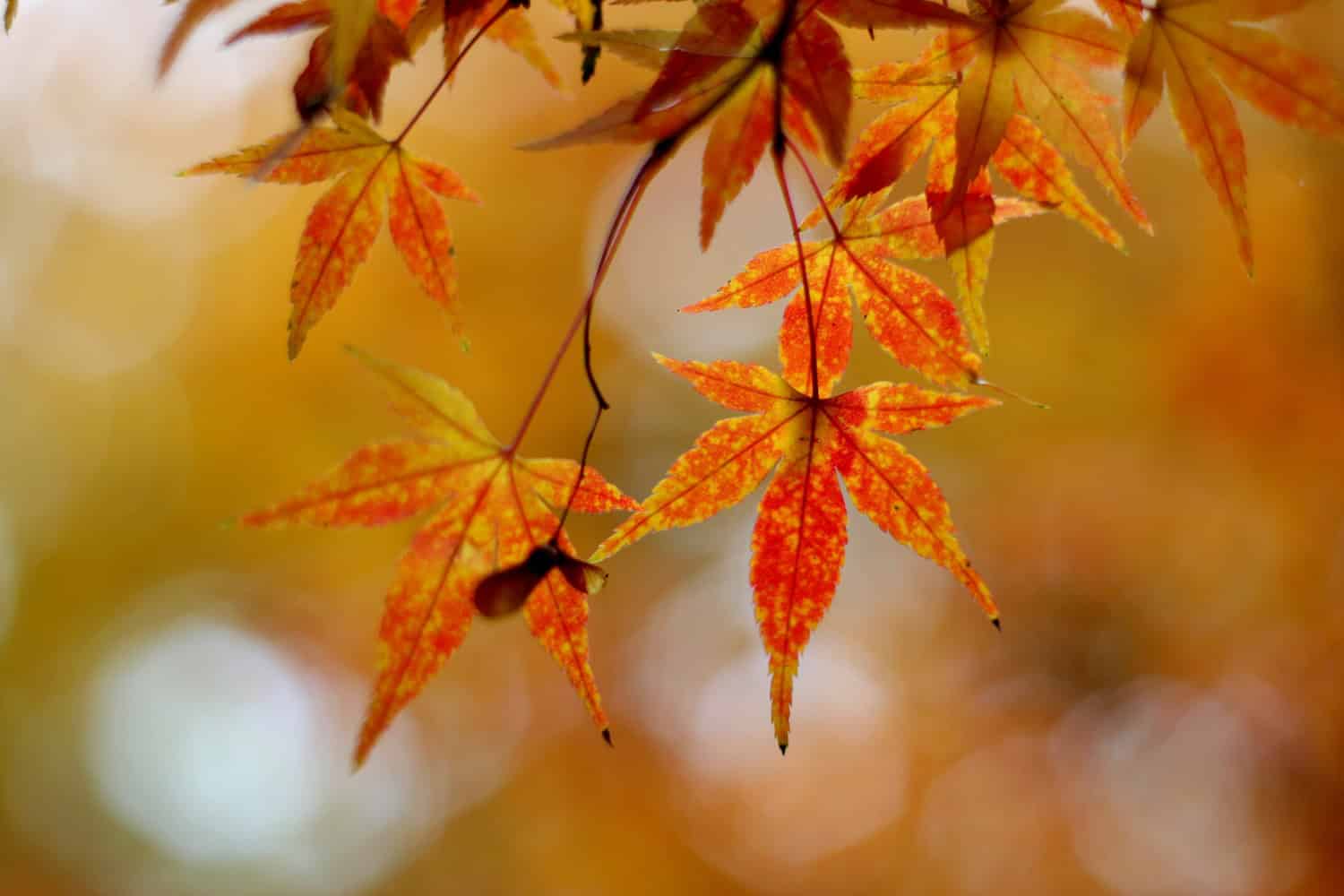
If you notice your plants developing mottled leaves, it’s a sign you should investigate further. This pattern often indicates viral infections like the mosaic virus, which leads to yellow or green blotches on the leaves.
Pay attention to any distortion or curling of the leaves, as these symptoms can worsen. Regularly check your plants, and don’t hesitate to act if you see these changes.
Sudden Wilting

Sudden wilting in your plants can be alarming. It often indicates root problems or insufficient moisture.
Check if the soil is compacted or if the roots are exposed, as these issues can restrict water uptake.
Additionally, pests or diseases might be affecting the roots. Keeping an eye on your plants can help you tackle issues early.
Dieback of Stems
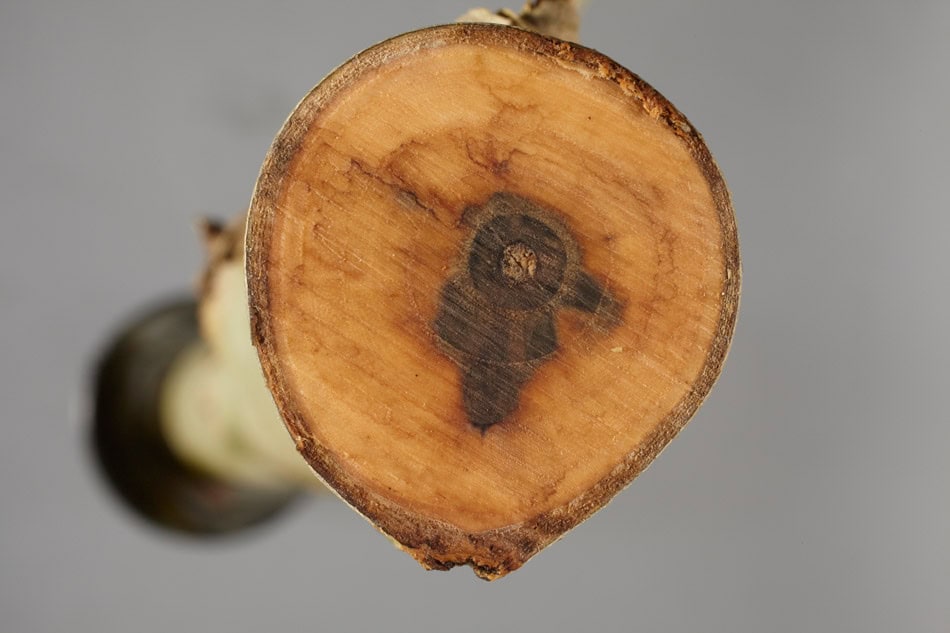
If you notice that the tips of your plants’ stems are turning brown or black, this could indicate dieback. You might also see wilting leaves or a lack of new growth.
Check for any signs of decay or discoloration along the stem. This issue often starts at the tips and can progress downwards. Addressing it early can help save your plants.
Dropping Leaves
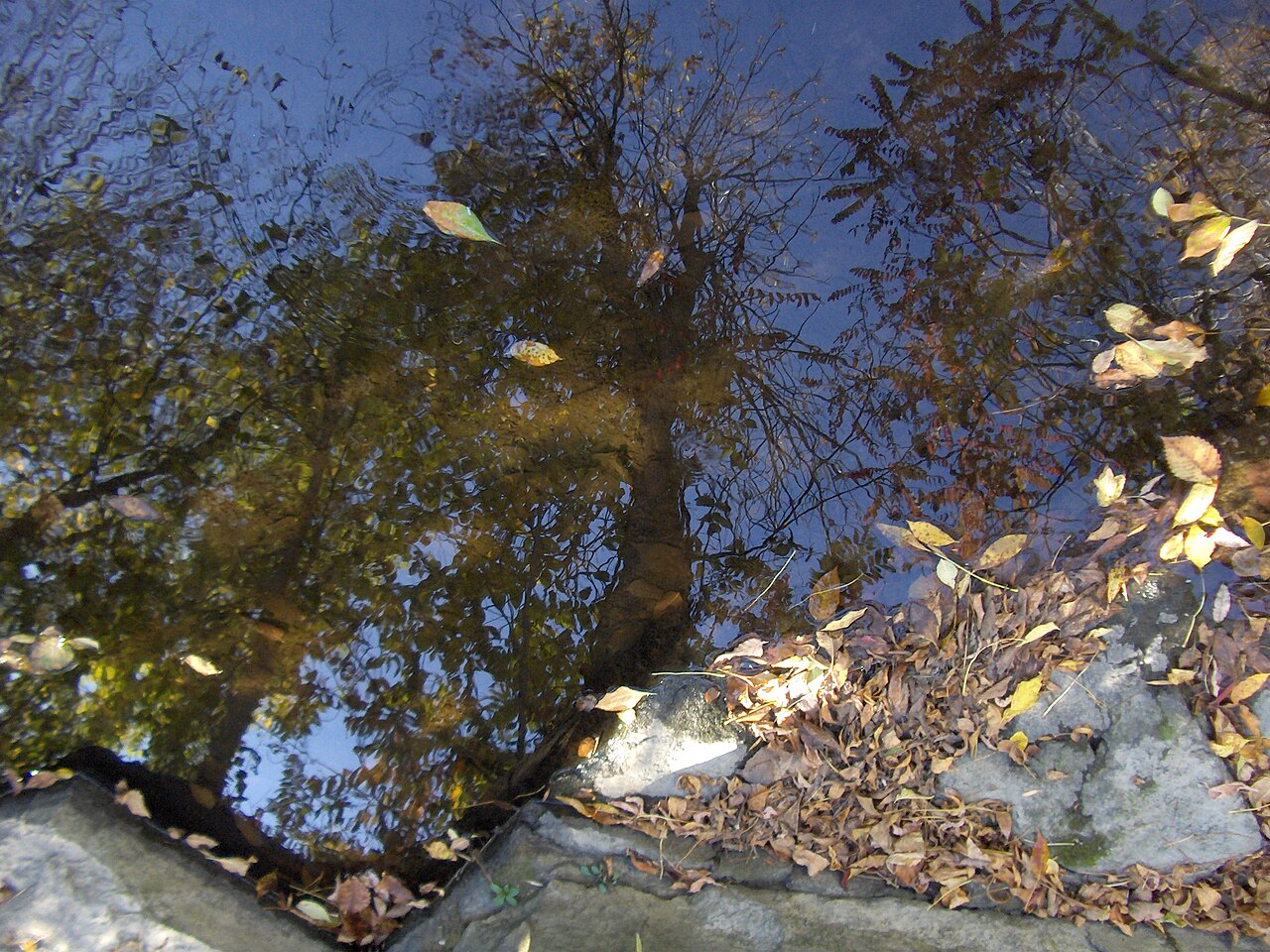
If you notice leaves dropping from your plants, it could signal stress from an underlying disease. Often, this happens when roots are affected or when there are nutrient deficiencies.
Check for signs like yellowing or browning edges, which may suggest that your plant needs attention. Addressing these issues quickly can help restore your garden’s health.