As an avid gardener, few things are more heartbreaking than watching your carefully nurtured flower garden fall victim to pests and diseases. These threats can rob your garden of the vibrant colors and fragrant scents that make it such a joyful place to spend your time. Each season brings its own unique challenges, requiring vigilance and a proactive approach to keep your garden healthy. In this blog post, we will discuss ten seasonal pests and diseases to watch out for in your flower garden, providing you with the knowledge you need to protect your precious blooms.
1. Aphids

Aphids, tiny pear-shaped insects, can wreak havoc in your flower garden. They feed on plant sap, causing leaves to curl, wilt, or yellow.
Advertisement
These pests multiply rapidly and can quickly overwhelm your garden if not addressed. Spraying your plants with a strong jet of water can knock aphids off your plants. Alternatively, introducing natural predators like ladybugs and lacewings can help control aphid populations.
2. Black Spot
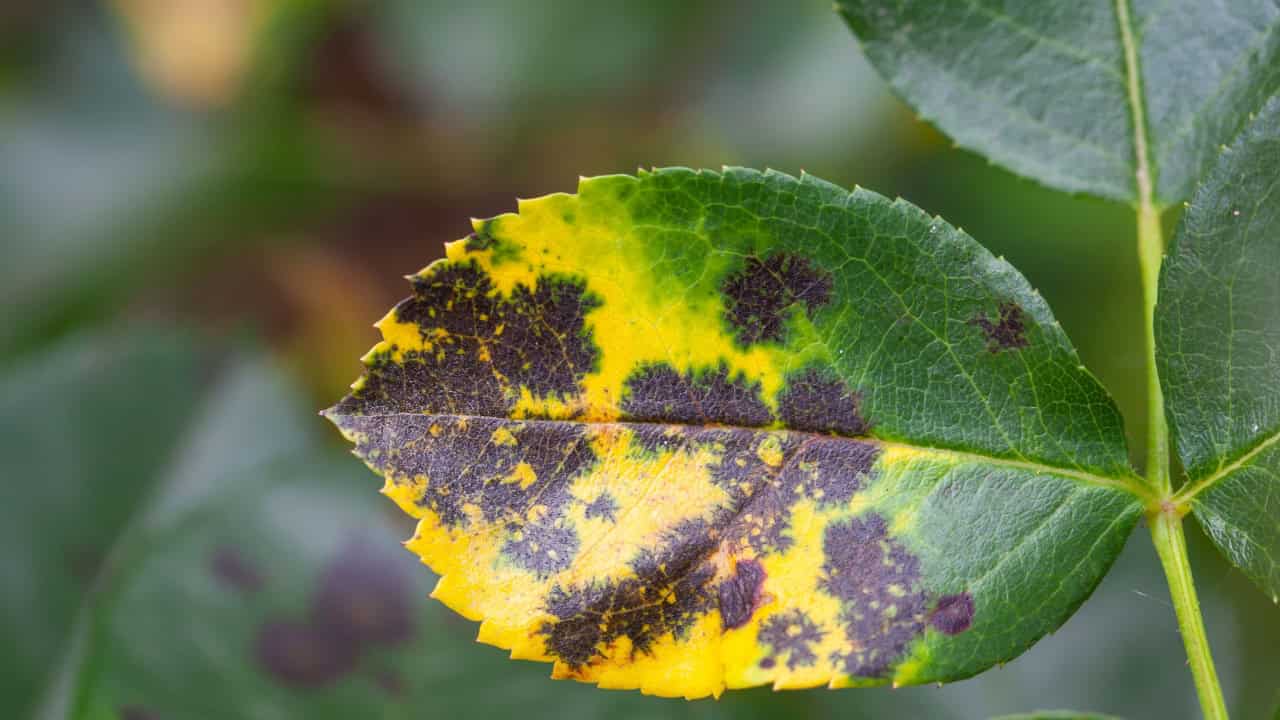
Black spot is a fungal disease that targets roses, producing dark spots on the leaves and stems.
Affected leaves will eventually yellow and drop off, severely weakening the plant. Regular fungicide treatments and proper pruning to increase air circulation can help prevent this disease.
3. Snails and Slugs
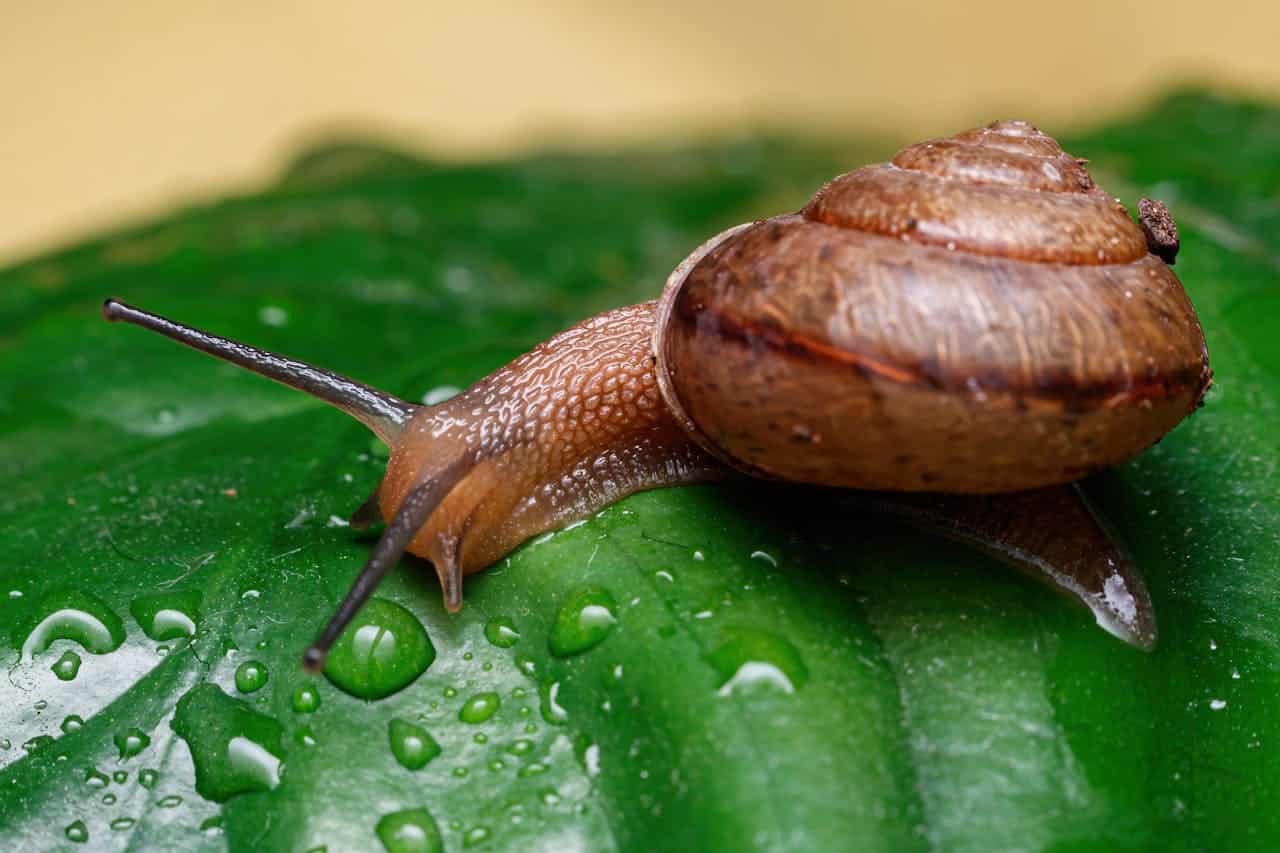
These pests are notorious for chewing large, ragged holes in leaves, flowers, and stems, especially after it rains.
To protect your plants, try using barriers of diatomaceous earth or copper tape around your flower beds. Alternatively, you can trap them using beer traps.
4. Powdery Mildew
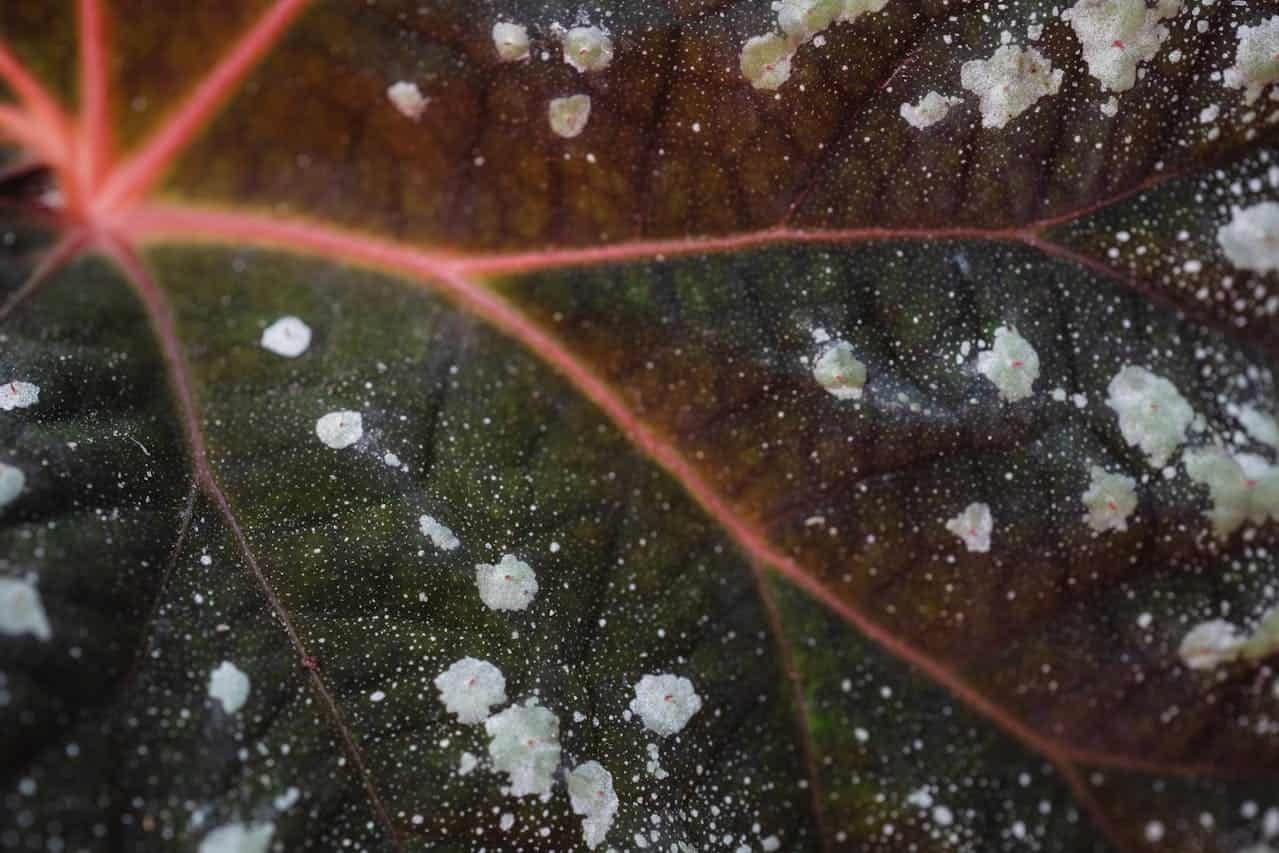
This fungal disease causes a white, powdery coating on leaves, stems, and flowers.
It typically occurs in dry, warm conditions and can be treated with fungicides or by removing and destroying affected plants.
5. Japanese Beetles

Japanese beetles feed on a variety of plants, leaving behind skeletonized leaves.
Traps can be effective but might attract more beetles to your garden. Handpicking or introducing natural predators can be more effective methods of control.
6. Spider Mites

Spider Mites are tiny pests that suck the sap from plants, causing yellowing or browning of leaves.
Regularly hosing down your plants can prevent infestations. If an infestation occurs, miticides can be used.
7. Botrytis Blight

Also known as Gray Mold, Botrytis Blight is a fungal disease that causes flowers and buds to rot.
To prevent this disease, ensure good air circulation, avoid overhead watering, and remove affected plants promptly.
8. Leaf Miners

Leaf miners are larvae of certain insects that tunnel through leaves, creating distinctive trails.
To control leaf miners, remove affected leaves and introduce natural predators like parasitic wasps.
9. Thrips

Thrips are tiny insects that cause discoloration and distortion of leaves and flowers by sucking plant sap.
Control methods include introducing natural predators or using insecticidal soap or neem oil.
10. Rust
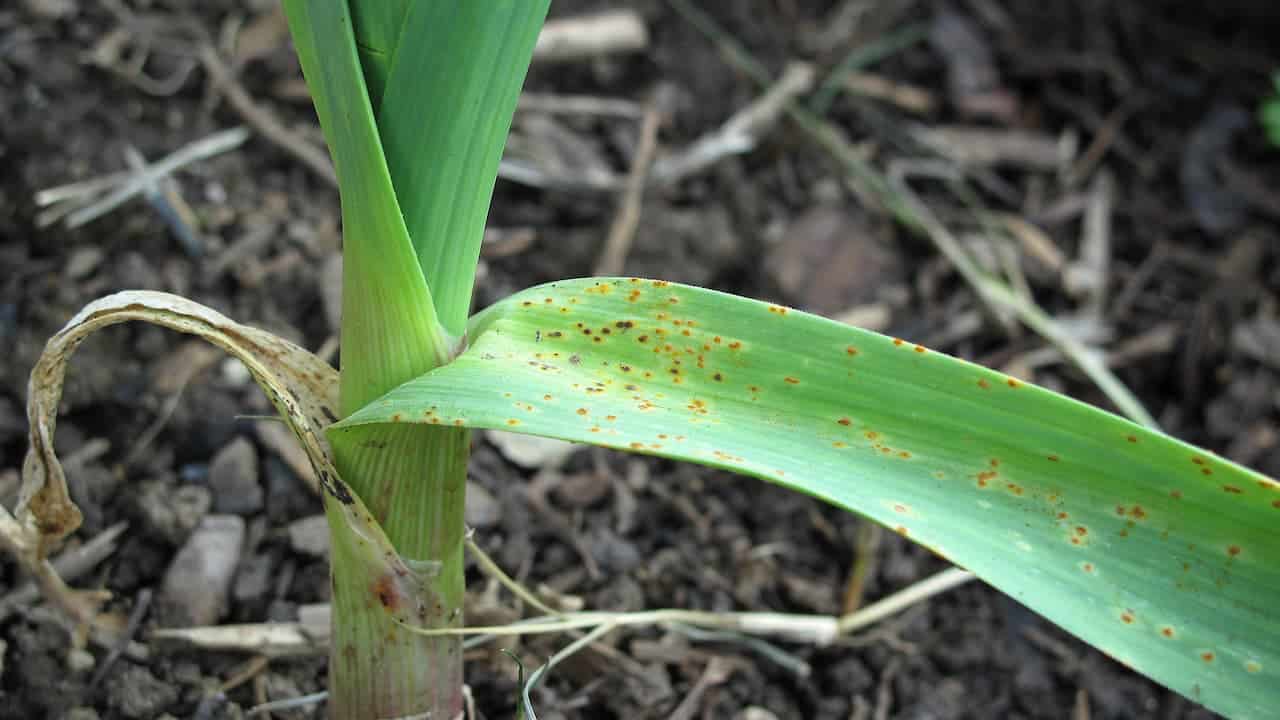
Rust is a fungal disease that causes orange or yellow spots on the undersides of leaves.
To prevent and control rust, ensure good air circulation, water at the base of plants, and apply appropriate fungicides.